معلومات للزوار
زيارة فوشيمي إناري تايشا
توفر زيارة فوشيمي إناري تايشا تجربة فريدة وغامرة في ثقافة الشنتو وعبادة إيناري، إله الأرز والزراعة والأعمال والازدهار. يشتهر المزار بآلاف بوابات توري القرمزية التي تتجه صعودًا إلى جبل إيناري، مما يخلق مسارًا مذهلاً بصريًا ورافعًا للروح. تستغرق الرحلة إلى القمة والعودة حوالي 2-3 ساعات، مع وجود مزارات صغيرة ومناطق استراحة على طول الطريق. المزار مفتوح على مدار 24 ساعة في اليوم، مما يسمح للزوار بالاستكشاف بالسرعة التي تناسبهم وتجربة الجو الهادئ، خاصة خلال ساعات الصباح الباكر أو المساء المتأخر عندما تكون الحشود أقل. يمكن الوصول بسهولة إلى منطقة المزار الرئيسية من كيوتو، مما يجعلها وجهة شهيرة لكل من السكان المحليين والسياح. سواء كنت مهتمًا بتقاليد الشنتو أو المشي لمسافات طويلة أو مجرد الاستمتاع بالمناظر الخلابة، فإن فوشيمي إناري تايشا يوفر زيارة لا تُنسى ومثرية. لا تنسَ البحث عن العديد من تماثيل الثعالب، التي تعتبر رسل إيناري، وغالبًا ما تحمل مفتاحًا في أفواهها، يرمز إلى مفتاح مخزن الأرز.
أبرز المعالم
- آلاف بوابات توري القرمزية المتعرجة على جبل إيناري.
- فرصة المشي لمسافات طويلة إلى قمة جبل إيناري واستكشاف المزارات الصغيرة على طول الطريق.
- الجو الهادئ، خاصة خلال ساعات الصباح الباكر أو المساء المتأخر.
أشياء يجب معرفتها
- يمكن أن تكون الرحلة إلى القمة شاقة، لذا ارتدِ أحذية مريحة واصطحب معك الماء.
- يمكن أن يكون المزار مزدحمًا، خاصة خلال مواسم الذروة السياحية.
- من المتوقع ارتداء ملابس محتشمة وسلوك محترم عند زيارة المزار.
الموقع
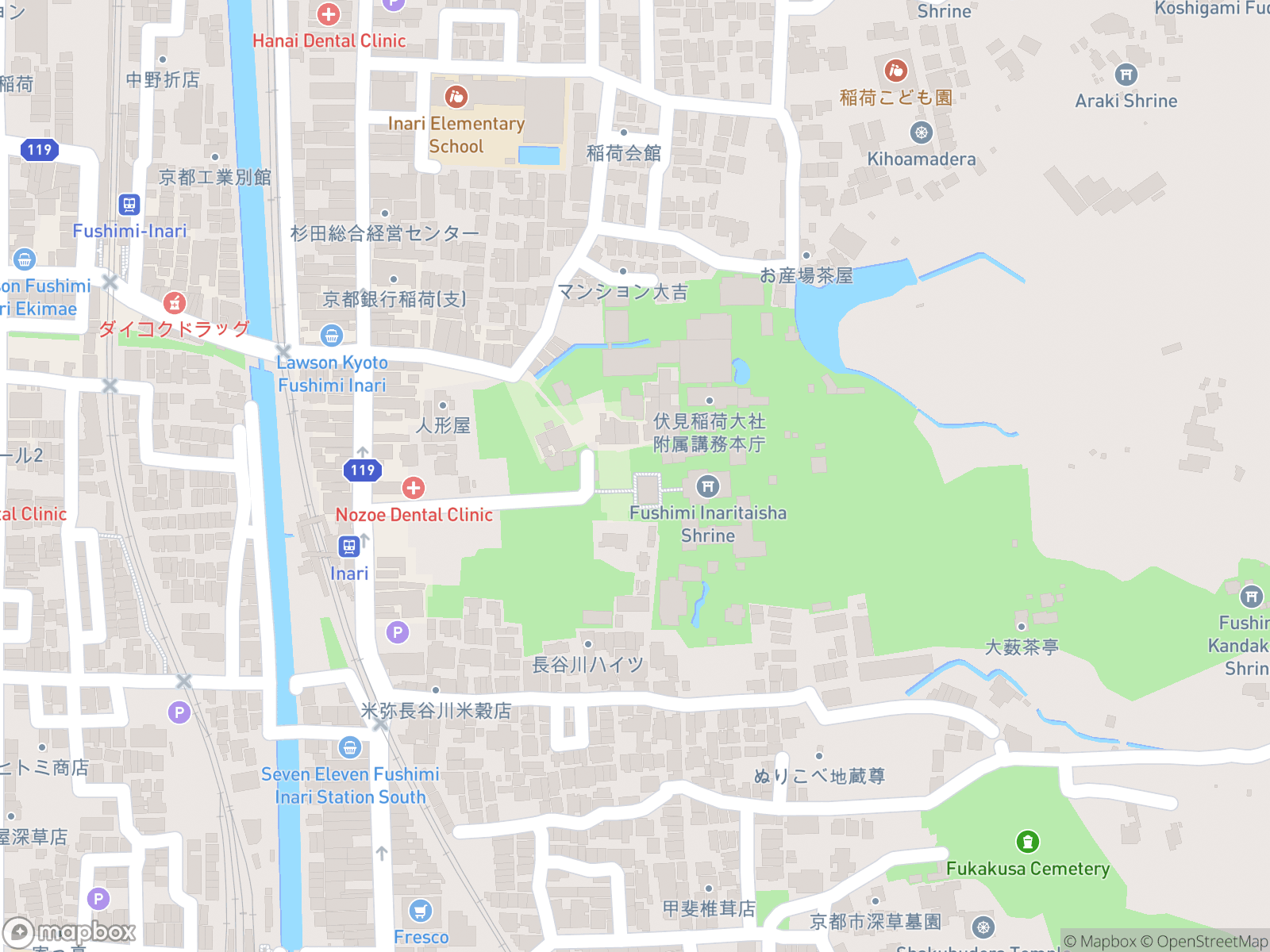
68 Yabunouchi-cho, Fukakusa Fushimi-ku, Kyoto, Kyoto Prefecture 612-0882, Japan
ساعات العمل: مفتوح 24 ساعة
كيفية الوصول: يمكن الوصول إليه عبر خط Keihan الرئيسي أو خط Nara إلى محطة Fushimi-Inari أو محطة Inari على التوالي.
احصل على الاتجاهاتنصائح لزيارتك
ارتدِ أحذية مريحة
تتضمن الرحلة إلى جبل إيناري الكثير من المشي، لذا فإن الأحذية المريحة ضرورية.
أحضر الماء
من المهم الحفاظ على رطوبة الجسم، خاصة خلال الأشهر الأكثر دفئًا.
حول
فوشيمي إناري تايشا هو المزار الرئيسي لإيناري، ويقع في فوشيمي-كو، كيوتو، اليابان. يقع المزار عند قاعدة جبل إيناري، الذي يرتفع 233 مترًا (764 قدمًا) فوق مستوى سطح البحر. يشتهر بآلاف بوابات توري القرمزية التي تخلق مسارًا ساحرًا صعودًا إلى الجبل.
باعتباره الأهم من بين آلاف المزارات المخصصة لإيناري، يحتل فوشيمي إناري تايشا مكانة مهمة في تقاليد الشنتو. إيناري هو إله الشنتو للأرز والزراعة والأعمال والازدهار، مما يجعل المزار مركزًا حيويًا لأولئك الذين يسعون إلى البركات في هذه المجالات. يعود تاريخ المزار إلى القرن الثامن، حيث أعيد بناء المزار الرئيسي في عام 1499 بعد حريق.
يمكن لزوار فوشيمي إناري تايشا استكشاف الهندسة المعمارية المذهلة، بما في ذلك بوابة رومون التي بنيت في عام 1589، والتنزه في المسارات التي تصطف على جانبيها حوالي 10000 بوابة توري. المزار مفتوح على مدار 24 ساعة في اليوم، مما يسمح بالزيارات في أي وقت، ويوفر تجربة فريدة وروحية لجميع القادمين. تضفي تماثيل الثعالب الشهيرة، التي تعتبر رسل إيناري، جوًا صوفيًا على المزار.
معرض الصور
العناصر الرمزية
يتميز الجزء الخارجي للمعبد بنقوش معقدة، كل منها غني بالمعنى الروحي:
بوابات Torii
بوابات torii القرمزية هي الرمز الأكثر شهرة في فوشيمي إيناري تايشا. تم التبرع بكل بوابة من قبل شركة يابانية كعلامة على الامتنان ولضمان استمرار الازدهار. ترمز البوابات إلى المدخل إلى مكان مقدس، وتوجه الزوار على طول الطريق إلى الضريح الداخلي.

تماثيل الثعالب (Kitsune)
تعتبر الثعالب، المعروفة باسم kitsune، رسل إيناري، كامي الأرز والزراعة. توجد العديد من تماثيل الثعالب في جميع أنحاء أراضي الضريح، وغالبًا ما تحمل مفتاحًا في أفواهها، مما يرمز إلى مفتاح مخزن الأرز. تمثل هذه التماثيل الصلة الحيوية بين إيناري وازدهار الناس.

اللون القرمزي
اللون القرمزي النابض بالحياة المستخدم في جميع أنحاء الضريح، وخاصة على بوابات torii، هو عنصر رمزي مهم. في التقاليد اليابانية، يُعتقد أن اللون القرمزي يصد الأرواح الشريرة ويجلب الحظ السعيد. يخلق اللون جوًا مذهلاً بصريًا ووقائيًا روحيًا.

جبل إيناري
جبل إيناري نفسه موقع مقدس، حيث تم بناء الضريح عند قاعدته وتتجه الممرات إلى القمة. يعتبر الجبل مكانًا للقوة الروحية والاتصال بالكامي. يعتبر المشي لمسافات طويلة إلى القمة حجًا، مما يسمح للزوار بالانغماس في البيئة الطبيعية والروحية.

مفتاح مخزن الأرز
تحمل العديد من تماثيل الثعالب مفتاحًا في أفواهها، وهو مفتاح مخزن الأرز. يرمز هذا المفتاح إلى دور إيناري ككامي للأرز والزراعة، مما يضمن حصادًا وفيرًا وازدهارًا للناس. يمثل المفتاح الوصول إلى الموارد الأساسية للحياة والرفاهية.

بوابة رومون
تعتبر بوابة رومون، التي بنيت عام 1589 على يد تويوتومي هيديوشي، سمة معمارية بارزة في الضريح. تعمل هذه البوابة المكونة من طابقين كمدخل كبير إلى الأراضي المقدسة، وتعرض الأهمية التاريخية والثقافية للضريح. يعكس تصميم البوابة النمط المعماري لفترة أزوتشي-موموياما.

Honden (القاعة الرئيسية)
أعيد بناء Honden، أو القاعة الرئيسية، في عام 1499 بعد حريق وهو نموذج معماري مهم لفترة أزوتشي-موموياما. يعمل هذا الهيكل كمكان مركزي للعبادة ويضم الآلهة المكرسة. يعكس تصميمه وبنائه الأهمية التاريخية والدينية للضريح.

نمط كاسوغا-زوكوري
تم بناء الضريح على طراز كاسوغا-زوكوري، والذي يتميز بسقف جملوني مع صورة ظلية منحنية ومدخل مميز. هذا النمط المعماري تقليدي لأضرحة الشنتو ويضيف إلى القيمة الجمالية والثقافية الفريدة للضريح. يعكس نمط كاسوغا-زوكوري الجذور العميقة للضريح في التاريخ الياباني والممارسات الدينية.
حقائق مثيرة للاهتمام
يرأس فوشيمي إيناري تايشا شبكة تضم أكثر من 30000 ضريح إيناري في جميع أنحاء اليابان.
تأسس الضريح في عام 711 م على يد عشيرة هاتا.
تم التبرع بكل بوابة من بوابات torii التي يبلغ عددها حوالي 10000 من قبل شركة يابانية.
Senbon Torii عبارة عن صفين متوازيين من بوابات torii ذات اللون القرمزي المكتظة.
كان إيناري في الأصل كامي الأرز والزراعة، ولكنه أيضًا راعي الأعمال.
يُعتقد أن الثعالب هم رسل إيناري.
اكتسب الضريح رعاية إمبراطورية خلال فترة هييان المبكرة.
من عام 1871 حتى عام 1946، تم تصنيف فوشيمي إيناري-تايشا رسميًا كواحد من كانبي-تايشا.
أعيد بناء الضريح الرئيسي في عام 1499 بعد تدميره في حريق.
يستغرق المشي لمسافات طويلة إلى قمة جبل إيناري حوالي 2-3 ساعات.
الضريح مفتوح على مدار 24 ساعة في اليوم، مما يتيح للزوار الاستكشاف في أي وقت.
تم بناء الضريح على طراز كاسوغا-زوكوري.
تم بناء بوابة رومون بواسطة تويوتومي هيديوشي.
يقع الضريح في فوشيمي-كو، كيوتو.
يشتهر الضريح ببوابات torii القرمزية.
الأسئلة الشائعة
ما هو فوشيمي إيناري تايشا؟
فوشيمي إيناري تايشا هو الضريح الرئيسي لإيناري، إله الشنتو للأرز والزراعة والأعمال والازدهار، ويقع في فوشيمي-كو، كيوتو، اليابان. يشتهر بآلاف بوابات torii القرمزية التي تصعد جبل إيناري.
من هو إيناري؟
إيناري هو إله الشنتو للأرز والزراعة والأعمال والازدهار. غالبًا ما يرتبط الإله بالثعالب، التي تعتبر رسل إيناري.
لماذا يوجد الكثير من بوابات torii في فوشيمي إيناري تايشا؟
تم التبرع بكل بوابة من بوابات torii التي يبلغ عددها حوالي 10000 من قبل شركة يابانية كعلامة على الامتنان ولضمان استمرار الازدهار. ترمز البوابات إلى المدخل إلى مكان مقدس.
كم من الوقت يستغرق المشي لمسافات طويلة إلى قمة جبل إيناري؟
يستغرق المشي لمسافات طويلة إلى قمة جبل إيناري حوالي 2-3 ساعات، ويمتد لمسافة 4 كيلومترات (2.5 ميل). تصطف الممرات بأضرحة صغيرة ومناطق استراحة.
ما هي أفضل الأوقات لزيارة فوشيمي إيناري تايشا؟
أفضل الأوقات للزيارة هي من أواخر الصباح إلى منتصف بعد الظهر، أو في الصباح الباكر أو في وقت متأخر من المساء لتجنب الحشود. الضريح مفتوح على مدار 24 ساعة، مما يسمح بالزيارات في أي وقت.
قصص مميزة
أسطورة التأسيس
711 CE
تتجذر نشأة فوشيمي إيناري تايشا في أسطورة آسرة تتضمن هاتا نو إيروغو، وهو عضو في عشيرة هاتا المؤثرة. وفقًا للحكاية، أطلق هاتا نو إيروغو سهمًا على موتشي، وهي كعكة أرز يابانية تقليدية. بأعجوبة، تحول الموتشي إلى طائر أبيض وحلق إلى قمة جبل إيناري.
عند الوصول إلى القمة، تسبب الطائر الأبيض في إنبات الأرز وازدهاره، مما يدل على الصلة الإلهية بين الأرض وازدهار الناس. أدى هذا الحدث الاستثنائي إلى إنشاء الضريح كمكان لتكريم إيناري، كامي الأرز والزراعة. تؤكد الأسطورة على الأهمية التاريخية والروحية العميقة للضريح، وتربط أصوله بحدث خارق ونعم إيناري.
المصدر: Wikipedia - Fushimi Inari-taisha
أهمية بوابات Torii
Ongoing
إن آلاف بوابات torii القرمزية التي تصطف على الطريق المؤدي إلى جبل إيناري هي أكثر من مجرد مشهد بصري؛ إنها تمثل الإيمان الدائم وامتنان الشركات اليابانية. تم التبرع بكل بوابة من قبل شركة تسعى إلى تكريم إيناري، كامي الأعمال والازدهار، وضمان استمرار النجاح في مشاريعها.
إن المشي عبر Senbon Torii، وهما الصفان المتوازيان من البوابات المكتظة، هو تجربة روحية عميقة، حيث يحيط الزوار برموز الازدهار والفضل الإلهي. تعمل البوابات كدليل على العلاقة الدائمة بين الضريح ومجتمع الأعمال، وتسليط الضوء على أهمية الإيمان والتقاليد في المجتمع الياباني.
المصدر: Japan-Guide.com - Fushimi Inari Shrine
دور الثعالب كرسل
Ancient Times
تحتل الثعالب، المعروفة باسم kitsune، مكانة خاصة في تقاليد فوشيمي إيناري تايشا، حيث تعمل كرسل لإيناري، كامي الأرز والزراعة والأعمال والازدهار. غالبًا ما يتم تصوير هذه الحيوانات الموقرة في تماثيل في جميع أنحاء أراضي الضريح، وغالبًا ما تحمل مفتاحًا في أفواهها، مما يرمز إلى الوصول إلى مخزن الأرز ونعم الحصاد الوفير.
إن وجود الثعالب في الضريح هو تذكير بالصلة الحيوية بين العالم الطبيعي والإلهي، فضلاً عن أهمية احترام وتكريم المخلوقات التي تلعب دورًا في الحفاظ على الحياة. تعمل تماثيل الثعالب كتمثيل ملموس لحضور إيناري وتأثيره، وتوجه الزوار في رحلتهم الروحية.
المصدر: Kiddle - Fushimi Inari-taisha
الجدول الزمني
تأسيس الضريح
تم تأسيس الضريح رسميًا من قبل عشيرة هاتا. وفقًا للأسطورة، أطلق هاتا نو إيروغو سهمًا على موتشي (كعكة الأرز)، والتي تحولت إلى طائر أبيض وطار إلى قمة جبل إيناري، حيث بدأ الأرز في النمو.
حدث بارزنقل العاصمة إلى كيوتو
تم نقل العاصمة إلى كيوتو، مما زاد من مكانة الضريح.
حدثفترة هييان المبكرة
اكتسب الضريح رعاية إمبراطورية خلال فترة هييان المبكرة.
حدثنقل موقع الضريح
تم نقل موقع الضريح بناءً على طلب الراهب كوكاي.
حدثالحصول على أعلى رتبة
حصل فوشيمي إيناري على أعلى رتبة ممكنة لضريح شينتو.
حدث بارزمرسوم الإمبراطور
أمر الإمبراطور موراكامي بأن يحمل الرسل روايات مكتوبة عن الأحداث الهامة إلى الكامي الحارس لليابان، بما في ذلك ضريح إيناري.
حدثتدمير الضريح الرئيسي
تم تدمير هيكل الضريح الرئيسي في حريق خلال تمرد أونين.
حدثإعادة بناء الضريح الرئيسي
أعيد بناء الضريح الرئيسي (Honden).
حدث بارزبناء بوابة رومون
تم بناء بوابة رومون بواسطة تويوتومي هيديوشي.
حدث بارزتصنيف كانبي-تايشا
تم تصنيف فوشيمي إيناري-تايشا رسميًا كواحد من كانبي-تايشا، مما يعني أنه كان يحتل المرتبة الأولى بين الأضرحة المدعومة من الحكومة.
حدثمفتوح دائمًا
الضريح مفتوح على مدار 24 ساعة في اليوم، مما يتيح للزوار الاستكشاف بوتيرة خاصة بهم وتجربة الجو الهادئ.
حدثآلاف بوابات Torii
تصطف الممرات المؤدية إلى الجبل بحوالي 10000 بوابة torii.
حدثالمشي لمسافات طويلة إلى القمة
تمتد الممرات المؤدية إلى جبل إيناري لمسافة 4 كيلومترات (2.5 ميل) وتستغرق حوالي ساعتين للمشي.
حدثرسل إيناري
يُعتقد أن الثعالب هم رسل إيناري.
حدثنمط كاسوغا-زوكوري
تم بناء الضريح على طراز كاسوغا-زوكوري.
حدثالعمارة والمرافق
الأهمية الدينية
يحمل فوشيمي إناري تايشا مكانة تبجيل عميقة داخل تقاليد الشنتو، وهو المسار الروحي الأصلي لليابان الذي يحتفل بالحضور المقدس للكامي - الأرواح الإلهية التي تسكن الظواهر الطبيعية والأسلاف والأماكن المقدسة. ليست مزارات الشنتو مجرد أماكن للعبادة ولكنها تُفهم على أنها أماكن سكن الكامي، حيث يصبح الحد الفاصل بين العالمين المرئي وغير المرئي رقيقًا ويمكن للبشر التواصل مع القوى الإلهية التي تحرك كل الخليقة.
يعمل المزار كنقطة التقاء مقدسة بين الإنسانية والكامي، ويوفر مساحة مكرسة حيث يمكن للزوار تقديم الصلوات والتعبير عن الامتنان وطلب التطهير وتلقي البركات من أجل الصحة والازدهار والوئام الروحي. إنه يحافظ على طقوس الشنتو القديمة التي تمارس منذ قرون، ويحافظ على الصلة الحية بين الشعب الياباني والقوى الروحية التي تدعم العالم الطبيعي.
الفرائض المقدسة
سانباي (عبادة المزار)
يتبع الزوار بروتوكول العبادة التقليدي المتمثل في الانحناء والتصفيق مرتين وتقديم صلاة صامتة والانحناء مرة أخرى أمام القاعة الرئيسية. هذا التسلسل الطقسي، الذي يمارسه الملايين من اليابانيين كل عام، يؤسس علاقة شخصية بين العابد والكامي المكرس.
هاراي (طقوس التطهير)
قبل الاقتراب من المزار الداخلي، يقوم الزوار بأداء تيميزو - الغسل الطقسي لليدين والفم في تشوزويا (نافورة التطهير). يرمز فعل التطهير هذا إلى تطهير الجسد والروح الضروري لدخول الفضاء المقدس والتواصل مع الكامي.
نوريتو (صلوات طقسية)
يتلو كهنة الشنتو صلوات رسمية (نوريتو) خلال الاحتفالات، باستخدام اللغة اليابانية القديمة التي تم الحفاظ عليها لعدة قرون. تستدعي هذه الصلوات الكامي، وتعبر عن الامتنان للبركات التي تم تلقيها، وتقدم التماسًا للحماية والإرشاد الإلهيين المستمرين.
ماتسوري (مهرجانات)
يستضيف المزار مهرجانات موسمية تحتفل بالكامي من خلال المواكب والموسيقى والرقص والعروض المجتمعية. تعد هذه الماتسوري من بين أكثر التعبيرات حيوية للثقافة الروحية اليابانية، حيث تمزج بين تبجيل الإلهي والاحتفال المجتمعي والاستمرارية الثقافية.
كامي والمشهد المقدس
في معتقد الشنتو، الكامي ليسوا كائنات بعيدة ومتسامية ولكنهم حضور روحي كامن يسكن داخل الطبيعة - في الجبال والأنهار والأشجار والصخور والعواصف. تم اختيار موقع المزار لأنه كان يُعتقد أن الكامي حاضرون بشكل خاص هنا، مما يجعل الموقع محورًا طبيعيًا للقوة الروحية. المشهد المحيط ليس مجرد خلفية ولكن جزء لا يتجزأ من المنطقة المقدسة، مما يعكس قناعة الشنتو بأن الطبيعة نفسها إلهية بطبيعتها وتستحق التبجيل.
الانسجام بين الإنسانية والطبيعة
يعلم الشنتو أن البشر موجودون في علاقة مترابطة مع العالم الطبيعي والكامي الذين يدعمونه. زيارة المزار هي عمل اعتراف بهذه العلاقة - التعبير عن الامتنان لبركات الطبيعة، وطلب المغفرة عن التعديات على النظام الطبيعي، وتجديد التزام الفرد بالعيش في وئام مع العالم. وبالتالي، لا يعمل المزار كمكان للتفاني الشخصي فحسب، بل كتذكير بمسؤولية الإنسانية المقدسة لحماية وتكريم العالم الحي.
معابد مشابهة
المصادر والأبحاث
كل حقيقة في Temples.org مدعومة بـ مصادر وأبحاث موثقة. يتم تصنيف كل معلومة حسب مستوى المصدر والثقة.
عرض جميع المصادر (3)
| الحقل | المصدر | المستوى | تاريخ الاسترجاع |
|---|---|---|---|
| Japan-Guide.com - Fushimi Inari Shrine | Japan-Guide.com (opens in a new tab) | C | 2026-02-13 |
| Kiddle - Fushimi Inari-taisha | Kiddle (opens in a new tab) | C | 2026-02-13 |
| Kyoto.travel - Fushimi Inari Shrine | Kyoto.travel (opens in a new tab) | C | 2026-02-13 |