معلومات للزوار
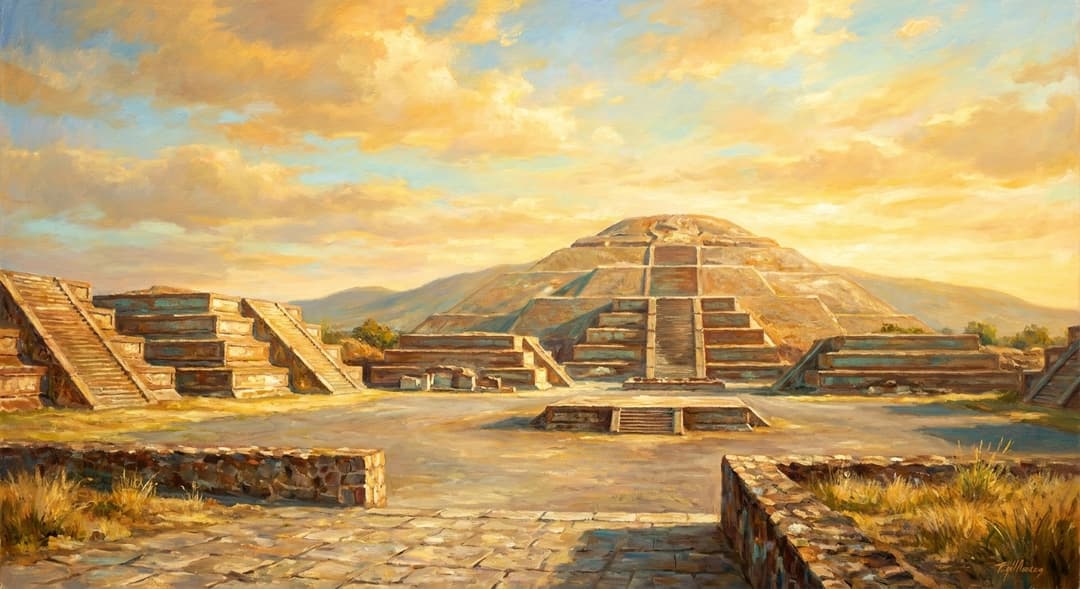
زيارة أهرامات تيوتيهواكان (هرم الشمس وهرم القمر)
Visiting Teotihuacan offers an extraordinary encounter with Mesoamerica's ancient past. Visitors walk along the vast Avenue of the Dead and explore grand plazas framed by monumental pyramid bases.
أبرز المعالم
- Walking the monumental Avenue of the Dead procession route.
- Standing in the expansive Plaza of the Moon framing Cerro Gordo mountain.
- Exploring the intricately carved Palace of Quetzalpapalotl.
- Viewing ancient polychrome mural fragments preserved in situ.
أشياء يجب معرفتها
- Climbing the upper tiers of the Sun and Moon pyramids is permanently prohibited.
- The site has minimal shade, so full sun protection and water are essential.
- Arrive at 8:00 AM opening to avoid large afternoon tour groups and heat.
الموقع
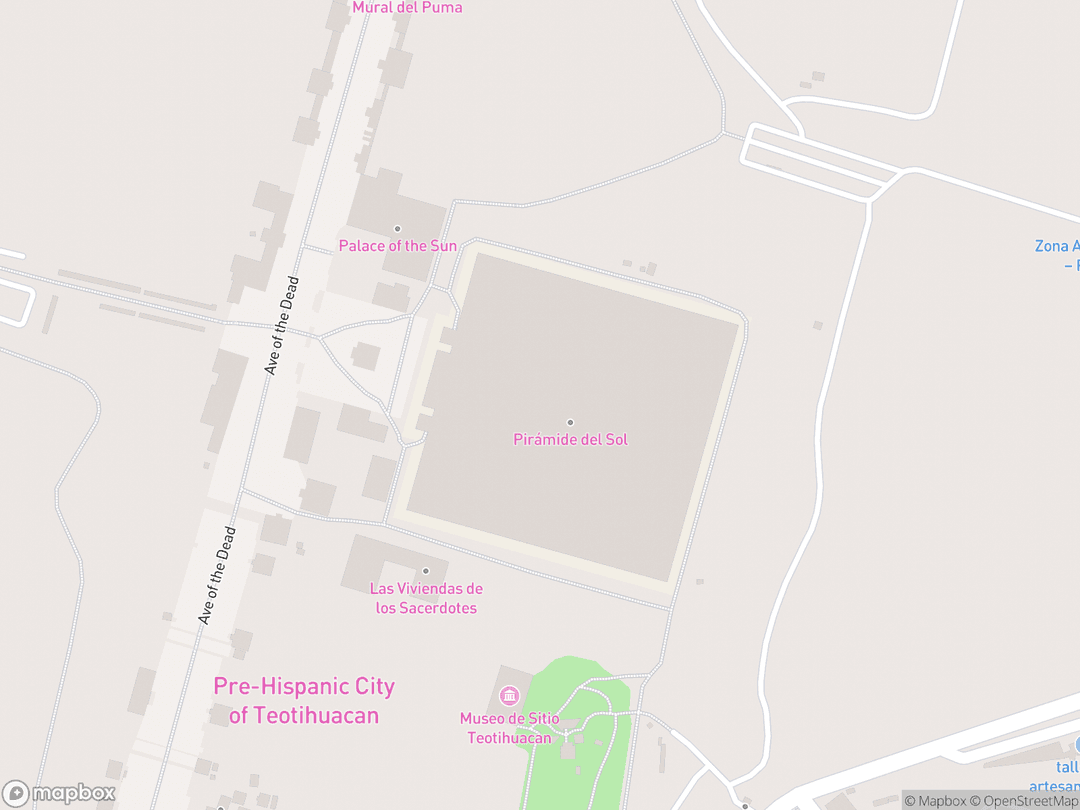
Ecatepec - Pirámides km 22, Zona Arqueológica de Teotihuacán, 55800 Teotihuacán de Arista, State of Mexico, Mexico
ساعات العمل: Open daily 8:00 AM to 5:00 PM; site museums operate 9:00 AM to 4:30 PM.
كيفية الوصول: Direct buses run every 15 minutes from Terminal Central de Autobuses del Norte in Mexico City directly to Gates 1 and 2.
احصل على الاتجاهاتنصائح لزيارتك
تجنب شمس الظهيرة
ادخل من البوابة 1 أو البوابة 2 في الساعة 8:00 صباحاً لاستكشاف الطرق الرئيسية في ضوء الصباح البارد قبل أن تشتد الحرارة.
قم بزيارة متاحف الموقع أولاً
استكشف متاحف موقع المعهد الوطني للأنثروبولوجيا والتاريخ (INAH) الداخلية في وقت مبكر لمشاهدة أسلحة الأوبسيديان الأصلية، ومقتنيات الدفن القرابينية، والنماذج المصغرة.
ارتدِ أحذية مشي متينة
تمتد الحديقة الأثرية على مسافة تزيد عن كيلومترين من مسارات الحصى المكشوفة والأحجار المرصوفة القديمة غير المستوية.
حول
تعد أهرامات تيوتيهواكان واحدة من أهم وأكبر المواقع الأثرية في أمريكا الوسطى. تقع هذه المدينة القديمة، التي كانت يوماً ما مركزاً حضارياً مزدهراً، على بعد حوالي 40 كيلومتراً شمال شرق مدينة مكسيكو سيتي. يبرز في الموقع هرم الشمس الضخم وهرم القمر، اللذان يطلان على 'طريق الموتى'، وهو المحور الرئيسي للمدينة.
بُنيت هذه الهياكل العظيمة من قبل حضارة مجهولة الاسم، حيث لا يزال العلماء يكتشفون أسرار طقوسهم ومعتقداتهم. تعكس الهندسة المعمارية للموقع فهماً عميقاً لعلم الفلك والرياضيات، حيث تتماشى الأهرامات بدقة مع الظواهر السماوية، مما يجعلها شاهداً على براعة الإنسان القديم في الربط بين الأرض والسماء.
معرض الصور
العناصر الرمزية
يتميز الجزء الخارجي للمعبد بنقوش معقدة، كل منها غني بالمعنى الروحي:
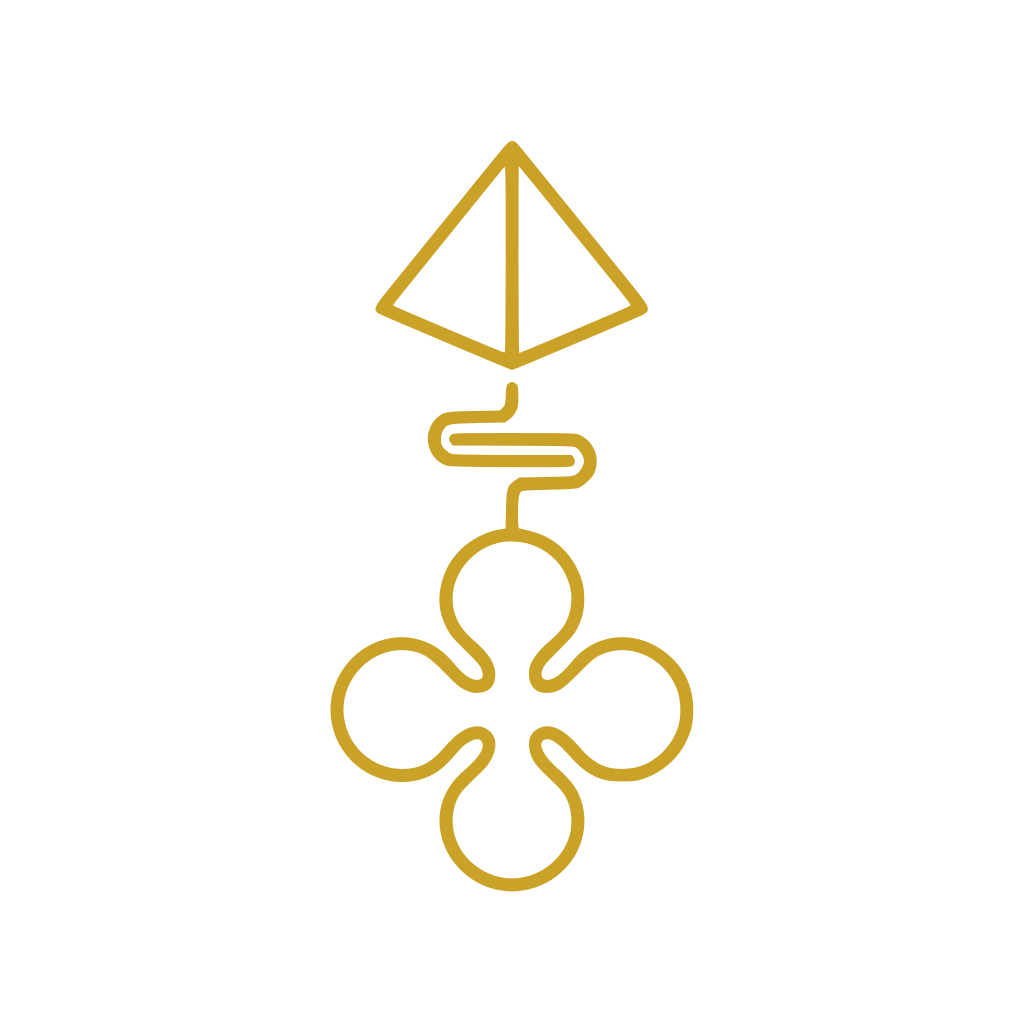
كهف الحمم البركانية المقدس
كهف تحت الأرض يمتد لمسافة 100 متر وينتهي بتكوين يشبه ورقة البرسيم رباعية الفصوص مباشرة تحت هرم الشمس، ويمثل رحم الخلق البدائي.
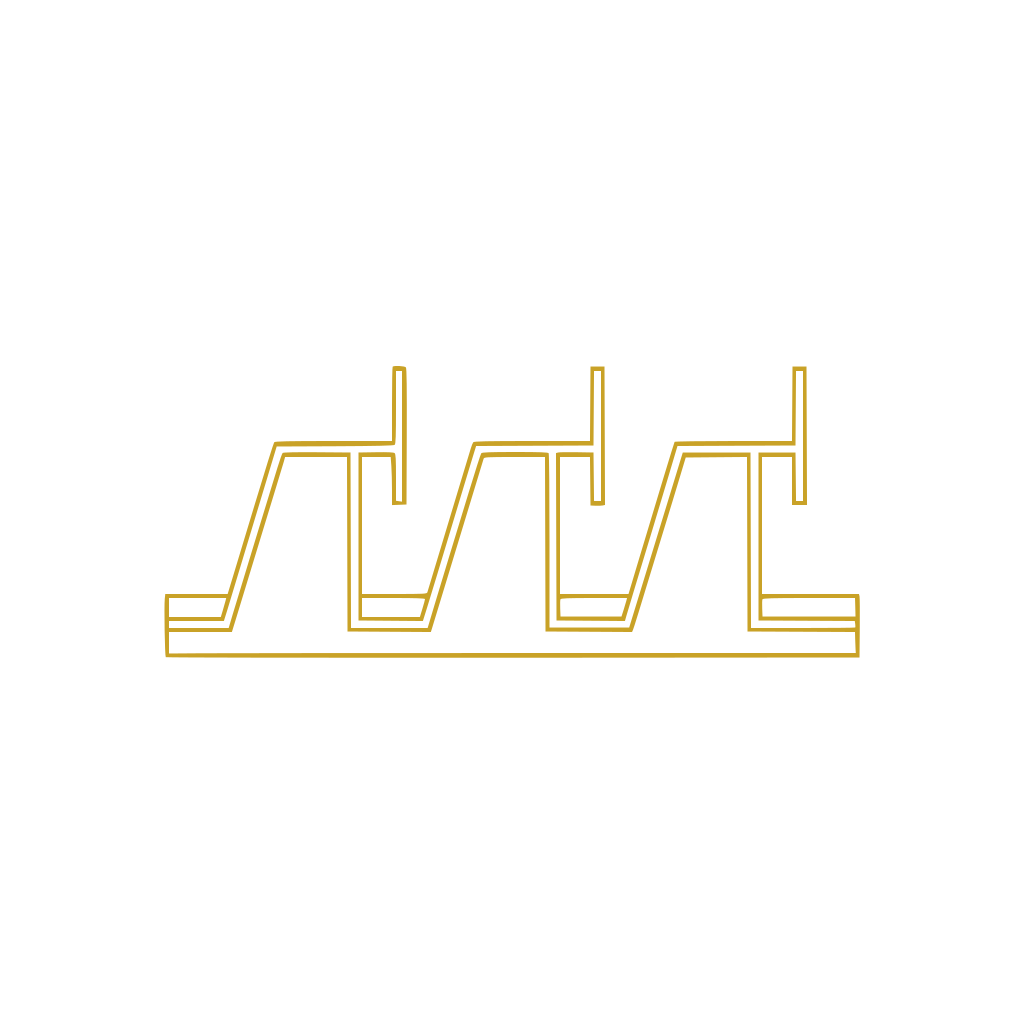
نمط تالود-تابليرو (Talud-Tablero)
يخلق التناوب بين الجدار المائل واللوحة البارزة تلاعباً إيقاعياً بالظلال ومقاومة هيكلية ضد الزلازل.
محاكاة صورة الجبل الظلية
تم بناء هرم القمر ليعكس مباشرة التضاريس الطبيعية لجبل سيرو غوردو الذي يقع خلفه.
غطاء رأس الإلهة العظيمة
تُصور وهي ترتدي قطعة أنف مزينة بالريش وشجرة تسكب الماء، وتمثل إلهة الماء العليا الخصوبة الأرضية والحياة.
رؤوس الثعبان ذي الريش
منحوتات حجرية تدمج بين ريش طائر الكيتزال ورؤوس الأفاعي المجلجلة، وترمز إلى مياه الغلاف الجوي والسلطة السياسية الإلهية.
جداريات الهيماتيت الحمراء
لوحات جصية حيوية باللون الأحمر على واجهات الأهرامات كانت تمثل التيارات المقدسة للدم والحياة والطاقة الإلهية.
بقايا المفترسات القرابينية
احتوت أقبية الدفن داخل طبقات الهرم على هياكل عظمية لنمور الجاغوار والنسور وأسود الجبال، والتي تمثل طاقة المفترس الشمسي.
مرايا حجر السج الأخضر
مرايا من الزجاج البركاني المصقول تم إنتاجها بكميات كبيرة في ورش العمل الحضرية، وكانت تُستخدم كأدوات استبصار للتواصل مع الأرواح.
حقائق مثيرة للاهتمام
من حيث الحجم المادي الإجمالي (حوالي 1.18 مليون متر مكعب)، تُعد هرم الشمس ثالث أكبر هرم قديم في العالم.
نظرًا لأن هرم القمر بُني على أرض طبيعية أكثر ارتفاعًا، فإن قمتي كلا الهرمين تقعان على نفس الارتفاع الجغرافي.
لم يتم اكتشاف أي مقابر ملكية مسماة أو صور لحكام سلالات في تيوتيهواكان.
كانت تيوتيهواكان مدينة عالمية تضم أحياء سكنية أجنبية متعددة الأعراق مثل أحياء الزابوتيك والمايا.
كان الاقتصاد يعتمد على احتكار صناعي لأدوات حجر السج الأخضر الحادة التي كانت تُصدر عبر أمريكا الوسطى.
في ذروة ازدهارها، كان كل مبنى تقريبًا مغطى بطبقة ناعمة من الجير ومطليًا بلوحات جدارية حمراء نابضة بالحياة.
اكتشف علماء الآثار بركًا من الزئبق السائل كان يُقصد بها تمثيل نهر العالم السفلي تحت المجمع.
تم توجيه شبكة المدينة بزاوية 15.5 درجة شرق الشمال لتتماشى مع تواريخ التقويم الشمسي الرئيسية.
استهدفت حرائق التدمير أثناء انهيار المدينة المعابد النخبوية الموجودة فوق الأهرامات بشكل خاص.
الأسئلة الشائعة
هل يمكن صعود الأهرامات؟
في الوقت الحالي، تم تقييد صعود الأهرامات للحفاظ على سلامة الهياكل الأثرية ومنع التآكل.
ما هي أفضل وسيلة للوصول إلى الموقع؟
يمكن الوصول إلى الموقع بسهولة عبر الحافلات السياحية المنظمة من مدينة مكسيكو سيتي أو عن طريق استئجار سيارة خاصة.
Why did the Aztecs name it Teotihuacan?
The Aztecs discovered the abandoned city centuries later and named it Teotihuacan, meaning 'Place Where Gods Were Born'.
How tall is the Pyramid of the Sun?
The Pyramid of the Sun stands at a structural height of 65.5 meters (215 feet).
How far is Teotihuacan from Mexico City?
It is located approximately 40 kilometers (25 miles) northeast of Mexico City, about an hour away by public bus.
قصص مميزة
اكتشاف كهف البرسيم السري
1971
في عام 1971، حقق علماء الآثار اكتشافاً تاريخياً بالقرب من قاعدة هرم الشمس. فقد كشفوا عن أنبوب حمم بركانية طبيعي بطول 100 متر ينتهي بكهف رباعي الغرف على شكل ورقة برسيم مباشرة تحت مركز الهرم. أثبتت هذه الغرفة الجوفية أن البناة القدماء شيدوا الهرم كحجر أساس مقدس فوق رحم الحياة البدائي.
المصدر: INAH Archaeological Records
فتح مدافن التضحية
1998
قضى فريق تنقيب مشترك بين المكسيك والولايات المتحدة سنوات في حفر أنفاق داخل قلب هرم القمر. وقد كشفوا عن ستة مدافن متراكمة تحتوي على أسرى أجانب مضحي بهم، وحيوانات مفترسة، وتماثيل يشم رائعة. كشفت هذه الاكتشافات كيف كان يتم تكريس كل توسعة معمارية بطقوس ملكية متقنة.
المصدر: Arizona State University Research Dossier
الزئبق السائل تحت الأهرامات
2014
خلال الاستكشاف بالروبوتات الدقيقة للأنفاق الجوفية المغلقة، اكتشف علماء الآثار بركاً من الزئبق السائل. تم تصميم المعدن السائل العاكس ليمثل بحيرة العالم السفلي المتلألئة التي تعكس سماء الليل الكونية. سلط هذا الاكتشاف الضوء على القدرات التكنولوجية الاستثنائية لمتخصصي الطقوس في تيوتيهواكان القديمة.
المصدر: INAH Research Reports
الجدول الزمني
الاستيطان الحضري الأولي
تتجمع المجتمعات الزراعية لتشكل نواة حضرية مخططة في وادي تيوتيهواكان.
حدث بارزبدء بناء هرم الشمس
يبدأ البناؤون في تشييد قلب هرم الشمس مباشرة فوق كهف بركاني مقدس.
حدث بارزاكتمال هرم الشمس
يصل هرم الشمس إلى ارتفاعه الكامل البالغ 65.5 متراً.
حدث بارزتوسعة هرم القمر
يكمل المهندسون المعماريون إضافات رئيسية لهرم القمر وساحة القمر.
حدث بارزالمرحلة المعمارية النهائية
يصل هرم القمر إلى ارتفاعه النهائي البالغ 43 متراً من خلال مرحلة البناء السابعة.
حدث بارزحدث الحريق الداخلي العظيم
تدمر الحرائق المباني الإدارية للنخبة، مما يؤدي إلى انهيار الحكم المركزي.
حدثبدء رحلات الحج الأزتيكية
يكتشف حكام الأزتيك الأطلال القديمة ويدمجونها في أساطير خلق الشمس الخامسة.
حدثالحفريات الأثرية المئوية
يجري ليوبولدو باتريس أولى عمليات الترميم الحكومية في هرم الشمس.
حدثاكتشاف الكهف تحت الأرض
يكتشف علماء الآثار الكهف الذي يمتد لمسافة 100 متر تحت هرم الشمس.
حدثإدراج اليونسكو ضمن التراث العالمي
تدرج اليونسكو رسمياً تيوتيهواكان في قائمة التراث العالمي.
حدث بارزاكتشاف الزئبق السائل
يعثر الباحثون على برك من الزئبق السائل داخل أنفاق مغلقة تحت الأرض.
حدثالتاريخ حسب العقد
100 BCE — Urban Origin and Volcanic Displacement
Following catastrophic volcanic eruptions in the southern Basin of Mexico, displaced populations moved north into the Teotihuacan valley. Builders established an orthogonal urban grid aligned to astronomical calendar dates.
100 CE — Erection of the Pyramid of the Sun
Construction began on the massive core of the Pyramid of the Sun directly above a natural subterranean lava tube. Builders compacted over one million cubic meters of earth and stone behind volcanic scoria retaining walls.
200 CE — Expansion of the Pyramid of the Moon
Architects completed the initial build phases of the Pyramid of the Moon at the northern terminus of the Avenue of the Dead. Surrounding plazas were laid out to accommodate vast public ritual gatherings.
400 CE — The Metropolitan Peak
Teotihuacan reached its architectural zenith, housing over 100,000 multi-ethnic residents. The Pyramid of the Moon achieved its final height of 43 meters through seven super-positioned construction stages.
550 CE — The Great Internal Destruction
A intense fire destroyed elite administrative complexes and shrines atop the primary pyramids. Internal social revolt or ecological crisis triggered the rapid collapse of central urban governance.
1300 — Aztec Discovery and Mythological Rebirth
Nahuatl-speaking Aztecs arrived at the majestic ruined city and named it Teotihuacan. They integrated its colossal pyramids into their creation mythology as the sacred birthplace of the Fifth Sun.
1910 — Centennial Restorations
Pioneer archaeologist Leopoldo Batres directed major restoration efforts at the Pyramid of the Sun ahead of Mexico's Independence Centennial. Early scientific surveys established modern Mexican archaeology at the site.
1987 — World Heritage Listing
UNESCO inscribed the Pre-Hispanic City of Teotihuacan as a World Heritage Site. The designation recognized its exceptional architectural planning and influence on Mesoamerican civilization.
2014 — High-Tech Subterranean Exploration
Advanced LiDAR scanning and micro-robotics revealed new sealed tunnels, burial chambers, and liquid mercury deposits beneath the city's ceremonial core.
العمارة والمرافق
Teotihuacano monumental civic-religious architecture is defined by its signature talud-tablero wall profiling, strict orthogonal grid planning, and harmonious integration with the surrounding natural landscape. Structures featured stepped platforms coated in smooth lime stucco and painted in vibrant hematite red pigments.
مواد البناء
Tezontle Scoria Stone
Porous red volcanic scoria stone carved into facade blocks for pyramid exterior walls.
Compaction Rubble and Adobe
Millions of cubic meters of river cobbles, clay, and unbaked adobe bricks forming structural cores.
Lime Stucco Plaster
Smooth exterior lime plaster painted with natural mineral red hematite pigments.
Basalt Blocks
Dense volcanic rock utilized for heavy foundation courses and retaining walls.
المعالم الداخلية
Subterranean Cloverleaf Cave
A natural 100-meter volcanic tube terminating in four chambers directly beneath the Pyramid of the Sun.
Pyramid of the Moon Burial Vaults
Seven super-positioned structural layers containing elite sacrificial tombs and ritual offerings.
Tunnels of Quetzalcoatl
Underground ritual passages containing offerings of obsidian, jade, and liquid mercury.
Palace of Quetzalpapalotl Courtyard
Enclosed elite ceremonial complex featuring stone pillars carved with feathered butterflies.
أراضي المعبد
Spanning over 20 square kilometers, the complex features the 2.4-kilometer Avenue of the Dead connecting the Plaza of the Moon, the Pyramid of the Sun, and the Ciudadela enclosure.
مرافق إضافية
Includes two official INAH site museums, archaeological conservation laboratories, visitor service centers, resting facilities, and regulated artisan craft markets.
الأهمية الدينية
تم تصميم تيوتيهواكان كخريطة كونية حية حيث ربطت العمارة البشرية بين العالم الأرضي والقوى السماوية والعالم السفلي.
لتكون بمثابة محور العالم (axis mundi) حيث حافظت الطقوس النخبوية للدولة على التوازن الكوني، ودورات الأمطار الزراعية، والنظام السياسي الإلهي.
الفرائض المقدسة
استحضار الماء والمطر
طقوس موجهة نحو الإلهة العظيمة وإله العواصف لضمان الوفرة الزراعية وهطول الأمطار.
طقوس الاعتدال الشمسي
مراسم طقسية تتماشى مع حركات الشمس على طول الأفق الشرقي وأيام ذروة الشمس.
طقوس التكريس القرابينية
قرابين دفن متقنة من الأسرى والحيوانات واليشم لتقديس مراحل التوسع المعماري.
محور العالم والجبال المقدسة
عملت الأهرامات كجبال اصطناعية تؤطر القمم الطبيعية، وتلتقط سحب الأمطار وتثبت الطاقة الكونية.
بوابة العالم السفلي
مثلت الكهوف الطبيعية والمنحوتة تحت الأهرامات تشيكوموستوك (Chicomoztoc)، رحم الخلق السلفي.
المصادر والأبحاث
كل حقيقة في Temples.org مدعومة بـ مصادر وأبحاث موثقة. يتم تصنيف كل معلومة حسب مستوى المصدر والثقة.
عرض جميع المصادر (8)
| الحقل | المصدر | المستوى | تاريخ الاسترجاع |
|---|---|---|---|
| About & Historical Background | Instituto Nacional de Antropología e Historia (INAH) (يفتح في علامة تبويب جديدة) | A | 2026-03-30 |
| Architecture & Urban Layout | UNESCO World Heritage Centre (يفتح في علامة تبويب جديدة) | B | 2026-03-30 |
| Symbolic Elements & Sacred Geography | Encyclopaedia Britannica (يفتح في علامة تبويب جديدة) | B | 2026-03-30 |
| Subterranean Tunnels & Excavations | Arizona State University Teotihuacan Research Laboratory (يفتح في علامة تبويب جديدة) | B | 2026-03-30 |
| Pyramid of the Moon Sacrifice Vaults | Science Magazine (يفتح في علامة تبويب جديدة) | B | 2026-03-30 |
| Visitor Insights & Travel Information | Secretaría de Cultura de México (يفتح في علامة تبويب جديدة) | A | 2026-03-30 |
| Chronology & Archaeological Survey | National Geographic Society (يفتح في علامة تبويب جديدة) | B | 2026-03-30 |
| Iconography & Religious Significance | The Metropolitan Museum of Art (يفتح في علامة تبويب جديدة) | B | 2026-03-30 |