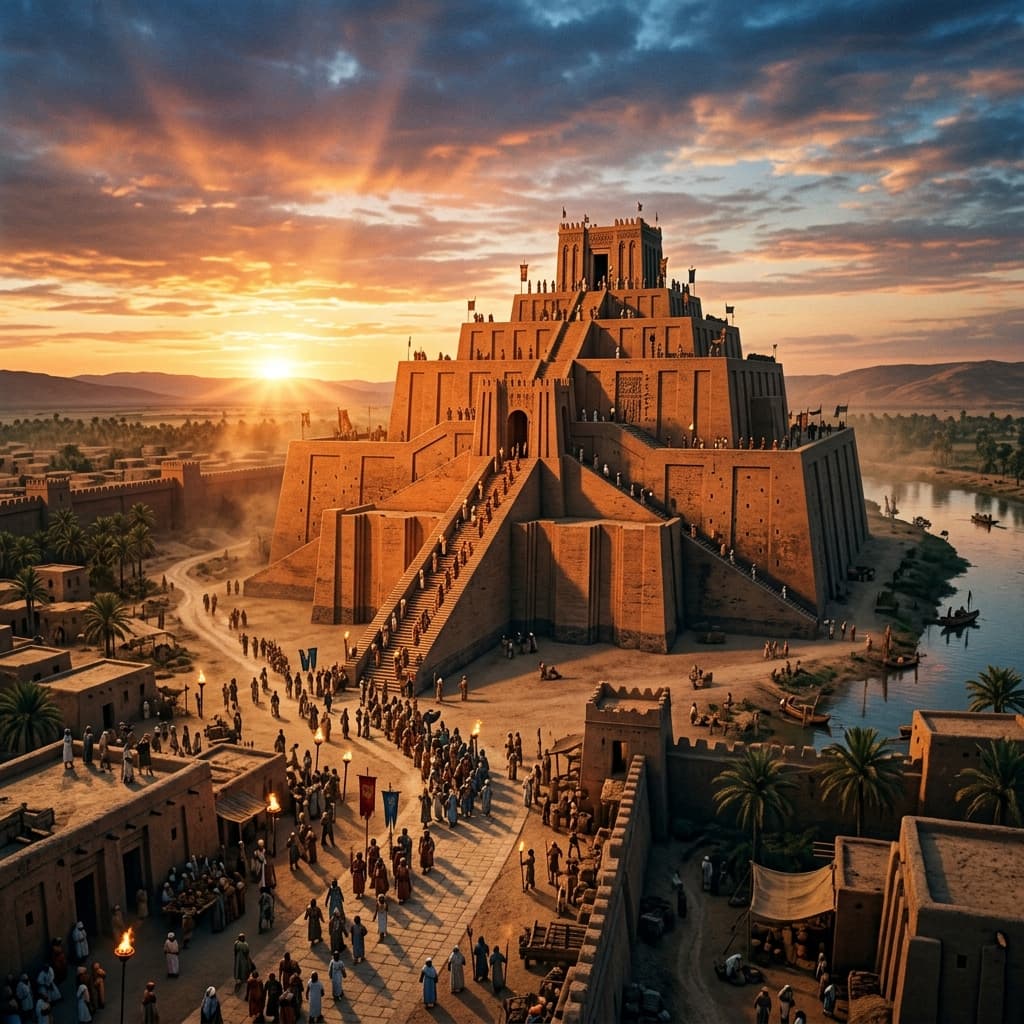
পবিত্রতার স্থাপত্য
মানব ইতিহাসের শুরু থেকেই, পার্থিব ও ঐশ্বরিকের মধ্যকার ব্যবধান দূর করার আকাঙ্ক্ষা বিশাল পবিত্র স্থানগুলো নির্মাণের পেছনে চালিকাশক্তি হিসেবে কাজ করেছে। প্রাচীন মন্দিরগুলো কেবল সাধারণ মিলনমেলা বা সাম্প্রদায়িক হল ছিল না; সেগুলোকে স্বর্গ ও মর্ত্যের ভৌত সংযোগস্থল হিসেবে কল্পনা করা হয়েছিল, যা দেবতার প্রকৃত উপস্থিতি ধারণ করার জন্য ডিজাইন করা হয়েছিল। যদিও এই কাঠামোগুলোর অনেকগুলোই সময়ের গর্ভে, войне বা প্রাকৃতিক দুর্যোগে হারিয়ে গেছে, তবুও তাদের স্থাপত্যের উত্তরাধিকার এবং ধর্মতাত্ত্বিক প্রভাব টিকে রয়েছে।
মেসোপটেমিয়ার কাদা-ইটের কৃত্রিম পর্বত থেকে শুরু করে হেলেনীয় গ্রিসের মার্বেল পাথরের বন পর্যন্ত, প্রাচীন মন্দিরগুলো পবিত্র স্থানের জন্য একটি নজির স্থাপন করেছিল: উঁচু প্ল্যাটফর্ম, বিশাল সিঁড়ি, সীমিত প্রবেশাধিকার এবং ঐশ্বরিক শক্তি প্রকাশের জন্য বিশাল আকারের ব্যবহার। এই হারিয়ে যাওয়া স্মৃতিস্তম্ভগুলো অধ্যয়নের মাধ্যমে, আমরা প্রাচীন সমাজগুলো কীভাবে তাদের মহাবিশ্বকে সংগঠিত করেছিল, তাদের গভীরতম ধর্মীয় বিশ্বাস প্রকাশ করেছিল এবং ঐশ্বরিক সম্মান প্রদর্শনের জন্য প্রকৌশলের সীমানা প্রসারিত করেছিল সে সম্পর্কে অন্তর্দৃষ্টি লাভ করি।
জিগুরাত: কৃত্রিম পর্বতমালা
“জিগুরাত ছিল স্বর্গ ও মর্ত্যের মধ্যকার একটি সিঁড়ি, যা এমনভাবে তৈরি করা হয়েছিল যাতে দেবতারা নিজেরাই তাদের জনগণকে আশীর্বাদ করতে নেমে আসতে পারেন।”
— প্রাচীন মেসোপটেমীয় শিলালিপি
প্রাচীন মেসোপটেমিয়ার সমতল পলিমাটিতে, জিগুরাত স্বর্গ ও মর্ত্যকে সংযোগকারী একটি ভৌত এবং প্রতীকী মই হিসেবে কাজ করত। আধুনিক সমবেত উপাসনালয়গুলোর বিপরীতে, জিগুরাতগুলো ছিল রোদে শুকানো কাদা-ইট দিয়ে তৈরি বিশাল, ধাপযুক্ত মন্দির টাওয়ার, যার বাইরের অংশ বিটুমিন দিয়ে যুক্ত টেকসই পোড়ানো ইট দিয়ে তৈরি ছিল। এগুলোকে কৃত্রিম পর্বত হিসেবে তৈরি করা হয়েছিল, যা সমতল ভূমির উপরে উঠে স্বর্গের দিকে প্রসারিত হতো।
সবচেয়ে বিখ্যাত টিকে থাকা ভিত্তিটি হলো উরের জিগুরাত, যা খ্রিস্টপূর্ব ২১ শতকে রাজা উর-নাম্মু দ্বারা নির্মিত হয়েছিল, যদিও ব্যাবিলনের এতেমেনানকি (যা প্রায়শই ব্যাবিলনের টাওয়ারের সাথে যুক্ত)-এর মতো আরও মহিমান্বিত উদাহরণগুলো একসময় দিগন্তকে শাসন করত। চূড়ার উপাসনালয়টি কোনো পাবলিক ভবন ছিল না বরং এটি ছিল শহরের প্রধান দেবতা—যেমন উরের চন্দ্র দেবতা নান্না-এর ‘পার্থিব বাসস্থান’ ছিল। চূড়ায় প্রবেশাধিকার কঠোরভাবে কেবল পুরোহিতদের মধ্যেই সীমাবদ্ধ ছিল। এই স্থাপত্যের শ্রেণিবিন্যাস মেসোপটেমীয়দের এই বিশ্বাসকে প্রতিফলিত করে যে দেবতারা স্বর্গীয় স্থানে বাস করতেন এবং কেবল এই বিশাল সিঁড়ি বেয়ে ওঠার মাধ্যমেই মানবজাতি ঐশ্বরিক রাজ্যের কাছাকাছি পৌঁছাতে পারত।
সলোমনের মন্দির: প্রভুর গৃহ
“কিন্তু ঈশ্বর কি সত্যিই পৃথিবীতে বাস করবেন? দেখ, স্বর্গ এবং স্বর্গের স্বর্গও তোমাকে ধারণ করতে পারে না; তাহলে আমার তৈরি এই ঘর তো কতই না তুচ্ছ!”
— ১ রাজাবলি ৮:২৭
জেরুজালেমের মাউন্ট মোরিয়াহতে খ্রিস্টপূর্ব ১০ম শতাব্দীতে নির্মিত, সলোমনের মন্দিরটি মরুভূমির বহনযোগ্য তাবু থেকে একটি স্থায়ী, নির্দিষ্ট উপাসনালয়ে রূপান্তরের এক বিশাল প্রতীক ছিল। এটি বিশেষভাবে চুক্তির সিন্দুকের একটি স্থায়ী বাসস্থান হিসেবে ডিজাইন করা হয়েছিল, যা ইয়াহওয়েহের স্থানীয় উপস্থিতির প্রতিনিধিত্ব করত।
মন্দিরের স্থাপত্যে সুনির্দিষ্ট এবং ক্রমান্বয়ে আরও বেশি সীমাবদ্ধ পবিত্র অঞ্চল ব্যবহার করা হয়েছিল: একটি বারান্দা (উলাম), একটি প্রধান গর্ভগৃহ (হেইকাল) এবং একটি অভ্যন্তরীণ পবিত্রতম স্থান যা ‘মহাপবিত্র স্থান’ (কোদেশ হাকোদাশিম) নামে পরিচিত। এটি প্রতীকীভাবে উল্লম্বতা এবং উচ্চতা ব্যবহার করেছিল, যা ভৌত স্থানটিকে ঐশ্বরিক উপস্থিতির সাথে সংযুক্ত করতে একটি পর্বতের চূড়ায় অবস্থিত ছিল। এর নির্মাণে সেই যুগের সর্বোত্তম উপকরণ—খোদাই করা পাথর, লেবাননের দেবদারু কাঠ এবং প্রচুর সোনার প্রলেপ ব্যবহার করা হয়েছিল—যাতে বিশ্বাসের একটি বিশাল কেন্দ্র হিসেবে এর ভূমিকাকে ফুটিয়ে তোলা যায়। যদিও খ্রিস্টপূর্ব ৫৮৭/৫৮৬ অব্দে ব্যাবিলনীয়দের দ্বারা এটি ধ্বংস হয়ে গিয়েছিল, তবুও এর ত্রিপক্ষীয় নকশা এবং পবিত্র সীমানার ওপর ধর্মতাত্ত্বিক গুরুত্ব পরবর্তী ইহুদি ও খ্রিস্টানদের মন্দিরের ধারণার ভিত্তি স্থাপন করেছিল।
ইফিসাসের আর্টেমিসের মন্দির
“আমি যখন মেঘের দিকে উঠে যাওয়া আর্টেমিসের পবিত্র ঘরটি দেখেছিলাম, তখন অন্য সবকিছু ছায়ায় ঢাকা পড়ে গিয়েছিল এবং আমি বলেছিলাম, 'দেখো, অলিম্পাস ছাড়া সূর্য আর কখনো এত মহিমান্বিত কিছু দেখেনি।'”
— অ্যান্টিপেটার অফ সিডন
প্রাচীন বিশ্বের সপ্তাশ্চর্যের একটি হিসেবে স্বীকৃত, ইফিসাসের আর্টেমিসের মন্দিরটি প্রাচীন পবিত্র স্থাপত্যের এক ভিন্ন শিখরকে প্রতিনিধিত্ব করেছিল। জিগুরাতের মতো কেবল উল্লম্ব উচ্চতার ওপর নির্ভর না করে, এটি বিশাল অনুভূমিক স্কেল, ১০০টিরও বেশি বিশাল মার্বেল কলামের বন এবং বিস্তৃত ভাস্কর্য অলঙ্করণের মাধ্যমে মহিমান্বিততা অর্জন করেছিল।
লিডিয়ার রাজা ক্রিসাসের পৃষ্ঠপোষকতায় খ্রিস্টপূর্ব ৬ষ্ঠ শতাব্দীর মাঝামাঝি সময়ে প্রথম নির্মিত এবং ক্রিটের স্থপতি চেরসিফ্রন দ্বারা ডিজাইন করা এই মন্দিরটি ছিল একটি ডিপ্টরাল কাঠামো—যার অর্থ এটি কলামের একটি দ্বিগুণ সারি দ্বারা বেষ্টিত ছিল। কলামগুলোর গোড়ায় রিলিফ ভাস্কর্য দিয়ে সজ্জিত করা হয়েছিল, যা গ্রীক স্থাপত্যের একটি অনন্য বৈশিষ্ট্য। ধর্মতত্ত্বে সলোমনের মন্দির থেকে মৌলিকভাবে ভিন্ন হলেও, এটি সাধারণ প্রাচীন লক্ষ্যটি ভাগ করে নিয়েছিল: অতুলনীয় প্রকৌশল এবং নান্দনিক সৌন্দর্যের মাধ্যমে ঐশ্বরিক উপস্থিতি প্রকাশকারী একটি বিস্ময়কর স্থান তৈরি করা। খ্রিস্টপূর্ব ৩৫৬ অব্দে হেরোস্ট্রেটাস কর্তৃক পুড়িয়ে ফেলার পর, ২৬৮ খ্রিস্টাব্দে গথদের দ্বারা চূড়ান্তভাবে ধ্বংস হওয়ার আগে এটি আরও বড় আকারে পুনর্নির্মিত হয়েছিল।
জুপিটার অপ্টিমাস ম্যাক্সিমাসের মন্দির
“জুপিটার অপ্টিমাস ম্যাক্সিমাস, ক্যাপিটোলাইনে যাঁর মন্দিরটি বিশ্ব সাম্রাজ্যের আসন এবং রোমান ভক্তির প্রমাণ হিসেবে নির্মিত হয়েছিল।”
— লিভি, রোমান ইতিহাসবিদ
ক্যাপিটোলাইন পাহাড়ের দক্ষিণ চূড়ায় অবস্থিত, জুপিটার অপ্টিমাস ম্যাক্সিমাসের মন্দিরটি ছিল প্রাচীন রোমের আধ্যাত্মিক কেন্দ্র। ক্যাপিটোলাইন ত্রয়ী—জুপিটার, জুনো এবং মিনার্ভা—এর উদ্দেশ্যে উৎসর্গীকৃত এই মন্দিরটি রোমান রাষ্ট্রের কর্তৃত্ব এবং ঐশ্বরিক আদেশের এক শক্তিশালী প্রতীক হিসেবে কাজ করত।
রোমের শেষ ইট্রুস্কান রাজা টারকুইনিয়াস সুপারবাসের নির্দেশে নির্মিত এবং প্রজাতন্ত্রের সূচনালগ্নে ৫০৯ খ্রিস্টপূর্বাব্দে উৎসর্গীকৃত প্রথম মন্দিরটি ইট্রুস্কান-ইটালিক শৈলীতে তৈরি করা হয়েছিল। এটি একটি বিশাল টুফা পোডিয়ামের উপর অবস্থিত ছিল এবং এতে ছিল চওড়া ব্যবধানে থাকা স্তম্ভ, একটি গভীর সামনের বারান্দা এবং তিন দেবতার জন্য তিনটি পৃথক কক্ষ (সেলা) ছিল। এর ঝুলন্ত কাঠের ছাদটি জটিল পোড়ামাটির ভাস্কর্য দ্বারা সজ্জিত ছিল, যার মধ্যে জুপিটার দ্বারা চালিত একটি বিখ্যাত চার ঘোড়ার রথও অন্তর্ভুক্ত ছিল। যদিও ৮৩ খ্রিস্টপূর্বাব্দে আগুনে ধ্বংস হয়ে যায় এবং পরবর্তীতে আরও বিলাসবহুল গ্রীক মার্বেল এবং করিন্থিয়ান স্তম্ভ দিয়ে একাধিকবার পুনর্নির্মাণ করা হয়, তবুও মন্দিরটি বহু শতাব্দী ধরে তার মূল নকশা ধরে রেখেছিল। এটি ছিল রোমান বিজয় শোভাযাত্রার চূড়ান্ত গন্তব্য, যেখানে বিজয়ী জেনারেলরা রোমের বিজয়ের জন্য জুপিটারকে ধন্যবাদ জানাতে বলিদান বা উৎসর্গ করতেন।
তেনোচতিৎলানের টেম্পলো মেয়র
“যখন আমরা জলের মধ্যে এত শহর এবং দুর্গ গড়ে উঠতে দেখলাম, আমরা বিস্মিত হয়েছিলাম এবং বলেছিলাম যে এটি আমাদিসের বইয়ের জাদুকরী কাহিনীর মতো।”
— বের্নাল দিয়াজ দেল কাস্তিলো, কনকুইস্টাডোর
অ্যাজটেক রাজধানী তেনোচতিৎলানের কেন্দ্রস্থলে অবস্থিত ছিল টেম্পলো মেয়র—একটি বিশাল যমজ-মন্দির বিশিষ্ট পিরামিড যা মেক্সিকা সাম্রাজ্যের শারীরিক ও আধ্যাত্মিক কেন্দ্র হিসেবে কাজ করত। অ্যাজটেকদের কাছে এই মন্দিরটি ছিল ‘অ্যাক্সিস মুন্ডি’ (axis mundi), যা স্বর্গীয়, পার্থিব এবং পাতাল জগতের মিলনস্থল নির্দেশ করত।
পিরামিডটির স্থাপত্য ছিল অনন্য: দুটি বিশাল সিঁড়ি চূড়ায় অবস্থিত দুটি পৃথক মন্দিরের দিকে নিয়ে যেত। নীল এবং সাদা রঙে রঞ্জিত উত্তরের মন্দিরটি বৃষ্টি ও কৃষির দেবতা ত্লালোক (Tlaloc)-এর উদ্দেশ্যে উৎসর্গীকৃত ছিল, যা উর্বরতা ও জীবিকার প্রতীক। লাল এবং সাদা রঙে রঞ্জিত দক্ষিণের মন্দিরটি যুদ্ধ ও সূর্যের দেবতা উইতসিলোপোচৎলি (Huitzilopochtli)-এর উদ্দেশ্যে উৎসর্গীকৃত ছিল, যা শক্তি, বিজয় এবং সৌর শক্তির প্রতীক। মন্দিরটি সাতটি পৃথক ধাপে নির্মিত হয়েছিল, যেখানে প্রতিটি অ্যাজটেক শাসক পুরানো কাঠামোর ওপর আরও বড় কাঠামো তৈরি করে পিরামিডটিকে সম্প্রসারিত করেছিলেন। ১৫২১ সালে স্প্যানিশ বিজয়ের পর, মন্দিরটি পরিকল্পিতভাবে ধ্বংস করা হয় এবং এর পাথরগুলো ঔপনিবেশিক মেক্সিকো সিটি তৈরিতে ব্যবহৃত হয়। ১৯৭৮ সাল থেকে শুরু হওয়া আধুনিক খননকার্যের ফলে মাটির নিচে চাপা পড়ে থাকা পূর্ববর্তী ধাপগুলো উন্মোচিত হয়েছে, যা থেকে হাজার হাজার সমৃদ্ধ ধর্মীয় নৈবেদ্য উদ্ধার করা হয়েছে।
আলেকজান্দ্রিয়ার সেরাপিয়াম
“আলেকজান্দ্রিয়ার সেরাপিয়াম, যা বিশাল আকারের স্তম্ভ এবং জীবন্ত মনে হওয়া মূর্তি দ্বারা সজ্জিত ছিল, তা ছিল সাম্রাজ্যের গৌরব।”
— আমিয়ানুস মার্সেলিনুস, ইতিহাসবিদ
খ্রিস্টপূর্ব ৩য় শতাব্দীতে টলেমি রাজবংশের আমলে নির্মিত, আলেকজান্দ্রিয়ার সেরাপিয়াম ছিল একটি বিশাল মন্দির কমপ্লেক্স যা গ্রীক এবং মিশরীয় ধর্মীয় ঐতিহ্যের মধ্যে সেতু বন্ধনের জন্য সৃষ্ট এক সমন্বিত দেবতা সেরাপিস-এর উদ্দেশ্যে উৎসর্গীকৃত ছিল। আলেকজান্দ্রিয়ার গ্রীক কোয়ার্টারে অবস্থিত এই মন্দিরটি হেলেনীয় বিশ্বের সবচেয়ে মহিমান্বিত মন্দির হিসেবে বিবেচিত হতো।
স্থাপত্যের দিক থেকে, এই কমপ্লেক্সটি ধ্রুপদী গ্রীক স্তম্ভশ্রেণীর সাথে ঐতিহ্যবাহী মিশরীয় স্মারক শৈলীর মিশ্রণ ঘটিয়েছিল, যা শহরের দিগন্তে আধিপত্য বিস্তারকারী একটি পাথুরে অ্যাক্রোপলিসের উপর অবস্থিত ছিল। ধর্মীয় ভূমিকার বাইরেও, সেরাপিয়াম ছিল একটি বুদ্ধিবৃত্তিক অভয়ারণ্য, যেখানে আলেকজান্দ্রিয়ার বিখ্যাত গ্রেট লাইব্রেরির ‘ডটার লাইব্রেরি’ (শাখা গ্রন্থাগার) অবস্থিত ছিল। বিশাল প্রাঙ্গণ এবং উপাসনালয়গুলোর নিচে ছিল ভূগর্ভস্থ গ্যালারি এবং ক্রিপ্ট বা গোপন কক্ষের এক জটিল নেটওয়ার্ক, যা রহস্যময় আচার-অনুষ্ঠান এবং পবিত্র জিনিসপত্র সংরক্ষণের জন্য ব্যবহৃত হতো। পৌত্তলিকতার বিরুদ্ধে রাজকীয় ডিক্রি জারির পর ৩৯১ খ্রিস্টাব্দে মন্দিরটি ধ্বংস করা হয়। আজ, এই স্থানে দাঁড়িয়ে থাকা একমাত্র প্রধান কাঠামোটি হলো আসওয়ানের লাল গ্রানাইট দিয়ে তৈরি বিশাল স্তম্ভ যা ‘পম্পেইস পিলার’ নামে পরিচিত, এটি মন্দিরটি নির্মাণের বহু শতাব্দী পরে নির্মিত একটি রোমান বিজয় স্মারক।
প্রাচীন মন্দির তুলনা
জিগুরাত: কৃত্রিম পর্বতমালা
“জিগুরাত ছিল স্বর্গ ও মর্ত্যের মধ্যকার একটি সিঁড়ি, যা এমনভাবে তৈরি করা হয়েছিল যাতে দেবতারা নিজেরাই তাদের জনগণকে আশীর্বাদ করতে নেমে আসতে পারেন।”
— প্রাচীন মেসোপটেমীয় শিলালিপি
প্রাচীন মেসোপটেমিয়ার সমতল পলিমাটিতে, জিগুরাত স্বর্গ ও মর্ত্যকে সংযোগকারী একটি ভৌত এবং প্রতীকী মই হিসেবে কাজ করত। আধুনিক সমবেত উপাসনালয়গুলোর বিপরীতে, জিগুরাতগুলো ছিল রোদে শুকানো কাদা-ইট দিয়ে তৈরি বিশাল, ধাপযুক্ত মন্দির টাওয়ার, যার বাইরের অংশ বিটুমিন দিয়ে যুক্ত টেকসই পোড়ানো ইট দিয়ে তৈরি ছিল। এগুলোকে কৃত্রিম পর্বত হিসেবে তৈরি করা হয়েছিল, যা সমতল ভূমির উপরে উঠে স্বর্গের দিকে প্রসারিত হতো।
সবচেয়ে বিখ্যাত টিকে থাকা ভিত্তিটি হলো উরের জিগুরাত, যা খ্রিস্টপূর্ব ২১ শতকে রাজা উর-নাম্মু দ্বারা নির্মিত হয়েছিল, যদিও ব্যাবিলনের এতেমেনানকি (যা প্রায়শই ব্যাবিলনের টাওয়ারের সাথে যুক্ত)-এর মতো আরও মহিমান্বিত উদাহরণগুলো একসময় দিগন্তকে শাসন করত। চূড়ার উপাসনালয়টি কোনো পাবলিক ভবন ছিল না বরং এটি ছিল শহরের প্রধান দেবতা—যেমন উরের চন্দ্র দেবতা নান্না-এর ‘পার্থিব বাসস্থান’ ছিল। চূড়ায় প্রবেশাধিকার কঠোরভাবে কেবল পুরোহিতদের মধ্যেই সীমাবদ্ধ ছিল। এই স্থাপত্যের শ্রেণিবিন্যাস মেসোপটেমীয়দের এই বিশ্বাসকে প্রতিফলিত করে যে দেবতারা স্বর্গীয় স্থানে বাস করতেন এবং কেবল এই বিশাল সিঁড়ি বেয়ে ওঠার মাধ্যমেই মানবজাতি ঐশ্বরিক রাজ্যের কাছাকাছি পৌঁছাতে পারত।
দ্রুত তথ্য ও অন্তর্দৃষ্টি
- ✦ যুগ ব্রোঞ্জ যুগ (আনু. ২১০০ খ্রিস্টপূর্বাব্দ)
- ✦ দেবদেবী নান্না (সিন), চন্দ্র দেবতা
- ✦ প্রধান উপাদান রোদে শুকানো কাদা-ইট এবং বিটুমিনযুক্ত পোড়ানো ইট
- ✦ উচ্চতা আনু. ৩০ মিটার (মূলত)
- ✦ ধ্বংসের তারিখ প্রাচীনকালের পর ধীরে ধীরে ধ্বংসস্তূপে পরিণত হয়
- ✦ আধুনিক ধ্বংসাবশেষ ইরাকের তেল এল-মুগায়্যারে পুনর্নির্মিত ভিত্তি
সলোমনের মন্দির: প্রভুর গৃহ
“কিন্তু ঈশ্বর কি সত্যিই পৃথিবীতে বাস করবেন? দেখ, স্বর্গ এবং স্বর্গের স্বর্গও তোমাকে ধারণ করতে পারে না; তাহলে আমার তৈরি এই ঘর তো কতই না তুচ্ছ!”
— ১ রাজাবলি ৮:২৭
জেরুজালেমের মাউন্ট মোরিয়াহতে খ্রিস্টপূর্ব ১০ম শতাব্দীতে নির্মিত, সলোমনের মন্দিরটি মরুভূমির বহনযোগ্য তাবু থেকে একটি স্থায়ী, নির্দিষ্ট উপাসনালয়ে রূপান্তরের এক বিশাল প্রতীক ছিল। এটি বিশেষভাবে চুক্তির সিন্দুকের একটি স্থায়ী বাসস্থান হিসেবে ডিজাইন করা হয়েছিল, যা ইয়াহওয়েহের স্থানীয় উপস্থিতির প্রতিনিধিত্ব করত।
মন্দিরের স্থাপত্যে সুনির্দিষ্ট এবং ক্রমান্বয়ে আরও বেশি সীমাবদ্ধ পবিত্র অঞ্চল ব্যবহার করা হয়েছিল: একটি বারান্দা (উলাম), একটি প্রধান গর্ভগৃহ (হেইকাল) এবং একটি অভ্যন্তরীণ পবিত্রতম স্থান যা ‘মহাপবিত্র স্থান’ (কোদেশ হাকোদাশিম) নামে পরিচিত। এটি প্রতীকীভাবে উল্লম্বতা এবং উচ্চতা ব্যবহার করেছিল, যা ভৌত স্থানটিকে ঐশ্বরিক উপস্থিতির সাথে সংযুক্ত করতে একটি পর্বতের চূড়ায় অবস্থিত ছিল। এর নির্মাণে সেই যুগের সর্বোত্তম উপকরণ—খোদাই করা পাথর, লেবাননের দেবদারু কাঠ এবং প্রচুর সোনার প্রলেপ ব্যবহার করা হয়েছিল—যাতে বিশ্বাসের একটি বিশাল কেন্দ্র হিসেবে এর ভূমিকাকে ফুটিয়ে তোলা যায়। যদিও খ্রিস্টপূর্ব ৫৮৭/৫৮৬ অব্দে ব্যাবিলনীয়দের দ্বারা এটি ধ্বংস হয়ে গিয়েছিল, তবুও এর ত্রিপক্ষীয় নকশা এবং পবিত্র সীমানার ওপর ধর্মতাত্ত্বিক গুরুত্ব পরবর্তী ইহুদি ও খ্রিস্টানদের মন্দিরের ধারণার ভিত্তি স্থাপন করেছিল।
দ্রুত তথ্য ও অন্তর্দৃষ্টি
- ✦ যুগ লৌহ যুগ (১০ম শতাব্দী খ্রিস্টপূর্বাব্দ)
- ✦ দেবদেবী ইয়াহওয়েহ (ইস্রায়েলের প্রভু ঈশ্বর)
- ✦ প্রধান উপাদান দেবদারু কাঠ, অ্যাশলার পাথর এবং সোনার প্রলেপ
- ✦ উচ্চতা আনু. ১৫ মিটার (৩০ হাত)
- ✦ ধ্বংসের তারিখ ৫৮৭/৫৮৬ খ্রিস্টপূর্বাব্দ (দ্বিতীয় নেবুচাদনেজার দ্বারা)
- ✦ আধুনিক ধ্বংসাবশেষ স্থানটি হলো টেম্পল মাউন্ট (পশ্চিম প্রাচীরটি পরবর্তী দ্বিতীয় মন্দিরের অংশ)
ইফিসাসের আর্টেমিসের মন্দির
“আমি যখন মেঘের দিকে উঠে যাওয়া আর্টেমিসের পবিত্র ঘরটি দেখেছিলাম, তখন অন্য সবকিছু ছায়ায় ঢাকা পড়ে গিয়েছিল এবং আমি বলেছিলাম, 'দেখো, অলিম্পাস ছাড়া সূর্য আর কখনো এত মহিমান্বিত কিছু দেখেনি।'”
— অ্যান্টিপেটার অফ সিডন
প্রাচীন বিশ্বের সপ্তাশ্চর্যের একটি হিসেবে স্বীকৃত, ইফিসাসের আর্টেমিসের মন্দিরটি প্রাচীন পবিত্র স্থাপত্যের এক ভিন্ন শিখরকে প্রতিনিধিত্ব করেছিল। জিগুরাতের মতো কেবল উল্লম্ব উচ্চতার ওপর নির্ভর না করে, এটি বিশাল অনুভূমিক স্কেল, ১০০টিরও বেশি বিশাল মার্বেল কলামের বন এবং বিস্তৃত ভাস্কর্য অলঙ্করণের মাধ্যমে মহিমান্বিততা অর্জন করেছিল।
লিডিয়ার রাজা ক্রিসাসের পৃষ্ঠপোষকতায় খ্রিস্টপূর্ব ৬ষ্ঠ শতাব্দীর মাঝামাঝি সময়ে প্রথম নির্মিত এবং ক্রিটের স্থপতি চেরসিফ্রন দ্বারা ডিজাইন করা এই মন্দিরটি ছিল একটি ডিপ্টরাল কাঠামো—যার অর্থ এটি কলামের একটি দ্বিগুণ সারি দ্বারা বেষ্টিত ছিল। কলামগুলোর গোড়ায় রিলিফ ভাস্কর্য দিয়ে সজ্জিত করা হয়েছিল, যা গ্রীক স্থাপত্যের একটি অনন্য বৈশিষ্ট্য। ধর্মতত্ত্বে সলোমনের মন্দির থেকে মৌলিকভাবে ভিন্ন হলেও, এটি সাধারণ প্রাচীন লক্ষ্যটি ভাগ করে নিয়েছিল: অতুলনীয় প্রকৌশল এবং নান্দনিক সৌন্দর্যের মাধ্যমে ঐশ্বরিক উপস্থিতি প্রকাশকারী একটি বিস্ময়কর স্থান তৈরি করা। খ্রিস্টপূর্ব ৩৫৬ অব্দে হেরোস্ট্রেটাস কর্তৃক পুড়িয়ে ফেলার পর, ২৬৮ খ্রিস্টাব্দে গথদের দ্বারা চূড়ান্তভাবে ধ্বংস হওয়ার আগে এটি আরও বড় আকারে পুনর্নির্মিত হয়েছিল।
দ্রুত তথ্য ও অন্তর্দৃষ্টি
- ✦ যুগ ধ্রুপদী প্রাচীনকাল (আনু. ৫৫০ খ্রিস্টপূর্বাব্দ)
- ✦ দেবদেবী আর্টেমিস (ইফিসীয় উর্বরতার দেবী)
- ✦ প্রধান উপাদান মার্বেল পাথর
- ✦ উচ্চতা কলামগুলো আনু. ১৮ মিটার উঁচু
- ✦ ধ্বংসের তারিখ ৩৫৬ খ্রিস্টপূর্বাব্দ (অগ্নিকাণ্ড), পুনর্নির্মিত, ২৬৮ খ্রিস্টাব্দে ধ্বংসপ্রাপ্ত (গথদের দ্বারা)
- ✦ আধুনিক ধ্বংসাবশেষ তুরস্কের সেলচুকে একটি একক দাঁড়িয়ে থাকা কলাম এবং ভিত্তির ব্লকসমূহ
জুপিটার অপ্টিমাস ম্যাক্সিমাসের মন্দির
“জুপিটার অপ্টিমাস ম্যাক্সিমাস, ক্যাপিটোলাইনে যাঁর মন্দিরটি বিশ্ব সাম্রাজ্যের আসন এবং রোমান ভক্তির প্রমাণ হিসেবে নির্মিত হয়েছিল।”
— লিভি, রোমান ইতিহাসবিদ
ক্যাপিটোলাইন পাহাড়ের দক্ষিণ চূড়ায় অবস্থিত, জুপিটার অপ্টিমাস ম্যাক্সিমাসের মন্দিরটি ছিল প্রাচীন রোমের আধ্যাত্মিক কেন্দ্র। ক্যাপিটোলাইন ত্রয়ী—জুপিটার, জুনো এবং মিনার্ভা—এর উদ্দেশ্যে উৎসর্গীকৃত এই মন্দিরটি রোমান রাষ্ট্রের কর্তৃত্ব এবং ঐশ্বরিক আদেশের এক শক্তিশালী প্রতীক হিসেবে কাজ করত।
রোমের শেষ ইট্রুস্কান রাজা টারকুইনিয়াস সুপারবাসের নির্দেশে নির্মিত এবং প্রজাতন্ত্রের সূচনালগ্নে ৫০৯ খ্রিস্টপূর্বাব্দে উৎসর্গীকৃত প্রথম মন্দিরটি ইট্রুস্কান-ইটালিক শৈলীতে তৈরি করা হয়েছিল। এটি একটি বিশাল টুফা পোডিয়ামের উপর অবস্থিত ছিল এবং এতে ছিল চওড়া ব্যবধানে থাকা স্তম্ভ, একটি গভীর সামনের বারান্দা এবং তিন দেবতার জন্য তিনটি পৃথক কক্ষ (সেলা) ছিল। এর ঝুলন্ত কাঠের ছাদটি জটিল পোড়ামাটির ভাস্কর্য দ্বারা সজ্জিত ছিল, যার মধ্যে জুপিটার দ্বারা চালিত একটি বিখ্যাত চার ঘোড়ার রথও অন্তর্ভুক্ত ছিল। যদিও ৮৩ খ্রিস্টপূর্বাব্দে আগুনে ধ্বংস হয়ে যায় এবং পরবর্তীতে আরও বিলাসবহুল গ্রীক মার্বেল এবং করিন্থিয়ান স্তম্ভ দিয়ে একাধিকবার পুনর্নির্মাণ করা হয়, তবুও মন্দিরটি বহু শতাব্দী ধরে তার মূল নকশা ধরে রেখেছিল। এটি ছিল রোমান বিজয় শোভাযাত্রার চূড়ান্ত গন্তব্য, যেখানে বিজয়ী জেনারেলরা রোমের বিজয়ের জন্য জুপিটারকে ধন্যবাদ জানাতে বলিদান বা উৎসর্গ করতেন।
দ্রুত তথ্য ও অন্তর্দৃষ্টি
- ✦ যুগ রোমান প্রজাতন্ত্র / সাম্রাজ্য (৫০৯ খ্রিস্টপূর্বাব্দ)
- ✦ দেবদেবী ক্যাপিটোলাইন ত্রয়ী (জুপিটার, জুনো, মিনার্ভা)
- ✦ প্রধান উপাদান টুফা পাথর, কাঠ, পোড়ামাটি এবং মার্বেল
- ✦ উচ্চতা পোডিয়াম প্রায় ৪ মিটার উঁচু; বিশাল মন্দির কাঠামো
- ✦ ধ্বংসের তারিখ একাধিক অগ্নিকাণ্ডে ধ্বংসপ্রাপ্ত; পঞ্চম শতাব্দীতে চূড়ান্ত ধ্বংসাবশেষ
- ✦ আধুনিক অবশিষ্টাংশ রোমের ক্যাপিটোলাইন মিউজিয়ামে ভিত্তিপ্রস্তর দৃশ্যমান
তেনোচতিৎলানের টেম্পলো মেয়র
“যখন আমরা জলের মধ্যে এত শহর এবং দুর্গ গড়ে উঠতে দেখলাম, আমরা বিস্মিত হয়েছিলাম এবং বলেছিলাম যে এটি আমাদিসের বইয়ের জাদুকরী কাহিনীর মতো।”
— বের্নাল দিয়াজ দেল কাস্তিলো, কনকুইস্টাডোর
অ্যাজটেক রাজধানী তেনোচতিৎলানের কেন্দ্রস্থলে অবস্থিত ছিল টেম্পলো মেয়র—একটি বিশাল যমজ-মন্দির বিশিষ্ট পিরামিড যা মেক্সিকা সাম্রাজ্যের শারীরিক ও আধ্যাত্মিক কেন্দ্র হিসেবে কাজ করত। অ্যাজটেকদের কাছে এই মন্দিরটি ছিল ‘অ্যাক্সিস মুন্ডি’ (axis mundi), যা স্বর্গীয়, পার্থিব এবং পাতাল জগতের মিলনস্থল নির্দেশ করত।
পিরামিডটির স্থাপত্য ছিল অনন্য: দুটি বিশাল সিঁড়ি চূড়ায় অবস্থিত দুটি পৃথক মন্দিরের দিকে নিয়ে যেত। নীল এবং সাদা রঙে রঞ্জিত উত্তরের মন্দিরটি বৃষ্টি ও কৃষির দেবতা ত্লালোক (Tlaloc)-এর উদ্দেশ্যে উৎসর্গীকৃত ছিল, যা উর্বরতা ও জীবিকার প্রতীক। লাল এবং সাদা রঙে রঞ্জিত দক্ষিণের মন্দিরটি যুদ্ধ ও সূর্যের দেবতা উইতসিলোপোচৎলি (Huitzilopochtli)-এর উদ্দেশ্যে উৎসর্গীকৃত ছিল, যা শক্তি, বিজয় এবং সৌর শক্তির প্রতীক। মন্দিরটি সাতটি পৃথক ধাপে নির্মিত হয়েছিল, যেখানে প্রতিটি অ্যাজটেক শাসক পুরানো কাঠামোর ওপর আরও বড় কাঠামো তৈরি করে পিরামিডটিকে সম্প্রসারিত করেছিলেন। ১৫২১ সালে স্প্যানিশ বিজয়ের পর, মন্দিরটি পরিকল্পিতভাবে ধ্বংস করা হয় এবং এর পাথরগুলো ঔপনিবেশিক মেক্সিকো সিটি তৈরিতে ব্যবহৃত হয়। ১৯৭৮ সাল থেকে শুরু হওয়া আধুনিক খননকার্যের ফলে মাটির নিচে চাপা পড়ে থাকা পূর্ববর্তী ধাপগুলো উন্মোচিত হয়েছে, যা থেকে হাজার হাজার সমৃদ্ধ ধর্মীয় নৈবেদ্য উদ্ধার করা হয়েছে।
দ্রুত তথ্য ও অন্তর্দৃষ্টি
- ✦ যুগ পরবর্তী পোস্টক্লাসিক মেসোআমেরিকা (প্রায় ১৩২৫ খ্রিস্টাব্দ)
- ✦ দেবদেবী উইতসিলোপোচৎলি (সূর্য/যুদ্ধ) এবং ত্লালোক (বৃষ্টি/কৃষি)
- ✦ প্রধান উপাদান আগ্নেয় শিলা, ব্যাসল্ট এবং স্টাকো
- ✦ উচ্চতা প্রায় ৪৫ মিটার (মূলত)
- ✦ ধ্বংসের তারিখ ১৫২১ খ্রিস্টাব্দ (স্প্যানিশ কনকুইস্টাডোরদের দ্বারা ধ্বংসপ্রাপ্ত)
- ✦ আধুনিক অবশিষ্টাংশ মেক্সিকো সিটির কেন্দ্রস্থলে খননকৃত ধ্বংসাবশেষ এবং জাদুঘর
আলেকজান্দ্রিয়ার সেরাপিয়াম
“আলেকজান্দ্রিয়ার সেরাপিয়াম, যা বিশাল আকারের স্তম্ভ এবং জীবন্ত মনে হওয়া মূর্তি দ্বারা সজ্জিত ছিল, তা ছিল সাম্রাজ্যের গৌরব।”
— আমিয়ানুস মার্সেলিনুস, ইতিহাসবিদ
খ্রিস্টপূর্ব ৩য় শতাব্দীতে টলেমি রাজবংশের আমলে নির্মিত, আলেকজান্দ্রিয়ার সেরাপিয়াম ছিল একটি বিশাল মন্দির কমপ্লেক্স যা গ্রীক এবং মিশরীয় ধর্মীয় ঐতিহ্যের মধ্যে সেতু বন্ধনের জন্য সৃষ্ট এক সমন্বিত দেবতা সেরাপিস-এর উদ্দেশ্যে উৎসর্গীকৃত ছিল। আলেকজান্দ্রিয়ার গ্রীক কোয়ার্টারে অবস্থিত এই মন্দিরটি হেলেনীয় বিশ্বের সবচেয়ে মহিমান্বিত মন্দির হিসেবে বিবেচিত হতো।
স্থাপত্যের দিক থেকে, এই কমপ্লেক্সটি ধ্রুপদী গ্রীক স্তম্ভশ্রেণীর সাথে ঐতিহ্যবাহী মিশরীয় স্মারক শৈলীর মিশ্রণ ঘটিয়েছিল, যা শহরের দিগন্তে আধিপত্য বিস্তারকারী একটি পাথুরে অ্যাক্রোপলিসের উপর অবস্থিত ছিল। ধর্মীয় ভূমিকার বাইরেও, সেরাপিয়াম ছিল একটি বুদ্ধিবৃত্তিক অভয়ারণ্য, যেখানে আলেকজান্দ্রিয়ার বিখ্যাত গ্রেট লাইব্রেরির ‘ডটার লাইব্রেরি’ (শাখা গ্রন্থাগার) অবস্থিত ছিল। বিশাল প্রাঙ্গণ এবং উপাসনালয়গুলোর নিচে ছিল ভূগর্ভস্থ গ্যালারি এবং ক্রিপ্ট বা গোপন কক্ষের এক জটিল নেটওয়ার্ক, যা রহস্যময় আচার-অনুষ্ঠান এবং পবিত্র জিনিসপত্র সংরক্ষণের জন্য ব্যবহৃত হতো। পৌত্তলিকতার বিরুদ্ধে রাজকীয় ডিক্রি জারির পর ৩৯১ খ্রিস্টাব্দে মন্দিরটি ধ্বংস করা হয়। আজ, এই স্থানে দাঁড়িয়ে থাকা একমাত্র প্রধান কাঠামোটি হলো আসওয়ানের লাল গ্রানাইট দিয়ে তৈরি বিশাল স্তম্ভ যা ‘পম্পেইস পিলার’ নামে পরিচিত, এটি মন্দিরটি নির্মাণের বহু শতাব্দী পরে নির্মিত একটি রোমান বিজয় স্মারক।
দ্রুত তথ্য ও অন্তর্দৃষ্টি
- ✦ যুগ টলেমি / রোমান মিশর (খ্রিস্টপূর্ব ৩য় শতাব্দী)
- ✦ দেবদেবী সেরাপিস (গ্রীক-মিশরীয় দেবতা)
- ✦ প্রধান উপাদান চুনাপাথর, মার্বেল এবং আসওয়ানের লাল গ্রানাইট
- ✦ উচ্চতা বিশাল উঁচু কমপ্লেক্স; পম্পেইস পিলার ২৭ মিটার উঁচু
- ✦ ধ্বংসের তারিখ ৩৯১ খ্রিস্টাব্দ (খ্রিস্টানদের দ্বারা ধ্বংসপ্রাপ্ত)
- ✦ আধুনিক অবশিষ্টাংশ মিশরের আলেকজান্দ্রিয়ায় ভূগর্ভস্থ ক্রিপ্ট এবং পম্পেইস পিলার
Sources & Research
Every fact on Temples.org is backed by verified Sources & Research. Each piece of information is rated by source tier and confidence level.
View All Sources (7)
| Field | Source | Tier | Retrieved |
|---|---|---|---|
| Ancient Temple Architecture and Ziggurats | World History Encyclopedia (opens in a new tab) | B | 2026-05-21 |
| Solomon's Temple Architecture | Biblical Archaeology Society (opens in a new tab) | B | 2026-05-21 |
| The Temple of Artemis at Ephesus | World History Encyclopedia (opens in a new tab) | B | 2026-05-21 |
| Templo Mayor: The Aztecs' Greatest Temple | World History Encyclopedia (opens in a new tab) | B | 2026-05-21 |
| The Great Temple (Templo Mayor) of Tenochtitlan | Smarthistory (opens in a new tab) | B | 2026-05-21 |
| Encyclopaedia Britannica: Serapeum | Encyclopaedia Britannica (opens in a new tab) | B | 2026-05-21 |
| Encyclopaedia Britannica: Temple of Jupiter | Encyclopaedia Britannica (opens in a new tab) | B | 2026-05-21 |