দর্শনার্থীদের অন্তর্দৃষ্টি
দর্শন নিউহেলিয়াং দেবী মন্দির ও হংশান সাইট
অবস্থান
Border of Lingyuan City and Jianping County, Chaoyang City, Liaoning Province, China
দিকনির্দেশ পানআপনার দর্শনের জন্য টিপস
পার্ক শাটল টিকিট কিনুন
অভ্যন্তরীণ সাইটসিয়িং শাটল বাস ব্যবহার করুন, কারণ মূল খনন স্থান এবং প্রধান জাদুঘর হল পাহাড়ের রাস্তার কয়েক কিলোমিটার দূরত্বে অবস্থিত।
শরৎকালের শুরুতে ভ্রমণ করুন
সেপ্টেম্বর বা অক্টোবর মাসে ভ্রমণ করুন, কারণ এই সময়ে আবহাওয়া মনোরম থাকে, আকাশ পরিষ্কার থাকে এবং নুলুয়েরহু পর্বতমালা জুড়ে পাহাড়ের দৃশ্য সবচেয়ে সুন্দর দেখায়।
পরিচিতি
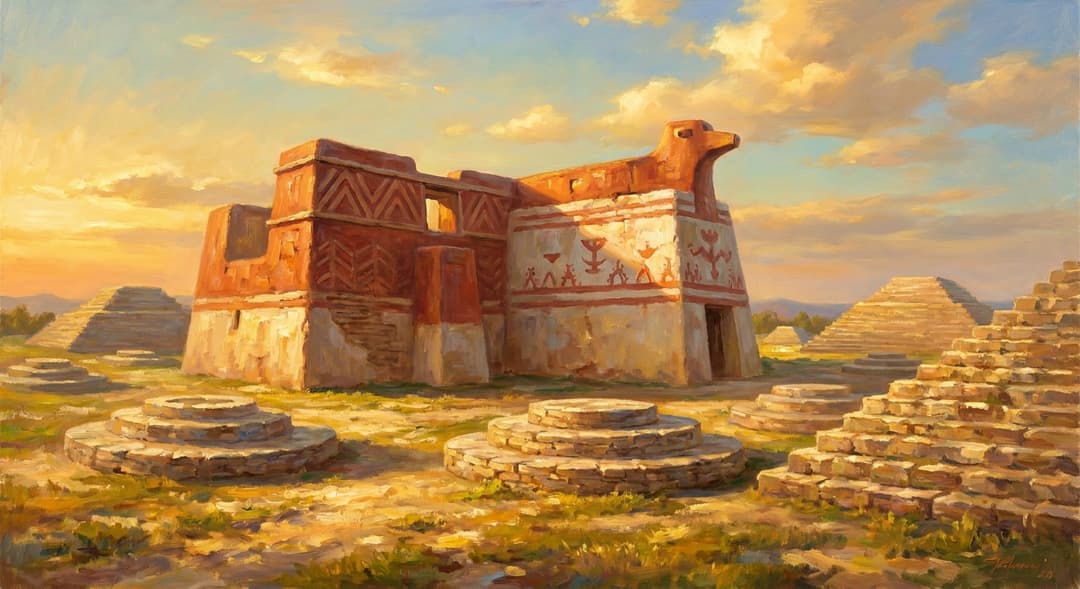
নিউহেলিয়াং দেবী মন্দির (Niuheliang Goddess Temple) এবং হংশান সাইট হলো চীনের উত্তর-পূর্বাঞ্চলে অবস্থিত একটি অত্যন্ত গুরুত্বপূর্ণ প্রত্নতাত্ত্বিক স্থান। এটি প্রায় ৫,০০০ থেকে ৫,৫০০ বছর আগের হংশান সংস্কৃতির (Hongshan culture) অংশ। এই স্থানটি প্রাচীন চীনা সভ্যতার ধর্মীয় ও সামাজিক কাঠামোর এক অনন্য নিদর্শন হিসেবে বিবেচিত হয়।
মন্দিরটিতে পাওয়া মাটির তৈরি দেবীর মূর্তি এবং অন্যান্য প্রত্নবস্তু প্রমাণ করে যে, সেই সময়েও এখানে উন্নত ধর্মীয় আচার-অনুষ্ঠান পালিত হতো। এটি কেবল একটি মন্দির নয়, বরং এটি প্রাচীন মানুষের আধ্যাত্মিক বিশ্বাস এবং তাদের সামাজিক সংগঠনের এক জীবন্ত দলিল।
আকর্ষণীয় তথ্য
টেরাকোটা দেবীর মাথাটি ৫,০০০ বছরেরও বেশি সময় ধরে মাটির নিচে থাকার পরেও এর উজ্জ্বল সবুজ শিউয়ান জেড পাথর নির্মিত চোখগুলো অক্ষত ছিল।
প্রত্নতাত্ত্বিক জরিপে ৫০ বর্গকিলোমিটার এলাকা জুড়ে কোনো বসতবাড়ির অস্তিত্ব পাওয়া যায়নি, যা নির্দেশ করে যে এই পাহাড়গুলো কঠোরভাবে পবিত্র আচার-অনুষ্ঠানের জন্য সংরক্ষিত ছিল।
মন্দিরের ভেতরে পাওয়া মাটির কাঁধ এবং অঙ্গপ্রত্যঙ্গের টুকরোগুলো ইঙ্গিত দেয় যে, একসময় গর্ভগৃহের ভেতরে মানুষের আকারের তিন গুণ বড় বিশাল দেবদেবীর মূর্তি ছিল।
নিউহেলিআং-এ আবিষ্কৃত জেড পাথরের শূকর-ড্রাগনটিকে চীনা ড্রাগন মোটিফের প্রাচীনতম কাঠামোগত পূর্বপুরুষদের মধ্যে একটি হিসেবে গণ্য করা হয়।
স্পট ২-এ অবস্থিত তিন স্তরের বৃত্তাকার পাথরের বেদিটি বেইজিংয়ের রাজকীয় টেম্পল অফ হেভেন-এর চেয়ে ৪,৫০০ বছরেরও বেশি পুরনো।
নিউহেলিআং-এর দেবী মন্দিরের নির্মাণকাল ইংল্যান্ডের স্টোনহেঞ্জের প্রাচীনতম মাটির কাজের পর্যায়ের সমসাময়িক।
ভাস্কররা ভারী মাটির দেবদেবীর মূর্তিগুলোকে প্লাস্টার করার আগে সেগুলোকে ধরে রাখার জন্য খড়ের দড়ি দিয়ে মোড়ানো অভ্যন্তরীণ কাঠের ডাল ব্যবহার করতেন।
স্পট ১-এ খনন করা সাতটি আচারিক অগ্নিকুণ্ডকে সপ্তর্ষি মণ্ডলের তারার সাথে হুবহু মিল রেখে সাজানো হয়েছিল।
নিউহেলিআং-এ পাওয়া প্রায় সমস্ত আচারিক জেড শিল্পকর্ম ২০০ কিলোমিটার দূরে অবস্থিত স্থানীয় শিউয়ান নেফ্রাইট খনি থেকে সংগ্রহ করা হয়েছিল।
সাধারণ জিজ্ঞাসা
নিউহেলিয়াং দেবী মন্দির কেন গুরুত্বপূর্ণ?
এটি প্রাচীন চীনের হংশান সংস্কৃতির ধর্মীয় ও সামাজিক ইতিহাসের এক অমূল্য দলিল, যা ৫,০০০ বছরেরও বেশি পুরনো।
এখানে কি কোনো জাদুঘর আছে?
হ্যাঁ, সাইটের কাছেই একটি জাদুঘর রয়েছে যেখানে খননকার্যে প্রাপ্ত প্রত্নবস্তুগুলো সংরক্ষিত আছে।
Why were jade pig-dragons buried in the stone cairns?
Carved from Xiuyan nephrite, pig-dragons served as shamanic totems symbolizing rain, agricultural vitality, and spiritual authority.
Did ancient people live inside the Niuheliang complex?
No domestic houses or cooking hearths were found, proving the entire 50-square-kilometer zone was dedicated exclusively to sacred rituals.
বৈশিষ্ট্যযুক্ত গল্প
সবুজ চোখের দেবীর উন্মোচন
1983
১৯৮৩ সালের অক্টোবরে, প্রত্নতাত্ত্বিকরা লোকাস ১ খনন করার সময় শতাব্দীর পর শতাব্দী ধরে জমে থাকা পাহাড়ের মাটি সরিয়ে কাঁচের মতো সবুজ চোখের একটি জীবন্ত মাটির মুখাবয়ব আবিষ্কার করেন। খোদাই করা শিউয়ান জেড পাথরের গোলকগুলো বিকেলের আলোয় উজ্জ্বল হয়ে ওঠে, যা আধুনিক গবেষকদের নিওলিথিক পূর্ব এশিয়ার মাতৃতান্ত্রিক আধ্যাত্মিক জগতের প্রথম সরাসরি ঝলক দেখায়। এই আবিষ্কার চীনের প্রাথমিক সাংস্কৃতিক সময়রেখাকে নতুন করে সংজ্ঞায়িত করে এবং নিউহিলিয়াংকে প্রাগৈতিহাসিক আচার-অনুষ্ঠানের শিল্পের একটি প্রধান কেন্দ্র হিসেবে প্রতিষ্ঠিত করে।
উৎস: Liaoning Provincial Institute of Cultural Relics and Archaeology
পবিত্র পাহাড়ের সাথে স্থাপত্যের সামঞ্জস্য
c. 3500 BC
হংশান আচার-অনুষ্ঠানের স্থপতিরা নিউহিলিয়াং-এর উঁচু শৈলশিরাগুলোকে বিশেষভাবে বেছে নিয়েছিলেন যাতে তাদের পবিত্র স্থানটিকে আশেপাশের ভূপ্রকৃতির সাথে সামঞ্জস্যপূর্ণ করা যায়। স্থানিক বিশ্লেষণ থেকে দেখা যায় যে, মন্দিরের কাঠামোগত উত্তর-দক্ষিণ অক্ষটি ঝুশান বা পিগ মাউন্টেনকে লক্ষ্য করে তৈরি, অন্যদিকে অভ্যন্তরীণ পবিত্র স্থানটি বিয়ার-হেডেড মাউন্টেনের প্রতিচ্ছবি। এই ইচ্ছাকৃত বিন্যাসটি প্রাকৃতিক ভূ-আকৃতিকে সরাসরি মন্দিরের পবিত্র স্থানিক জ্যামিতির সাথে একীভূত করেছিল।
উৎস: Institute of Archaeology, Chinese Academy of Social Sciences
জেড পিগ-ড্রাগনের শামানিক শক্তি
c. 3400 BC
স্পট ১৬-এর পাথরের কবরের ভেতরে, উচ্চপদস্থ শামানদের তাদের বুকের ওপর মসৃণ শিউয়ান নেফ্রাইট জেড পাথর রেখে সমাহিত করা হয়েছিল। এই অলঙ্কারগুলোর মধ্যে ছিল আইকনিক পিগ-ড্রাগন, যা গৃহপালিত শুকরের শক্তি এবং বৃষ্টি আনয়নকারী সর্প পুরাণের এক সংমিশ্রণ। এই পবিত্র খোদাইগুলো শক্তিশালী আধ্যাত্মিক চাবিকাঠি হিসেবে কাজ করত, যা হংশান নেতাদের পার্থিব কর্তৃত্বকে মহাজাগতিক শক্তির সাথে সংযুক্ত করত।
উৎস: Guo Dashun, Hongshan Cultural Research Center
সময়রেখা
অভয়ারণ্য নির্মাণ শুরু
হংশান আচার নির্মাতারা নিউহিলিয়াং-এর শৈলশিরায় আধা-ভূগর্ভস্থ দেবী মন্দির এবং প্রাথমিক পাথরের সমাধি নির্মাণ করেন।
মাইলস্টোনআচারিক স্থাপত্যের স্বর্ণযুগ
এই স্থানটি ধাপযুক্ত পিরামিড পাথরের সমাধি, জেড সমাধি এবং বলিদানের বেদি সহ একটি আঞ্চলিক আনুষ্ঠানিক রাজধানী হিসেবে কাজ করে।
ঘটনাজলবায়ু পরিবর্তন এবং স্থান ত্যাগ
শীতল পরিবেশগত পরিস্থিতি হংশান কৃষিকে ব্যাহত করে, যার ফলে পবিত্র কমপ্লেক্সটি পদ্ধতিগতভাবে বন্ধ এবং পরিত্যক্ত হয়।
ঘটনাপ্রাথমিক প্রত্নতাত্ত্বিক জরিপ
লিয়াওনিং প্রাদেশিক সাংস্কৃতিক ধ্বংসাবশেষ জরিপ দল নিউহিলিয়াং জুড়ে প্রাগৈতিহাসিক পাথরের সমাধি এবং সিরামিক টুকরো শনাক্ত করে।
ঘটনাদেবী মন্দির উন্মোচন
প্রত্নতাত্ত্বিক সু বিংকি এবং গুও দাশুন ভূগর্ভস্থ মন্দিরের কাঠামো এবং আইকনিক পোড়ামাটির দেবীর মাথা উন্মোচন করেন।
মাইলস্টোনকেন্দ্রীয় পাথরের বেদি খনন
স্পট ২-এ খননকার্যের ফলে উল্লম্বভাবে আঁকা সিরামিক সিলিন্ডার দ্বারা ধরে রাখা একটি তিন-স্তরের বৃত্তাকার পাথরের প্ল্যাটফর্ম উন্মোচিত হয়।
ঘটনাজাতীয় ঐতিহ্য পদবি
চীনের স্টেট কাউন্সিল নিউহিলিয়াংকে জাতীয় পর্যায়ে সংরক্ষিত একটি প্রধান ঐতিহাসিক এবং সাংস্কৃতিক স্থান হিসেবে মনোনীত করে।
মাইলস্টোনরাজকীয় সমাধি স্পট ১৬ আবিষ্কার
খননকারীরা একটি অভিজাত সমাধি উন্মোচন করেন যাতে ১৯.৭ সেন্টিমিটারের জিউয়ান জেড পিগ-ড্রাগন এবং আচারিক অলঙ্কার ছিল।
ঘটনাইউনেস্কো অস্থায়ী তালিকাভুক্তি
নিউহিলিয়াং আনুষ্ঠানিকভাবে ইউনেস্কো বিশ্ব ঐতিহ্যের মর্যাদার জন্য চীনের অস্থায়ী তালিকায় অন্তর্ভুক্ত হয়।
মাইলস্টোনজাতীয় প্রত্নতাত্ত্বিক সাইট পার্ক উদ্বোধন
নিউহিলিয়াং সাইট পার্কের মধ্যে আধুনিক সুরক্ষামূলক ছাউনি এবং উন্নত প্রদর্শনী সুবিধা জনসাধারণের জন্য উন্মুক্ত করা হয়।
মাইলস্টোনবিগ ডিপার হার্থ অ্যারে আবিষ্কার
প্রত্নতাত্ত্বিকরা স্পট ১-এ সাতটি আচারিক অগ্নিকুণ্ড খনন করেন যা আরসা মেজর নক্ষত্রমন্ডলীর আকারে সাজানো ছিল।
ঘটনাদশক অনুযায়ী ইতিহাস
c. 3500 BC — Sanctuary Foundation
Late Hongshan ritual leaders select the uninhabited ridges of Niuheliang as a dedicated pan-regional sanctuary. Builders construct the semi-subterranean timber and clay Goddess Temple along with initial stone cairn graves and sacrificial altars.
c. 3400 BC–3100 BC — Peak Ceremonial Era
Niuheliang operates as the primary ceremonial capital for Hongshan polities across northeastern China. Elite shamans are interred inside step-pyramidal stone cairns accompanied by polished nephrite jade pig-dragons, cloud pendants, and ritual vessels.
c. 3000 BC — Climate Change and Site Abandonment
A cooling and drying climatic shift disrupts regional agricultural systems, prompting the systematic closure and abandonment of the mountain sanctuary. The mud-brick structure collapses softly, sealing the goddess sculptures beneath mountain soil for nearly five millennia.
1980s — Rediscovery and Landmark Excavation
The Niuheliang Goddess is the female ancestor of the Hongshan people—and the common grandmother of the Chinese nation.
Archaeologists Su Bingqi and Guo Dashun supervise formal excavations at Locus 1 and Spot 2, unearthing the painted plaster temple walls, terracotta goddess head, and circular stone sky altars. The discoveries establish Niuheliang as a Major Historical Site Protected at the National Level.
2000s–2010s — Conservation and World Heritage Listing
Major excavations at Spot 16 reveal wealthy royal tombs containing extraordinary jade artifacts. In 2013, China officially inscribes Niuheliang on its UNESCO World Heritage Tentative List while constructing initial protective enclosures over key excavation spots.
2020s — Archaeological Site Park and Astronomical Discoveries
China invests in modern protective canopy structures and upgraded museum facilities to establish the Niuheliang National Archaeological Site Park. Excavations at Spot 1 uncover seven ritual fire pits arranged in the shape of the Big Dipper constellation, proving ancient astronomical alignments.
স্থাপত্য ও সুবিধা
The Niuheliang Goddess Temple represents East Asia's oldest known purpose-built sacred shrine architecture, characterized by semi-subterranean timber-framed mud-plaster structures integrated into a 50-square-kilometer sacred mountain landscape.
নির্মাণ সামগ্রী
Subterranean Clay Foundations
Trenches carved directly into native loam and reinforced with dense rammed clay and mud mortar.
Timber and Wattle-and-Daub
Heavy wooden structural posts interwoven with straw-and-reed wattle finished in thick coats of clay plaster.
White Kaolin and Red Ochre Pigment
Interior plaster walls coated in fine white kaolin clay and painted with bold red Z-shaped geometric motifs.
Unshaped Fieldstone Quarried Locally
Granite and basalt stones dry-laid to construct three-tiered circular sky altars and massive step-pyramidal cairn mounds.
অভ্যন্তরীণ বৈশিষ্ট্য
Main Sanctuary Hall
The primary central chamber housing life-sized and colossal terracotta deity statues along with animal sculptures.
Northern Inner Sanctum
An elevated northern annex dedicated to venerating bear mandibles and sacred shamanic totems.
East and West Side Chambers
Symmetrical wing rooms utilized for preparing sacrificial offerings and storing painted ceramic cylinders.
Southern Entrance Passage
A narrow subterranean corridor restricting physical entry and orienting visitor sightlines toward the main shrine.
মন্দির প্রাঙ্গণ
The 50-square-kilometer sanctuary encompasses sacred mountain ridges, three-tiered circular stone sky altars at Spot 2, step-pyramidal cairn tombs at Spot 16, and seven Big Dipper hearth pits at Spot 1.
অতিরিক্ত সুবিধা
The site features climate-controlled protective canopy structures over key excavation loci, the Niuheliang Heritage Site Museum, an archaeological research center, and internal park shuttle transit.
ধর্মীয় তাৎপর্য
Niuheliang served as the supreme ceremonial center of the Hongshan Culture, expressing a sophisticated prehistoric worldview centered on matriarchal ancestor reverence, shamanic animal totems, and cosmic geometry.
To serve as a detached mountain sanctuary for communal shamanic rites, honoring divine ancestors, and aligning human society with heaven and earth.
পবিত্র বিধি
Ancestor Deification & Offerings
Ritual veneration of the supreme terracotta Goddess through ceramic offerings and clay statue consecration.
Celestial Sky Worship
Sacrificial rites performed on concentric circular stone altars to communicate with celestial forces and stars.
Shamanic Jade Interments
Burying high ritual leaders with Xiuyan jade pig-dragons and cloud pendants to ensure spiritual immortality.
Cosmological Geometry: Round Heaven and Square Earth
The three-tiered circular stone altar at Spot 2 and adjacent square platforms represent the earliest known manifestation of the Chinese cosmological principle Tianyuan Difang (Round Heaven, Square Earth), establishing a philosophical archetype 4,500 years before imperial Beijing.
অনুরূপ মন্দিরসমূহ
উৎস ও গবেষণা
Temples.org-এর প্রতিটি তথ্য যাচাইকৃত দ্বারা সমর্থিত <strong>উৎস ও গবেষণা</strong>। তথ্যের প্রতিটি অংশ উৎস স্তর এবং আত্মবিশ্বাসের স্তর দ্বারা রেট করা হয়।
সমস্ত উৎস দেখুন (8)
| ক্ষেত্র | উৎস | স্তর | পুনরুদ্ধার করা হয়েছে |
|---|---|---|---|
| About & Historical Background | UNESCO World Heritage Centre (নতুন ট্যাবে খোলে) | B | 2026-02-17 |
| About & Historical Background | National Cultural Heritage Administration of China (নতুন ট্যাবে খোলে) | A | 2026-02-17 |
| Architecture & Ritual Site Layout | Institute of Archaeology, Chinese Academy of Social Sciences (নতুন ট্যাবে খোলে) | B | 2026-02-17 |
| Archaeological History & Discoveries | Archaeology Magazine, Archaeological Institute of America (নতুন ট্যাবে খোলে) | B | 2026-02-17 |
| Symbolic Elements & Artifacts | Antiquity Journal, Cambridge University Press (নতুন ট্যাবে খোলে) | B | 2026-02-17 |
| Featured Stories & Research History | China Daily Culture (নতুন ট্যাবে খোলে) | B | 2026-02-17 |
| Timeline & Cultural Chronology | Liaoning Provincial Museum (নতুন ট্যাবে খোলে) | A | 2026-02-17 |
| Visitor Insights & Access | Chaoyang Municipal People's Government (নতুন ট্যাবে খোলে) | C | 2026-02-17 |