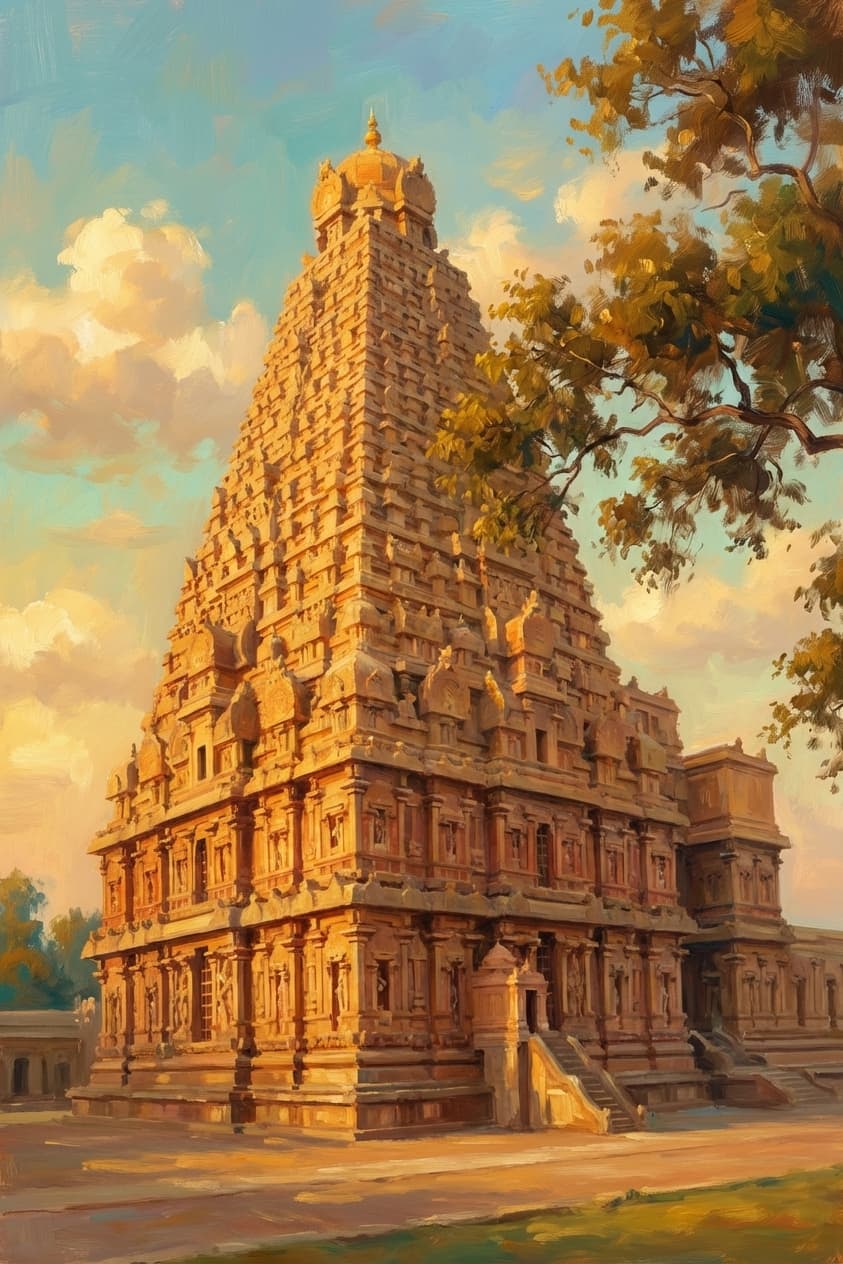
দর্শনার্থীদের অন্তর্দৃষ্টি
দর্শন বৃহদীশ্বর মন্দির
বৃহদীশ্বর মন্দির পরিদর্শন করা চোল শিল্পকলা এবং ভক্তির হৃদয়ে এক যাত্রা। মন্দিরের মহিমান্বিত রূপটি এর সুউচ্চ বিমান এবং বিস্তীর্ণ প্রাঙ্গণের মাধ্যমে অবিলম্বে স্পষ্ট হয়ে ওঠে। প্রাচীন মন্ত্রোচ্চারণের প্রতিধ্বনি এবং ধূপের সুবাসে ভরা একটি নির্মল ও আধ্যাত্মিক পরিবেশ আশা করতে পারেন। মূল মন্দির চত্বরে প্রবেশের আগে আপনার জুতো খুলে রাখার জন্য প্রস্তুত থাকুন।
প্রধান বৈশিষ্ট্য
- দ্রাবিড় স্থাপত্যের এক অনন্য কীর্তি, সুউচ্চ বিমানের দিকে বিস্ময়ে তাকিয়ে থাকুন।
- মন্দিরের দেয়াল অলঙ্কৃতকারী জটিল খোদাই এবং ভাস্কর্যগুলো অন্বেষণ করুন।
- মন্দিরের পুরোহিতদের দ্বারা সম্পাদিত দৈনিক আচার-অনুষ্ঠান এবং পূজা প্রত্যক্ষ করুন।
জানার বিষয়
- মন্দিরের নির্দিষ্ট কিছু এলাকায় ছবি তোলার ওপর নিষেধাজ্ঞা থাকতে পারে।
- মন্দিরে যাওয়ার সময় শালীন এবং সম্মানজনক পোশাক পরিধান করুন।
- বিশেষ করে উৎসব এবং ছুটির দিনে ভিড় সম্পর্কে সচেতন থাকুন।
অবস্থান

Membalam Rd, Balaji Nagar, Thanjavur, Tamil Nadu 613007, India
সময়: প্রতিদিন সকাল ৬:০০ টা থেকে দুপুর ১২:৩০ টা এবং বিকেল ৪:০০ টা থেকে রাত ৮:৩০ টা পর্যন্ত খোলা থাকে।
সেখানে যাওয়া: মন্দিরটি তাঞ্জাভুরে অবস্থিত, যা সড়ক ও রেলপথে সহজেই যাতায়াতযোগ্য। নিকটতম বিমানবন্দর হলো তিরুচিরাপল্লী আন্তর্জাতিক বিমানবন্দর, যা প্রায় ৬০ কিমি দূরে অবস্থিত।
দিকনির্দেশ পানআপনার দর্শনের জন্য টিপস
পরিদর্শনের সেরা সময়
নভেম্বর থেকে মার্চ পর্যন্ত অপেক্ষাকৃত ঠান্ডা মাসগুলো তাঞ্জাভুর পরিদর্শনের জন্য আদর্শ।
পোশাক বিধি
সম্মান প্রদর্শনের জন্য কাঁধ এবং হাঁটু ঢেকে রেখে শালীন পোশাক পরিধান করুন।
পরিচিতি
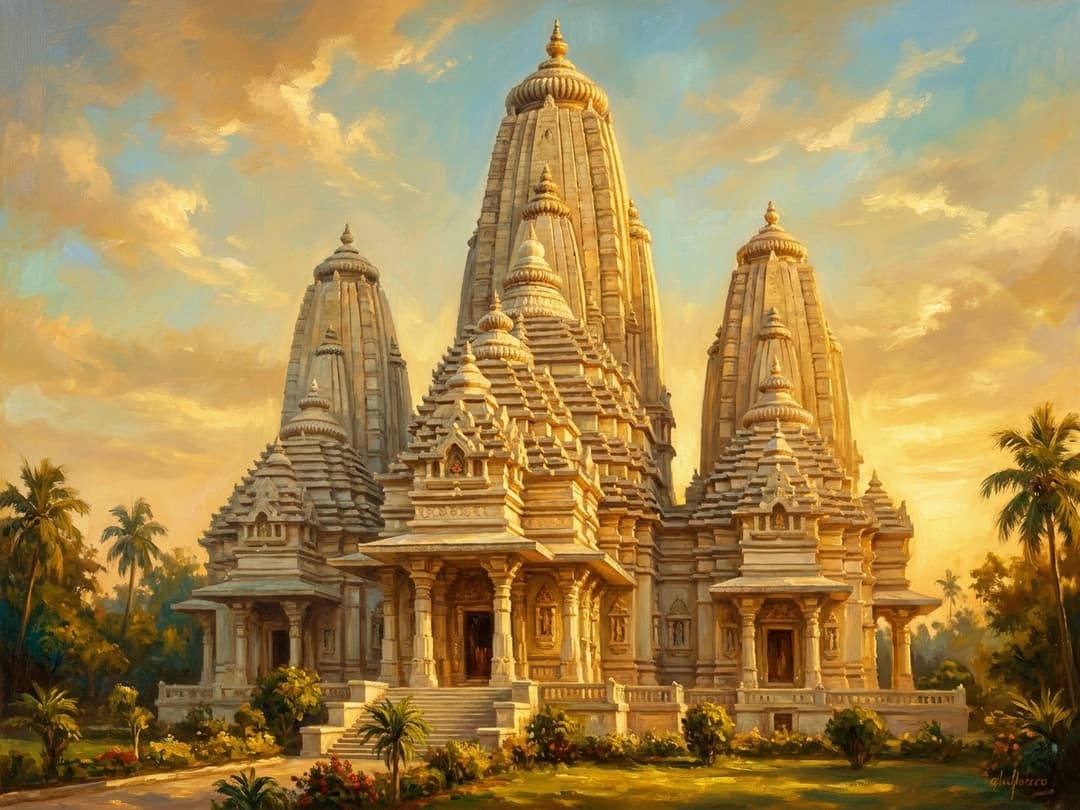
বৃহদীশ্বর মন্দির, যা রাজরাজেশ্বরম বা পেরুভুদাইয়ার কোভিল নামেও পরিচিত, ভারতের তামিলনাড়ুর তাঞ্জাভুরে অবস্থিত ভগবান শিবের উদ্দেশ্যে উৎসর্গীকৃত একটি হিন্দু মন্দির। এটি দক্ষিণ ভারতের অন্যতম বৃহত্তম মন্দির এবং দ্রাবিড় স্থাপত্যের একটি অনুকরণীয় উদাহরণ। একাদশ শতাব্দীতে চোল সম্রাট প্রথম রাজরাজ চোল দ্বারা নির্মিত এই মন্দিরটি চোল রাজবংশের ক্ষমতা, শৈল্পিক দক্ষতা এবং গভীর ভক্তির প্রমাণ হিসেবে দাঁড়িয়ে আছে।
মন্দিরটির নির্মাণ কাজ শুরু হয়েছিল প্রায় ১০০৩ খ্রিস্টাব্দে এবং শেষ হয়েছিল ১০১০ খ্রিস্টাব্দে। এর সুউচ্চ বিমান (মন্দিরের চূড়া) ৬৬ মিটার (২১৬ ফুট) উচ্চতায় পৌঁছেছে এবং এটি বিশ্বের এই ধরণের সবচেয়ে উঁচু কাঠামোগুলোর একটি। মন্দির চত্বরে অসংখ্য উপাসনালয়, স্তম্ভযুক্ত হল এবং জটিলভাবে খোদাই করা ভাস্কর্য রয়েছে, যা চোল আমলের সমৃদ্ধ শৈল্পিক ও সাংস্কৃতিক ঐতিহ্যকে প্রদর্শন করে।
বৃহদীশ্বর মন্দিরটি ইউনেস্কো (UNESCO) ওয়ার্ল্ড হেরিটেজ সাইট হিসেবে স্বীকৃত, যা “গ্রেট লিভিং চোল টেম্পলস”-এর অংশ। এটি ধর্মীয় উপাসনা, সাংস্কৃতিক অনুষ্ঠান এবং ঐতিহাসিক তাৎপর্যের একটি প্রাণবন্ত কেন্দ্র হিসেবে অব্যাহত রয়েছে, যা বিশ্বজুড়ে ভক্ত ও পর্যটকদের আকর্ষণ করে। মন্দিরের স্থায়ী উত্তরাধিকার এর স্থাপত্যের মহিমান্বিত রূপ, জটিল কারুশিল্প এবং চোল রাজবংশের স্বর্ণযুগের জীবন্ত প্রমাণ হিসেবে এর ভূমিকার মধ্যে নিহিত রয়েছে。
গ্যালারি
প্রতীকী উপাদান
মন্দিরের বাইরের অংশে জটিল খোদাই রয়েছে, যার প্রতিটি আধ্যাত্মিক অর্থে সমৃদ্ধ:

বিমান
বিমান বা মন্দিরের চূড়াটি বৃহদীশ্বর মন্দিরের সবচেয়ে বিশিষ্ট বৈশিষ্ট্য, যা ৬৬ মিটার উচ্চতা পর্যন্ত বিস্তৃত। এটি পবিত্র পর্বত মেরু পর্বতের প্রতীক এবং পার্থিব ও ঐশ্বরিক জগতের সংযোগকারী মহাজাগতিক অক্ষকে প্রতিনিধিত্ব করে। বিমানের জটিল খোদাই এবং ভাস্কর্যগুলোতে বিভিন্ন দেব-দেবী, পৌরাণিক চরিত্র এবং হিন্দু ধর্মগ্রন্থের দৃশ্য ফুটিয়ে তোলা হয়েছে।

নন্দী
পবিত্র ষাঁড় নন্দী হলেন ভগবান শিবের বাহন এবং এটি মূল মন্দিরের মুখোমুখি প্রধান স্থানে অবস্থিত। বৃহদীশ্বর মন্দিরের নন্দী মূর্তিটি ভারতের অন্যতম বৃহত্তম, যা একটি মাত্র পাথর খোদাই করে তৈরি করা হয়েছে। এটি শক্তি, ভক্তি এবং উর্বরতার প্রতীক এবং মন্দিরের রক্ষক হিসেবে কাজ করে।

লিঙ্গম
লিঙ্গম হলো ভগবান শিবের একটি প্রতীকী রূপ এবং মূল গর্ভগৃহে পূজিত প্রধান দেবতা। এটি শিবের ঐশ্বরিক শক্তি এবং সৃষ্টিশীল ক্ষমতার প্রতীক। বৃহদীশ্বর মন্দিরের লিঙ্গমটি একটি বিশাল, একক পাথরের কাঠামো, যা দেবতার শাশ্বত এবং অসীম প্রকৃতিকে প্রতিনিধিত্ব করে।

গোপুরাম
গোপুরাম বা প্রবেশদ্বারগুলো হলো বিশাল কাঠামো যা মন্দির প্রাঙ্গণের প্রবেশপথ চিহ্নিত করে। এগুলো বিভিন্ন দেব-দেবী, পৌরাণিক চরিত্র এবং হিন্দু মহাকাব্যের দৃশ্য সম্বলিত জটিল খোদাই ও ভাস্কর্য দ্বারা সুশোভিত। গোপুরামগুলো সাধারণ জগৎ এবং মন্দিরের পবিত্র স্থানের মধ্যে একটি প্রতীকী সীমানা হিসেবে কাজ করে।

ভাস্কর্য
বৃহদীশ্বর মন্দিরটি তার জটিল ভাস্কর্যের জন্য বিখ্যাত যা মন্দিরের দেয়াল, স্তম্ভ এবং উপাসনালয়গুলোকে সুশোভিত করে। এই ভাস্কর্যগুলোতে বিভিন্ন দেব-দেবী, পৌরাণিক চরিত্র এবং হিন্দু ধর্মগ্রন্থের দৃশ্য ফুটিয়ে তোলা হয়েছে, যা চোল কারিগরদের শৈলক্ষিক দক্ষতা এবং কারুকার্যের পরিচয় দেয়। এগুলো হিন্দু পুরাণ এবং আধ্যাত্মিকতার চাক্ষুষ আখ্যান হিসেবে কাজ করে।

স্তম্ভ
মন্দির প্রাঙ্গণের স্তম্ভগুলো জটিলভাবে খোদাই করা এবং বিভিন্ন মোটিফ ও ভাস্কর্য দ্বারা সজ্জিত। এগুলো স্তম্ভযুক্ত হল এবং উপাসনালয়গুলোর ছাদকে ধরে রাখে, যা একটি রাজকীয়তা এবং বিশালতার অনুভূতি তৈরি করে। স্তম্ভগুলো স্থায়িত্ব, শক্তি এবং মন্দিরের বিভিন্ন উপাদানের পারস্পরিক সংযোগের প্রতীক।

ফ্রেস্কো
বৃহদীশ্বর মন্দিরে প্রাচীন ফ্রেস্কো বা দেয়ালচিত্র রয়েছে যা মন্দিরের ভেতরের দেয়ালগুলোকে সুশোভিত করে। এই চিত্রগুলোতে ভগবান শিব এবং অন্যান্য হিন্দু দেব-দেবীর জীবনের দৃশ্য চিত্রিত হয়েছে, যা চোল আমলের শৈল্পিক এবং ধর্মীয় অনুশীলনের মূল্যবান অন্তর্দৃষ্টি প্রদান করে। ফ্রেস্কোগুলো মন্দিরের সমৃদ্ধ সাংস্কৃতিক ঐতিহ্যের প্রমাণ।

কলশম
কলশম হলো বিমানের চূড়ায় অবস্থিত কলস আকৃতির অংশ। এটি তামা দিয়ে তৈরি এবং সোনার প্রলেপযুক্ত বলে বিশ্বাস করা হয়। কলশম একটি পবিত্র বস্তু এবং মন্দিরের আচার-অনুষ্ঠানের একটি গুরুত্বপূর্ণ অংশ। এটি দেবতার সারমর্ম ধারণ করে বলে বিশ্বাস করা হয় এবং এটি সমৃদ্ধি ও প্রাচুর্যের প্রতীক।
আকর্ষণীয় তথ্য
মন্দিরের বিমানটি বিশ্বের এই ধরণের কাঠামোর মধ্যে অন্যতম উচ্চতম।
বিমানের চূড়ায় থাকা পাথরটির ওজন প্রায় ৮০ টন এবং এটি একটি ঢালু পথ ব্যবহার করে স্থাপন করা হয়েছিল।
মন্দিরটি সম্পূর্ণরূপে গ্রানাইট দিয়ে তৈরি, যেখানে ১,৩০,০০০ টনেরও বেশি পাথর ব্যবহার করা হয়েছে।
দুপুরে বিমানের ছায়া মাটিতে পড়ে না।
মন্দির প্রাঙ্গণে অসংখ্য উপাসনালয়, স্তম্ভযুক্ত হল এবং ভাস্কর্য রয়েছে।
বৃহদীশ্বর মন্দিরটি একটি ইউনেস্কো বিশ্ব ঐতিহ্যবাহী স্থান।
মন্দিরটি ভগবান শিবকে উৎসর্গ করা হয়েছে এবং এটি একটি গুরুত্বপূর্ণ তীর্থস্থান।
মন্দিরটির নির্মাণ কাজ সম্পন্ন করতে মাত্র সাত বছর সময় লেগেছিল।
মন্দিরটি রাজারাজেশ্বরম বা পেরুভুদাইয়ার কোভিল নামেও পরিচিত।
চোল সম্রাট প্রথম রাজরাজ এই মন্দিরটি নির্মাণের নির্দেশ দিয়েছিলেন।
সাধারণ জিজ্ঞাসা
বৃহদীশ্বর মন্দিরটি কীসের জন্য বিখ্যাত?
বৃহদীশ্বর মন্দিরটি তার চমৎকার দ্রাবিড় স্থাপত্য, বিশাল বিমান এবং জটিল ভাস্কর্যের জন্য বিখ্যাত। এটি একটি ইউনেস্কো বিশ্ব ঐতিহ্যবাহী স্থান এবং চোল রাজবংশের শৈল্পিক ও প্রকৌশল দক্ষতার এক অনন্য নিদর্শন।
বৃহদীশ্বর মন্দিরটি কে নির্মাণ করেছিলেন?
চোল সম্রাট প্রথম রাজরাজ এই মন্দিরটি নির্মাণের নির্দেশ দিয়েছিলেন এবং এটি ১০১০ খ্রিস্টাব্দে সম্পন্ন হয়।
বৃহদীশ্বর মন্দিরটি কোন দেবতাকে উৎসর্গ করা হয়েছে?
মন্দিরটি হিন্দুধর্মের অন্যতম প্রধান দেবতা ভগবান শিবকে উৎসর্গ করা হয়েছে।
বৃহদীশ্বর মন্দির দর্শনের সময়সূচী কী?
মন্দিরটি প্রতিদিন সকাল ৬:০০টা থেকে দুপুর ১২:৩০টা এবং বিকেল ৪:০০টা থেকে রাত ৮:৩০টা পর্যন্ত খোলা থাকে।
বৃহদীশ্বর মন্দির দর্শনের জন্য কি কোনো প্রবেশ ফি আছে?
বৃহদীশ্বর মন্দির দর্শনের জন্য কোনো প্রবেশ ফি নেই।
মন্দিরে যাওয়ার সময় আমার কী পোশাক পরা উচিত?
শালীন এবং সম্মানজনক পোশাক পরিধান করুন, যা কাঁধ এবং হাঁটু ঢেকে রাখে। মূল মন্দির প্রাঙ্গণে প্রবেশের আগে জুতো খুলে রাখা নিয়ম।
বৈশিষ্ট্যযুক্ত গল্প
প্রথম রাজরাজের স্বপ্ন
1003 CE
গল্পটি শুরু হয় মহান চোল সম্রাট প্রথম রাজরাজকে দিয়ে, যিনি এমন একটি চমৎকার মন্দিরের স্বপ্ন দেখেছিলেন যা ভগবান শিবের মহিমা এবং চোল রাজবংশের ক্ষমতার প্রমাণ হিসেবে দাঁড়িয়ে থাকবে। কিংবদন্তি রয়েছে যে সম্রাট একটি ঐশ্বরিক স্বপ্ন পেয়েছিলেন, যা তাকে এমন একটি মন্দির তৈরি করতে নির্দেশ দিয়েছিল যা স্বর্গ স্পর্শ করবে এবং আগামী প্রজন্মকে অনুপ্রাণিত করবে। এই স্বপ্নই তার উচ্চাকাঙ্ক্ষাকে জ্বালিয়ে তোলে এবং বৃহদীশ্বর মন্দির নির্মাণের সূচনা করে।
দৃঢ় সংকল্প নিয়ে প্রথম রাজরাজ তার সাম্রাজ্যজুড়ে সেরা স্থপতি, ভাস্কর এবং কারিগরদের একত্রিত করেছিলেন। তিনি ব্যক্তিগতভাবে মন্দিরের পরিকল্পনা ও নকশা তদারকি করেছিলেন, যাতে প্রতিটি বিবরণ শৈল্পিক শ্রেষ্ঠত্বের সর্বোচ্চ মান প্রতিফলিত করে। সম্রাটের নিষ্ঠা এবং আবেগ তার স্বপ্নকে বাস্তবে রূপান্তর করেছিল, যার ফলে এমন একটি মন্দির তৈরি হয়েছিল যা আজও বিস্ময় এবং ভক্তি জাগ্রত করে।
বৃহদীশ্বর মন্দিরের নির্মাণ কেবল প্রকৌশলের একটি কীর্তি ছিল না, বরং এটি ছিল ভক্তির এক পরম প্রকাশ। প্রথম রাজরাজ এই প্রকল্পে তার হৃদয় ও আত্মা ঢেলে দিয়েছিলেন, যাতে মন্দিরটি আগামী প্রজন্মের জন্য ঐশ্বরিক শক্তির সাথে সংযোগ স্থাপনের একটি পবিত্র স্থান হিসেবে কাজ করে। মন্দিরের মাধ্যমে তার উত্তরাধিকার বেঁচে আছে, যা তার স্বপ্ন, ভক্তি এবং চোল রাজবংশের চিরস্থায়ী ক্ষমতার প্রতীক।
উৎস: Tamil Nadu Tourism Department
চূড়ার পাথর স্থাপন
1010 CE
বৃহদীশ্বর মন্দির নির্মাণের সময় প্রকৌশলের সবচেয়ে উল্লেখযোগ্য কীর্তিগুলোর একটি ছিল বিমানের চূড়ায় বিশাল পাথরটি স্থাপন করা। প্রায় ৮০ টন ওজনের এই পাথরটি চোল প্রকৌশলীদের জন্য একটি কঠিন চ্যালেঞ্জ ছিল। তারা একটি চমৎকার পদ্ধতি উদ্ভাবন করেছিলেন, যার জন্য মন্দিরের চূড়া পর্যন্ত কয়েক কিলোমিটার দীর্ঘ একটি ঢালু পথ তৈরি করা হয়েছিল।
মানুষ এবং পশুর শক্তির সমন্বয় ব্যবহার করে প্রকৌশলীরা ধীরে ধীরে পাথরটিকে ঢালু পথ বেয়ে ওপরে টেনে নিয়ে যান। এই প্রক্রিয়ার জন্য অত্যন্ত সমন্বয় এবং সূক্ষ্মতার প্রয়োজন ছিল, কারণ সামান্যতম ভুল হিসাবও বড় বিপর্যয় ডেকে আনতে পারত। পুরো সাম্রাজ্য অধীর আগ্রহে অপেক্ষা করছিল যখন পাথরটি ধীরে ধীরে চূড়ার দিকে এগিয়ে যাচ্ছিল।
অবশেষে, কয়েক মাসের কঠোর পরিশ্রমের পর, পাথরটি সফলভাবে বিমানের চূড়ায় স্থাপন করা হয়। এই মুহূর্তটি আনন্দ এবং উদযাপনের মধ্য দিয়ে বরণ করে নেওয়া হয়েছিল, কারণ মন্দিরের সমাপ্তি মানুষের বুদ্ধিমত্তা এবং অধ্যবসায়ের জয় চিহ্নিত করেছিল। এই পাথরটি চোল রাজবংশের প্রকৌশল দক্ষতা এবং আপাতদৃষ্টিতে অসম্ভব চ্যালেঞ্জগুলো অতিক্রম করার ক্ষমতার প্রতীক হিসেবে দাঁড়িয়ে আছে।
উৎস: Archaeological Survey of India
এক হাজার বছরের ভক্তি
2010
এক হাজার বছরেরও বেশি সময় ধরে, বৃহদীশ্বর মন্দিরটি ধর্মীয় উপাসনা, সাংস্কৃতিক অনুষ্ঠান এবং ঐতিহাসিক তাৎপর্যের কেন্দ্র হিসেবে কাজ করে আসছে। প্রজন্মের পর প্রজন্ম ধরে ভক্তরা প্রার্থনা করতে, আশীর্বাদ চাইতে এবং ঈশ্বরের সাথে সংযোগ স্থাপন করতে এই মন্দিরে ভিড় করেছেন। মন্দিরটি সাম্রাজ্যের উত্থান-পতন, ইতিহাসের পরিবর্তন এবং বিশ্বাসের চিরন্তন শক্তির সাক্ষী হয়েছে।
তার দীর্ঘ ইতিহাস জুড়ে, বৃহদীশ্বর মন্দিরটি অসংখ্য সংস্কার এবং পুনরুদ্ধারের মধ্য দিয়ে গেছে, যা ভবিষ্যৎ প্রজন্মের জন্য এর সংরক্ষণ নিশ্চিত করেছে। মন্দিরটি ইউনেস্কো বিশ্ব ঐতিহ্যবাহী স্থান হিসেবে স্বীকৃতি পেয়েছে, যা এর সর্বজনীন সাংস্কৃতিক মূল্যের প্রমাণ। মন্দিরটি একটি প্রাণবন্ত এবং জীবন্ত স্মৃতিস্তম্ভ হিসেবে অব্যাহত রয়েছে, যা বিশ্বজুড়ে দর্শনার্থীদের আকর্ষণ করে।
২০১০ সালে যখন বৃহদীশ্বর মন্দিরটি তার ১০০০তম বার্ষিকী উদযাপন করেছিল, তখন এই উপলক্ষটি জমকালো উৎসব এবং উদযাপনের মাধ্যমে চিহ্নিত করা হয়েছিল। এই অনুষ্ঠানটি মন্দিরের চিরস্থায়ী ঐতিহ্য এবং তামিল সংস্কৃতি ও ঐতিহ্যের প্রতীক হিসেবে এর গুরুত্বের কথা মনে করিয়ে দেয়। বৃহদীশ্বর মন্দিরটি আশা, অনুপ্রেরণা এবং ভক্তির এক আলোকবর্তিকা হিসেবে দাঁড়িয়ে আছে, যা বিশ্বাস এবং মানুষের আত্মার চিরন্তন শক্তির প্রমাণ।
উৎস: The Hindu
সময়রেখা
নির্মাণ শুরু
প্রথম রাজরাজ বৃহদীশ্বর মন্দির নির্মাণের নির্দেশ দেন।
মাইলস্টোনমন্দির নির্মাণ সম্পন্ন
বৃহদীশ্বর মন্দিরের নির্মাণ কাজ সম্পন্ন হয়, যা চোল স্থাপত্যের একটি উল্লেখযোগ্য কীর্তি।
উৎসর্গকুম্ভাভিষেকম অনুষ্ঠান
প্রথম কুম্ভাভিষেকম অনুষ্ঠান সম্পন্ন হয়, যার মাধ্যমে মন্দিরটি উৎসর্গ করা হয়।
ঘটনাদিল্লি সালতানাতের আক্রমণ
দিল্লি সালতানাতের আক্রমণের সময় মন্দিরটি ক্ষতিগ্রস্ত হয়।
ঘটনামারাঠা শাসন
তাঞ্জাভুর মারাঠা শাসনের অধীনে আসে এবং পরবর্তীতে মন্দিরের সংস্কার কাজ করা হয়।
সংস্কারইউনেস্কো বিশ্ব ঐতিহ্যবাহী স্থান
বৃহদীশ্বর মন্দিরটিকে ইউনেস্কো বিশ্ব ঐতিহ্যবাহী স্থান হিসেবে ঘোষণা করা হয়।
মাইলস্টোনপ্রধান সংস্কার
মন্দিরের কাঠামো এবং শিল্পকলা সংরক্ষণের জন্য ব্যাপক পুনরুদ্ধার কাজ চালানো হয়।
সংস্কারকুম্ভাভিষেকম
সংস্কার কাজের পর কুম্ভাভিষেকম অনুষ্ঠান সম্পন্ন হয়।
ঘটনা১০০০তম বার্ষিকী
মন্দিরটি জমকালো উৎসবের মধ্য দিয়ে তার ১০০০তম বার্ষিকী উদযাপন করে।
ঘটনাসংস্কার কাজ
মন্দিরের অখণ্ডতা বজায় রাখার জন্য আরও সংস্কার এবং সংরক্ষণের প্রচেষ্টা গ্রহণ করা হয়।
সংস্কারকুম্ভাভিষেকম
সংস্কার কাজের পর কুম্ভাভিষেকম অনুষ্ঠান সম্পন্ন হয়।
ঘটনাপ্রথম রাজরাজের মৃত্যু
মন্দির নির্মাণের নির্দেশদাতা চোল সম্রাট প্রথম রাজরাজের মৃত্যু হয়।
ঘটনাপ্রথম রাজেন্দ্রের সিংহাসন আরোহণ
প্রথম রাজরাজের পুত্র প্রথম রাজেন্দ্র চোল সিংহাসনে আরোহণ করেন এবং মন্দিরের প্রতি সমর্থন অব্যাহত রাখেন।
ঘটনাগাঙ্গাইকোন্ডা চোলপুরম মন্দির
প্রথম রাজেন্দ্র বৃহদীশ্বর মন্দিরের অনুপ্রেরণায় গাঙ্গাইকোন্ডা চোলপুরম মন্দির নির্মাণ করেন।
মাইলস্টোনফরাসি দখলদারিত্ব
ফরাসিরা কিছু সময়ের জন্য তাঞ্জাভুর দখল করে, যা মন্দিরের প্রশাসনে প্রভাব ফেলে।
ঘটনাধর্মীয় তাৎপর্য
বৃহদীশ্বর মন্দিরটি ভগবান শিবের একটি পবিত্র বাসস্থান হিসেবে অত্যন্ত ধর্মীয় গুরুত্ব বহন করে, যা ঐশ্বরিক মহাজাগতিক শক্তি এবং সৃষ্টি, স্থিতি ও ধ্বংসের শাশ্বত চক্রের প্রতিনিধিত্ব করে।
মন্দিরের প্রাথমিক উদ্দেশ্য হলো ভক্তদের ভগবান শিবের সাথে সংযোগ স্থাপন, তাঁর আশীর্বাদ প্রার্থনা এবং প্রার্থনা, আচার-অনুষ্ঠান ও ধ্যানের মাধ্যমে আধ্যাত্মিক জ্ঞান অর্জনের জন্য একটি স্থান প্রদান করা।
পবিত্র বিধি
অভিষেক
অভিষেক হলো দুধ, মধু এবং জলের মতো পবিত্র উপাদান দিয়ে লিঙ্গকে স্নান করানোর একটি আচার, যা পবিত্রতা এবং ভগবান শিবের প্রতি ভক্তির প্রতীক।
পূজা
পূজা হলো দেবতাকে ফুল, ধূপ এবং নৈবেদ্য অর্পণ করার একটি আচার, যা শ্রদ্ধা প্রকাশ করে এবং সমৃদ্ধি ও কল্যাণের জন্য আশীর্বাদ প্রার্থনা করে।
আরতি
আরতি হলো ভক্তিগীতি এবং মন্ত্রোচ্চারণের সাথে দেবতার সামনে প্রদীপ জ্বালিয়ে আরতি করার একটি আচার, যা অন্ধকার দূরীকরণ এবং ঐশ্বরিক উপস্থিতির আলোকায়নের প্রতীক।
শিবলিঙ্গের তাৎপর্য
শিবলিঙ্গ ভগবান শিবের নিরাকার এবং অসীম প্রকৃতির প্রতিনিধিত্ব করে, যা মহাবিশ্বে পরিব্যাপ্ত ঐশ্বরিক শক্তি এবং সৃজনশীল ক্ষমতার প্রতীক। এটি উপাসনা এবং ধ্যানের একটি কেন্দ্রবিন্দু, যা ভক্তদের পরম সত্যের সাথে সংযোগ স্থাপন করতে সাহায্য করে।
মন্দিরের আচার-অনুষ্ঠানের গুরুত্ব
মন্দিরের আচার-অনুষ্ঠান যেমন অভিষেক, পূজা এবং আরতি হলো অত্যন্ত গুরুত্বপূর্ণ অনুশীলন যা মনকে পবিত্র করে, ঐশ্বরিক আশীর্বাদ আহ্বান করে এবং উপাসকদের মধ্যে সম্প্রদায়গত অনুভূতি ও ভক্তি বৃদ্ধি করে। প্রাচীন ঐতিহ্য ও শাস্ত্র অনুসরণ করে অত্যন্ত যত্ন ও নিখুঁততার সাথে এই আচারগুলো সম্পন্ন করা হয়।
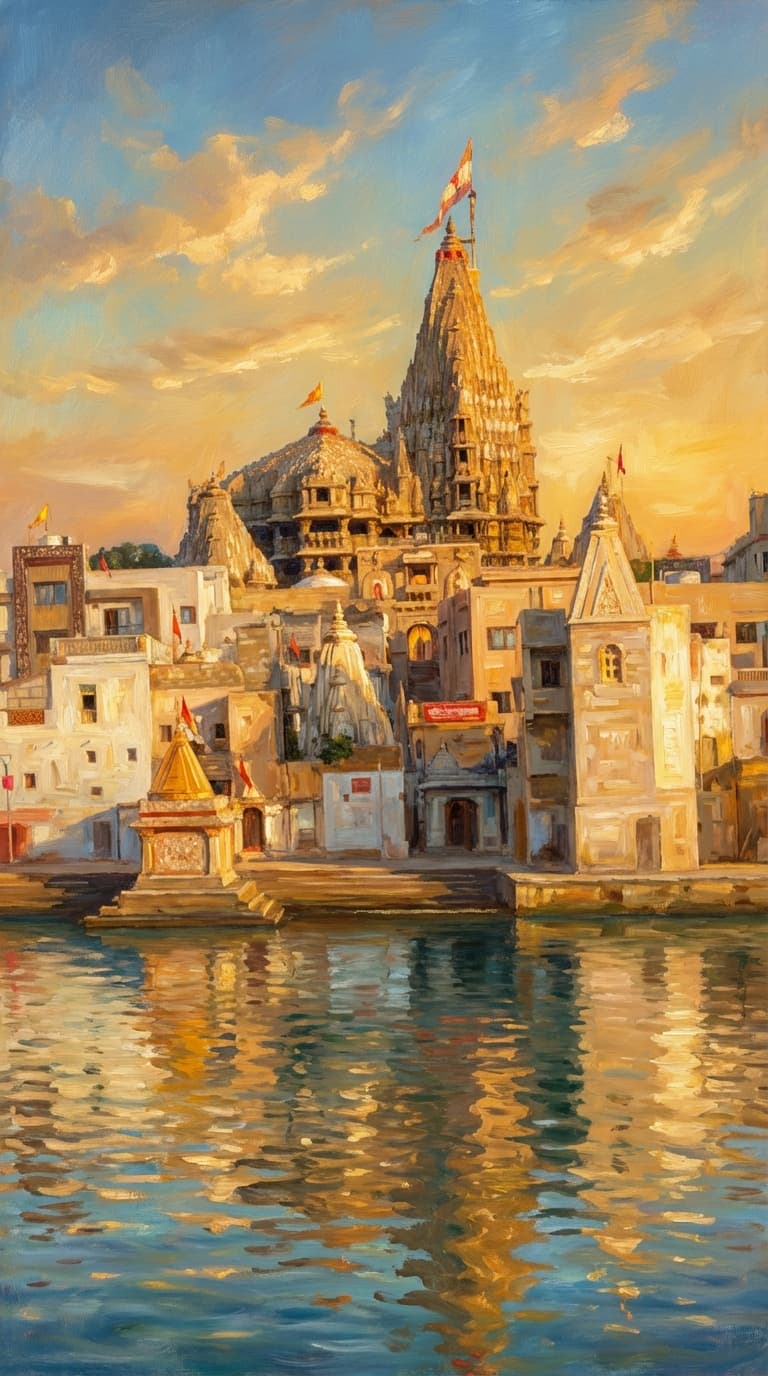
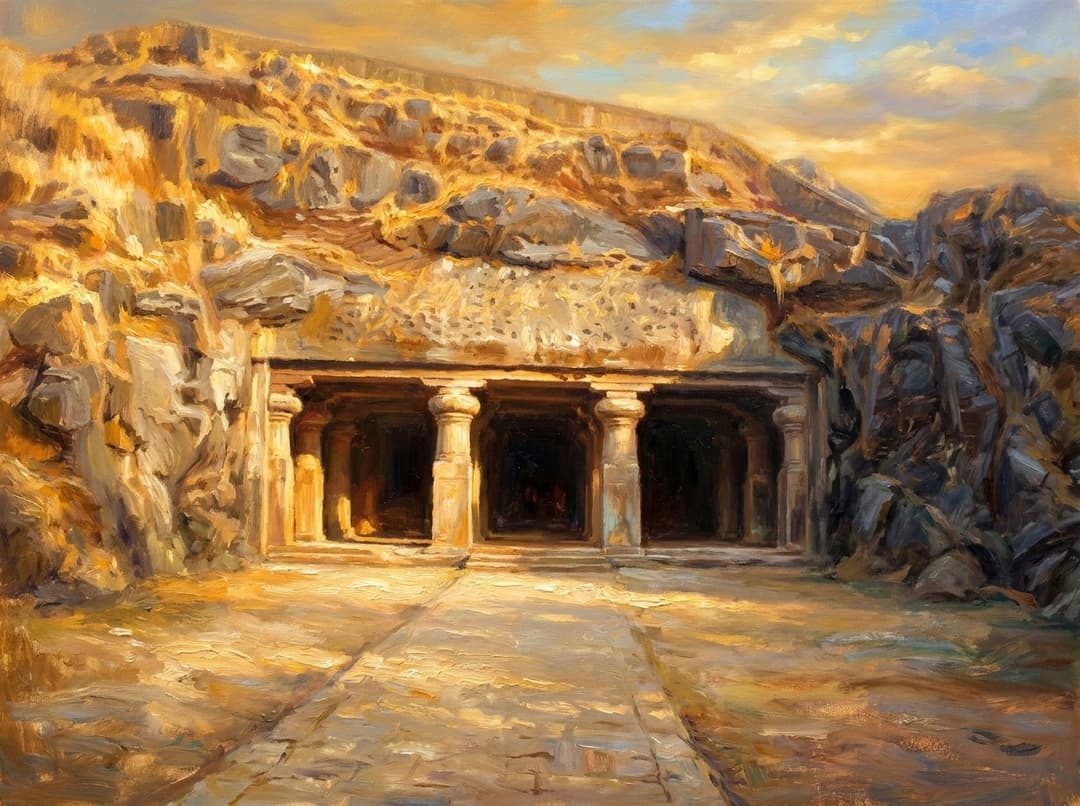
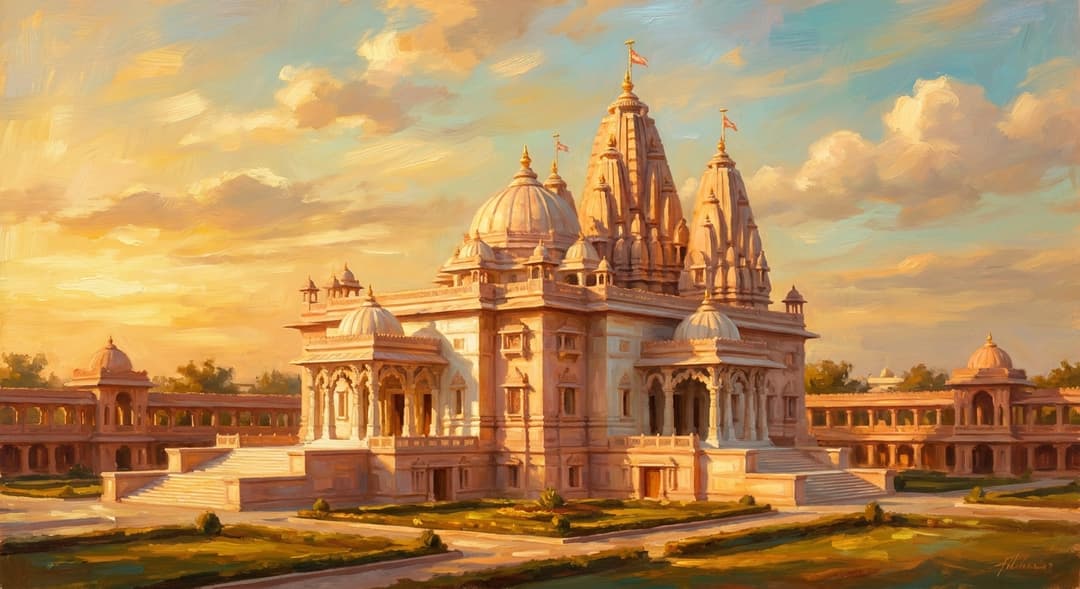
অনুরূপ মন্দিরসমূহ
উৎস ও গবেষণা
Temples.org-এর প্রতিটি তথ্য যাচাইকৃত দ্বারা সমর্থিত <strong>উৎস ও গবেষণা</strong>। তথ্যের প্রতিটি অংশ উৎস স্তর এবং আত্মবিশ্বাসের স্তর দ্বারা রেট করা হয়।
সমস্ত উৎস দেখুন (7)
| ক্ষেত্র | উৎস | স্তর | পুনরুদ্ধার করা হয়েছে |
|---|---|---|---|
| About & Historical Background | UNESCO World Heritage Centre (নতুন ট্যাবে খোলে) | B | 2024-01-02 |
| Architecture & Construction | Archaeological Survey of India (নতুন ট্যাবে খোলে) | A | 2024-01-02 |
| Religious Significance | Tamil Nadu Tourism Department (নতুন ট্যাবে খোলে) | A | 2024-01-02 |
| Historical Context | Live History India (নতুন ট্যাবে খোলে) | B | 2024-01-02 |
| Temple Architecture and Deities | Ministry of Culture, Government of India (নতুন ট্যাবে খোলে) | B | 2024-01-02 |
| Temple History and Construction | The Hindu (নতুন ট্যাবে খোলে) | B | 2024-01-02 |
| Temple Art and Sculpture | Sahapedia (নতুন ট্যাবে খোলে) | B | 2024-01-02 |