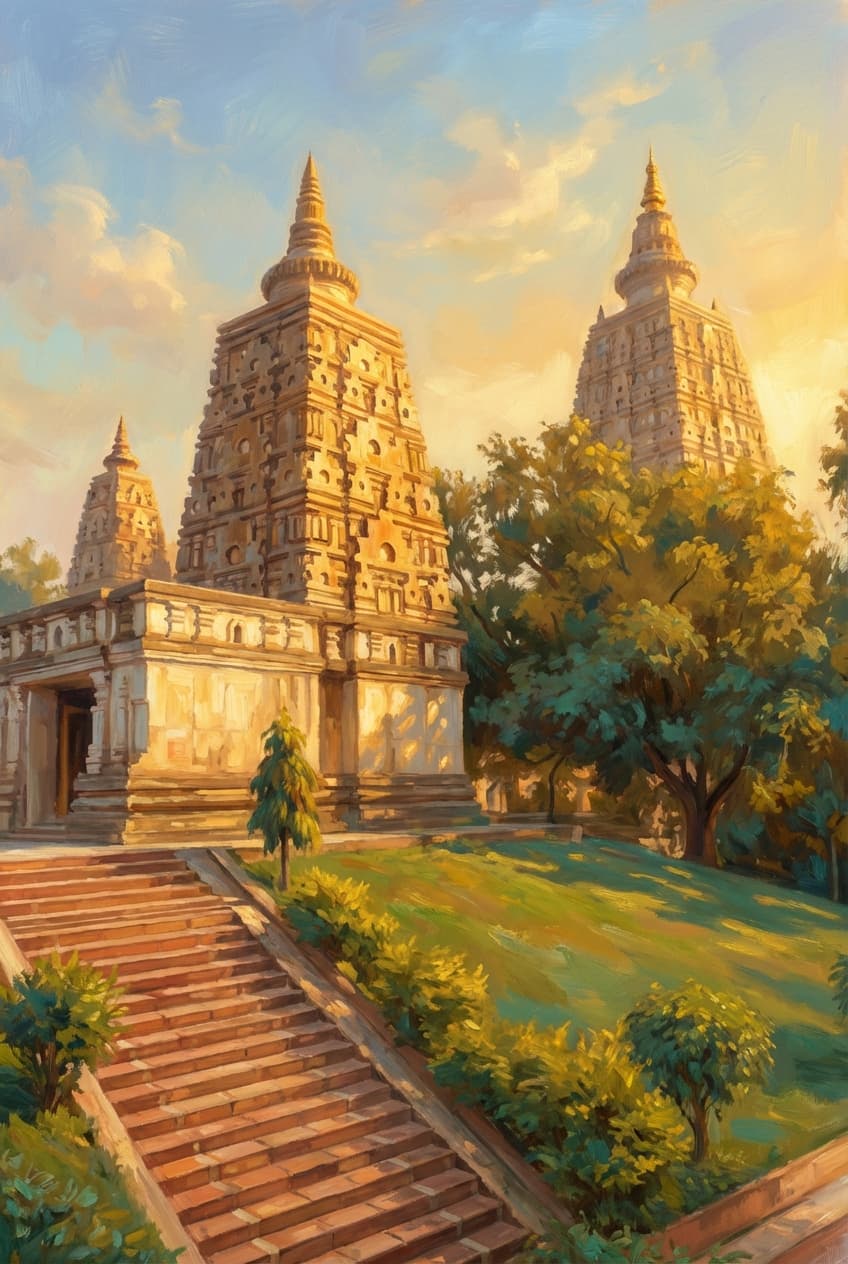
দর্শনার্থীদের অন্তর্দৃষ্টি
দর্শন মহাবোধি মন্দির
মহাবোধি মন্দির পরিদর্শন একটি শান্ত এবং আধ্যাত্মিকভাবে সমৃদ্ধ অভিজ্ঞতা প্রদান করে। মন্দির প্রাঙ্গণটি প্রশান্তির অনুভূতি প্রকাশ করে, যা দর্শনার্থীদের বুদ্ধের শিক্ষার সাথে সংযোগ স্থাপন এবং চিন্তাভাবনা করতে আমন্ত্রণ জানায়। বিশ্বজুড়ে সন্ন্যাসী এবং তীর্থযাত্রীদের এই পবিত্র স্থানে আকৃষ্ট হতে দেখার আশা করতে পারেন। মন্দিরের পবিত্রতা রক্ষা করতে শালীন পোশাক পরার এবং নীরবতা বজায় রাখার কথা মনে রাখবেন।
প্রধান বৈশিষ্ট্য
- Bodhi Tree দর্শন করুন, যা সেই গাছের বংশধর যার নিচে বুদ্ধ জ্ঞানার্জন করেছিলেন।
- মন্দিরের দেয়াল শোভিত জটিল খোদাই এবং ভাস্কর্যগুলো অন্বেষণ করুন।
- এই পবিত্র স্থানের শান্তিপূর্ণ পরিবেশ এবং আধ্যাত্মিক শক্তির অভিজ্ঞতা নিন।
জানার বিষয়
- শালীন পোশাক পরিধান করুন এবং মন্দিরে প্রবেশের আগে জুতো খুলে ফেলুন।
- নীরবতা বজায় রাখুন এবং এই স্থানের পবিত্রতাকে সম্মান করুন।
- কিছু নির্দিষ্ট এলাকায় ছবি তোলার ওপর নিষেধাজ্ঞা থাকতে পারে।
অবস্থান
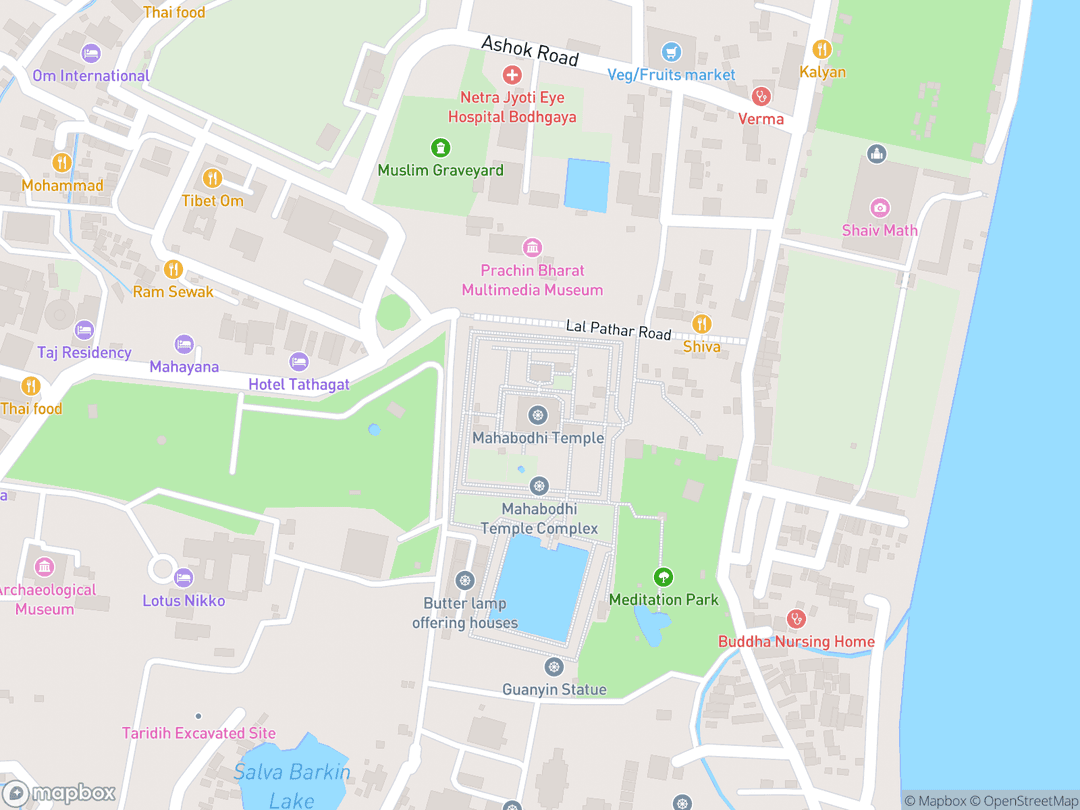
Butter lamp Road, Bodhgaya, Bihar 824231, India
সময়: ভোর ৫:০০ টা থেকে রাত ৯:০০ টা
সেখানে যাওয়া: নিকটতম বিমানবন্দর হলো গয়া আন্তর্জাতিক বিমানবন্দর, যা প্রায় ১০.৬ কিমি দূরে অবস্থিত। নিকটতম রেলওয়ে স্টেশন হলো গয়া জংশন, যা প্রায় ২০ কিমি দূরে। গয়া বাস স্ট্যান্ড মন্দির থেকে প্রায় ১৫.৮ কিমি দূরে অবস্থিত।
দিকনির্দেশ পানপরিচিতি
ইউনেস্কো ওয়ার্ল্ড হেরিটেজ সাইট মহাবোধি মন্দির বৌদ্ধ ঐতিহ্য এবং স্থাপত্যের মহিমার এক গভীর নিদর্শন হিসেবে দাঁড়িয়ে আছে। ভারতের বিহারের বুদ্ধগয়ায় অবস্থিত, এটি সেই পবিত্র স্থানটিকে চিহ্নিত করে যেখানে সিদ্ধার্থ গৌতম (বুদ্ধ) জ্ঞানার্জন করেছিলেন বলে বলা হয়। বহু শতাব্দী ধরে, এই মন্দিরটি আধ্যাত্মিক সান্ত্বনার আলোকবর্তিকা এবং বৌদ্ধ তীর্থযাত্রার কেন্দ্র হিসেবে কাজ করে আসছে。
মন্দির প্রাঙ্গণের কেন্দ্রস্থলে রয়েছে Bodhi Tree, যা সেই মূল গাছের সরাসরি বংশধর যার নিচে বুদ্ধ ধ্যান করেছিলেন। মন্দিরের সুউচ্চ কাঠামো, জটিল খোদাই এবং শান্ত পরিবেশ চিন্তাভাবনা এবং আধ্যাত্মিক জাগরণের জন্য অনুকূল পরিবেশ তৈরি করে। বিশ্বজুড়ে তীর্থযাত্রী এবং দর্শনার্থীরা বুদ্ধের প্রতি শ্রদ্ধা জানাতে এবং এই স্থানটিতে বিরাজমান গভীর শান্তির অনুভূতি অনুভব করতে আসেন।
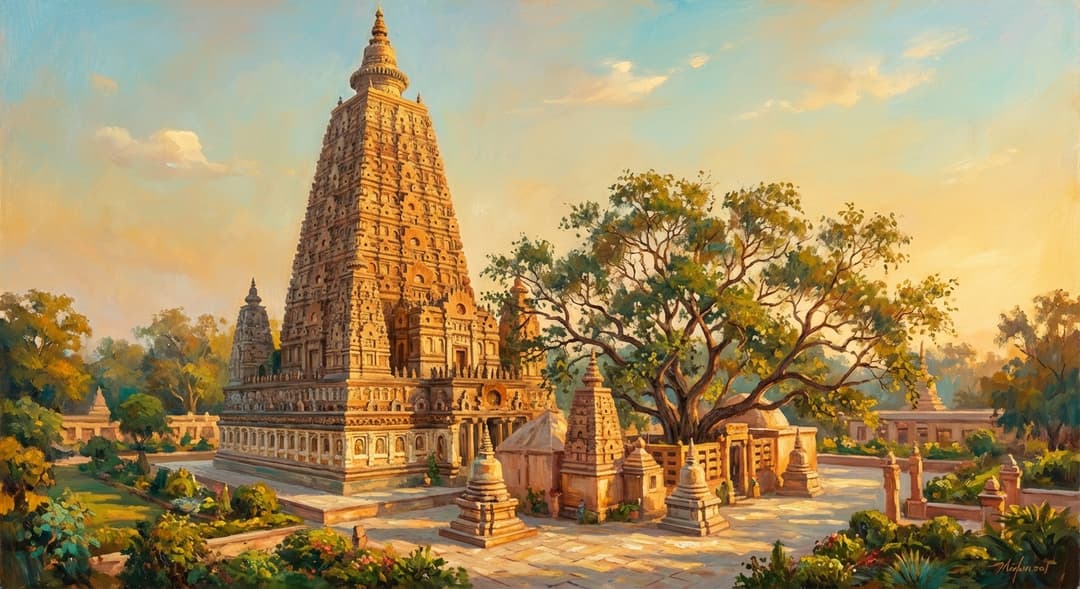
মহাবোধি মন্দির কেবল একটি গুরুত্বপূর্ণ ধর্মীয় স্থানই নয়, এটি প্রাচীন ভারতীয় স্থাপত্যের একটি অসাধারণ উদাহরণও বটে। এর নকশায় গুপ্ত স্থাপত্য শৈলীর মিশ্রণ প্রতিফলিত হয়, যা এর নির্মাতাদের কারুশিল্প এবং শৈল্পিক দৃষ্টিভঙ্গি প্রদর্শন করে। মন্দিরের দেয়ালগুলো বুদ্ধের জীবন ও শিক্ষার দৃশ্য চিত্রিত ভাস্কর্য এবং রিলিফ দ্বারা সজ্জিত, যা তাঁর জ্ঞানার্জনের যাত্রার একটি দৃশ্যমান বর্ণনা প্রদান করে।
আজও, মহাবোধি মন্দির একটি সক্রিয় উপাসনালয় এবং তীর্থস্থান হিসেবে রয়ে গেছে। এটি বৌদ্ধধর্মের স্থায়ী ঐতিহ্যের প্রতীক এবং বুদ্ধের করুণা, প্রজ্ঞা ও অভ্যন্তরীণ শান্তির বার্তার কথা স্মরণ করিয়ে দেয়। মন্দিরের শান্ত পরিবেশ এবং ঐতিহাসিক গুরুত্ব এটিকে আধ্যাত্মিক সমৃদ্ধি এবং সাংস্কৃতিক নিমগ্নতা অন্বেষণকারীদের জন্য একটি অবশ্যই দর্শনীয় গন্তব্য করে তুলেছে।
গ্যালারি
প্রতীকী উপাদান
মন্দিরের বাইরের অংশে জটিল খোদাই রয়েছে, যার প্রতিটি আধ্যাত্মিক অর্থে সমৃদ্ধ:

Bodhi Tree
Bodhi Tree হলো সেই গাছের সরাসরি বংশধর যার নিচে সিদ্ধার্থ গৌতম জ্ঞান লাভ করেছিলেন। এটি জাগরণের মুহূর্ত এবং সমস্ত জীবের জ্ঞান লাভের সম্ভাবনাকে প্রতীকায়িত করে। গাছটিকে বুদ্ধের উপস্থিতির একটি জীবন্ত প্রতীক হিসেবে শ্রদ্ধা করা হয়।

Vajrasana
Vajrasana, বা “বজ্রাসন,” সেই সঠিক স্থানটিকে চিহ্নিত করে যেখানে বুদ্ধ জ্ঞান লাভ করার সময় ধ্যানমগ্ন ছিলেন। এটি বোধি বা জ্ঞানের অবিচল আসন এবং বৌদ্ধ অনুশীলনের দৃঢ় ভিত্তির প্রতিনিধিত্ব করে। Vajrasana হলো ধ্যান এবং শ্রদ্ধার একটি কেন্দ্রবিন্দু।

Central Tower
মহাবোধি মন্দিরের Central Tower-টি ৫৫ মিটার উঁচু এবং এটি একটি বিশিষ্ট স্থাপত্য বৈশিষ্ট্য। এটি জ্ঞানের পথ এবং আধ্যাত্মিক অনুশীলনের চরম পরিণতির প্রতীক। টাওয়ারের উচ্চতা এবং মহিমান্বিত রূপ বিস্ময় ও শ্রদ্ধার উদ্রেক করে।

Sandstone Railings
Bodhi Tree-কে ঘিরে থাকা Sandstone Railings হলো পাথরের ভাস্কর্য রিলিফের একটি প্রাথমিক উদাহরণ। এগুলো বুদ্ধের জীবন ও শিক্ষার দৃশ্যগুলো চিত্রিত করে, যা তাঁর জ্ঞান লাভের যাত্রার একটি দৃশ্যমান বর্ণনা প্রদান করে। এই রেলিংগুলো একটি সুরক্ষামূলক প্রাচীর এবং একটি আলংকারিক উপাদান হিসেবে কাজ করে।

Lotus Blossoms
মহাবোধি মন্দির প্রাঙ্গণ জুড়ে পাওয়া Lotus Blossoms (পদ্মফুল) পবিত্রতা, অনাসক্তি এবং আধ্যাত্মিক জাগরণের প্রতীক। পদ্ম কর্দমাক্ত জল থেকে উঠে এসে আদিম সৌন্দর্যে প্রস্ফুটিত হয়, যা জীবনের চ্যালেঞ্জগুলোর মধ্য থেকে জ্ঞান লাভের উত্থানের সম্ভাবনাকে প্রতিনিধিত্ব করে। পদ্ম হলো আশা এবং রূপান্তরের প্রতীক।

Stupa
Central Tower-এর চূড়ায় থাকা Stupa-টি নির্দেশ করে যে মহাবোধি মন্দির একটি বৌদ্ধ মন্দির। Stupa হলো গম্বুজ আকৃতির কাঠামো যা প্রায়শই ধ্বংসাবশেষ বা পবিত্র বস্তু ধারণ করে। এগুলো বুদ্ধের শিক্ষা এবং জ্ঞানের পথের প্রতিনিধিত্ব করে। Stupa হলো বিশ্বাস ও ভক্তির প্রতীক।

Gupta Architecture
মহাবোধি মন্দিরের স্থাপত্য শৈলী গুপ্ত প্রভাবের মিশ্রণকে প্রতিফলিত করে, যা এর নির্মাতাদের কারুশিল্প এবং শৈল্পিক দৃষ্টিভঙ্গি প্রদর্শন করে। গুপ্ত যুগ ছিল ভারতীয় শিল্প ও স্থাপত্যের একটি স্বর্ণযুগ, যা তার পরিমার্জিত নান্দনিকতা এবং জটিল বিবরণের জন্য পরিচিত। মন্দিরের নকশা এই সমৃদ্ধ সাংস্কৃতিক ঐতিহ্যের একটি প্রমাণ।
আকর্ষণীয় তথ্য
মহাবোধি মন্দিরটিকে বৌদ্ধধর্মের সবচেয়ে পবিত্র স্থান হিসেবে বিবেচনা করা হয়।
মন্দির প্রাঙ্গণে বুদ্ধের জ্ঞান লাভের আরও ছয়টি পবিত্র স্থান রয়েছে।
খ্রিস্টীয় ৫ম-৬ষ্ঠ শতাব্দী থেকে মন্দিরটিতে বিভিন্ন মেরামত ও সংস্কার কাজ করা হয়েছে।
মহাবোধি মন্দিরটি ভারতের বিশ্ব ঐতিহ্যের তালিকায় একমাত্র জীবন্ত বৌদ্ধ স্থান।
খোদাই করা পাথরের রেলিংগুলো পাথরের ভাস্কর্য রিলিফের একটি অসামান্য প্রাথমিক উদাহরণ।
মহাবোধি মন্দিরের স্থাপত্য শৈলী হলো নাগর এবং দ্রাবিড় শৈলীর সংমিশ্রণ।
এই প্রাঙ্গণে প্রাচীন উপাসনালয় এবং বৌদ্ধ ভক্তদের দ্বারা নির্মিত আধুনিক কাঠামোও রয়েছে।
মন্দিরের গর্ভগৃহে বুদ্ধের স্বর্ণ-রঙের মূর্তিটি কালো পাথর দিয়ে তৈরি।
মন্দিরটি অসংখ্য প্রাচীন মানত Stupa দ্বারা পরিবেষ্টিত।
মহাবোধি মন্দিরটিকে বৌদ্ধ আদর্শ ও বিশ্বাসের জন্মস্থান বলে মনে করা হয়।
সাধারণ জিজ্ঞাসা
মহাবোধি মন্দিরের তাৎপর্য কী?
মহাবোধি মন্দিরটি সেই স্থানটিকে চিহ্নিত করে যেখানে সিদ্ধার্থ গৌতম, অর্থাৎ বুদ্ধ, জ্ঞান লাভ করেছিলেন বলে বলা হয়, যা এটিকে বৌদ্ধধর্মের সবচেয়ে পবিত্র স্থান করে তুলেছে।
মহাবোধি মন্দিরটিকে কবে ইউনেস্কো ওয়ার্ল্ড হেরিটেজ সাইট হিসেবে ঘোষণা করা হয়?
মহাবোধি মন্দিরটিকে ২০০২ সালে ইউনেস্কো ওয়ার্ল্ড হেরিটেজ সাইট হিসেবে ঘোষণা করা হয়, যা এর সাংস্কৃতিক ও ঐতিহাসিক গুরুত্বকে স্বীকৃতি দেয়।
মহাবোধি মন্দিরের দর্শনের সময়সূচী কী?
মহাবোধি মন্দিরটি সকাল ৫:০০ টা থেকে রাত ৯:০০ টা পর্যন্ত খোলা থাকে, যা দর্শনার্থীদের স্থানটি ঘুরে দেখার জন্য প্রচুর সময় দেয়।
আমি কীভাবে মহাবোধি মন্দিরে যেতে পারি?
নিকটতম বিমানবন্দর হলো গয়া আন্তর্জাতিক বিমানবন্দর এবং নিকটতম রেলওয়ে স্টেশন হলো গয়া জংশন। উভয় স্থান থেকেই স্থানীয় পরিবহনের ব্যবস্থা রয়েছে।
মহাবোধি মন্দির দর্শনের সেরা সময় কোনটি?
মহাবোধি মন্দির দর্শনের সেরা সময় হলো অক্টোবর থেকে ফেব্রুয়ারি, যখন আবহাওয়া মনোরম থাকে এবং বাইরে ঘুরে দেখার জন্য অনুকূল হয়।
সংশ্লিষ্ট গল্প
এই পবিত্র স্থানটির সাথে সম্পর্কিত সমৃদ্ধ ইতিহাস, ঐতিহ্য এবং মানুষ সম্পর্কে অন্বেষণ করুন।
বৈশিষ্ট্যযুক্ত গল্প
বুদ্ধের জ্ঞান লাভ
c. 589 BCE
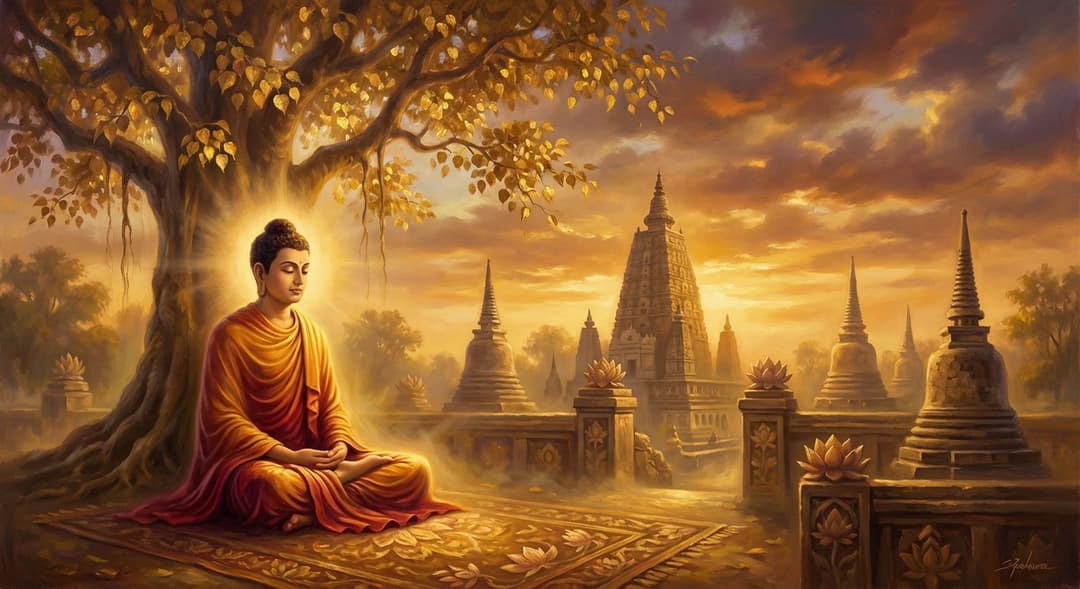
বর্তমানে Bodhi Tree নামে পরিচিত গাছের ছায়াতলে, সিদ্ধার্থ গৌতম বছরের পর বছর আধ্যাত্মিক অনুসন্ধানের পর গভীর ধ্যানে বসেছিলেন। তিনি প্রতিজ্ঞা করেছিলেন যে পরম সত্যের সন্ধান না পাওয়া পর্যন্ত তিনি উঠবেন না। অবিচল মনোযোগ এবং গভীর অন্তর্দৃষ্টির মাধ্যমে, তিনি তাঁর অভ্যন্তরীণ অশুভ শক্তিগুলোর মুখোমুখি হয়েছিলেন এবং মানুষের মনের সীমাবদ্ধতাগুলোকে অতিক্রম করেছিলেন।
তিন দিন ও তিন রাতের তীব্র ধ্যানের পর, সিদ্ধার্থ জ্ঞান লাভ করেন এবং বুদ্ধ, অর্থাৎ “জাগ্রত পুরুষ” হন। এই রূপান্তরমূলক মুহূর্তটি বৌদ্ধধর্মের জন্মকে চিহ্নিত করেছিল এবং করুণা ও প্রজ্ঞার একটি পথ সচল করেছিল যা অগণিত প্রজন্মকে অনুপ্রাণিত করবে। মহাবোধি মন্দিরটি মানব ইতিহাসের এই অত্যন্ত গুরুত্বপূর্ণ ঘটনার একটি প্রমাণ হিসেবে দাঁড়িয়ে আছে।
উৎস: Britannica
সম্রাট অশোকের তীর্থযাত্রা
c. 260 BCE
বুদ্ধের জ্ঞান লাভের বহু শতাব্দী পর, মৌর্য সাম্রাজ্যের এক শক্তিশালী শাসক সম্রাট অশোক বৌদ্ধধর্ম গ্রহণ করেন এবং বোধগয়ায় তীর্থযাত্রা শুরু করেন। এই পবিত্র স্থানটি দেখে গভীরভাবে অনুপ্রাণিত হয়ে, অশোক Bodhi Tree-এর চারপাশে প্রথম মন্দিরটি নির্মাণ করেছিলেন, যা মহাবোধি মন্দিরের দীর্ঘ এবং ঐতিহাসিক যাত্রার সূচনা করে।
অশোকের পৃষ্ঠপোষকতা মন্দিরের প্রাথমিক বিকাশ এবং ভারত ও তার বাইরে বৌদ্ধধর্মের প্রসারে অত্যন্ত গুরুত্বপূর্ণ ভূমিকা পালন করেছিল। বুদ্ধের শিক্ষার প্রতি তাঁর উৎসর্গ মহাবোধি মন্দিরকে তীর্থযাত্রার একটি প্রধান কেন্দ্রে এবং বৌদ্ধ বিশ্বাসের প্রতি রাজকীয় সমর্থনের প্রতীকে পরিণত করেছিল। অশোকের পরিদর্শনের উত্তরাধিকার আজও মন্দিরের দেয়ালগুলোতে অনুরণিত হয়।
উৎস: UNESCO
সংস্কার এবং পুনরুজ্জীবন
19th Century CE
বহু শতাব্দীর অবহেলা এবং পতনের পর, ১৯ শতকে মহাবোধি মন্দিরের ব্যাপক সংস্কার করা হয়। এই মহৎ প্রচেষ্টা মন্দিরে নতুন প্রাণের সঞ্চার করেছিল, এর স্থাপত্য ঐতিহ্যকে রক্ষা করেছিল এবং উপাসনা ও তীর্থযাত্রার স্থান হিসেবে এর ধারাবাহিক গুরুত্ব নিশ্চিত করেছিল। সংস্কার প্রকল্পের মধ্যে ছিল সূক্ষ্ম মেরামত, কাঠামোগত শক্তিবৃদ্ধি এবং জটিল খোদাইকর্মের পুনঃস্থাপন।
মহাবোধি মন্দিরের পুনরুজ্জীবন এর ইতিহাসে একটি টার্নিং পয়েন্ট চিহ্নিত করেছিল, যা বৌদ্ধ সম্প্রদায় এবং সমগ্র বিশ্বের কাছে এর গুরুত্বকে পুনরায় নিশ্চিত করেছিল। আজ, মন্দিরটি স্থিতিস্থাপকতা এবং বিশ্বাসের স্থায়ী শক্তির প্রতীক হিসেবে দাঁড়িয়ে আছে, যা বিশ্বের সমস্ত প্রান্ত থেকে দর্শনার্থীদের আকর্ষণ করে যারা এর আধ্যাত্মিক শক্তি এবং ঐতিহাসিক মহিমা অনুভব করতে আসেন।
উৎস: Vajiram and Ravi
সময়রেখা
সিদ্ধার্থ গৌতম একটি অশ্বত্থ গাছের নিচে ধ্যান করেছিলেন
সিদ্ধার্থ গৌতম গয়ার কাছে ফল্গু নদীর তীরে পৌঁছেছিলেন এবং একটি অশ্বত্থ গাছের নিচে ধ্যান করেছিলেন, যা পরবর্তীতে Bodhi Tree নামে পরিচিত হয়।
মাইলস্টোনসিদ্ধার্থ জ্ঞান লাভ করেন
তিন দিন ও তিন রাত পর, সিদ্ধার্থ জ্ঞান লাভ করেন এবং বুদ্ধ হন।
মাইলস্টোনসম্রাট অশোক প্রথম মন্দিরটি নির্মাণ করেন
সম্রাট অশোক এই স্থানে প্রথম মন্দিরটি নির্মাণ করেছিলেন।
মাইলস্টোনবেলেপাথরের রেলিং নির্মাণ
Bodhi Tree-এর চারপাশে বেলেপাথরের রেলিং নির্মাণ।
মাইলস্টোনবর্তমান পিরামিড আকৃতির কাঠামোটি গুপ্ত সাম্রাজ্যের সময়কালের
বর্তমান পিরামিড আকৃতির কাঠামোটি গুপ্ত সাম্রাজ্যের সময়কালের।
মাইলস্টোনচীনা পরিব্রাজক হিউয়েন সাঙ বোধগয়া পরিদর্শন করেন
চীনা পরিব্রাজক হিউয়েন সাঙ বোধগয়া পরিদর্শন করেন এবং মহাবোধি মন্দিরের বর্ণনা দেন।
ঘটনাভারতে বৌদ্ধধর্মের পতন
তুর্কি আক্রমণের ফলে ভারতে বৌদ্ধধর্মের পতন ঘটে এবং মন্দিরটি জরাজীর্ণ হয়ে পড়ে।
সংস্কারহিন্দু সন্ন্যাসী বোধগয়া মঠ প্রতিষ্ঠা করেন
একজন হিন্দু সন্ন্যাসী বোধগয়া মঠ প্রতিষ্ঠা করেন, যার ফলে মন্দিরের ওপর হিন্দুদের নিয়ন্ত্রণ প্রতিষ্ঠিত হয়।
ঘটনামন্দিরের ব্যাপক সংস্কার
মন্দিরটি ব্যাপকভাবে সংস্কার করা হয়েছিল।
সংস্কারবৌদ্ধদের কাছে নিয়ন্ত্রণ ফিরিয়ে দেওয়ার অনুরোধ
স্যার এডউইন আর্নল্ড ব্রিটিশদের কাছে মন্দিরের নিয়ন্ত্রণ বৌদ্ধদের হাতে ফিরিয়ে দেওয়ার অনুরোধ করেছিলেন।
ঘটনাইউনেস্কো ওয়ার্ল্ড হেরিটেজ সাইট হিসেবে ঘোষিত
মহাবোধি মন্দিরটিকে ইউনেস্কো ওয়ার্ল্ড হেরিটেজ সাইট হিসেবে ঘোষণা করা হয়।
মাইলস্টোনবোধগয়া মন্দির ব্যবস্থাপনা আইন সংশোধন
বিহার সরকার বোধগয়া মন্দির ব্যবস্থাপনা আইন সংশোধন করে, যার ফলে গয়া জেলা ম্যাজিস্ট্রেট হিন্দু না হলেও কমিটির চেয়ারম্যান হতে পারেন।
ঘটনাস্বর্ণখচিত গম্বুজ
থাইল্যান্ডের অবদানে মন্দিরের গম্বুজটি সোনা দিয়ে খচিত করা হয়েছিল।
সংস্কারঅনুরূপ মন্দিরসমূহ
উৎস ও গবেষণা
Temples.org-এর প্রতিটি তথ্য যাচাইকৃত দ্বারা সমর্থিত <strong>উৎস ও গবেষণা</strong>। তথ্যের প্রতিটি অংশ উৎস স্তর এবং আত্মবিশ্বাসের স্তর দ্বারা রেট করা হয়।
সমস্ত উৎস দেখুন (5)
| ক্ষেত্র | উৎস | স্তর | পুনরুদ্ধার করা হয়েছে |
|---|---|---|---|
| About & Historical Background | Government of Bihar (নতুন ট্যাবে খোলে) | A | 2024-01-03 |
| About & Historical Background | Britannica (নতুন ট্যাবে খোলে) | B | 2024-01-03 |
| About & Historical Background | UNESCO (নতুন ট্যাবে খোলে) | B | 2024-01-03 |
| Symbolic Elements | wisdomlib.org (নতুন ট্যাবে খোলে) | B | 2024-01-03 |
| Visitor Information | Gaya District Administration (নতুন ট্যাবে খোলে) | A | 2024-01-03 |