
দর্শনার্থীদের অন্তর্দৃষ্টি
দর্শন পালিতানা মন্দিরসমূহ
পালিতানা মন্দির দর্শন একটি গভীর আধ্যাত্মিক অভিজ্ঞতা। হাজার হাজার সিঁড়ি বেয়ে শত্রুঞ্জয় পাহাড়ে আরোহণ করা নিজেই একটি তীর্থযাত্রা, যা চারপাশের ল্যান্ডস্কেপের চমৎকার দৃশ্য প্রদান করে। এখানকার পরিবেশ শান্ত এবং ভক্তিময়, যেখানে অবিরাম জপ এবং জৈন সন্ন্যাসীদের উপস্থিতি পবিত্র পরিবেশকে আরও বাড়িয়ে তোলে। একটি চ্যালেঞ্জিং আরোহণের জন্য প্রস্তুত থাকুন এবং শালীন পোশাক পরার কথা মনে রাখুন।
প্রধান বৈশিষ্ট্য
- মন্দিরগুলোর জটিল খোদাই কাজ এবং স্থাপত্য প্রত্যক্ষ করুন।
- জৈনধর্মের অন্যতম পবিত্র স্থানের আধ্যাত্মিক পরিবেশের অভিজ্ঞতা নিন।
- শত্রুঞ্জয় পাহাড়ের চূড়া থেকে মনোরম দৃশ্য উপভোগ করুন।
জানার বিষয়
- আরোহণটি অত্যন্ত পরিশ্রমসাধ্য এবং সবার জন্য উপযুক্ত নাও হতে পারে।
- আরোহণের সময় কোনো খাবার অনুমোদিত নয়; কেবল জল নেওয়া যাবে।
- সন্ধ্যার আগেই অবতরণ শুরু করতে হবে।
অবস্থান
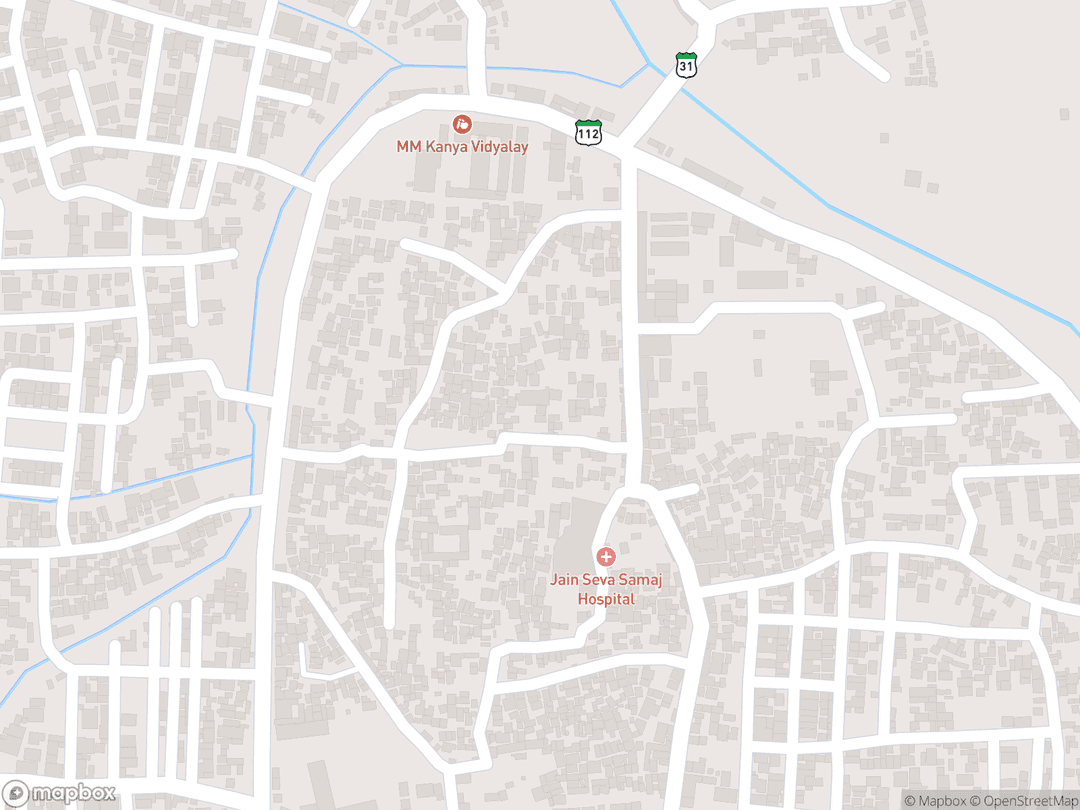
Shatrunjaya Hills, Palitana, Bhavnagar district, Gujarat, India
সময়: প্রতিদিন ভোর ৪:০০ টা থেকে সন্ধ্যা ৬:০০ টা পর্যন্ত খোলা থাকে।
সেখানে যাওয়া: নিকটতম বিমানবন্দর হলো ভাবনগর বিমানবন্দর, যা পালিতানা থেকে ৫৫ কিমি দূরে অবস্থিত। পালিতানা রেলপথে ভাবনগর এবং মুম্বাইয়ের সাথে সুসংযুক্ত। গুজরাটের প্রধান শহরগুলোর সাথে ভালো সড়ক যোগাযোগ রয়েছে।
দিকনির্দেশ পানপরিচিতি
পালিতানা মন্দিরসমূহ হলো ভারতের গুজরাটের ভাবনগর জেলার পালিতানার কাছে শত্রুঞ্জয় পাহাড়ে অবস্থিত জৈন মন্দিরসমূহের একটি বিশাল কমপ্লেক্স। ঐতিহাসিক গ্রন্থে এটি “কাঠিয়াওয়াড়ের পাদলিপ্তপুর” নামেও পরিচিত, প্রায় ৯০০টি ছোট উপাসনালয় এবং বড় মন্দিরের এই সংগ্রহটি অনেককে পালিতানাকে “মন্দিরের শহর” বলতে উদ্বুদ্ধ করেছে। এটি জৈনধর্মের শ্বেতাম্বর ঐতিহ্যের অন্যতম পবিত্র স্থান।
পালিতানা মন্দিরসমূহের নির্মাণ কাজ একাদশ শতাব্দীতে শুরু হয়েছিল এবং ৯০০ বছর ধরে চলেছিল। ১৭৩০ সাল থেকে মন্দিরগুলো আনন্দজী কল্যাণজী ট্রাস্ট দ্বারা পরিচালিত হচ্ছে। মন্দিরগুলো জৈনধর্মের আধ্যাত্মিক গুরু তীর্থঙ্করদের উদ্দেশ্যে উৎসর্গীকৃত। সবচেয়ে প্রধান মন্দিরটি প্রথম তীর্থঙ্কর আদিনাথকে উৎসর্গ করা হয়েছে।
পালিতানা মন্দিরসমূহ মারু-গুর্জর স্থাপত্যের উদাহরণ, যা সোলাঙ্কি এবং নাগারা মন্দিরের নকশা দ্বারা প্রভাবিত। মন্দিরগুলো মূলত সাদা মার্বেল পাথর দিয়ে তৈরি এবং এতে জটিল খোদাই কাজ, জ্যামিতিক লেসের নকশা এবং বিশদভাবে খোদাই করা ছাদ রয়েছে। মন্দিরগুলো শত্রুঞ্জয় পাহাড়ের চূড়া বরাবর “টুক” বা “টঙ্ক” নামে পরিচিত সুরক্ষিত, ঘেরা গুচ্ছে সাজানো হয়েছে।
গ্যালারি
প্রতীকী উপাদান
মন্দিরের বাইরের অংশে জটিল খোদাই রয়েছে, যার প্রতিটি আধ্যাত্মিক অর্থে সমৃদ্ধ:

সাদা মার্বেল
পালিতানা মন্দিরগুলিতে সাদা মার্বেলের প্রধান ব্যবহার পবিত্রতা, শান্তি এবং অহিংসার প্রতীক, যা জৈন ধর্মের মূল নীতি। চকচকে সাদা পাথর ভক্তদের আধ্যাত্মিক আকাঙ্ক্ষা এবং অভ্যন্তরীণ পরিচ্ছন্নতার ইচ্ছাকে প্রতিফলিত করে। মার্বেলের মসৃণ গঠন এবং উজ্জ্বল চেহারা মন্দিরগুলির নান্দনিক আবেদনকে বাড়িয়ে তোলে, যা তীর্থযাত্রীদের জন্য একটি শান্ত এবং অনুপ্রেরণাদায়ক পরিবেশ তৈরি করে।

জটীল খোদাই
পালিতানা মন্দির জুড়ে পাওয়া জটিল খোদাইগুলি জৈন দর্শন এবং সৃষ্টিতত্ত্বের বিশদ এবং জটিল প্রকৃতির প্রতিনিধিত্ব করে। এই খোদাইগুলিতে বিভিন্ন তীর্থঙ্কর, দেবতা এবং জৈন ধর্মগ্রন্থের দৃশ্য চিত্রিত করা হয়েছে, যা ধর্মীয় শিক্ষাগুলি বোঝার জন্য ভিজ্যুয়াল সহায়ক হিসাবে কাজ করে। খোদাইয়ের সূক্ষ্মতা এবং শৈল্পিকতা সেই কারিগরদের উত্সর্গ এবং দক্ষতাকে প্রতিফলিত করে যারা মন্দিরগুলির নির্মাণে অবদান রেখেছিলেন।

জ্যামিতিক লেসের নকশা
পালিতানা মন্দিরের ছাদ এবং দেয়াল অলঙ্কৃতকারী জ্যামিতিক লেসের নকশাগুলি সমস্ত জীবন্ত সত্তার আন্তঃসংযুক্ততা এবং মহাবিশ্বের সুরেলা শৃঙ্খলার প্রতীক। এই নিদর্শনগুলি, যা প্রায়শই গাণিতিক নীতির উপর ভিত্তি করে তৈরি, মহাবিশ্বের ভারসাম্য এবং প্রতিসাম্যের প্রতি জৈন বিশ্বাসকে প্রতিফলিত করে। লেসের নকশার সূক্ষ্ম এবং জটিল প্রকৃতি আধ্যাত্মিক উপলব্ধির সূক্ষ্ম এবং গভীর দিকগুলিকে প্রতিনিধিত্ব করে।

তীর্থঙ্করের মূর্তি
জৈন ধর্মের আধ্যাত্মিক শিক্ষক তীর্থঙ্করদের মূর্তিগুলি পালিতানা মন্দিরগুলির কেন্দ্রবিন্দু। এই চিত্রগুলি এমন ব্যক্তিদের প্রতিনিধিত্ব করে যারা পুনর্জন্মের চক্র থেকে মুক্তি লাভ করেছেন এবং ভক্তদের জন্য রোল মডেল হিসাবে কাজ করেন। তীর্থঙ্কররা অহিংসা, করুণা এবং অনাসক্তির মতো গুণাবলীকে মূর্ত করে তোলেন, যা তীর্থযাত্রীদের আধ্যাত্মিক শুদ্ধিকরণ এবং জ্ঞানার্জনের পথ অনুসরণ করতে অনুপ্রাণিত করে। প্রতিটি তীর্থঙ্কর নির্দিষ্ট প্রতীক এবং মূর্তিতত্ত্ব দ্বারা পৃথক।

চৌমুখ মন্দির
চৌমুখ মন্দির বা চারমুখী মন্দির হলো পালিতানা কমপ্লেক্সের একটি অনন্য স্থাপত্য বৈশিষ্ট্য। এই মন্দিরের চারটি প্রবেশদ্বার রয়েছে, যার প্রতিটি একটি প্রধান দিকের মুখোমুখি, যা জৈন শিক্ষার সর্বব্যাপী প্রকৃতির প্রতীক। মন্দিরের ভেতরের চারমুখী মূর্তিটি প্রথম আধ্যাত্মিক শিক্ষক তীর্থঙ্কর আদিনাথকে প্রতিনিধিত্ব করে এবং সব দিকে তাঁর উপস্থিতি ও নির্দেশনার ইঙ্গিত দেয়। চৌমুখ মন্দির আধ্যাত্মিক অন্তর্দৃষ্টি এবং আশীর্বাদপ্রার্থী তীর্থযাত্রীদের জন্য একটি কেন্দ্রবিন্দু হিসাবে কাজ করে।

শত্রুঞ্জয় পাহাড়
শত্রুঞ্জয় পাহাড় নিজেই জৈন ধর্মে একটি পবিত্র প্রতীক, যা আধ্যাত্মিক মুক্তির দিকে কঠিন যাত্রার প্রতিনিধিত্ব করে। হাজার হাজার সিঁড়ি বিশিষ্ট এই পাহাড়ে আরোহণ করা অভ্যন্তরীণ বাধাগুলি অতিক্রম করার জন্য প্রয়োজনীয় চ্যালেঞ্জ এবং প্রচেষ্টার একটি শারীরিক এবং রূপক রূপ। পাহাড়ের চূড়া, যেখানে মন্দিরগুলি অবস্থিত, তা জ্ঞানার্জন অর্জন এবং নিজের প্রকৃত সম্ভাবনা অনুধাবনের প্রতীক।

ডোলি
যারা সিঁড়ি বেয়ে উঠতে অক্ষম তাদের জন্য উপলব্ধ ‘ডোলি’ বা পালকি জৈন সম্প্রদায়ের মধ্যে করুণা এবং অন্তর্ভুক্তির প্রতীক। এই পরিষেবাগুলি নিশ্চিত করে যে শারীরিক সীমাবদ্ধতা থাকা ব্যক্তিরাও তীর্থযাত্রায় অংশ নিতে পারেন এবং পালিতানা মন্দির দর্শনের আধ্যাত্মিক সুবিধাগুলি অনুভব করতে পারেন। ডোলিগুলি তাদের ক্ষমতা নির্বিশেষে সকলের প্রতি দয়া এবং সমর্থন প্রসারিত করার জৈন নীতিকে প্রতিনিধিত্ব করে।

দুর্গযুক্ত ঘের (টুক)
‘টুক’ বা ‘টঙ্ক’ নামক দুর্গযুক্ত, ঘেরা গুচ্ছে মন্দিরগুলির বিন্যাস আধ্যাত্মিক অনুশীলনের সুরক্ষা এবং জৈন ঐতিহ্যের সংরক্ষণের প্রতীক। এই ঘেরগুলি একটি পবিত্র স্থানের অনুভূতি তৈরি করে, মন্দিরগুলিকে বাইরের জগত থেকে পৃথক করে এবং ধ্যান ও ভক্তির জন্য সহায়ক পরিবেশ গড়ে তোলে। টুকগুলির দুর্গযুক্ত প্রকৃতি তাদের ধর্মীয় ঐতিহ্য রক্ষায় জৈন সম্প্রদায়ের শক্তি এবং স্থিতিস্থাপকতাকে প্রতিনিধিত্ব করে।
আকর্ষণীয় তথ্য
ঝাড়খণ্ডের শিখরজীর পাশাপাশি পালিতানাকে জৈনদের অন্যতম পবিত্রতম তীর্থস্থান হিসেবে বিবেচনা করা হয়।
বিশ্বাস করা হয় যে ২৪ জন তীর্থঙ্করের মধ্যে ২৩ জন পালিতানা পরিদর্শন করেছিলেন এবং এটিকে পবিত্র করেছিলেন।
আইনগতভাবে পালিতানা শহরটি সম্পূর্ণ নিরামিষ।
শত্রুঞ্জয় নামের অর্থ হলো ‘ভেতরের শত্রুদের বিরুদ্ধে বিজয়ের স্থান’।
১৭৩০ সাল থেকে পালিতানা মন্দিরগুলি আনন্দজী কল্যাণজী ট্রাস্ট দ্বারা পরিচালিত হচ্ছে।
হিঙ্গরাজ অম্বিকাদেবী (হিংলাজ মাতা) এই পাহাড়ের অধিষ্ঠাত্রী দেবী হিসেবে বিবেচিত হন।
পুরোহিতসহ কাউকেই শত্রুঞ্জয় পাহাড়ে রাত কাটানোর অনুমতি দেওয়া হয় না।
মন্দিরের সিঁড়িগুলি নবনির্মিত সমবশরণ মন্দির এবং জাদুঘরের কাছ থেকে শুরু হয়েছে।
অনেক জৈনের কাছে মাউন্ট আবু এবং গিরনারের মতো অন্যান্য মন্দির-বেষ্টিত পাহাড়ের চেয়ে শত্রুঞ্জয় পাহাড় বেশি পবিত্র বলে বিবেচিত হয়।
পাহাড়ের চূড়ায় একজন মুসলিম সাধক অঙ্গার পীরের উদ্দেশ্যে উৎসর্গীকৃত একটি ছোট মাজার রয়েছে, যা মন্দিরগুলিকে আক্রমণকারীদের হাত থেকে রক্ষা করেছিল বলে বিশ্বাস করা হয়।
সাধারণ জিজ্ঞাসা
পালিতানায় কতগুলি মন্দির আছে?
পালিতানায় প্রায় ৯০০টি মন্দির রয়েছে, কিছু সূত্রের দাবি অনুযায়ী এই সংখ্যা ১১০০-এরও বেশি। এই মন্দিরগুলি ছোট উপাসনালয় থেকে শুরু করে বড়, জটিল কাঠামো পর্যন্ত বিস্তৃত।
পালিতানায় পূজিত প্রধান দেবতা কে?
পালিতানায় পূজিত প্রধান দেবতা হলেন ঋষভনাথ (আদিনাথ), যিনি জৈন ধর্মের প্রথম তীর্থঙ্কর। বিভিন্ন মন্দিরে অন্যান্য অনেক তীর্থঙ্করের মূর্তিও রয়েছে।
পালিতানা ভ্রমণের সেরা সময় কখন?
পালিতানা ভ্রমণের সেরা সময় হলো নভেম্বর থেকে ফেব্রুয়ারি, যখন আবহাওয়া মনোরম থাকে। জুলাই থেকে সেপ্টেম্বর পর্যন্ত বর্ষাকাল এড়িয়ে চলাই ভালো।
পালিতানা মন্দিরে আরোহণ করা কতটা কঠিন?
পালিতানা মন্দিরে আরোহণ করা বেশ কঠিন বলে মনে করা হয়, যেখানে প্রায় ৩,৫০০-৩,৮০০টি পাথরের সিঁড়ি রয়েছে। আরোহণ করতে প্রায় ২-৩ ঘণ্টা সময় লাগে। ‘ডোলি’ (পালকি) পরিষেবা উপলব্ধ রয়েছে যারা আরোহণ করতে অক্ষম।
জৈনদের জন্য পালিতানার তাৎপর্য কী?
পালিতানা জৈনদের জন্য অন্যতম পবিত্রতম তীর্থস্থান, বিশ্বাস করা হয় যে ২৪ জন তীর্থঙ্করের মধ্যে ২৩ জনই এখানে এসেছিলেন এবং এটিকে পবিত্র করেছিলেন। এই তীর্থযাত্রাকে মুক্তির দিকে একটি আধ্যাত্মিক যাত্রা হিসেবে বিবেচনা করা হয়।
পালিতানা মন্দিরগুলি কোন স্থাপত্য শৈলী অনুসরণ করে?
পালিতানা মন্দিরগুলি মারু-গুর্জর স্থাপত্যের উদাহরণ, যা সোলাঙ্কি এবং নাগর মন্দিরের নকশা দ্বারা প্রভাবিত। এগুলিতে জটিল খোদাই, জ্যামিতিক লেসের নকশা এবং বিশদভাবে খোদাই করা ছাদ রয়েছে, যা মূলত সাদা মার্বেল দিয়ে তৈরি।
বৈশিষ্ট্যযুক্ত গল্প
অঙ্গার পীরের কিংবদন্তি
Historical Accounts
শত্রুঞ্জয় পাহাড়ের উঁচুতে, পালিতানার জৈন মন্দিরগুলির মাঝে, একজন মুসলিম সাধক অঙ্গার পীরের উদ্দেশ্যে উৎসর্গীকৃত একটি ছোট মাজার রয়েছে। কিংবদন্তি রয়েছে যে আক্রমণের সময়, অঙ্গার পীর নিঃস্বার্থভাবে মন্দিরগুলিকে ধ্বংসের হাত থেকে রক্ষা করেছিলেন। তাঁর উপস্থিতি এই অঞ্চলে বিভিন্ন ধর্মের শান্তিপূর্ণ সহাবস্থানের একটি প্রমাণ।
অঙ্গার পীরের গল্পটি জৈন ধর্মের অহিংসা এবং সমস্ত জীবন্ত প্রাণীর প্রতি শ্রদ্ধার নীতিকে তুলে ধরে। এটি আন্তঃধর্মীয় সম্প্রীতি এবং সহানুভূতি ও সহানুভূতির ভাগ করা মূল্যবোধের গুরুত্বকেও জোর দেয়। মাজারটি একটি অনুস্মারক হিসাবে কাজ করে যে বিভিন্ন পটভূমির মানুষ পবিত্র স্থানগুলি রক্ষা এবং সংরক্ষণের জন্য একত্রিত হতে পারে।
আজ, জৈন এবং মুসলিম উভয়ই শ্রদ্ধা জানাতে মাজারটি পরিদর্শন করেন, প্রার্থনা করেন এবং আশীর্বাদ চান। অঙ্গার পীরের গল্পটি ঐক্য এবং পারস্পরিক শ্রদ্ধার একটি শক্তিশালী প্রতীক, যা দেখায় কীভাবে বিভিন্ন সম্প্রদায় শান্তিপূর্ণভাবে সহাবস্থান করতে পারে এবং একে অপরের ধর্মীয় ঐতিহ্য রক্ষা করতে পারে।
নিরামিষ শহর
2014
২০১৪ সালে, পালিতানা বিশ্বের প্রথম শহর হিসেবে আনুষ্ঠানিকভাবে নিরামিষ শহর ঘোষিত হয়ে ইতিহাস সৃষ্টি করেছিল। এই যুগান্তকারী সিদ্ধান্তটি অহিংসার প্রতি জৈনদের প্রতিশ্রুতি এবং সমস্ত জীবন্ত প্রাণী সম্মান ও সুরক্ষার যোগ্য—এই বিশ্বাসের প্রতিফলন ঘটায়। এই ঘোষণাটি ছিল জৈন সন্ন্যাসী এবং সম্প্রদায়ের নেতাদের বছরের পর বছর ধরে করা প্রচারণার ফল।
পালিতানার নিরামিষ মর্যাদার অর্থ হলো শহরের সীমানার মধ্যে মাংস বিক্রি এবং ব্যবহার নিষিদ্ধ। এটি স্থানীয় অর্থনীতি এবং সংস্কৃতির উপর গভীর প্রভাব ফেলেছে, যা জীবনযাপনের আরও টেকসই এবং সহানুভূতিশীল উপায়কে প্রচার করে। শহরের বাসিন্দারা নিরামিষ জীবনধারাকে গ্রহণ করেছেন, যা জৈন নীতির প্রতি তাদের প্রতিশ্রুতি প্রদর্শন করে।
পালিতানার নিরামিষ মর্যাদা বিশ্বের অন্যান্য সম্প্রদায়ের জন্য আরও নৈতিক এবং টেকসই অনুশীলন গ্রহণের অনুপ্রেরণা হিসাবে কাজ করে। এটি যৌথ পদক্ষেপের শক্তি এবং গভীরভাবে লালিত মূল্যবোধের ভিত্তিতে একটি সম্প্রদায়ের নিজেকে পরিবর্তন করার ক্ষমতার প্রমাণ। শহরটি আরও সহানুভূতিশীল এবং শান্তিপূর্ণ ভবিষ্যতের জন্য আশার আলো হিসাবে দাঁড়িয়ে আছে।
জ্ঞানার্জনের আরোহণ
Ongoing Pilgrimage
পালিতানার তীর্থযাত্রা কেবল একটি শারীরিক যাত্রা নয়, বরং জ্ঞানার্জনের দিকে একটি আধ্যাত্মিক আরোহণ। মন্দিরের দিকে নিয়ে যাওয়া ৩,৫০০টি সিঁড়ি সেই চ্যালেঞ্জ এবং বাধাগুলির প্রতিনিধিত্ব করে যা অভ্যন্তরীণ শান্তি এবং মুক্তি অর্জনের জন্য অতিক্রম করতে হবে। প্রতিটি পদক্ষেপ হলো মন ও শরীরকে শুদ্ধ করার এবং ধৈর্য, অধ্যবসায় ও সহানুভূতির মতো গুণাবলী গড়ে তোলার একটি সচেতন প্রচেষ্টা।
তীর্থযাত্রীরা যখন সিঁড়ি বেয়ে ওঠেন, তারা প্রায়শই প্রার্থনা করেন এবং তীর্থঙ্করদের শিক্ষার উপর ধ্যান করেন। আরোহণের কাজটি ভক্তির একটি রূপ হয়ে ওঠে, যা শারীরিক পরিশ্রমকে একটি আধ্যাত্মিক অনুশীলনে রূপান্তরিত করে। শত্রুঞ্জয় পাহাড়ের চূড়া থেকে মনোরম দৃশ্য মহাবিশ্বের বিশালতা এবং আধ্যাত্মিক বৃদ্ধির সম্ভাবনার কথা মনে করিয়ে দেয়।
পাহাড় থেকে অবতরণও সমান তাৎপর্যপূর্ণ, যা দৈনন্দিন জীবনে আধ্যাত্মিক অন্তর্দৃষ্টির সংহতকরণকে প্রতিনিধিত্ব করে। তীর্থযাত্রীরা একটি নতুন উদ্দেশ্য এবং জৈন নীতি অনুসারে জীবনযাপনের প্রতিশ্রুতি নিয়ে তাদের ঘরে ফিরে আসেন। পালিতানার তীর্থযাত্রা একটি রূপান্তরকারী অভিজ্ঞতা যা যারা এটি গ্রহণ করে তাদের জীবনে একটি স্থায়ী প্রভাব ফেলে।
সময়রেখা
শ্বেতাম্বর জৈন শাস্ত্রগ্রন্থে শত্রুঞ্জয় পাহাড়ের উল্লেখ
শ্বেতাম্বর জৈন শাস্ত্রগ্রন্থে শত্রুঞ্জয় পাহাড়ের উল্লেখ রয়েছে, যা ইঙ্গিত করে যে এই সময়ের মধ্যে স্থানটি জৈনদের কাছে পবিত্র ছিল।
মাইলস্টোনপালিতানা মন্দির নির্মাণ শুরু
সোলাঙ্কি রাজবংশের রাজত্বকালে পালিতানা মন্দিরগুলির নির্মাণ কাজ শুরু হয়। জৈন পৃষ্ঠপোষক কুমারপাল সোলাঙ্কি এই স্থানে প্রথম মন্দিরগুলি নির্মাণ করেছিলেন।
মাইলস্টোনতুর্কি মুসলিম আক্রমণকারীদের দ্বারা মন্দির ধ্বংস
তুর্কি মুসলিম আক্রমণকারীদের দ্বারা মন্দিরগুলি ধ্বংস করা হয়েছিল।
সংস্কারমন্দির পুনরুদ্ধার এবং পুনর্নির্মাণ শুরু
মন্দিরগুলির পুনরুদ্ধার এবং পুনর্নির্মাণ কাজ শুরু হয়।
সংস্কারঋষভনাথ মন্দিরের অভিষেকের জন্য প্রধান তীর্থযাত্রার আয়োজন
জৈন ধর্মের বৃহত্তম সন্ন্যাসী গোষ্ঠী তপা গচ্ছ, ঋষভনাথ মন্দিরের অভিষেকের জন্য একটি প্রধান তীর্থযাত্রার আয়োজন করেছিল।
ঘটনাচৌমুখ মন্দির (চারমুখী মন্দির) নির্মিত
একজন জৈন ব্যবসায়ী কর্তৃক চৌমুখ মন্দির (চারমুখী মন্দির) নির্মিত হয়েছিল।
মাইলস্টোনশান্তিদাস জাভেরিকে শত্রুঞ্জয় স্থান প্রদান
মুঘল সম্রাট শাহ জাহানের পুত্র মুরাদ বক্স, জৈন ব্যবসায়ী শান্তিদাস জাভেরিকে শত্রুঞ্জয় স্থান এবং পালিতানা মন্দিরগুলি প্রদান করেছিলেন।
ঘটনাআনন্দজী কল্যাণজী ট্রাস্টের অধীনে পালিতানা মন্দিরের ব্যবস্থাপনা
পালিতানা মন্দিরগুলির ব্যবস্থাপনা আনন্দজী কল্যাণজী ট্রাস্টের অধীনে আসে।
মাইলস্টোনAnandji Kalyanji Trust অলঙ্কৃত মন্দির নির্মাণে সহায়তা করে
Anandji Kalyanji Trust সবচেয়ে অলঙ্কৃত এবং উন্মুক্ত পরিকল্পনার মন্দিরগুলি নির্মাণে সহায়তা করেছিল।
সংস্কারপালিতানাকে নিরামিষ শহর ঘোষণা
পালিতানা বিশ্বের প্রথম শহর হিসেবে আনুষ্ঠানিকভাবে নিরামিষ শহর ঘোষিত হয়।
ঘটনামন্দিরগুলির সম্প্রসারণ এবং পুনর্নির্মাণ
আজকে দেখা যাওয়া বেশিরভাগ মন্দিরই এই সময়ের।
সংস্কারজৈনদের কাছে পবিত্র শত্রুঞ্জয় পাহাড়
শ্বেতাম্বর জৈন শাস্ত্রগ্রন্থে শত্রুঞ্জয় পাহাড়ের উল্লেখ রয়েছে, যা ইঙ্গিত করে যে এই স্থানটি ৫ম শতাব্দী খ্রিস্টাব্দ বা তারও আগে থেকে জৈনদের কাছে পবিত্র ছিল।
মাইলস্টোনমুসলিম আক্রমণকারীদের দ্বারা ধ্বংসলীলা
মন্দিরগুলি তুর্কি মুসলিম আক্রমণকারীদের হাতে ধ্বংসের মুখোমুখি হয়েছিল, যা একটি উল্লেখযোগ্য ক্ষতি এবং বিপর্যয়ের সময়কে চিহ্নিত করে।
সংস্কারপুনরুদ্ধারের প্রচেষ্টা
জৈন সম্প্রদায় ধ্বংসের পর মন্দিরগুলিকে পুনরুজ্জীবিত করার জন্য ব্যাপক পুনরুদ্ধার এবং পুনর্নির্মাণের কাজ হাতে নিয়েছিল।
সংস্কারআনন্দজী কল্যাণজী ট্রাস্টের ব্যবস্থাপনা
পালিতানা মন্দিরগুলির ব্যবস্থাপনা আনন্দজী কল্যাণজী ট্রাস্টের উপর ন্যস্ত করা হয়েছিল, যা তাদের সংরক্ষণ এবং রক্ষণাবেক্ষণ নিশ্চিত করে।
মাইলস্টোনস্থাপত্য ও সুবিধা
পালিতানা মন্দিরসমূহ চমৎকার মারু-গুর্জর স্থাপত্য প্রদর্শন করে, যা একাদশ থেকে ত্রয়োদশ শতাব্দী পর্যন্ত গুজরাট এবং রাজস্থানে বিকাশ লাভ করেছিল। এই স্থাপত্য ঐতিহ্যের বৈশিষ্ট্য হলো এর জটিল খোদাই কাজ, জ্যামিতিক নিদর্শন এবং সাদা মার্বেলের ব্যাপক ব্যবহার, যা একটি দৃশ্যত অত্যাশ্চর্য এবং আধ্যাত্মিকভাবে উন্নত পরিবেশ তৈরি করে। মন্দিরগুলোর নকশা নান্দনিক সৌন্দর্য এবং ধর্মীয় প্রতীকবাদের এক সুরেলা মিশ্রণকে প্রতিফলিত করে, যা অহিংসা, পবিত্রতা এবং ভক্তির জৈন নীতিগুলোকে মূর্ত করে তোলে।
নির্মাণ সামগ্রী
সাদা মার্বেল
প্রধান নির্মাণ সামগ্রী হলো সাদা মার্বেল, যা রাজস্থান এবং গুজরাটের খনি থেকে আনা হয়েছে। এই উপাদানের নির্বাচন পবিত্রতা এবং প্রশান্তির প্রতীক, যা অহিংসা এবং আধ্যাত্মিক পরিচ্ছন্নতার ওপর জৈনের গুরুত্বকে প্রতিফলিত করে। মার্বেলের মসৃণ গঠন এবং উজ্জ্বল চেহারা মন্দিরগুলোর নান্দনিক আবেদনকে বাড়িয়ে তোলে।
বেলেপাথর
মন্দিরের ভিত্তি এবং কাঠামোগত উপাদানগুলোর জন্য বেলেপাথর ব্যবহার করা হয়, যা স্থায়িত্ব এবং দৃঢ়তা প্রদান করে। বেলেপাথরের লালচে-বাদামী আভা সাদা মার্বেলের সাথে বৈসাদৃশ্য তৈরি করে একটি দৃশ্যত আকর্ষণীয় প্রভাব সৃষ্টি করে। পথ এবং উঠান বাঁধানোর জন্যও বেলেপাথর ব্যবহার করা হয়।
চুনের মর্টার
মার্বেল এবং বেলেপাথরের ব্লকগুলোর জন্য বাইন্ডিং এজেন্ট হিসেবে চুনের মর্টার ব্যবহার করা হয়, যা মন্দিরগুলোর কাঠামোগত অখণ্ডতা নিশ্চিত করে। এই ঐতিহ্যবাহী মর্টারটি স্থানীয়ভাবে সংগৃহীত চুন, বালি এবং জল থেকে তৈরি করা হয়। চুনের মর্টার নমনীয়তা এবং বায়ু চলাচলের সুবিধা দেয়, যা আর্দ্রতা জমা হওয়া রোধ করে এবং মন্দিরগুলোর দীর্ঘায়ু রক্ষা করে।
মূল্যবান পাথর
মন্দিরের ভেতরের মূর্তি এবং আলংকারিক উপাদানগুলো সাজাতে হীরা, রুবি এবং পান্নার মতো মূল্যবান পাথর ব্যবহার করা হয়। এই রত্নপাথরগুলো তীর্থঙ্করদের দ্বারা অর্জিত আধ্যাত্মিক সম্পদ এবং জ্ঞানালোকের প্রতীক। মূল্যবান পাথরের ঝিলমিল উজ্জ্বলতা মন্দিরগুলোর মহিমা এবং পবিত্র পরিবেশকে আরও বাড়িয়ে তোলে।
অভ্যন্তরীণ বৈশিষ্ট্য
আদিনাথ মন্দির
প্রথম তীর্থঙ্করকে উৎসর্গীকৃত আদিনাথ মন্দিরে একটি চতুর্মুখী মূর্তি এবং জৈন ধর্মগ্রন্থের দৃশ্য চিত্রিত জটিল খোদাই কাজ রয়েছে। মন্দিরের অভ্যন্তরভাগ মূল্যবান পাথর এবং সোনার পাত দিয়ে সজ্জিত, যা শিল্পকলা এবং ভক্তির এক চমৎকার প্রদর্শন তৈরি করে। আদিনাথ মন্দিরটি আধ্যাত্মিক আশীর্বাদপ্রার্থী তীর্থযাত্রীদের জন্য মূল কেন্দ্রবিন্দু হিসেবে কাজ করে।
চৌমুখ মন্দির
চৌমুখ মন্দির বা চতুর্মুখী উপাসনালয়ের চারটি প্রবেশদ্বার রয়েছে, যার প্রতিটি একটি প্রধান দিকের মুখোমুখি, যা জৈন শিক্ষার সর্বব্যাপী প্রকৃতিকে নির্দেশ করে। মন্দিরের অভ্যন্তরভাগ প্রশস্ত এবং সু-আলোকিত, যা ভক্তদের বড় সমাবেশের সুবিধা দেয়। চৌমুখ মন্দিরটি পালিতানা কমপ্লেক্সের একটি অনন্য স্থাপত্য বৈশিষ্ট্য।
সভা ঘর
মন্দিরের ভেতরের সভা ঘরগুলো ধর্মীয় আলোচনা, ধ্যান সেশন এবং সম্প্রদায়ের সমাবেশের জন্য জায়গা প্রদান করে। এই হলগুলো জটিল খোদাই এবং জ্যামিতিক নিদর্শন দ্বারা সজ্জিত, যা একটি শান্ত এবং চিন্তাশীল পরিবেশ তৈরি করে। সভা ঘরগুলো শিক্ষা এবং আধ্যাত্মিক অনুশীলনের কেন্দ্র হিসেবে কাজ করে।
গর্ভগৃহ
মন্দিরের গর্ভগৃহগুলোতে তীর্থঙ্কর এবং অন্যান্য দেবদেবীর মূর্তি রয়েছে। এই পবিত্র স্থানগুলো পুরোহিত এবং নিবেদিতপ্রাণ ভক্তদের জন্য সংরক্ষিত, যা একটি নিবিড় এবং শ্রদ্ধাপূর্ণ পরিবেশ তৈরি করে। গর্ভগৃহগুলো মূল্যবান পাথর, সোনার পাত এবং সুগন্ধি ধূপ দ্বারা সজ্জিত, যা আধ্যাত্মিক অভিজ্ঞতাকে আরও বাড়িয়ে তোলে।
মন্দির প্রাঙ্গণ
পালিতানা মন্দিরের চারপাশের মাঠগুলো অত্যন্ত যত্ন সহকারে রক্ষণাবেক্ষণ করা হয়, যেখানে বাঁধানো পথ, উঠান এবং বাগান রয়েছে। পথগুলো তীর্থযাত্রীদের এক মন্দির থেকে অন্য মন্দিরে নিয়ে যায়, যা একটি আন্তঃসংযোগ এবং আধ্যাত্মিক যাত্রার অনুভূতি তৈরি করে। উঠানগুলো বিশ্রাম এবং চিন্তাভাবনার জন্য জায়গা প্রদান করে, অন্যদিকে বাগানগুলো ভিড় থেকে দূরে একটি শান্ত পরিবেশের সুযোগ দেয়।
অতিরিক্ত সুবিধা
পালিতানা মন্দির কমপ্লেক্সে তীর্থযাত্রীদের সুবিধার জন্য ধর্মশালা (দাতব্য বোর্ডিং হাউস), ডাইনিং হল এবং চিকিৎসা সুবিধা রয়েছে। এই সুবিধাগুলো আনন্দজী কল্যাণজী ট্রাস্ট দ্বারা পরিচালিত হয়, যা নিশ্চিত করে যে দর্শনার্থীরা আরামদায়ক আবাসন এবং প্রয়োজনীয় পরিষেবাগুলো পান। ধর্মশালাগুলো জীবনের সব স্তরের তীর্থযাত্রীদের জন্য একটি নিরাপদ এবং স্বাগত জানানোর পরিবেশ প্রদান করে।
ধর্মীয় তাৎপর্য
পালিতানা মন্দিরসমূহ জৈনদের জন্য অত্যন্ত ধর্মীয় গুরুত্ব বহন করে, যা তাদের বিশ্বাসের অন্যতম পবিত্র তীর্থস্থানকে প্রতিনিধিত্ব করে। মন্দিরগুলো শত্রুঞ্জয় পাহাড়ে অবস্থিত, যা জৈনধর্মের আধ্যাত্মিক গুরু ২৪ জন তীর্থঙ্করের মধ্যে ২৩ জনের দ্বারা পরিদর্শিত এবং পবিত্র করা হয়েছে বলে বিশ্বাস করা হয়। পালিতানার তীর্থযাত্রাকে আধ্যাত্মিক মুক্তির দিকে একটি রূপান্তরমূলক যাত্রা হিসেবে বিবেচনা করা হয়।
পালিতানা মন্দিরসমূহের মূল আধ্যাত্মিক উদ্দেশ্য হলো জৈনদের তাদের বিশ্বাসের সাথে যুক্ত হওয়ার জন্য, তীর্থঙ্করদের সম্মান জানানোর জন্য এবং আধ্যাত্মিক পরিশোধন ও জ্ঞানার্জনের পথ অনুসরণ করার জন্য একটি পবিত্র স্থান প্রদান করা। মন্দিরগুলো অহিংসা, সহানুভূতি এবং অনাসক্তির জৈন নীতিগুলোর একটি অনুস্মারক হিসেবে কাজ করে, যা ভক্তদের এই মূল্যবোধগুলো অনুসারে জীবনযাপন করতে অনুপ্রাণিত করে।
পবিত্র বিধি
দর্শন
দর্শন, বা তীর্থঙ্করদের মূর্তি দেখা, জৈন উপাসনার একটি কেন্দ্রীয় অনুশীলন। ভক্তরা বিশ্বাস করেন যে তীর্থঙ্করদের মূর্তির দিকে তাকিয়ে তারা আশীর্বাদ এবং অনুপ্রেরণা পেতে পারেন। দর্শনের সাথে প্রায়শই প্রার্থনা, জপ এবং নৈবেদ্য দেওয়া হয়।
পূজা
পূজা, বা আনুষ্ঠানিক উপাসনা, তীর্থঙ্কর এবং অন্যান্য দেবদেবীদের সম্মান জানাতে পুরোহিত এবং ভক্তদের দ্বারা সম্পাদিত হয়। পূজার মধ্যে ফুল, ফল, ধূপ এবং অন্যান্য পবিত্র সামগ্রী নিবেদন করা অন্তর্ভুক্ত। পূজা হলো ভক্তি ও কৃতজ্ঞতা প্রকাশ করার এবং নিজের ও অন্যদের জন্য আশীর্বাদ চাওয়ার একটি উপায়।
ধ্যান
ধ্যান হলো জৈনধর্মের একটি মূল অনুশীলন, যার উদ্দেশ্য অভ্যন্তরীণ শান্তি, আত্ম-সচেতনতা এবং আধ্যাত্মিক অন্তর্দৃষ্টি গড়ে তোলা। পালিতানা মন্দিরসমূহ ধ্যানের জন্য একটি শান্ত এবং অনুকূল পরিবেশ প্রদান করে, যা ভক্তদের তাদের অভ্যন্তরীণ সত্তার সাথে সংযোগ স্থাপন করতে এবং জৈন শিক্ষার গভীর উপলব্ধি অর্জন করতে সাহায্য করে।
অহিংসা
অহিংসার জৈন নীতিটি পালিতানা মন্দির এবং আশেপাশের সম্প্রদায়ের মধ্যে গভীরভাবে প্রোথিত। শহরের নিরামিষ মর্যাদা সমস্ত জীবকে রক্ষা করার জন্য জৈনের প্রতিশ্রুতিকে প্রতিফলিত করে। মন্দিরগুলো সহানুভূতি এবং সহানুভূতির গুরুত্ব এবং জীবনের সমস্ত ক্ষেত্রে ক্ষতি কমানোর প্রয়োজনীয়তার কথা মনে করিয়ে দেয়।
কর্ম এবং মুক্তি
পালিতানার তীর্থযাত্রা একজনকে Nirvana বা পুনর্জন্মের চক্র থেকে মুক্তি পেতে সাহায্য করে বলে বিশ্বাস করা হয়। জৈনরা বিশ্বাস করেন যে মন্দিরগুলো দর্শন করে, ভক্তিপূর্ণ কাজ সম্পাদন করে এবং জৈন নীতিগুলো মেনে চলার মাধ্যমে তারা তাদের কর্মকে পবিত্র করতে পারে এবং আধ্যাত্মিক জ্ঞানার্জনের কাছাকাছি যেতে পারে। মন্দিরগুলো জৈন অনুশীলনের চূড়ান্ত লক্ষ্যের কথা মনে করিয়ে দেয়: দুঃখকষ্ট থেকে মুক্তি লাভ করা এবং চিরন্তন আনন্দ অর্জন করা।
রূপক হিসেবে আরোহণ
পালিতানা মন্দিরের ৩,৫০০টি সিঁড়ি কেবল একটি শারীরিক চ্যালেঞ্জের চেয়ে বেশি কিছু; এগুলো আধ্যাত্মিক যাত্রার একটি রূপক। প্রতিটি পদক্ষেপ অতিক্রম করার মতো একটি বাধা, প্রতিরোধ করার মতো একটি প্রলোভন বা শেখার মতো একটি পাঠের প্রতিনিধিত্ব করে। আরোহণটি অভ্যন্তরীণ শান্তি এবং জ্ঞানালোক অর্জনের জন্য প্রয়োজনীয় প্রচেষ্টা এবং উত্সর্গের প্রতীক। শত্রুঞ্জয় পাহাড়ের চূড়া আধ্যাত্মিক মুক্তি অর্জনের প্রতিনিধিত্ব করে।
অনুরূপ মন্দিরসমূহ
উৎস ও গবেষণা
Temples.org-এর প্রতিটি তথ্য যাচাইকৃত দ্বারা সমর্থিত <strong>উৎস ও গবেষণা</strong>। তথ্যের প্রতিটি অংশ উৎস স্তর এবং আত্মবিশ্বাসের স্তর দ্বারা রেট করা হয়।
সমস্ত উৎস দেখুন (3)
| ক্ষেত্র | উৎস | স্তর | পুনরুদ্ধার করা হয়েছে |
|---|---|---|---|
| About & Historical Background | Bhavnagar District Official Website (নতুন ট্যাবে খোলে) | A | 2024-01-02 |
| About & Historical Background | Jain Heritage Centres (নতুন ট্যাবে খোলে) | C | 2024-01-02 |
| About & Historical Background | Re-thinking The Future (নতুন ট্যাবে খোলে) | B | 2024-01-02 |