দর্শনার্থীদের অন্তর্দৃষ্টি
দর্শন চার্চ অফ দ্য মাল্টিপ্লিকেশন
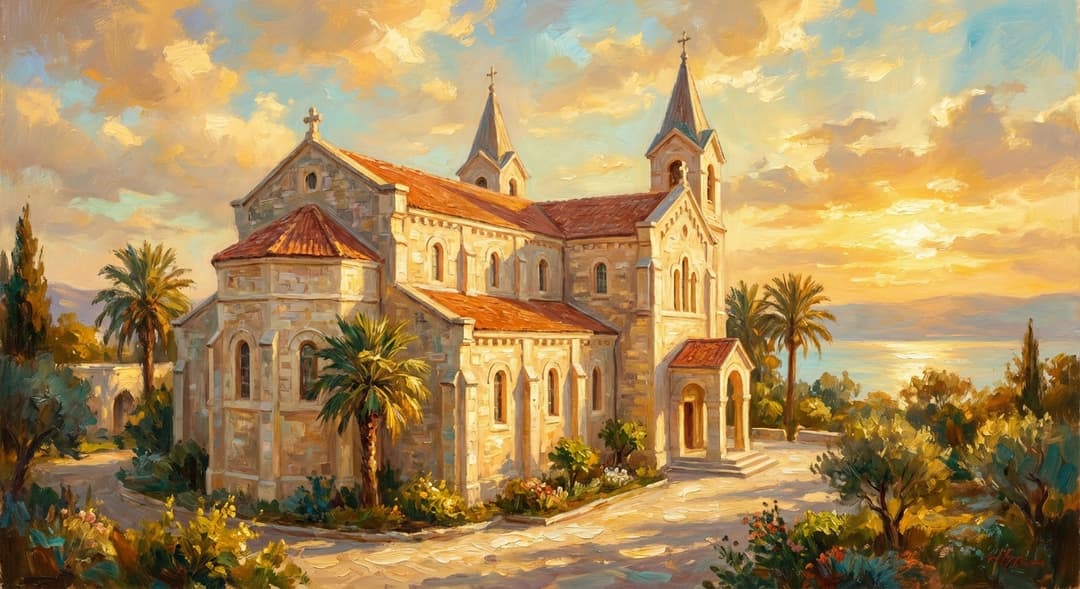
চার্চ অফ দ্য মাল্টিপ্লিকেশন পরিদর্শন একটি শান্ত এবং আধ্যাত্মিকভাবে সমৃদ্ধ অভিজ্ঞতা প্রদান করে। গালীল সাগরের শান্ত তীরে অবস্থিত এই গির্জাটি চিন্তা ও ধ্যানের জন্য একটি শান্তিপূর্ণ পরিবেশ তৈরি করে। দর্শনার্থীরা সুন্দর নিও-বাইজেন্টাইন স্থাপত্য অন্বেষণ করতে পারেন, প্রাচীন মোজাইকগুলির প্রশংসা করতে পারেন এবং গির্জাটি যে বাইবেলীয় অলৌকিক ঘটনার স্মৃতিচারণ করে তা নিয়ে চিন্তা করতে পারেন।
প্রধান বৈশিষ্ট্য
- পঞ্চম শতাব্দীর মোজাইকগুলির প্রশংসা করুন, যা খ্রিস্টান রূপক মেঝে মোজাইকের প্রাচীনতম উদাহরণগুলির মধ্যে অন্যতম।
- বেদীর নিচে অবস্থিত চুনাপাথরের শিলাটি পরিদর্শন করুন, যেখানে বিশ্বাস করা হয় যীশু রুটি ও মাছ রেখেছিলেন।
- গালীল সাগরের তীরে শান্ত পরিবেশ উপভোগ করুন।
জানার বিষয়
- গির্জা পরিদর্শনের সময় শালীন পোশাক পরিধান করুন।
- গির্জার খোলার সময় সম্পর্কে সচেতন থাকুন, যা রবিবারে ভিন্ন হতে পারে।
- গালীল সাগরের আশেপাশের অন্যান্য দর্শনীয় স্থানগুলির সাথে আপনার সফরটি যুক্ত করুন।
অবস্থান
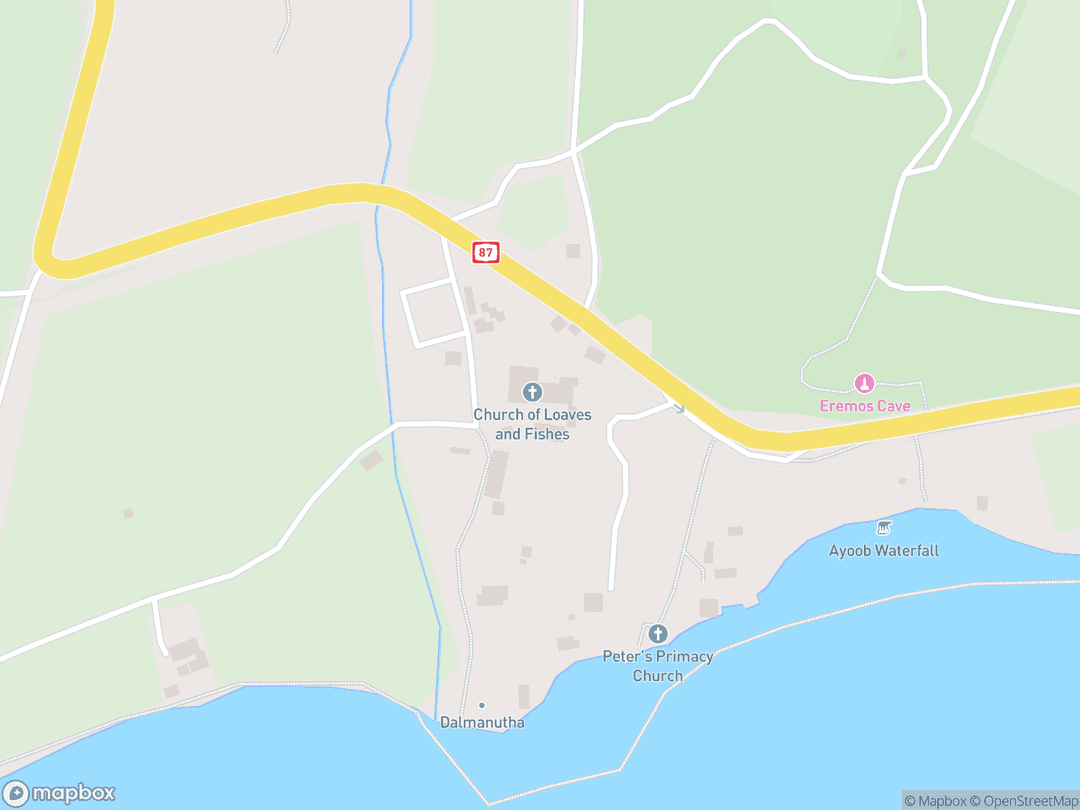
Tabgha, Israel
সময়: সোমবার থেকে শনিবার, সকাল ৮:০০ টা থেকে বিকাল ৪:৪৫ টা; রবিবার, সকাল ১১:০০ টা থেকে বিকাল ৪:৪৫ টা
সেখানে যাওয়া: গির্জাটিতে গাড়ি বা ট্যাক্সি দিয়ে পৌঁছানো যায়। এটি গালীল অঞ্চলের একটি নির্দেশিত সফরের (guided tour) অংশ হিসেবেও অন্তর্ভুক্ত করা যেতে পারে।
দিকনির্দেশ পানআপনার দর্শনের জন্য টিপস
পরিদর্শনের সেরা সময়
ভিড় এড়াতে অফ-সিজনে বা খুব ভোরে পরিদর্শন করুন।
পোশাকের নিয়মাবলী
এই স্থানের পবিত্রতার প্রতি শ্রদ্ধা রেখে শালীন পোশাক পরিধান করুন। কাঁধ এবং হাঁটু ঢাকা থাকা উচিত।
পরিচিতি
চার্চ অফ দ্য মাল্টিপ্লিকেশন, যা ‘রুটি ও মাছের গির্জা’ নামেও পরিচিত, ইসরায়েলের গালীল সাগরের উত্তর-পশ্চিম তীরে তাবঘায় অবস্থিত একটি রোমান ক্যাথলিক গির্জা। এই পবিত্র স্থানটি বাইবেলে বর্ণিত সেই অলৌকিক ঘটনার স্মৃতি বহন করে যেখানে যীশু মাত্র পাঁচটি রুটি এবং দুটি মাছ দিয়ে ৫,০০০ মানুষকে খাইয়েছিলেন, যা চারটি সুসমাচারেই (Gospels) বর্ণনা করা হয়েছে। গির্জাটি এই গভীর উদারতা এবং ঐশ্বরিক বিধানের প্রমাণ হিসেবে দাঁড়িয়ে আছে।
আধুনিক গির্জাটি পূর্ববর্তী দুটি গির্জার ভিত্তির ওপর নির্মিত হয়েছে, যার মধ্যে প্রাচীনতমটি চতুর্থ শতাব্দীর। এই স্থানটি বহু শতাব্দী ধরে খ্রিস্টান তীর্থযাত্রীদের একটি অন্যতম স্থান হিসেবে বিবেচিত হয়ে আসছে, যা বিশ্বজুড়ে দর্শনার্থীদের আকর্ষণ করে যারা এই অলৌকিক ঘটনাটি নিয়ে চিন্তা করতে এবং এই স্থানের আধ্যাত্মিক গুরুত্ব অনুভব করতে আসেন। বর্তমান কাঠামোর মধ্যে প্রাচীন মোজাইক এবং স্থাপত্য উপাদানগুলির সংরক্ষণ প্রাথমিক খ্রিস্টান সম্প্রদায়ের সাথে একটি বাস্তব সংযোগ স্থাপন করে।
আজ, চার্চ অফ দ্য মাল্টিপ্লিকেশন উপাসনা এবং ধ্যানের স্থান হিসেবে কাজ করে চলেছে। গালীল সাগরের তীরে এর শান্ত পরিবেশ দর্শনার্থীদের যীশুর শিক্ষা এবং অলৌকিক ঘটনার চিরন্তন বার্তা নিয়ে চিন্তা করার জন্য একটি শান্তিপূর্ণ পরিবেশ প্রদান করে। গির্জাটির ঐতিহাসিক এবং ধর্মীয় গুরুত্ব এটিকে পবিত্র ভূমির (Holy Land) একটি অন্যতম গুরুত্বপূর্ণ ল্যান্ডমার্ক করে তুলেছে।
গ্যালারি
প্রতীকী উপাদান
মন্দিরের বাইরের অংশে জটিল খোদাই রয়েছে, যার প্রতিটি আধ্যাত্মিক অর্থে সমৃদ্ধ:

রুটি ও মাছের মোজাইক
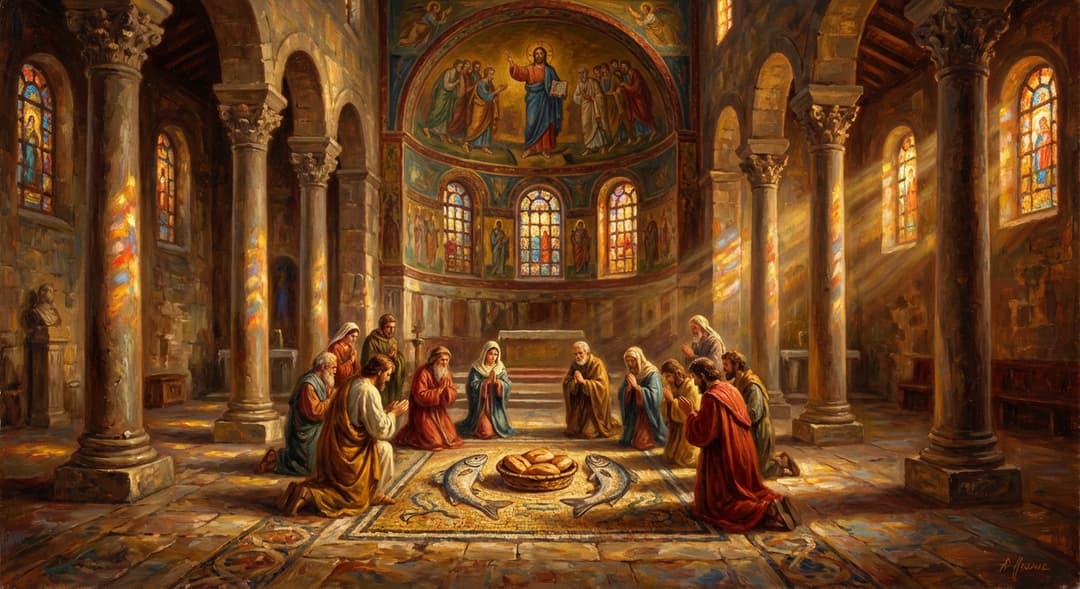
বেদীর সামনের মোজাইকটিতে একটি ঝুড়ির দুই পাশে দুটি মাছ চিত্রিত করা হয়েছে, যে ঝুড়িতে চারটি রুটি রয়েছে। এই আইকনিক চিত্রটি যীশুর ৫,০০০ মানুষকে খাওয়ানোর অলৌকিক ঘটনাকে প্রতীকায়িত করে এবং এটি গির্জার ধর্মীয় তাৎপর্যের একটি কেন্দ্রীয় উপাদান। মোজাইকটি ঐশ্বরিক বিধান এবং ঈশ্বরের অনুগ্রহের প্রাচুর্যের একটি দৃশ্যমান অনুস্মারক হিসেবে কাজ করে।
বেদীর নিচের চুনাপাথর
বেদীর নিচে একটি চুনাপাথরের খণ্ড রয়েছে, যা সেই পাথর হিসেবে পূজনীয় যার ওপর অলৌকিক খাবার রাখা হয়েছিল। এই পাথরটি গির্জা পরিদর্শনকারী তীর্থযাত্রীদের জন্য একটি মূল আকর্ষণ, যা বাইবেলীয় ঘটনার সাথে একটি বাস্তব সংযোগ স্থাপন করে। এটি সেই শারীরিক স্থানকে প্রতিনিধিত্ব করে যেখানে যীশু রুটি আশীর্বাদ করেছিলেন এবং ভেঙেছিলেন, যা এটিকে শ্রদ্ধার একটি পবিত্র বস্তুতে পরিণত করেছে।

নব্য-বাইজেন্টাইন স্থাপত্য
গির্জার নব্য-বাইজেন্টাইন স্থাপত্য শৈলী বাইজেন্টাইন যুগের ঐতিহাসিক প্রভাবকে প্রতিফলিত করে। এই নকশায় খিলান, গম্বুজ এবং জটিল নকশার মতো উপাদানগুলো অন্তর্ভুক্ত রয়েছে, যা প্রাথমিক খ্রিস্টান গির্জাগুলোর কথা মনে করিয়ে দেয়। এই স্থাপত্য শৈলী গির্জার আধ্যাত্মিক পরিবেশকে বাড়িয়ে তোলে এবং এটিকে খ্রিস্টান শিল্প ও স্থাপত্যের সমৃদ্ধ ইতিহাসের সাথে সংযুক্ত করে।

অ্যালাবাস্টার (শ্বেতপাথর) জানালা
গির্জার জানালাগুলোতে অ্যালাবাস্টার প্যানেল লাগানো হয়েছে, যা মৃদু, বিচ্ছুরিত আলোকে অভ্যন্তরে প্রবেশ করতে দেয়। অ্যালাবাস্টার, একটি আধা-স্বচ্ছ খনিজ, একটি মৃদু এবং স্বর্গীয় আভা তৈরি করে, যা গির্জার ভেতরের শান্তি ও প্রশান্তির অনুভূতিকে বাড়িয়ে তোলে। অ্যালাবাস্টারের ব্যবহার স্থানটির সামগ্রিক নান্দনিক সৌন্দর্য এবং আধ্যাত্মিক পরিবেশকে আরও সমৃদ্ধ করে।

কালো ব্যাসাল্ট প্রাচীর
পূর্ববর্তী গির্জাগুলোর কিছু প্রাচীন কালো ব্যাসাল্ট প্রাচীর টিকে রয়েছে এবং বর্তমান কাঠামোতে দৃশ্যমান রয়েছে। এই ব্যাসাল্ট প্রাচীরগুলো স্থানটির ঐতিহাসিক ভিত্তির সাথে একটি বাস্তব সংযোগ প্রদান করে, যা দর্শনার্থীদের সেখানে উপাসনা করা প্রাথমিক খ্রিস্টান সম্প্রদায়ের সাথে সংযুক্ত করে। ব্যাসাল্টের রুক্ষ টেক্সচার এবং গাঢ় রঙ গির্জাটিতে প্রাচীনত্ব এবং স্থায়িত্বের অনুভূতি যোগ করে।

জলাভূমির পাখির মোজাইক
ট্রানসেপ্টের (ক্রস-আইল) মোজাইকগুলোতে পদ্মফুল সহ বিভিন্ন জলাভূমির পাখি এবং উদ্ভিদ চিত্রিত করা হয়েছে। এই চিত্রগুলো শিল্পীর নীল নদ অববাহিকার ল্যান্ডস্কেপ ব্যবহারের ইঙ্গিত দেয়, যা রোমান এবং প্রাথমিক বাইজেন্টাইন শিল্পে একটি জনপ্রিয় মোটিফ ছিল। এই প্রাকৃতিক উপাদানগুলোর উপস্থিতি গির্জায় প্রতীকী সমৃদ্ধির একটি স্তর যুক্ত করে, যা জীবন, উর্বরতা এবং সৃষ্টির সৌন্দর্যের থিমগুলোকে জাগিয়ে তোলে।

অপ্স (অর্ধবৃত্তাকার অংশ)
অপ্স হলো একটি অর্ধবৃত্তাকার কুলুঙ্গি, যা সাধারণত গির্জার পূর্ব প্রান্তে পাওয়া যায়। এটি প্রায়শই বেদী ধারণ করে। চার্চ অব দ্য মাল্টিপ্লিকেশনে, অপ্স উপাসনা এবং শ্রদ্ধার একটি মূল কেন্দ্র হিসেবে কাজ করে। এর নকশা এবং অলঙ্করণ গির্জার সামগ্রিক আধ্যাত্মিক পরিবেশে অবদান রাখে, যা ধর্মীয় আচার-অনুষ্ঠান সম্পাদিত হওয়ার পবিত্র স্থানটির দিকে মনোযোগ আকর্ষণ করে।

সাতটি ঝর্ণা (হেপ্টাপেগন)
সাতটি ঝর্ণা (হেপ্টাপেগন) সহ তাবঘার অবস্থানটিও প্রতীকী গুরুত্ব বহন করতে পারে। যদিও গির্জার নির্দিষ্ট আইকনোগ্রাফির সাথে এটি সরাসরি যুক্ত নয়, তবুও এই ঝর্ণাগুলোর উপস্থিতি প্রাচুর্য এবং জীবনদায়ী জলের প্রতিনিধিত্ব করতে পারে। এই স্থানে গির্জাটি স্থাপনের পেছনে ঝর্ণাগুলো একটি কারণ হতে পারে, যা অলৌকিক ঘটনাটিকে এলাকার প্রাকৃতিক সম্পদের সাথে সংযুক্ত করে।
আকর্ষণীয় তথ্য
তাবঘা নামটি গ্রীক শব্দ ‘হেপ্টাপেগন’ থেকে এসেছে, যার অর্থ ‘সাতটি ঝর্ণা’।
মোজাইক মেঝেটি পবিত্র ভূমিতে খ্রিস্টান শিল্পের আলংকারিক মেঝে মোজাইকের প্রাচীনতম পরিচিত নিদর্শনগুলোর মধ্যে অন্যতম।
মোজাইকগুলোতে চিত্রিত পদ্মফুলটি এই অঞ্চলের স্থানীয় নয়, যা নীল নদ অববাহিকার ল্যান্ডস্কেপের সাথে শিল্পীর পরিচিতির ইঙ্গিত দেয়।
গির্জাটি ৬১৪ খ্রিস্টাব্দে সম্ভবত পারস্য আক্রমণের সময় ধ্বংস হয়ে গিয়েছিল এবং এর সঠিক অবস্থানটি ১,৩০০ বছরেরও বেশি সময় ধরে হারিয়ে গিয়েছিল।
বর্তমান গির্জাটি পঞ্চম শতাব্দীর বাইজেন্টাইন গির্জার একই ফ্লোর প্ল্যানে নির্মিত হয়েছিল।
বেদীর নিচে সংরক্ষিত অমসৃণ পাথরটিকে সেই পাথর বলে বিশ্বাস করা হয় যার ওপর যীশু রুটি ও মাছ রেখেছিলেন।
২০১৫ সালে, একটি অগ্নিসংযোগের হামলায় গির্জার পাশের একটি সহায়ক ভবন ক্ষতিগ্রস্ত হয়েছিল, তবে ২০১৭ সালে গির্জাটি সংস্কার করে পুনরায় খুলে দেওয়া হয়।
বেনেডিক্টাইন অর্ডার ১৯৩৯ সাল থেকে এই সম্পত্তিটি পরিচালনা করে আসছে।
গির্জার মোজাইকগুলো সম্ভবত একসময় তাবঘায় অবস্থিত তিনটি মূল বাইজেন্টাইন ওয়াটার টাওয়ারের উল্লেখ করে।
নিকটেই চার্চ অব দ্য প্রাইমেসি অব সেন্ট পিটার অবস্থিত, যা পুনরুত্থানের পর তাঁর শিষ্যদের সামনে যীশুর আবির্ভূত হওয়ার ঘটনাকে স্মরণ করে।
সাধারণ জিজ্ঞাসা
চার্চ অব দ্য মাল্টিপ্লিকেশন (রুটি ও মাছের অলৌকিক ঘটনার গির্জা)-এর তাৎপর্য কী?
চার্চ অব দ্য মাল্টিপ্লিকেশন সেই বাইবেলীয় অলৌকিক ঘটনাকে স্মরণ করে যেখানে যীশু মাত্র পাঁচটি রুটি এবং দুটি মাছ দিয়ে ৫,০০০ মানুষকে খাইয়েছিলেন। এই ঘটনাটি ঐশ্বরিক বিধান এবং উদারতার একটি শক্তিশালী প্রতীক, যা গির্জাটিকে খ্রিস্টানদের জন্য একটি গুরুত্বপূর্ণ তীর্থস্থানে পরিণত করেছে।
বর্তমান গির্জাটি কখন নির্মিত হয়েছিল?
বর্তমান গির্জাটি ১৯৮৪ সালে সম্পন্ন এবং উদ্বোধন করা হয়েছিল। এটি পঞ্চম শতাব্দীর বাইজেন্টাইন গির্জার একই ফ্লোর প্ল্যানের উপর নির্মিত হয়েছিল, যার মধ্যে টিকে থাকা কিছু প্রাচীন কালো ব্যাসাল্ট প্রাচীর অন্তর্ভুক্ত করা হয়েছে।
গির্জার বিখ্যাত মোজাইকগুলো কী কী?
গির্জাটি তার পঞ্চম শতাব্দীর মোজাইকের জন্য বিখ্যাত, যা পবিত্র ভূমিতে খ্রিস্টান শিল্পের আলংকারিক মেঝে মোজাইকের প্রাচীনতম পরিচিত নিদর্শনগুলোর মধ্যে অন্যতম। সবচেয়ে বিখ্যাত মোজাইকটিতে একটি ঝুড়ির দুই পাশে দুটি মাছ চিত্রিত করা হয়েছে, যে ঝুড়িতে চারটি রুটি রয়েছে।
২০১৫ সালে গির্জাটিতে কী ঘটেছিল?
২০১৫ সালে, ইহুদি চরমপন্থীদের দ্বারা একটি অগ্নিসংযোগের হামলায় গির্জার পাশের একটি সহায়ক ভবন ক্ষতিগ্রস্ত হয়। পরবর্তীতে গির্জাটি সংস্কার করা হয় এবং ২০১৭ সালের ফেব্রুয়ারিতে পুনরায় খুলে দেওয়া হয়।
চার্চ অব দ্য মাল্টিপ্লিকেশন কে পরিচালনা করে?
১৯৩৯ সাল থেকে সম্পত্তিটি জেরুজালেমের ডরমিশন অ্যাবের একটি শাখা-গৃহ হিসেবে বেনেডিক্টাইন অর্ডার দ্বারা পরিচালিত হয়ে আসছে।
গির্জা পরিদর্শনের সময়সূচী কী?
গির্জাটি সোমবার থেকে শনিবার সকাল ৮:০০ টা থেকে বিকেল ৪:৪৫ টা পর্যন্ত এবং রবিবার সকাল ১১:০০ টা থেকে বিকেল ৪:৪৫ টা পর্যন্ত খোলা থাকে।
সংশ্লিষ্ট গল্প
এই পবিত্র স্থানটির সাথে সম্পর্কিত সমৃদ্ধ ইতিহাস, ঐতিহ্য এবং মানুষ সম্পর্কে অন্বেষণ করুন।
বৈশিষ্ট্যযুক্ত গল্প
মোজাইক আবিষ্কারের কাহিনী
1930s
১৯৩০-এর দশকে, তাবঘায় প্রত্নতাত্ত্বিক খননকার্যের ফলে পঞ্চম শতাব্দীর বাইজেন্টাইন গির্জার অসাধারণ মোজাইক মেঝে উন্মোচিত হয়। মাটি এবং ধ্বংসস্তূপের স্তূপের নিচে বহু শতাব্দী ধরে লুকিয়ে থাকা এই মোজাইকগুলোতে রুটি, মাছ এবং জলাভূমির পাখির জটিল চিত্রকর্ম উন্মোচিত হয়। এই আবিষ্কারটি ছিল একটি অত্যন্ত গুরুত্বপূর্ণ মুহূর্ত, যা স্থানটির ঐতিহাসিক ও ধর্মীয় তাৎপর্যকে নিশ্চিত করে এবং প্রাথমিক খ্রিস্টান শিল্প ও আইকনোগ্রাফি সম্পর্কে অমূল্য অন্তর্দৃষ্টি প্রদান করে।
মোজাইকগুলোর উন্মোচন কেবল বাইবেলের বর্ণনাকেই বৈধতা দেয়নি, বরং বাইজেন্টাইন যুগের শৈল্পিক দক্ষতা এবং সাংস্কৃতিক প্রভাবকেও প্রদর্শন করেছে। মোজাইকগুলোর সূক্ষ্ম কারুকাজ এবং প্রাণবন্ত চিত্রকল্প গবেষক এবং দর্শনার্থী উভয়কেই মুগ্ধ করেছিল, যা চার্চ অব দ্য মাল্টিপ্লিকেশনকে প্রাথমিক খ্রিস্টান ঐতিহ্যের একটি অমূল্য ভাণ্ডার হিসেবে প্রতিষ্ঠিত করে। এই আবিষ্কারটি স্থানটির প্রতি নতুন করে আগ্রহের জন্ম দেয়, যার ফলে আরও গবেষণা এবং সংরক্ষণের প্রচেষ্টা শুরু হয়।
উৎস: Archaeological records and historical accounts of the excavations at Tabgha.
অগ্নিসংযোগের হামলা এবং সংস্কার
2015–2017
২০১৫ সালে, চার্চ অব দ্য মাল্টিপ্লিকেশন একটি বিধ্বংসী ভাঙচুরের মুখোমুখি হয়েছিল যখন একটি অগ্নিসংযোগের হামলায় গির্জার পাশের একটি সহায়ক ভবন ক্ষতিগ্রস্ত হয়। ইহুদি চরমপন্থীদের দ্বারা পরিচালিত এই হামলা স্থানীয় সম্প্রদায় এবং আন্তর্জাতিক খ্রিস্টান বিশ্বে তীব্র ক্ষোভের জন্ম দেয়। এই ঘটনাটি এই অঞ্চলের ধর্মীয় স্থানগুলোর মুখোমুখি হওয়া চলমান উত্তেজনা এবং চ্যালেঞ্জগুলোকে তুলে ধরে।
ক্ষয়ক্ষতি সত্ত্বেও, গির্জা সম্প্রদায় পবিত্র স্থানটিকে তার পূর্বের গৌরবে ফিরিয়ে আনতে দৃঢ়প্রতিজ্ঞ হয়ে ঐক্যবদ্ধ হয়েছিল। স্থানীয় কর্তৃপক্ষ, আন্তর্জাতিক সংস্থা এবং অসংখ্য স্বেচ্ছাসেবকের সহায়তায় গির্জাটিতে ব্যাপক সংস্কার কাজ চালানো হয়। ২০১৭ সালের ফেব্রুয়ারিতে, চার্চ অব দ্য মাল্টিপ্লিকেশন তার দরজা পুনরায় খুলে দেয়, যা প্রতিকূলতার মুখে স্থিতিস্থাপকতা, পুনর্মিলন এবং বিশ্বাসের চিরস্থায়ী শক্তির প্রতীক হয়ে ওঠে।
উৎস: News reports and official statements regarding the arson attack and restoration efforts.
বেনেডিক্টাইন অর্ডারের তত্ত্বাবধান
1939–Present
১৯৩৯ সাল থেকে, বেনেডিক্টাইন অর্ডার চার্চ অব দ্য মাল্টিপ্লিকেশনের সংরক্ষণ এবং পরিচালনায় একটি গুরুত্বপূর্ণ ভূমিকা পালন করে আসছে। জেরুজালেমের ডরমিশন অ্যাবের একটি শাখা-গৃহ হিসেবে, বেনেডিক্টাইন সন্ন্যাসীরা স্থানটির ধর্মীয় সততা বজায় রাখতে, তীর্থযাত্রীদের স্বাগত জানাতে এবং শান্তি ও ধ্যানের পরিবেশ গড়ে তুলতে নিজেদের উৎসর্গ করেছেন। তাদের অবিচল প্রতিশ্রুতি নিশ্চিত করেছেว่า গির্জাটি আগামী প্রজন্মের জন্য বিশ্বাসের একটি আলোকবর্তিকা এবং আধ্যাত্মিক পুনর্নবীকরণের স্থান হিসেবে টিকে থাকবে।
বেনেডিক্টাইন অর্ডারের তত্ত্বাবধান কেবল গির্জার শারীরিক রক্ষণাবেক্ষণের মধ্যেই সীমাবদ্ধ নয়। তারা শিক্ষামূলক প্রচারের সাথেও জড়িত, বিশ্বজুড়ে আসা দর্শনার্থীদের সাথে এই স্থানটির ইতিহাস এবং তাৎপর্য শেয়ার করে। তাদের আতিথেয়তা এবং উৎসর্গের মাধ্যমে, সন্ন্যাসীরা সেবা, নম্রতা এবং ভক্তির মূল্যবোধকে মূর্ত করে তোলেন, যা চার্চ অব দ্য মাল্টিপ্লিকেশনে আসা সকলের অভিজ্ঞতাকে সমৃদ্ধ করে।
উৎস: Records and accounts of the Benedictine order's involvement with the Church of the Multiplication.
সময়রেখা
প্রথম গির্জা নির্মাণ
রুটি ও মাছের অলৌকিক ঘটনাকে স্মরণীয় করে রাখতে টাইবেরিয়াসের জোসেফ একটি ছোট চ্যাপেল তৈরি করেছিলেন।
মাইলস্টোনএগেরিয়ার পরিদর্শন
স্প্যানিশ তীর্থযাত্রী এগেরিয়া গির্জাটি পরিদর্শন করেছিলেন এবং তাঁর লেখায় এটির বর্ণনা করেছিলেন।
ঘটনাগির্জা সম্প্রসারণ
গির্জাটি উল্লেখযোগ্যভাবে সম্প্রসারিত করা হয়েছিল এবং মেঝেতে মোজাইক যুক্ত করা হয়েছিল, যার কৃতিত্ব জেরুজালেমের প্যাট্রিয়ার্ক মার্টিরিয়াসকে দেওয়া হয়।
সংস্কারবাইজেন্টাইন গির্জা ধ্বংস
সম্ভবত পারস্য আক্রমণের সময় বাইজেন্টাইন গির্জাটি ধ্বংস হয়ে গিয়েছিল।
সংস্কারস্থানটি অধিগ্রহণ
ফিলিস্তিনের জন্য জার্মান ক্যাথলিক সোসাইটি এই স্থানটি অধিগ্রহণ করে।
মাইলস্টোনপ্রত্নতাত্ত্বিক জরিপ শুরু
প্রত্নতাত্ত্বিক জরিপ শুরু হয়, যার ফলে মোজাইক মেঝে আবিষ্কৃত হয়।
ঘটনাপূর্ণাঙ্গ খননকার্য শুরু
পূর্ণাঙ্গ খননকার্য শুরু হয়, যা চতুর্থ শতাব্দীর চ্যাপেলের ভিত্তি উন্মোচন করে।
ঘটনাবেনেডিক্টাইন প্রশাসন
১৯৩৯ সাল থেকে সম্পত্তিটি জেরুজালেমের ডরমিশন অ্যাবের একটি শাখা-গৃহ হিসেবে বেনেডিক্টাইন অর্ডার দ্বারা পরিচালিত হয়ে আসছে।
মাইলস্টোনবর্তমান গির্জা নির্মাণ
বর্তমান গির্জাটি সম্পন্ন এবং উদ্বোধন করা হয়েছিল, যা পঞ্চম শতাব্দীর বাইজেন্টাইন গির্জার একই ফ্লোর প্ল্যানের উপর নির্মিত।
উৎসর্গঅগ্নিসংযোগের ঘটনা
ইহুদি চরমপন্থীদের দ্বারা একটি অগ্নিসংযোগের হামলায় গির্জার পাশের একটি সহায়ক ভবন ক্ষতিগ্রস্ত হয়।
সংস্কারগির্জা পুনরায় উন্মুক্ত
অগ্নিসংযোগের হামলার পর সংস্কার কাজ শেষে গির্জাটি পুনরায় খুলে দেওয়া হয়।
উৎসর্গপ্রাথমিক খ্রিস্টান তীর্থযাত্রা
অলৌকিক ঘটনার তাৎপর্যে আকৃষ্ট হয়ে স্থানটি প্রাথমিক খ্রিস্টান তীর্থযাত্রীদের জন্য একটি গুরুত্বপূর্ণ গন্তব্যে পরিণত হয়।
ঘটনামোজাইক শিল্পের বিকাশ
গির্জার মোজাইক মেঝে পবিত্র ভূমিতে খ্রিস্টান আলংকারিক শিল্পের অন্যতম প্রাচীনতম নিদর্শন হিসেবে খ্যাতি লাভ করে।
ঘটনাহারিয়ে যাওয়া উপাসনালয়
বাইজেন্টাইন গির্জা ধ্বংসের পর প্রায় ১৩০০ বছর ধরে এই উপাসনালয়ের স্থানটি হারিয়ে গিয়েছিল।
ঘটনাস্থাপত্য ও সুবিধা
নিও-বাইজেন্টাইন স্থাপত্য যা পুরু পাথরের দেয়াল, বৃত্তাকার খিলান, একটি সাধারণ পাথরের সম্মুখভাগ এবং গালীল সাগর অঞ্চলের উদ্ভিদ ও প্রাণীকুল চিত্রিত প্রাচীন মোজাইক মেঝে সহ একটি ঐতিহ্যবাহী ব্যাসিলিকা পরিকল্পনা দ্বারা চিহ্নিত।
নির্মাণ সামগ্রী
চুনাপাথর
প্রাথমিক নির্মাণ সামগ্রী, যা একটি উজ্জ্বল এবং বাতাসযুক্ত পরিবেশ প্রদান করে।
ব্যাসাল্ট
মূল quarto এবং পঞ্চম শতাব্দীর গির্জার অন্ধকার আগ্নেয় শিলা, যা ভিত্তি এবং কিছু দেয়ালে ব্যবহৃত হয়েছে।
কাঠ
খোলা ট্রাস ছাদের জন্য ব্যবহৃত, যা স্থানটিতে উষ্ণতা এবং শব্দতরঙ্গ (acoustics) যোগ করে।
অনুরূপ মন্দিরসমূহ
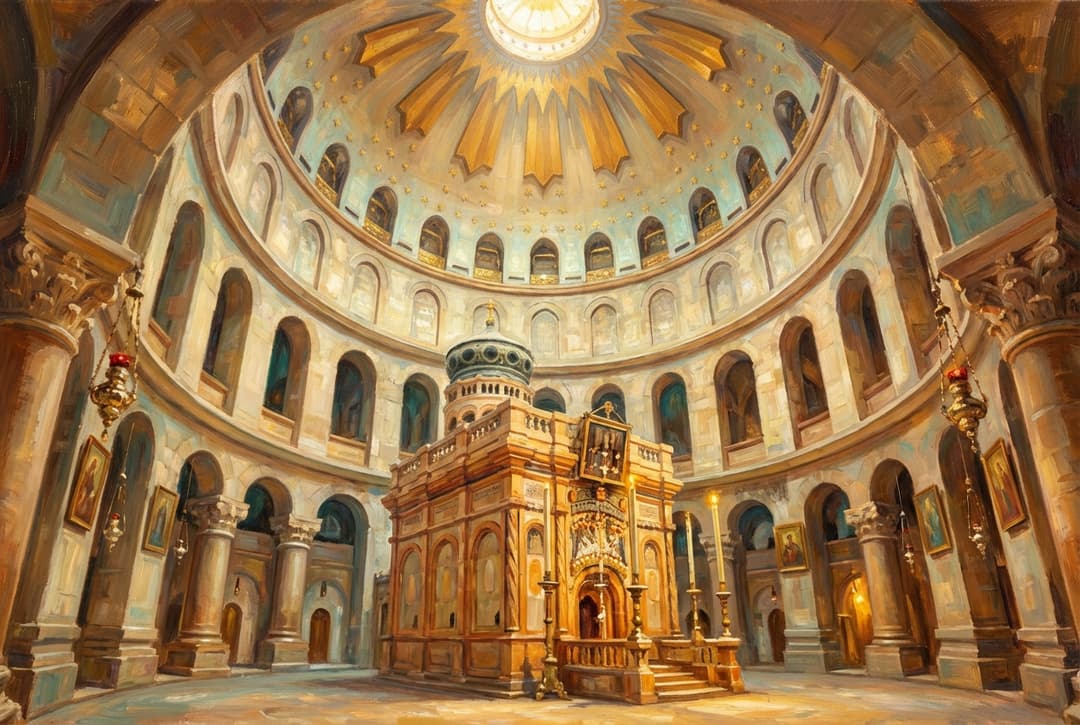
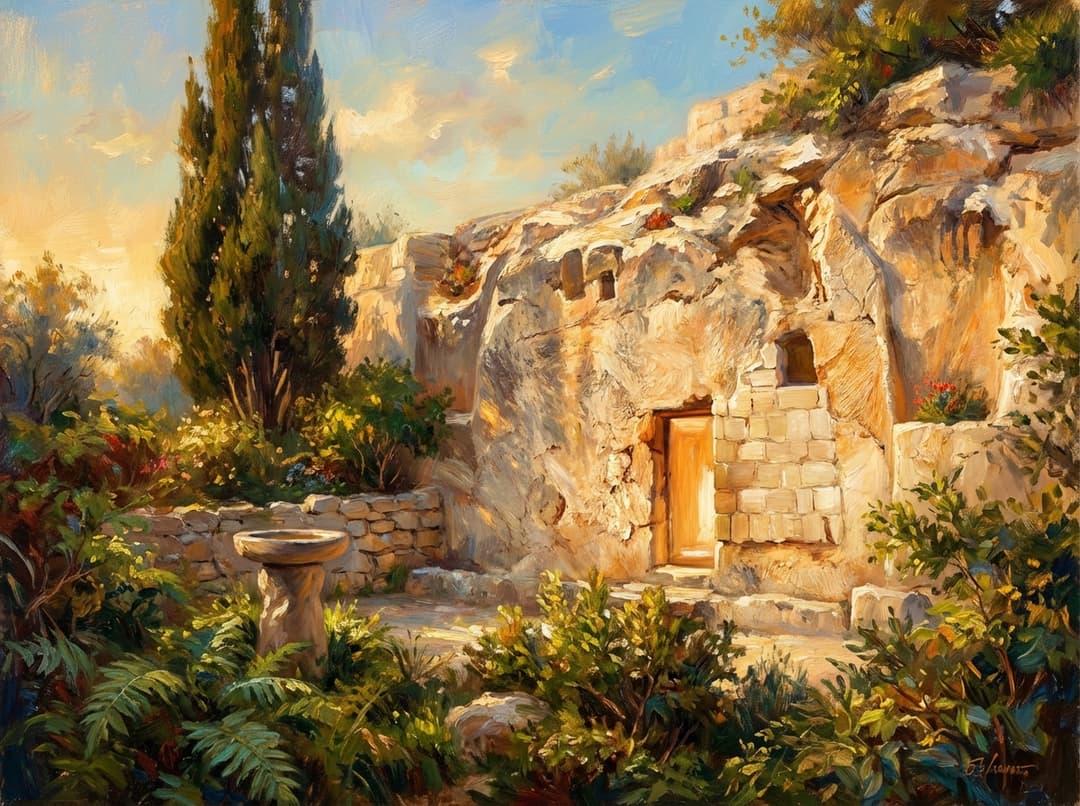
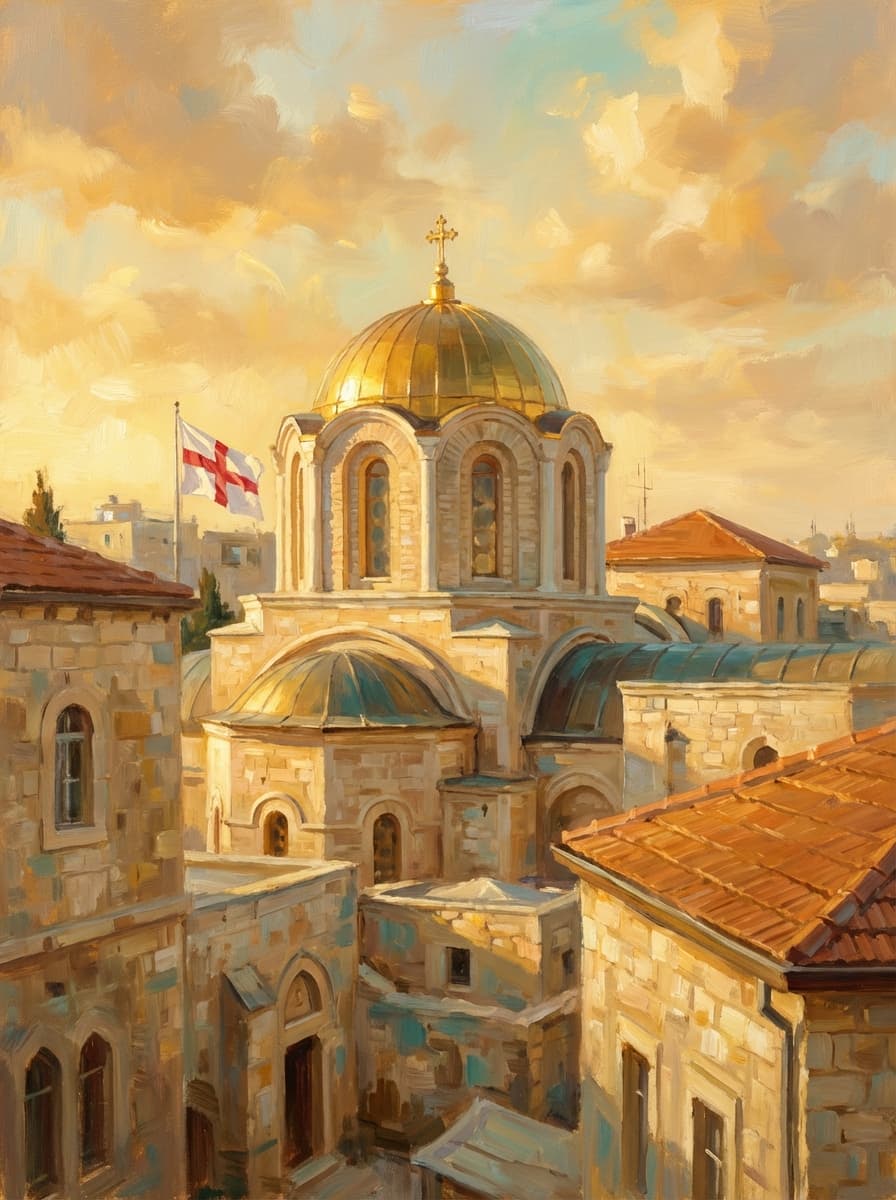
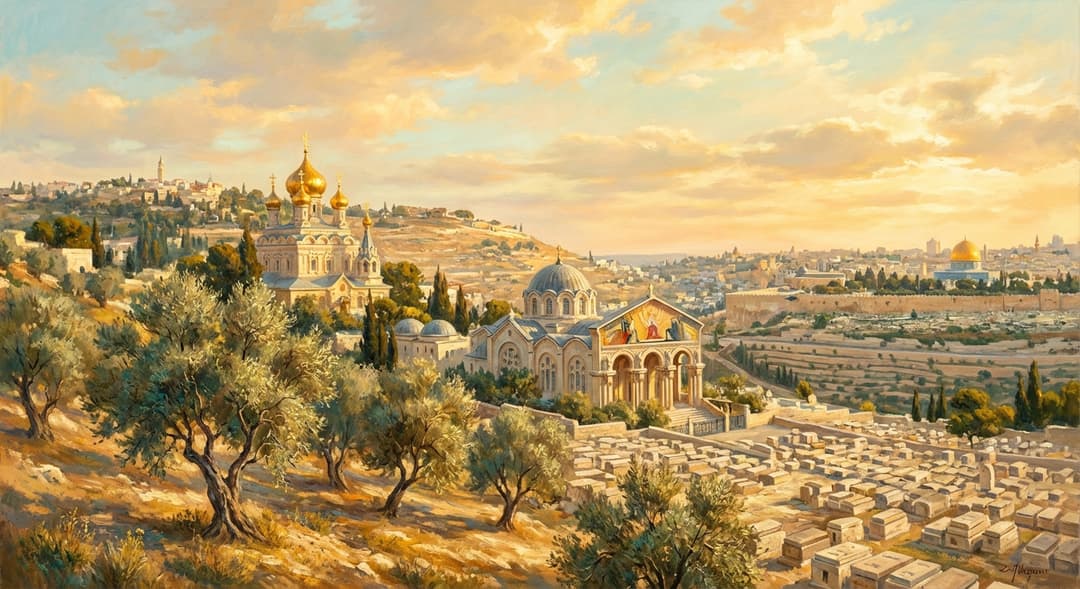
উৎস ও গবেষণা
Temples.org-এর প্রতিটি তথ্য যাচাইকৃত দ্বারা সমর্থিত <strong>উৎস ও গবেষণা</strong>। তথ্যের প্রতিটি অংশ উৎস স্তর এবং আত্মবিশ্বাসের স্তর দ্বারা রেট করা হয়।
সমস্ত উৎস দেখুন (4)
| ক্ষেত্র | উৎস | স্তর | পুনরুদ্ধার করা হয়েছে |
|---|---|---|---|
| About & Historical Background | Sacred Destinations (নতুন ট্যাবে খোলে) | B | 2024-01-02 |
| About & Historical Background | www.gov.il (নতুন ট্যাবে খোলে) | A | 2024-01-02 |
| Architectural Description & Mosaics | Bein Harim Tours (নতুন ট্যাবে খোলে) | A | 2024-01-02 |
| Historical Timeline | Jewish Virtual Library (নতুন ট্যাবে খোলে) | B | 2024-01-02 |