
La Huella Cívica y Espiritual de la Arquitectura Sagrada
A lo largo de los siglos, los lugares sagrados han servido como pilares de la civilización humana. Cuando se construye un templo de La Iglesia de Jesucristo de los Santos de los Últimos Días en una ciudad, su presencia va más allá de las paredes del edificio.
El Ecosistema Comunitario: Recursos Gratuitos de Apoyo para Todos
Donde hay un templo, existe una red comunitaria organizada que ofrece programas de desarrollo abiertos a todos:
- Grupos de Recuperación de Adicciones (ARP): Sesiones gratuitas de 12 pasos.
- Cursos de Finanzas Personales y Autosuficiencia: Talleres gratuitos de presupuesto y empleo.
- Red de Seguridad y Ayuda de Emergencia: Voluntariado de respuesta rápida ante desastres.
- Almacenes del Obispo y Centros de Almacenamiento de Alimentos: Ayuda alimentaria directa a familias en necesidad.
- Especialistas en Empleo: Asesoría laboral y red de contactos.
- Centros de Historia Familiar (FamilySearch): Acceso gratuito a bases de datos genealógicas.
Economic Activity and Local Commerce
The construction and ongoing operation of a temple generate significant local economic activity. During the multi-year construction phase, multi-million-dollar capital investments flow directly to local contractors, skilled trade workers, material suppliers, and engineering firms.
Once operating, temples draw patrons, multi-generational families, and conference attendees from surrounding regions. Visitors frequently utilize local hotels, restaurants, gas stations, and retail shops. During peak times—such as weekend weddings or annual conferences—this patron travel provides steady revenue for nearby hospitality and small business owners.
Neighborhood Beautification and Environmental Stewardship
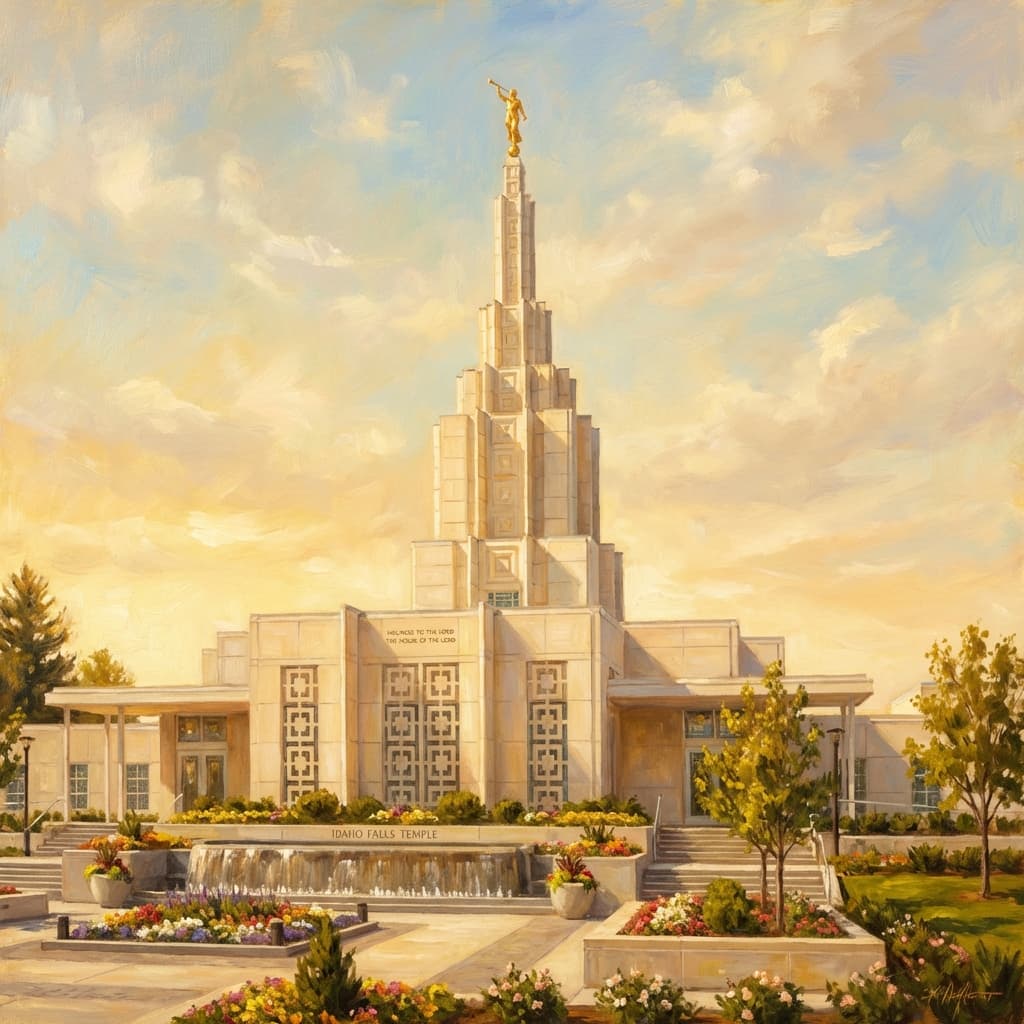
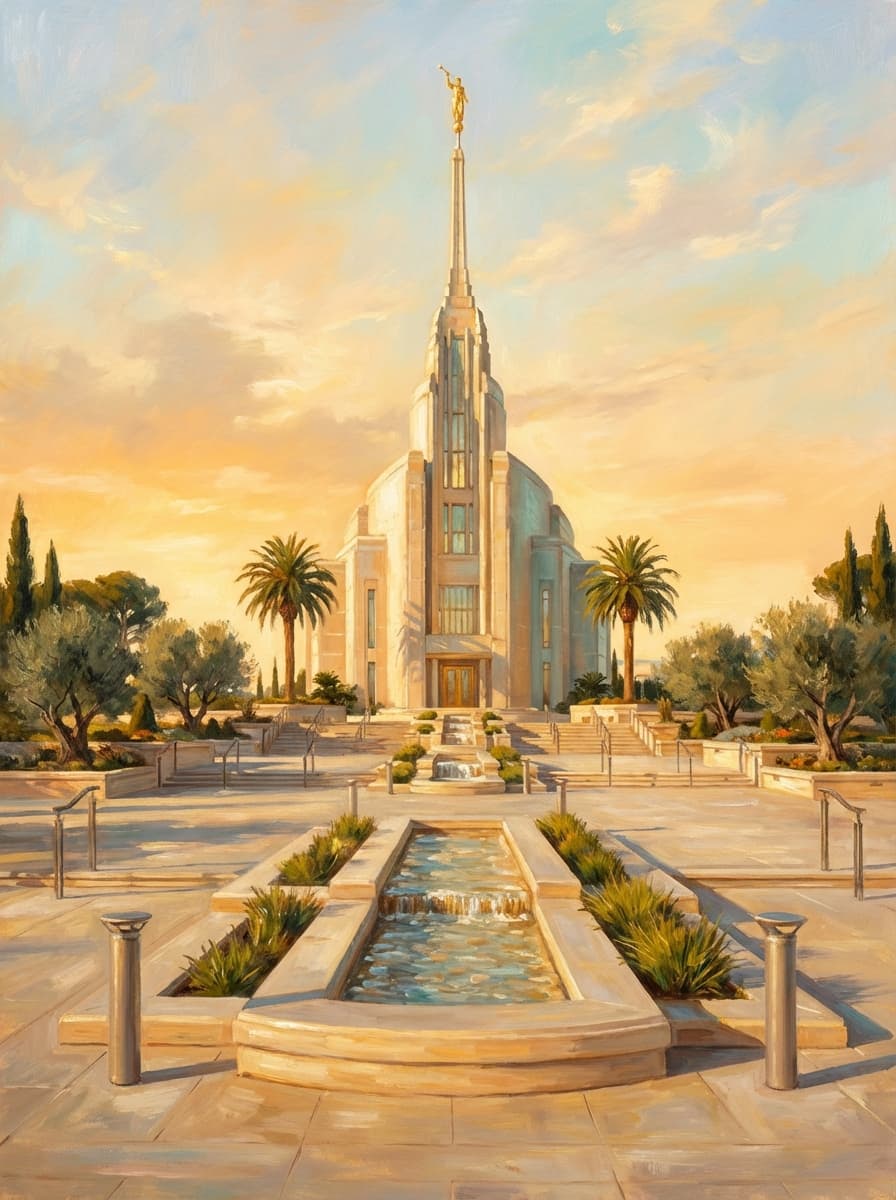
Latter-day Saint temples are renowned for their meticulous landscaping and architectural beauty. Grounds feature expansive flower gardens, peaceful water fountains, manicured lawns, and mature trees that enhance the aesthetic quality of the entire neighborhood.
Furthermore, modern temple construction prioritizes environmental stewardship. Buildings incorporate energy-efficient HVAC systems, high-performance insulation, LED illumination, and water-wise smart irrigation systems that minimize municipal resource consumption while creating a serene public space.
Real Estate Stability and Property Values
Real estate studies consistently show that high-quality institutional architecture stabilizes and enhances surrounding residential property values. Unlike commercial developments that may experience tenant turnover or economic decline, temples are maintained perpetually at institutional standards.
The long-term commitment to property maintenance gives homebuyers and developers confidence, fostering stable, highly desirable residential neighborhoods around temple grounds.
Public Safety, High-Visibility Lighting, and Security
Public safety is a natural byproduct of temple design and operation. Temple sites feature high-visibility exterior lighting, clear sightlines, clean sidewalks, and active security management. The presence of well-lit, open grounds deters crime and creates a safe, walkable environment for surrounding neighbors.
Cities routinely report that areas immediately adjacent to temple grounds maintain low incident rates, making them attractive locations for families, strollers, and evening walks.
Open Houses and Community Transparency
Prior to a temple's official dedication, the Church conducts a public open house lasting several weeks. During this period, tens—and sometimes hundreds—of thousands of local neighbors, civic leaders, and interfaith groups are invited to tour the interior of the building free of charge.
To ensure complete transparency, guides explain the sacred purpose of the building while highlighting the distinction between publicly accessible areas (such as exterior gardens, visitor centers, FamilySearch libraries, and community self-reliance classes) and sacred ordinance rooms (which are reserved for recommended Church members following dedication).
Templos relacionados


Sources & Research
Every fact on Temples.org is backed by verified Sources & Research. Each piece of information is rated by source tier and confidence level.
View All Sources (4)
| Field | Source | Tier | Retrieved |
|---|---|---|---|
| Church Welfare and Self-Reliance Services Annual Report | The Church of Jesus Christ of Latter-day Saints (opens in a new tab) | A | 2026-07-31 |
| Urban Planning and Economic Impact of Institutional Architecture | Journal of Urban Economics and Real Estate (opens in a new tab) | B | 2026-07-31 |
| FamilySearch Free Public Heritage Access | FamilySearch International (opens in a new tab) | A | 2026-07-31 |
| Addiction Recovery Program Community Outreach | Latter-day Saint Addiction Recovery Services (opens in a new tab) | A | 2026-07-31 |