Sintoísmo
Los santuarios sintoístas son espacios sagrados de la tradición espiritual indígena de Japón, que honran a los kami (espíritus divinos) a través de rituales de purificación y festivales de temporada.
Acerca de los sitios sagrados de Sintoísta
Los santuarios sintoístas (jinja) son los espacios sagrados de la tradición espiritual más antigua de Japón, dedicados a la veneración de los kami: los espíritus divinos que habitan todos los aspectos del mundo natural. Reconocibles por sus icónicas puertas torii, que marcan la transición de lo mundano a lo sagrado, los santuarios sintoístas varían desde pequeños altares junto a la carretera hasta vastos complejos como el Gran Santuario de Ise, que ha sido reconstruido ritualmente cada 20 años durante siglos. La arquitectura del santuario sigue las antiguas tradiciones japonesas de carpintería, utilizando madera de ciprés sin pintar y techos de paja que se integran armoniosamente con su entorno natural. Los visitantes de los santuarios siguen rituales de purificación en el temizuya (cuenca de agua), ofrecen oraciones en el haiden (sala de culto) y compran omamori (amuletos protectores). Los principales festivales (matsuri) a lo largo del año atraen a millones de visitantes que celebran la conexión entre los mundos humano y divino.
Sitios Religiosos 5
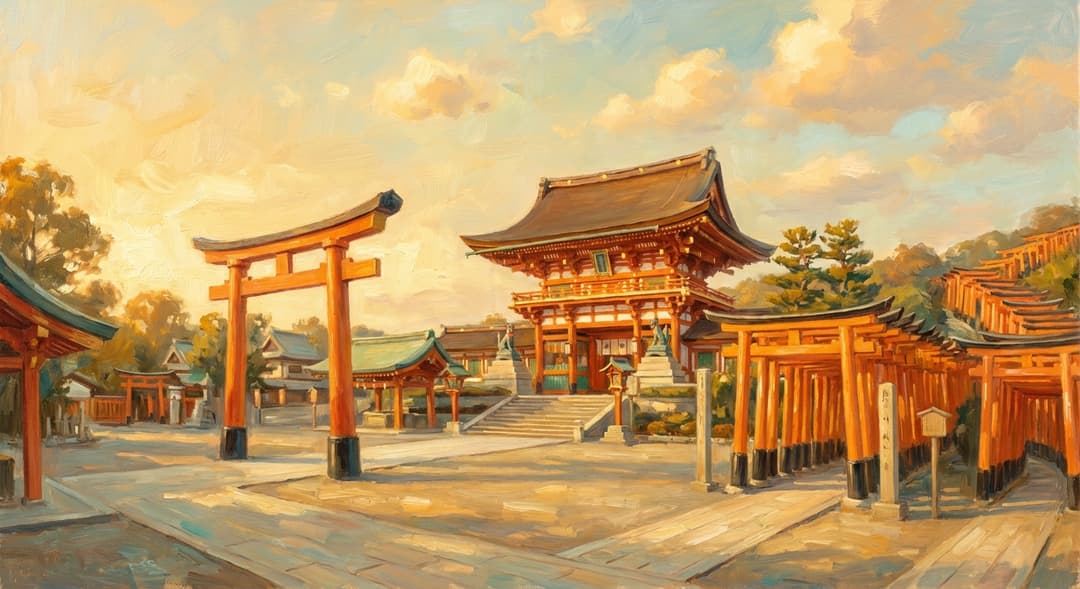
Fushimi Inari-taisha
El santuario principal dedicado a Inari, famoso por sus miles de puertas torii de color bermellón que serpentean por el monte Inari.
Explorar →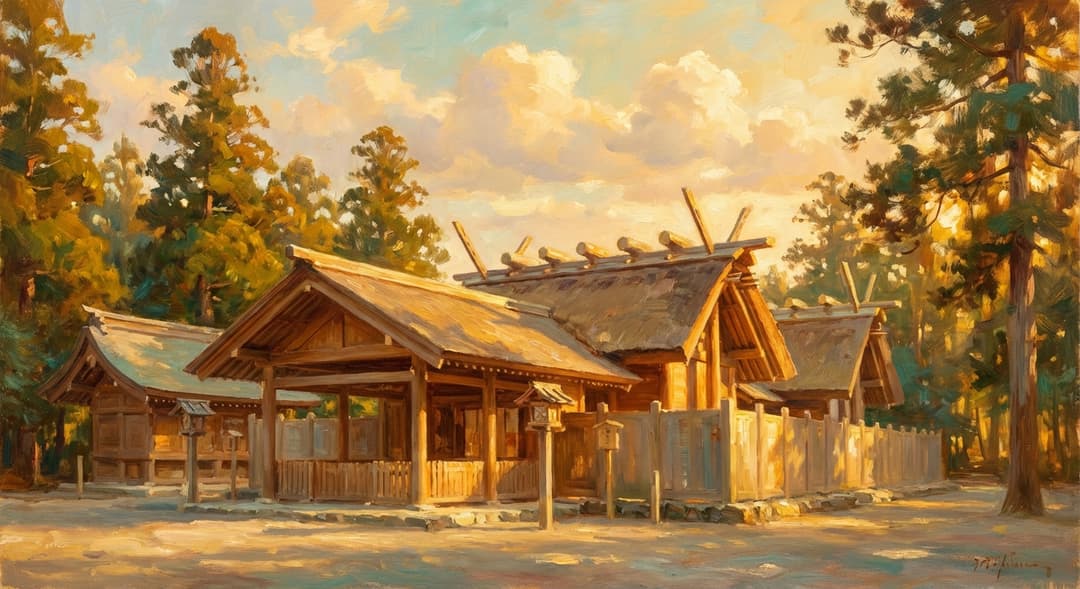
Gran Santuario de Ise
El santuario sintoísta más sagrado de Japón, dedicado a la diosa del sol Amaterasu-ōmikami.
Explorar →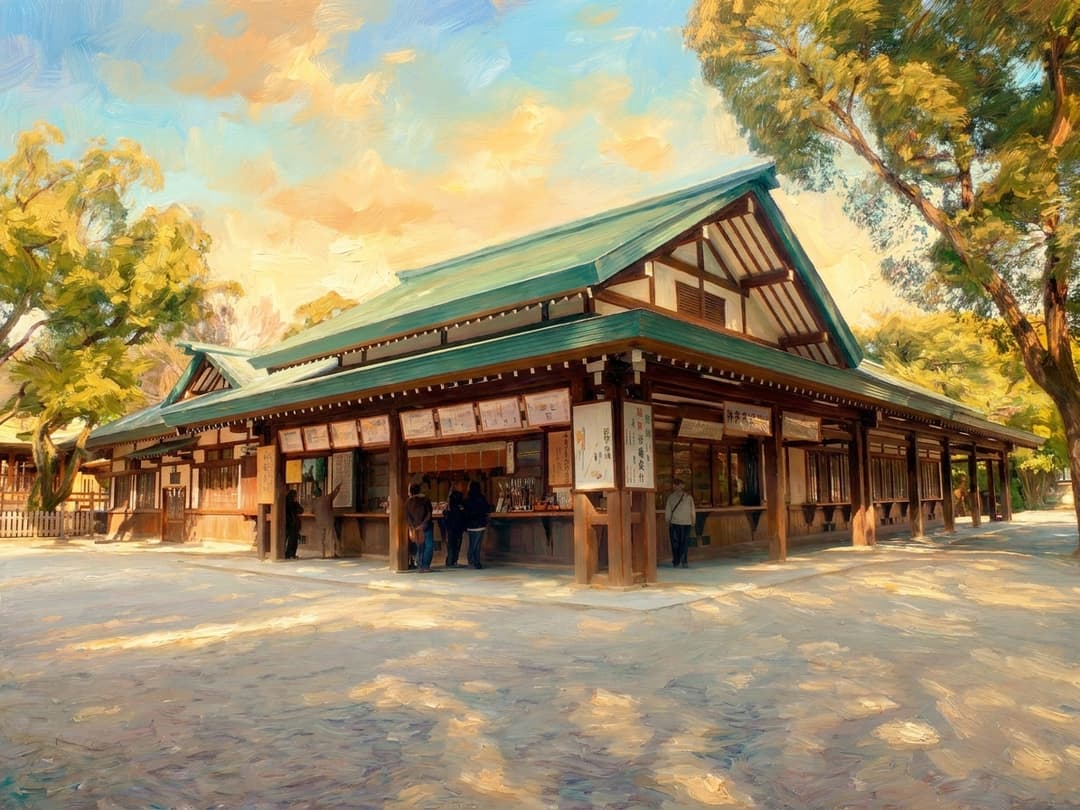
Santuario Atsuta
Un histórico santuario sintoísta en Nagoya, venerado como uno de los sitios culturales más importantes de Japón y hogar de la espada sagrada Kusanagi-no-Tsurugi.
Explorar →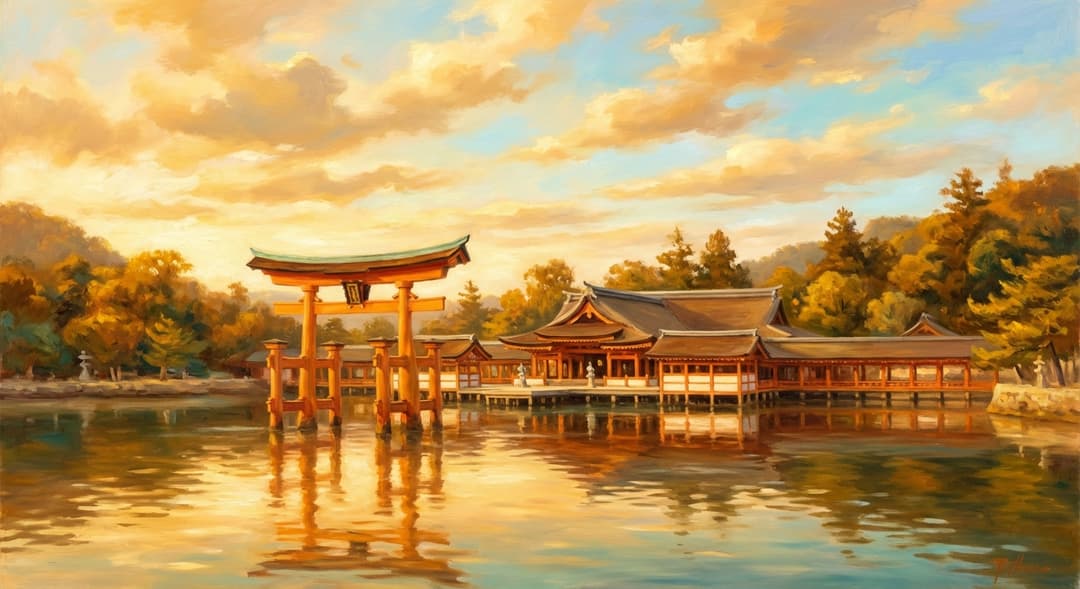
Santuario de Itsukushima
Un sitio Patrimonio de la Humanidad por la UNESCO, el Santuario de Itsukushima es famoso por su icónica puerta torii flotante y su serena belleza.
Explorar →
Tres Montañas de Dewa
Un lugar sagrado de peregrinación sintoísta en la prefectura de Yamagata, que encarna el ciclo del renacimiento a través del culto a la montaña y las prácticas de Shugendo.
Explorar →