מידע למבקרים
ביקור מסגד מוחמד עלי
ביקור במסגד מוחמד עלי מציע הצצה מדהימה לאדריכלות אימפריאלית עות'מאנית ולתרבות אסלאמית, השוכנת בין חומות מצודת צלאח א-דין ההיסטורית, מעל קהיר. הכיפה המרכזית הגבוהה של המסגד, הקליגרפיה המורכבת וקירות האלבסטר יוצרים אווירה של הוד שקט שמתגמלת חקירה איטית. המבקרים צריכים לתכנן לבלות כאן לפחות שעה, ולשלב את פנים המסגד עם נופים פנורמיים של קהיר ממרפסות המצודה. האתר הוא מקום פולחן פעיל, ולכן נדרשת לבוש צנוע, ובדרך כלל מסופקים כיסויי נעליים בכניסה.
דגשים
- התפעלו מהכיפה המרכזית המתנשאת והצריחים הדקים.
- העריכו את הקליגרפיה האסלאמית המורכבת וגילופי השיש באולם התפילה.
- בקרו בקברו של מוחמד עלי פאשה, דמות היסטורית משמעותית.
דברים שכדאי לדעת
- התלבשו בצניעות, כסו כתפיים וברכיים. כיסויי ראש עשויים להידרש לנשים.
- מותר לצלם, אך היו מכבדים והימנעו משימוש בפלאש.
- המצודה יכולה להיות צפופה, במיוחד בעונת התיירות.
מיקום
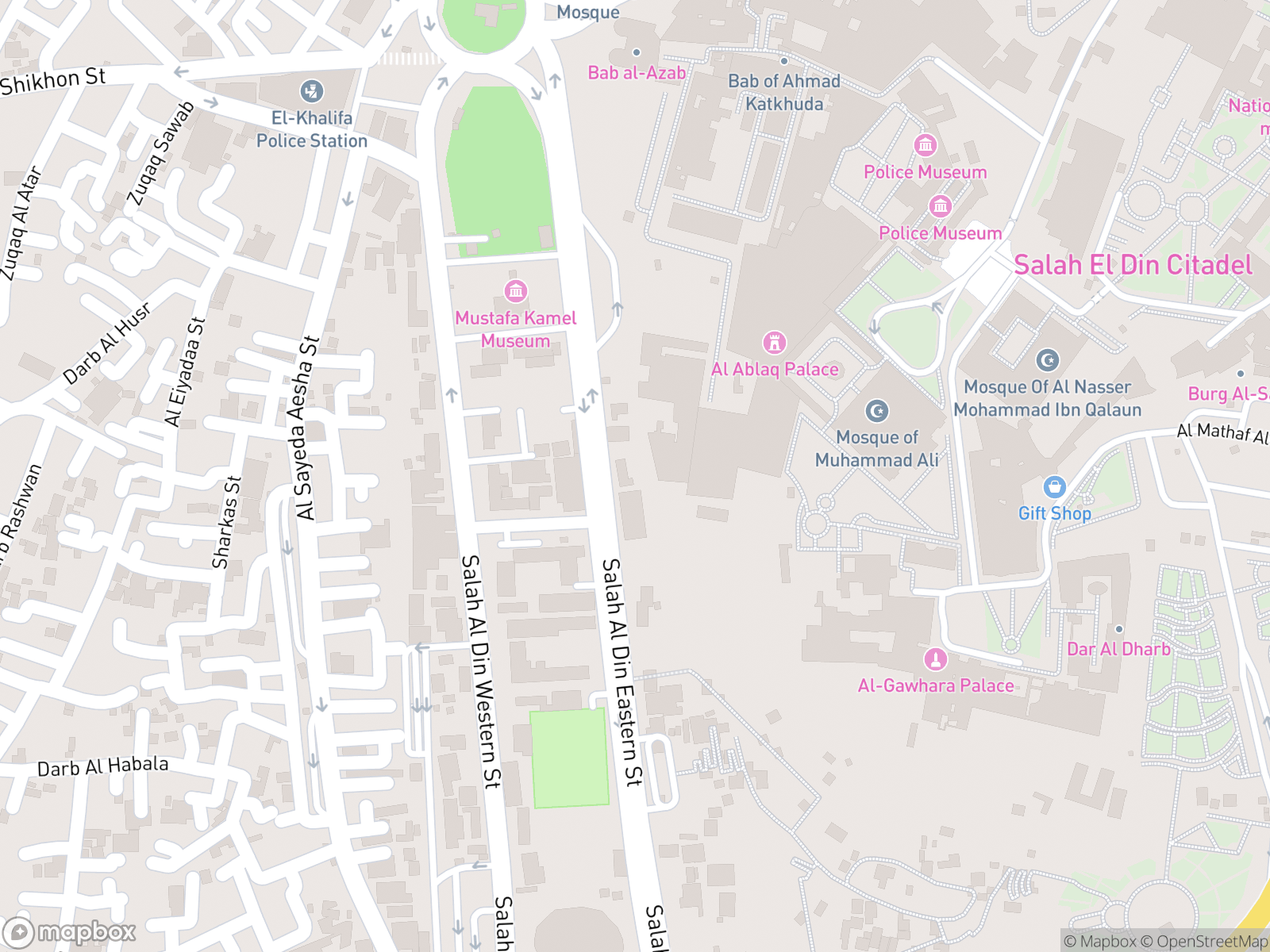
Al Abageyah, Qesm Al Khalifah, Cairo Governorate 4251101, Egypt
שעות פתיחה: בדרך כלל פתוח מדי יום בין השעות 9:00 בבוקר עד 17:00.
איך להגיע: נגיש באמצעות מונית, שירותי שיתוף נסיעות או תחבורה ציבורית. תחנת המטרו הקרובה ביותר היא צלאח א-דין, עם נסיעה קצרה במונית לכניסה למצודה.
הוראות הגעהטיפים לביקור
קוד לבוש
ודאו שאתם לבושים בצניעות כדי לכבד את האתר הדתי. נשים צריכות לכסות את ראשן, כתפיהן וברכיהן.
הזמן הטוב ביותר לבקר
בקרו מוקדם בבוקר כדי להימנע מהמונים וליהנות מחוויה שלווה יותר.
אודות
מסגד מוחמד עלי, הידוע גם בשם מסגד האלבסטר, ניצב כנקודת ציון בולטת בתוך מצודת צלאח א-דין בקהיר, מצרים. הוא הוזמן על ידי מוחמד עלי פאשה, המושל העות'מאני של מצרים, בנייתו החלה בשנת 1830 והסתיימה בשנת 1848, אם כי קישוט נרחב נמשך עד 1857. המסגד תוכנן על ידי האדריכל הטורקי יוסוף בושנאק, ששאב השראה ממסגד הסולטן אחמד באיסטנבול, המציג שילוב של סגנון אדריכלי עות'מאני עם כמה השפעות אירופיות.
המסגד מפורסם בשימוש שלו באלבסטר על קירותיו, מה שמעניק לו את שמו החלופי. הפריסה שלו כוללת מבנה מלבני המחולק לחלק מזרחי לתפילה וחצר מערבית. כיפה מרכזית, הנתמכת על ידי ארבעה עמודים מסיביים, שולטת בקו הרקיע, מוקפת בכיפות חצי וכיפות פינתיות קטנות יותר. שני צריחים דקים, מהגבוהים במצרים, תוחמים את המסגד, ומוסיפים להדרו.
בפנים, אולם התפילה מעוטר בקליגרפיה אסלאמית מורכבת, שיש מגולף ונברשות מדהימות. המחרב מציין את כיוון מכה, ומנחה את המתפללים בתפילותיהם. קברו של מוחמד עלי פאשה ממוקם בפינה הדרום-מזרחית של המסגד, בנוי משיש קררה. המסגד משמש לא רק כמקום פולחן אלא גם כסמל לשאיפתו של מוחמד עלי למודרניזציה של מצרים ולקשר שלו לאימפריה העות'מאנית.
גלריה
אלמנטים סמליים
החזית החיצונית של המקדש מציגה גילופים מורכבים, כל אחד עשיר במשמעות רוחנית:

Central Dome
הכיפה המרכזית הגדולה מסמלת את היקום ואת בריאת האל באדריכלות האיסלאמית. הוא מייצג את השמים ואת הטבע הכולל של האלוהי.

Minarets
המינרטים הדקים משמשים לקריאה למוסלמים לתפילה חמש פעמים ביום. גובהם מסמל את חשיבות המסגד ואת טווח ההגעה של הקריאה לתפילה, ומשמש כתזכורת ויזואלית לאמונה.
Mihrab
המיחרב הוא גומחה בקיר המציינת את כיוון הכעבה במכה, שאליה מתפללים המוסלמים. זהו מוקד באולם התפילה, המנחה את המתפללים במסירותם.

Islamic Calligraphy
קליגרפיה איסלאמית מורכבת מעטרת את הקירות, וכוללת פסוקים מהקוראן ושמות אללה והנביא מוחמד. כתובות אלה משמשות כצורת ביטוי אמנותי ותזכורת לתורות דתיות.

Ablutions Fountain
המזרקה בחצר משמשת לרחצה טקסית (טהרות) לפני התפילה. תהליך טיהור זה מסמל טיהור והכנה לקיום יחסי שותפות עם אלוהים.
Alabaster Walls
השימוש הנרחב בשיש על הקירות מעניק למסגד את שמו החלופי, מסגד השיש. שיש הוא חומר שקוף למחצה היוצר אפקט רך וזוהר, המסמל טוהר והארה רוחנית.

Ottoman Architecture
הסגנון האדריכלי העות'מאני של המסגד מייצג את הקשר של מוחמד עלי לאימפריה העות'מאנית ואת שאיפתו לחדש את מצרים. הוא משקף שילוב של השפעות איסלאמיות ואירופיות, המסמל התקדמות וחילופי תרבות.

Chandeliers
הנברשות המדהימות התלויות בתוך המסגד הן לא רק מקורות אור אלא גם סמלים של עושר ופאר. הם משקפים את העושר והעוצמה של מוחמד עלי פאשה ואת חשיבות המסגד כמקום פולחן.
עובדות מעניינות
המסגד הוא המסגד העות'מאני הגדול ביותר שנבנה במחצית הראשונה של המאה ה-19.
זהו המסגד הבולט ביותר בקו הרקיע של קהיר.
המסגד נבנה לזכרו של בנו הבכור של מוחמד עלי, טוסון פאשה.
העיצוב הושפע ממסגד הסולטן אחמד באיסטנבול.
המסגד ידוע גם בשם מסגד השיש בשל השימוש הנרחב בחומר.
מגדל שעון הנחושת בחצר היה מתנה מהמלך לואי פיליפ מצרפת.
המינרטים התאומים של המסגד הם הגבוהים ביותר במצרים, ומגיעים לגובה של 84 מטרים.
אולם התפילה הראשי יכול להכיל עד 10,000 מתפללים.
מוחמד עלי פאשה קבור בקבר בתוך המסגד.
המסגד ממוקם באתר של ארמונות ממלוכים לשעבר.
שאלות נפוצות
כיצד מכונה גם מסגד מוחמד עלי?
מסגד מוחמד עלי מכונה גם מסגד השיש בשל השימוש הנרחב בשיש בבנייתו.
היכן ממוקם מסגד מוחמד עלי?
המסגד ממוקם בתוך מצודת צלאח א-דין בקהיר, מצרים.
מתי נבנה מסגד מוחמד עלי?
הבנייה החלה בשנת 1830 והושלמה בשנת 1848, עם קישוט נרחב שהושלם בשנת 1857.
מי הזמין את מסגד מוחמד עלי?
המסגד הוזמן על ידי מוחמד עלי פאשה, המושל העות'מאני של מצרים.
איזה סגנון אדריכלי מציג המסגד?
המסגד מציג סגנון אדריכלי עות'מאני עם השפעות אירופאיות מסוימות, בהשראת מסגד הסולטן אחמד באיסטנבול.
האם יש קוד לבוש לביקור במסגד?
כן, נדרשת לבוש צנוע. נשים חייבות לכסות את ראשן וכתפיהן, וגברים חייבים ללבוש מכנסיים ארוכים.
סיפורים מומלצים
מתנת מגדל השעון
1845
בשנת 1845, המלך לואי פיליפ מצרפת העניק במתנה מגדל שעון נחושת למוחמד עלי פאשה, כמחווה של רצון טוב דיפלומטי וחילופי תרבות. מגדל שעון זה, שהוא כיום מאפיין בולט בחצר המסגד, הוחלף באובליסק של לוקסור, העומד כעת בכיכר הקונקורד בפריז. חילופי דברים אלה מסמלים את היחסים המורכבים בין מצרים לאירופה במהלך המאה ה-19, המסומנים הן בשיתוף פעולה והן בהשפעה קולוניאלית.
מגדל השעון, אם כי נועד כסמל של מודרניזציה וקידמה, על פי הדיווחים מעולם לא פעל כראוי, תזכורת נוקבת לאתגרים שעמדו בפני מוחמד עלי במאמציו לשנות את מצרים. למרות חסרונותיו המכניים, מגדל השעון נותר עדות לשאיפה ולחזון של מוחמד עלי והמלך לואי פיליפ כאחד, ועומד כעד שקט לחלוף הזמן ולגאות ולשפל של ההיסטוריה.
מקור: Egypt Uncovered
בנייה לזכר
1830–1848
הבנייה של מסגד מוחמד עלי החלה בשנת 1830, ביוזמתו של מוחמד עלי פאשה כפרויקט גרנדיוזי לביסוס מורשתו ולחידוש קו הרקיע של קהיר. עם זאת, המסגד שימש גם כאנדרטה לבנו הבכור, טוסון פאשה, שמת בשנת 1816. מיקומו של המסגד באתר של ארמונות ממלוכים שנהרסו היה הצהרה מכוונת על כוחו של מוחמד עלי ועל ניתוקו מהעבר.
ככל שהמסגד עלה, הוא הפך לסמל לשאיפתו של מוחמד עלי ולרצונו ליצור השפעה מתמשכת על מצרים. הפרטים המורכבים, מקירות השיש ועד למינרטים המתנשאים, שיקפו את מחויבותו למצוינות ואת חזונו למצרים מודרנית ומשגשגת. המסגד, אם כן, עומד לא רק כמקום פולחן אלא גם כאנדרטה לאהבת אב ולחזון של מנהיג.
מקור: Cairo Top Tours
הזוהר הזוהר של השיש
1857
מסגד מוחמד עלי מכונה לעתים קרובות מסגד השיש בשל השימוש הנרחב בחומר שקוף למחצה זה בבנייתו. הבחירה בשיש לא הייתה רק אסתטית; זה היה סמלי מאוד. שיש, עם הזוהר הרך והזוהר שלו, נועד לעורר תחושה של טוהר והארה רוחנית, וליצור אווירה של יראה ושלווה בתוך המסגד.
קירות השיש, המוארים על ידי השמש במהלך היום ועל ידי נברשות בלילה, מטילים אור עדין ואוורירי בכל אולם התפילה. אור זה, בשילוב עם הקליגרפיה האיסלאמית המורכבת והפאר של האדריכלות, יוצר חלל המעורר יראה ומסירות. מסגד השיש, אם כן, הוא לא רק בניין; זהו מקדש של אור ורוחניות, עדות לעוצמת האמונה וליופי האמנות.
מקור: Islamic Architectural Heritage
ציר הזמן
מוחמד עלי מונה למושל
מוחמד עלי פאשה מתמנה למושל העות'מאני של מצרים, ומסמן את תחילת שלטונו.
אבן דרךחיסול הממלוכים
מוחמד עלי מחסל את הממלוכים שנותרו, ומבסס את כוחו במצרים.
אירועמותו של טוסון פאשה
מותו של טוסון פאשה, בנו הבכור של מוחמד עלי, שהמסגד יוקדש לו מאוחר יותר לזכרו.
אירועתחילת הבנייה
הבנייה של מסגד מוחמד עלי מתחילה באתר של ארמונות ממלוכים שנהרסו בתוך מצודת צלאח א-דין.
component.timeline.groundbreakingמגדל שעון במתנה
מגדל שעון נחושת ניתן במתנה למוחמד עלי פאשה על ידי המלך לואי פיליפ מצרפת.
אירועמותו של מוחמד עלי
מותו של מוחמד עלי פאשה. בניית המסגד הושלמה ברובה.
אירועקבורתו של מוחמד עלי
מוחמד עלי פאשה נפטר ונקבר בקבר שהוכן בתוך המסגד.
הקדשההשלמת הקישוט
קישוט נרחב של המסגד הושלם בתקופת שלטונו של סעיד פאשה. גופתו של מוחמד עלי פאשה מועברת למסגד מחוש אל-באשה.
אבן דרךסימני סדקים
המסגד מתחיל להראות סימני סדקים, מה שמעורר חששות לגבי השלמות המבנית שלו.
שיפוץהזמנת תוכנית שיקום
המלך פואד מצווה על תוכנית שיקום מלאה לטיפול בסדקים והידרדרות של המסגד.
שיפוץהשלמת השיקום
השיקום הושלם תחת המלך פארוק הראשון, והמסגד נפתח מחדש. המלך פארוק מזמין בימה חדשה משיש.
שיפוץמאמצי שימור מתמשכים
מאמצים מתמשכים לשמר ולתחזק את המסגד כציון דרך היסטורי ותרבותי משמעותי.
שיפוץאדריכלות ומתקנים
משמעות דתית
מסגד מוחמד עלי ניצב כאחד האתרים הקדושים ביותר באסלאם, המגלם את הקשר העמוק בין המאמינים המוסלמים לבוראם. בתיאולוגיה האסלאמית, מסגדים אינם רק מקומות לתפילה קהילתית אלא נחשבים לבתי אללה (Baytullah), שבהם הנוכחות האלוהית מורגשת במיוחד ושבה קהילת המאמינים (אומה) מתכנסת כדי למלא את חובותיהם הרוחניות. למסגד זה יש מעמד ייחודי ונשגב בהיסטוריה, במסורת ובעבודת היומיום האסלאמית.
המסגד משמש כמרחב קדוש לביצוע צלאה (תפילה טקסית), דקלום ולימוד הקוראן וטיפוח טקווה (תודעת אלוהים). זהו מרכז של חיים רוחניים שבו מוסלמים מתאספים חמש פעמים ביום כדי להשתחוות בפני אללה, לבקש סליחה, להביע הכרת תודה ולחזק את קשרי האחווה המאחדים את הקהילה המוסלמית העולמית.
פולחנות קדושים
צלאה (תפילה טקסית)
מוסלמים מבצעים את חמש התפילות היומיות החובה (פג'ר, זוהר, אסר, מגריב ועישה) מול הקיבלה - הכיוון של הכעבה במכה. כל תפילה כוללת רצף של עמידה, קידה, השתחוות וישיבה, בליווי דקלום קוראני ותחינה. תפילה המתבצעת בקהילה במסגד נחשבת כנושאת פי עשרים ושבעה מהשכר של תפילה אישית.
ג'ומעה (תפילת יום שישי)
תפילת יום שישי היא ההתכנסות השבועית החשובה ביותר של הקהילה המוסלמית. היא כוללת דרשה (ח'וטבה) שנמסרה על ידי האימאם, ואחריה תפילה קהילתית מקוצרת. נוכחות חובה לגברים מוסלמים בוגרים ונחשבת לאבן יסוד של פולחן קהילתי אסלאמי.
ד'יכר ודקלום קוראן
מתפללים עוסקים בד'יכר (זיכרון אללה) באמצעות חזרה על שמותיו ותכונותיו, ובדקלום הקוראן, שמאמינים שהוא המילה המילולית של אלוהים שנגלתה לנביא מוחמד. פרקטיקות אלה נחשבות לאמצעים רבי עוצמה לטיהור רוחני ולהתקרבות לאלוהי.
דואה (תחינה)
מאמינים מציעים תפילות אישיות ותחנונים לאללה, ומבקשים הדרכה, רחמים וברכות. המסגד נחשב למקום מבשר טובות במיוחד לדואה, שכן מעשה ההשתחוות בתפילה מביא את המתפלל קרוב ביותר לאללה.
קשר חמשת העמודים
המסגד משמש כמרכז הפיזי והרוחני למילוי כמה מחמשת עמודי האסלאם - מעשי הפולחן הבסיסיים המגדירים את החיים המוסלמים. צלאה (תפילה) מתבצעת כאן חמש פעמים ביום; זכאת (נתינה צדקה) נאספת ומחולקת לעתים קרובות דרך המסגד; ובמהלך הרמדאן, המסגד הופך למרכז לאיפטאר קהילתי (שבירת הצום) ותפילות לילה ארוכות של תראוויח. המסגד מתפקד אפוא כלב הפועם של התרגול הרוחני האסלאמי, ומחבר מסירות אישית לחובה קהילתית.
אדריכלות כפולחן
אדריכלות אסלאמית היא עצמה ביטוי של פולחן - כל כיפה, צריח ודפוס גיאומטרי משקפים את העקרונות האסלאמיים של אחדות (תווחיד), יופי (איהסאן) וסדר. היעדר דימויים פיגורטיביים מפנה את תשומת הלב של המתפלל לעבר הטרנסצנדנטי, בעוד שהדפוסים הגיאומטריים המורכבים והקליגרפיה המעטרים את הקירות מייצגים את טבעו האינסופי של אללה. עיצוב המסגד יוצר אווירה של שלווה ויראה המאפשרת את הצורות העמוקות ביותר של התבוננות רוחנית וכניעה לרצון האלוהי.
מקורות ומחקר
כל עובדה ב-Temples.org מגובה על ידי מקורות ומחקר מאומתים. כל פריט מידע מדורג לפי רמת מקור ואמינות.
צפה בכל המקורות (8)
| שדה | מקור | רמה | אוחזר |
|---|---|---|---|
| General Information | Egyptian Monuments (opens in a new tab) | A | 2024-01-01 |
| History and Architecture | Egypt Uncovered (opens in a new tab) | C | 2024-01-01 |
| Architectural Details | Cairo Top Tours (opens in a new tab) | D | 2024-01-01 |
| Location and Overview | Egypt Day Tours (opens in a new tab) | D | 2024-01-01 |
| Historical Context | Memphis Tours (opens in a new tab) | D | 2024-01-01 |
| Ministry of Tourism Information | State Information Service (Egypt) (opens in a new tab) | A | 2024-01-01 |
| Architectural Heritage | Islamic Architectural Heritage (opens in a new tab) | B | 2024-01-01 |
| Tour Information | Egypt Tours Plus (opens in a new tab) | D | 2024-01-01 |