


Itsukushima Shrine (Temple)

A Sanctuary of Serenity and Tradition

A breathtaking fusion of spiritual elegance and natural beauty, anchored by centuries of devotion and cultural heritage.

מבוא

Embark on a serene journey to the Itsukushima Shrine, a place where spirituality meets the tranquil beauty of nature.

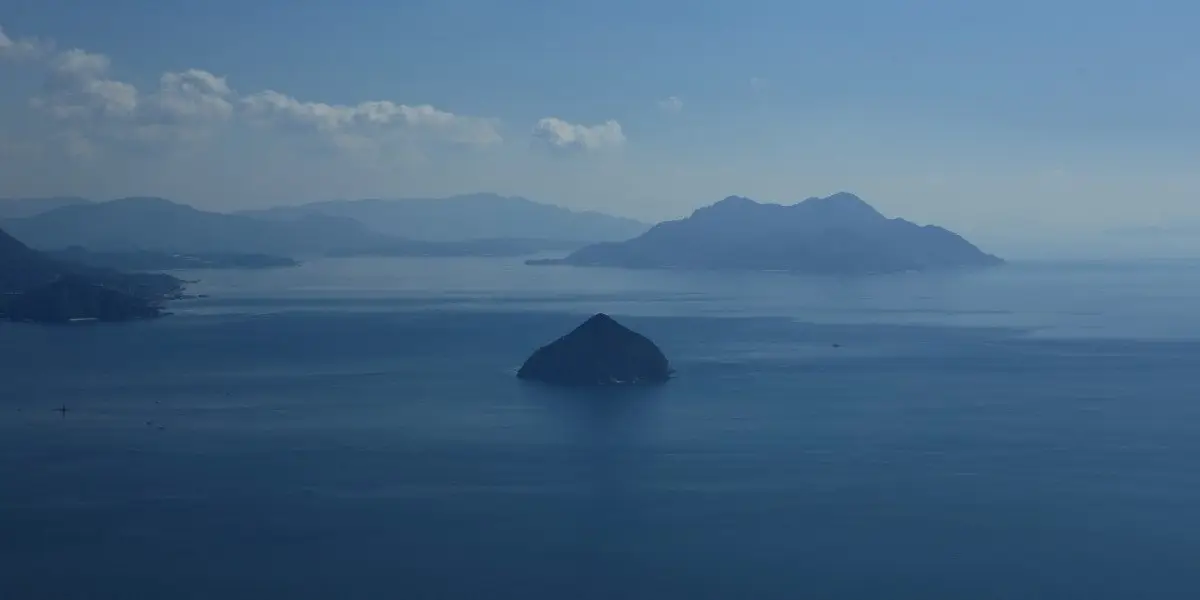
Picture a serene, floating marvel, gracefully blending with the scenic backdrop of Miyajima Island.

It’s not just a shrine; it’s a gateway to a timeless world, where every structure tells a story of devotion and tradition.

מפה של מקדש איצוקושימה (בית המקדש)

מידע מבקרים

שעות ביקור:

פתוח כל השנה, עם שעות משתנות לפי עונה.

קוד לבוש:

למרות שאין קוד לבוש רשמי לביקור במקדש, מומלץ מאוד להנעלה נוחה.

הזמנים הטובים ביותר לבקר:

Early spring and late autumn offer mild weather and fewer crowds. The autumn leaves and spring blossoms provide a breathtaking setting.

אטרקציות בקרבת מקום

Nestled on the scenic Miyajima Island, Itsukushima Shrine is surrounded by lush forests, ancient temples, and friendly deer, making it a perfect blend of cultural and natural exploration.

Mount Misen

Embark on a spiritual hike up Mount Misen, where panoramic views and serene trails offer a glimpse of divine beauty.

Daisho-in Temple

Discover tranquility at Daisho-in Temple, a sacred site featuring intricate statues, peaceful gardens, and spiritual experiences.

Senjokaku

Visit Senjokaku, the Pavilion of 1000 Mats, a vast wooden hall that invites contemplation and offers stunning views of the island and sea.

"Japanese mind is synonymous with Shinto mind."
~ William Gleason

מעניין

עובדות

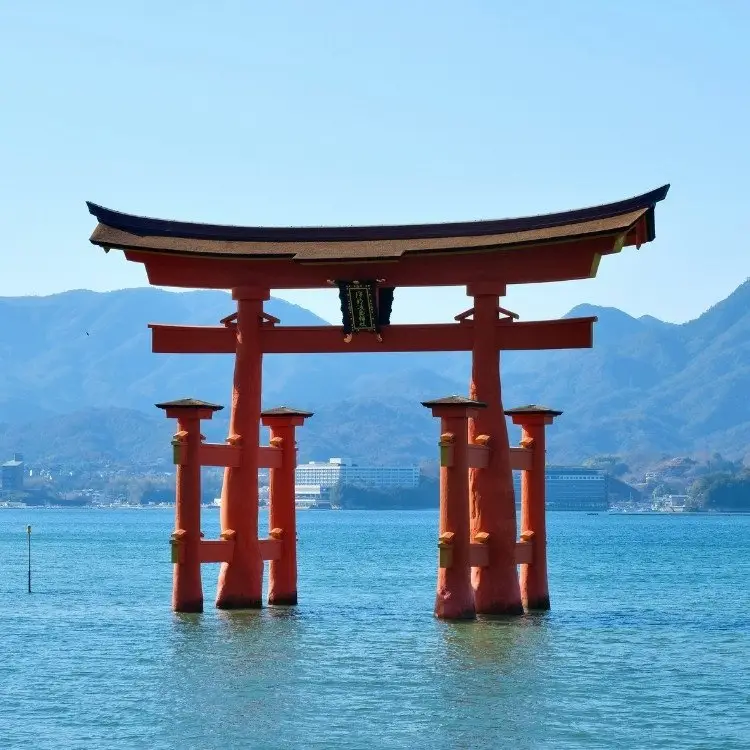
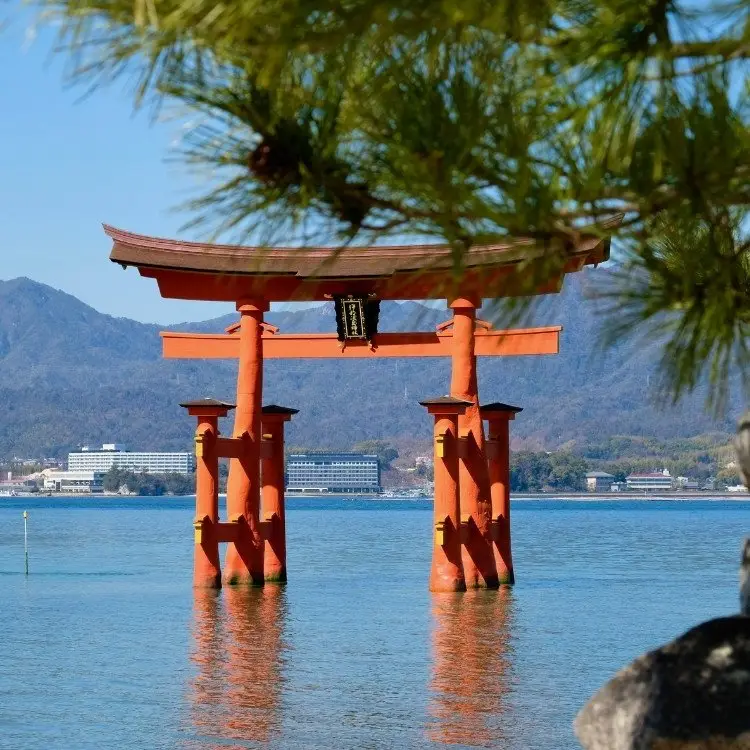
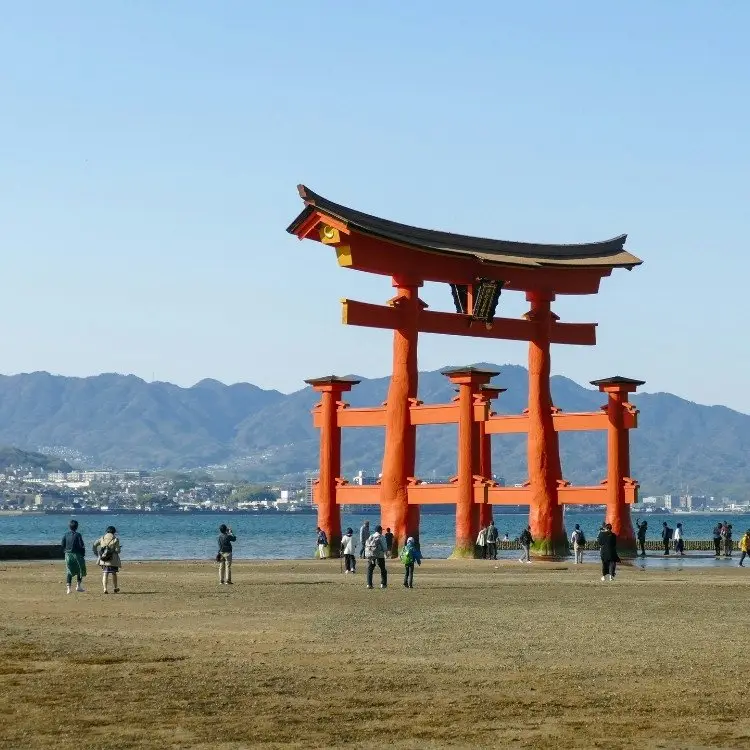
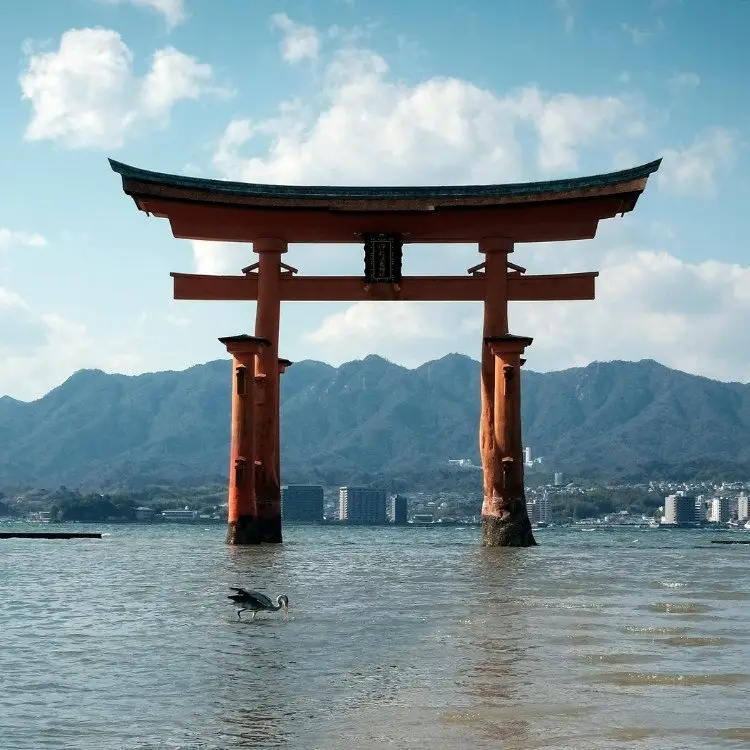
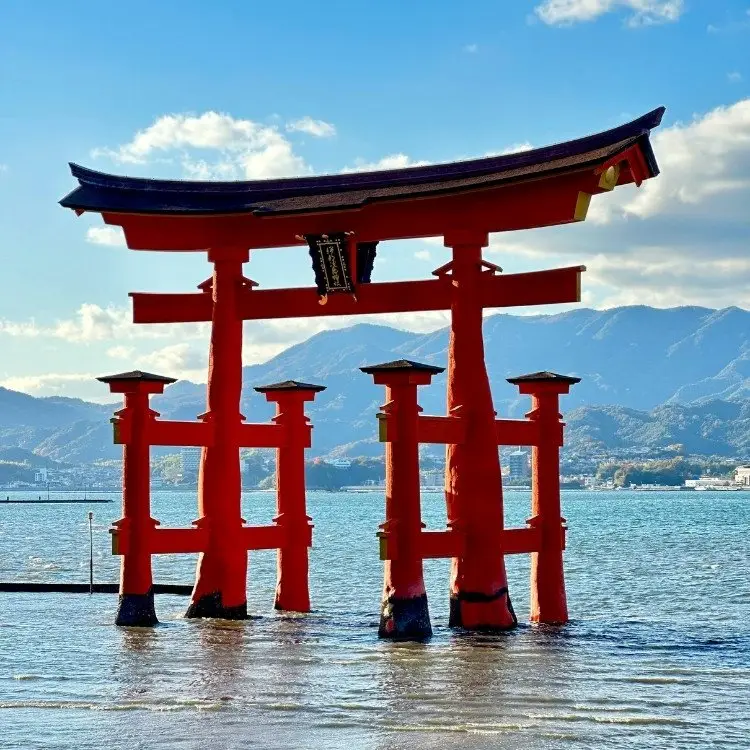
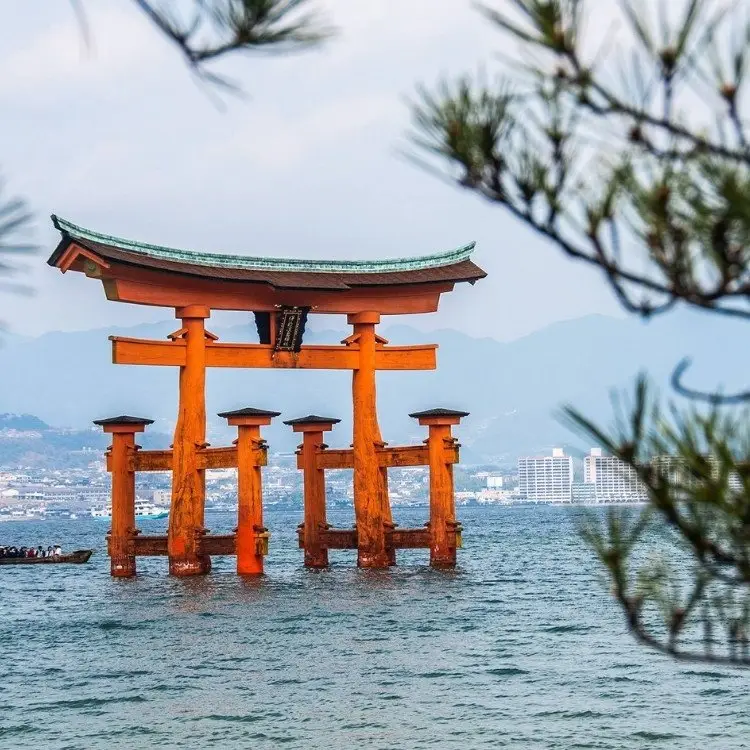
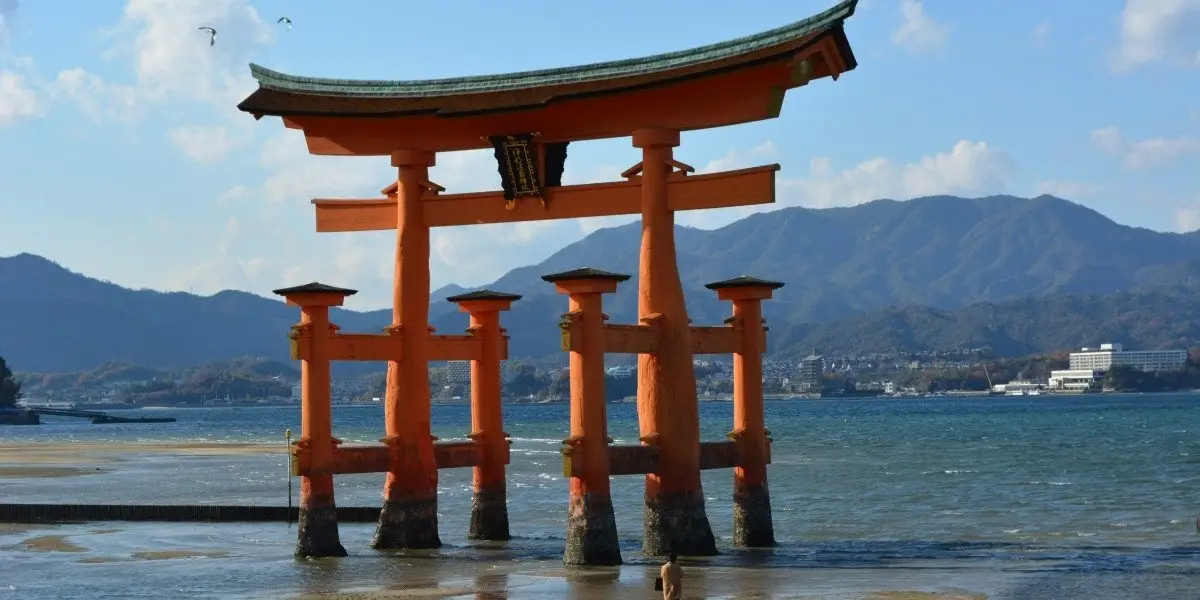
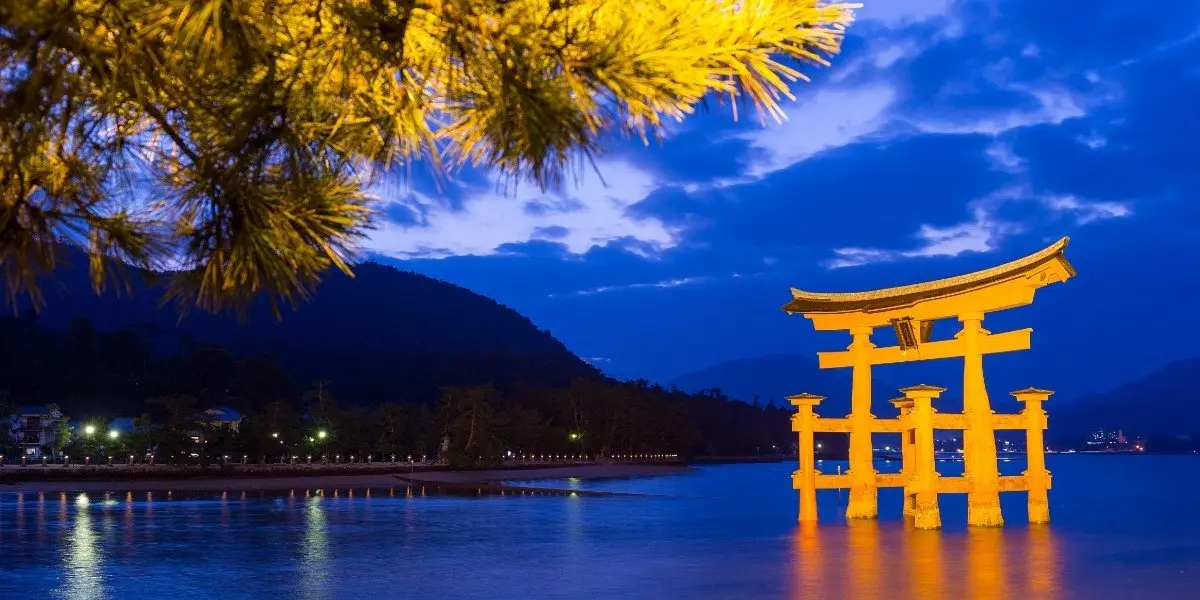
Home of the iconic "floating" Torii Gate.

Designated as a UNESCO World Heritage Site.

Famous for its elaborate Shinden-zukuri style.

Torii (Shinto) Banner image

The shrine complex includes several buildings,

Believed to be the site where gods and spirits converge.

A popular site for traditional Shinto weddings.

Andrea T
Andrea T
Amazing temple
מקדש מדהים שביקרתי בו במהלך טיול יום מהירושימה. נותר אחד האטרקציות היפות ביותר שראיתי במהלך הטיול שלי ליפן, בהחלט אסור לפספס.
nu.d mingkwan
nu.d mingkwan
Popular tourist destination.
This popular tourist destination is teeming with visitors and even more deer, all of whom are quite harmless. I spent more time taking pictures with the deer than I did with the torii gates. I recommend visiting early in the morning, as I encountered a large influx of tourists arriving by boat when I was about to leave.
MissPerkyAK
MissPerkyAK
Worth a Night Stay
זהו אתר חובה אם אתם באזור. הימנעו מההמונים על ידי לינה באחד המלונות. תוכלו לצאת לשער בזמן שפל מוקדם בבוקר לפני שהמעבורת הראשונה מגיעה. תוכלו גם לחקור ולצלם תמונות בלי ההמונים העצומים. המקום נהיה צפוף מאוד עד 11 בבוקר, אז היו מוכנים אם אתם מגיעים מאוחר יותר באותו היום. השער הוא באמת פלא. צילמתי אותו לאורך כל היום ונהניתי מכל רגע. באתי עם אמא שלי ונהנינו מאוד. אני לא חושב שילדי בגיל בית ספר יסודי היו נהנים/מעריכים את החוויה.
erica danielsen
erica danielsen
Definitely recommend.
Love everything about this destination. Have been during high and low tide, and when the cherry blossoms are in bloom and it’s amazing. Local shopping super cute, deers are sassy. Definitely recommend. Each visit to Hiroshima I will always do a trip here. Can’t wait to return ✌🏼🫶🏼
Sue S
Sue S
Iconic spot in Japan
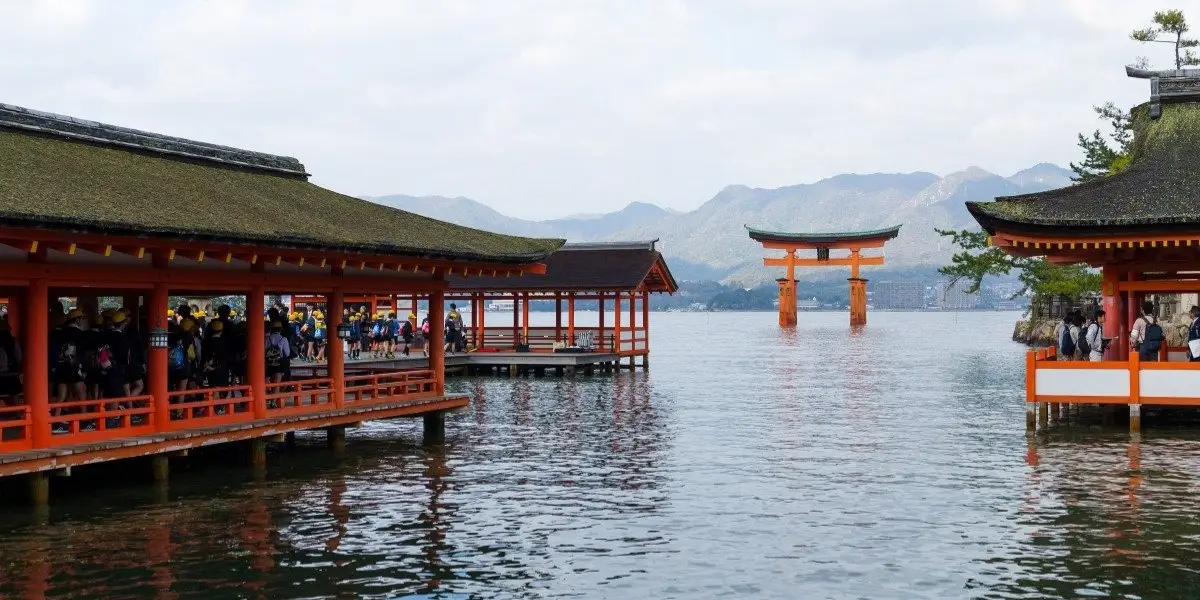
אם אתם בהירושימה, אתם חייבים לבקר במקדש השינטו הזה שנבנה בשנת 593. הנסיעה במעבורת ואינטראקציה עם ילדים יפנים בטיולי בית ספר סיפקו חוויה תרבותית נפלאה. בשעת גאות המקדש נראה כאילו הוא צף במים. הוא נחשב לאחד משלושת האתרים הנופיים המובילים ביפן. היה שם חוף מקסים והרבה חנויות ומקומות לקנות אוכל. איילים מאולפים משוטטים ברחבי המתחם. החיסרון העיקרי היה ההמונים העצומים. אם יש לכם זמן, השתמשו ברכבל לתצפיות טובות עוד יותר.

פוסטים קשורים

סיפורים מרתקים

של מקדש איצוקושימה

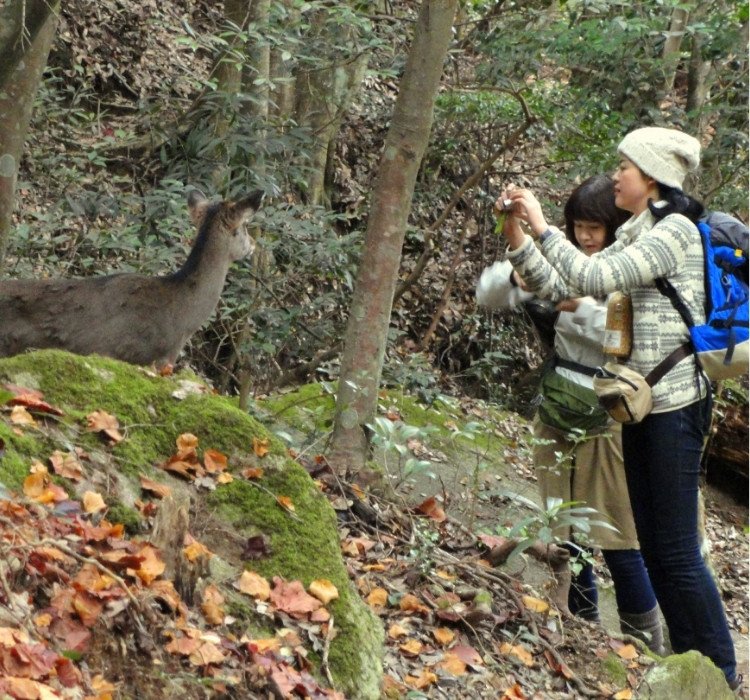
Legend holds that deer roam freely in Miyajima, the island home to Itsukushima Shrine, believed to be sacred messengers of the Shinto gods.

These gentle creatures, mingling among visitors, embody the island's sacredness and the shrine's serene harmony with nature.

A visit to Itsukushima is as much about encountering these divine messengers as it is about experiencing the shrine's spiritual ambiance, reminding us of the profound bond between the divine, nature, and humanity.


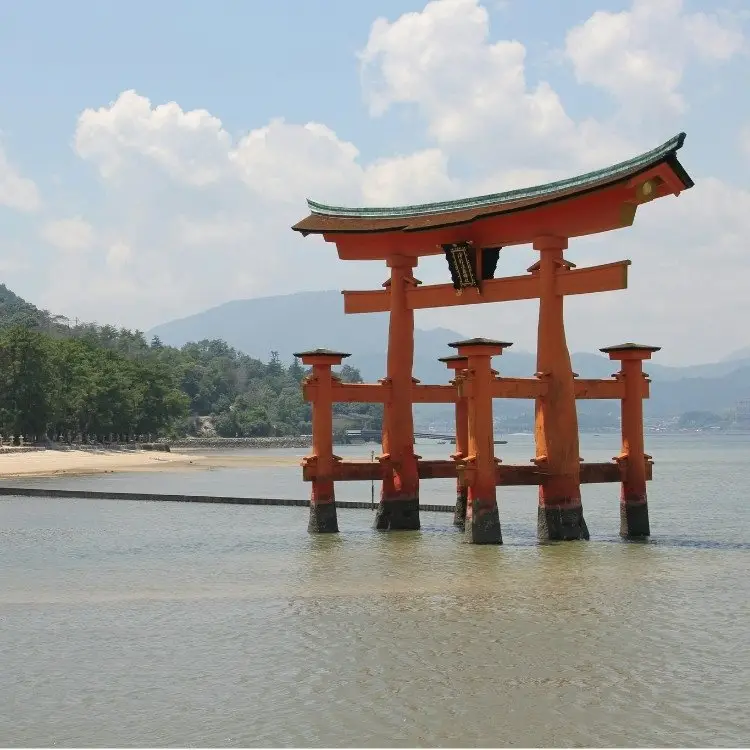
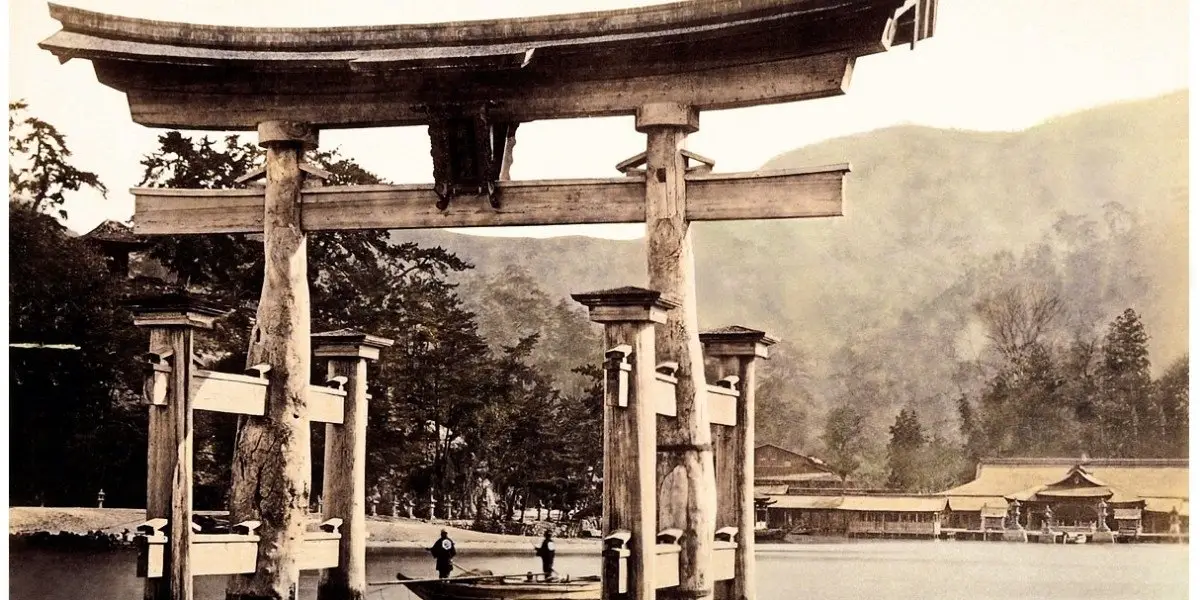
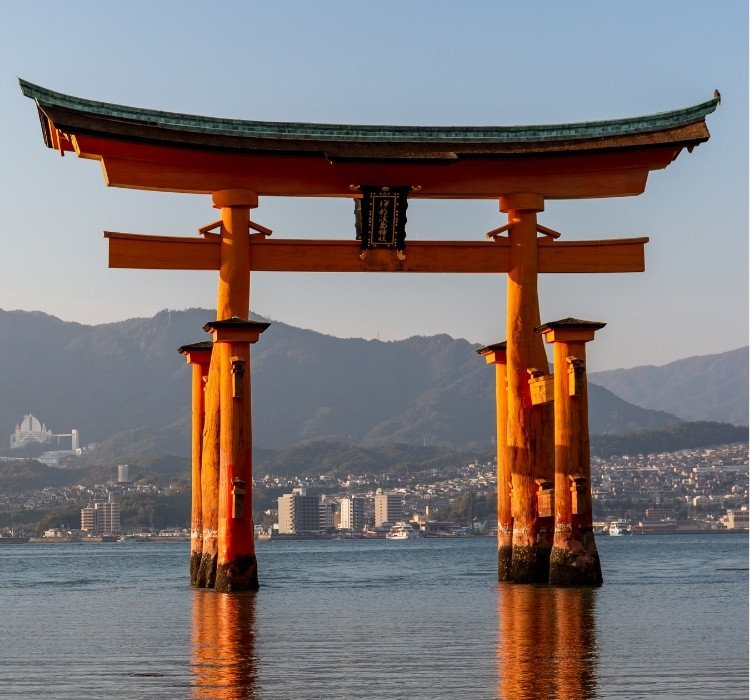
The iconic Torii Gate of Itsukushima Shrine, seemingly afloat on the waters during high tide, has captivated hearts for centuries.

This awe-inspiring sight represents the boundary between the spirit and the human worlds, a gateway guiding pilgrims from the mundane to the sacred.

Crafted without nails, its resilience against time and tide symbolizes the enduring nature of faith and the shrine's spiritual guardianship over the island and its inhabitants.
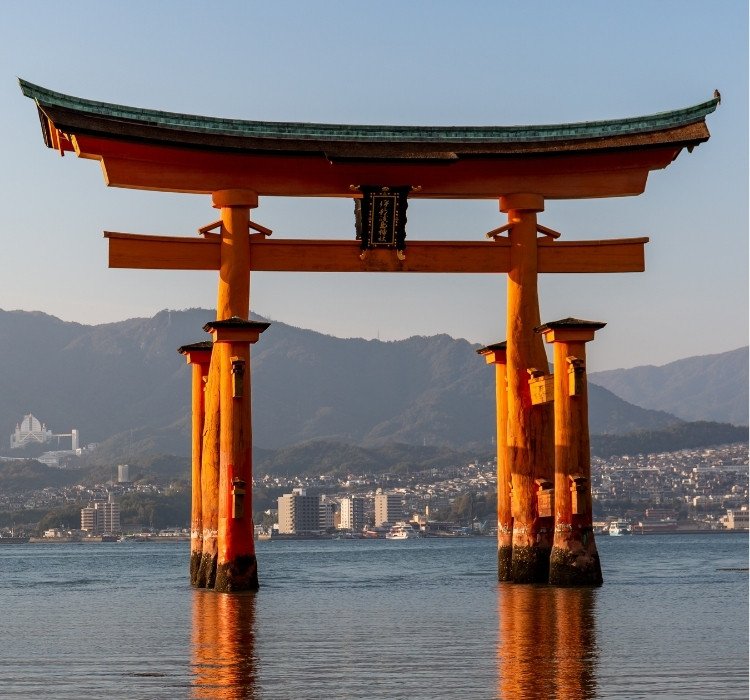
Itsukushima Shrine has withstood many challenges through the ages, from natural disasters to political upheaval.

Remarkably, it has maintained its original form since the 12th century, thanks to the meticulous care and reverence of those who uphold its legacy.

This resilience mirrors the unwavering spirit of the people and their deep-rooted connection to their heritage and beliefs, making the shrine not only a symbol of architectural endurance but also of the enduring human spirit.
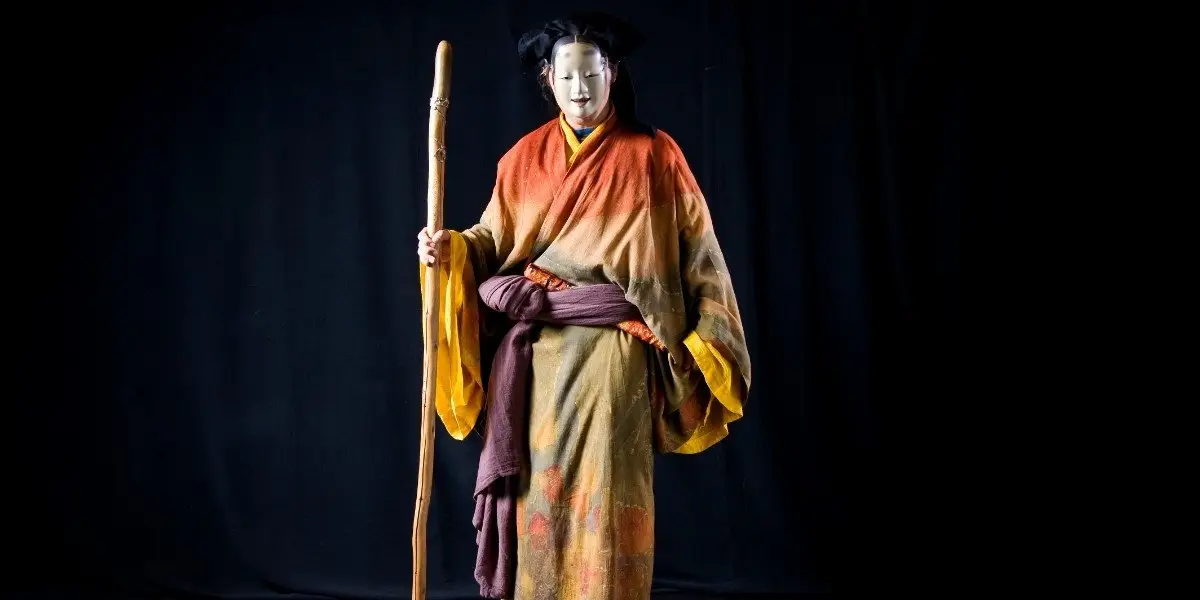
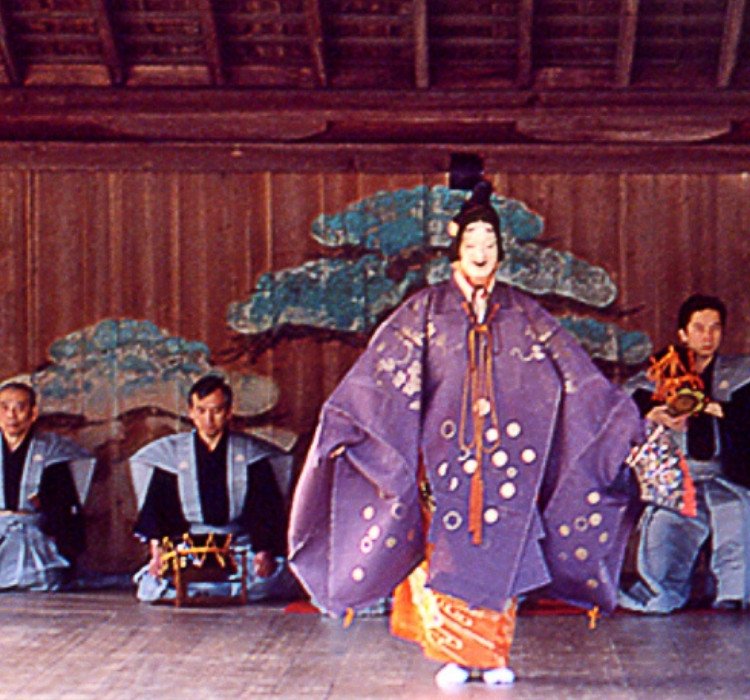
Itsukushima Shrine is renowned for hosting Bugaku and Noh performances, traditional Japanese performing arts that date back centuries.

These performances, held on the shrine's stage against the backdrop of the Seto Inland Sea, are more than mere entertainment; they are sacred offerings to the deities.

The intricate dances and dramatic stories enacted here are imbued with prayers for peace, prosperity, and harmony, echoing the shrine's role as a beacon of spiritual and cultural preservation.
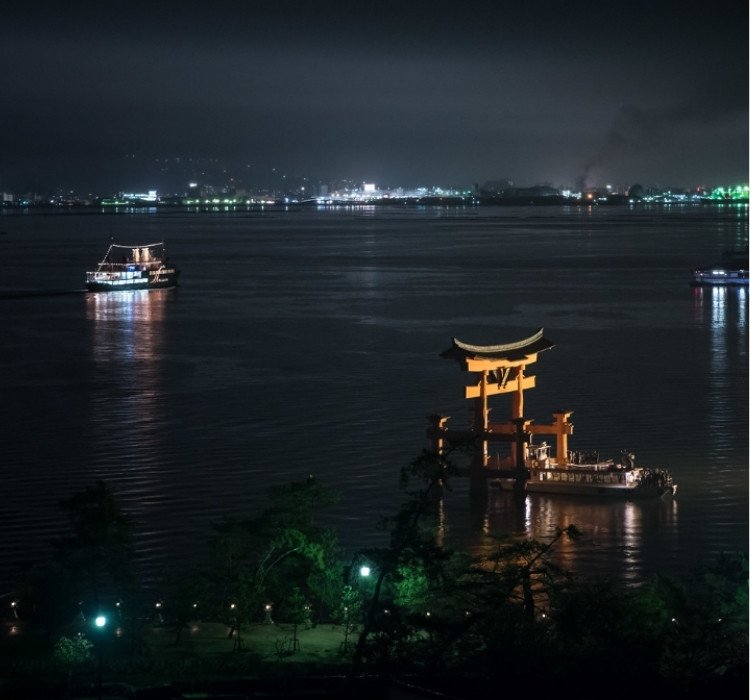
מדי שנה, המקדש הופך למחזה של צבע, צליל ואור במהלך קאנגן-סאי, שהוא הפסטיבל הגדול ביותר במקדש. במהלך פסטיבל צף זה, מוזיקאים מנגנים מוזיקה יפנית קלאסית על סירה מעוטרת, נגררים בין מקדש איצוקושימה למקדשים אחרים באזור, ולאחר מכן מוזמנים לחזור לאיצוקושימה על ידי באי הפסטיבל המחזיקים פנסים על החוף.

למרות שאירוע זה מקורו לפני למעלה מאלף שנה כצורת בידור לאצולה, כיום הוא מתקיים לכבוד אלי השינטו.

זוהי תזכורת נוגעת ללב לחשיבותה של המסורת ולנתיב הזוהר של האמונה המנחה אותנו דרך החושך.
Tucked away behind Itsukushima Shrine is Momijidani Park, known as the Maple Valley, where time seems to stand still among the ancient maples.

גן נסתר זה, שנחשב זה מכבר לאתר קדוש במיאג'ימה, ממשיך להציע מקלט לאלו המחפשים נחמה והרהור.

The rustling leaves and the tranquil streams whisper the ancient tales of the shrine, inviting visitors to connect with the deeper, quieter rhythms of nature and spirit.
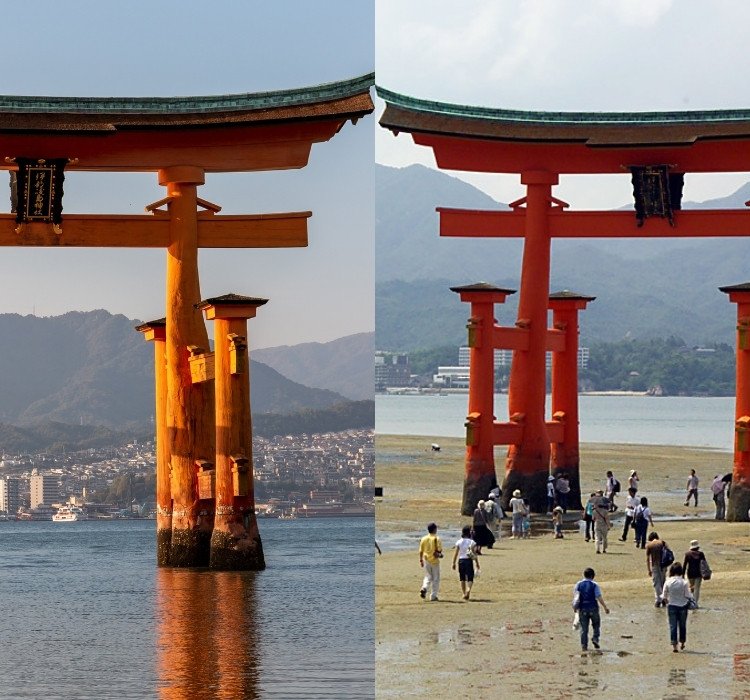
The architectural genius of Itsukushima Shrine is its unique design that accommodates the ebb and flow of the tides.

The shrine and its Torii Gate, built over water, demonstrate an extraordinary harmony with the natural world, embodying the Shinto reverence for nature.

This dynamic relationship with the tides offers visitors two distinct experiences: the serenity of a "floating" shrine at high tide and the opportunity to walk out to the Torii Gate during low tide, symbolizing the ever-changing yet constant nature of life.
במהלך טקס הליכה באש, פסטיבל בודהיסטי סתווי הנערך במקדש דאישוין, שטחי מקדש איצוקושימה הופכים לבמה קדושה לטקס יוצא דופן זה.

אירוע זה אינו רק תצוגה של סיבולת פיזית, אלא ביטוי עמוק של טיהור רוחני. המשתתפים הולכים יחפים על גחלים בוערות, ומסמלים את מסירותם להתגברות על מכשולים עולמיים ולהשגת הארה רוחנית. הטקס מגלם את הקשר העמוק של המקדש למסורות הבודהיסטיות, תוך הדגשת יחסי הגומלין ההרמוניים בין נחישות אנושית לאלוהי.

כשהשמש שוקעת ושטחי המקדש מוארים בזוהר האש, האווירה מתמלאת בתחושה מוחשית של יראת כבוד ויראת כבוד, המושכת את המאמינים והצופים כאחד להיות עדים למעשה רב העוצמה הזה של אמונה וטרנספורמציה.

Itsukushima Shrine is not just a spiritual landmark but also a custodian of art and culture, housing precious artifacts and artworks that span centuries.

These treasures, from elaborate Heian period costumes to ancient weapons and scrolls, are not merely historical items; they represent the living heritage of the shrine and its central role in the preservation and celebration of Japanese culture and artistic expression.

ציר זמן של מקדש איצוקושימה (בית המקדש)

6th Century

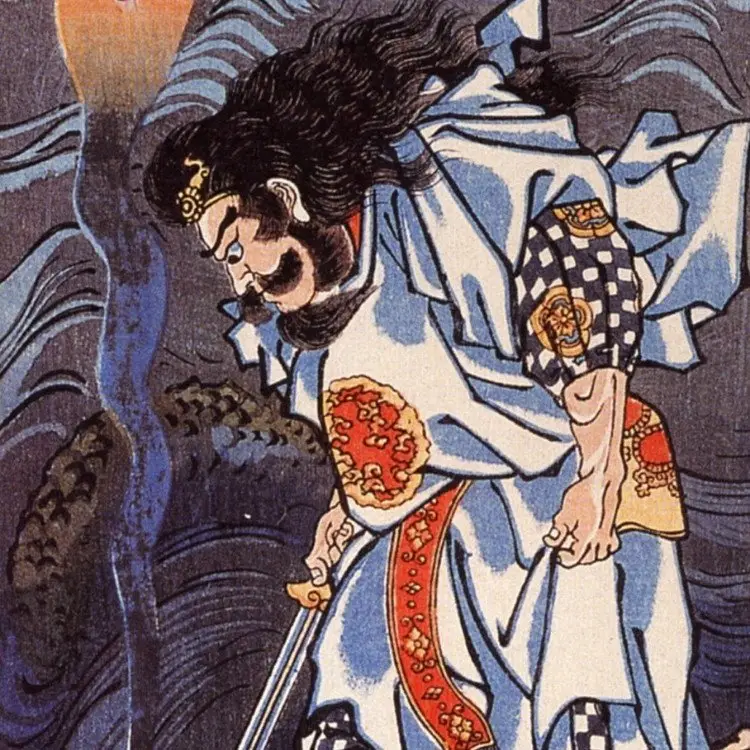
The origins of Itsukushima Shrine trace back to this period, with the establishment of a simple shrine on Miyajima Island to worship the three daughters of Susano-o no Mikoto, Shinto god of seas and storms.

1168

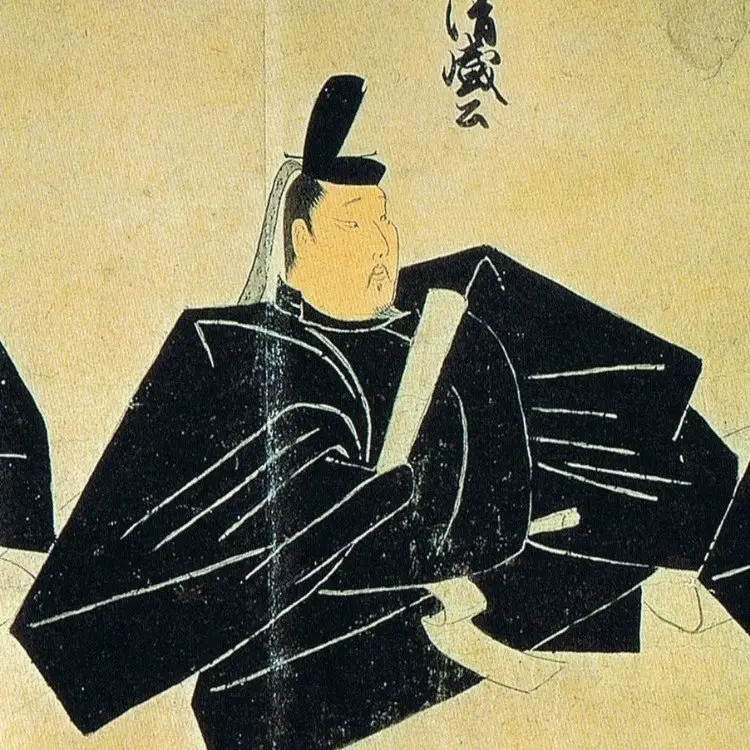
Taira no Kiyomori, a powerful clan leader of the Heian period, commissions the construction of the grand Itsukushima Shrine, enhancing its spiritual and architectural significance.

1168

Taira no Kiyomori, a powerful clan leader of the Heian period, commissions the construction of the grand Itsukushima Shrine, enhancing its spiritual and architectural significance.

12th to 13th Century

The shrine’s unique floating Torii Gate and main hall are constructed, embodying the Heian period’s elegance and the harmonious blend with nature, setting the foundation for its iconic status.

Late 16th Century

The shrine undergoes major renovations under the patronage of warlord Mori Motonari, further solidifying its structure and cultural prominence.

Late 16th Century

The shrine undergoes major renovations under the patronage of warlord Mori Motonari, further solidifying its structure and cultural prominence.

1923

Itsukushima Shrine is designated as a site of scenic beauty and historical significance by the Japanese government, recognizing its cultural and spiritual value.

1950

המקדש מוגדר רשמית כפארק לאומי סטונאי-קאי.

1950

המקדש מוגדר רשמית כפארק לאומי סטונאי-קאי.

1996

UNESCO lists Itsukushima Shrine as a World Heritage Site, acknowledging its unique cultural landscape that combines human creativity with natural beauty.

תחילת שנות ה-2000

The shrine continues to attract visitors from around the world, celebrated for its serene beauty and spiritual significance.

תחילת שנות ה-2000

The shrine continues to attract visitors from around the world, celebrated for its serene beauty and spiritual significance.

2004

The shrine’s Torii Gate undergoes major restoration, ensuring its preservation for future generations.

2019

Another significant restoration project begins for the Torii Gate to address age-related wear and ensure the enduring legacy of this iconic structure.

2019

Another significant restoration project begins for the Torii Gate to address age-related wear and ensure the enduring legacy of this iconic structure.

Throughout Its History

מקדש איצוקושימה נותר מרכז תוסס של פסטיבלים וטקסים תרבותיים, כולל פסטיבל זיקוקי המים המפורסם של מיאג'ימה ופסטיבל המוזיקה קנגן-סאי, ומשמר את מורשתו כאוצר תרבותי חי.

המאה ה -21

The shrine continues to be a beacon of spiritual solace and cultural heritage, drawing millions of visitors to experience its tranquil beauty and rich history amidst the natural splendor of Miyajima Island.

המאה ה -21

The shrine continues to be a beacon of spiritual solace and cultural heritage, drawing millions of visitors to experience its tranquil beauty and rich history amidst the natural splendor of Miyajima Island.

History of The Itsukushima Shrine (Temple)

The origins of Itsukushima Shrine are shrouded in the mists of time, with its foundation dating back to the 6th century.

This sacred sanctuary, nestled on the picturesque island of Miyajima, was conceived in reverence to the three daughters of Susano-o no Mikoto, Shinto deity of seas and storms.

The initial shrine was modest, yet it marked the beginning of a spiritual legacy that would evolve into one of Japan’s most revered sites.

The gentle lap of waves against the shrine’s stilts during high tide, coupled with the serene ambiance of the surrounding forest, set the stage for a spiritual journey unlike any other, a testament to mankind’s quest to harmonize with the divine essence of nature.

The Heian Era: Architectural Renaissance

The shrine’s architectural magnificence, as witnessed today, owes much to Taira no Kiyomori, a powerful Heian-period clan leader.

His profound devotion in the 12th century transformed the shrine, introducing the grand floating torii gate and the unique pier-like structure that allows the shrine to ‘float’ on water at high tide.

This era marked a significant chapter in the shrine’s history, marrying spiritual devotion with architectural innovation.

Kiyomori’s vision was not just an aesthetic feat but a symbolic gesture, creating a sacred space that transcended the physical realm, where the gods could descend upon the serene waters, blurring the lines between the celestial and the terrestrial.

Artistic and Cultural Flourishing

Throughout the centuries, Itsukushima Shrine has been a beacon of cultural and artistic expression.
The shrine’s stage, set against the backdrop of the serene Inland Sea, has hosted countless performances of Bugaku and Noh theatre, traditional arts that are imbued with the divine.

These performances are more than mere entertainment; they are offerings to the deities, a fusion of ethereal music, dance, and storytelling that encapsulates the soul of Japanese tradition.

The shrine has not only preserved these ancient art forms but has also become synonymous with the cultural heritage of Japan, a living museum where history breathes and dances. 

Natural Disasters and Restoration

The shrine’s history is also a narrative of resilience, having withstood the test of time and nature’s fury.

Typhoons and fires over the centuries have necessitated numerous restorations, each time reviving the shrine’s splendor while adhering to the ancient architectural techniques passed down through generations.

These restoration efforts underscore the communal dedication to preserving this sacred site, a tangible reflection of the unwavering spirit of the people bound by their reverence for tradition and the divine guardianship of the Itsukushima deities. 

Modern Recognition and Preservation

In the contemporary era, Itsukushima Shrine has garnered global recognition, designated as a UNESCO World Heritage Site for its outstanding cultural and historical significance.

This accolade has brought the shrine into the international spotlight, highlighting the universal values of peace, harmony, and cultural continuity.

The shrine’s caretakers, along with the global community, are now stewards of this cultural treasure, ensuring its preservation for future generations to witness the timeless dialogue between humanity and the divine, set against the backdrop of Miyajima’s natural beauty.

The Eternal Cycle of Life and Festivals

The shrine’s calendar is punctuated by vibrant festivals and rituals that celebrate the cycle of life, nature, and the blessings of the deities.

פסטיבל קנגן-סאי השנתי, תהלוכה ימית שבה מוצעת מוזיקה קדושה לאלים, מסכם את מערכת היחסים ההרמונית של המקדש עם הים.

פסטיבלים אלה אינם רק אירועים תרבותיים; הם מארג חי של אמונה, קהילה ורוח אנושית מתמשכת, השוזרים יחד את העבר וההווה בחגיגה תוססת של ארעיות החיים והנצחיות. 

The Torii Gate: A Beacon of Hope

The majestic torii gate, standing sentinel at the water’s edge, has become a symbol of hope and a guiding light for the weary.

Its presence, resilient against the changing tides, serves as a poignant reminder of the shrine’s enduring legacy as a sanctuary of peace, a place where the spiritual and earthly realms converge in a breathtaking ballet of nature and spirituality.

It is here, at the water’s edge, that one can truly grasp the essence of Itsukushima Shrine: a haven where the soul finds solace, and the heart finds its way home to the tranquil embrace of the divine.

גלריית מקדש איצוקושימה

למידע נוסף על מקדשים ברחבי העולם