מידע למבקרים
ביקור פירמידות טאוטיהואקאן (פירמידת השמש והירח)
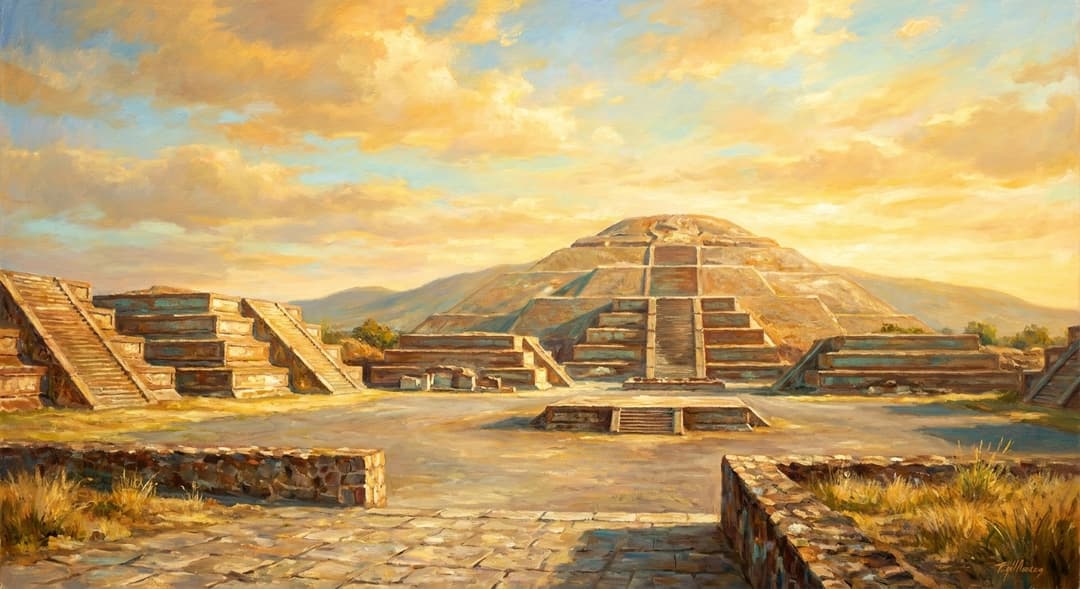
Visiting Teotihuacan offers an extraordinary encounter with Mesoamerica's ancient past. Visitors walk along the vast Avenue of the Dead and explore grand plazas framed by monumental pyramid bases.
דגשים
- Walking the monumental Avenue of the Dead procession route.
- Standing in the expansive Plaza of the Moon framing Cerro Gordo mountain.
- Exploring the intricately carved Palace of Quetzalpapalotl.
- Viewing ancient polychrome mural fragments preserved in situ.
דברים שכדאי לדעת
- Climbing the upper tiers of the Sun and Moon pyramids is permanently prohibited.
- The site has minimal shade, so full sun protection and water are essential.
- Arrive at 8:00 AM opening to avoid large afternoon tour groups and heat.
מיקום
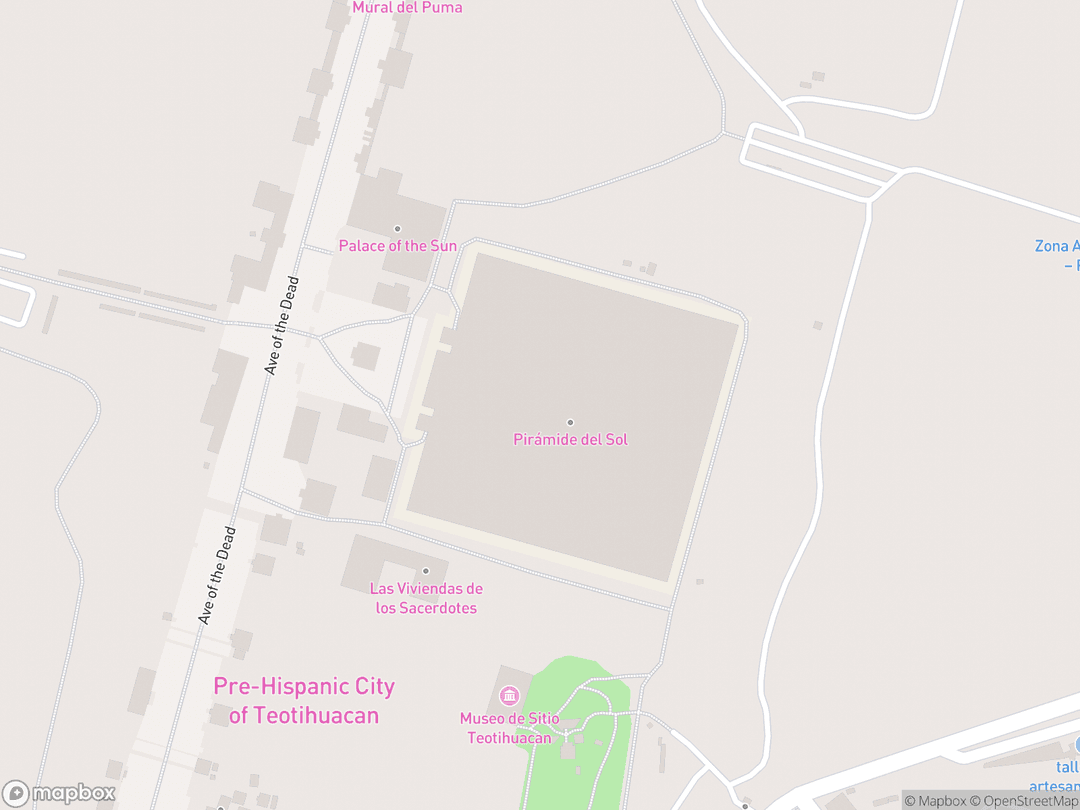
Ecatepec - Pirámides km 22, Zona Arqueológica de Teotihuacán, 55800 Teotihuacán de Arista, State of Mexico, Mexico
שעות פתיחה: Open daily 8:00 AM to 5:00 PM; site museums operate 9:00 AM to 4:30 PM.
איך להגיע: Direct buses run every 15 minutes from Terminal Central de Autobuses del Norte in Mexico City directly to Gates 1 and 2.
הוראות הגעהטיפים לביקור
הימנעו מהשמש של אמצע היום
היכנסו דרך שער 1 או שער 2 בשעה 8:00 בבוקר כדי לחקור את השדרות הראשיות באור הבוקר הקריר לפני שהחום מגיע לשיאו.
בקרו תחילה במוזיאוני האתר
סיירו במוזיאוני האתר המקורים של INAH מוקדם כדי לראות כלי נשק מקוריים מאובסידיאן, מנחות קבורה ודגמים מוקטנים.
נעלו נעלי הליכה נוחות
הפארק הארכיאולוגי משתרע על פני יותר משני קילומטרים של שבילי חצץ חשופים ומרצפות אבן עתיקות ולא ישרות.
אודות
טאוטיהואקאן, שפירוש שמה הוא ‘מקום בו נוצרו האלים’, היא אחת הערים העתיקות והמרשימות ביותר במקסיקו. האתר כולל את פירמידת השמש העצומה ואת פירמידת הירח, המחוברות על ידי ‘דרך המתים’. המבנים הללו שימשו כמרכזים פולחניים ורוחניים עבור תרבויות מסוואמריקה, והם מהווים עדות לידע אסטרונומי והנדסי מתקדם.
האתר נחשב לאתר מורשת עולמית של אונסק”ו ומושך אליו מבקרים מכל העולם המבקשים להתחבר להיסטוריה העמוקה ולאנרגיה הרוחנית של המקום.
גלריה
אלמנטים סמליים
החזית החיצונית של המקדש מציגה גילופים מורכבים, כל אחד עשיר במשמעות רוחנית:
מערת הלבה המקודשת
מערה תת-קרקעית באורך 100 מטרים המסתיימת בתצורה של תלתן בעל ארבעה עלים ישירות מתחת לפירמידת השמש, המייצגת את רחם הבריאה הקדמוני.
פרופיל טאלוד-טאבלרו
פרופיל הקיר המשופע והפאנל הבולט לסירוגין יוצר משחקי צל קצביים ועמידות מבנית מפני רעידות אדמה.
חיקוי צללית ההר
פירמידת הירח נבנתה כדי לשקף ישירות את קווי המתאר הטבעיים של הר סרו גורדו שמאחוריה.
כיסוי הראש של האלה הגדולה
האלה העליונה של המים, המתוארת כשהיא עוטה קישוט אף מנוצה ועץ שופך מים, מייצגת פוריות ארצית וחיים.

ראשי נחש נוצות
גילופי אבן המשלבים נוצות ציפור הקצאל וראשי נחש פעמונים מסמלים מים אטמוספריים וסמכות פוליטית אלוהית.

ציורי קיר באדום המטיט
פרסקו טיח סיד אדום ותוסס שצויר על חזיתות הפירמידות ייצג זרמים מקודשים של דם, חיים ואנרגיה אלוהית.
שרידי טורפים להקרבה
כספות קבורה בתוך שכבות הפירמידה הכילו שלדים של יגוארים, עיטים ופומות המייצגים את אנרגיית הטורף הסולארית.
מראות אובסידיאן ירוק
מראות זכוכית געשית מלוטשת שיוצרו בייצור המוני בסדנאות עירוניות שימשו ככלי חיזוי לתקשורת עם רוחות.
עובדות מעניינות
לפי נפח פיזי כולל (כ-1.18 מיליון מטרים מעוקבים), פירמידת השמש היא הפירמידה העתיקה השלישית בגודלה בעולם.
מכיוון שפירמידת הירח נבנתה על קרקע טבעית גבוהה יותר, פסגות שתי הפירמידות נמצאות באותו גובה גיאוגרפי.
מעולם לא התגלו קברים מלכותיים בעלי שם או דיוקנאות של שליטים שושלתיים בתיאוטיהואקאן.
תיאוטיהואקאן הייתה עיר קוסמופוליטית שכללה רבעי מגורים זרים רב-אתניים כמו רובעי הזאפוטק והמאיה.
הכלכלה הונעה על ידי מונופול תעשייתי על כלי אובסידיאן ירוקים חדים שיוצאו ברחבי מסו-אמריקה.
בשיאה, כמעט כל מבנה היה מצופה בטיח סיד חלק וצבוע בציורי קיר אדומים ותוססים.
ארכיאולוגים גילו בריכות של כספית נוזלית שנועדו לייצג נהר של העולם התחתון מתחת למתחם.
רשת העיר הייתה מכוונת 15.5 מעלות מזרחית לצפון כדי להתיישר עם תאריכי מפתח בלוח השנה השמשי.
שריפות ההרס במהלך קריסת העיר כוונו באופן ספציפי למקדשי האליטה שעל גבי הפירמידות.
שאלות נפוצות
האם ניתן לטפס על הפירמידות?
נכון להיום, הטיפוס על הפירמידות מוגבל או אסור בחלק מהאזורים כדי לשמר את המבנים העתיקים.
מהי המשמעות הרוחנית של האתר?
האתר נחשב למקום מקודש שבו התקיימו טקסים דתיים, הקרבות ופולחנים המקושרים לאלים של הטבע והיקום.
Why did the Aztecs name it Teotihuacan?
The Aztecs discovered the abandoned city centuries later and named it Teotihuacan, meaning 'Place Where Gods Were Born'.
How tall is the Pyramid of the Sun?
The Pyramid of the Sun stands at a structural height of 65.5 meters (215 feet).
How far is Teotihuacan from Mexico City?
It is located approximately 40 kilometers (25 miles) northeast of Mexico City, about an hour away by public bus.
סיפורים מומלצים
גילוי מערת התלתן הסודית
1971
בשנת 1971, ארכיאולוגים ביצעו תגלית היסטורית ליד בסיס פירמידת השמש. הם חשפו צינור לבה טבעי באורך 100 מטרים המסתיים במערה בעלת ארבעה חדרים בצורת תלתן, ישירות מתחת למרכז הפירמידה. חדר תת-קרקעי זה הוכיח שהבנאים הקדמונים הקימו את הפירמידה ככיסוי מקודש מעל רחם החיים הראשוני.
מקור: INAH Archaeological Records
חשיפת כספות הקבורה של הקורבנות
1998
צוות חפירה משותף ממקסיקו ומארצות הברית בילה שנים בחפירת מנהרות אל תוך ליבת פירמידת הירח. הם חשפו שש כספות קבורה מדורגות שהכילו שבויים זרים שהוקרבו, טורפי-על ופסלוני ירקן מעודנים. תגליות אלו חשפו כיצד כל הרחבה אדריכלית קודשה בטקסים מלכותיים משוכללים.
מקור: Arizona State University Research Dossier
כספית נוזלית מתחת לפירמידות
2014
במהלך חקירה מיקרו-רובוטית של מנהרות תת-קרקעיות אטומות, ארכיאולוגים גילו בריכות של כספית נוזלית. המתכת הנוזלית והמחזירה תוכננה לייצג אגם תחתון מנצנץ המשקף את שמי הלילה הקוסמיים. תגלית זו הדגישה את היכולות הטכנולוגיות יוצאות הדופן של מומחי הטקסים הקדמונים של טאוטיהואקאן.
מקור: INAH Research Reports
ציר הזמן
התיישבות עירונית ראשונית
קהילות חקלאיות מתגבשות לגרעין עירוני מתוכנן בעמק טאוטיהואקאן.
אבן דרךתחילת בניית פירמידת השמש
בנאים מתחילים להקים את ליבת פירמידת השמש ישירות מעל מערה וולקנית מקודשת.
אבן דרךהשלמת פירמידת השמש
פירמידת השמש מגיעה לגובהה המלא של 65.5 מטרים.
אבן דרךהרחבת פירמידת הירח
אדריכלים משלימים תוספות משמעותיות לפירמידת הירח ולכיכר הירח.
אבן דרךשלב אדריכלי סופי
פירמידת הירח מגיעה לגובהה הסופי של 43 מטרים דרך שלב הבנייה השביעי שלה.
אבן דרךאירוע האש הפנימי הגדול
שריפות משמידות מבני מנהל של האליטה, מה שמוביל לקריסת השלטון המרכזי.
אירועתחילת העלייה לרגל של האצטקים
שליטים אצטקים מגלים את החורבות העתיקות ומשלבים אותן במיתולוגיות הבריאה של השמש החמישית.
אירועחפירות ארכיאולוגיות של המאה
לאופולדו באטרס עורך את השחזורים הממשלתיים הראשונים בפירמידת השמש.
אירועגילוי המערה התת-קרקעית
ארכיאולוגים מגלים את המערה התת-קרקעית באורך 100 מטרים מתחת לפירמידת השמש.
אירועהכרזה כאתר מורשת עולמית של אונסק"ו
אונסק"ו רושמת רשמית את טאוטיהואקאן ברשימת אתרי המורשת העולמית.
אבן דרךגילוי כספית נוזלית
חוקרים מוצאים בריכות של כספית נוזלית בתוך מנהרות תת-קרקעיות אטומות.
אירועהיסטוריה לפי עשור
100 BCE — Urban Origin and Volcanic Displacement
Following catastrophic volcanic eruptions in the southern Basin of Mexico, displaced populations moved north into the Teotihuacan valley. Builders established an orthogonal urban grid aligned to astronomical calendar dates.
100 CE — Erection of the Pyramid of the Sun
Construction began on the massive core of the Pyramid of the Sun directly above a natural subterranean lava tube. Builders compacted over one million cubic meters of earth and stone behind volcanic scoria retaining walls.
200 CE — Expansion of the Pyramid of the Moon
Architects completed the initial build phases of the Pyramid of the Moon at the northern terminus of the Avenue of the Dead. Surrounding plazas were laid out to accommodate vast public ritual gatherings.
400 CE — The Metropolitan Peak
Teotihuacan reached its architectural zenith, housing over 100,000 multi-ethnic residents. The Pyramid of the Moon achieved its final height of 43 meters through seven super-positioned construction stages.
550 CE — The Great Internal Destruction
A intense fire destroyed elite administrative complexes and shrines atop the primary pyramids. Internal social revolt or ecological crisis triggered the rapid collapse of central urban governance.
1300 — Aztec Discovery and Mythological Rebirth
Nahuatl-speaking Aztecs arrived at the majestic ruined city and named it Teotihuacan. They integrated its colossal pyramids into their creation mythology as the sacred birthplace of the Fifth Sun.
1910 — Centennial Restorations
Pioneer archaeologist Leopoldo Batres directed major restoration efforts at the Pyramid of the Sun ahead of Mexico's Independence Centennial. Early scientific surveys established modern Mexican archaeology at the site.
1987 — World Heritage Listing
UNESCO inscribed the Pre-Hispanic City of Teotihuacan as a World Heritage Site. The designation recognized its exceptional architectural planning and influence on Mesoamerican civilization.
2014 — High-Tech Subterranean Exploration
Advanced LiDAR scanning and micro-robotics revealed new sealed tunnels, burial chambers, and liquid mercury deposits beneath the city's ceremonial core.
אדריכלות ומתקנים
Teotihuacano monumental civic-religious architecture is defined by its signature talud-tablero wall profiling, strict orthogonal grid planning, and harmonious integration with the surrounding natural landscape. Structures featured stepped platforms coated in smooth lime stucco and painted in vibrant hematite red pigments.
חומרי בנייה
Tezontle Scoria Stone
Porous red volcanic scoria stone carved into facade blocks for pyramid exterior walls.
Compaction Rubble and Adobe
Millions of cubic meters of river cobbles, clay, and unbaked adobe bricks forming structural cores.
Lime Stucco Plaster
Smooth exterior lime plaster painted with natural mineral red hematite pigments.
Basalt Blocks
Dense volcanic rock utilized for heavy foundation courses and retaining walls.
מאפיינים פנימיים
Subterranean Cloverleaf Cave
A natural 100-meter volcanic tube terminating in four chambers directly beneath the Pyramid of the Sun.
Pyramid of the Moon Burial Vaults
Seven super-positioned structural layers containing elite sacrificial tombs and ritual offerings.
Tunnels of Quetzalcoatl
Underground ritual passages containing offerings of obsidian, jade, and liquid mercury.
Palace of Quetzalpapalotl Courtyard
Enclosed elite ceremonial complex featuring stone pillars carved with feathered butterflies.
שטח המקדש
Spanning over 20 square kilometers, the complex features the 2.4-kilometer Avenue of the Dead connecting the Plaza of the Moon, the Pyramid of the Sun, and the Ciudadela enclosure.
מתקנים נוספים
Includes two official INAH site museums, archaeological conservation laboratories, visitor service centers, resting facilities, and regulated artisan craft markets.
משמעות דתית
טאוטיוואקאן תוכננה כמפה קוסמית חיה שבה האדריכלות האנושית גישרה בין הממלכה הארצית לבין כוחות שמימיים והעולם התחתון.
לשמש כציר העולם (Axis Mundi) שבו טקסים של האליטה השלטונית שמרו על איזון קוסמולוגי, מחזורי גשם חקלאיים וסדר פוליטי אלוהי.
פולחנות קדושים
קריאות למים וגשם
טקסים המופנים כלפי האלה הגדולה ואל הסערה כדי להבטיח שפע חקלאי וגשמים.
טקסי שוויון יום ולילה
טקסים המותאמים לתנועות השמש לאורך האופק המזרחי וימי השיא של השמש.
טקסי קידוש והקרבה
מנחות קבורה משוכללות של שבויים, בעלי חיים וירקן כדי לקדש את שלבי ההרחבה האדריכלית.
ציר העולם והרים מקודשים
הפירמידות תפקדו כהרים מלאכותיים הממסגרים פסגות טבעיות, לוכדים ענני גשם ומעגנים אנרגיה קוסמית.
שער העולם התחתון
מערות תת-קרקעיות טבעיות וחצובות מתחת לפירמידות ייצגו את צ'יקומוסטוק (Chicomoztoc), רחם הבריאה האבותי.
מקורות ומחקר
כל עובדה ב-Temples.org מגובה על ידי מקורות ומחקר מאומתים. כל פריט מידע מדורג לפי רמת מקור ואמינות.
צפה בכל המקורות (8)
| שדה | מקור | רמה | אוחזר |
|---|---|---|---|
| About & Historical Background | Instituto Nacional de Antropología e Historia (INAH) (נפתח בכרטיסייה חדשה) | A | 2026-03-30 |
| Architecture & Urban Layout | UNESCO World Heritage Centre (נפתח בכרטיסייה חדשה) | B | 2026-03-30 |
| Symbolic Elements & Sacred Geography | Encyclopaedia Britannica (נפתח בכרטיסייה חדשה) | B | 2026-03-30 |
| Subterranean Tunnels & Excavations | Arizona State University Teotihuacan Research Laboratory (נפתח בכרטיסייה חדשה) | B | 2026-03-30 |
| Pyramid of the Moon Sacrifice Vaults | Science Magazine (נפתח בכרטיסייה חדשה) | B | 2026-03-30 |
| Visitor Insights & Travel Information | Secretaría de Cultura de México (נפתח בכרטיסייה חדשה) | A | 2026-03-30 |
| Chronology & Archaeological Survey | National Geographic Society (נפתח בכרטיסייה חדשה) | B | 2026-03-30 |
| Iconography & Religious Significance | The Metropolitan Museum of Art (נפתח בכרטיסייה חדשה) | B | 2026-03-30 |