מידע למבקרים
ביקור מסגד שייח' זאייד הגדול
ביקור במסגד שייח' זאייד הגדול הוא חוויה מעוררת השראה, המציעה הצצה לאמנות ולאדריכלות האיסלאמית. האווירה השלווה והעיצוב המדהים של המסגד יוצרים תחושה של יראה ותדהמה. על המבקרים להיות מוכנים לדבוק בקוד לבוש קפדני, ולהבטיח לבוש צנוע המכסה את הראש, הזרועות והרגליים לנשים, וכתפיים וברכיים לגברים. סיורים מודרכים בחינם זמינים בערבית ובאנגלית, ומספקים תובנות חשובות לגבי ההיסטוריה, העיצוב והמשמעות הדתית של המסגד.
דגשים
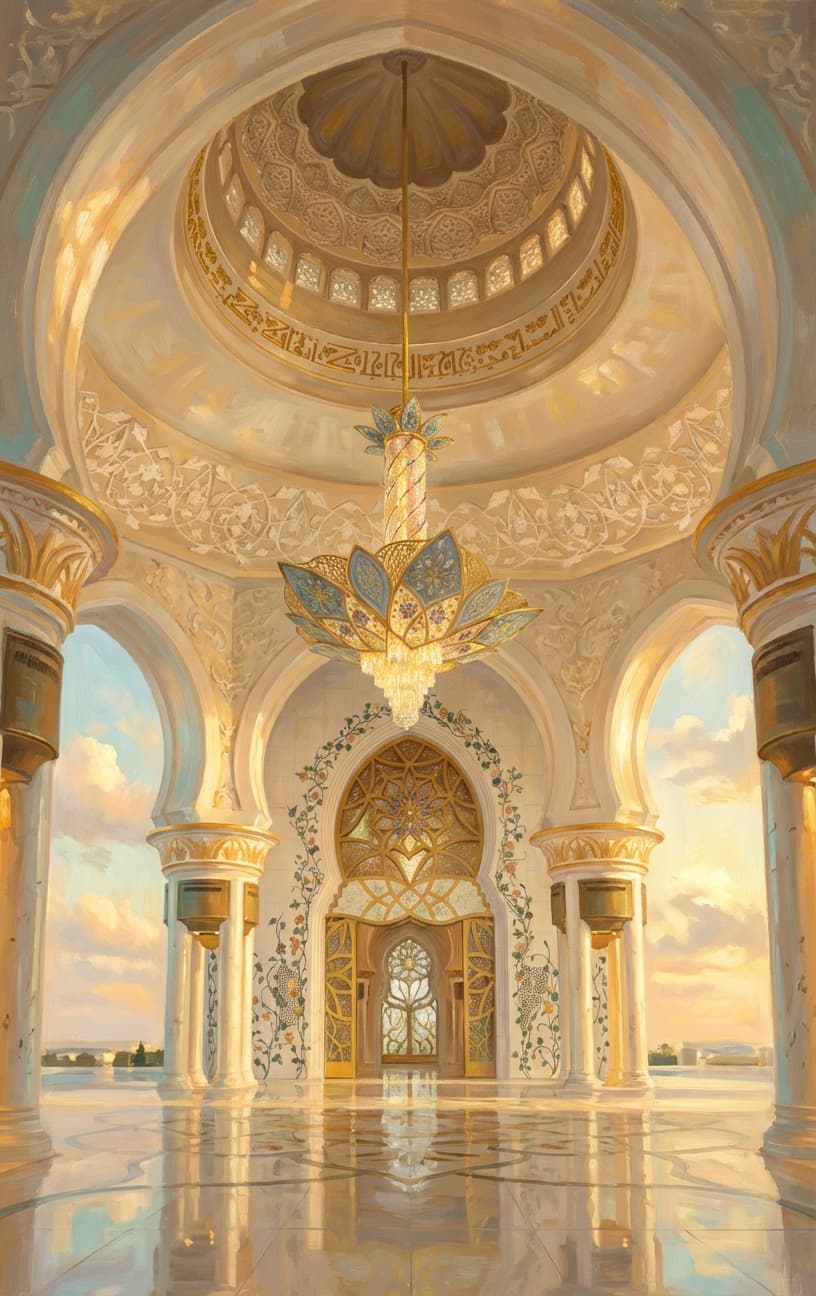
- התפעלו מעבודת השיש המורכבת ומהעיצובים הפרחוניים המדהימים בחצר.
- היו עדים לפאר של אולם התפילה הראשי, ביתו של אחד השטיחים הגדולים בעולם בעבודת יד.
- העריצו את שבע הנברשות המיובאות המעוטרות במיליוני קריסטלי סברובסקי.
דברים שכדאי לדעת
- יש להקפיד על קוד הלבוש הקפדני כדי להבטיח כניסה.
- הזמינו מראש כרטיס כניסה באינטרנט דרך האתר הרשמי כדי להימנע מעיכובים אפשריים.
- שימו לב לזמני התפילה ושמרו על התנהגות מכבדת לאורך כל הביקור.
מיקום
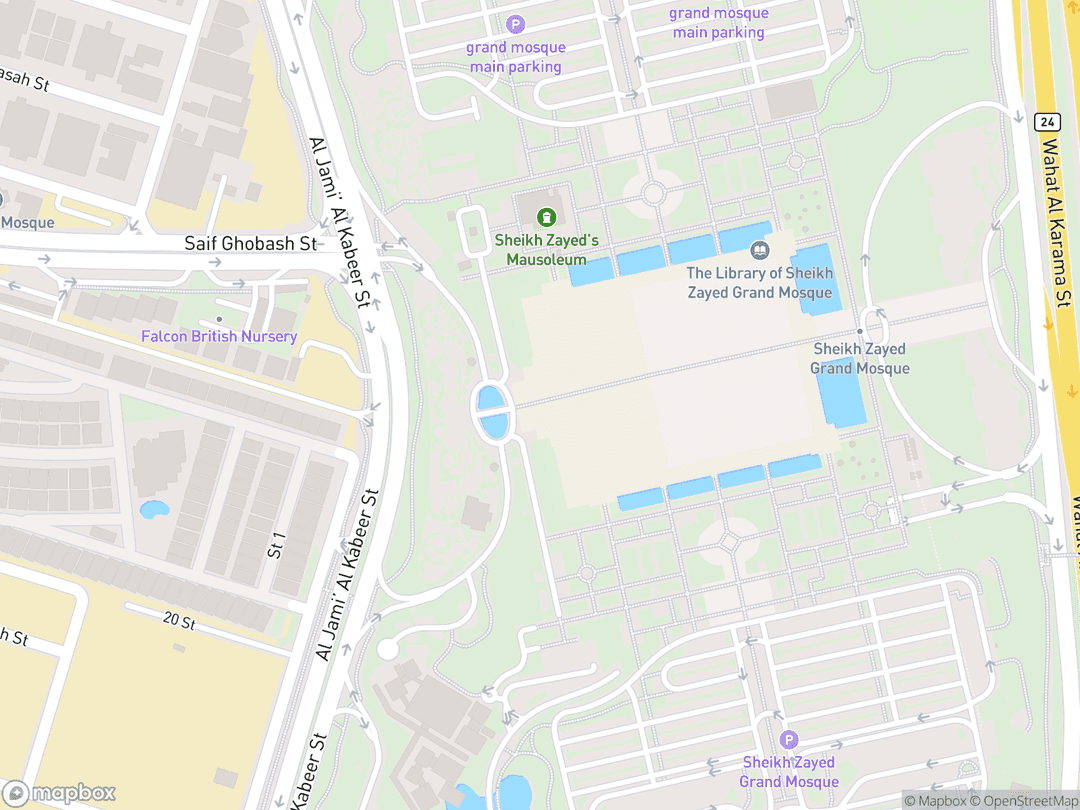
Sheikh Rashid Bin Saeed Street, 5th Street, Abu Dhabi, United Arab Emirates
שעות פתיחה: שבת עד חמישי: 9:00 עד 22:00; שישי: 9:00 עד 12:00 ו-15:00 עד 22:00. השעות עשויות להשתנות במהלך הרמדאן.
איך להגיע: המסגד נראה משלושת הגשרים הראשיים המחברים את אבו דאבי ליבשת: מקטה, מוספה וגשר שייח' זאייד. מוניות ותחבורה ציבורית זמינות בקלות.
הוראות הגעהאודות
מסגד שייח' זאייד הגדול, הממוקם באבו דאבי, איחוד האמירויות הערביות, עומד כעדות לאמנות, לאדריכלות האיסלאמית ולחזונו של שייח' זאייד בן סולטאן אל נהיאן המנוח, המייסד והנשיא הראשון של איחוד האמירויות הערביות. בניית המסגד החלה בשנת 1996 והסתיימה בשנת 2007, והפך למקום פולחן מרכזי ולציון דרך תרבותי בולט. עיצוב המסגד משקף שילוב הרמוני של סגנונות אדריכליים מוגולים, מוריים ועוסמאניים, שמטרתו לאחד את המגוון התרבותי של העולם האיסלאמי עם ערכים מודרניים.
המתחם משתרע על שטח של למעלה מ-12 דונם, והוא פלא של הנדסה ואומנות. הוא כולל 82 כיפות בגדלים שונים, כאשר הכיפה הגדולה ביותר ממוקמת במרכז אולם התפילה הראשי. ארבעה צריחים, שגובהם כ-107 מטרים כל אחד, ניצבים בפינות החצר, ומציגים סגנונות אדריכליים איסלאמיים מגוונים. החצר עצמה היא אחת הדוגמאות הגדולות ביותר לפסיפסי שיש בעולם, המעוטרת בעיצובים פרחוניים מורכבים.
המסגד ידוע בחומרים ובאומנות העשירים שלו. חומרים טבעיים כמו אבן שיש, זהב, אבנים יקרות למחצה, קריסטלים וקרמיקה נבחרו בשל תכונותיהם העמידות לאורך זמן. באולם התפילה הראשי נמצא אחד השטיחים הגדולים בעולם בעבודת יד, שנוצר על ידי אומנים איראניים. שבעה נברשות מיובאות מגרמניה, המשלבות מיליוני קריסטלי סברובסקי, מאירות את פנים המסגד. מסגד שייח' זאייד הגדול משמש לא רק כמקום פולחן אלא גם כמרכז למדעי האיסלאם וסמל לסובלנות ולגיוון.
גלריה
אלמנטים סמליים
החזית החיצונית של המקדש מציגה גילופים מורכבים, כל אחד עשיר במשמעות רוחנית:

חיפוי שיש לבן
המסגד מחופה בשיש לבן בתולי, המסמל טוהר, שלום ויראת כבוד. השיש הגיע ממקומות שונים, כולל צפון מקדוניה ואיטליה, ונבחר בשל איכותו ומשיכתו האסתטית. השיש הלבן משקף את אור השמש, ויוצר אווירה זוהרת ושלווה.
עיצובים פרחוניים
החצר והחללים הפנימיים מעוטרים בעיצובים פרחוניים מורכבים, המייצגים גן עדן ויופי הטבע. עיצובים אלה נוצרו על ידי האמן הבריטי קווין דין ומשקפים שילוב של סגנונות אמנותיים אסלאמיים ועכשוויים. המוטיבים הפרחוניים מסמלים צמיחה, התחדשות ואת הקשר ההדדי של כל היצורים החיים.

צריחים
ארבעת הצריחים, שגובהם כ-107 מטרים כל אחד, עומדים בפינות החצר, ומסמלים את הקריאה לתפילה ואת הקשר בין כדור הארץ לשמים. העיצוב שלהם משקף סגנונות אדריכליים אסלאמיים מגוונים מתקופות שונות, המשלבים שכבות מרובעות, מתומנות ומעגליות. הצריחים משמשים תזכורת ויזואלית למשמעות הרוחנית של המסגד.
כיפות
המסגד כולל 82 כיפות בגדלים שונים, כאשר הכיפה הגדולה ביותר ממוקמת במרכז אולם התפילה הראשי. הכיפות מסמלות את השמים ואת עצומת בריאתו של אלוהים. פנים הכיפות מעוטרים באמנות מרוקאית מורכבת, המוסיפה ליופיים ולמשמעותם הרוחנית.

נברשות קריסטל סברובסקי
שבע הנברשות המיובאות, המשלבות מיליוני קריסטלי סברובסקי, מאירות את פנים המסגד בברקן המסנוור. נברשות אלה מסמלות אור, ידע ואת הנוכחות האלוהית. הנברשת הגדולה ביותר היא אחת הגדולות בעולם, בקוטר 10 מטרים ובגובה 15 מטרים.
שטיח בעבודת יד
אולם התפילה הראשי מכיל את אחד השטיחים הגדולים בעולם בעבודת יד, שנעשה על ידי חברת השטיחים של איראן ועוצב על ידי האמן האיראני עלי חליקי. השטיח מסמל אחדות, אומנות ומסירות של האומנים שיצרו אותו. הוא משתרע על שטח של 5,627 מטרים רבועים ונעשה על ידי כ-1,200-1,300 קושרות שטיחים.
קיר קיבלה
קיר ה-Qibla כולל את 99 השמות (תכונות או תכונות) של אלוהים (Allah) בקליגרפיה כופית מסורתית, שעוצבה על ידי מוחמד מנדי אל תמימי. קיר ה-Qibla מציין את כיוון ה-Kaaba במכה, ערב הסעודית, האתר הקדוש ביותר באסלאם. מוסלמים פונים לכיוון זה במהלך התפילה, ומסמלים את מסירותם וקשרם לאלוהים.
עמודים
במסגד יש יותר מ-1,000 עמודים, מחופים בשיש ומשובצים באם הפנינה ובאבנים יקרות למחצה. העמודים מסמלים כוח, תמיכה ואת טבעה המתמשך של האמונה. העיצובים והחומרים המורכבים המשמשים בעמודים משקפים את העושר והאמנות של האדריכלות האסלאמית.
עובדות מעניינות
המסגד נקרא על שמו של שייח' זאיד בן סולטאן אל נהיאן, המייסד והנשיא הראשון של איחוד האמירויות הערביות, הקבור בשטח.
המסגד נבנה כדי לאחד את המגוון התרבותי של העולם האסלאמי עם הערכים ההיסטוריים והמודרניים של אדריכלות ואמנות.
קיר ה-Qibla כולל את 99 השמות (תכונות או תכונות) של אלוהים (Allah) בקליגרפיה כופית מסורתית, שעוצבה על ידי מוחמד מנדי אל תמימי.
מערכת התאורה תוכננה על ידי Speirs and Major Associates כדי לשקף את שלבי הירח.
השטיח של אולם התפילה הראשי נחשב לשטיח הגדול בעולם בעבודת יד.
המסגד יכול להכיל למעלה מ-40,000 מתפללים.
העיצוב משלב סגנונות אדריכליים מוגולים, מוריים ועוסמאניים.
מתחם הבניינים משתרע על שטח של כ-290 על 420 מטרים, המשתרע על שטח של יותר מ-12 הקטרים.
מרכז מסגד שייח' זאיד הגדול (SZGMC) מנהל את הפעילות השוטפת ומשמש כמרכז למידה וגילוי באמצעות פעילויות התרבות החינוכיות ותוכניות המבקרים שלו.
המסגד בנוי 11 מטר מעל פני הים ו-9.5 מטר מעל פני הרחוב כדי שייראה בבירור מכל הכיוונים.
שאלות נפוצות
מהו מסגד שייח' זאיד הגדול?
מסגד שייח' זאיד הגדול הוא מסגד מלכותי הממוקם באבו דאבי, איחוד האמירויות הערביות. זהו מקום מרכזי לפולחן וציון דרך תרבותי בולט, הידוע באמנות האסלאמית המדהימה שלו, באדריכלות ובחזונו של שייח' זאיד בן סולטאן אל נהיאן.
מתי נבנה המסגד?
בניית המסגד החלה בשנת 1996 והסתיימה בשנת 2007. אולמות התפילה הפנימיים נפתחו בתחילה לתפילה של עיד אל אדחה בשנת 2007.
אילו סגנונות אדריכליים משתקפים בעיצוב המסגד?
עיצוב המסגד משקף שילוב הרמוני של סגנונות אדריכליים מוגולים, מוריים ועוסמאניים, שמטרתו לאחד את המגוון התרבותי של העולם האסלאמי עם ערכים מודרניים.
מהם שעות הביקור במסגד?
'שעות הביקור הן שבת עד חמישי: 9:00 עד 22:00; יום שישי: 9:00 עד 12:00 ו-15:00 עד 22:00. השעות עשויות להשתנות במהלך רמדאן.'
האם יש דמי כניסה לביקור במסגד?
לא, הכניסה למסגד שייח' זאיד הגדול היא בחינם לכל המבקרים.
מהו קוד הלבוש לביקור במסגד?
נדרש לבוש צנוע. נשים חייבות לכסות את ראשן, זרועותיהן ורגליהן. גברים חייבים לכסות את כתפיהם וברכיהם. ניתן לספק ביגוד מתאים גם בכניסה.
סיפורים קשורים
חקר את ההיסטוריה העשירה, המסורות והאנשים הקשורים לאתר קדוש זה.
סיפורים מומלצים
חזונו של שייח' זאיד
Late 1980s
מסגד שייח' זאיד הגדול עומד כעדות לחזונו של שייח' זאיד בן סולטאן אל נהיאן, המייסד והנשיא הראשון של איחוד האמירויות הערביות. הוא חזה מסגד מפואר שלא ישמש רק כמקום פולחן אלא גם כסמל לאחדות, סובלנות ומגוון תרבותי. חלומו של שייח' זאיד היה ליצור מסגד שיציג את מיטב האמנות והאדריכלות האסלאמית, ויאחד את המגוון התרבותי של העולם האסלאמי עם ערכים מודרניים.
מסירותו לפרויקט זה הייתה בלתי מעורערת, והוא פיקח באופן אישי על היבטים רבים של עיצובו ובנייתו. גם לאחר פטירתו בשנת 2004, חזונו המשיך להנחות את השלמת המסגד, והבטיח שהוא יהפוך למורשת מתמשכת של מחויבותו לאסלאם ולאנשי איחוד האמירויות הערביות. המסגד הוא השתקפות של ערכיו ורצונו לקדם הבנה והרמוניה בין תרבויות ודתות שונות.
מקור: Sheikh Zayed Grand Mosque Centre
יצירת השטיח הגדול בעולם
2006–2007
יצירת השטיח של אולם התפילה הראשי הייתה משימה מונומנטלית, שכללה את הכישורים והמסירות של למעלה מ-1,200 קושרות שטיחים מאיראן. השטיח, שעוצב על ידי האמן האיראני עלי חליקי, משתרע על שטח של 5,627 מטרים רבועים ונחשב לשטיח הגדול בעולם בעבודת יד. תהליך אריגת השטיח ארך כמעט שנה, כאשר האומנים עובדים ללא לאות כדי להביא את העיצוב המורכב לחיים.
השטיח הועבר לאבו דאבי במספר חלקים ולאחר מכן הורכב בקפידה בתוך אולם התפילה. הממדים והמורכבות המוחלטים של הפרויקט דרשו תכנון ותיאום קפדניים, שהציגו את האומנות והאמנות יוצאות הדופן של יצרני השטיחים האיראניים. השטיח הוא לא רק מרכיב פונקציונלי של המסגד אלא גם יצירת אמנות מדהימה המשקפת את המורשת התרבותית העשירה של איראן.
מקור: Daily Art Magazine
הארת המסגד בקריסטלי סברובסקי
2007
שבע הנברשות המיובאות המעטרות את מסגד שייח' זאיד הגדול הן עדות לעושר ולפאר של עיצוב המסגד. נברשות אלה, שיוצרו על ידי Faustig במינכן, גרמניה, משלבות מיליוני קריסטלי סברובסקי, ויוצרות תצוגה מסנוורת של אור וברק. הנברשת הגדולה ביותר היא אחת הגדולות בעולם, בקוטר 10 מטרים ובגובה 15 מטרים.
התקנת הנברשות דרשה מומחיות מיוחדת ותשומת לב קפדנית לפרטים. כל קריסטל הוצב בקפידה כדי למקסם את ההשתקפות והשבירה של האור, וליצור אווירה שובת לב בתוך המסגד. הנברשות מסמלות אור, ידע ואת הנוכחות האלוהית, ומוסיפות למשמעות הרוחנית של החלל. הם עדות לשיתוף הפעולה בין אומנים בינלאומיים לחזונו של שייח' זאיד.
מקור: Sheikh Zayed Grand Mosque Centre
ציר הזמן
שיקולים ראשוניים
השיקולים הראשוניים לבניית המסגד החלו, מתוך חזונו של שייח' זאיד ליצור מסגד מפואר שיציג אמנות ואדריכלות אסלאמית.
אבן דרךתחילת הבנייה
הבנייה החלה רשמית במסגד שייח' זאיד הגדול, וסימנה את תחילתו של פרויקט מונומנטלי שיימשך למעלה מעשור.
אבן דרךפטירתו של שייח' זאיד
שייח' זאיד בן סולטאן אל נהיאן, מייסד המסגד, נפטר ונקבר בחצר, עדות לחזונו ומסירותו לפרויקט.
אירועחנוכה רשמית
המסגד נחנך רשמית ונפתח לציבור, והפך למקום מרכזי לפולחן ולציון דרך תרבותי בולט באבו דאבי.
הקדשהאולמות תפילה פנימיים נפתחים
אולמות התפילה הפנימיים נפתחו בתחילה לתפילה של עיד אל אדחה, וסימנו ציון דרך משמעותי בהשלמת המסגד ובנגישותו למתפללים.
הקדשהתפילות אסלאמיות יומיות
מסגד שייח' זאיד הגדול משמש כמקום מרכזי לפולחן לתפילות אסלאמיות יומיות, ומקבל בברכה אלפי מתפללים ומבקרים מרחבי העולם.
אירועפעילויות תרבות וחינוך
מרכז מסגד שייח' זאיד הגדול (SZGMC) מנהל את הפעילות השוטפת ומשמש כמרכז למידה וגילוי באמצעות פעילויות התרבות החינוכיות ותוכניות המבקרים שלו.
אירועמערכת תאורה של שלבי הירח
מערכת התאורה, שעוצבה על ידי Speirs and Major Associates, משקפת את שלבי הירח, ויוצרת אווירה ייחודית ושובת לב בלילה.
אירועעיצובים פרחוניים בחצר
העיצובים הפרחוניים בחצר, שיצר האמן הבריטי קווין דין, ממשיכים לשבות את המבקרים ביופיים ובאמנותם המורכבים.
אירועהשטיח הגדול בעולם בעבודת יד
השטיח של אולם התפילה הראשי, הנחשב לשטיח הגדול בעולם בעבודת יד, נותר עדות לאמנות ולמלאכת היד האיראנית.
אבן דרךנברשות קריסטל סברובסקי
שבע הנברשות המיובאות, המשלבות מיליוני קריסטלי סברובסקי, ממשיכות להאיר את פנים המסגד בברקן המסנוור.
אבן דרךשילוב אדריכלי של סגנונות
העיצוב משלב סגנונות אדריכליים מוגולים, מוריים ועוסמאניים, ויוצר שילוב הרמוני של תרבויות ומסורות אסלאמיות.
אבן דרךמרכז למדעי האסלאם
המסגד משמש כמרכז למדעי האסלאם, המקדם למידה, הבנה ודיאלוג בין תרבויות ודתות שונות.
אירועסמל לסובלנות וגיוון
המסגד מגלם את ערכי הליבה של האסלאם, כולל אחדות, שלום וחמלה, ועומד כסמל לסובלנות וגיוון.
אבן דרךנראה מגשרים ראשיים
המסגד בנוי 11 מטר מעל פני הים ו-9.5 מטר מעל פני הרחוב כדי שייראה בבירור מכל הכיוונים, במיוחד משלושת הגשרים הראשיים המחברים את אבו דאבי ליבשת.
אבן דרךמשמעות דתית
מסגד שייח' זאייד הגדול משמש כמקום פולחן מרכזי עבור מוסלמים, המגלם את ערכי הליבה של האיסלאם, כולל אחדות, שלום וחמלה. הוא עומד כסמל לסובלנות ולגיוון, ומקבל בברכה מבקרים מכל הדתות והרקעים.
המטרה הרוחנית העיקרית של המסגד היא לספק מרחב למוסלמים להתחבר לאלוהים באמצעות תפילה, הרהור ופולחן קהילתי. הוא משמש גם כמרכז למדעי האיסלאם, קידום למידה, הבנה ודיאלוג בין תרבויות ודתות שונות.
פולחנות קדושים
סלאח (תפילה)
סלאח היא תפילת הטקס היומיומית באסלאם, המתבצעת חמש פעמים ביום מול הכעבה במכה. זהו מעשה פולחן בסיסי ואמצעי להתחבר לאלוהים.
זכאת (צדקה)
זכאת היא הנוהג לתת חלק מהונו של האדם לעניים ולנזקקים. זהו עמוד תווך של האיסלאם ואמצעי לקידום צדק חברתי ושוויון כלכלי.
סאום (צום)
סאום הוא הנוהג לצום במהלך חודש הרמדאן. זהו זמן של הרהור רוחני, משמעת עצמית ומסירות מוגברת לאלוהים.
הקשר תיאולוגי
האיסלאם היא דת מונותיאיסטית, ומוסלמים מאמינים באל אחד, אללה, ועוקבים אחר תורתו של הקוראן, שלדעתם הוא דבר האל. המסגד מכוון לכיוון הכעבה במכה, ערב הסעודית, האתר הקדוש ביותר באסלאם, ומוסלמים פונים לכיוון זה במהלך התפילה.
סמליות וערכים
המסגד מגלם את ערכי הליבה של האיסלאם, כולל אחדות, שלום וחמלה. הוא עומד כסמל לסובלנות ולגיוון, ומקבל בברכה מבקרים מכל הדתות והרקעים. המסגד משמש גם כמרכז למדעי האיסלאם, קידום למידה, הבנה ודיאלוג בין תרבויות ודתות שונות.
מקורות ומחקר
כל עובדה ב-Temples.org מגובה על ידי מקורות ומחקר מאומתים. כל פריט מידע מדורג לפי רמת מקור ואמינות.
צפה בכל המקורות (9)
| שדה | מקור | רמה | אוחזר |
|---|---|---|---|
| Basic Facts & Historical Timeline | Sheikh Zayed Grand Mosque Centre (נפתח בכרטיסייה חדשה) | A | 2024-01-02 |
| Visitor Information & Dress Code | Visit Abu Dhabi (נפתח בכרטיסייה חדשה) | A | 2024-01-02 |
| Historical Context & Construction | Re-thinking The Future (נפתח בכרטיסייה חדשה) | B | 2024-01-02 |
| Architectural Styles & Design | WikiArquitectura (נפתח בכרטיסייה חדשה) | B | 2024-01-02 |
| Carpet Details & Artistry | Daily Art Magazine (נפתח בכרטיסייה חדשה) | B | 2024-01-02 |
| Construction Timeline & Inauguration | Bayut (נפתח בכרטיסייה חדשה) | C | 2024-01-02 |
| Interesting Facts & Capacity | Islamic Landmarks (נפתח בכרטיסייה חדשה) | C | 2024-01-02 |
| Visiting Hours & Entry Fee | Gentoo Tickets (נפתח בכרטיסייה חדשה) | D | 2024-01-02 |
| Transportation & Visibility | City Tour in Dubai (נפתח בכרטיסייה חדשה) | D | 2024-01-02 |