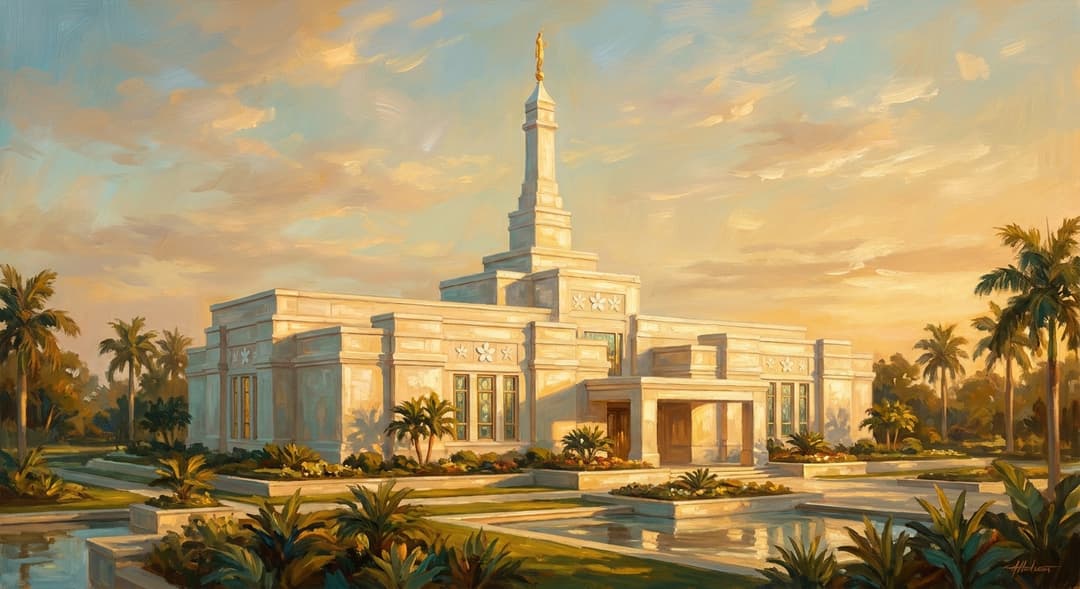
आगंतुक जानकारी
दर्शन अलाबांग फिलीपींस मंदिर
अलाबांग फिलीपींस मंदिर के आगंतुक एक शांत और श्रद्धापूर्ण वातावरण की उम्मीद कर सकते हैं। मंदिर का परिसर खूबसूरती से सजाया गया है, जो चिंतन के लिए एक शांतिपूर्ण वातावरण प्रदान करता है। यह मंदिर विश्वास के एक प्रकाशस्तंभ के रूप में खड़ा है, जो सभी को ईसा मसीह और मंदिर की पूजा के माध्यम से उपलब्ध शाश्वत आशीर्वादों के बारे में अधिक जानने के लिए आमंत्रित करता है। मंदिर तक सार्वजनिक परिवहन और निजी वाहनों के माध्यम से आसानी से पहुँचा जा सकता है, और यहाँ सीमित पार्किंग उपलब्ध है।
मुख्य आकर्षण
- मंदिर परिसर की सुंदरता और शांति का अनुभव करें।
- मंदिर में किए जाने वाले पवित्र अध्यादेशों के बारे में जानें।
- श्रद्धा और भक्ति की भावना को महसूस करें।
जानने योग्य बातें
- मंदिर के भीतर फोटोग्राफी की अनुमति नहीं है।
- मंदिर की संपत्ति पर धूम्रपान और मदिरापान की अनुमति नहीं है।
- बड़े बैग वाहनों में ही छोड़ दिए जाने चाहिए।
स्थान

Filinvest Avenue and Corporate Avenue, Filinvest City, Alabang, Muntinlupa City, Philippines
समय: यह मंदिर The Church of Jesus Christ of Latter-day Saints के उन सदस्यों के लिए खुला है जिनके पास वैध मंदिर अनुशंसा (temple recommend) है। संचालन के विशिष्ट घंटों के लिए मंदिर से संपर्क करें।
कैसे पहुँचें: यह मंदिर फिलइन्वेस्ट सिटी, अलाबांग, मुंटिनलुपा सिटी (Filinvest City, Alabang, Muntinlupa City) में स्थित है। यहाँ सार्वजनिक परिवहन और निजी वाहनों द्वारा पहुँचा जा सकता है। मंदिर में सीमित पार्किंग उपलब्ध है, और फेस्टिवल मॉल (Festival Mall) में सशुल्क पार्किंग की सुविधा है।
दिशा-निर्देशपरिचय
अलाबांग फिलीपींस मंदिर (Alabang Philippines Temple) Alabang, Muntinlupa, Metro Manila, Philippines में स्थित The Church of Jesus Christ of Latter-day Saints का एक मंदिर है। फिलीपींस में चौथे संचालित मंदिर के रूप में, यह लुजोन के दक्षिणी भाग में लैटर-डे सेंट्स (Latter-day Saints) की सेवा करता है। मंदिर के डिजाइन में फिलिपिनो संस्कृति के तत्वों को शामिल किया गया है, जो इस क्षेत्र की सुंदरता और विरासत को दर्शाता है।
ईसाई परंपरा के भीतर, The Church of Jesus Christ of Latter-day Saints के मंदिरों का एक अनूठा स्थान है। जबकि साप्ताहिक पूजा सेवाओं के लिए सभाघरों (meetinghouses) का उपयोग किया जाता है, मंदिरों को प्रभु का घर माना जाता है, जो पवित्र अध्यादेशों (ordinances) को पूरा करने के लिए समर्पित हैं जो ईसा मसीह (Jesus Christ) में विश्वास को मजबूत करते हैं और परिवारों को अनंत काल के लिए एकजुट करते हैं। इन अध्यादेशों में मृतकों के लिए बपतिस्मा (baptisms for the deceased), Endowments, और Sealings शामिल हैं, जो शाश्वत परिवारों में लैटर-डे सेंट के विश्वास के केंद्र में हैं।
यह मंदिर विश्वास के एक प्रकाशस्तंभ और फिलीपींस में चर्च के विकास के प्रतीक के रूप में खड़ा है। यह सदस्यों को ईश्वर के करीब आने और उन अध्यादेशों में भाग लेने के लिए एक पवित्र स्थान प्रदान करता है जो जीवित और मृत दोनों व्यक्तियों और परिवारों को आशीर्वाद देते हैं। अलाबांग फिलीपींस मंदिर फिलिपिनो संतों के अटूट विश्वास और ईसा मसीह की शिक्षाओं के प्रति उनकी प्रतिबद्धता का एक प्रमाण है।
रोचक तथ्य
अलाबांग फिलीपींस मंदिर फिलीपींस में निर्मित चौथा मंदिर है।
यह मनीला फिलीपींस मंदिर के साथ ग्रेटर मनीला क्षेत्र का दूसरा मंदिर है।
अलाबांग फिलीपींस मंदिर की घोषणा मनीला फिलीपींस मंदिर की 33वीं वर्षगांठ के वर्ष में की गई थी।
फिलीपींस में दुनिया के सबसे बड़े लैटर-डे संतों की आबादी में से एक है।
कोविड-19 प्रतिबंधों के कारण भूमिपूजन समारोह को छोटा कर दिया गया था।
यह मंदिर लुजोन के दक्षिणी भाग में रहने वाले सदस्यों की सेवा करता है।
फिलीपींस में कई मंदिर घोषित, निर्माणाधीन या संचालित हैं।
अलाबांग फिलीपींस मंदिर दुनिया भर में चर्च के संचालित मंदिरों में से एक है।
इस मंदिर को अलाबांग में एक मील का पत्थर और प्रगति के प्रतीक के रूप में देखा जाता है।
सामान्य प्रश्न
The Church of Jesus Christ of Latter-day Saints में मंदिरों का क्या उद्देश्य है?
मंदिरों को प्रभु का घर माना जाता है, जो पवित्र अध्यादेशों को संपन्न करने के लिए समर्पित हैं जो ईसा मसीह में विश्वास को मजबूत करते हैं और परिवारों को अनंत काल के लिए एकजुट करते हैं। इन अध्यादेशों में मृतकों के लिए बपतिस्मा, Endowment और Sealing शामिल हैं, जो अनंत परिवारों में लैटर-डे सेंट के विश्वास के केंद्र में हैं।
अलाबांग फिलीपींस मंदिर में कौन प्रवेश कर सकता है?
यह मंदिर The Church of Jesus Christ of Latter-day Saints के उन सदस्यों के लिए खुला है जिनके पास एक वैध मंदिर अनुशंसा (temple recommend) है, जो मंदिर के अध्यादेशों में भाग लेने के लिए उनकी योग्यता को दर्शाता है।
अलाबांग फिलीपींस मंदिर के डिजाइन में शामिल कुछ सांस्कृतिक तत्व क्या हैं?
मंदिर के डिजाइन में फिलिपिनो संस्कृति के तत्वों को शामिल किया गया है, जो इस क्षेत्र की सुंदरता और विरासत को दर्शाता है। इसमें सफेद चमेली के फूल, या संपागुइता (sampaguita) का प्रतिनिधित्व शामिल है, जो फिलीपींस का राष्ट्रीय फूल है।
अलाबांग फिलीपींस मंदिर फिलीपींस में चर्च के विकास में कैसे योगदान देता है?
यह मंदिर सदस्यों को ईश्वर के करीब आने और उन अध्यादेशों में भाग लेने के लिए एक पवित्र स्थान प्रदान करता है जो जीवित और मृत दोनों व्यक्तियों और परिवारों को आशीर्वाद देते हैं। यह विश्वास के एक प्रकाशस्तंभ और फिलीपींस में चर्च के विकास के प्रतीक के रूप में खड़ा है।
सार्वजनिक ओपन हाउस के दौरान अलाबांग फिलीपींस मंदिर में आने वाले आगंतुकों के लिए कुछ दिशानिर्देश क्या हैं?
सार्वजनिक ओपन हाउस के दौरान, आगंतुकों से मंदिर के भीतर फोटोग्राफी न करने, अपने वाहनों में बड़े बैग छोड़ने और मंदिर परिसर के पवित्र वातावरण का सम्मान करने के लिए कहा जाता है। मंदिर की संपत्ति पर धूम्रपान और शराब पीने की अनुमति नहीं है।
विशेष कहानियाँ
आशा की घोषणा
April 2, 2017
The Church of Jesus Christ of Latter-day Saints के अप्रैल 2017 के सामान्य सम्मेलन के दौरान, तत्कालीन अध्यक्ष थॉमस एस. मोंसन ने अलाबांग फिलीपींस मंदिर के निर्माण की घोषणा की। इस घोषणा का फिलिपिनो संतों द्वारा खुशी और कृतज्ञता के साथ स्वागत किया गया, जो लंबे समय से ग्रेटर मनीला क्षेत्र में दूसरे मंदिर की इच्छा रखते थे। यह घोषणा फिलीपींस में The Church of Jesus Christ of Latter-day Saints के सदस्यों के बढ़ते विश्वास और समर्पण के प्रमाण के रूप में आई, जो एक समृद्ध आध्यात्मिक विरासत और परिवार तथा ईश्वर के प्रति गहरे प्रेम वाला देश है।
एक नए मंदिर की प्रत्याशा ने फिलिपिनो संतों में नई आशा और उत्साह का संचार किया, जिन्होंने इसे फिलीपींस के प्रति चर्च के निरंतर विकास और प्रतिबद्धता के प्रतीक के रूप में देखा। यह मंदिर पवित्र अध्यादेशों और आशीर्वादों तक अधिक पहुंच प्रदान करेगा, जिससे पूरे क्षेत्र में परिवारों और समुदायों को मजबूती मिलेगी। यह घोषणा अत्यंत महत्वपूर्ण क्षण थी, जिसने फिलीपींस में चर्च के इतिहास में एक नया अध्याय शुरू किया।
स्रोत: The Church of Jesus Christ of Latter-day Saints Newsroom
चुनौतियों के बीच भूमिपूजन
June 4, 2020
अलाबांग फिलीपींस मंदिर के लिए भूमिपूजन समारोह 4 जून, 2020 को आयोजित किया गया था, जिसकी अध्यक्षता एल्डर इवान ए. श्मुत्ज़ ने की थी। कोविड-19 महामारी के कारण समारोह को छोटा कर दिया गया था, जो उस समय दुनिया के सामने आने वाली चुनौतियों और प्रतिबंधों को दर्शाता है। सीमाओं के बावजूद, भूमिपूजन एक महत्वपूर्ण घटना थी, जो एक पवित्र भवन के निर्माण की शुरुआत का प्रतीक थी जो अनगिनत जीवन को आशीर्वाद देगी।
भूमिपूजन समारोह ने विश्वास की स्थायी शक्ति और विपरीत परिस्थितियों में भी ईश्वर के राज्य का निर्माण जारी रखने के महत्व की याद दिलाई। फिलिपिनो संतों ने प्रभु के मार्गदर्शन और सुरक्षा पर भरोसा करते हुए मंदिर परियोजना के साथ आगे बढ़कर अपने लचीलेपन और दृढ़ संकल्प का प्रदर्शन किया। भूमिपूजन ईसा मसीह के सुसमाचार के प्रति उनकी अटूट प्रतिबद्धता का प्रमाण था।
स्रोत: The Church of Jesus Christ of Latter-day Saints Newsroom
समर्पण और एक नया युग
January 18, 2026
अलाबांग फिलीपींस मंदिर को 18 जनवरी, 2026 को बारह प्रेरितों के कोरम के एल्डर डेविड ए. बेडनार द्वारा समर्पित किया गया था। इस समर्पण ने वर्षों की योजना, तैयारी और निर्माण के चरमोत्कर्ष को चिह्नित किया, और फिलीपींस में मंदिर आराधना के एक नए युग की शुरुआत की। समर्पण समारोह श्रद्धा, कृतज्ञता और आध्यात्मिक जुड़ाव की गहरी भावना से भरे हुए थे।
अलाबांग फिलीपींस मंदिर के समर्पण ने फिलिपिनो संतों को ईश्वर के करीब आने, अपने परिवारों को मजबूत करने और अनंत आशीर्वाद प्राप्त करने के लिए एक पवित्र स्थान प्रदान किया। यह मंदिर आशा के एक प्रकाशस्तंभ और फिलीपींस के प्रति चर्च की स्थायी प्रतिबद्धता के प्रतीक के रूप में खड़ा है। यह एक ऐसा स्थान है जहां व्यक्ति और परिवार शांति, मार्गदर्शन और प्रेरणा पा सकते हैं क्योंकि वे ईसा मसीह का अनुसरण करने का प्रयास करते हैं।
स्रोत: The Church of Jesus Christ of Latter-day Saints Newsroom
समयरेखा
पहले फिलिपिनो चर्च में शामिल हुए
एनिसेटा फजार्डो लैटर-डे सेंट सैनिकों द्वारा चर्च से परिचित कराए जाने के बाद The Church of Jesus Christ of Latter-day Saints में शामिल होने वाली पहली फिलिपिनो बनीं।
मील का पत्थरफलीपींस में मिशनरी कार्य शुरू हुआ
फिलीपींस में मिशनरी कार्य गंभीरता से शुरू हुआ, जिससे चर्च का तेजी से विकास हुआ।
मील का पत्थरफलीपींस में पहला स्टेक आयोजित किया गया
फिलीपींस ने अपना पहला स्टेक आयोजित किया, जो स्थानीय नेतृत्व की परिपक्वता और चर्च की बढ़ती ताकत का संकेत देता है।
मील का पत्थरमनीला फिलीपींस मंदिर समर्पित
मनीला फिलीपींस मंदिर समर्पित किया गया, जो देश का पहला मंदिर और फिलिपिनो संतों के लिए विश्वास का प्रतीक बना।
समर्पणफलीपींस एक प्रशासनिक क्षेत्र बना
फिलीपींस चर्च के भीतर अपना खुद का प्रशासनिक क्षेत्र बन गया, जो इसके बढ़ते महत्व और आत्मनिर्भरता को दर्शाता है।
मील का पत्थरचर्च की सदस्यता 200,000 के पार
फिलीपींस में चर्च की सदस्यता 200,000 को पार कर गई, जो देश में चर्च के उल्लेखनीय विकास को प्रदर्शित करती है।
मील का पत्थरसेबू सिटी फिलीपींस मंदिर समर्पित
सेबू सिटी फिलीपींस मंदिर समर्पित किया गया, जिससे विसायस क्षेत्र के सदस्यों के लिए मंदिर के आशीर्वादों तक अधिक पहुंच सुनिश्चित हुई।
समर्पणअलाबांग फिलीपींस मंदिर की घोषणा
थॉमस एस. मोंसन ने चर्च के सामान्य सम्मेलन के दौरान ग्रेटर मनीला क्षेत्र में दूसरे मंदिर के निर्माण की घोषणा की।
component.timeline.announcementभूमिपूजन समारोह आयोजित
इवान ए. श्मुत्ज़ की अध्यक्षता में भूमिपूजन समारोह आयोजित किया गया, जो अलाबांग फिलीपींस मंदिर के निर्माण की शुरुआत का प्रतीक है।
component.timeline.groundbreakingसार्वजनिक ओपन हाउस शुरू
सार्वजनिक ओपन हाउस शुरू हुआ, जिससे जनता को मंदिर का दौरा करने और इसके पवित्र उद्देश्य के बारे में अधिक जानने का अवसर मिला।
घटनासार्वजनिक ओपन हाउस समाप्त
हजारों आगंतुकों का अलाबांग फिलीपींस मंदिर की सुंदरता और शांति का अनुभव करने के लिए स्वागत करने के बाद सार्वजनिक ओपन हाउस समाप्त हुआ।
घटनाअलाबांग फिलीपींस मंदिर समर्पित
डेविड ए. बेडनार द्वारा अलाबांग फिलीपींस मंदिर को समर्पित किया गया, जो फिलीपींस में संचालित होने वाला चौथा मंदिर बन गया।
समर्पणदशक के अनुसार इतिहास
1940 का दशक — शुरुआती शुरुआत
फिलीपींस में चर्च के बीज 1946 में बोए गए थे जब एनिसेटा फजार्डो सुसमाचार को अपनाने वाली पहली फिलिपिनो बनीं। द्वितीय विश्व युद्ध के बाद देश में तैनात लैटर-डे सेंट सैनिकों से प्रभावित होकर उनका धर्म परिवर्तन, एक ऐसे विश्वास की विनम्र शुरुआत थी जो पूरे द्वीप समूह में फलेगा-फूलेगा। इस युग ने भविष्य के विकास की नींव रखी और फिलिपिनो लोगों और ईसा मसीह की शिक्षाओं के बीच एक संबंध स्थापित किया।
1960 का दशक — मिशनरी प्रयास
1960 के दशक में फिलीपींस में मिशनरी कार्य की औपचारिक शुरुआत हुई, जिसमें समर्पित मिशनरी पुनर्स्थापित सुसमाचार के संदेश को साझा करने के लिए पहुंचे। उनके प्रयासों ने फिलिपिनो लोगों के दिलों को गहराई से छुआ, जो अपने मजबूत विश्वास और पारिवारिक मूल्यों के लिए जाने जाते हैं। यह दशक महत्वपूर्ण विकास का काल रहा क्योंकि अधिक से अधिक फिलिपिनो लोगों ने The Church of Jesus Christ of Latter-day Saints की शिक्षाओं को अपनाया।
1970 का दशक — स्थानीय नेतृत्व को मजबूत करना
1970 का दशक फिलीपींस में चर्च के लिए एक मजबूत नींव स्थापित करने में महत्वपूर्ण था। 1973 में, पहला स्टेक आयोजित किया गया था, जो स्थानीय नेतृत्व की परिपक्वता और चर्च की बढ़ती आत्मनिर्भरता को दर्शाता है। इस मील के पत्थर ने फिलिपिनो सदस्यों की अपने विश्वास की जिम्मेदारी लेने और विश्वासियों के एक समृद्ध समुदाय का निर्माण करने की प्रतिबद्धता को प्रदर्शित किया।
1980 का दशक — फिलीपींस में एक मंदिर
1980 के दशक ने 1984 में मनीला फिलीपींस मंदिर के समर्पण के साथ फिलिपिनो संतों के लिए एक महान आशीर्वाद लाया। यह पवित्र भवन उन सदस्यों के लिए विश्वास का प्रतीक और अत्यधिक खुशी का स्रोत बन गया, जिन्होंने पहले मंदिर जाने के लिए लंबी दूरी तय की थी। मनीला मंदिर ने चर्च को मजबूत किया और पवित्र अध्यादेशों के लिए एक स्थान प्रदान किया।
1990 का दशक — निरंतर विस्तार
1990 के दशक में फिलीपींस में चर्च का निरंतर विस्तार और विकास देखा गया। 1995 में, चर्च की सदस्यता 200,000 से अधिक हो गई, जो सुसमाचार संदेश के स्थायी आकर्षण और फिलिपिनो संतों के समर्पण को दर्शाती है। इस दशक ने फिलीपींस में एक महत्वपूर्ण धार्मिक संस्थान के रूप में चर्च की उपस्थिति को मजबूत किया।
2000 का दशक — विकास और प्रगति
2000 के दशक के दौरान फिलीपींस में चर्च का विकास और प्रगति जारी रही। नए प्रार्थनाघरों का निर्माण किया गया, और परिवारों तथा समुदायों को मजबूत करने के लिए कार्यक्रम लागू किए गए। चर्च ने मानवीय प्रयासों में सक्रिय रूप से भाग लिया, जरूरतमंदों को सहायता प्रदान की और दूसरों की सेवा करने की अपनी प्रतिबद्धता का प्रदर्शन किया।
2010 का दशक — दूसरा मंदिर
2010 के दशक ने 2010 में सेबू सिटी फिलीपींस मंदिर के समर्पण के साथ एक और महत्वपूर्ण मील का पत्थर स्थापित किया। इस दूसरे मंदिर ने विसायस क्षेत्र के सदस्यों के लिए मंदिर के आशीर्वादों तक अधिक पहुंच प्रदान की, जिससे पूरे फिलीपींस में चर्च और उसकी उपस्थिति को और मजबूती मिली।
2020 का दशक — अलाबांग फिलीपींस मंदिर
2020 का दशक 2026 में अलाबांग फिलीपींस मंदिर के समर्पण के साथ फिीपींस में चर्च के इतिहास में एक नया अध्याय लिखता है। देश का यह चौथा मंदिर लुजोन के दक्षिणी भाग में रहने वाले लैटर-डे संतों की सेवा करेगा, जिससे मंदिर में आराधना के अवसर बढ़ेंगे और परिवारों तथा समुदायों को मजबूती मिलेगी। अलाबांग फिलीपींस मंदिर फिलिपिनो संतों के अटूट विश्वास और ईसा मसीह के सुसमाचार के प्रति उनकी प्रतिबद्धता के प्रमाण के रूप में खड़ा है।
वास्तुकला एवं सुविधाएँ
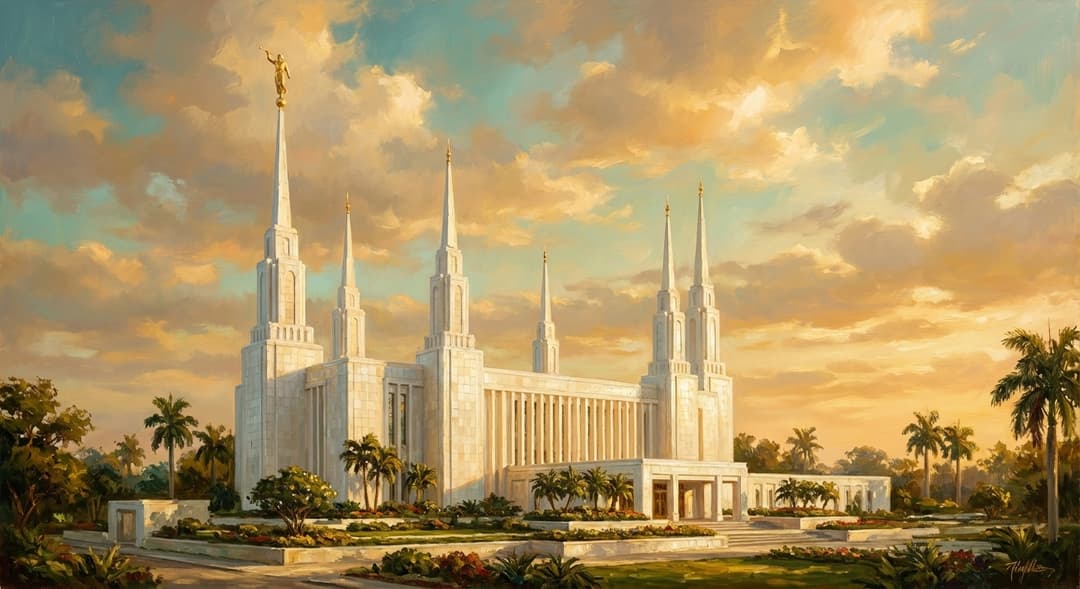
अलाबांग फिलीपींस मंदिर में एक आधुनिक डिज़ाइन है जिसमें फिलिपिनो संस्कृति और कलात्मकता के तत्वों को शामिल किया गया है। मंदिर का बाहरी हिस्सा व्हाइट ओरो क्रिस्टल (White Oro Cristal) ग्रेनाइट से ढका हुआ है, जो मजबूती और स्थायित्व का अहसास कराता है। यह डिज़ाइन फिलीपींस की सुंदरता और सांस्कृतिक विरासत को दर्शाता है, जिससे एक ऐसा पवित्र स्थान बनता है जो श्रद्धापूर्ण और स्वागत योग्य दोनों है। मंदिर की वास्तुकला का उद्देश्य शांति, आशा और ईश्वर के साथ जुड़ाव की भावनाओं को प्रेरित करना है।
निर्माण सामग्री
बाहरी हिस्सा
मंदिर का बाहरी हिस्सा व्हाइट ओरो क्रिस्टल ग्रेनाइट से ढका हुआ है, जो एक टिकाऊ और सुंदर सामग्री है जो ताकत, स्थायित्व और ईश्वर के प्रेम की स्थायी प्रकृति का प्रतीक है।
आंतरिक हिस्सा
मंदिर के आंतरिक हिस्से में लकड़ी का काम, सजावटी पेंटिंग और ग्रेनाइट शामिल हैं, जो फिलिपिनो संस्कृति की शिल्प कौशल और कलात्मकता को दर्शाते हैं।
आंतरिक विशेषताएँ
Celestial Room
Celestial Room शांत चिंतन और प्रार्थना के लिए एक स्थान है, जो ईश्वर की उपस्थिति की शांति और महिमा का प्रतिनिधित्व करता है।
बपतिस्मा-कक्ष (Baptistry)
बपतिस्मा-कक्ष (Baptistry) वह स्थान है जहाँ मृतकों के लिए बपतिस्मा किया जाता है, जिससे व्यक्ति अपने पूर्वजों से जुड़ सकते हैं और उन्हें शाश्वत आशीर्वाद प्राप्त करने का अवसर प्रदान कर सकते हैं।
सीलिंग रूम (Sealing Rooms)
सीलिंग रूम (Sealing Rooms) वे स्थान हैं जहाँ विवाह संपन्न होते हैं, जो जोड़ों और परिवारों को अनंत काल के लिए एकजुट करते हैं।
एन्डाउमेंट रूम (Endowment Rooms)
एन्डाउमेंट रूम (Endowment Rooms) वे स्थान हैं जहाँ सदस्य निर्देश प्राप्त करते हैं और ईश्वर के साथ अनुबंध करते हैं, जिससे उनका विश्वास और सुसमाचार (gospel) के प्रति प्रतिबद्धता मजबूत होती है।
मंदिर परिसर
मंदिर के मैदान को फूलों की क्यारियों और ताड़ के पेड़ों से खूबसूरती से सजाया गया है, जो आगंतुकों और संरक्षकों के लिए एक शांतिपूर्ण और आमंत्रित वातावरण बनाता है।
धार्मिक महत्व
The Church of Jesus Christ of Latter-day Saints के मंदिरों को प्रभु का पवित्र घर माना जाता है, जो उन सभाघरों से भिन्न हैं जहाँ साप्ताहिक पूजा सेवाएँ आयोजित की जाती हैं। मंदिर पवित्र अध्यादेशों (ordinances) को पूरा करने के लिए समर्पित हैं जो ईसा मसीह में विश्वास को मजबूत करते हैं और परिवारों को अनंत काल के लिए एकजुट करते हैं। ये अध्यादेश अपने बच्चों के लिए ईश्वर की योजना में लैटर-डे सेंट के विश्वास के केंद्र में हैं।
अलाबांग फिलीपींस मंदिर का प्राथमिक उद्देश्य एक पवित्र स्थान प्रदान करना है जहाँ The Church of Jesus Christ of Latter-day Saints के सदस्य उन अध्यादेशों में भाग ले सकें जो जीवित और मृत दोनों व्यक्तियों और परिवारों को आशीर्वाद देते हैं। ये अध्यादेश अनंत प्रगति और उत्थान (exaltation) के लिए आवश्यक हैं।
पवित्र अनुष्ठान
Baptism for the Dead
Baptism for the dead मंदिरों में किया जाने वाला एक प्रतिनिधि अध्यादेश है, जो व्यक्तियों को उन मृत पूर्वजों की ओर से बपतिस्मा लेने की अनुमति देता है जिन्हें अपने जीवनकाल के दौरान बपतिस्मा लेने का अवसर नहीं मिला था। यह अध्यादेश अपने सभी बच्चों के लिए ईश्वर के प्रेम और उनके शाश्वत आशीर्वाद प्राप्त करने की उनकी इच्छा को प्रदर्शित करता है।
Endowment
Endowment एक पवित्र अध्यादेश है जिसमें सदस्य निर्देश प्राप्त करते हैं, ईश्वर के साथ अनुबंध करते हैं, और ऊपर से शक्ति का आशीर्वाद प्राप्त करते हैं। यह अध्यादेश व्यक्तियों को धार्मिकता से जीने और अपनी दिव्य क्षमता को पूरा करने के लिए तैयार करता है।
Sealing
Sealing अध्यादेश जोड़ों और परिवारों को अनंत काल के लिए एकजुट करता है, यह सुनिश्चित करता है कि उनके रिश्ते इस जीवन के बाद भी जारी रहेंगे। यह अध्यादेश शाश्वत पारिवारिक इकाई के लिए आवश्यक है, जो The Church of Jesus Christ of Latter-day Saints का एक मुख्य विश्वास है।
ईसाई संदर्भ
व्यापक ईसाई परंपरा के भीतर, The Church of Jesus Christ of Latter-day Saints के मंदिर पूजा और आध्यात्मिक विकास के अनूठे केंद्रों के रूप में कार्य करते हैं। यद्यपि ईसा मसीह और उनके प्रायश्चित (Atonement) के बारे में ईसाई मान्यताओं में निहित हैं, मंदिर उन अध्यादेशों को पूरा करने के लिए एक विशिष्ट वातावरण प्रदान करते हैं जो आमतौर पर अन्य ईसाई संप्रदायों में नहीं पाए जाते हैं। ये अध्यादेश मुक्ति के लिए ईश्वर की योजना और परिवारों की शाश्वत प्रकृति के बारे में लैटर-डे सेंट की समझ को दर्शाते हैं।
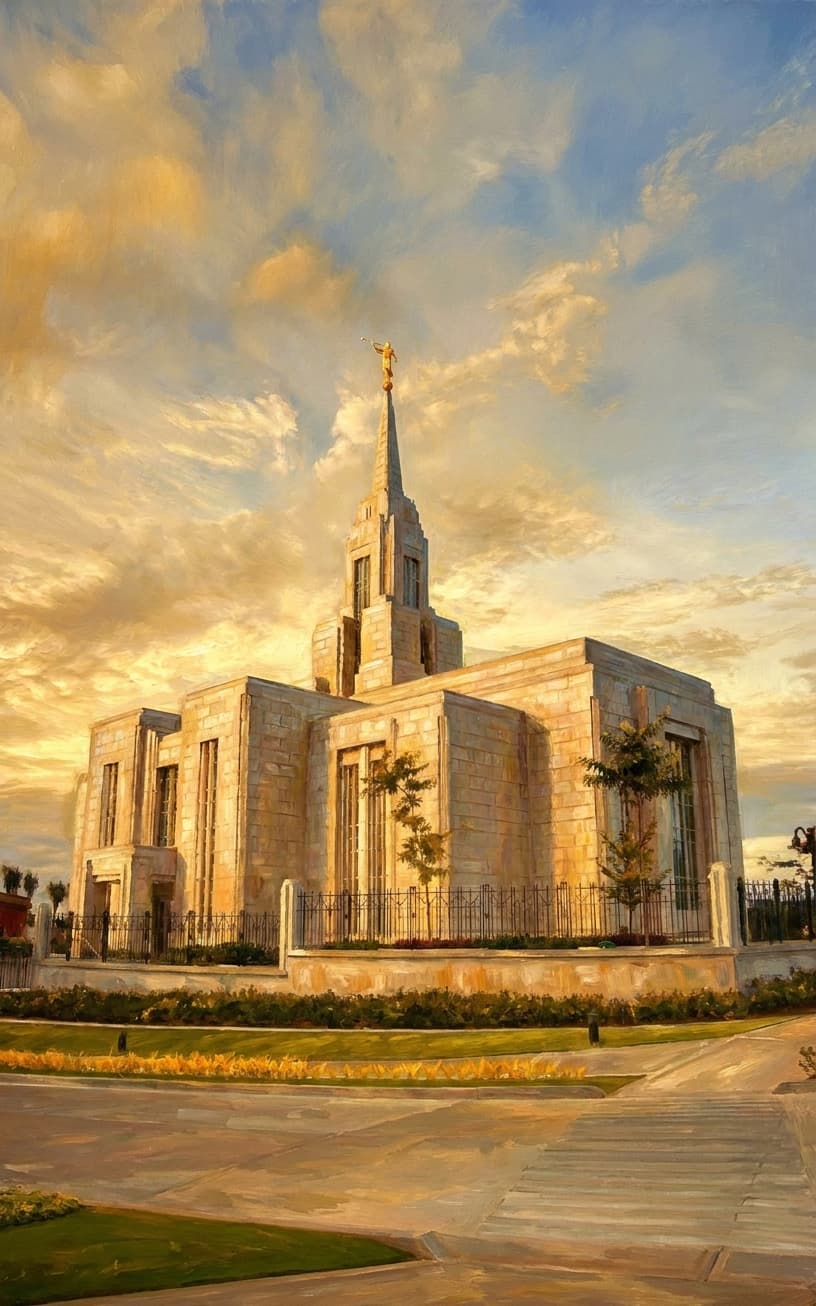
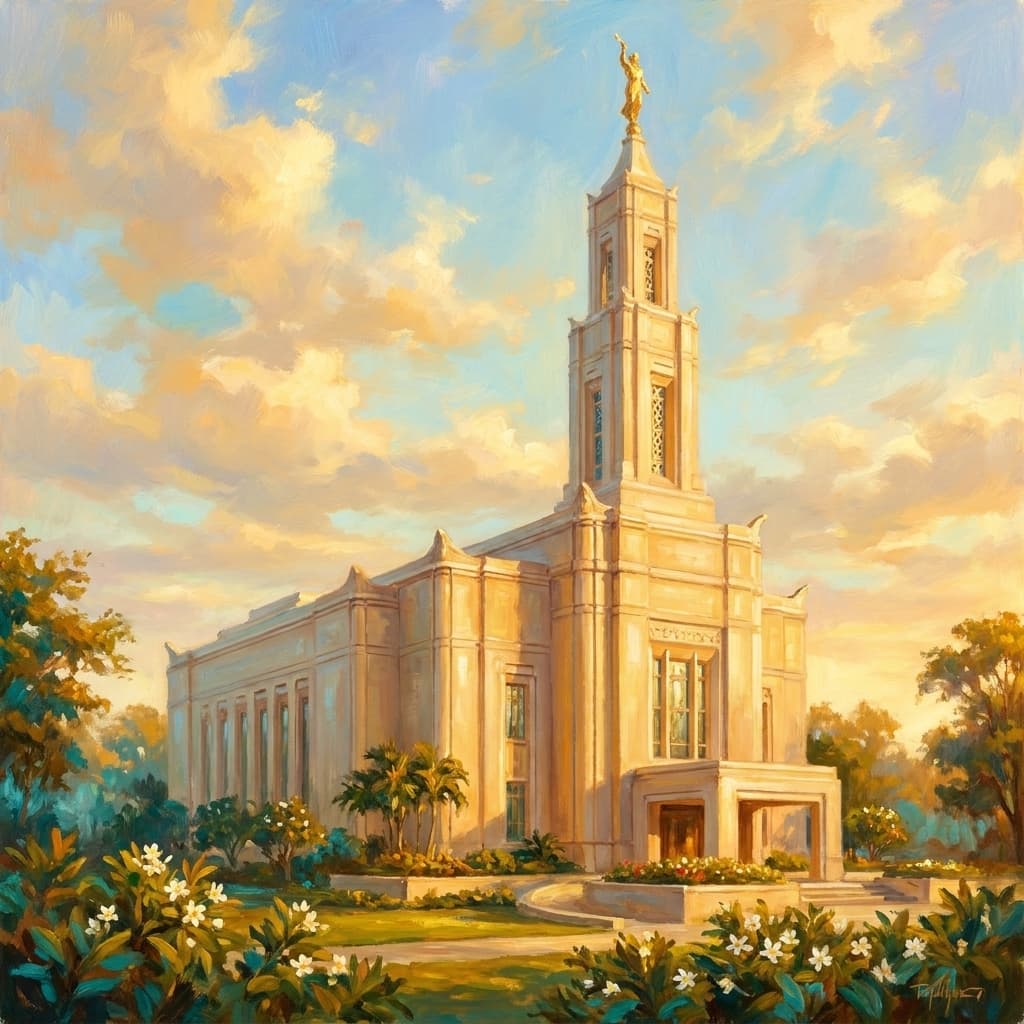
समान मंदिर
स्रोत एवं शोध
Temples.org पर प्रत्येक तथ्य स्रोत एवं शोध द्वारा समर्थित है। प्रत्येक जानकारी को स्रोत स्तर और विश्वसनीयता के अनुसार वर्गीकृत किया गया है।
सभी स्रोत देखें (2)
| क्षेत्र | स्रोत | स्तर | प्राप्ति तिथि |
|---|---|---|---|
| Overview & Basic Facts | Church of Jesus Christ Temples (एक नए टैब में खुलता है) | C | 2024-07-03 |
| Historical Context & Church Growth in the Philippines | The Church of Jesus Christ of Latter-day Saints Newsroom (एक नए टैब में खुलता है) | A | 2024-07-03 |