Reaching Toward Heaven
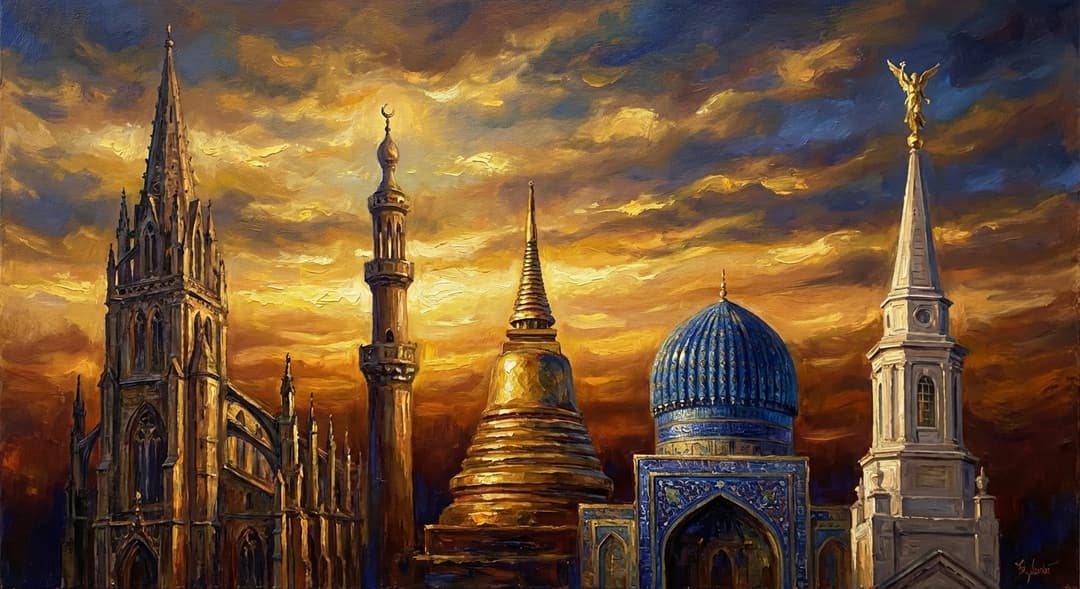
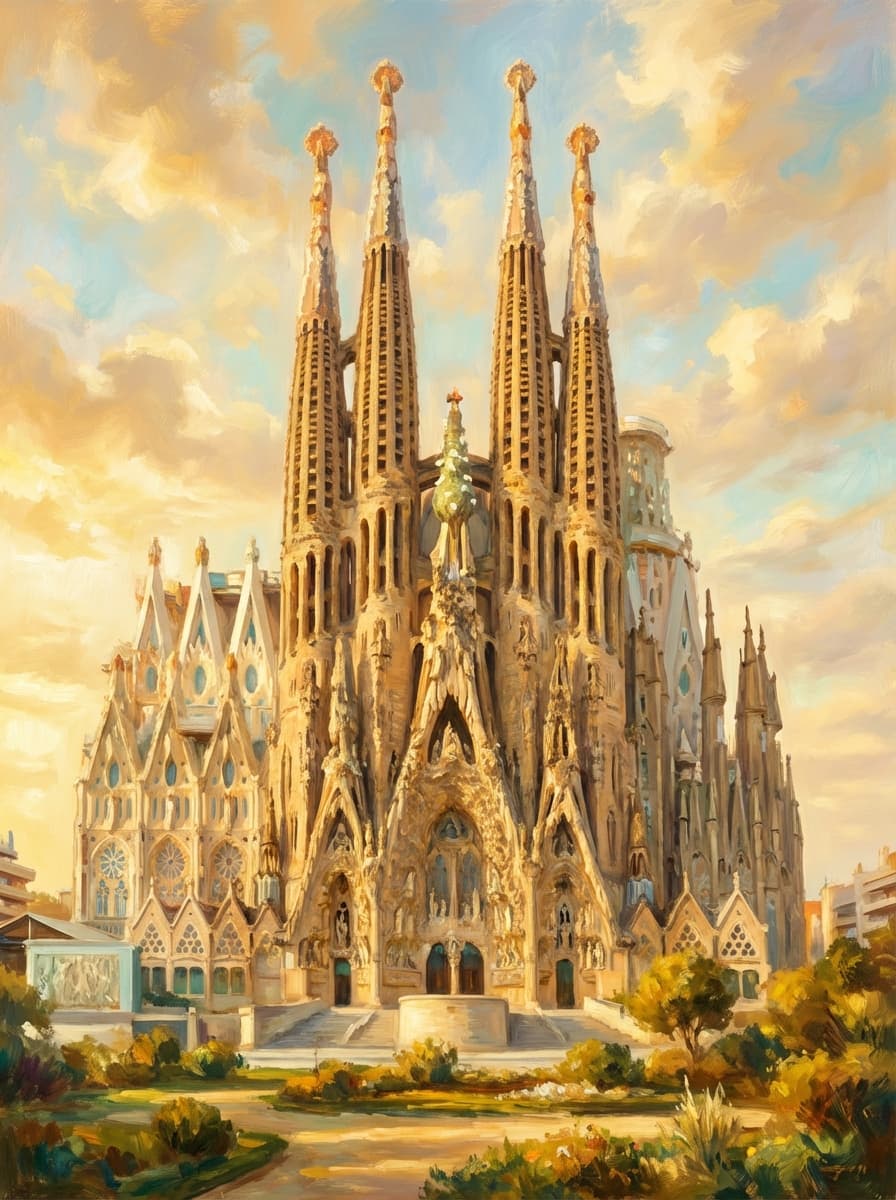
The most immediately recognizable feature of most temples and sacred buildings is their height. From the earliest Mesopotamian ziggurats to the 555-foot spires of La Sagrada Família, religious communities have invested extraordinary resources in building upward. The reason is both practical and profoundly symbolic: vertical architecture directs the eye — and the spirit — toward the heavens.
In nearly every faith tradition, height represents closeness to God. The taller the structure, the nearer to the divine realm it is believed to reach. This is why mountaintops, hilltops, and elevated platforms have been sites of worship since prehistory.
Christian Spires and Steeples
Church spires and steeples evolved from Romanesque bell towers into the soaring Gothic pinnacles of the medieval period. The pointed spire serves as a visual finger pointing to heaven, while church bells housed within called communities to worship.
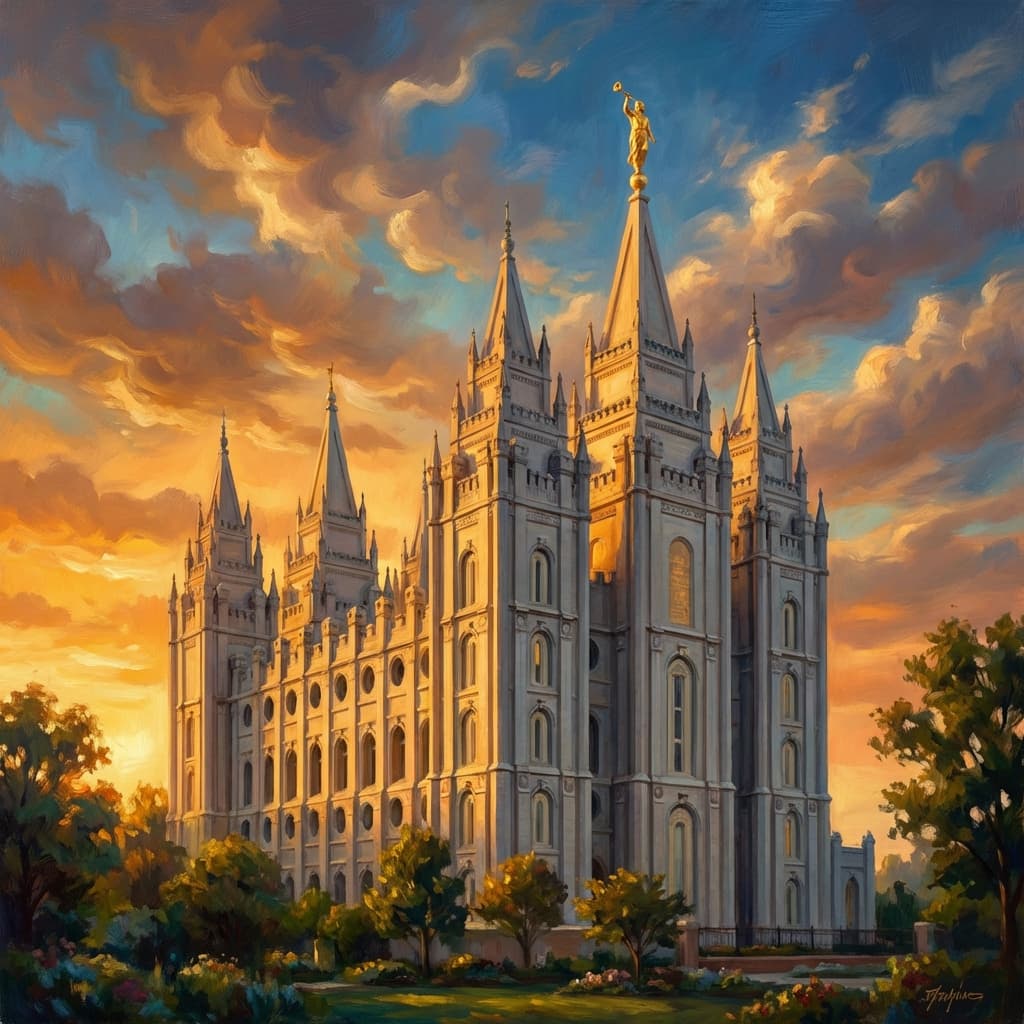
In Latter-day Saint temple architecture, spires carry particular significance. Many LDS temples feature the angel Moroni statue atop the tallest spire, symbolizing the restoration of the gospel and the preaching of truth to every nation. The number and arrangement of spires also carry meaning — the Salt Lake Temple features six spires, with the eastern spires slightly taller to represent the Melchizedek Priesthood.
Islamic Minarets
The minaret — the slender tower from which the adhan (call to prayer) is recited — is one of the most distinctive features of Islamic architecture. Originally serving a practical purpose as a high point for the muezzin's voice to carry, minarets developed into elaborate architectural statements.
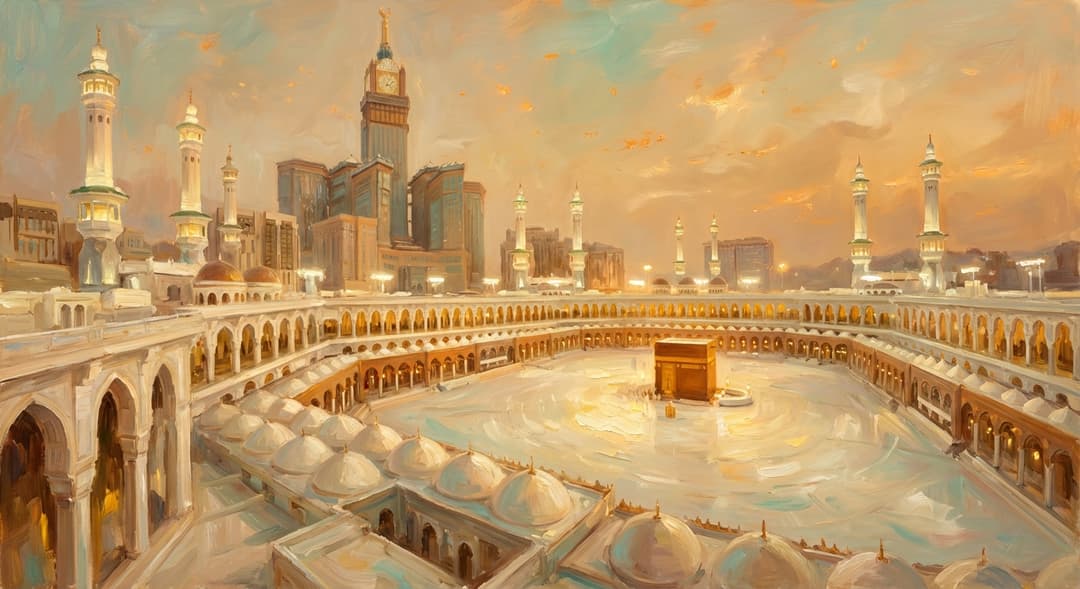
The number and height of minarets can signify a mosque's importance. The Masjid al-Haram in Mecca has nine minarets, more than any other mosque in the world. The Prophet's Mosque in Medina features ten minarets reaching 104 meters each, with green lights at their peaks to distinguish them from the Meccan mosque's white-lit towers.
Buddhist Stupas and Pagodas
The stupa — a hemispherical mound originally built to house sacred relics of the Buddha — represents the Buddhist cosmos in miniature. The dome symbolizes the sky, the harmika (square platform on top) represents heaven, and the chattra (parasol-like finial) represents the Buddha's sovereignty over all realms.
As Buddhism spread eastward, the stupa evolved into the multi-tiered pagoda. The five stories of a Japanese pagoda represent earth, water, fire, wind, and sky — the five elements of Buddhist cosmology. Kinkaku-ji (the Golden Pavilion) in Kyoto deliberately combines three different architectural styles across its three floors, representing earthly, transitional, and heavenly realms.
The Dome: A Universal Symbol
The dome appears across nearly every religious tradition as a representation of the heavenly vault. Byzantine churches pioneered the pendentive dome, allowing vast interior spaces to be crowned with a hemispherical ceiling that seemed to float on light itself — a direct metaphor for the presence of God.
In Islamic architecture, domes over the prayer hall symbolize the vault of heaven. The turquoise domes of Persian mosques represent the celestial sphere, while Hindu temples use shikhara towers with curved profiles that echo the shape of Mount Meru. Even Sikh gurdwaras feature golden domes, as seen in the iconic Harmandir Sahib (Golden Temple) in Amritsar.
Related Temples

Sources & Research
Every fact on Temples.org is backed by verified Sources & Research. Each piece of information is rated by source tier and confidence level.
View All Sources (3)
| Field | Source | Tier | Retrieved |
|---|---|---|---|
| Gothic architecture and spiritual symbolism | The Metropolitan Museum of Art (opens in a new tab) | B | 2026-02-16 |
| Islamic minaret history and function | Encyclopædia Britannica (opens in a new tab) | B | 2026-02-16 |
| Angel Moroni statue on LDS temples | The Church of Jesus Christ of Latter-day Saints (opens in a new tab) | A | 2026-02-16 |