More Than a Building
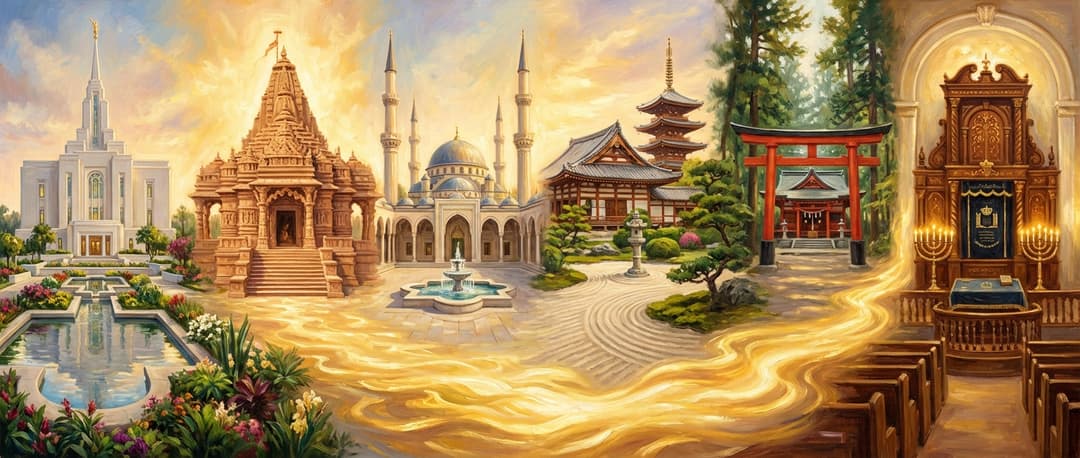
The word "temple" is applied to an astonishing variety of sacred structures worldwide, yet the buildings themselves — and their purposes — differ profoundly from one tradition to another. A Latter-day Saint temple is not the same as a Hindu mandir, which is not the same as a Buddhist wat, which is not the same as a Jewish synagogue. Understanding these differences is essential to appreciating the rich diversity of humanity's sacred architecture.
At Temples.org, we document temples from every major faith tradition using verified sources. This guide introduces the key distinctions that make each tradition's sacred spaces unique.
Latter-day Saint Temples
LDS temples are distinct from regular meetinghouses. While Sunday worship services occur in local chapels, temples are reserved for sacred ordinances: baptisms for the dead, endowment ceremonies, and celestial marriages that Latter-day Saints believe bind families together for eternity. Only members with a current temple recommend may enter.
This exclusivity reflects a theological emphasis on covenant-making and personal worthiness. LDS temples are not public worship spaces but sacred sanctuaries where the most solemn spiritual work occurs. The phrase "Holiness to the Lord — The House of the Lord" appears on every temple.
Hindu Mandirs
In Hindu tradition, the temple (mandir) is the dwelling place of a deity. The central sanctum, called the garbhagriha (literally "womb chamber"), houses the murti — the consecrated image of the god or goddess. Worshippers do not typically gather for congregational services as in Western traditions; instead, they visit individually or in families to offer puja (worship) and receive darshan (the sacred sight of the deity).
Hindu temple architecture follows strict canonical texts called the Shilpa Shastras, which prescribe everything from the temple's orientation to the proportions of its towers. The result is an architecture that is itself considered a sacred text — a three-dimensional mandala encoding cosmic truths.
Islamic Mosques
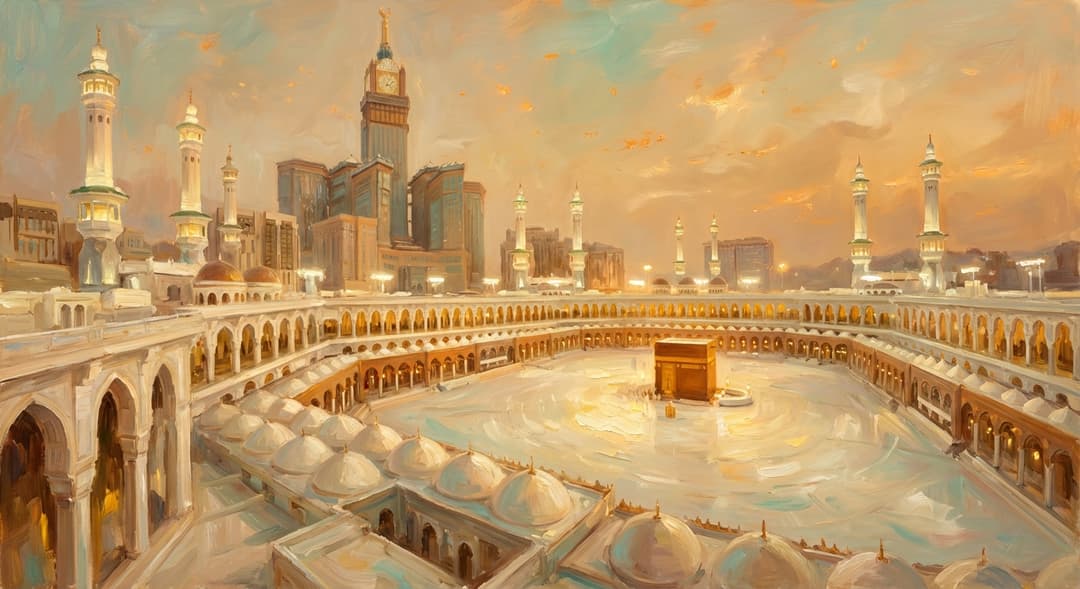
A mosque (masjid) is literally a "place of prostration." Unlike Hindu temples or LDS temples, mosques do not house an image or representation of God — Islam forbids figurative imagery in religious contexts. Instead, the mosque's architecture focuses on creating a space for communal prayer directed toward the qibla (the direction of the Kaaba in Mecca).
The mihrab (prayer niche) indicates the qibla direction, while the minbar (pulpit) is used for the Friday sermon. The open, carpeted prayer hall reflects Islam's emphasis on equality before God — there are no reserved seats, and worshippers pray shoulder to shoulder regardless of social status.
Buddhist Temples and Monasteries
Buddhist sacred architecture encompasses an enormous range: from Thai wats with their glittering spires to the austere rock-cut caves of Ajanta to the massive stone mandala of Borobudur in Indonesia. What unifies them is their purpose: to support the practice of meditation, teaching, and the pursuit of enlightenment.
Many Buddhist temples are also monasteries where monks live, study, and practice. The Buddha hall houses a statue of the Buddha, but this is not an "idol" in the Hindu sense — it is a reminder of the dharma (teachings) and a focal point for meditation. Stupas (reliquary mounds) are often found within temple grounds, housing sacred relics.
Shinto Shrines
Shinto places of worship are called shrines (jinja), not temples, reflecting a fundamental difference in Japanese religious architecture. While Buddhist temples (tera) in Japan house Buddha images and serve as centers of organized religious practice, Shinto shrines are dwelling places of kami — the spirits of nature, ancestors, and abstract forces.
Torii gates mark the boundary between the mundane and sacred worlds. The architecture is deliberately rustic and natural, using unfinished wood and simple forms that harmonize with the surrounding landscape. At Ise Grand Shrine, the most sacred Shinto site, the shrine buildings are dismantled and rebuilt every 20 years in an act of ritual renewal dating back to 690 CE.
Jewish Synagogues
After the destruction of the Second Temple in Jerusalem in 70 CE, Jewish worship shifted from the single, centralized Temple to local synagogues (from the Greek for "assembly"). The synagogue is primarily a house of study, prayer, and community gathering rather than a place of sacrifice or priestly ritual.
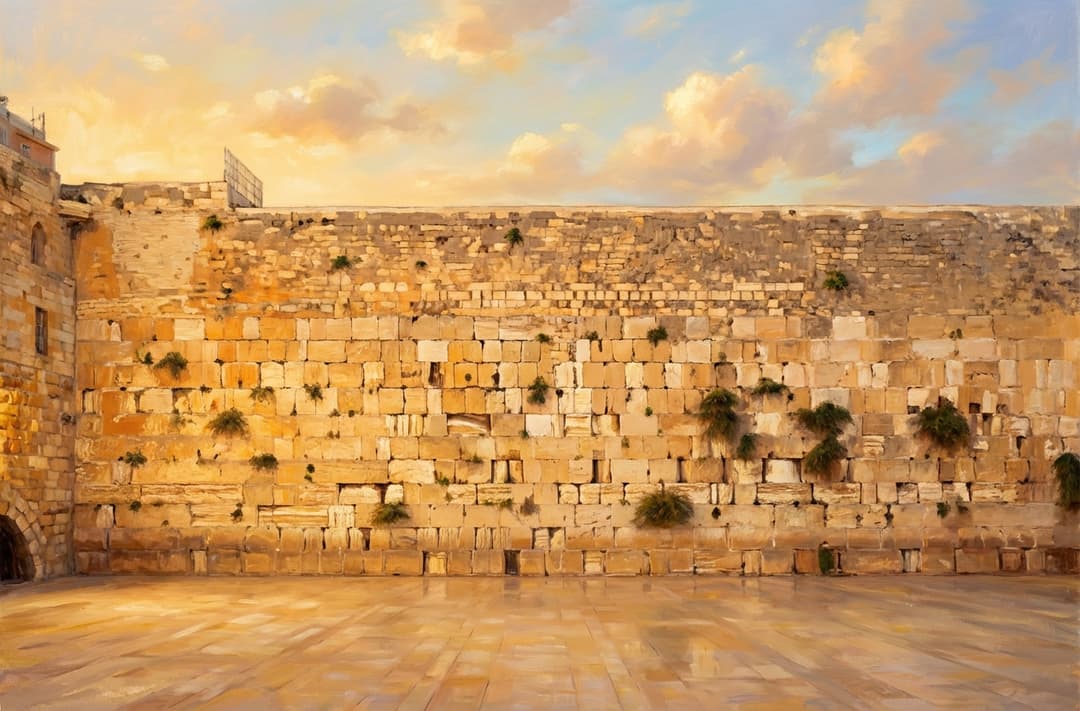
Every synagogue contains an Aron Kodesh (Holy Ark) housing Torah scrolls, and a ner tamid (eternal light) burning above it — symbolic echoes of the original Temple's Holy of Holies and the menorah. The Western Wall in Jerusalem remains the closest accessible point to where the Holy of Holies once stood, making it Judaism's holiest site for prayer.
Related Temples



Sources & Research
Every fact on Temples.org is backed by verified Sources & Research. Each piece of information is rated by source tier and confidence level.
View All Sources (4)
| Field | Source | Tier | Retrieved |
|---|---|---|---|
| Comparative religious architecture | Encyclopædia Britannica (opens in a new tab) | B | 2026-02-16 |
| Hindu temple design principles | The Metropolitan Museum of Art (opens in a new tab) | B | 2026-02-16 |
| Ise Grand Shrine 20-year rebuilding tradition | Ise Jingū Official Website (opens in a new tab) | A | 2026-02-16 |
| Islamic mosque architecture | Khan Academy (opens in a new tab) | B | 2026-02-16 |