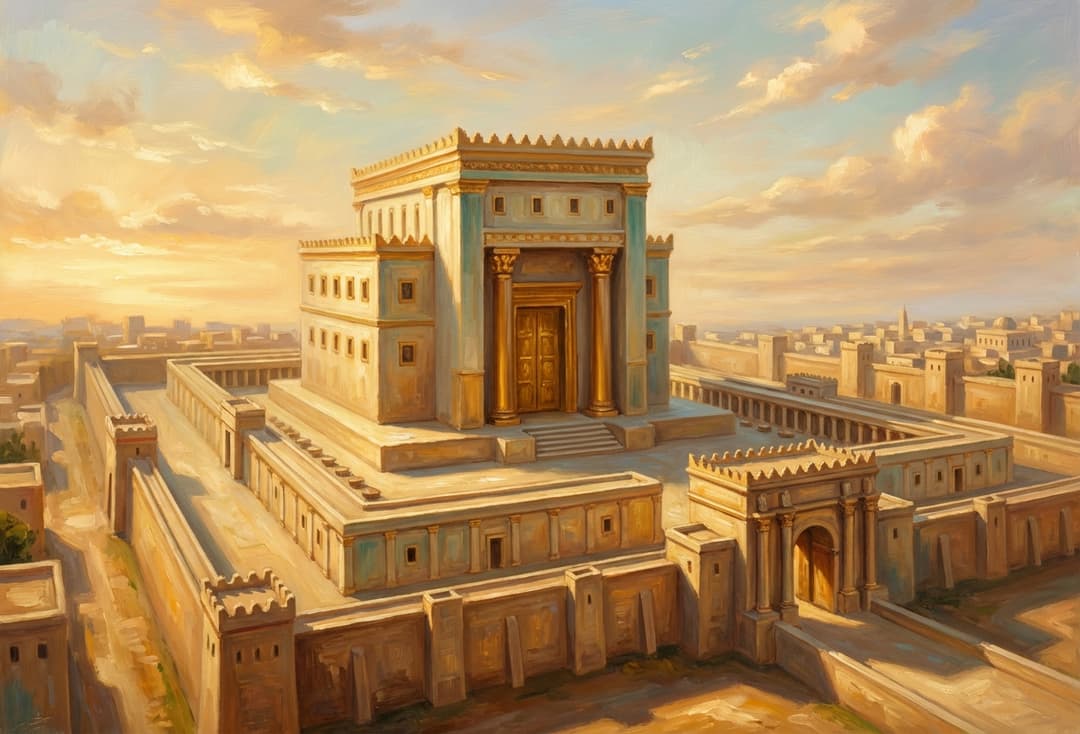
A persistent question surrounding Solomon's Temple is the glaring lack of direct, physical archaeological evidence. Because the Temple Mount in Jerusalem (Haram al-Sharif) is one of the most politically and religiously sensitive sites in the world, systematic, controlled archaeological excavations are strictly prohibited. Consequently, proving the existence and exact layout of the First Temple relies entirely on indirect evidence, textual analysis, and regional architectural parallels.
In 1999, the Islamic Waqf undertook unauthorized construction on the Temple Mount, removing thousands of tons of soil and dumping it in the Kidron Valley. In response to this destruction of archaeological strata, the Temple Mount Sifting Project (TMSP) was established in 2004 by archaeologists Dr. Gabriel Barkay and Zachi Dvira. This massive "rescue operation" involves meticulously sifting through the discarded debris. Over the past two decades, the project has recovered hundreds of thousands of artifacts, including pottery, seals, and coins dating from the Middle Bronze Age through the First and Second Temple periods, offering the first tangible, albeit displaced, glimpses of human activity on the Mount during Solomon's era.
Without physical remains in Jerusalem, biblical archaeologists construct models of Solomon's Temple by comparing biblical texts to contemporary regional structures. The most striking parallel discovered is the 'Ain Dara temple in northern Syria. Excavated in the 1980s, this Iron Age Syro-Hittite sanctuary mirrors the biblical description of Solomon's Temple with uncanny accuracy. It features the same tripartite layout—a portico, a main hall, and an inner sanctum—and is adorned with massive carved lions and sphinx-like cherubim. The remarkable structural similarities of 'Ain Dara provide scholars with a tangible, standing model of what King Solomon's monumental achievement likely looked like before its destruction.
Key Details
- Project Initiated Temple Mount Sifting Project (2004)
- Closest Architectural Parallel 'Ain Dara Temple (Syria)
- Direct Excavation Status Prohibited on the Temple Mount
Timeline
'Ain Dara Excavations
Syrian excavations reveal a massive Iron Age temple with striking structural and artistic parallels to Solomon's Temple.
MilestoneUnauthorized Soil Removal
Thousands of tons of archaeologically rich soil are removed from the Temple Mount during underground construction.
EventTMSP Founded
The Temple Mount Sifting Project is established to recover and identify artifacts from the discarded soil.
MilestoneSources & Research
Every fact on Temples.org is backed by verified Sources & Research. Each piece of information is rated by source tier and confidence level.
View All Sources (2)
| Field | Source | Tier | Retrieved |
|---|---|---|---|
| The Temple Mount Sifting Project | Temple Mount Sifting Project Official Site (opens in a new tab) | B | 2024-02-29 |
| The 'Ain Dara Temple Parallels | Biblical Archaeology Society (opens in a new tab) | B | 2024-02-29 |