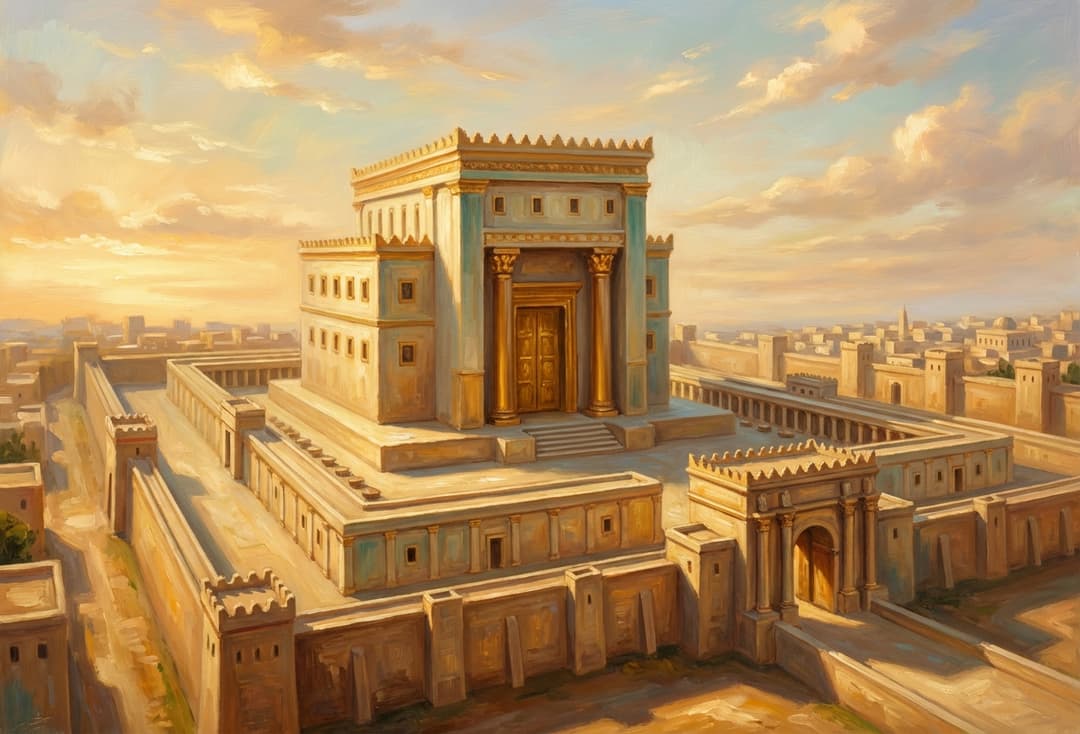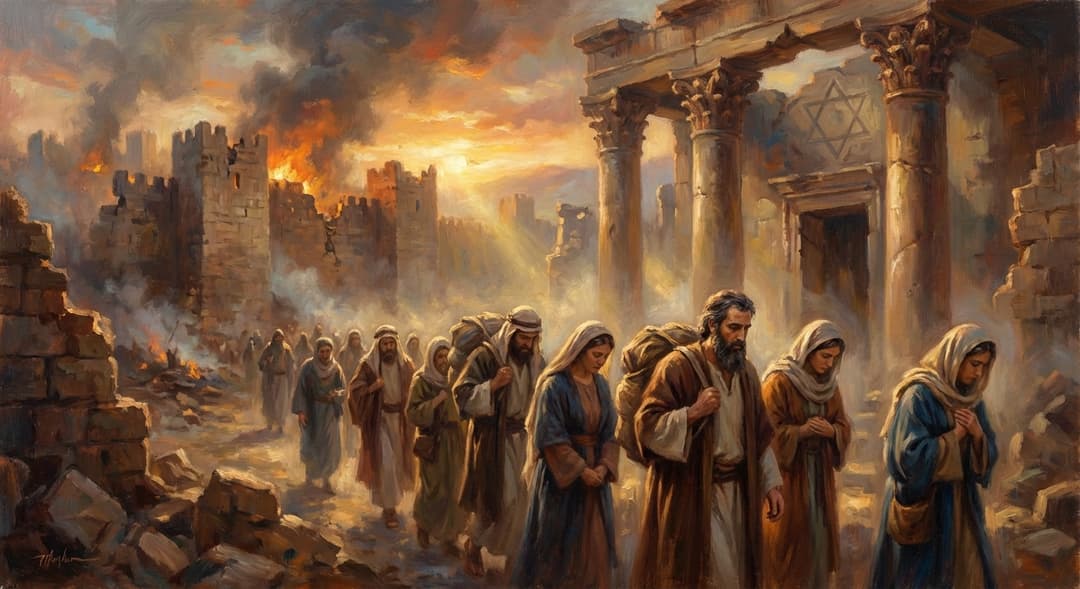
The Babylonian Exile, a period of profound upheaval in Jewish history, unfolded in the 6th century BCE with the conquest of the Kingdom of Judah by the Neo-Babylonian Empire under King Nebuchadnezzar II. This cataclysmic event led to the destruction of Solomon's Temple in Jerusalem, the spiritual and cultural heart of the Israelite nation, and the forced displacement of a significant portion of the Jewish population to Babylon. The exile marked not only a political and military defeat but also a spiritual crisis, challenging the very foundations of Jewish faith and identity.
The events leading to the exile were a culmination of Judah's political instability and religious deviations. Despite warnings from prophets like Jeremiah, who urged submission to Babylonian rule as divine judgment for the people's sins, Judah's kings engaged in alliances and rebellions against Babylon. These actions ultimately provoked Nebuchadnezzar's wrath, leading to the siege and destruction of Jerusalem in 587/586 BCE. The Temple, a symbol of God's presence and the covenant with Israel, was plundered and burned, its treasures carried off to Babylon.
In Babylon, the exiled Jews faced immense challenges, adapting to a foreign culture while striving to maintain their religious and cultural identity. In the absence of the Temple, synagogues emerged as centers of communal prayer, study, and assembly, laying the groundwork for the synagogue's central role in Jewish life. The exile also spurred a renewed focus on the study of Torah and the preservation of Jewish traditions, leading to the collection and codification of sacred texts. Prophets like Ezekiel offered visions of hope and restoration, promising a future return to Zion and the rebuilding of the Temple.
The Babylonian Exile lasted for nearly 50 years, until Cyrus the Great of Persia conquered Babylon in 539 BCE. In 538 BCE, Cyrus issued an edict allowing the Jewish exiles to return to Judah and rebuild the Temple. This event marked the beginning of the Second Temple period and a new chapter in Jewish history. The memory of the Babylonian Exile, however, continued to shape Jewish identity and religious practice, serving as a reminder of the consequences of disobedience and the enduring hope for redemption.
Key Details
- Start of Exile 597 BCE
- Destruction of Temple 587/586 BCE
- Cyrus's Edict 538 BCE
- Length of Exile Approximately 50 years
- Key Babylonian King Nebuchadnezzar II
- Key Persian King Cyrus the Great
Timeline
Battle of Carchemish
Nebuchadnezzar defeats the Egyptians, establishing Babylonian dominance.
EventFirst Deportation
King Jehoiachin and elites are exiled to Babylon.
EventDestruction of Jerusalem
Solomon's Temple is destroyed, and the remaining population is exiled.
EventCyrus Conquers Babylon
The Persian Empire takes control of Babylon.
EventEdict of Cyrus
Jewish exiles are allowed to return to Judah and rebuild the Temple.
component.timeline.announcementSources & Research
Every fact on Temples.org is backed by verified Sources & Research. Each piece of information is rated by source tier and confidence level.
View All Sources (3)
| Field | Source | Tier | Retrieved |
|---|---|---|---|
| Omaha Daily Bee, November 27, 1910 | Library of Congress (opens in a new tab) | C | 2024-01-01 |
| El Paso Herald, November 26, 1910 | Library of Congress (opens in a new tab) | C | 2024-01-01 |
| The Birmingham Age-Herald, November 27, 1910 | Library of Congress (opens in a new tab) | C | 2024-01-01 |