Visitor Insights
Visiting Córdoba Argentina Temple
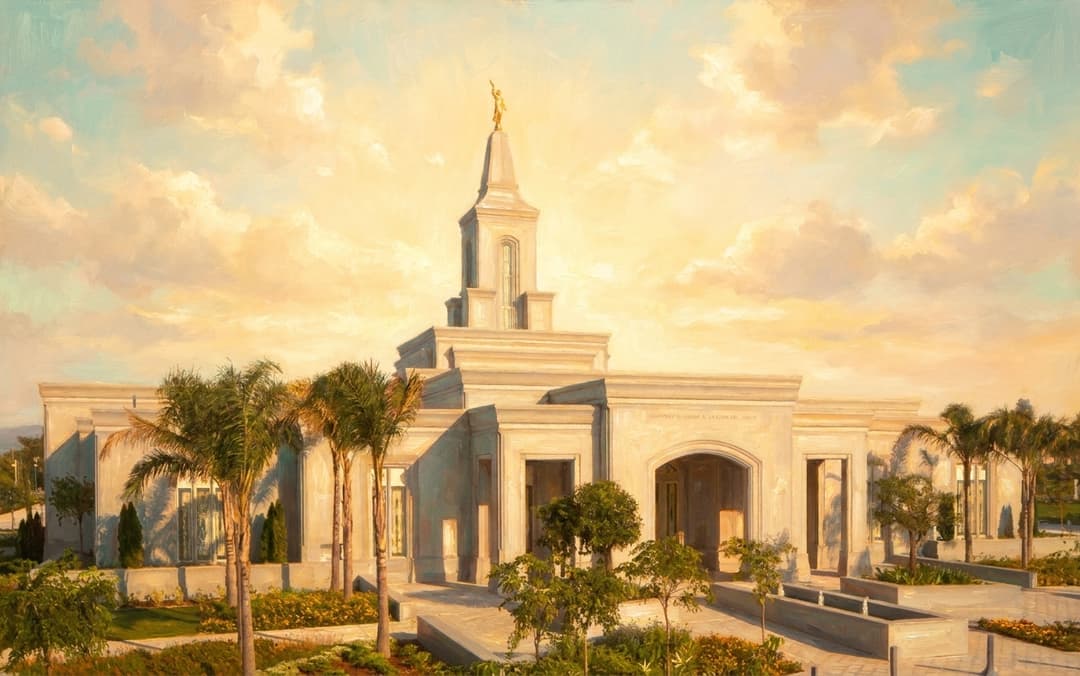
The Córdoba Argentina Temple offers a deeply peaceful and contemplative experience for all who visit its beautifully manicured grounds. Located in the upscale Villa Belgrano neighborhood, the temple stands as a quiet oasis away from the bustling city center, surrounded by lush gardens and mature trees. Visitors can stroll along the paved walkways, sit on the benches to meditate, and admire the stunning Spanish Colonial-influenced architecture. The atmosphere is one of profound reverence, making it an ideal spot for personal reflection and spiritual renewal.
Highlights
- Stunning exterior cladding of locally quarried light-grey Córdoba granite
- Beautifully landscaped gardens featuring native Argentine flora and peaceful pathways
- The iconic gold-leafed statue of the angel Moroni atop the single central spire
- A serene atmosphere perfect for quiet contemplation and photography from the public grounds
Things to Know
- Interior access is reserved exclusively for members of the Church with a valid temple recommend
- The public is welcome to explore the exterior grounds and gardens free of charge
- Modest attire is recommended when visiting the sacred temple grounds
- The temple is beautifully illuminated at night, offering excellent evening photo opportunities
Location
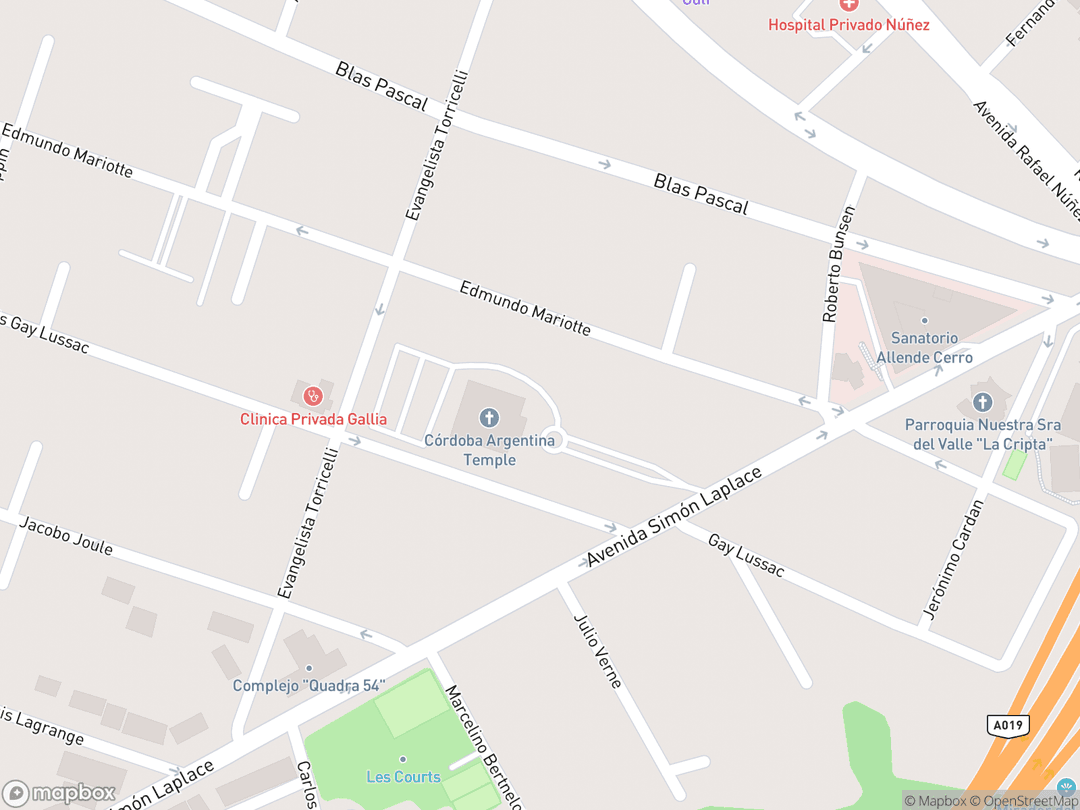
Avenida Pedro Laplace 5637, CP5021, Córdoba, Argentina
Hours: The temple grounds are open daily to the public from sunrise until approximately 9:00 PM.
Getting There: Located at Avenida Pedro Laplace 5637 in the Villa Belgrano neighborhood. It is easily accessible via public bus routes running along Laplace, with ample street parking available for private vehicles.
Get DirectionsTips for Your Visit
Visit at Golden Hour
Arrive just before sunset to watch the local light-grey granite exterior catch the warm, golden rays of the Argentine sun.
Respect the Sacred Space
While the gardens are open to all, please maintain a quiet, reverent demeanor to preserve the peaceful environment for other visitors.
Capture the Night Illumination
The temple is brilliantly lit by floodlights after dark, making the northwestern sky glow and providing a spectacular subject for night photography.
About
The Córdoba Argentina Temple stands as a magnificent monument of faith in Argentina's second-largest city, serving as a sacred sanctuary for Latter-day Saints across the northern region of the country. Within the broader Christian and Abrahamic tradition, the temple represents a modern continuation of the biblical practice of setting apart holy spaces to encounter the Divine. It is not a traditional house of congregational worship, but rather a literal "House of the Lord" where believers enter into sacred covenants with God, mirroring the ancient desire to bridge the gap between heaven and earth.
Constructed on a historic five-acre site in the Villa Belgrano neighborhood, the temple grounds hold deep spiritual significance for local members. For decades, this property served as the headquarters of the Argentina North Mission, a place where future Apostles of the Church labored as young missionaries. The transformation of this historic missionary hub into a permanent temple symbolizes the deep roots and blossoming of the restoration of the gospel of Jesus Christ in South America, providing a beacon of hope and spiritual strength.
Architecturally, the temple is a masterpiece of classical design infused with Spanish Colonial influences, designed to harmonize with Córdoba's rich Jesuit and colonial history. Faced with light-grey granite quarried from the local hills of Córdoba, the structure physically connects with the bedrock of the region. The single, elegant spire rises heavenward, topped by the gold-leafed statue of the angel Moroni, serving as a public testament to the eternal nature of the soul and the ongoing proclamation of the Christian message of redemption.
Gallery
Symbolic Elements
The temple's exterior features intricate carvings, each rich with spiritual meaning:

The Angel Moroni
Standing atop the single spire, the gold-leafed statue of the angel Moroni represents the restoration of the gospel of Jesus Christ in the modern era. It serves as a visual herald of the Second Coming, symbolically sounding a trumpet to proclaim the 'good news' to all nations.

Single Central Spire
The central spire draws the eye upward, symbolizing the soul's ascent toward heaven and reminding patrons of the eternal focus of the ordinances performed within. It bridges the earthly realm with the divine, reflecting traditional Christian architectural aspirations.

Local Granite Cladding
Faced with light-grey granite quarried from the local hills of Córdoba, the temple is physically connected to the bedrock of the region. This symbolizes the strength, permanence, and deep-rooted nature of the faith of the local Latter-day Saints.

Stylized Floral Motifs
The local floral patterns integrated into the art glass, hand-sculpted carpets, and wall stenciling symbolize the beauty of God's creation. They represent spiritual growth, renewal, and the blossoming of faith in the hearts of the Argentine people.

Inward and Upward Progression
The physical layout of the temple represents a progressive spiritual journey from the outer world to the presence of God. Patrons move from the outer foyer into instruction rooms, and finally into the Celestial Room, symbolizing leaving the cares of the world behind.

Swarovski Crystal Chandeliers
Exquisite Swarovski crystal chandeliers hang in the Celestial Room and sealing rooms, symbolizing the light of Christ and the purity of heaven. Their brilliant illumination reflects the clarity and beauty of eternal truths taught within these sacred spaces.

Hand-Sculpted Carpets
The custom-designed, hand-sculpted carpets in the entryway and bride's room feature patterns that mirror the floral stenciling on the walls. This attention to detail symbolizes the care, devotion, and consecration of the best of human artistry to the House of the Lord.
Interesting Facts
The temple was constructed on the exact site of the former Argentina North Mission home and one of the first local chapels in Córdoba. (Tier A)
Elder Richard G. Scott served as the mission president on this property in the 1960s, with a young Elder D. Todd Christofferson serving as one of his missionaries. (Tier A)
Decades after their missionary service on this site, both Richard G. Scott and D. Todd Christofferson became Apostles of the Church. (Tier A)
During the dedication, Elder Christofferson remarked that it was 'almost surreal' to dedicate a House of the Lord on the very ground where he had lived as a young missionary 50 years prior. (Tier B)
The temple was dedicated on May 17, 2015, which coincided with Ascension Day, a traditional Christian holiday celebrating Jesus Christ’s ascension into heaven. (Tier B)
The exterior granite was quarried locally in the province of Córdoba, allowing the temple to literally be built from the very bedrock of the region it serves. (Tier B)
The interior features a global array of materials, including African Sapele wood, Spanish Rojo Alicante marble, and Swarovski crystals from New York. (Tier C)
The crystal chandeliers that hang in the Celestial Room and sealing rooms are genuine Swarovski crystals, custom-crafted by the historic Schonbek Worldwide lighting firm. (Tier C)
The cultural celebration held the night before the dedication featured nearly 1,000 local youth performing folk dances that retold the history of Argentina. (Tier B)
The Córdoba Argentina Temple was only the second temple dedicated in Argentina, opening nearly 30 years after the country's first temple in Buenos Aires was dedicated in 1986. (Tier A)
Common Questions
Why is the Córdoba Argentina Temple built on this specific site?
The temple was constructed on a site of immense historical significance for the Church in Argentina. During the 1960s, this property served as the headquarters for the Argentina North Mission. It was the home and office of mission president Richard G. Scott and his missionary D. Todd Christofferson, both of whom later became Apostles. Building the temple here honors this sacred legacy.
Who is allowed to enter the inside of the temple?
While the beautifully landscaped exterior grounds and gardens are open to the general public of all faiths, access to the interior of the temple is reserved for members of the Church of Jesus Christ of Latter-day Saints who hold a valid temple recommend, which certifies they are living according to the standards of their faith.
What is the significance of the local granite used on the exterior?
The exterior of the temple is clad in light-grey granite that was quarried locally in the province of Córdoba. It was then shipped to Buenos Aires for precision milling and fabrication before being returned to Córdoba for installation. This choice of material physically anchors the temple to the very bedrock of the region it serves.
How does this temple differ from a regular Latter-day Saint meetinghouse?
Latter-day Saint meetinghouses (chapels) are open to the general public for weekly Sunday worship services, community activities, and social gatherings. Temples, however, are considered sacred 'Houses of the Lord' reserved for special, quiet ordinances such as eternal marriages (sealings) and baptisms for the dead, which bind families together forever.
What architectural style does the temple represent?
The temple features a refined classical design with distinct Spanish Colonial influences. This style was carefully chosen to harmonize with the rich historical architecture of Córdoba, a city famous for its colonial-era churches and historic Jesuit ruins, blending local heritage with traditional Latter-day Saint temple proportions.
Featured Stories
An Apostolic Reunion on Sacred Ground
May 17, 2015
The dedication of the Córdoba Argentina Temple marked a deeply emotional and historic reunion for the leadership of the Church. In the 1960s, Richard G. Scott presided over the Argentina North Mission on this exact property, with a young D. Todd Christofferson serving as one of his full-time missionaries. Decades later, both men had been called as members of the Quorum of the Twelve Apostles. Elder Christofferson returned to this very site to assist President Dieter F. Uchtdorf in dedicating the temple, standing on the ground where he had lived and knocked on doors fifty years prior. He described the experience as 'almost surreal,' witnessing a holy temple rise from the soil of his youthful missionary labors.
Source: LDS Living & Church News Reports
The Journey of the Local Granite
2010–2015
To ensure the temple harmonized with the historic colonial architecture of Córdoba, designers chose to clad the exterior in high-quality, light-grey granite quarried locally in the province of Córdoba. However, the process of transforming raw stone into temple-ready cladding required a massive logistical effort. The raw granite blocks were extracted from local quarries and transported nearly 400 miles to Buenos Aires, where advanced milling and fabrication facilities could cut and polish the stone to precise specifications. Once completed, the finished granite panels were shipped back to Córdoba to be meticulously installed on the temple's exterior. This labor of love ensured that the temple was literally built from the bedrock of the region it serves, representing the strength and dedication of the local saints.
Source: Official Construction Records
A Celebration of Argentine Heritage
May 16, 2015
On the eve of the temple's dedication, nearly 1,000 local Latter-day Saint youth gathered at the Orfeo Superdome in Córdoba for a vibrant cultural celebration. Through traditional Argentine folk songs, energetic dances, and dramatic performances, the youth retold the history of their nation and the growth of the Church in South America. The event was attended by President Dieter F. Uchtdorf and other Church leaders, who watched the youth perform with immense energy and devotion. The celebration highlighted the rich cultural heritage of Argentina, blending national pride with spiritual devotion. It served as a powerful reminder of the rising generation's commitment to the temple and the legacy of faith passed down by early pioneers.
Source: Latter-day Saints Newsroom
Timeline
First Missionaries Arrive in South America
Elder Melvin J. Ballard dedicates South America for missionary work in Buenos Aires, planting the seeds for the Church's future growth in Argentina.
MilestoneEstablishment of the Argentina North Mission
The Argentina North Mission is organized, with its headquarters established on the very property where the Córdoba Temple now stands.
MilestoneRichard G. Scott Begins Mission Presidency
Future Apostle Richard G. Scott begins his service as president of the Argentina North Mission, living and working on the temple site.
EventD. Todd Christofferson Arrives as a Missionary
A young D. Todd Christofferson, who would also later become an Apostle, arrives to serve as a full-time missionary under President Scott.
EventTemple Announcement
President Thomas S. Monson announces the construction of the Córdoba Argentina Temple during the opening session of General Conference.
MilestoneGroundbreaking Ceremony
Elder Neil L. Andersen presides over the groundbreaking ceremony, officially commencing construction on the historic mission home site.
component.timeline.groundbreakingAngel Moroni Statue Installed
The gold-leafed statue of the angel Moroni is successfully installed atop the temple's single spire, drawing local media attention.
MilestonePublic Open House Commences
The temple opens its doors to the general public for a multi-week open house, allowing visitors to tour the sacred interior rooms.
EventPublic Open House Concludes
The open house concludes with over 49,000 visitors having toured the temple, including local government, civic, and religious leaders.
EventYouth Cultural Celebration
Nearly 1,000 Latter-day Saint youth perform traditional Argentine folk dances and songs at the Orfeo Superdome in Córdoba.
EventTemple Dedication
President Dieter F. Uchtdorf dedicates the temple in three sessions, accompanied by Elder D. Todd Christofferson on his former mission ground.
DedicationFirst Temple Ordinances Performed
The temple officially opens for regular patron service, allowing local members to perform sacred ordinances close to home.
MilestoneThree-Year Anniversary Milestones
Local congregations report a dramatic increase in family history research and temple attendance across northern Argentina.
MilestoneTemporary Pandemic Closure
The temple temporarily suspends operations in response to the global COVID-19 pandemic, prioritizing the health of patrons and staff.
EventPhased Reopening and Return to Service
The temple resumes full operational status, welcoming patrons back for sacred ordinance work under updated safety guidelines.
MilestoneHistory by Decade
1920s — Seeds of Faith in South America
The origins of the Church of Jesus Christ of Latter-day Saints in Argentina trace back to the early 1920s, when European immigrants arrived in the country. These early believers began sharing their faith with neighbors, eventually requesting that formal missionaries be sent to South America. On Christmas Day in 1925, Elder Melvin J. Ballard dedicated the South American continent for the preaching of the gospel in Buenos Aires, laying the groundwork for what would eventually become a major region of growth for the denomination.
1960s — Apostolic Foundations on Sacred Ground
During this decade, the site of the future temple served as the headquarters for the Argentina North Mission. From 1965 to 1969, Richard G. Scott (who would later serve as a member of the Quorum of the Twelve Apostles) presided over the mission on this exact property. One of his young, full-time missionaries was D. Todd Christofferson, who would also later be called as an Apostle. The property also housed one of the first local chapels in Córdoba, establishing a legacy of worship and missionary zeal on this specific plot of land.
2000s — The Announcement of a Second Sanctuary
On October 4, 2008, Church President Thomas S. Monson announced plans to construct a temple in Córdoba during the opening session of the semi-annual General Conference. It was announced as the second temple in Argentina, intended to ease the travel burden on members in the northern half of the country who previously had to travel nearly 400 miles to the Buenos Aires Argentina Temple. The announcement was met with tears of joy and gratitude from local members who had long prayed for a temple in their region.
2010s — Construction, Celebration, and Dedication
Construction officially commenced on October 30, 2010, with a groundbreaking ceremony presided over by Elder Neil L. Andersen. Over the next five years, local and international craftsmen worked to build a structure of exceptional quality. Following a public open house that drew over 49,000 visitors, the temple was dedicated on May 17, 2015, by President Dieter F. Uchtdorf. The dedication was a historic milestone, bringing a permanent House of the Lord to the saints of northern Argentina.
Architecture & Facilities
The Córdoba Argentina Temple features a refined classical design with distinct Spanish Colonial influences, designed to harmonize with the rich historic architecture of Córdoba—a city famous for its Jesuit ruins and colonial-era churches. The building features a single, central attached spire that rises gracefully from the front facade, balancing traditional Latter-day Saint temple proportions with regional aesthetic sensibilities.
Building Materials
Exterior Cladding
High-quality, light-grey granite quarried locally in the province of Córdoba and milled in Buenos Aires, Argentina.
Interior Stone and Marble
A sophisticated selection of natural stones, including Sahara Gold marble, Oro del Mar marble, Tunas Green granite, and striking Rojo Alicante red marble imported from Spain.
Woodwork
Detailed interior millwork, doors, and extensive wall paneling crafted from rich African Sapele wood, known for its warm grain.
Lighting and Glass
Exquisite Swarovski crystal chandeliers manufactured by Schonbek Worldwide of New York, and custom art glass windows featuring delicate floral patterns.
Interior Features
Celestial Room
A quiet, reverent space symbolizing heaven, illuminated by a magnificent Swarovski crystal chandelier and decorated with soft, natural hues and gold stenciling.
Instruction Rooms
Two instruction rooms designed for a two-stage progressive presentation, where patrons learn about the plan of salvation and make covenants.
Sealing Rooms
Two sealing rooms featuring beautiful mirrors and a central altar, where marriages are performed for eternity.
Baptistry
A sacred room featuring a font resting on the backs of twelve sculpted oxen, symbolizing the twelve tribes of Israel, used for proxy baptisms.
Temple Grounds
The temple is situated on a beautifully landscaped 5.18-acre site featuring paved walkways, manicured lawns, and lush gardens filled with dozens of varieties of local plants and flowers, offering a peaceful, contemplative atmosphere.
Additional Facilities
The temple complex includes housing facilities for visiting patrons and full-time missionaries, as well as an adjacent meetinghouse.
Religious Significance
Within the broader Abrahamic and Christian traditions, sacred spaces have historically served as focal points for believers seeking closer communion with the Divine. From the ancient tabernacle of Moses in the wilderness to the grand Temple of Solomon in Jerusalem, these structures were designated as holy ground—places set apart from the secular world where humanity could encounter God.
Latter-day Saints share this deep Christian heritage, viewing temples not as regular meetinghouses for weekly congregational worship, but as literal 'Houses of the Lord' where sacred covenants are made and families are bound together eternally.
Sacred Ordinances
The Endowment
A sacred ceremony where patrons receive instruction about the creation of the world, the mission of Jesus Christ, and the covenants required to return to God's presence.
Eternal Marriage (Sealing)
A sacred ordinance performed in sealing rooms that unites husbands, wives, and children in family relationships that can endure beyond death.
Baptism for the Dead
A proxy ordinance performed in the baptistry, allowing living members to be baptized on behalf of their deceased ancestors, reflecting the Christian belief in a merciful God.
Covenants and the Abrahamic Promise
The ordinances performed within the Córdoba Argentina Temple are deeply rooted in the biblical concept of covenants. Just as God made covenants with Abraham, Isaac, and Jacob, modern believers enter into sacred agreements with God, promising to live righteous lives and follow the teachings of Jesus Christ, receiving in return the promise of eternal life and family progression.
A Beacon of Christian Hope
For the Latter-day Saints of northern Argentina, the temple stands as a physical testament to their faith in the Resurrection and the Atonement of Jesus Christ. It serves as a spiritual anchor, reminding them that life has eternal purpose and that the bonds of love formed in this life can transcend the grave through the power of the priesthood.
Similar Temples
Sources & Research
Every fact on Temples.org is backed by verified Sources & Research. Each piece of information is rated by source tier and confidence level.
View All Sources (5)
| Field | Source | Tier | Retrieved |
|---|---|---|---|
| About & Historical Background | The Church of Jesus Christ of Latter-day Saints (opens in a new tab) | A | 2026-02-18 |
| Featured Stories & Apostolic History | LDS Living (opens in a new tab) | B | 2026-02-18 |
| Quick Facts & Construction Specifications | ChurchofJesusChristTemples.org (opens in a new tab) | C | 2026-02-18 |
| Architecture & Interior Design | Photogent Temple Photography (opens in a new tab) | C | 2026-02-18 |
| Visitor Insights & Location Details | Wanderlog Travel Guide (opens in a new tab) | D | 2026-02-18 |