Visitor Insights
Visiting Sanctuary of Bom Jesus do Congonhas
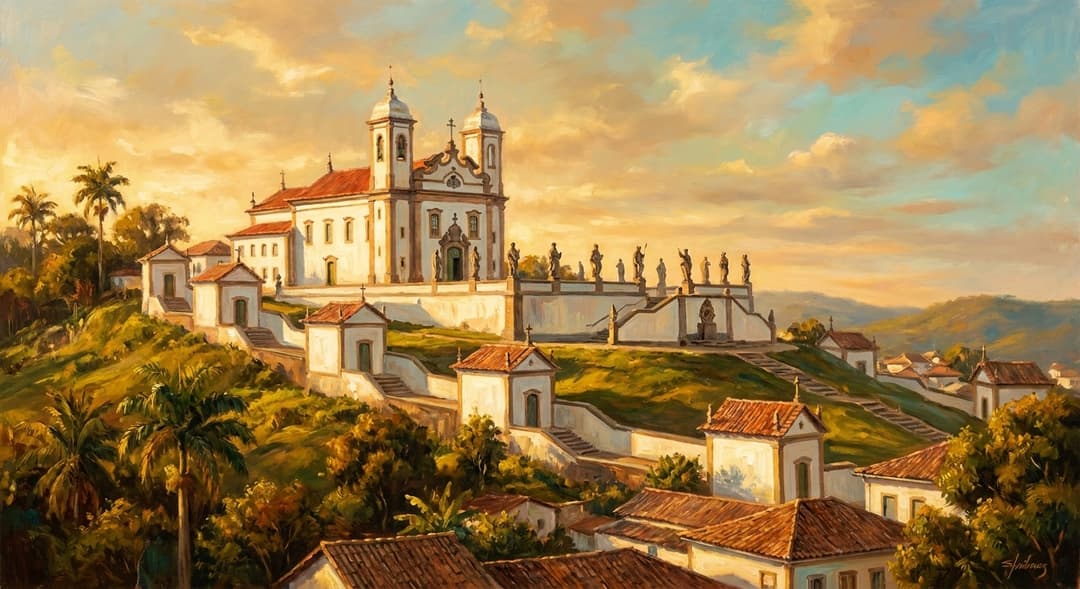
Perched high on a hill overlooking Congonhas, the sanctuary offers a deeply contemplative pilgrimage experience. Visitors ascend cobblestone ramps flanked by garden chapels before arriving at the dramatic soapstone prophet terrace fronting the basilica.
Highlights
- Twelve monumental blue-green soapstone statues of the Hebrew prophets by Aleijadinho
- Six garden chapels housing sixty-six life-sized polychrome cedar figures of the Passion
- Gilded Rococo high altar and trompe-l'œil ceiling frescoes by Bernardo Pires da Silva
- The adjacent modern Congonhas Museum housing conservation labs and historical exhibits
Things to Know
- The outdoor slope involves steep uneven cobblestones requiring sturdy walking shoes
- The basilica interior closes to sightseeing during liturgical services and masses
- Passos sculptures are viewed through protective iron gates across the chapel portals
Location
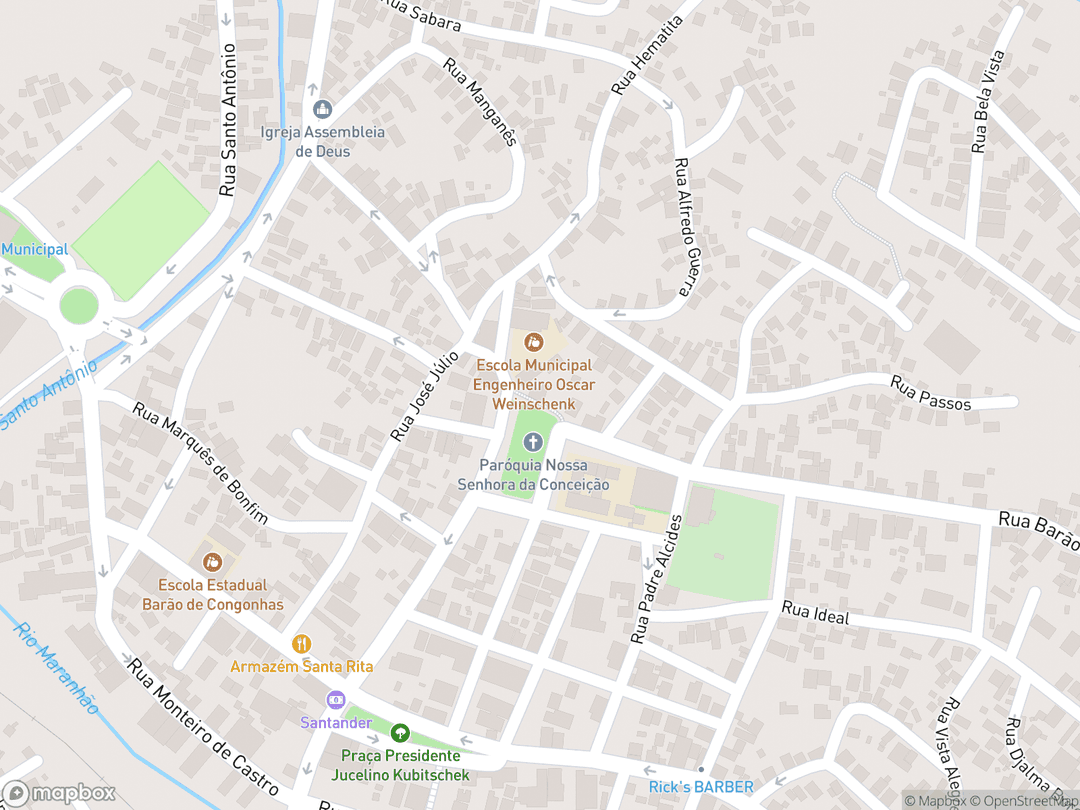
Praça do Santuário, s/n, Bairro Basílica, Congonhas, Minas Gerais, CEP 36415-000, Brazil
Hours: Basilica: Tuesday to Sunday 07:00 to 17:30; Grounds: Daily 06:00 to 18:00
Getting There: Located 80 km south of Belo Horizonte via federal highway BR-040, with daily intercity bus service to the Congonhas terminal.
Get DirectionsTips for Your Visit
Optimal Photography Timing
Visit in the early morning when the rising sun illuminates the eastern facets of the soapstone prophet statues without harsh shadows.
Annual Pilgrimage Jubilee
Expect intense crowding during the Great Jubilee of Bom Jesus between September 7 and September 14.
Museum Interpretation
Tour the modern Museu de Congonhas first to view detailed historical models before ascending the processional path.
About
The Sanctuary of Bom Jesus de Matosinhos in Congonhas stands as one of the crowning achievements of Latin American Baroque and Rococo sacred art. Commissioned in 1757 following a miraculous recovery by Portuguese miner Feliciano Mendes, the sanctuary rises dramatically upon the Morro do Maranhão in Minas Gerais.
Rooted in the Abrahamic prophetic tradition, the complex bridges ancient Hebrew revelation and Christian fulfillment. The monumental outdoor terrace features twelve soapstone statues of Old Testament prophets, guiding the gaze of ascending pilgrims toward the central basilica where the sacrifice of Christ is sacramentally renewed.
The sanctuary incorporates the European Sacro Monte pilgrimage tradition, leading visitors along an ascending sacred way past six chapels containing sixty-six life-sized polychrome cedarwood figures. The entire ensemble represents an extraordinary theatrical expression of Counter-Reformation theology adapted to the colonial Brazilian landscape.
Gallery
Symbolic Elements
The temple's exterior features intricate carvings, each rich with spiritual meaning:

Scroll of the Prophets
Latin phylacteries held by the prophets proclaim scriptural verses connecting Old Testament warnings with messianic redemption.

Soapstone Serpentine Balustrade
Curving terrace walls symbolize the undulating mountain topography and direct the pilgrim's eye heavenward.
Cedarwood Passion Statues
Aromatic Spanish cedar figures dramatize the suffering and sacrifice of Christ along the physical way of the cross.

The Herdsman Attire of Amos
Rustic rural clothing worn by Amos highlights divine solidarity with the humble laborers of colonial Brazil.
The Submissive Lion of Daniel
A crowned feline lying quietly at Daniel's feet represents spiritual fidelity triumphing over imperial tyranny.

Gilded Chancel Arch
Intricately carved gold-leaf woodwork frames the high altar, marking the boundary between the earthly nave and divine presence.

The Processional Ramp
The ascending zigzag pathway mirrors Mount Calvary and transforms the mountain climb into an act of liturgical penance.
Interesting Facts
Aleijadinho carved the soapstone prophets with chisels strapped directly to his wrists due to severe physical deformities (Tier B).
The scroll inscriptions held by several prophets carry veiled criticisms against 18th-century Portuguese imperial rule (Tier B).
The prophet Amos is sculpted wearing the leather hat and poncho typical of Brazilian backcountry cattle herders (Tier B).
The terrace staircase was engineered so statues appear to turn and gesture dynamically as pilgrims climb the hill (Tier B).
The vast complex traces back to a solitary personal vow made in 1756 by an impoverished, ailing Portuguese miner (Tier A).
Celebrated Mulatto painter Mestre Ataíde mixed egg-tempera and natural pigments to paint lifelike flesh tones on the cedar statues (Tier B).
Modern conservators apply silicone micro-coatings to protect the fragile outdoor soapstone carvings from biological lichens (Tier B).
The sanctuary's Miracle Room preserves centuries of hand-painted votive panels commemorating answered prayers and cures (Tier A).
Common Questions
Who was Aleijadinho and why is he significant?
Antônio Francisco Lisboa was a renowned mixed-race colonial sculptor who created these masterworks despite debilitating physical handicaps.
What material was used for the outdoor prophet statues?
The twelve statues were carved from local Minas Gerais soapstone, which hardens upon atmospheric exposure.
How many Passos chapels are located along the pilgrimage ramp?
There are exactly six permanent stone chapels displaying sixty-six life-sized polychrome cedar figures of the Passion.
Is the Sanctuary of Bom Jesus do Congonhas an active church?
Yes, it operates daily as an active Roman Catholic Minor Basilica and welcoming national pilgrimage shrine.
Featured Stories
The Miner's Vow on Morro do Maranhão
1756
Afflicted by severe illness in the gold mines of Minas Gerais, Portuguese prospector Feliciano Mendes pledged his remaining life to Bom Jesus. Upon his miraculous recovery, he planted a rough-hewn cross atop the hill and spent his fortune to build this sanctuary.
Source: Prefeitura de Congonhas
Chisels Strapped to Worn Wrists
1800
Late in life and suffering from a degenerative condition that crippled his extremities, Aleijadinho persevered in his sculptural commission. Enslaved assistants bound chisels and mallets to his forearms, enabling the maestro to bring twelve monumental prophets to life.
Source: Encyclopaedia Britannica
The Colors of Mestre Ataíde
1798
Free mixed-race master painter Manuel da Costa Ataíde applied delicate tempera paints to Aleijadinho's cedar passion figures. His nuanced brushwork rendered expressive eyes, dripping tears, and tortured flesh tones that continue to move visiting pilgrims.
Source: Instituto Moreira Salles
Timeline
Sanctuary Foundation
Feliciano Mendes plants a wooden cross atop Morro do Maranhão following his recovery from chronic illness.
MilestonePassing of Feliciano Mendes
The founding prospector passes away, transferring stewardship to the Brotherhood of Senhor Bom Jesus.
EventSanctuary Consecration
The main chapel is completed and consecrated with the celebration of the first solemn Mass.
DedicationTerrace Engineering
Stonemason Vicente Freire de Andrade begins leveling the hillside to construct the monumental front terrace.
EventInterior Chancel Frescoes
Bernardo Pires da Silva finishes the chancel ceiling depicting the Holy Trinity and Passion scenes.
EventPassion Sculpture Commission
Antônio Francisco Lisboa is contracted to carve sixty-six life-sized wooden statues for the Passos chapels.
MilestoneProphets Project Commences
Aleijadinho begins carving the twelve Old Testament prophets in local blue-green soapstone.
MilestoneCompletion of the Prophets
The final soapstone prophet statues are hoisted into position along the serpentine terrace balustrades.
MilestonePassing of Aleijadinho
Master sculptor Antônio Francisco Lisboa dies in Ouro Preto, leaving an indelible artistic legacy.
EventNational Monument Inscription
The Brazilian heritage service formally designates the sanctuary complex as a protected national monument.
EventElevation to Minor Basilica
Pope Pius XII issues a papal decree elevating the sanctuary church to the liturgical rank of Minor Basilica.
MilestoneUNESCO World Heritage Inscription
UNESCO inscribes the sanctuary complex onto the World Heritage List under cultural criteria.
MilestoneHistory by Decade
1750s — Foundation on the Mountain
Following his miraculous recovery from chronic illness, Feliciano Mendes secured ecclesiastical authorization in 1757 to construct a mountain sanctuary. Construction on the chancel and main altar commenced under master builders Domingos Antônio Dantas and Antônio Rodrigues Falcado.
1760s–1770s — Construction of the Basilica
Following the founder's death, the Brotherhood of Senhor Bom Jesus took charge of the sanctuary works. Master stonemasons erected the nave, raised the bell towers, and completed the monumental terraced retaining walls fronting the facade.
1780s–1790s — Interior Gilding & The Passion Figures
Bernardo Pires da Silva completed the illusionistic paintings over the high altar while Rococo carvers gilded the side altars. In 1796, Aleijadinho was contracted to carve sixty-six life-sized cedar statues for the hillside Passion chapels.
1800s — Carving the Twelve Prophets
Between 1800 and 1805, Aleijadinho executed the twelve soapstone statues that line the elevated terrace parapets. Despite severe physical deformities, his workshop hoisted and fastened these iconic figures along the balustrades.
1870s — Permanent Stone Chapels
Permanent stone masonry chapels were finalized along the hillside to replace earlier temporary wooden shelters. These structures secured the delicate polychrome wooden sculptures from the destructive humidity of the mountain climate.
1950s–Present — Basilica Elevation and Conservation
In 1957, Pope Pius XII elevated the sanctuary to a Minor Basilica during its bicentennial jubilee. UNESCO inscribed the site in 1985, followed by the 2015 opening of the modern Congonhas Museum to oversee heritage conservation.
Architecture & Facilities
The Sanctuary of Bom Jesus do Congonhas epitomizes the Minas Gerais Baroque and Rococo tradition, forming an integrated theatrical ensemble that harmoniously fuses landscape engineering, monumental masonry, soapstone statuary, and narrative woodcarvings along an ascending sacred path.
Building Materials
Minas Gerais Soapstone
Locally quarried steatite that carves smoothly before hardening permanently into blue-green stonework under sunlight.
Spanish Cedar
Aromatic timber selected for the sixty-six Passion figures to resist insect infestation and mountain moisture.
Plastered Rubble Masonry
Sturdy regional stone masonry walls coated in brilliant white lime plaster defining the exterior walls.
Gold Leaf Woodcarving
Gilded native hardwood ornamentation covering the chancel arch and high altarpieces in authentic Joanine style.
Interior Features
High Chancel (Capela-Mor)
The primary altar space displaying gilded Portuguese woodcarving framing the venerated crucifix of Bom Jesus.
Chancel Vault Ceiling
Illusionistic trompe-l'œil frescoes painted by Bernardo Pires da Silva portraying the Holy Trinity.
Rococo Side Altars
Elegantly carved secondary shrines finished in light pastel tones dedicated to Saint Anthony and Saint Francis.
Hall of Miracles (Sala dos Milagres)
A solemn votive repository housing hundreds of historic ex-voto paintings and tokens left by grateful pilgrims.
Temple Grounds
Steep manicured hillside gardens connected by winding stone processional ramps linking the lower Passos chapels to the upper terrace.
Additional Facilities
The modern Gustavo Penna-designed Congonhas Museum adjacent to the sanctuary provides multimedia galleries, artifact collections, and stone conservation labs.
Religious Significance
Within the Abrahamic and Christian theological tradition, the sanctuary establishes a mountain of encounter where prophetic covenant finds fulfillment in Christ's sacrificial atonement.
To serve as a transformative pilgrimage sanctuary offering personal renewal, healing vows, and sacramental reconciliation through contemplation of the Passion.
Sacred Ordinances
Sacrament of the Eucharist
Celebration of Holy Mass offered at the high altar, drawing pilgrims into communion with the risen Christ.
Votive Vows (Promessas)
Personal acts of thanksgiving and dedication where pilgrims offer ex-voto tokens in gratitude for answered prayers.
Processional Stations of the Cross
Penitential ascent of the sacred mountain accompanied by guided prayer and reflection before each Passion chapel.
The Prophetic Chorus
The twelve soapstone prophets serve as theological heralds, their open parchment scrolls proclaiming divine justice and preparing entering pilgrims for the Eucharistic sacrifice within.
The Living Passion
The realistic cedarwood tableaux provide vivid encounters with Christ's suffering, translating Counter-Reformation devotional ideals into an accessible visual medium for colonial society.
Sources & Research
Every fact on Temples.org is backed by verified Sources & Research. Each piece of information is rated by source tier and confidence level.
View All Sources (9)
| Field | Source | Tier | Retrieved |
|---|---|---|---|
| Ecclesiastical Governance & Basilica Status | Canção Nova Notícias (opens in a new tab) | A | 2026-02-18 |
| Historical Records & Municipal Heritage | Prefeitura Municipal de Congonhas (opens in a new tab) | A | 2026-02-18 |
| World Heritage Inscription & Criteria | UNESCO World Heritage Centre (opens in a new tab) | B | 2026-02-18 |
| Art Historical Biography of Aleijadinho | Encyclopaedia Britannica (opens in a new tab) | B | 2026-02-18 |
| Colonial Polychromy and Sculpture Documentation | Instituto Moreira Salles (opens in a new tab) | B | 2026-02-18 |
| Colonial Architectural Analysis | Universidade Estadual Paulista (opens in a new tab) | B | 2026-02-18 |
| Baroque Art History & Iconography | Smarthistory (opens in a new tab) | B | 2026-02-18 |
| Museum Architecture & Conservation | ArchDaily Brasil (opens in a new tab) | B | 2026-02-18 |
| Regional Tourism & Pilgrimage Profiles | Descubra Minas Gerais (opens in a new tab) | D | 2026-02-18 |