Visitor Insights
Visiting Hong Kong China Temple
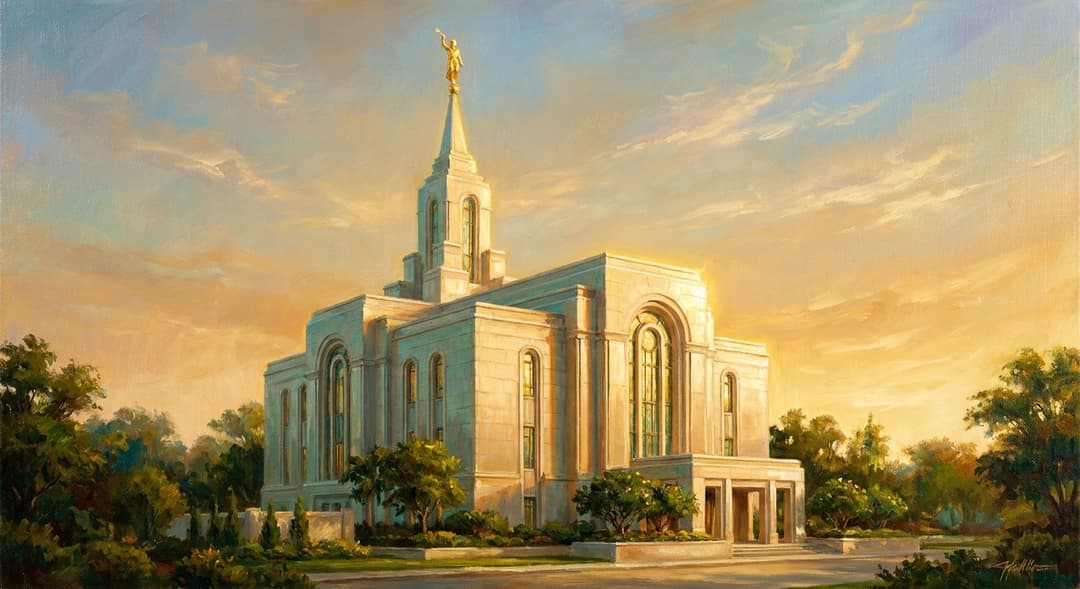
The Hong Kong China Temple, located in the Kowloon Tong residential district, offers a serene and spiritual experience for visitors. While there is no visitor's center on site, the temple grounds provide a peaceful atmosphere for reflection. Visitors can appreciate the temple's unique architecture, inspired by Hong Kong colonial design, and its beautiful exterior featuring polished granite. The temple is a place of reverence and spiritual significance for members of The Church of Jesus Christ of Latter-day Saints.
Highlights
- Appreciate the unique architecture inspired by Hong Kong colonial design.
- Reflect in the peaceful atmosphere of the temple grounds.
- Learn about the temple's significance as a sacred space for members.
Things to Know
- There is no visitor's center on site.
- The temple is located in a residential area, so please be respectful of the surroundings.
- Contact the temple for information about hours and special needs.
Location
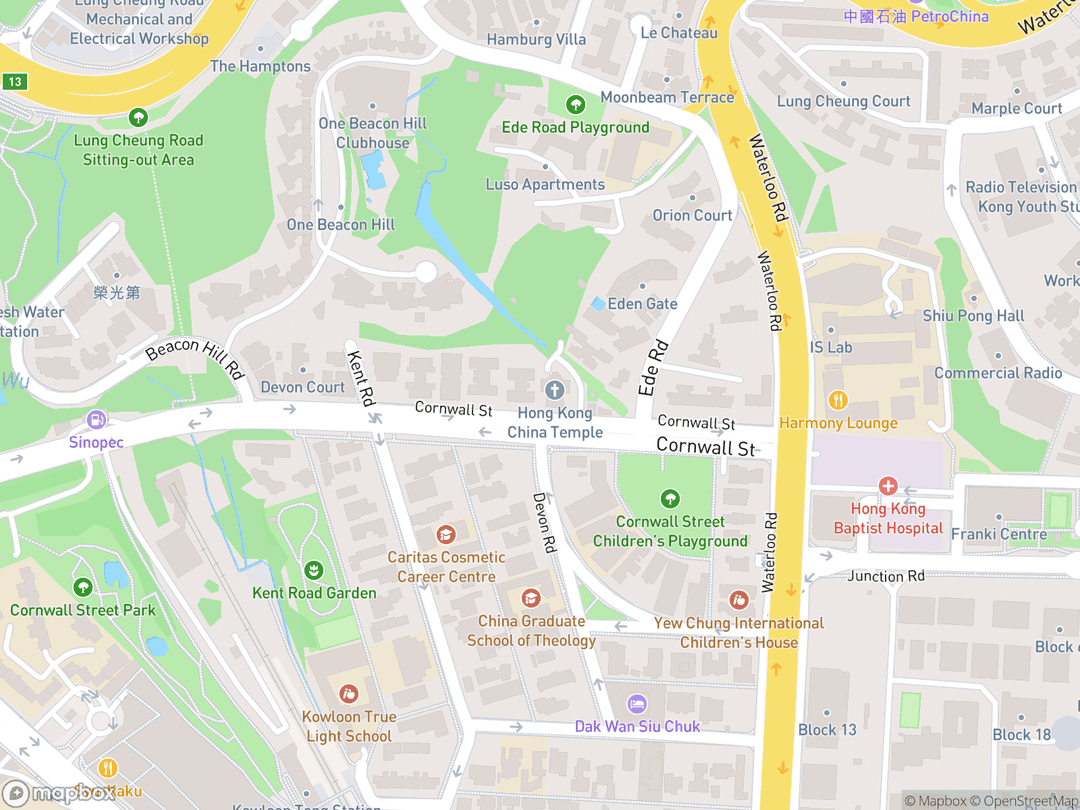
2 Cornwall St, Kowloon Tong, Kowloon City, Hong Kong
Hours: Contact the temple for information about hours and special needs.
Getting There: The temple is located at 2 Cornwall St, Kowloon Tong, Kowloon City, Hong Kong. Public transportation is available.
Get DirectionsAbout
The Hong Kong China Temple stands as a testament to the enduring faith of members of The Church of Jesus Christ of Latter-day Saints in Asia. Dedicated in 1996 and rededicated in 2022, this temple provides a sacred space for individuals and families to draw closer to God through ordinances that bind them together for eternity. As part of the Christian theological grouping and Abrahamic traditions, the temple emphasizes the importance of covenants, service, and love, reflecting the teachings of Jesus Christ.
The temple's history in Hong Kong dates back to the mid-19th century with the arrival of the first missionaries. Over the years, the Church has grown, and the temple has become a central point for members from various parts of Asia. Its unique design, inspired by Hong Kong colonial architecture, maximizes space in the densely populated area, symbolizing the Church's adaptability and commitment to serving its members in diverse environments.
The Hong Kong China Temple has undergone significant renovations to enhance the patron experience and ensure its longevity. These renovations reflect the Church's ongoing efforts to maintain its temples as places of peace, revelation, and spiritual growth. The temple's location in the Kowloon Tong residential district provides a serene setting for members to engage in sacred ordinances and strengthen their faith.
The temple serves as a reminder of the importance of family, service, and devotion to God. It is a place where members can find solace, inspiration, and a deeper connection to their faith. The Hong Kong China Temple stands as a symbol of hope and spiritual strength for members of The Church of Jesus Christ of Latter-day Saints in Hong Kong and throughout Asia.
Gallery
Symbolic Elements
The temple's exterior features intricate carvings, each rich with spiritual meaning:

Polished Granite Exterior
The temple's exterior features polished granite, symbolizing strength, durability, and the enduring nature of faith. The granite's smooth surface reflects light, creating a sense of purity and reverence. This material choice emphasizes the temple's role as a steadfast beacon of spiritual guidance.

Six-Story Structure
The temple's six-story structure is designed to maximize space in the densely populated area of Hong Kong. This vertical design reflects the Church's adaptability and commitment to serving its members in diverse environments. The height of the building symbolizes the aspiration to reach higher spiritual planes.

Art Glass Columns
The temple incorporates vertical columns of art glass, adding a touch of elegance and visual interest to the exterior. The art glass allows natural light to filter into the temple, creating a warm and inviting atmosphere. These columns symbolize the light of Christ illuminating the lives of those who enter.

Ornamented Exterior Walls
The temple's ornamented exterior walls feature intricate designs that reflect the rich cultural heritage of Hong Kong and Asia. These details add depth and character to the building, creating a sense of beauty and reverence. The ornamentation symbolizes the attention to detail and care that goes into creating a sacred space.

Asian-Inspired Interior
The temple's interior design incorporates elements inspired by ancient Chinese architecture and design, creating a sense of cultural harmony and connection. These design choices reflect the Church's respect for local traditions and its commitment to creating a welcoming space for members from diverse backgrounds. The Asian-inspired elements symbolize the blending of faith and culture.

Hexagonal Chandeliers
The chandeliers in the temple have a hexagonal shape inspired by traditional Chinese lanterns. These lanterns symbolize light, guidance, and celebration. The hexagonal shape is also a nod to Chinese geometric patterns, adding a touch of cultural significance to the temple's interior.

Water Feature
A water feature is located outside the enclosed temple grounds, providing a sense of tranquility and peace. Water symbolizes purity, cleansing, and renewal. The presence of water near the temple invites visitors to reflect on their spiritual journey and seek inner peace.

Compact Design
The temple's compact design reflects the urban environment of Hong Kong, where space is limited. This design choice symbolizes the Church's adaptability and resourcefulness in serving its members in diverse settings. The temple's efficient use of space demonstrates a commitment to making sacred spaces accessible to all.
Interesting Facts
The Hong Kong China Temple was the first temple built in China and the second in mainland Asia, following the Seoul Korea Temple.
It was the first multipurpose temple building, including a meetinghouse, family history center, mission office, and apartments.
President Gordon B. Hinckley sketched the original design after praying for inspiration during a visit to Hong Kong.
Due to land scarcity, the temple was built 'up' rather than 'out'.
The temple serves members from parts of India, Pakistan, Thailand, Sri Lanka, Singapore, Mongolia, and Indonesia.
The Hong Kong China Temple is the first temple to have had its spire and angel Moroni statue permanently removed as part of a renovation.
During the open house in 1996, over 13,000 people toured the temple.
The temple was originally named the Hong Kong Temple.
The temple site is 0.31 acres.
The total floor area is 51,921 square feet.
Common Questions
What is the purpose of the Hong Kong China Temple?
The Hong Kong China Temple serves as a sacred space for members of The Church of Jesus Christ of Latter-day Saints to participate in ordinances that bind families together for eternity. These ordinances include marriages (sealings) and proxy baptisms for deceased ancestors. The temple is a place of peace, revelation, and spiritual growth, reinforcing faith in Jesus Christ and His Atonement.
When was the Hong Kong China Temple originally dedicated?
The Hong Kong China Temple was originally dedicated on May 26–27, 1996, by President Gordon B. Hinckley. This marked its official opening for sacred ordinances and services.
Why was the Hong Kong China Temple renovated?
The Hong Kong China Temple underwent extensive renovations to enhance the patron experience, update its facilities, and ensure its longevity. The renovations included changes to the floor plan and updates to the interior design.
When was the Hong Kong China Temple rededicated?
The Hong Kong China Temple was rededicated on June 19, 2022, by Elder Gerrit W. Gong, marking its reopening for sacred ordinances after the renovations.
What are some of the unique architectural features of the Hong Kong China Temple?
The Hong Kong China Temple's design is inspired by Hong Kong colonial architecture. The exterior features polished granite, and the building is a six-story structure designed to maximize space in the densely populated area. The temple also incorporates vertical columns of art glass and ornamented exterior walls.
How does the Hong Kong China Temple serve members from different parts of Asia?
The Hong Kong China Temple serves members from parts of India, Pakistan, Thailand, Sri Lanka, Singapore, Mongolia, and Indonesia, providing a central location for them to participate in sacred ordinances and strengthen their faith.
Featured Stories
Dedication of the Hong Kong China Temple
May 26–27, 1996
The dedication of the Hong Kong China Temple in May 1996 was a momentous occasion for members of The Church of Jesus Christ of Latter-day Saints in Asia. President Gordon B. Hinckley presided over the dedication, marking the official opening of the temple for sacred ordinances. The dedication ceremonies were filled with spiritual power and gratitude as members celebrated the realization of a long-awaited dream.
The dedication of the Hong Kong China Temple was a testament to the faith and dedication of the members in the region. It provided a sacred space for individuals and families to draw closer to God and strengthen their bonds of love and service. The temple became a beacon of hope and spiritual strength for members throughout Asia.
Source: The Church of Jesus Christ of Latter-day Saints Newsroom
Renovations and Rededication of the Hong Kong China Temple
June 19, 2022
In 2019, the Hong Kong China Temple closed for extensive renovations to enhance the patron experience and update its facilities. The renovations included changes to the floor plan and updates to the interior design. The spire and Angel Moroni statue were permanently removed as part of the renovation, marking a significant change to the temple's exterior.
On June 19, 2022, the Hong Kong China Temple was rededicated by Elder Gerrit W. Gong, marking its reopening for sacred ordinances after the renovations. The rededication ceremonies were filled with joy and gratitude as members celebrated the temple's renewal and its continued role as a sacred space for spiritual growth.
Source: The Church of Jesus Christ of Latter-day Saints Newsroom
The Unique Design of the Hong Kong China Temple
1996
The Hong Kong China Temple is known for its unique design, which is inspired by Hong Kong colonial architecture. The temple's six-story structure is designed to maximize space in the densely populated area, reflecting the Church's adaptability and commitment to serving its members in diverse environments. The exterior features polished granite and vertical columns of art glass, adding to its distinct character.
President Gordon B. Hinckley sketched the original design after praying for inspiration during a visit to Hong Kong. Due to land scarcity, the temple was built 'up' rather than 'out,' making it a unique and innovative structure. The temple's design reflects the blending of faith and culture, creating a welcoming space for members from diverse backgrounds.
Source: The Church of Jesus Christ of Latter-day Saints Temples Website
Timeline
First Missionaries Arrive
The first missionaries of The Church of Jesus Christ of Latter-day Saints arrived in Hong Kong, marking the beginning of the Church's presence in the region.
MilestoneChina Dedicated for Preaching
Elder David O. McKay dedicated China for the preaching of the gospel in Beijing, expanding the Church's mission in Asia.
MilestoneMissionary Work Commences
Missionary work officially commenced in Hong Kong by Elder Matthew Cowley, establishing a formal presence for the Church.
MilestoneTemple Announced
The intent to build a temple in Hong Kong was announced by President Gordon B. Hinckley, signaling a major milestone for the Church in Asia.
MilestoneGroundbreaking Ceremony
The groundbreaking ceremony took place, presided over by Elder John K. Carmack, marking the start of construction for the Hong Kong China Temple.
component.timeline.groundbreakingAngel Moroni Statue Installed
The angel Moroni statue was installed atop the temple spire, a significant symbol of the temple's purpose and dedication.
MilestonePublic Open House
A public open house was held, allowing over 13,000 visitors to tour the newly constructed temple and learn about its significance.
EventOriginal Dedication
The Hong Kong China Temple was dedicated by President Gordon B. Hinckley, marking its official opening for sacred ordinances.
DedicationTemple Renamed
The temple was renamed the Hong Kong China Temple, reflecting its importance to members throughout China and Asia.
MilestoneReplacement Angel Moroni Installed
A replacement Angel Moroni statue was installed, ensuring the temple's continued symbolic representation.
MilestoneTemple Closed for Renovations
The temple closed for extensive renovations, including the removal of the spire and Angel Moroni statue, to enhance its functionality and appearance.
RenovationRededication Open House
A public open house was held after the renovations, with 3,036 visitors touring the updated temple.
EventTemple Rededicated
The Hong Kong China Temple was rededicated by Elder Gerrit W. Gong, marking its reopening for sacred ordinances after the renovations.
DedicationIntent to Build Announced
President Gordon B. Hinckley announced the intent to build a temple in Hong Kong, a significant step forward for the Church in Asia.
MilestoneGroundbreaking Held
The groundbreaking ceremony was held, signifying the commencement of construction on the Hong Kong China Temple.
component.timeline.groundbreakingHistory by Decade
1850s–1900s — Early Missionary Efforts
The history of The Church of Jesus Christ of Latter-day Saints in Hong Kong began in 1853 with the arrival of the first missionaries. These early missionaries faced numerous challenges, including language barriers and cultural differences. Despite these obstacles, they laid the foundation for the Church's growth in the region. Over the next several decades, the Church gradually expanded its presence, establishing small congregations and reaching out to local communities.
1900s–1950s — Establishing a Foothold
In the early 20th century, the Church continued to strengthen its presence in Hong Kong. In 1921, Elder David O. McKay dedicated China for the preaching of the gospel in Beijing, further expanding the Church's mission in Asia. In 1949, missionary work officially commenced in Hong Kong by Elder Matthew Cowley, marking a significant step forward for the Church in the region.
1950s–1990s — Growth and Development
The latter half of the 20th century saw significant growth and development for the Church in Hong Kong. As the Church's membership increased, the need for a temple became apparent. In 1992, President Gordon B. Hinckley announced the intent to build a temple in Hong Kong, signaling a major milestone for the Church in Asia.
1990s — Temple Construction and Dedication
The 1990s were a pivotal decade for the Church in Hong Kong. In 1994, the groundbreaking ceremony took place, marking the start of construction for the Hong Kong China Temple. In 1995, the angel Moroni statue was installed atop the temple spire, a significant symbol of the temple's purpose and dedication. In 1996, the temple was dedicated by President Gordon B. Hinckley, marking its official opening for sacred ordinances.
2000s–2010s — Serving Members Throughout Asia
In 1999, the temple was renamed the Hong Kong China Temple, reflecting its importance to members throughout China and Asia. The temple served members from parts of India, Pakistan, Thailand, Sri Lanka, Singapore, Mongolia, and Indonesia, providing a central location for them to participate in sacred ordinances and strengthen their faith.
2010s–Present — Renovations and Rededication
In 2019, the Hong Kong China Temple closed for extensive renovations to enhance the patron experience and update its facilities. In 2022, the temple was rededicated by Elder Gerrit W. Gong, marking its reopening for sacred ordinances after the renovations. The rededication ceremonies were filled with joy and gratitude as members celebrated the temple's renewal and its continued role as a sacred space for spiritual growth.
Architecture & Facilities
The Hong Kong China Temple's architecture is a unique blend of modern design and elements inspired by Hong Kong colonial architecture. The temple's six-story structure is designed to maximize space in the densely populated area, reflecting the Church's adaptability and commitment to serving its members in diverse environments. The exterior features polished granite, vertical columns of art glass, and ornamented exterior walls, creating a sense of elegance and reverence.
Building Materials
Polished Granite
The exterior of the Hong Kong China Temple features polished granite, a durable and elegant material that symbolizes strength and endurance. The granite's smooth surface reflects light, creating a sense of purity and reverence.
Art Glass
The temple incorporates vertical columns of art glass, adding a touch of elegance and visual interest to the exterior. The art glass allows natural light to filter into the temple, creating a warm and inviting atmosphere.
Reinforced Concrete
The temple's structure is primarily constructed of reinforced concrete, providing a strong and stable foundation. This material is essential for withstanding the region's climate and seismic activity.
Steel
Steel is used throughout the temple's structure to provide additional support and stability. Steel beams and columns are integrated into the concrete framework, ensuring the building's structural integrity.
Interior Features
Celestial Room
The Celestial Room is a sacred space within the temple where members can reflect and pray. The room is designed to create a sense of peace and reverence, with soft lighting, comfortable seating, and inspiring artwork.
Baptistry
The Baptistry is a dedicated area for performing baptisms for the dead, a sacred ordinance in The Church of Jesus Christ of Latter-day Saints. The Baptistry features a font of water and is designed to create a reverent and spiritual atmosphere.
Sealing Rooms
Sealing Rooms are sacred spaces where marriages are performed, uniting families for eternity. These rooms are designed to create a sense of love, commitment, and eternal connection.
Instruction Rooms
Instruction Rooms are used for teaching members about the gospel and preparing them for sacred ordinances. These rooms are designed to create a learning environment, with comfortable seating and audio-visual equipment.
Temple Grounds
The temple grounds are meticulously maintained, featuring manicured lawns, colorful flower beds, and peaceful walkways. The grounds provide a serene setting for visitors to reflect and enjoy the beauty of nature. A water feature is located outside the enclosed temple grounds, providing a sense of tranquility and peace.
Additional Facilities
The Hong Kong China Temple includes a distribution center where temple clothing and other items can be purchased. Patron housing is available for members who travel long distances to attend the temple. The temple uniquely opens each quarter on Sunday to accommodate members who are employed as domestic workers.
Religious Significance
The Hong Kong China Temple is a sacred space for members of The Church of Jesus Christ of Latter-day Saints, providing a place to connect with God and participate in sacred ordinances. As part of the Christian theological grouping and Abrahamic traditions, the temple emphasizes the importance of covenants, service, and love, reflecting the teachings of Jesus Christ.
The primary purpose of the Hong Kong China Temple is to provide a sacred space for members to participate in ordinances that bind families together for eternity. These ordinances include marriages (sealings) and proxy baptisms for deceased ancestors.
Sacred Ordinances
Baptism for the Dead
Baptism for the dead is a sacred ordinance in which members are baptized on behalf of deceased ancestors who did not have the opportunity to be baptized during their lifetime. This ordinance allows deceased individuals to receive the blessings of baptism and become members of the Church.
Endowment
The endowment is a sacred ordinance in which members receive instruction, make covenants with God, and are blessed with power from on high. This ordinance prepares members to live righteously and fulfill their divine potential.
Sealing
Sealing is a sacred ordinance in which marriages are performed, uniting families for eternity. This ordinance allows families to be together forever, strengthening their bonds of love and commitment.
The Importance of Covenants
Covenants are sacred agreements between God and His children. In the temple, members make covenants to live Christlike lives, strengthen families, and serve others. These covenants provide a framework for spiritual growth and eternal progression.
The Role of the Temple in Spiritual Growth
The temple is a place of peace, revelation, and spiritual growth. As members participate in sacred ordinances and reflect on their covenants, they draw closer to God and receive guidance and inspiration. The temple serves as a reminder of the importance of faith, service, and devotion to God.
Sources & Research
Every fact on Temples.org is backed by verified Sources & Research. Each piece of information is rated by source tier and confidence level.
View All Sources (4)
| Field | Source | Tier | Retrieved |
|---|---|---|---|
| About & Historical Background | The Church of Jesus Christ of Latter-day Saints (opens in a new tab) | C | 2024-07-01 |
| About & Historical Background | The Church of Jesus Christ of Latter-day Saints (opens in a new tab) | A | 2024-07-01 |
| Interesting Facts | MormonWiki (opens in a new tab) | C | 2024-07-01 |
| Historical Timeline | churchofjesuschristtemples.org (opens in a new tab) | C | 2024-07-01 |