Visitor Insights
Visiting Holy Trinity Cathedral
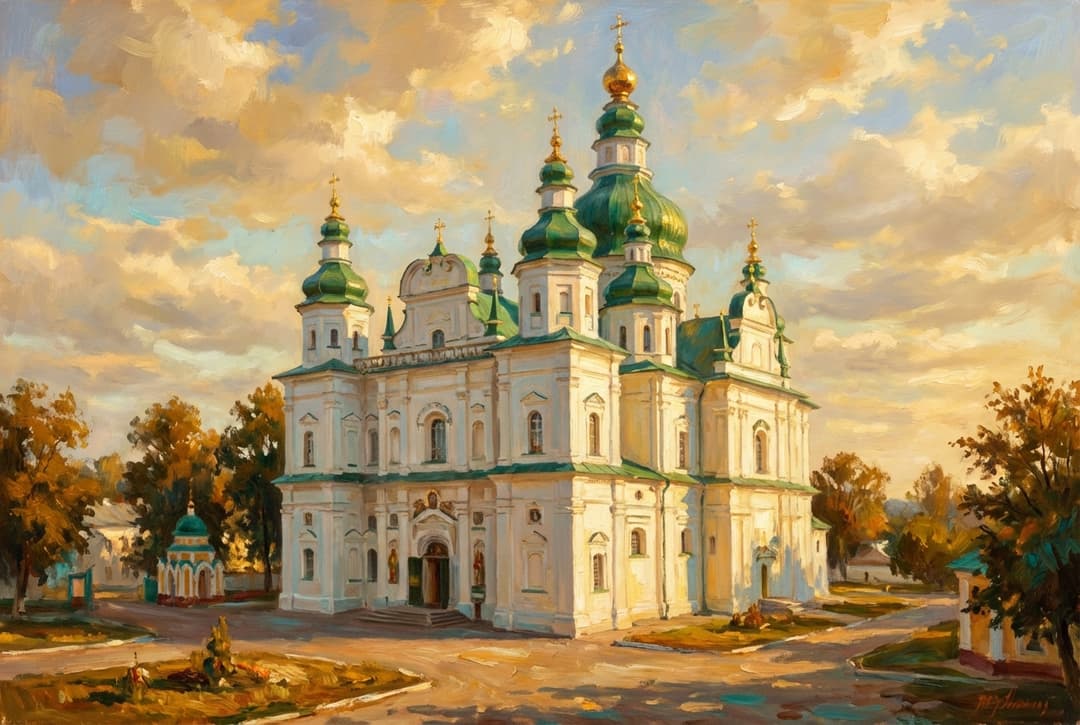
Visiting Holy Trinity Cathedral offers a profound experience, immersing visitors in Ethiopia's rich religious and cultural heritage. The cathedral's grandeur and artistic beauty create a reverent atmosphere, while its historical significance provides a deeper understanding of Ethiopia's past. Expect to be awed by the intricate murals, stained glass windows, and the final resting places of notable Ethiopian figures.
Highlights
- Admire the stunning architecture blending Baroque, European, and Ethiopian styles.
- Explore the vibrant murals and artwork depicting biblical scenes and Ethiopian history.
- Pay respects at the tombs of Emperor Haile Selassie I and Empress Menen Asfaw.
Things to Know
- Dress modestly when visiting the cathedral.
- Photography may be restricted in certain areas.
- Be mindful of ongoing religious services and activities.
Location
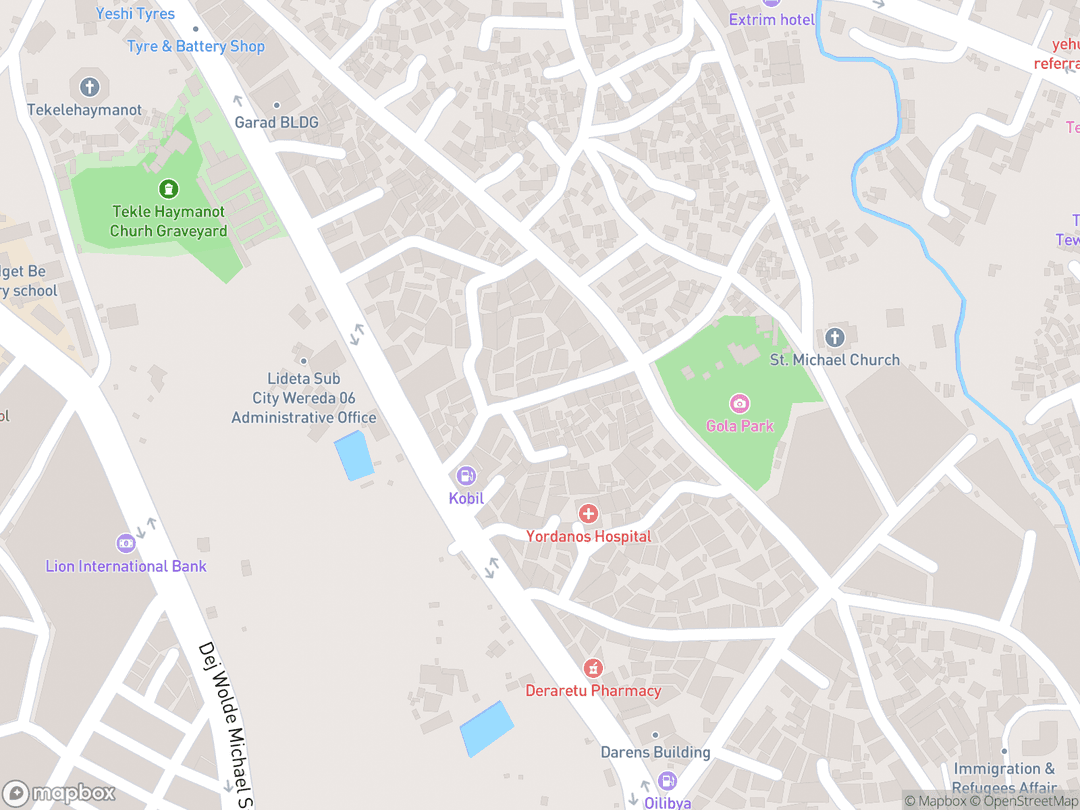
Addis Ababa, Ethiopia
Hours: Open daily from 8:00 AM to 6:00 PM
Getting There: Located in central Addis Ababa, easily accessible by taxi or public transportation.
Get DirectionsTips for Your Visit
Plan Your Visit
Check the cathedral's website for service times and special events.
Hire a Guide
Enhance your experience with a guided tour to learn more about the cathedral's history and art.
About
Holy Trinity Cathedral, also known as Haile Selassie Cathedral, is the most important Ethiopian Orthodox Tewahedo cathedral in Ethiopia, located in Addis Ababa. It is the highest-ranking Ethiopian Orthodox Tewahedo cathedral and serves as the seat of the Archbishop of Addis Ababa. The cathedral is renowned for its stunning architecture, intricate artwork, and its role as a final resting place for numerous significant figures in Ethiopian history.
The cathedral's construction was commissioned by Emperor Haile Selassie I in 1941 and completed in 1955, commemorating Ethiopia's liberation from Italian occupation. It stands as a symbol of Ethiopian independence, resilience, and the enduring strength of the Ethiopian Orthodox faith. The cathedral's design blends various architectural styles, including Baroque, European, and traditional Ethiopian elements, creating a unique and majestic structure.
Inside, the cathedral is adorned with vibrant murals, stained glass windows, and elaborate decorations that depict biblical scenes, Ethiopian saints, and historical events. The artwork showcases the rich artistic heritage of Ethiopia and the deep-rooted connection between the country's history and its religious beliefs. The cathedral also houses the tombs of Emperor Haile Selassie I and Empress Menen Asfaw, as well as other members of the imperial family and prominent Ethiopians who contributed significantly to the nation's development.
Today, Holy Trinity Cathedral remains an active place of worship and a significant cultural landmark. It attracts visitors from all over the world who come to admire its architectural beauty, learn about its historical significance, and pay their respects to the individuals buried within its walls. The cathedral continues to play a vital role in the spiritual and cultural life of Ethiopia, serving as a symbol of national pride and religious devotion.
Gallery
Symbolic Elements
The temple's exterior features intricate carvings, each rich with spiritual meaning:

Trinity Symbol
The primary symbol is the representation of the Holy Trinity: God the Father, God the Son (Jesus Christ), and God the Holy Spirit. This is often depicted through triangles, trefoils, and triquetras, emphasizing the unity and indivisibility of the Trinity.

Ethiopian Cross
The Ethiopian Cross, with its intricate designs and variations, is a prominent symbol of the Ethiopian Orthodox Tewahedo faith. It represents Christ's sacrifice and salvation, and its unique patterns reflect the country's rich artistic heritage.

Murals
The vibrant murals adorning the cathedral's interior depict biblical scenes, Ethiopian saints, and historical events. These murals serve as visual narratives, conveying religious teachings and celebrating Ethiopia's cultural identity.

Stained Glass Windows
The stained glass windows, with their colorful depictions of religious figures and symbols, illuminate the cathedral's interior with a divine light. They represent the presence of God and the beauty of the Christian faith.

Domes
The cathedral's domes, inspired by traditional Ethiopian architecture, symbolize heaven and the divine realm. They create a sense of grandeur and spiritual elevation, drawing the eye upward towards the heavens.

Arks of the Covenant Replica
A replica of the Ark of the Covenant, a sacred chest containing the Ten Commandments, is often present in Ethiopian Orthodox churches. It symbolizes God's presence and covenant with his people.

Imperial Tombs
The tombs of Emperor Haile Selassie I and Empress Menen Asfaw within the cathedral symbolize Ethiopia's imperial history and the enduring legacy of its leaders. They serve as a reminder of the country's past and the contributions of its rulers.

Bells
The cathedral's bells, rung during religious services and special occasions, symbolize a call to worship and a proclamation of faith. Their sound resonates throughout the city, inviting people to gather and celebrate their beliefs.
Interesting Facts
Holy Trinity Cathedral is the final resting place of Emperor Haile Selassie I and Empress Menen Asfaw.
The cathedral's construction was commissioned to commemorate Ethiopia's liberation from Italian occupation.
The cathedral's design blends Baroque, European, and traditional Ethiopian architectural styles.
The cathedral is adorned with vibrant murals and stained glass windows depicting biblical scenes and Ethiopian history.
Holy Trinity Cathedral is the highest-ranking Ethiopian Orthodox Tewahedo cathedral.
The cathedral serves as the seat of the Archbishop of Addis Ababa.
The cathedral is a significant pilgrimage site for Ethiopian Orthodox Tewahedo Christians.
The cathedral hosts numerous state funerals for prominent Ethiopian figures.
Common Questions
What is the significance of Holy Trinity Cathedral?
Holy Trinity Cathedral is the highest-ranking Ethiopian Orthodox Tewahedo cathedral, serving as a national landmark and the final resting place for Emperor Haile Selassie I and other notable figures. It symbolizes Ethiopian independence, resilience, and the enduring strength of the Ethiopian Orthodox faith.
When was Holy Trinity Cathedral built?
The construction of Holy Trinity Cathedral was commissioned in 1941 and completed in 1955.
What architectural styles are incorporated into the cathedral's design?
The cathedral's design blends various architectural styles, including Baroque, European, and traditional Ethiopian elements, creating a unique and majestic structure.
Can visitors take photographs inside the cathedral?
Photography may be restricted in certain areas of the cathedral. It is best to inquire about photography policies upon arrival.
What are the visiting hours for Holy Trinity Cathedral?
Holy Trinity Cathedral is open daily from 8:00 AM to 6:00 PM.
Related Stories
Explore the rich history, traditions, and people connected to this sacred site.
Featured Stories
Commissioning of the Cathedral
1941
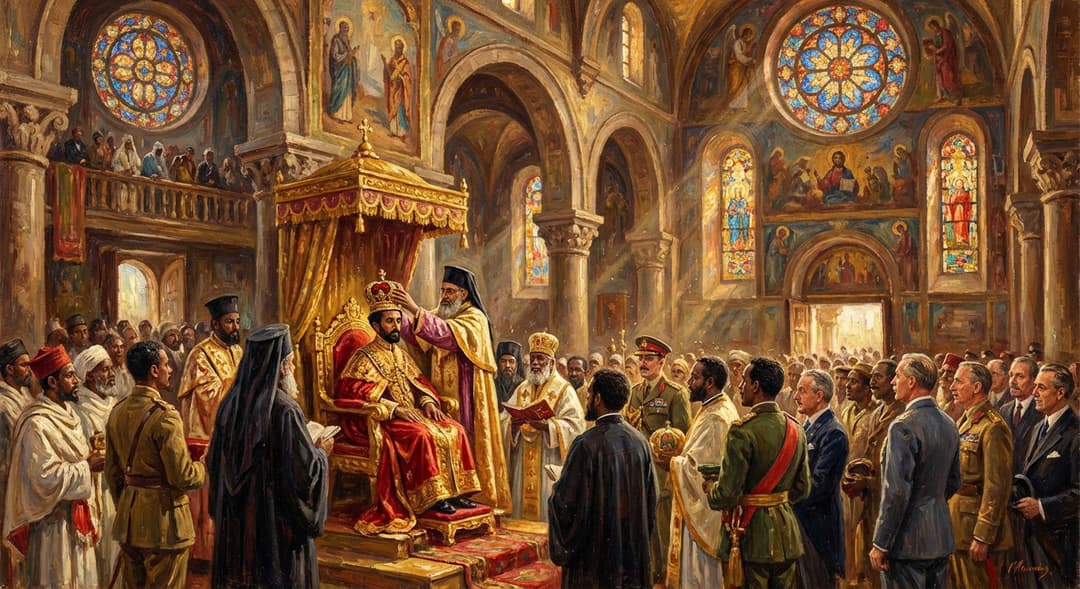
In 1941, Emperor Haile Selassie I commissioned the construction of Holy Trinity Cathedral as a symbol of Ethiopia's liberation from Italian occupation. The Emperor envisioned a grand cathedral that would not only serve as a place of worship but also as a testament to the country's resilience and independence. This act marked a pivotal moment in Ethiopian history, signifying the nation's determination to rebuild and move forward after years of conflict.
The commissioning of the cathedral was met with great enthusiasm by the Ethiopian people, who saw it as a symbol of hope and a promise of a brighter future. The Emperor's vision inspired architects, artists, and craftsmen to come together and create a masterpiece that would stand the test of time. The construction of the cathedral became a national project, uniting Ethiopians from all walks of life in a common goal.
The cathedral's foundation stone was laid with great ceremony, attended by dignitaries, religious leaders, and members of the public. The event was marked by prayers, speeches, and traditional Ethiopian music, celebrating the beginning of a new era for the nation. The commissioning of Holy Trinity Cathedral remains a significant event in Ethiopian history, symbolizing the country's triumph over adversity and its commitment to faith and freedom.
Source: Holy Trinity Cathedral Archives
The Reburial of Emperor Haile Selassie I
November 5, 2000
On November 5, 2000, Emperor Haile Selassie I was reburied in Holy Trinity Cathedral after years of political upheaval and uncertainty. The reburial marked a significant moment in Ethiopian history, symbolizing the end of a turbulent period and the beginning of a new era of reconciliation and healing. The event was attended by members of the imperial family, government officials, religious leaders, and thousands of Ethiopians who came to pay their respects to the late Emperor.
The reburial ceremony was a solemn and dignified affair, reflecting the Emperor's legacy as a symbol of Ethiopian unity and independence. The cathedral was filled with the sounds of prayers, hymns, and traditional Ethiopian music, creating a deeply moving atmosphere. The event provided an opportunity for Ethiopians to come together and reflect on their shared history, honoring the memory of a leader who had played a significant role in shaping the nation's destiny.
The reburial of Emperor Haile Selassie I in Holy Trinity Cathedral served as a powerful symbol of closure and a renewed commitment to building a better future for Ethiopia. It was a moment of national healing, allowing Ethiopians to move forward with a greater sense of unity and purpose. The event remains a significant milestone in the country's history, reminding future generations of the importance of reconciliation and remembrance.
Source: Ethiopian National Archives
The Cathedral's Artistic Treasures
Ongoing
Holy Trinity Cathedral is renowned for its artistic treasures, including vibrant murals, stained glass windows, and intricate decorations that adorn its interior. These artworks showcase the rich artistic heritage of Ethiopia and the deep-rooted connection between the country's history and its religious beliefs. The murals depict biblical scenes, Ethiopian saints, and historical events, providing a visual narrative of the nation's spiritual and cultural journey.
The stained glass windows, with their colorful depictions of religious figures and symbols, illuminate the cathedral's interior with a divine light. They represent the presence of God and the beauty of the Christian faith, creating a sense of awe and reverence. The intricate decorations, including carvings, mosaics, and metalwork, add to the cathedral's artistic splendor, reflecting the skill and craftsmanship of Ethiopian artisans.
The cathedral's artistic treasures attract visitors from all over the world, who come to admire their beauty and learn about their historical and religious significance. The artworks serve as a testament to Ethiopia's cultural identity and its enduring commitment to artistic expression. Holy Trinity Cathedral remains a living museum, preserving and celebrating the nation's artistic heritage for future generations.
Source: Holy Trinity Cathedral Art Collection
Timeline
Construction Commissioned
Emperor Haile Selassie I commissioned the construction of Holy Trinity Cathedral to commemorate Ethiopia's liberation from Italian occupation.
MilestoneCathedral Completed
Holy Trinity Cathedral was completed, becoming the highest-ranking Ethiopian Orthodox Tewahedo cathedral.
DedicationDeath of Emperor Haile Selassie I
Emperor Haile Selassie I, who commissioned the cathedral, passed away.
EventReburial of Emperor Haile Selassie I
Emperor Haile Selassie I was reburied in Holy Trinity Cathedral after years of political upheaval.
EventDeath of Empress Menen Asfaw
Empress Menen Asfaw, wife of Emperor Haile Selassie I, passed away and was buried in the cathedral.
EventState Funerals
The cathedral has hosted numerous state funerals for prominent Ethiopian figures, solidifying its role as a national landmark.
EventReligious Services
Holy Trinity Cathedral continues to hold regular religious services, serving as a vital center for the Ethiopian Orthodox Tewahedo faith.
EventCultural Events
The cathedral hosts various cultural events, showcasing Ethiopia's rich artistic and historical heritage.
EventImperial Patronage
During the reign of Emperor Haile Selassie I, the cathedral received significant imperial patronage, enhancing its grandeur and significance.
MilestoneRestoration Efforts
Efforts were made to restore and preserve the cathedral's artwork and architecture, ensuring its longevity as a cultural treasure.
RenovationTourism Growth
The cathedral experienced increased tourism, attracting visitors from around the world to admire its beauty and learn about its history.
EventCommunity Outreach
The cathedral expanded its community outreach programs, providing support and assistance to those in need.
EventDigital Engagement
The cathedral increased its digital presence, using online platforms to connect with worshippers and share its message with a wider audience.
EventArchitectural Innovation
The cathedral's design incorporated innovative architectural techniques, blending traditional Ethiopian elements with modern European styles.
MilestonePilgrimages
The cathedral serves as a significant pilgrimage site for Ethiopian Orthodox Tewahedo Christians, drawing worshippers from across the country.
EventHistory by Decade
1940s — Construction Begins
This cathedral will stand as a testament to our faith and our freedom.
The 1940s marked the beginning of Holy Trinity Cathedral's construction, commissioned by Emperor Haile Selassie I in 1941. This decade was a period of significant rebuilding and national pride following Ethiopia's liberation from Italian occupation. The cathedral was envisioned as a symbol of this new era, blending traditional Ethiopian architectural elements with European influences.
1950s — Completion and Dedication
Today, we dedicate this sacred space to the glory of God and the service of our people.
The 1950s saw the completion and dedication of Holy Trinity Cathedral in 1955. This event was a major milestone for Ethiopia, celebrating the culmination of years of effort and the realization of Emperor Haile Selassie I's vision. The dedication ceremony was a grand affair, attended by dignitaries and religious leaders from around the world.
1960s — Imperial Patronage and Growth
The cathedral is a beacon of hope and a symbol of our nation's spiritual strength.
During the 1960s, Holy Trinity Cathedral experienced a period of growth and prosperity under the patronage of Emperor Haile Selassie I. The Emperor's continued support helped to enhance the cathedral's artistic and cultural significance, making it a prominent landmark in Addis Ababa. The cathedral also became a center for religious education and community outreach.
1970s — Political Upheaval and Transition
Even in times of turmoil, our faith remains steadfast and our cathedral stands strong.
The 1970s brought political upheaval and transition to Ethiopia, with the overthrow of Emperor Haile Selassie I in 1974. Despite the challenges of this period, Holy Trinity Cathedral continued to serve as a place of worship and a symbol of faith for the Ethiopian people. The cathedral also became a refuge for those seeking solace and guidance during this turbulent time.
1980s — Continued Service and Resilience
Our cathedral is a testament to the enduring spirit of the Ethiopian people.
The 1980s were a time of continued service and resilience for Holy Trinity Cathedral, as it navigated the challenges of political instability and social change. The cathedral remained a vital center for religious life, providing spiritual support and community services to the people of Addis Ababa. The clergy and staff worked tirelessly to maintain the cathedral's traditions and values.
1990s — Restoration and Renewal
We are committed to preserving this sacred space for future generations.
The 1990s marked a period of restoration and renewal for Holy Trinity Cathedral, as efforts were made to preserve its architectural and artistic heritage. The cathedral underwent renovations and repairs, ensuring its longevity as a cultural treasure. The reburial of Emperor Haile Selassie I in 2000 further solidified the cathedral's significance as a national landmark.
Architecture & Facilities
The architecture of Holy Trinity Cathedral blends Baroque, European, and traditional Ethiopian elements, creating a unique and majestic structure. The cathedral's design reflects the country's rich cultural heritage and its openness to outside influences.
Building Materials
Stone
The cathedral's exterior is primarily constructed of stone, providing a durable and imposing facade. The stone was sourced from local quarries, reflecting Ethiopia's natural resources and craftsmanship.
Concrete
Concrete was used in the cathedral's foundation and structural elements, providing stability and strength. This modern material allowed for the construction of the cathedral's domes and arches.
Wood
Wood was used extensively in the cathedral's interior, including the ceilings, doors, and furniture. The wood was carefully carved and decorated, adding to the cathedral's artistic splendor.
Stained Glass
Stained glass windows adorn the cathedral's walls, illuminating the interior with colorful light. The stained glass depicts religious figures and symbols, creating a sense of awe and reverence.
Interior Features
Sanctuary
The sanctuary is the most sacred space in the cathedral, housing the altar and other religious objects. It is adorned with intricate decorations and vibrant murals, creating a sense of divine presence.
Nave
The nave is the main body of the cathedral, where worshippers gather for services. It is a spacious and open area, allowing for large congregations to assemble.
Chapels
The cathedral includes several smaller chapels, dedicated to specific saints or religious themes. These chapels provide a more intimate space for prayer and reflection.
Tombs
The tombs of Emperor Haile Selassie I and Empress Menen Asfaw are located within the cathedral, serving as a reminder of Ethiopia's imperial history. These tombs are revered by Ethiopians and attract visitors from around the world.
Temple Grounds
The cathedral is surrounded by spacious grounds, including gardens, courtyards, and walkways. These grounds provide a peaceful and serene setting for visitors to reflect and connect with nature.
Religious Significance
Holy Trinity Cathedral holds immense religious significance as the highest-ranking Ethiopian Orthodox Tewahedo cathedral. It is a place of worship, pilgrimage, and national pride, symbolizing the enduring strength of the Ethiopian Orthodox faith.
The core spiritual purpose of Holy Trinity Cathedral is to provide a sacred space for worship, prayer, and reflection. It serves as a center for religious education, community outreach, and the preservation of Ethiopian Orthodox traditions.
Sacred Ordinances
Liturgy
The liturgy is the central act of worship in the Ethiopian Orthodox Tewahedo Church, involving prayers, hymns, and the celebration of the Eucharist. It is a time for believers to connect with God and receive spiritual nourishment.
Baptism
Baptism is a sacrament that symbolizes cleansing from sin and entry into the Christian faith. It is a significant rite of passage for Ethiopian Orthodox Christians.
Confession
Confession is a sacrament that allows believers to seek forgiveness for their sins and receive spiritual guidance. It is a time for reflection, repentance, and renewal.
The Importance of the Trinity
The Holy Trinity, consisting of God the Father, God the Son (Jesus Christ), and God the Holy Spirit, is a central doctrine of the Christian faith. Holy Trinity Cathedral is dedicated to this divine mystery, symbolizing the unity and indivisibility of God.
The Role of Saints
Saints play an important role in the Ethiopian Orthodox Tewahedo Church, serving as examples of faith and virtue. The cathedral is adorned with images of Ethiopian saints, honoring their contributions to the church and the nation.
Sources & Research
Every fact on Temples.org is backed by verified Sources & Research. Each piece of information is rated by source tier and confidence level.
View All Sources (9)
| Field | Source | Tier | Retrieved |
|---|---|---|---|
| About & Historical Background | Holy Trinity Cathedral Official Website (opens in a new tab) | A | 2024-01-01 |
| Symbolic Elements | Holy Trinity Cathedral Official Website (opens in a new tab) | A | 2024-01-01 |
| Visitor Information | Choose Chicago (opens in a new tab) | C | 2024-01-01 |
| Interesting Facts | Britannica (opens in a new tab) | B | 2024-01-01 |
| Historical Timeline | Holy Trinity Orthodox Church (opens in a new tab) | A | 2024-01-01 |
| About & Historical Background | KCC Cathedral (opens in a new tab) | A | 2024-01-01 |
| Architectural Description | National Trust of Trinidad and Tobago (opens in a new tab) | B | 2024-01-01 |
| Symbolic Elements | Holy Trinity NYC (opens in a new tab) | A | 2024-01-01 |
| Visitor Information | New Ulm, MN (opens in a new tab) | C | 2024-01-01 |