
Visitor Insights
Visiting Notre-Dame Cathedral
Notre-Dame Cathedral, even in its current state of restoration, remains a powerful symbol of Parisian history and Catholic faith. While access to the interior is restricted, visitors can still admire the cathedral's exterior architecture and reflect on its enduring legacy. The surrounding area offers a vibrant atmosphere, with views of the Seine and the Île de la Cité providing a poignant backdrop to the ongoing restoration efforts.
Highlights
- Admire the Gothic architecture from the exterior.
- Reflect on the cathedral's historical and religious significance.
- Witness the ongoing restoration efforts.
Things to Know
- The cathedral is currently closed for interior visits.
- Check the official website for updates on reopening.
Location

6 Parvis Notre-Dame - Place Jean-Paul-II, 75004 Paris, France
Hours: Currently closed for restoration; check official website for updates.
Getting There: Accessible by Metro (Cité station) and bus.
Get DirectionsAbout
Notre-Dame Cathedral, located in the heart of Paris, France, is one of the most iconic symbols of both religious devotion and French cultural heritage. Dedicated to Mary, the mother of Jesus, this Catholic cathedral stands as a testament to the enduring influence of Christianity within the Abrahamic traditions. Its construction began in 1163, and over the centuries, it has witnessed pivotal moments in French history, from royal coronations to national celebrations.
The cathedral's architectural design showcases the pinnacle of French Gothic style, characterized by its soaring spires, intricate rose windows, and the use of innovative structural elements such as pointed arches and flying buttresses. These features not only contribute to the cathedral's aesthetic grandeur but also serve to create a sense of divine aspiration and spiritual transcendence for visitors.
Throughout its history, Notre-Dame has undergone numerous renovations and restorations, reflecting the changing artistic tastes and the need to repair damage from events such as the French Revolution. The devastating fire in 2019 prompted a massive international effort for restoration and reconstruction, underscoring the cathedral's significance as a global cultural treasure. The scheduled reopening on December 7, 2024, is eagerly anticipated.
Gallery
Symbolic Elements
The temple's exterior features intricate carvings, each rich with spiritual meaning:

Rose Windows
The three large rose windows are among the most iconic features of Notre-Dame, displaying intricate stained glass designs. These windows flood the interior with colored light, symbolizing divine beauty and harmony, and are a testament to the Gothic architectural style.

Gargoyles and Chimeras
The roofline is adorned with gargoyles and chimeras, serving as both decorative elements and functional water spouts. These figures represent the battle between good and evil and are a distinctive feature of Gothic architecture, adding to the cathedral's mystique.

Spire
The original spire, which was destroyed in the 2019 fire, was a prominent feature of the cathedral's skyline, reaching a height of 90 meters. Its reconstruction is a key part of the ongoing restoration efforts, symbolizing hope and resilience.

Bells
Notre-Dame houses several large bells, each with its own name and history, which are rung to mark important religious occasions and events. These bells have been a part of the cathedral's tradition for centuries, calling worshippers to prayer and celebration.

Pointed Arches
The pointed arches are a defining characteristic of Gothic architecture, allowing for higher ceilings and larger windows. These arches create a sense of soaring verticality and divine aspiration, contributing to the cathedral's grandeur and spiritual atmosphere.

Flying Buttresses
The flying buttresses are external supports that help distribute the weight of the roof and walls, allowing for larger windows and higher ceilings. These structural elements are a hallmark of Gothic architecture, enabling the cathedral's impressive scale and design.

Stained Glass
The stained glass windows of Notre-Dame are renowned for their intricate designs and vibrant colors, depicting biblical scenes and religious figures. These windows filter light into the cathedral, creating a mystical and awe-inspiring atmosphere.

Dimension Stone
Constructed primarily from dimension stone, the cathedral showcases the meticulous craftsmanship and precision of medieval builders. The carefully selected and precisely cut stones create the cathedral's intricate structure and decorative elements, ensuring its durability and beauty.
Interesting Facts
Notre-Dame's construction spanned nearly two centuries, reflecting the evolving architectural styles and artistic tastes of the medieval period.
The cathedral's bells were melted down during the French Revolution to be used for making cannons, but were later replaced in the 19th century.
Victor Hugo's novel 'The Hunchback of Notre-Dame' (1831) played a significant role in raising awareness and appreciation for the cathedral's architectural and cultural value.
Notre-Dame has a maximum capacity of 9,000 people.
The cathedral's organ is one of the largest and most famous in the world, featuring over 8,000 pipes.
During World War II, the stained glass windows were removed and hidden to protect them from damage.
Notre-Dame's treasury houses a collection of religious relics, including what is believed to be a fragment of the True Cross and the Crown of Thorns.
The cathedral has inspired countless works of art, literature, and music, solidifying its place as a cultural icon.
The 2019 fire was not the first time Notre-Dame faced major damage; it also suffered significant destruction during the French Revolution.
The 'date of official opening' is scheduled for December 7, 2024.
Common Questions
What is the religious significance of Notre-Dame Cathedral?
As a Catholic cathedral, Notre-Dame is dedicated to Mary, the mother of Jesus, and serves as a place of worship, prayer, and pilgrimage for Catholics worldwide. It symbolizes the enduring influence of Christianity within the Abrahamic traditions.
What architectural style does Notre-Dame Cathedral represent?
Notre-Dame Cathedral exemplifies French Gothic architecture, characterized by its soaring spires, intricate rose windows, and the use of innovative structural elements such as pointed arches and flying buttresses.
When did the construction of Notre-Dame Cathedral begin?
Construction began in 1163 under the reign of King Louis VII, with Maurice de Sully, the Bishop of Paris, leading the effort.
What caused the fire in 2019?
The cause of the fire is still under investigation, but it resulted in significant damage to the roof and spire of the cathedral.
When is Notre-Dame Cathedral scheduled to reopen?
The date of official opening is scheduled for December 7, 2024.
Featured Stories
The Consecration of the Altar
1182
In 1182, the altar of Notre-Dame Cathedral was consecrated, marking a significant milestone in the cathedral's construction. This event symbolized the dedication of the sacred space to religious worship and the beginning of its role as a central place of Catholic devotion in Paris. The consecration was a momentous occasion, attended by clergy, royalty, and the faithful, signifying the spiritual importance of the cathedral.
The altar, a focal point of the cathedral, represented the presence of God and the sacrifice of Jesus Christ. Its consecration was a solemn and sacred ceremony, involving prayers, blessings, and the placement of relics. This event solidified Notre-Dame's status as a house of prayer and a symbol of faith for generations to come.
Source: https://www.notredamedeparis.fr/
Victor Hugo and The Hunchback of Notre-Dame
1831
Victor Hugo's novel, 'The Hunchback of Notre-Dame,' published in 1831, played a pivotal role in raising awareness and appreciation for the cathedral's architectural and cultural value. Set against the backdrop of 15th-century Paris, the novel tells the story of Quasimodo, a bell-ringer with a kind heart, and his connection to the cathedral. Hugo's vivid descriptions and compelling narrative brought Notre-Dame to life for readers around the world.
The novel highlighted the cathedral's historical significance and its role as a symbol of French identity. It also drew attention to the need for preservation and restoration, contributing to the efforts to protect Notre-Dame from neglect and decay. Hugo's work ensured that the cathedral would be remembered and cherished as a cultural icon.
Source: https://www.britannica.com/topic/The-Hunchback-of-Notre-Dame
The 2019 Fire and the Spirit of Resilience
April 15, 2019
The devastating fire that broke out on April 15, 2019, shook the world and caused significant damage to the roof and spire of Notre-Dame Cathedral. The event was a moment of profound sadness and loss, but it also sparked an outpouring of support and determination to rebuild the cathedral. The fire served as a reminder of the cathedral's vulnerability and the importance of preserving cultural heritage.
In the aftermath of the fire, a massive international effort was launched to restore Notre-Dame to its former glory. Architects, historians, and skilled artisans from around the world joined forces to reconstruct the cathedral, using traditional techniques and modern technology. The scheduled reopening on December 7, 2024, symbolizes the resilience of the human spirit and the enduring power of hope.
Source: https://www.unesco.org/en/articles/notre-dame-de-paris-timeline-greatness
Timeline
Construction Begins
Construction starts under King Louis VII and Bishop Maurice de Sully.
MilestoneAltar Consecrated
The altar is consecrated, marking a significant milestone in the construction process.
MilestoneMain Construction Completed
The main construction phases are completed, showcasing the Gothic architectural style.
MilestoneEnhancements and Additions
Further enhancements, including chapels, are added to the cathedral.
RenovationSignificant Renovations
Renovations are undertaken to modernize the cathedral's interior and exterior.
RenovationDesecration During French Revolution
Notre-Dame is desecrated and repurposed as a 'Temple of Reason'.
EventRe-establishment as Catholic Church
The cathedral is re-established as a place of Catholic worship under Napoleon.
EventRestoration Project Begins
A comprehensive restoration project is led by Jean-Baptiste Lassus and Eugène Viollet-le-Duc.
RenovationRestoration Project Completed
The restoration project is completed, restoring the cathedral to its former glory.
RenovationUNESCO World Heritage Site Designation
Notre-Dame Cathedral is designated a UNESCO World Heritage Site.
MilestoneDevastating Fire
A fire breaks out, causing significant damage to the roof and spire.
EventScheduled Reopening
The date of official opening is scheduled.
EventBishop Maurice de Sully's Vision
Bishop Maurice de Sully envisions a grand cathedral to replace the existing one.
MilestoneRose Windows Installation
The iconic rose windows are installed, adding to the cathedral's beauty.
RenovationConstruction Fully Completed
All construction phases are completed, marking the end of the cathedral's building.
MilestoneReligious Significance
Notre-Dame Cathedral holds profound religious significance as a symbol of Catholic faith and devotion. Dedicated to Mary, the mother of Jesus, it stands as a testament to the enduring influence of Christianity within the Abrahamic traditions. The cathedral serves as a place of worship, prayer, and pilgrimage for Catholics from around the world.
The core spiritual purpose of Notre-Dame is to provide a sacred space for Catholics to connect with God, celebrate the sacraments, and deepen their faith. It is a place where people can find solace, inspiration, and a sense of community.
Sacred Ordinances
Mass
The celebration of Mass is a central ordinance in the Catholic faith, commemorating the Last Supper of Jesus Christ. During Mass, Catholics receive the Eucharist, which they believe to be the body and blood of Jesus.
Confession
Confession, also known as Reconciliation, is a sacrament in which Catholics confess their sins to a priest and receive forgiveness. It is a way to cleanse the soul and restore one's relationship with God.
Prayer
Prayer is an essential practice in the Catholic faith, allowing individuals to communicate with God and seek guidance, comfort, and strength. Notre-Dame provides a serene and inspiring environment for personal and communal prayer.
The Virgin Mary
As a cathedral dedicated to Mary, Notre-Dame honors her role as the mother of Jesus and a central figure in Christian theology. Mary is revered for her faith, humility, and her willingness to follow God's will. Her image and statues are prominently displayed throughout the cathedral.
The Eucharist
The Eucharist, also known as Holy Communion, is the most important sacrament in the Catholic faith. It is the body and blood of Jesus Christ, which Catholics receive during Mass. The Eucharist symbolizes the sacrifice of Jesus and the unity of believers with God.
Similar Temples

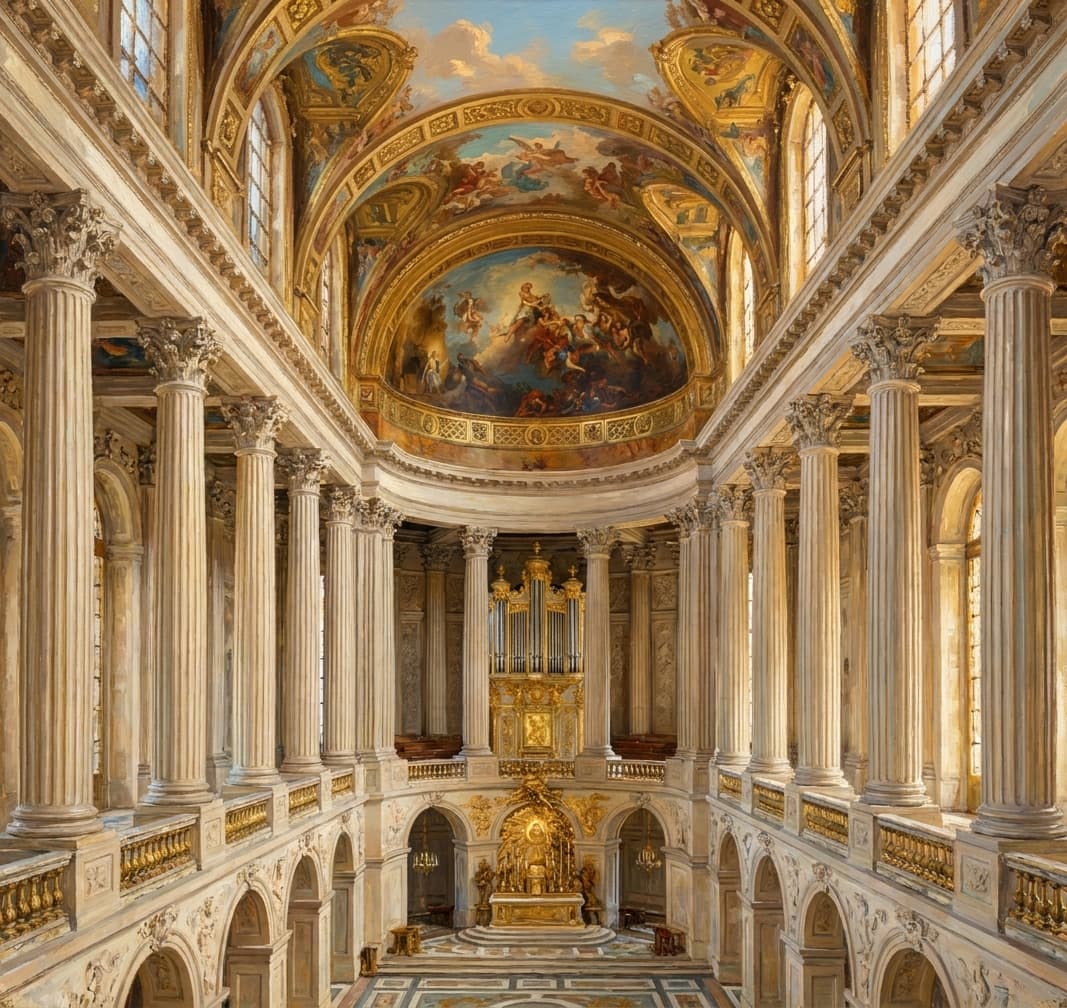
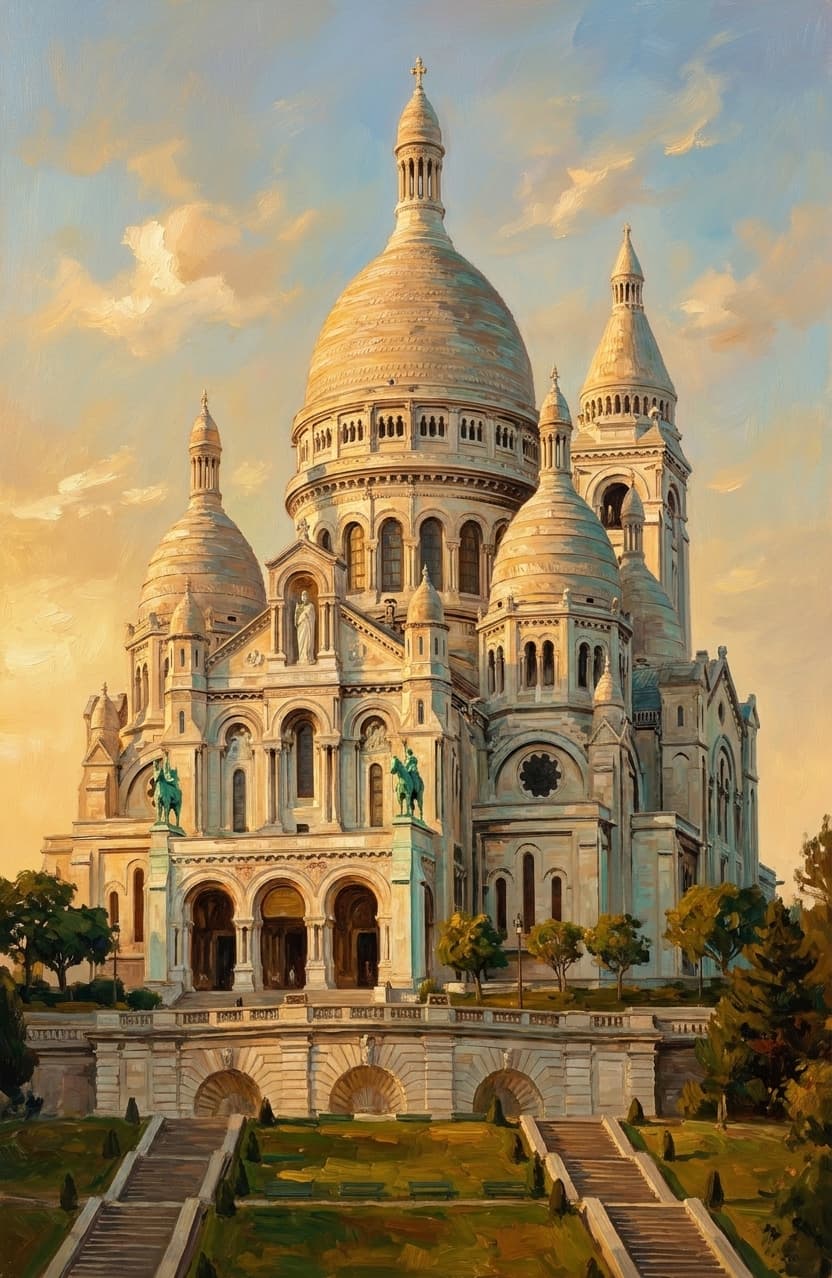
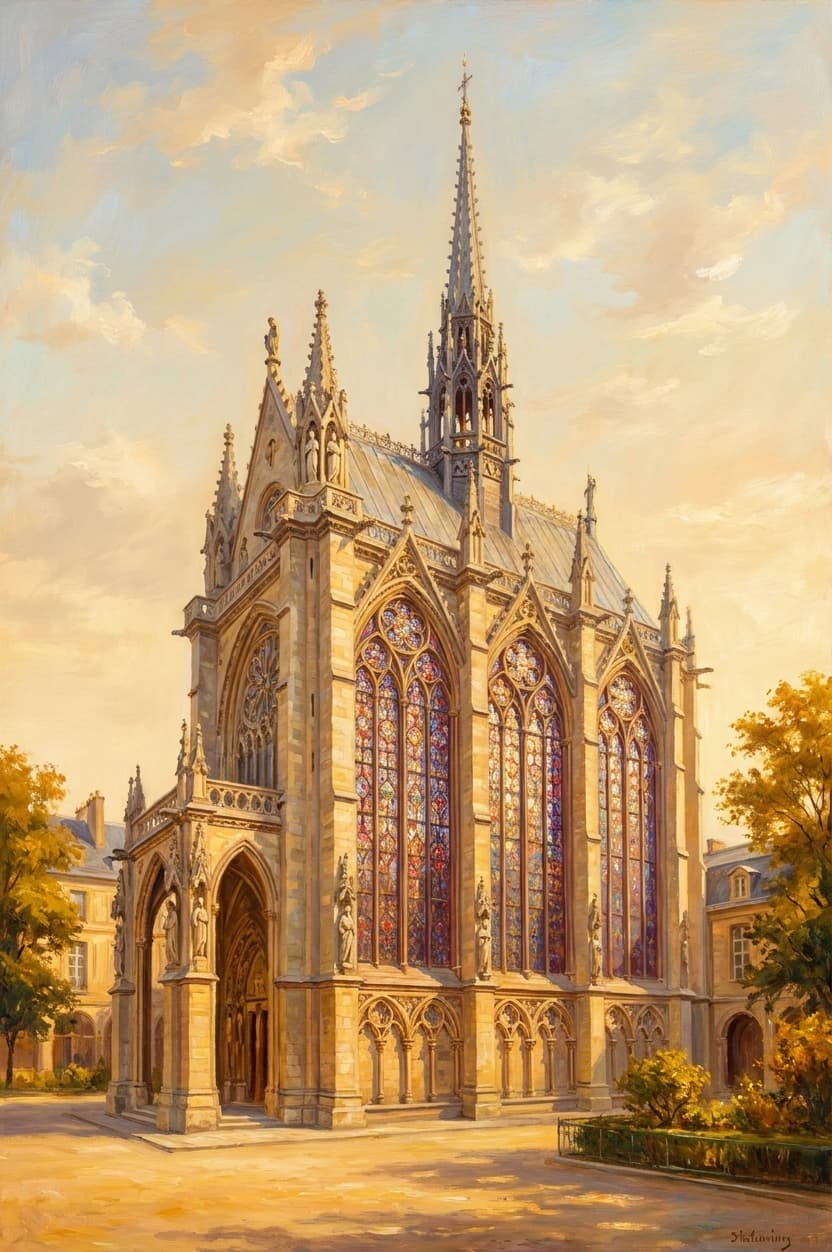
Sources & Research
Every fact on Temples.org is backed by verified Sources & Research. Each piece of information is rated by source tier and confidence level.
View All Sources (5)
| Field | Source | Tier | Retrieved |
|---|---|---|---|
| About & Historical Background | Official Website of Notre-Dame Cathedral (opens in a new tab) | A | 2024-02-29 |
| Historical Timeline | Britannica (opens in a new tab) | B | 2024-02-29 |
| Religious Significance | Catholic Archdiocese of Paris (opens in a new tab) | A | 2024-02-29 |
| Visitor Information | Official Website of Notre-Dame Cathedral (opens in a new tab) | A | 2024-02-29 |
| Religious Significance | The Vatican (opens in a new tab) | A | 2024-02-29 |