Visitor Insights
Visiting Rouen Cathedral
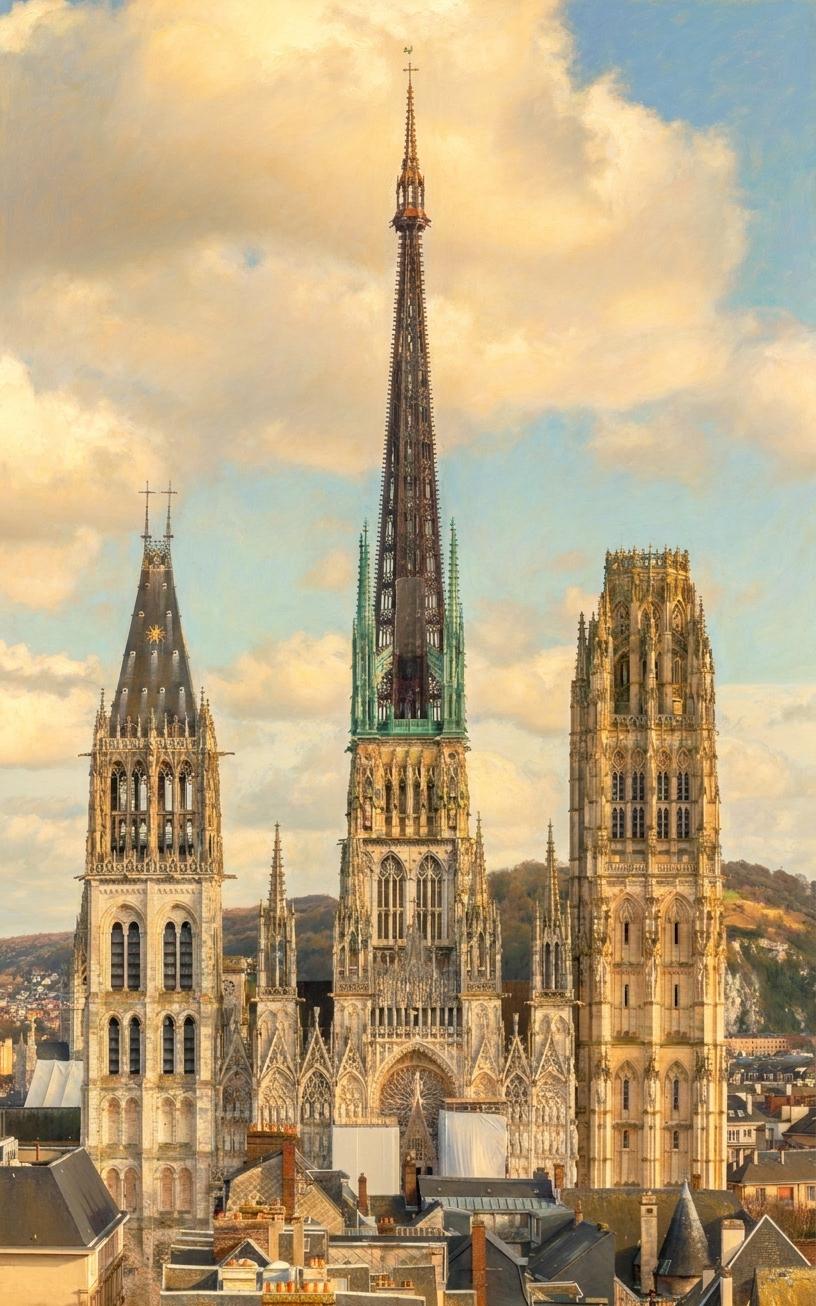
Rouen Cathedral welcomes visitors for daily prayer, sacramental worship, and architectural exploration within its historic nave and radiating chapels. The interior offers radiant morning light through historic stained glass, while the western parvis provides stunning views of the sculpted façade.
Highlights
- Admire the 151-meter pierced cast-iron spire rising dramatically above the transept crossing.
- Explore the ambulatory containing the thirteenth-century effigy of Richard the Lionheart.
- View the intricate Flamboyant stone lace of the Tour de Beurre on the southern façade.
- Contemplate the Tree of Jesse tympanum adorning the central western portal.
Things to Know
- Entry is free for individual prayer and touring, though quiet reverence is requested during services.
- Access to the Romanesque crypt is available exclusively through registered guided tours.
- Mass times restrict movement through the central choir and chancel area.
- Summer evenings feature projection mapping on the façade during the Cathédrale de Lumière festival.
Location
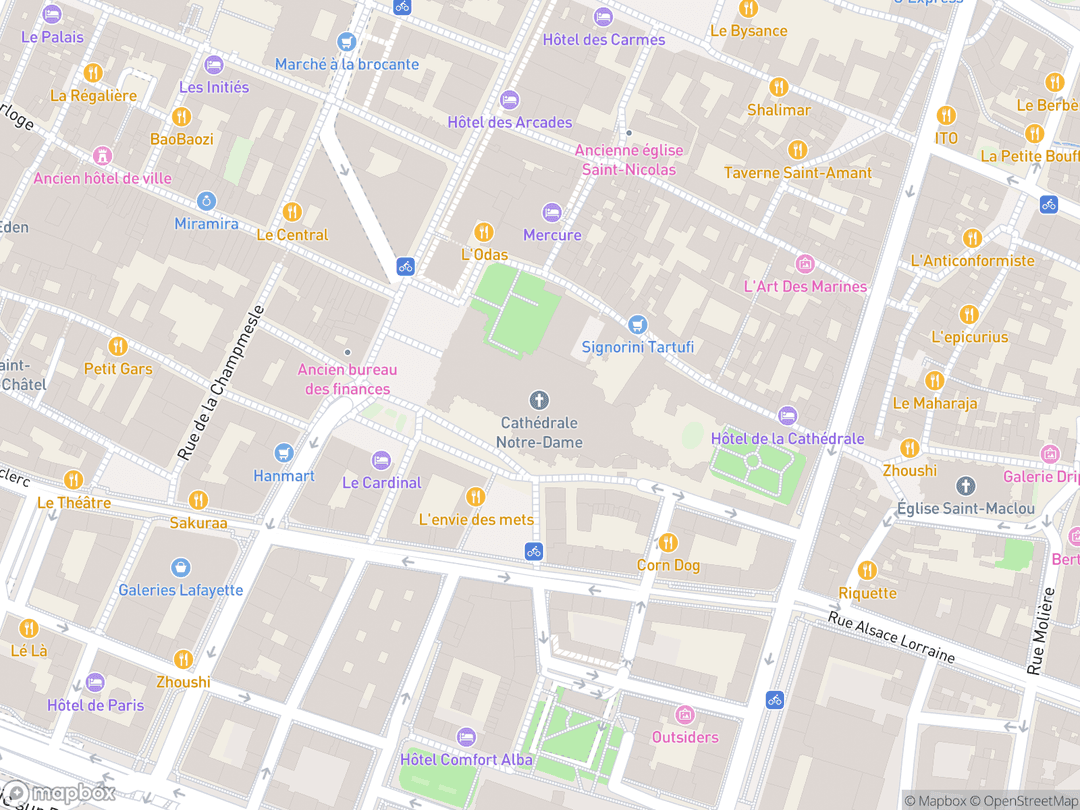
Place de la Cathédrale, 76000 Rouen, Normandy, France
Hours: Tuesday to Saturday 9:00 AM–12:00 PM and 2:00 PM–6:00 PM, Sunday 8:00 AM–6:00 PM, Monday 2:00 PM–6:00 PM
Getting There: Located a twelve-minute walk south from Gare de Rouen-Rive-Droite via Rue Jeanne d'Arc, or reachable by TEOR tram lines T1, T2, and T3 at the Théâtre des Arts stop.
Get DirectionsTips for Your Visit
Optimal Lighting
Visit in late afternoon to witness the warm sunlight illumination across the façade that inspired Claude Monet.
Crypt Tours
Inquire at the Rouen Tourist Office adjacent to the parvis for access times to the subterranean Romanesque crypt.
Choral Evensong
Attend Sunday liturgical services to experience the full acoustic resonance of the cathedral carillon and choir organ.
About
Rouen Cathedral, formally the Cathédrale primatiale Notre-Dame de l'Assomption de Rouen, stands as the ecclesiastical heart of Normandy and an enduring monument of Christian sacred architecture. Built within the Abrahamic tradition of setting apart consecrated ground for divine encounter, the cathedral represents the gathering of the faithful in communion with their bishop.
Rising over a site consecrated since the fourth century, the present structure is a masterwork of Gothic evolution that incorporates Early, High, Rayonnant, and Flamboyant elements alongside an eleventh-century Romanesque crypt. Its dynamic, asymmetric western front reflects centuries of artistic transformation and communal devotion.
Dedicated to the Assumption of the Virgin Mary, the cathedral functions as a living house of prayer and sacramental grace. Centered on the high altar and illuminated by medieval stained glass, the sanctuary evokes the New Jerusalem, drawing pilgrims into contemplative worship beneath the tallest church spire in France.
Gallery
Symbolic Elements
The temple's exterior features intricate carvings, each rich with spiritual meaning:
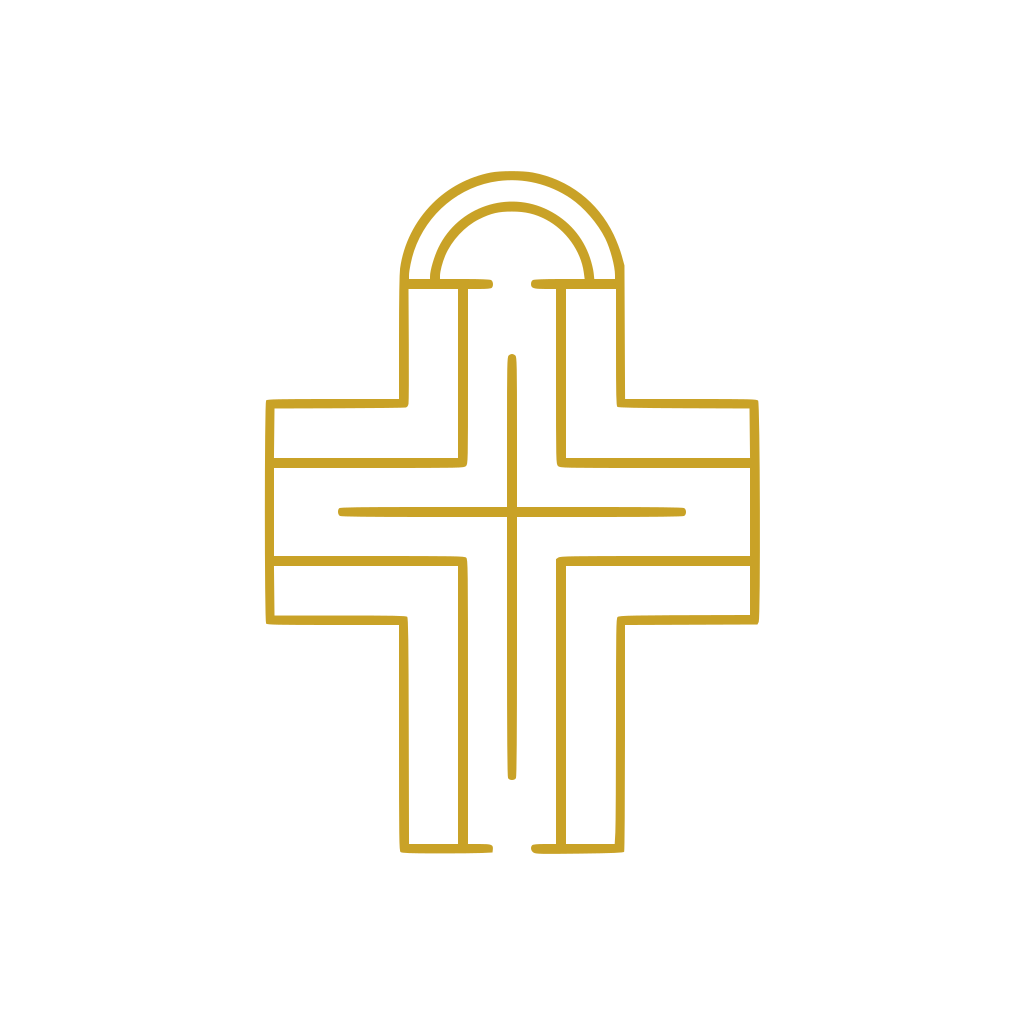
Cruciform Floor Plan
The Latin cross ground plan structures the cathedral as an earthly reflection of the crucified body of Christ.
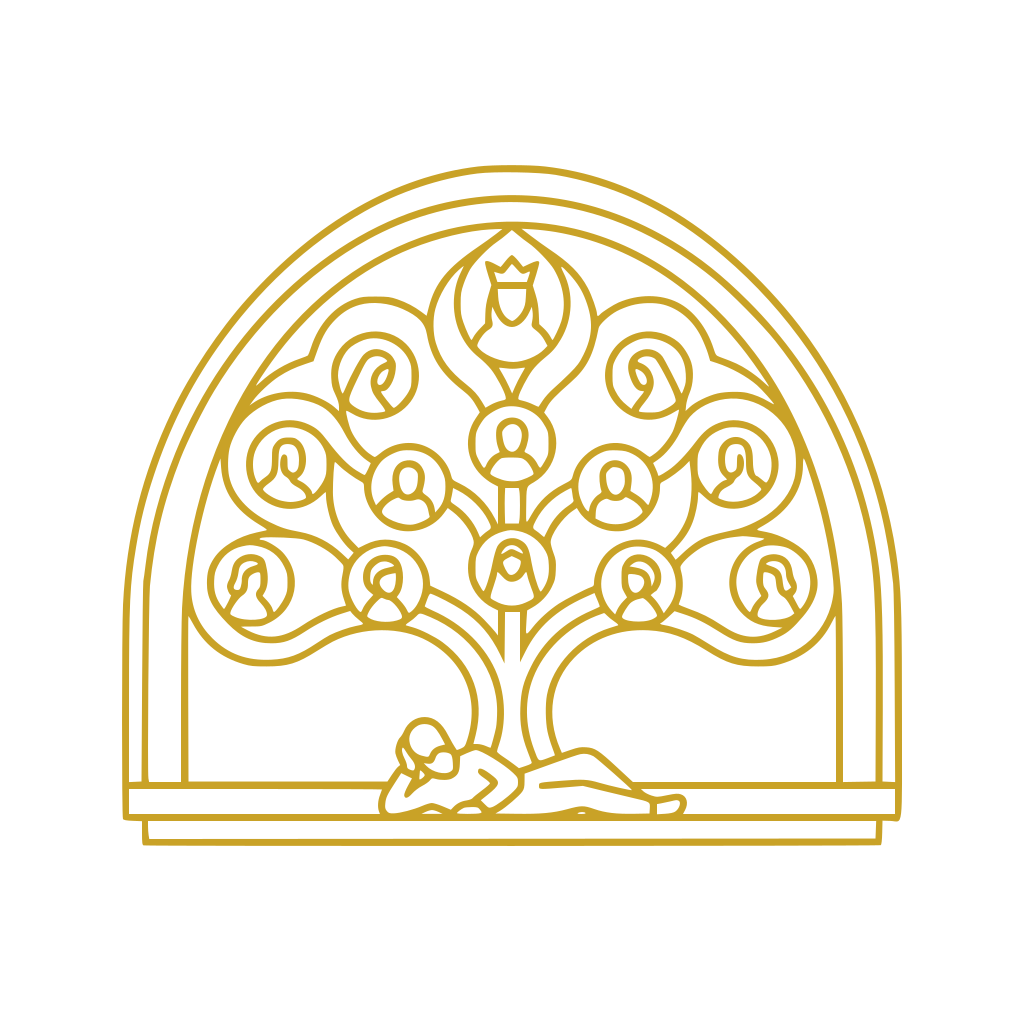
Tree of Jesse Tympanum
Depicts the royal lineage of Christ from Jesse to Mary on the central west portal, connecting biblical covenants.
Crossing Lantern Tower
Channels heavenly sunlight directly onto the altar, symbolizing divine illumination and the presence of the Holy Spirit.

Romanesque Crypt
Underpins the high altar, evoking the underground catacombs and the apostolic foundations of early Christianity.
Quatrefoil Bas-Reliefs
Intricately sculpted medallions along the transept plinths depict virtues, vices, and creation awaiting redemption.

Tour de Beurre Octagonal Crown
Crowns the southern tower with an openwork stone tiara, symbolizing ecclesiastical authority and sacrificial offerings.
Richard the Lionheart Effigy
A stone gisant marking the deposit of the king's embalmed heart, signifying feudal piety and eternal remembrance.
Interesting Facts
The cathedral stood as the tallest building in the world from 1876 to 1880, measuring 151 meters at the tip of its cast-iron spire (Tier A).
The southern Butter Tower was financed through diocesan dispensations permitting citizens to eat dairy during Lent (Tier A).
The embalmed heart of King Richard the Lionheart rests beneath a sculpted thirteenth-century effigy in the choir ambulatory (Tier A).
Claude Monet produced more than thirty individual oil paintings capturing changing light across the western façade (Tier B).
Rollo, the Viking chieftain who founded the Duchy of Normandy in 911, is entombed within the nave ambulatory (Tier A).
The cathedral carillon within the Tour Saint-Romain contains sixty-four bells, making it the largest in France (Tier B).
Emergency wooden shoring by local carpenters prevented the central crossing tower from collapsing under Second World War bombing (Tier B).
The Renaissance tomb of Cardinal Georges d'Amboise survived both the Wars of Religion and the French Revolution unscathed (Tier A).
A sudden fire on protective scaffolding in July 2024 was safely extinguished before harming the iron spire or stone vaults (Tier A).
Common Questions
Is Rouen Cathedral open to the public daily?
Yes, the cathedral is open daily for prayer and visitation, with restricted sightseeing during religious services.
Is there an admission fee to enter Rouen Cathedral?
General admission to the nave and ambulatory is free, while guided visits to the historic crypt require a fee.
Why is the southern tower called the Butter Tower?
It was financed by fifteenth-century church dispensations allowing donors to consume butter during the Lenten fast.
Is King Richard the Lionheart buried here?
His embalmed heart is entombed within the ambulatory, while his body was laid to rest at Fontevraud Abbey.
How tall is the central cathedral spire?
The nineteenth-century pierced cast-iron spire reaches an apex of 151 meters above the city.
Featured Stories
The King's Embalmed Heart
1199
Before succumbing to an arrow wound in 1199, King Richard the Lionheart bequeathed his heart to Rouen in gratitude for Norman loyalty. Interred beneath an intricately sculpted stone effigy in the cathedral ambulatory, the relic affirmed the sovereign's spiritual bond with Normandy. Nineteenth-century excavations confirmed the presence of the linen-wrapped heart preserved in powdered spices.
Source: Archdiocese of Rouen Historical Archives
The Lenten Fast and the Butter Tower
1485
The lavish south tower earned its moniker because its construction was funded by contributions from citizens seeking diocesan dispensations to consume butter and milk during Lent. Master masons channeled these penitential donations into one of Europe's crowning achievements of Flamboyant Gothic stonework. Completed in 1507, the tower remains a striking testament to medieval civic devotion.
Source: French Ministry of Culture Heritage Records
Claude Monet's Symphony in Stone
1892
Renting second-floor rooms facing the cathedral parvis, Claude Monet undertook an obsessive quest to capture changing sunlight upon the sculpted west front. Working across multiple canvases simultaneously, he documented dawn mist, noon brilliance, and golden sunset against the ancient limestone. The resulting thirty paintings redefined modern art while immortalizing the spiritual monument.
Source: Rouen Fine Arts Museum Historical Dossier
Timeline
Primitive Basilica Dedication
Saint Victricius dedicates an early Christian basilica in Rotomagus housing apostolic relics.
MilestoneBaptism of Rollo
The Viking chieftain Rollo receives Christian baptism in the cathedral, founding the Duchy of Normandy.
MilestoneRomanesque Consecration
Archbishop Maurille consecrates the Romanesque edifice before Duke William prior to his conquest of England.
DedicationGothic Construction Begins
Archbishop Hugues d'Amiens initiates Gothic rebuilding, beginning with the Saint-Romain tower.
MilestoneGreat Easter Fire
A catastrophic fire sweeps through Rouen, prompting comprehensive High Gothic reconstruction.
EventHigh Gothic Choir Consecration
Master mason Jean d'Andely oversees completion and dedication of the reconstructed Gothic choir.
DedicationButter Tower Completion
Guillaume Pontifs and Jacques Le Roux complete the Flamboyant Gothic Tour de Beurre.
MilestoneWest Façade Transformation
Roulland Le Roux completes the openwork Flamboyant screen across the central western portal.
RenovationCast-Iron Spire Erected
Architect Jacques-Eugène Barthélémy completes the 151-meter iron spire, making it the world's tallest building.
MilestoneSecond World War Bombardment
Allied incendiary bombs strike during Red Week, severely damaging the choir and Saint-Romain tower.
EventPost-War Rededication
Archbishop Joseph-Marie Martin solemnly reconsecrates the fully restored cathedral and choir.
DedicationRestoration Scaffolding Fire
Emergency services rapidly contain a fire on protective spire tarps without interior structural damage.
EventHistory by Decade
390s–840s — Gallo-Roman Foundations and Viking Incursions
Bishop Victricius established the first monumental basilica in Roman Rotomagus during the fourth century, introducing venerated relics of apostles and martyrs. Archbishops Saint Ouen and Saint Romanus later consolidated the episcopal quarter during the Merovingian era. These primitive sanctuaries suffered catastrophic devastation during ninth-century Viking raids along the lower Seine Valley.
910s–1190s — The Norman Ducal Era
Following the 911 Treaty of Saint-Clair-sur-Epte, the Norse leader Rollo converted to Christianity and was baptized in the cathedral. Archbishop Maurille directed the construction of a grand Romanesque church, consecrated in 1063 before William the Conqueror. Archbishop Hugues d'Amiens later introduced Early Gothic principles by constructing the freestanding northern Tour Saint-Romain.
1200s–1390s — High Gothic Flourishing
After a devastating fire in 1200, master mason Jean d'Andely initiated a sweeping High Gothic reconstruction. The soaring choir was consecrated in 1214, followed by completion of the nave and the open transept lantern tower. The late thirteenth century introduced the magnificent Rayonnant Portail des Libraires and Portail de la Calende.
1460s–1540s — Flamboyant Innovation and Renaissance Splendor
Master masons Guillaume Pontifs and Roulland Le Roux transformed the west front into a lace-like screen of Flamboyant Gothic stonework. Construction of the southern Tour de Beurre was financed through Lenten dairy dispensations, adding an opulent octagonal crown. Inside the Lady Chapel, elaborate Renaissance tombs were erected for Normandy's cardinal archbishops.
1560s–1790s — Wars of Religion and Revolutionary Upheaval
Huguenot forces damaged exterior statuary and furnishings in 1562 during the French Wars of Religion. The eighteenth century saw the choir reordered to reflect post-Tridentine liturgical reforms, removing the medieval rood screen. During the French Revolution, the cathedral was nationalized as a Temple of Reason, with precious bells and metalwork melted for artillery.
1820s–1890s — The Iron Spire and Impressionist Fame
Lightning destroyed the Renaissance wooden spire in 1822, prompting Jean-Antoine Alavoine to design a soaring openwork cast-iron spire. Completed in 1876 at 151 meters, it briefly rendered the cathedral the tallest structure on Earth. Between 1892 and 1894, Claude Monet painted over thirty masterworks capturing light across the west façade.
1940s–Present — Devastation, Reconstruction, and Renewal
Allied aerial bombardments in 1944 caused widespread destruction to the choir aisles, vaulting, and Saint-Romain tower belfry. Decades of master craftsmanship culminated in solemn rededication in 1956 under Archbishop Joseph-Marie Martin. Modern conservation safeguards the historic fabric, ensuring the cathedral remains an active sanctuary of international significance.
Architecture & Facilities
Rouen Cathedral represents an encyclopedic synthesis of French Gothic architecture spanning Early Gothic, High Gothic, Rayonnant, and Flamboyant styles, erected over an eleventh-century Romanesque crypt and crowned by a nineteenth-century neo-Gothic cast-iron spire.
Building Materials
Caen Stone
Fine-grained Norman limestone quarried along the Seine basin provides a luminous cream hue across structural walls.
Pierre de Vernon
Dense, workable riverbed limestone utilized extensively for the intricate external lacework and statues.
Cast Iron
Over twelve hundred tons of prefabricated structural iron form the openwork framework of the central crossing spire.
Chalk Stone
Local Seine valley chalk utilized within subterranean foundation footings and internal wall mass.
Interior Features
Nave
Features a rare four-tier elevation of clustered piers rising twenty-eight meters to quadripartite vaults.
Choir and Presbytery
Enclosed by fourteen slender cylindrical columns supporting pointed arches around fifteenth-century carved oak stalls.
Chapelle de la Vierge
Expansive fourteenth-century eastern Lady Chapel housing monumental Renaissance archiepiscopal tombs.
Transept Lantern Tower
Rises fifty-one meters internally to flood the central crossing and high altar with natural vertical light.
Temple Grounds
The cathedral anchors the historic Place de la Cathédrale parvis to the west, with pedestrian approaches leading through the sculpted courtyards of the northern Portail des Libraires and southern Portail de la Calende.
Additional Facilities
Features an adjacent archiepiscopal palace, diocesan parish offices, an official heritage reception desk, and historical crypt exhibition facilities.
Religious Significance
Within Catholic theology, the cathedral is consecrated as the mother church of the archdiocese, embodying the visible unity of the Christian community gathered around the apostolic seat of the archbishop.
Dedicated as an earthly sanctuary of the New Covenant, the cathedral centers upon the celebration of the Eucharist, administering the sacraments and directing souls toward eternal communion with God.
Sacred Ordinances
Holy Sacrifice of the Mass
The daily liturgical offering at the high altar renewing the Paschal mystery and Real Presence of Christ.
Episcopal Ordinations and Chrism Mass
Solemn diocesan liturgies where sacred oils are consecrated and priests and deacons are ordained into apostolic ministry.
Eucharistic Adoration
Reverent personal prayer before the Blessed Sacrament reserved within the cathedral tabernacle.
Marian Patronage and Dedication
Dedicated to the Assumption of Our Lady, the cathedral honors Mary as the living Ark of the New Covenant. Her assumption into heaven prefigures the destiny of the faithful, inspiring pilgrims through sacred art and Marian litanies throughout the liturgical year.
Apostolic Heritage in Normandy
Consecrated by Saint Victricius in the fourth century and serving as the burial site of Norman rulers, the primatial cathedral links contemporary sacramental life with unbroken Christian witness across more than sixteen centuries.
Sources & Research
Every fact on Temples.org is backed by verified Sources & Research. Each piece of information is rated by source tier and confidence level.
View All Sources (8)
| Field | Source | Tier | Retrieved |
|---|---|---|---|
| About & Historical Background | Archidiocèse de Rouen (opens in a new tab) | A | 2026-02-18 |
| Architecture & Heritage Classification | Ministère de la Culture - Base Mérimée (opens in a new tab) | A | 2026-02-18 |
| Preservation & Restoration Records | Direction Régionale des Affaires Culturelles de Normandie (opens in a new tab) | A | 2026-02-18 |
| Liturgical Practices & Sacred Life | Conférence des Évêques de France (opens in a new tab) | A | 2026-02-18 |
| Historical Timeline & Ducal Tombs | Patrimoine-Histoire France (opens in a new tab) | B | 2026-02-18 |
| Structural Dimensions & Spire Engineering | SpottingHistory Historic Database (opens in a new tab) | C | 2026-02-18 |
| Visitor Logistics & Tower Access | Rouen Normandie Tourisme (opens in a new tab) | D | 2026-02-18 |
| Regional Heritage & Tourism Overview | Comité Régional de Tourisme de Normandie (opens in a new tab) | D | 2026-02-18 |