Visitor Insights
Visiting Strasbourg Cathedral
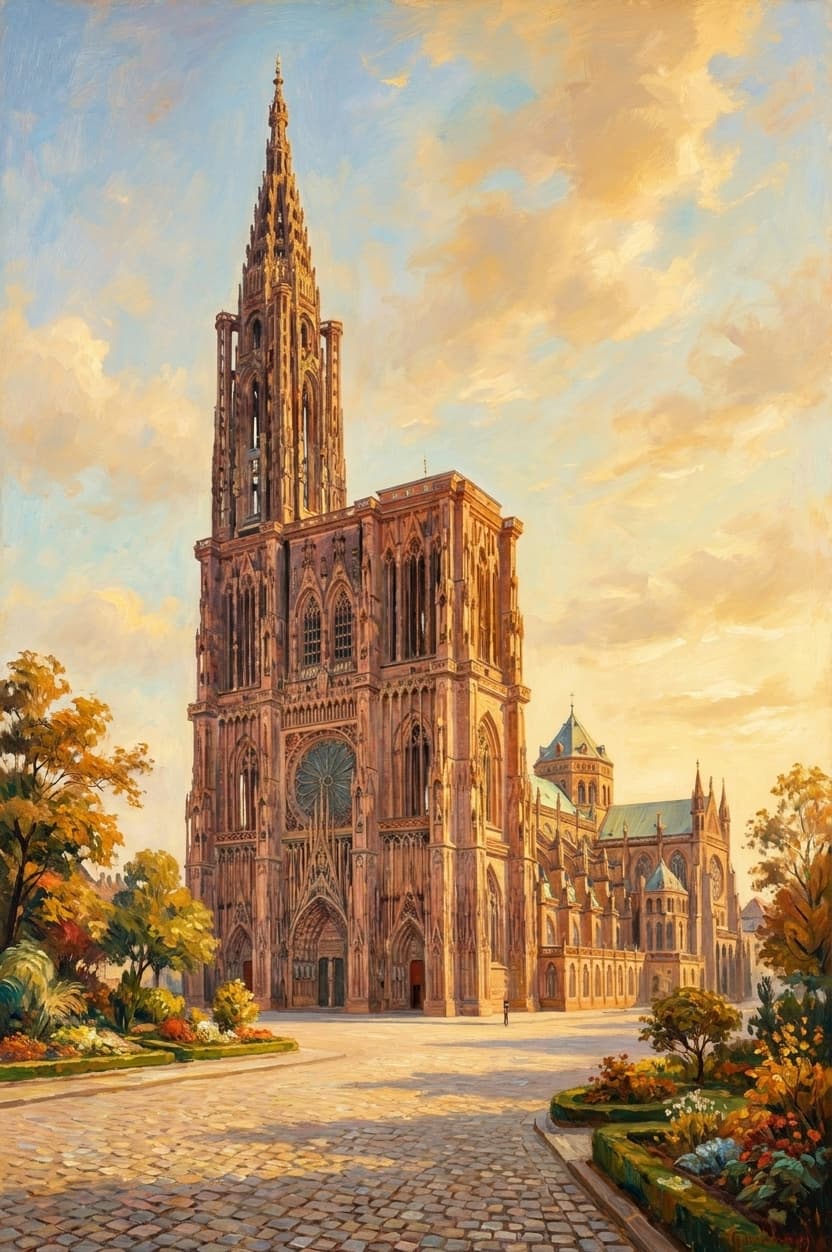
Located at the pedestrian core of Strasbourg's Grande-Île, the cathedral is an active parish and episcopal seat welcoming pilgrims and tourists year-round. Visitors can attend liturgical services, inspect the famed Renaissance astronomical clock, or climb the 330 steps to the open viewing terrace.
Highlights
- Climb the 330 steps to the 66-meter platform terrace for sweeping views across the Rhine plain and Black Forest.
- Witness the noon presentation and mechanical automaton parade of the 1842 Schwilgué Astronomical Clock.
- Admire the brilliant 13th-century rose window and original medieval stained-glass panels along the clerestory.
- Inspect the monumental Pillar of the Angels illustrating the Last Judgment in the south transept.
Things to Know
- Visiting the nave is restricted during liturgical masses, particularly on Sunday mornings.
- The platform staircase is narrow and one-way, requiring sturdy walking shoes.
- Access to the Astronomical Clock mechanical show requires separate ticketing from the south portal.
- Bag checks and security screenings operate daily at the cathedral entrances.
Location
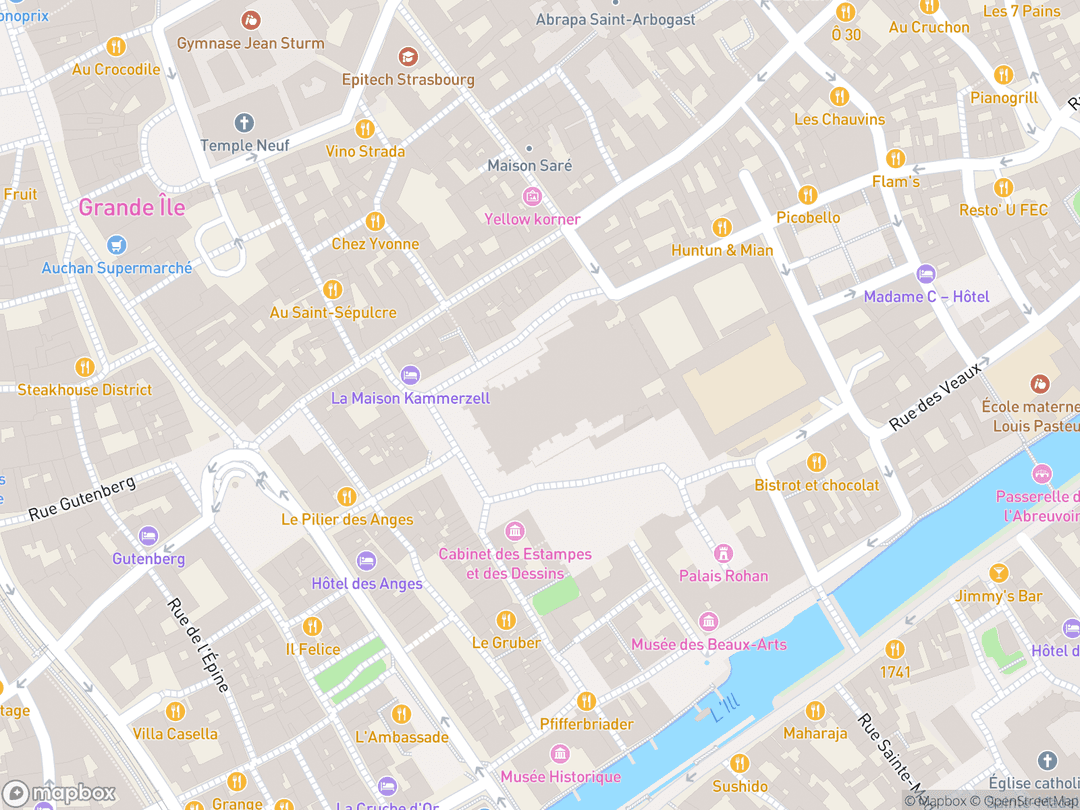
Place de la Cathédrale, 67000 Strasbourg, Bas-Rhin, Grand Est, France
Hours: Monday through Saturday 8:30 AM to 5:45 PM; Sundays 2:00 PM to 5:15 PM
Getting There: Take Tram Line A or D to Langstross Grand'Rue or Place Broglie; Gare Centrale is a 15-minute walk.
Get DirectionsTips for Your Visit
Optimal Lighting
Visit the interior in the morning to see sunlight flood the stained glass, then view the pink facade at sunset from Rue Mercière.
Astronomical Clock Show
Line up by 11:30 AM at the south portal to secure entrance for the daily 12:00 PM film and 12:30 PM mechanical performance.
Tower Ascent
Ascend the platform on clear mornings to avoid afternoon heat and long lines along the spiral stone stairs.
About
Strasbourg Cathedral (Cathédrale Notre-Dame de Strasbourg) stands as a monumental masterpiece of medieval Gothic architecture, celebrated for its soaring single spire and warm pink sandstone facade. Built over several centuries upon Romanesque foundations, the cathedral embodies the spiritual devotion and technical ambition of the Rhineland.
Rising 142 meters above the historic Grande-Île of Strasbourg, the cathedral was the tallest human-made structure in the world from 1647 until 1874. Its delicate openwork spire, innovative double-screen facade, and dramatic Gothic nave remain celebrated marvels of medieval masonry.
Today, the cathedral continues to serve as the active seat of the Roman Catholic Archdiocese of Strasbourg. It welcomes both pilgrims seeking liturgical worship and visitors marveling at its legendary astronomical clock, historic stained glass, and centuries of preserved faith.
Gallery
Symbolic Elements
The temple's exterior features intricate carvings, each rich with spiritual meaning:
Pillar of the Angels
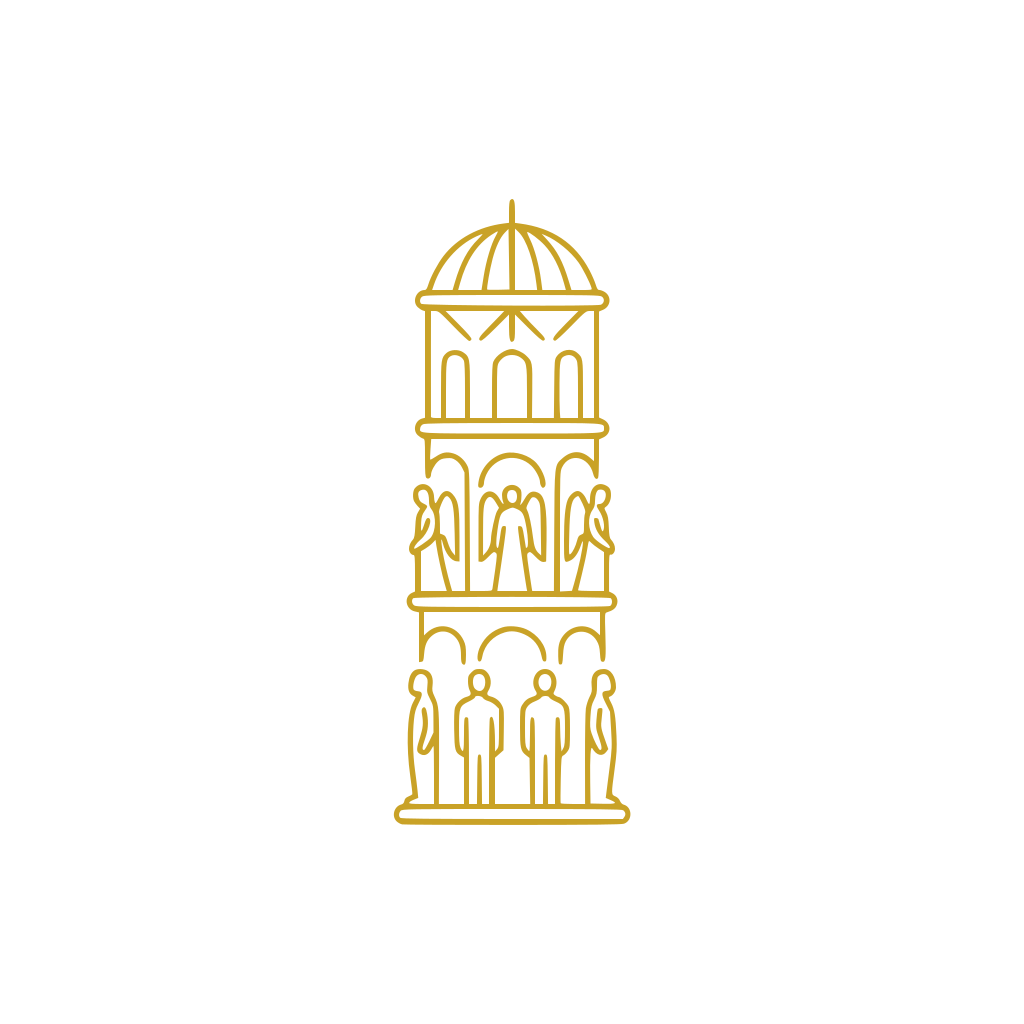
This 16-meter transept column depicts the Last Judgment through tiered statues of the Evangelists, angels, and Christ.

Western Rose Window
Spanning over 13 meters, its unique geometric pattern of wheat ears signifies Eucharistic nourishment rather than the wheel of fortune.
Statues of Ecclesia and Synagoga
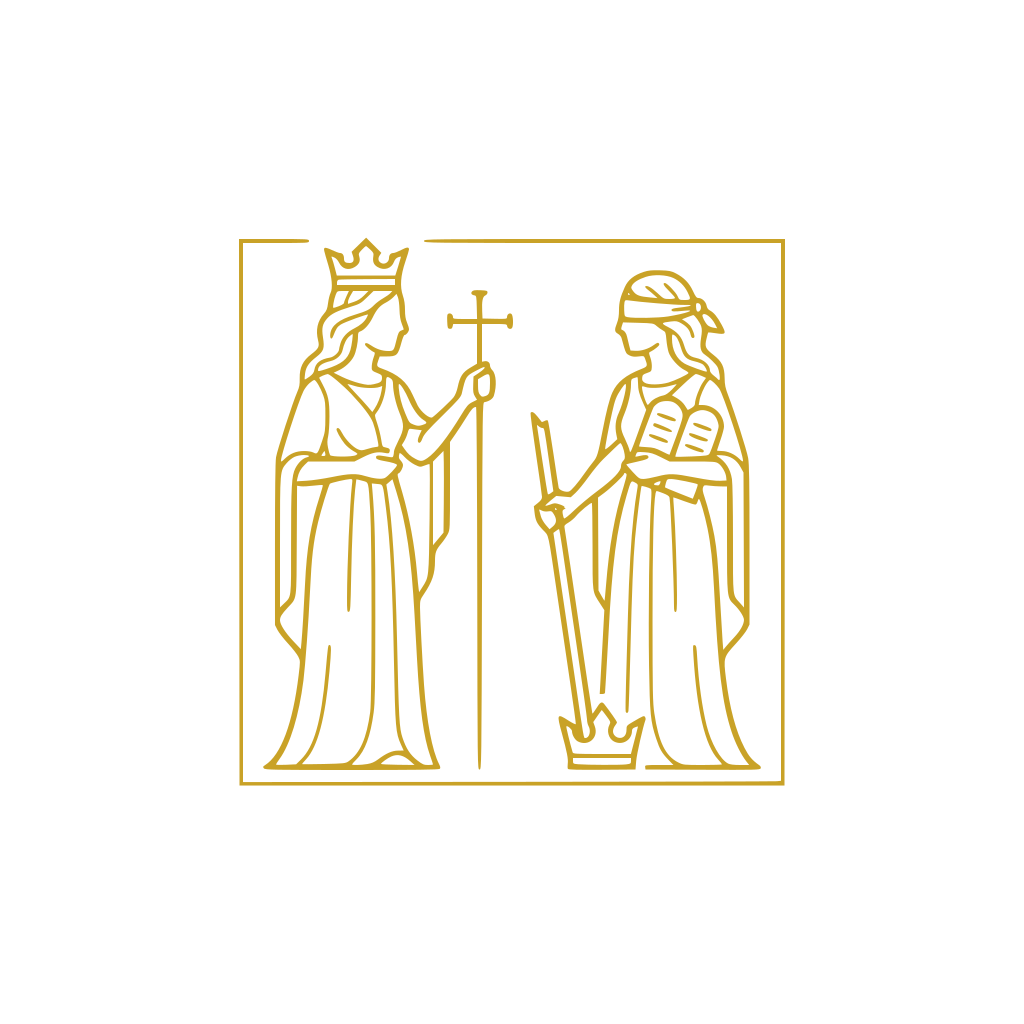
Flanking the south portal, these female allegorical figures represent medieval theological understandings of the Old and New Covenants.
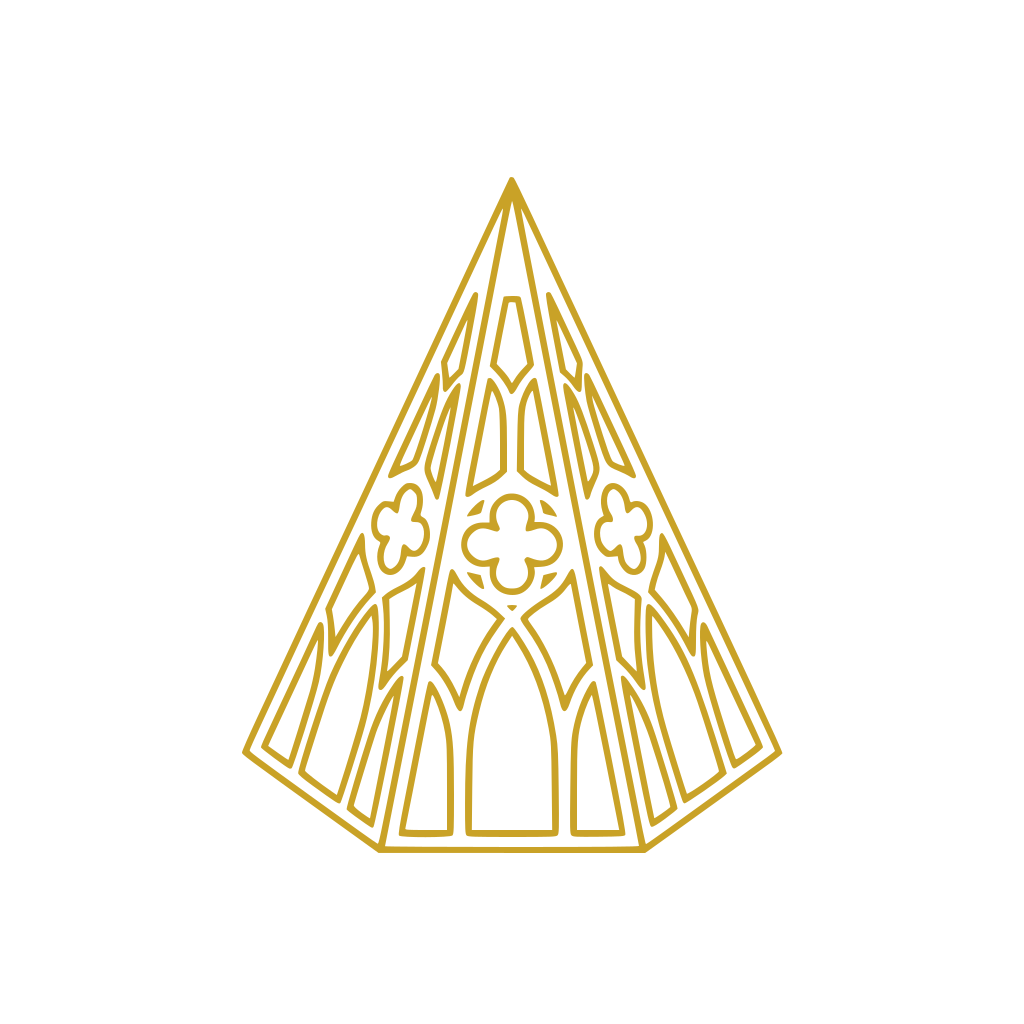
Openwork Stone Spire
The pierced octagonal pyramid symbolizes spiritual ascension through transparent, lace-like stone masonry pointing to the heavens.
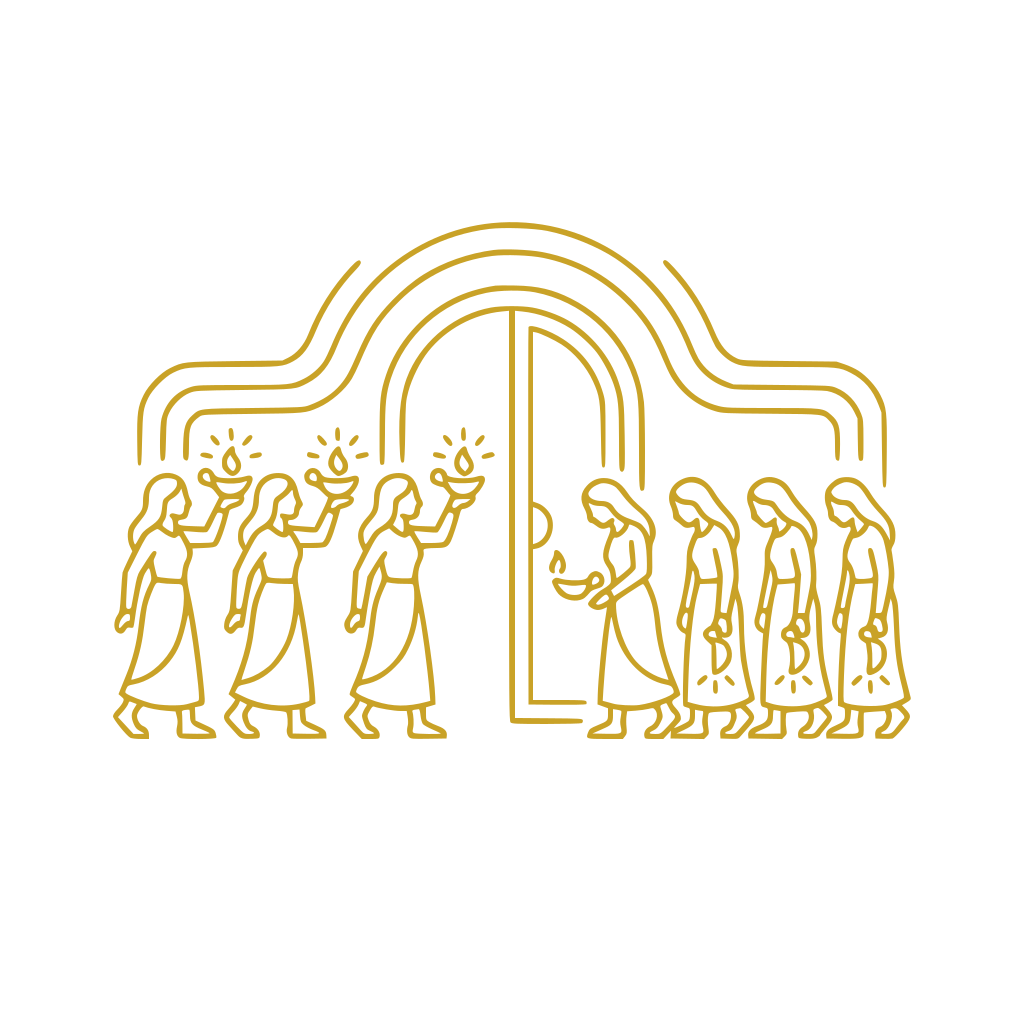
The Wise and Foolish Virgins
Carved figures beside the portal depict Christ's parable urging spiritual vigilance and readiness for the heavenly bridegroom.
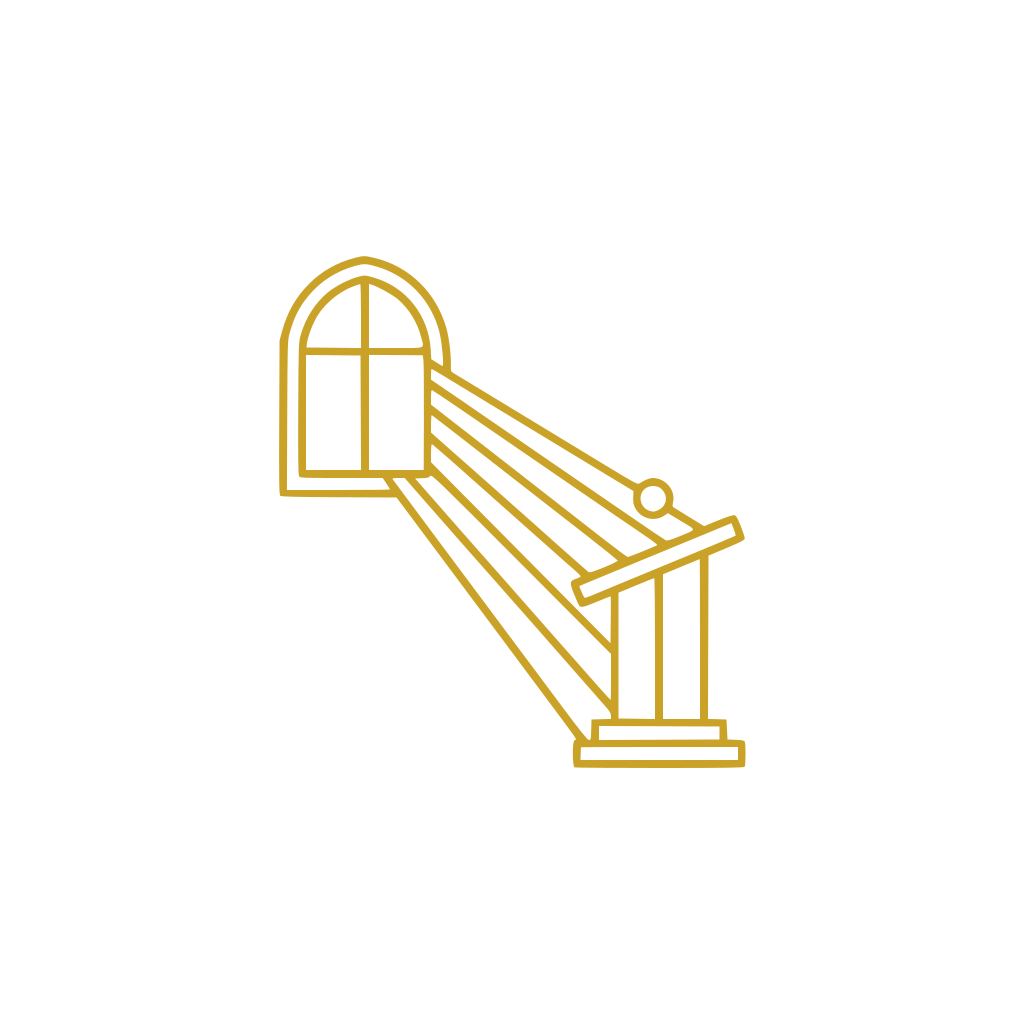
The Green Ray
Equinox sunlight passing through southern stained glass casts a green beam upon the historic pulpit, inspiring popular devotion.
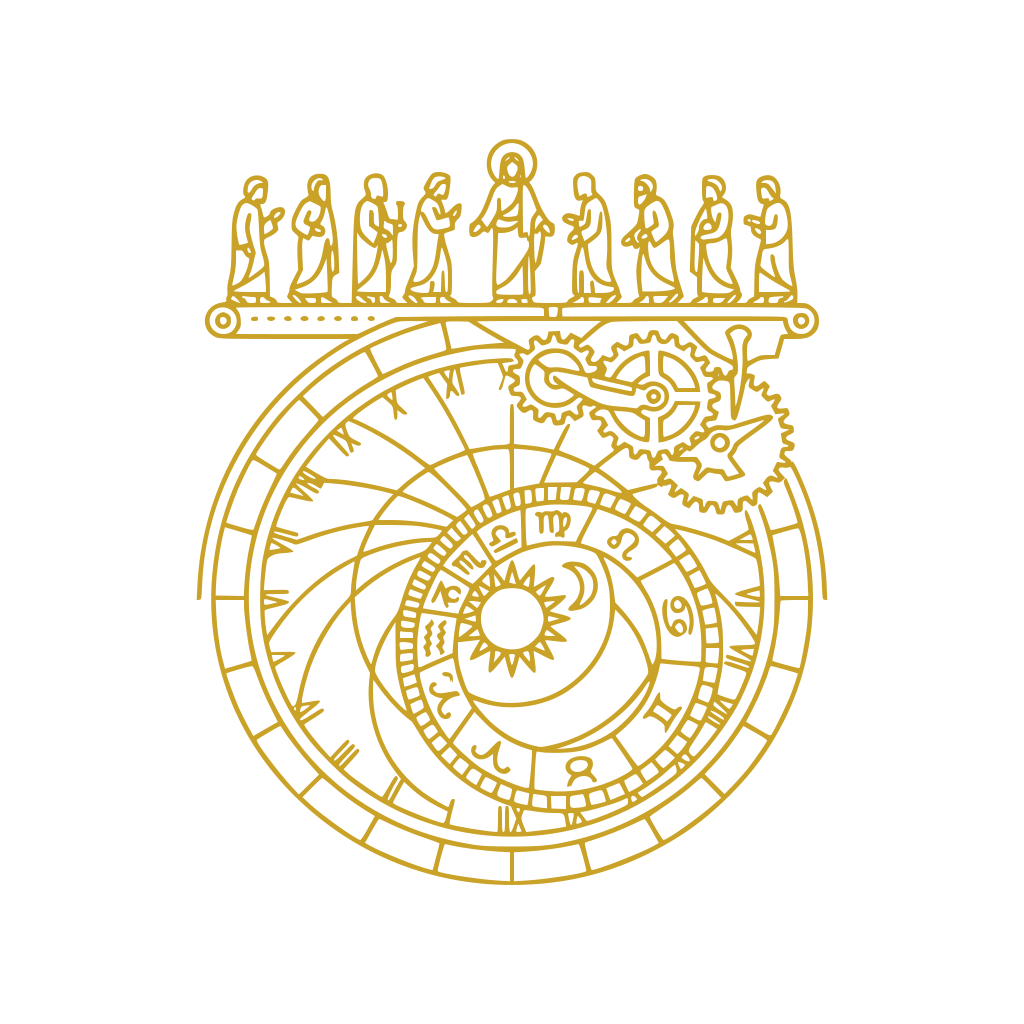
Astronomical Clock Automaton
Daily mechanical processions of the Apostles before Christ allegorize the passage of human time and redemption.

Swallow's Nest Rohraffe
Suspended grotesque woodwork on the organ case provided medieval liturgical comic relief and reminders of human fallibility.
Interesting Facts
Strasbourg Cathedral was the world's tallest building for 227 uninterrupted years between 1647 and 1874. (Tier A)
During the French Revolution, a local locksmith saved the spire from demolition by dressing it in an enormous red metal liberty cap. (Tier A)
Johann Wolfgang von Goethe cured his fear of heights by climbing the cathedral's open spiral staircases daily while a law student in 1770. (Tier B)
The cathedral's original 13th-century construction lodge, the Fondation de l'Œuvre Notre-Dame, remains in active operation today. (Tier A)
The 142-meter spire is entirely hollow and self-supporting, built without a central interior load-bearing masonry pillar. (Tier A)
A mechanical organ grotesque carved in 1385, the Rohraffe, historically hurled comedic insults down at clergy and congregants during Pentecost. (Tier B)
In 1941 in the Libyan desert, French General Leclerc swore not to lay down arms until the French flag flew again over this cathedral. (Tier A)
Architect Johann Knauth saved the cathedral in the 1910s by jacking up the 22-million-kilogram tower to replace rotting oak foundations. (Tier A)
Common Questions
Why does Strasbourg Cathedral have only one spire?
Shifting architectural tastes, structural concerns over Rhine marshland, and depleted municipal funds halted construction on the southern tower.
How tall is Strasbourg Cathedral?
The northern spire reaches a total height of 142.11 meters (466 feet).
What stone gives the cathedral its distinctive color?
The monument is built from Triassic red and pink sandstone quarried in the nearby Vosges Mountains.
Is the cathedral still an active place of worship?
Yes, it serves actively as the seat of the Roman Catholic Archdiocese of Strasbourg with daily services.
Featured Stories
The Liberty Cap That Saved the Spire
1794
During the French Revolution, radical Jacobins decreed that the cathedral's lofty spire violated republican equality by towering over common homes. Local locksmith Jean-Michel Grünstein ingeniously defused the threat by forging a giant painted metal Phrygian liberty cap and hoisting it to the summit. The spectacle satisfied the revolutionary tribunal and permanently preserved the medieval masterpiece from demolition.
Source: Fondation de l'Œuvre Notre-Dame
Goethe's Conquest of Fear
1770
While studying law at the University of Strasbourg, the young Johann Wolfgang von Goethe suffered from paralyzing acrophobia. Determined to master his fear, he climbed the cathedral tower daily to stand on the narrow, open stone parapet until dizziness subsided. His intense encounters with the monument inspired celebrated romantic essays that revived appreciation for Gothic architecture throughout Europe.
Source: Historical memoirs of J.W. von Goethe
The Sacred Oath of Kufra
November 23, 1944
In March 1941, deep in the Libyan desert, Free French Colonel Philippe Leclerc swore never to rest until the national colors flew over Strasbourg's cathedral. Over three years later, his armored division liberated the Alsatian capital and immediately hoisted the Tricolor from the top of the 142-meter spire. The dramatic ascent fulfilled one of the most famous military pledges of World War II.
Source: Archives of the French Liberation Forces
Timeline
Foundation of Romanesque Basilica
Bishop Werner von Habsburg lays the foundation stone for the Ottonian Romanesque basilica.
MilestoneReconstruction Commences
A catastrophic fire destroys earlier structures, prompting Bishop Rudolf to begin building the current Romanesque choir.
EventGothic Style Introduced
Master sculptors from the Île-de-France introduce Gothic techniques to construct the south transept and Pillar of Angels.
MilestoneErwin von Steinbach Appointed
Master Erwin initiates work on the western facade, designing the celebrated openwork tracery screen.
MilestoneUlrich von Ensingen Takes Charge
The renowned builder begins raising the octagonal tower superstructure above the western platform.
MilestoneSpire Completion
Master Johannes Hültz crowns the freestanding openwork spire, creating the world's tallest building.
DedicationReformation Adoption
The city council assigns the cathedral to Protestant worship while civil decrees protect its stained glass and architecture.
EventReturn to Catholic Worship
Following annexation by King Louis XIV, the cathedral is returned to the Roman Catholic Church and restored.
MilestoneSalvation of the Spire
Locksmith Jean-Michel Grünstein wraps the pinnacle in a giant metal liberty cap to prevent revolutionary demolition.
EventSchwilgué Astronomical Clock Completed
Jean-Baptiste Schwilgué installs the ingenious Third Astronomical Clock with its complex perpetual calendar.
RenovationFoundation Rescue Finalized
Cathedral architect Johann Knauth finishes a complex underpinning project to rescue the failing tower pillars with concrete.
RenovationLiberation of Strasbourg
French forces under General Leclerc fulfill the Oath of Kufra by raising the Tricolor flag atop the cathedral spire.
MilestoneHistory by Decade
1010s–1170s — The Ottonian Romanesque Basilica
Bishop Werner von Habsburg founded the original Romanesque basilica in 1015 on alluvial Rhine gravels using extensive oak pilings. Repeated fires over the 12th century devastated Werner's wooden roof and masonry, compelling church authorities to initiate a grand reconstruction program in 1176.
1200s–1260s — The Gothic Transformation
French stonemasons arrived in Alsace around 1220, bringing revolutionary Early Gothic vaulting and naturalistic sculpture to the south transept. Citizens soon formed the autonomous Fondation de l'Œuvre Notre-Dame to finance and construct a grand Rayonnant Gothic nave.
1270s–1360s — Erwin von Steinbach and the Facade
Master Erwin von Steinbach took command of the lodge in 1277, designing the western facade's renowned lace-like double screen of tracery. His sons continued the monumental endeavor through the Black Death, completing the glorious 13.6-meter rose window.
1390s–1440s — Raising the World's Tallest Spire
Architects Ulrich von Ensingen and Johannes Hültz engineered a daring octagonal superstructure and pierced stone pyramid. Consecrated on June 24, 1439, the 142-meter spire established the cathedral as the tallest human-made structure on Earth.
1520s–1680s — Reformation and Royal Return
The cathedral served as a Protestant church for over 150 years following the Reformation, during which civil decrees protected its art from iconoclasm. In 1681, King Louis XIV annexed Strasbourg and restored the cathedral to Roman Catholic worship.
1790s–1920s — Revolution, War, and Engineering Salvation
Revolutionaries defaced statues in 1794, while Prussian artillery ignited the nave roof during the 1870 siege. In the early 20th century, architect Johann Knauth engineered an audacious concrete underpinning system that rescued the sinking tower from collapse.
1940s–Present — Liberation and Modern Stewardship
General Leclerc's troops liberated the city in 1944, fulfilling their desert oath by planting the Tricolor atop the spire. Today, meticulous continuous stone restoration by the historic cathedral workshop ensures the monument's spiritual and architectural preservation.
Architecture & Facilities
Strasbourg Cathedral is an internationally celebrated hybrid of Romanesque and Gothic architecture, transitioning from thick Rhenish Ottonian choir foundations to soaring Rayonnant and Flamboyant Gothic stone masonry. Master Erwin von Steinbach pioneered an innovative double-screen facade that encloses the western wall in an openwork lattice of freestanding stone colonnettes, culminating in a freestanding pierced spire of astonishing structural daring.
Building Materials
Vosges Sandstone
Pink and red Triassic sandstone rich in quartz and iron oxides quarried from the Vosges Mountains gives the exterior its chromatic warmth.
Hydraulic Concrete Underpinning
An early 20th-century concrete mantle engineered by Johann Knauth permanently stabilizes the northern tower foundation.
Lead-Anchored Iron Joinery
High-tension gables and delicate spire openwork are securely fastened by hand-forged wrought-iron clamps set in poured molten lead.
Medieval Oak Pilings
Subterranean alluvial foundations originally rested upon thousands of medieval timber pilings driven deep into the Rhine water table.
Interior Features
Central Gothic Nave
A 31-meter-high Rayonnant hall with compound piers and an open glazed triforium bathing the aisle in colored light.
Pillar of the Angels
A free-standing 16-meter column in the south transept adorned with twelve expressive sculptures depicting the Last Judgment.
Schwilgué Astronomical Clock
An 1842 mechanical triumph housing perpetual calendars, lunar dials, and automated figures of the Apostles parading before Christ.
Swallow's Nest Organ
A monumental organ case cantilevered from the northern nave wall displaying 14th-century Gothic woodwork and movable automatons.
Temple Grounds
The cathedral anchors the pedestrian Place de la Cathédrale and Place du Château within the medieval perimeter of the UNESCO-inscribed Grande-Île.
Additional Facilities
The adjacent historic Maison de l'Œuvre Notre-Dame houses conservation workshops and an extensive museum displaying original medieval sculptures.
Religious Significance
As the historic mother church of the Archdiocese of Strasbourg, the cathedral has served as the spiritual center of Alsatian Catholic life for over a millennium.
To serve as the seat of the regional bishop, celebrate daily Eucharistic liturgies, and physically embody the heavenly New Jerusalem through sacred geometry and light.
Sacred Ordinances
Holy Mass
Daily Eucharistic celebrations that form the sacramental heart of Catholic parish and diocesan worship.
Sacrament of Reconciliation
Regular confessionals offered in multiple languages for local penitents and visiting international pilgrims.
Episcopal Ordinations
Solemn liturgical rites presided over by the Archbishop to ordain new priests and deacons for the diocese.
Theology in Stone and Glass
The cathedral's architecture functions as an open theological manuscript, where narrative stained glass and portal sculptures instruct pilgrims in sacred history and salvation.
A Millennium of Marian Devotion
Dedicated to Our Lady (Notre-Dame), the sanctuary remains a focal point for Marian prayer, drawing pilgrims seeking solace beneath its ancient vaults.
Sources & Research
Every fact on Temples.org is backed by verified Sources & Research. Each piece of information is rated by source tier and confidence level.
View All Sources (8)
| Field | Source | Tier | Retrieved |
|---|---|---|---|
| About & Historical Background | Archidiocèse de Strasbourg (opens in a new tab) | A | 2026-02-18 |
| Heritage & Conservation Records | Ministère de la Culture de la République Française (opens in a new tab) | A | 2026-02-18 |
| Cathedral Construction Lodge Archives | Fondation de l'Œuvre Notre-Dame (opens in a new tab) | A | 2026-02-18 |
| World Heritage Documentation | UNESCO World Heritage Centre (opens in a new tab) | B | 2026-02-18 |
| Architectural & Historical Synthesis | Encyclopaedia Britannica (opens in a new tab) | B | 2026-02-18 |
| Civic Heritage & Historical Context | Ville et Eurométropole de Strasbourg (opens in a new tab) | A | 2026-02-18 |
| Regional Tourism & Practical Access | Office de Tourisme de Strasbourg et sa Région (opens in a new tab) | D | 2026-02-18 |
| Alsace Heritage & Cultural Monograph | Alsace Destination Tourisme (opens in a new tab) | B | 2026-02-18 |