Visitor Insights
Visiting Holy Monasteries of Meteora
Visiting Meteora requires climbing carved stone staircases across multiple monasteries that rotate opening days throughout the week. Modest dress is strictly required, with covered shoulders and knees for all travelers.
Highlights
- Six active monastic communities displaying rare Byzantine wall frescoes
- Panoramic vistas overlooking the Pindus Mountains and Thessalian plain
- Historic wooden windlasses and freight nets used for vertical ascents
Things to Know
- Strict Orthodox dress codes require long skirts for women and long trousers for men
- Steep rock staircases demand moderate physical endurance and sturdy footwear
- Monasteries follow staggered schedules with one closure day per complex weekly
Location
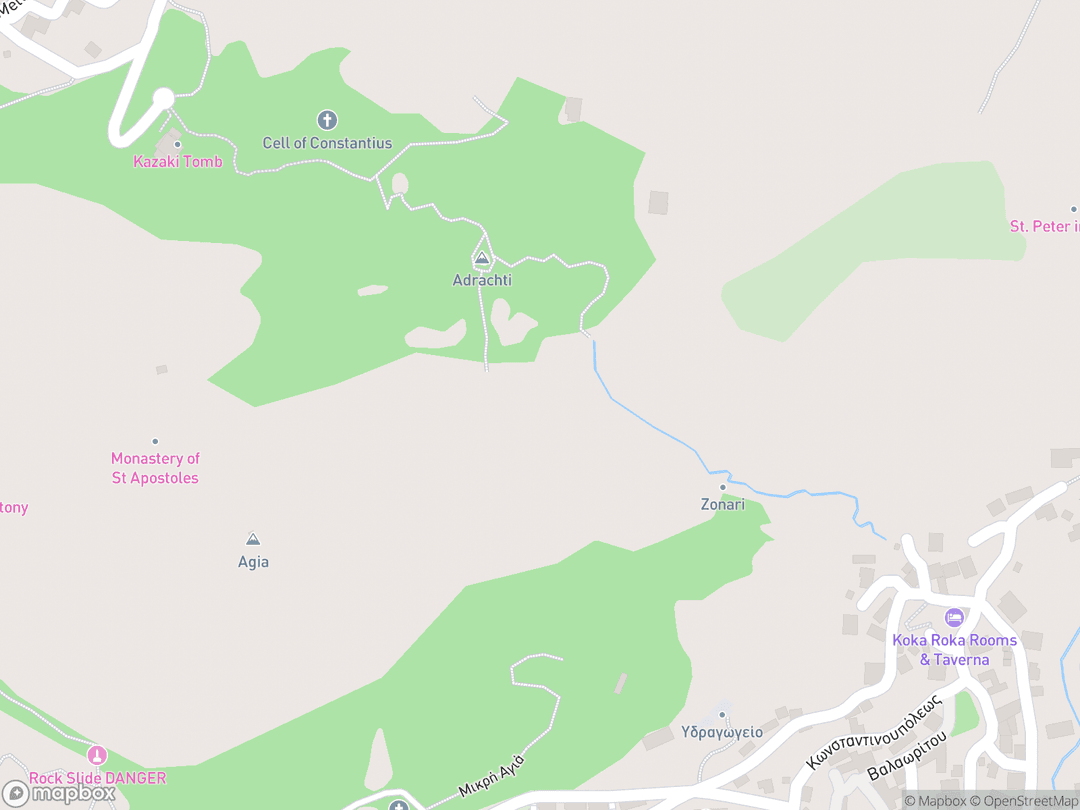
Kalambaka, Thessaly 422 00, Greece
Hours: Daily from 09:00 to 16:00, with staggered weekly closures per monastery
Getting There: Accessible by regional train or KTEL bus to Kalambaka, followed by local shuttle or taxi along the panoramic cliff road.
Get DirectionsTips for Your Visit
Plan for Rotating Closures
Check the daily monastery schedule before ascending because each complex observes one designated closure day per week.
Observe Monastic Dress Standards
Wear clothing covering knees and shoulders, or borrow wrap-around skirts provided at monastery entrances.
Arrive Early for Quiet Reflection
Reach the monastery gates at morning opening to experience peaceful liturgy before regional tour buses arrive.
About
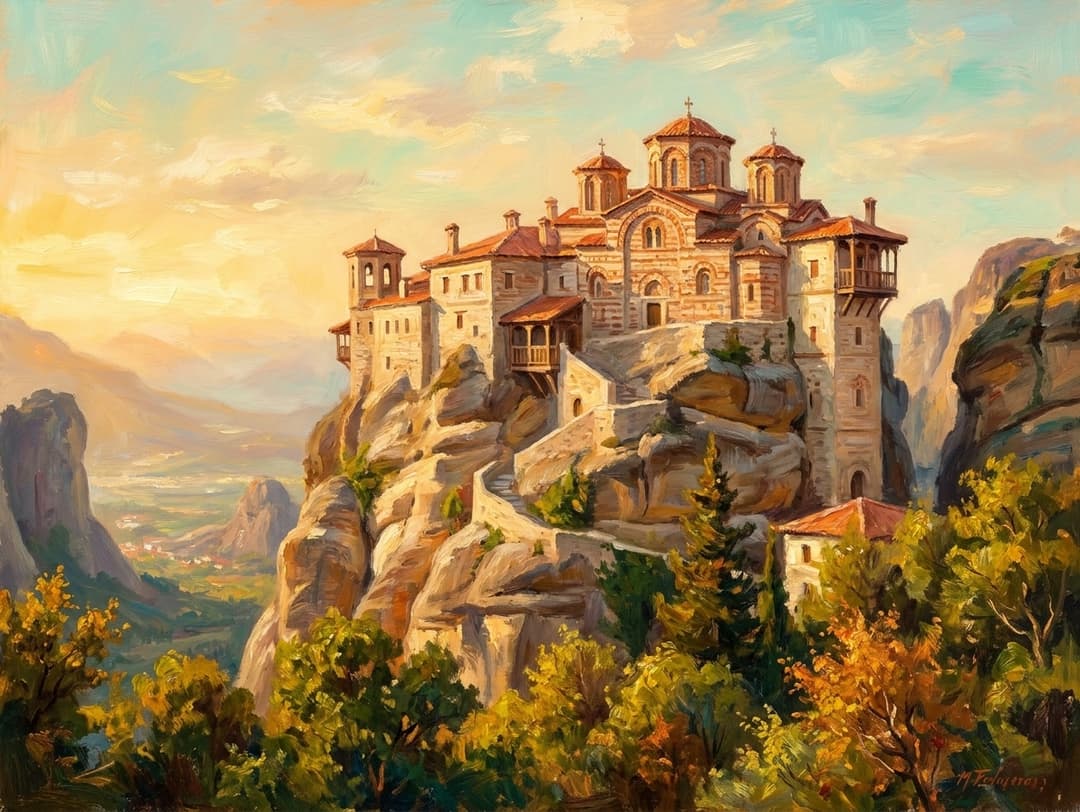
The Holy Monasteries of Meteora comprise six surviving Eastern Orthodox monastic complexes built atop colossal natural sandstone pillars in Thessaly, Greece. Originating as solitary hermit caves in the tenth century, the site evolved into a communal monastic haven during the fourteenth century under Saint Athanasios the Meteorite.
Rising more than three hundred meters above the valley floor, these cliff-top monasteries provided safety during centuries of political upheaval and Ottoman conquest. Monks embraced the contemplative tradition of hesychasm, seeking silent communion with God away from worldly distraction.
Today, Meteora remains a functioning center of Orthodox monasticism and a celebrated UNESCO World Heritage Site. Visitors from across the world climb hand-hewn steps to experience medieval Byzantine art, sacred relics, and dramatic panoramic vistas.
Gallery
Symbolic Elements
The temple's exterior features intricate carvings, each rich with spiritual meaning:

The Rock Pillar
Sheer sandstone spires symbolize physical separation from worldly vanity and spiritual ascension toward heaven.
Christ Pantokrator
The dome fresco depicts Christ as ruler of the universe overlooking monastic prayer.

The Taboric Light
Radiating halos symbolize the uncreated divine light revealed to the Apostles at the Transfiguration.
The Winch Net
Suspended rope baskets serve as an emblem of human frailty and reliance on divine protection.
The Iconostasis
Carved wooden screens delineate the physical sanctuary from the holy altar representing the heavenly court.

The Simandro
Rhythmically struck wooden beams call monastics to prayer in remembrance of Noah assembling the Ark.
The Athonite Triconch
Three-lobed chapel sanctuaries accommodate sacred choral antiphons echoing Mount Athos traditions.
Interesting Facts
For centuries travelers were hauled up the sheer cliffs in open rope nets with ropes replaced only when divine will permitted them to break. (Tier A)
Serbian ruler John Uroš renounced his royal crown in 1373 to live as a humble cook and monk at the Great Meteoron. (Tier A)
Theophanes the Cretan painted the complete fresco program inside Saint Nicholas Anapausas within a single month in 1527. (Tier B)
The Monastery of the Holy Trinity served as a dramatic filming location for the 1981 James Bond movie 'For Your Eyes Only'. (Tier B)
Meteora is one of the rare global locations inscribed on the UNESCO list under both cultural and natural criteria. (Tier B)
Annual votive celebrations still see local rock climbers hanging colorful scarves inside the ancient cave of Saint George Mandilas. (Tier C)
High-altitude scriptoria across the rocks protected hundreds of rare Byzantine manuscripts during centuries of foreign rule. (Tier A)
Greek Resistance fighters utilized the deep caverns and towers of Meteora to hide Allied personnel during World War II. (Tier B)
Common Questions
How many monasteries remain active at Meteora?
Exactly six monasteries remain active and inhabited, comprising four for monks and two for nuns.
Is there a required dress code for visiting the monasteries?
Visitors must wear modest attire covering shoulders and knees, with women wearing long skirts and men wearing trousers.
Do visitors still enter the monasteries using rope nets?
Visitors now enter via stone staircases and rock-cut tunnels carved into the cliffs during the 1920s.
Can all six monasteries be visited in a single day?
While geographically possible, staggered daily closure schedules mean only a selection of monasteries is open on any single day.
Featured Stories
The Prince Who Chose a Monastic Habit
1373
John Uroš Palaiologos renounced his royal crown as ruler of Thessaly to take monastic vows as Brother Joasaph at the Great Meteoron. For decades, the former monarch baked bread, tended garden plots, and funded the expansion of the monastery alongside Saint Athanasios. His humility helped elevate Meteora into an imperially protected sanctuary during years of regional warfare.
Source: Metropolis of Stagi and Meteora
The Winch Basket of Faith
1650
For centuries, the only way into the monasteries was inside open hemp nets hauled up sheer cliff walls by massive wooden capstans. Terrified travelers routinely asked how frequently the fragile cables were replaced before ascending into the mist. The monastic brothers traditionally replied that the ropes were changed only when the Lord permitted them to break.
Source: Hellenic Ministry of Culture
A Masterpiece Painted in Thirty Days
1527
Celebrated Cretan iconographer Theophanes climbed the narrow rock needle of Saint Nicholas Anapausas to execute an extensive interior fresco program. Working in cold mountain air across cramped, multi-tiered chapels, he completed the entire decorative cycle within a single month. His dramatic post-Byzantine murals remain among the finest surviving religious artworks in Greece.
Source: Ecumenical Patriarchate of Constantinople
Timeline
Arrival of Early Hermits
Solitary Christian ascetics settle in natural hollows and caves along the base of the Meteora rocks.
MilestoneSkete of Doupiani Formed
Ascetics establish a common church at Doupiani to gather for Sunday Eucharistic worship.
MilestoneFounding of Great Meteoron
Saint Athanasios ascends the Broad Rock to establish the Monastery of the Transfiguration.
component.timeline.groundbreakingSerbian Royal Benefaction
Former prince John Uroš Palaiologos finances the construction of the Great Meteoron Katholikon.
MilestoneHoly Trinity Established
Monks erect the secluded Monastery of the Holy Trinity atop a sheer freestanding pinnacle.
MilestoneVarlaam Monastery Rebuilt
Brothers Theophanis and Nektarios Apsaras construct the Katholikon of All Saints atop the Varlaam rock.
RenovationTheophanes Fresco Cycle
Master iconographer Theophanes the Cretan paints the Katholikon at Saint Nicholas Anapausas.
MilestoneZenith of Monastic Life
Meteora reaches twenty-four thriving monasteries supporting hundreds of manuscript scribes and monks.
MilestoneRock-Cut Stairways Carved
Workers carve permanent steps and tunnels into the cliffs, replacing traditional winch nets.
RenovationWartime Destruction
Axis forces shell and loot several monasteries during the occupation of central Greece.
EventRevival of Women Convents
Nuns establish active religious life at Saint Stephen and Rousanou, reversing decades of physical decay.
MilestoneUNESCO Inscription
The United Nations designates Meteora a World Heritage Site for both cultural and natural merit.
MilestoneHistory by Decade
10th–12th Century — Anchoritic Awakening
Solitary Christian hermits climbed into natural limestone hollows and clefts around the Thessalian monoliths to practice ascetical silence. Living in near-total isolation, these early anchorites assembled weekly at the foot of the Doupiani rock for Sunday liturgy and communal prayer.
1340s–1380s — Foundation of Coenobitic Monasteries
Saint Athanasios escaped pirate raids at Mount Athos and established the first communal brotherhood atop the Broad Rock. Royal backing from former monarch John Uroš provided funds to erect the grand Katholikon of the Transfiguration, establishing Meteora as a sovereign monastic center.
1510s–1560s — Post-Byzantine Golden Age
Meteora expanded into twenty-four autonomous monastic houses populated by hundreds of scholars, scribes, and iconographers. Renowned masters like Theophanes the Cretan decorated the stone chapels, while monastic scriptoria preserved classical texts and rare illuminated gospels.
17th–19th Century — Ottoman Rule and Sanctuary
Mounting taxation and political turmoil forced the abandonment of eighteen smaller cliffside hermitages across the region. The remaining monasteries provided vital refuge to Greek freedom fighters and preserved Christian literary heritage throughout the War of Independence.
1920s–1950s — Modern Infrastructure and Wartime Trials
Workers blasted pathways and carved steep stone steps into the sandstone precipices, replacing historic winch nets for everyday transit. Monasteries endured shelling, military occupation, and devastating plundering of historical treasures during World War II.
1960s–Present — Monastic Revival and Conservation
Orthodox sisterhoods arrived at Saint Stephen and Rousanou, halting decay and sparking widespread restoration across the active complexes. UNESCO inscribed the sanctuaries in 1988, ensuring protective oversight while monks and nuns maintain uninterrupted daily worship.
Architecture & Facilities
The architecture of Meteora represents a resilient adaptation of Late Byzantine and post-Byzantine monastic engineering to precarious rock summits. Central sanctuaries follow the Athonite cross-in-square and triconch plans with brick-banded masonry designed to withstand regional seismic activity.
Building Materials
Native Sandstone Masonry
Quarried sandstone and river cobbles anchored directly into natural bedrock crevices.
Cloisonné Brickwork
Horizontal courses of ceramic tiles frame stone blocks for aesthetic warmth and stability.
Chestnut Timber Framing
Massive hand-hewn chestnut beams support cantilevered balconies and wooden winch towers.
Terracotta Roof Tiles
Handmade ceramic barrel tiles channel heavy mountain rainwater into deep bedrock cisterns.
Interior Features
Katholikon Sanctuary
A domed liturgical sanctuary adorned with sixteenth-century frescoes of the Heavenly Liturgy.
Monastic Refectory
A vaulted stone dining hall containing original built-in benches for communal meals.
Narthex and Lite
An expansive vestibule designed for lengthy all-night vigils and hesychast prayer.
Subterranean Ossuary
Vaulted alcoves housing the organized skeletal remains of centuries of departed monks.
Temple Grounds
The grounds occupy natural stone summits surrounded by vertical cliffs, linked by carved pathways, terraced herb gardens, and rainwater collection catchments.
Additional Facilities
Onsite ecclesiastical museums displaying historic codices, woodcarvings, and monastic vestments.
Religious Significance
Meteora embodies the Eastern Orthodox theology of hesychasm, where exterior solitude fosters inward divine illumination.
To provide a contemplative sanctuary between heaven and earth where monastics seek continuous prayer and deification.
Sacred Ordinances
Hesychastic Prayer
Silent repetition of the Jesus Prayer aimed at inner purification and communion with God.
Divine Liturgy
Eucharistic worship celebrating Christ's eternal sacrifice beneath frescoed sanctuary vaults.
Monastic Vows
Solemn lifelong commitments to poverty, chastity, and obedience within an Orthodox brotherhood or sisterhood.
Veneration of Relics
Devotional honoring of the bodily remains of founder saints to beseech their spiritual intercession.
The Theology of Mountaintop Sanctuary
Orthodox spirituality views mountain summits as sacred spaces of theophany, reminiscent of Mount Sinai and Mount Tabor. By ascending the rocks, monks physically enact the soul's ascent toward the Uncreated Light.
Sources & Research
Every fact on Temples.org is backed by verified Sources & Research. Each piece of information is rated by source tier and confidence level.
View All Sources (8)
| Field | Source | Tier | Retrieved |
|---|---|---|---|
| About & Historical Background | Hellenic Ministry of Culture and Sports (opens in a new tab) | A | 2026-03-31 |
| Religious Significance & Monastic Life | Ecumenical Patriarchate of Constantinople (opens in a new tab) | A | 2026-03-31 |
| Historical Timeline & Founding Eras | Church of Greece (opens in a new tab) | A | 2026-03-31 |
| Monastic Administration & Active Convents | Holy Metropolis of Stagi and Meteora (opens in a new tab) | A | 2026-03-31 |
| Architecture & UNESCO World Heritage Inscription | UNESCO World Heritage Centre (opens in a new tab) | B | 2026-03-31 |
| Byzantine Iconography & Theophanes Frescoes | Encyclopaedia Britannica (opens in a new tab) | B | 2026-03-31 |
| Visitor Insights & Access Routes | Greek National Tourism Organisation (opens in a new tab) | C | 2026-03-31 |
| Geological Formations & Regional History | Municipality of Meteora (opens in a new tab) | B | 2026-03-31 |