Visitor Insights
Visiting Parthenon
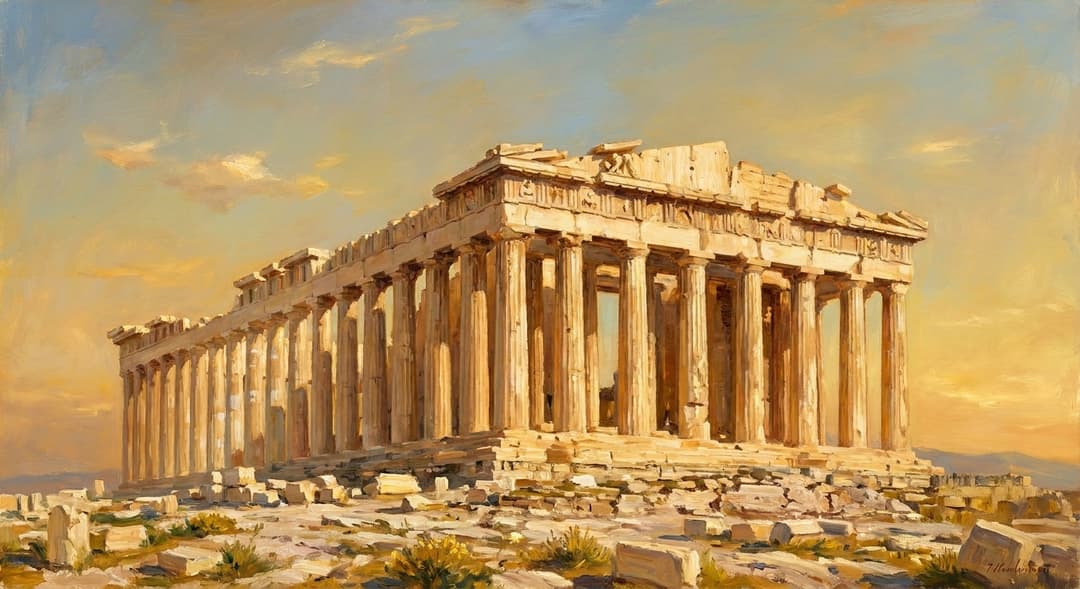
Ascending the Acropolis reveals the Parthenon's golden Pentelic marble crowning the Athenian skyline. Visitors experience thousands of years of architectural harmony while navigating the sacred limestone plateau.
Highlights
- Marvel at the monumental octastyle Doric peristyle and refined entasis.
- Observe the ongoing scientific preservation by the Acropolis Restoration Service.
- Gaze across the sweeping panorama of Athens toward the Saronic Gulf.
Things to Know
- Smooth limestone steps and ancient marble pathways can be slippery.
- Midday Mediterranean heat is intense, requiring sun protection and water.
- Advance time-slot reservations are mandatory through official ticketing portals.
Location
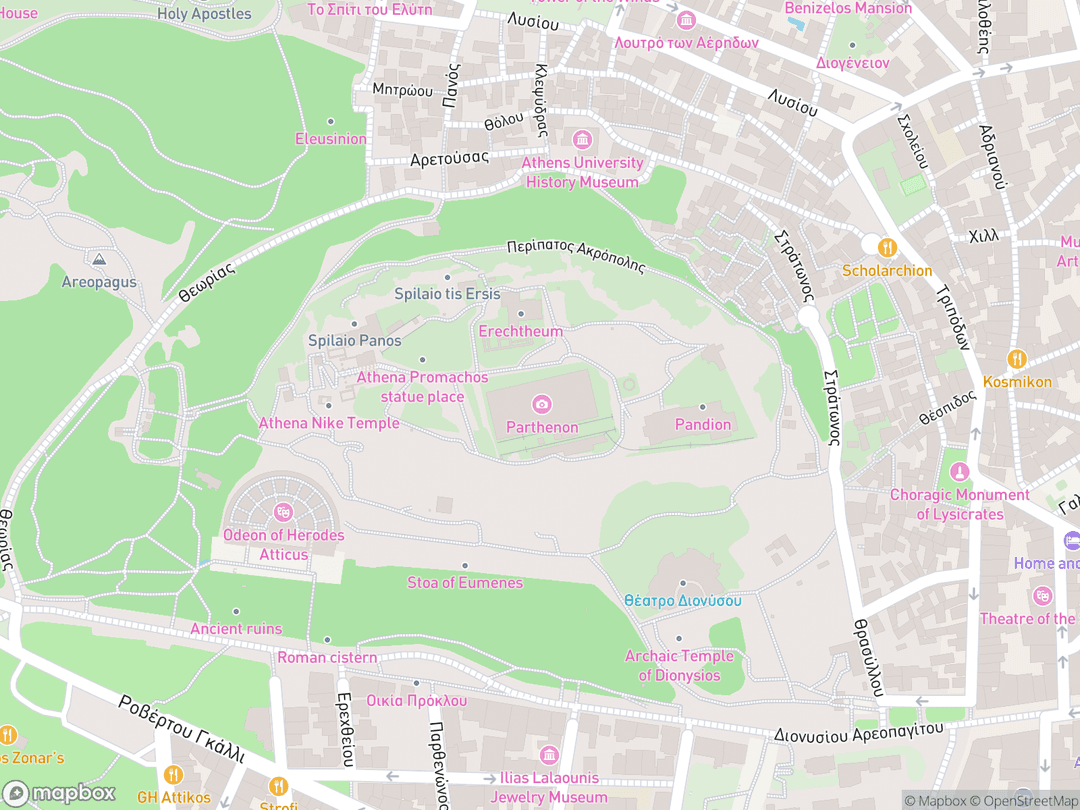
Acropolis Hill, Dionysiou Areopagitou, Athens 105 58, Greece
Hours: Summer: 08:00 to 20:00 daily; Winter: 08:30 to 17:00 daily
Getting There: Take Metro Line 2 to Acropoli Station and walk west along Dionysiou Areopagitou pedestrian avenue.
Get DirectionsTips for Your Visit
Arrive at Opening
Book the earliest 08:00 morning slot to enjoy mild temperatures and avoid heavy midday tour congestion.
Wear Sturdy Footwear
Centuries of footsteps have polished the bedrock smooth, making rubber-soled walking shoes essential.
Pair with the Acropolis Museum
Visit the Acropolis Museum below the hill to view surviving frieze blocks and original pedimental sculptures.
About
The Parthenon stands atop the rocky citadel of the Acropolis of Athens, erected between 447 BC and 432 BC during the golden age of Periclean democracy. Consecrated to the goddess Athena, the monument served as a sacred civic sanctuary and the primary vault for the Delian League treasury.
Conceived by the visionary sculptor Phidias alongside master architects Ictinus and Callicrates, the temple represents the absolute apex of the Doric order. The monument incorporates subtle optical refinements, ensuring that every monumental column, step, and entablature curves organically to counteract optical distortion.
Across two and a half millennia, the Parthenon adapted across shifting spiritual eras, serving as a pagan temple, a Christian cathedral, and an Ottoman mosque. Today, the monument endures as an iconic international symbol of ancient architectural brilliance, democratic ideals, and cultural heritage.
Gallery
Symbolic Elements
The temple's exterior features intricate carvings, each rich with spiritual meaning:

Doric Peristyle
The exterior colonnade of fluted Doric columns symbolizes monumental civic stability and masculine architectural restraint.
East Pediment Sculptures
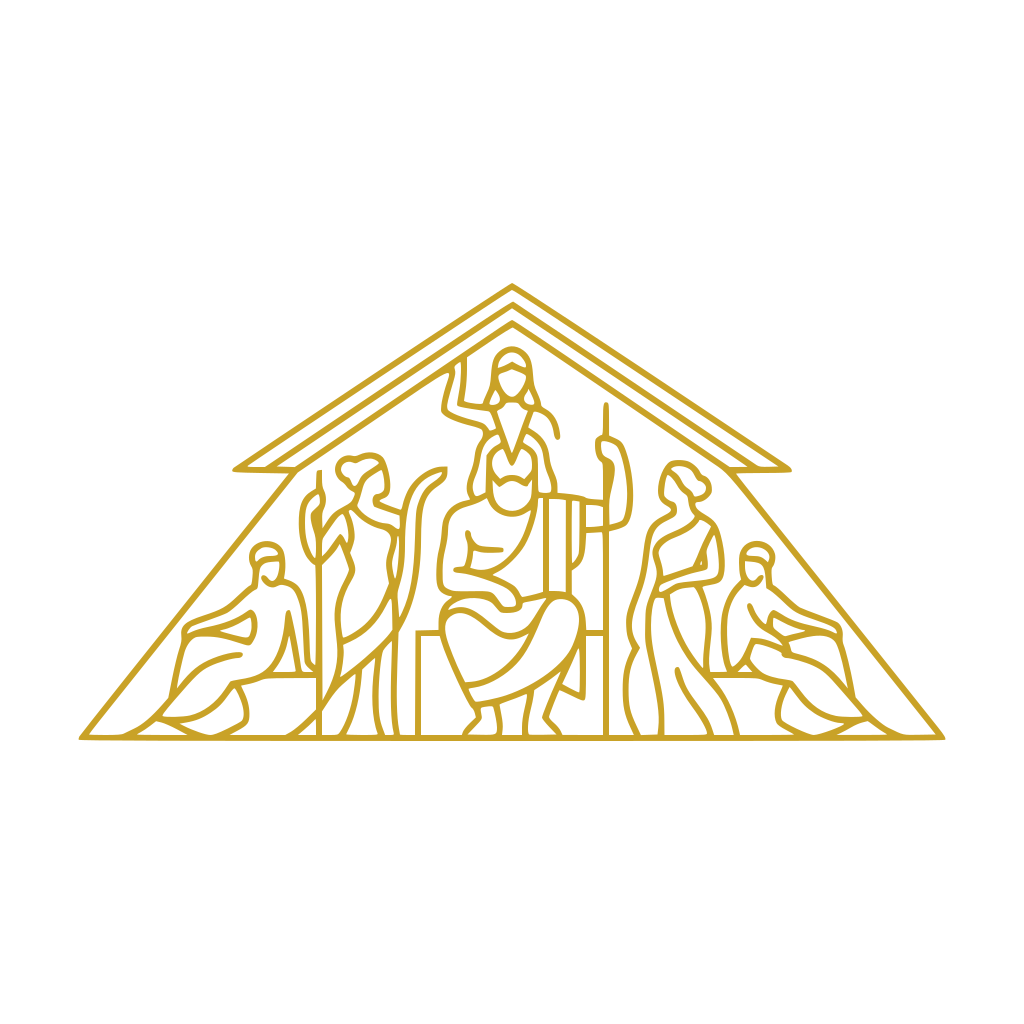
The sculpted composition portrays the miraculous birth of Athena from the head of Zeus before the assembled Olympian gods.
West Pediment Sculptures
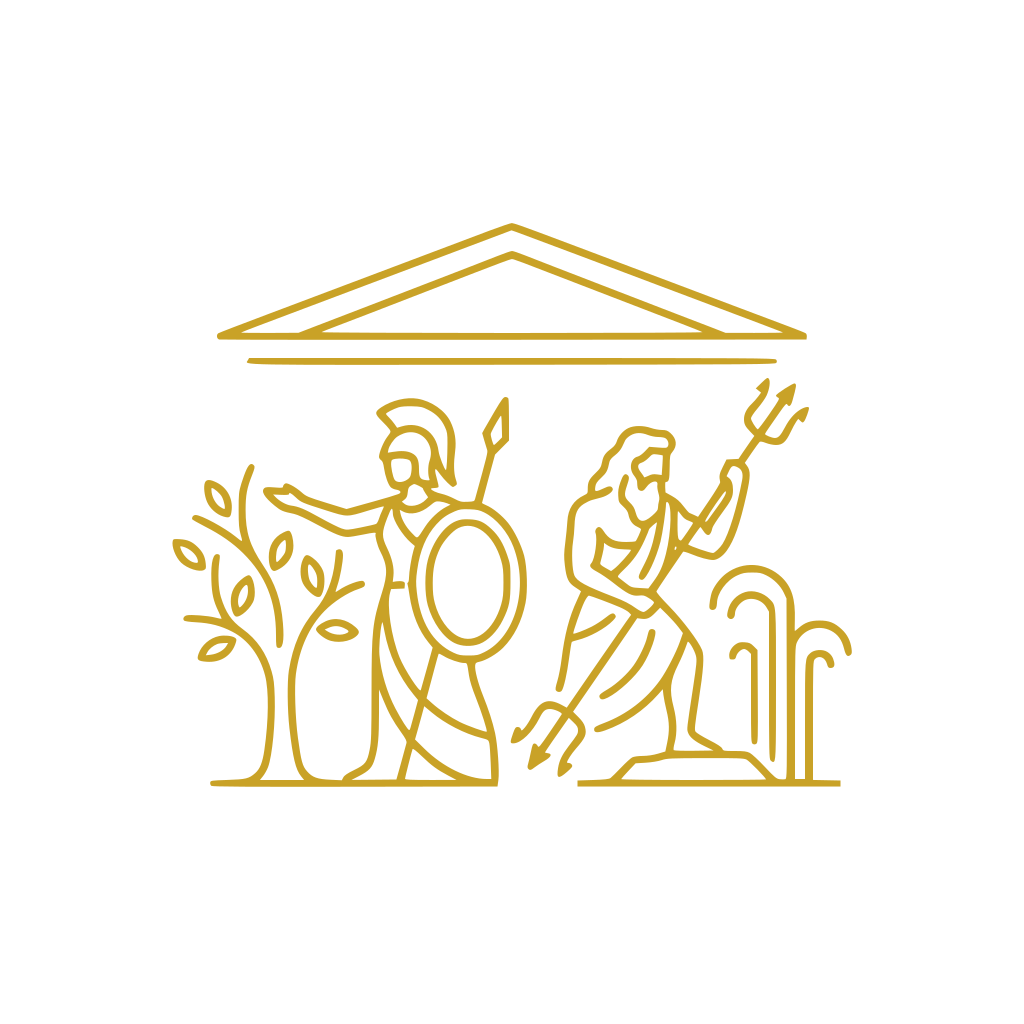
The western gable illustrates the contest between Athena and Poseidon for patronal dominion over the city of Athens.
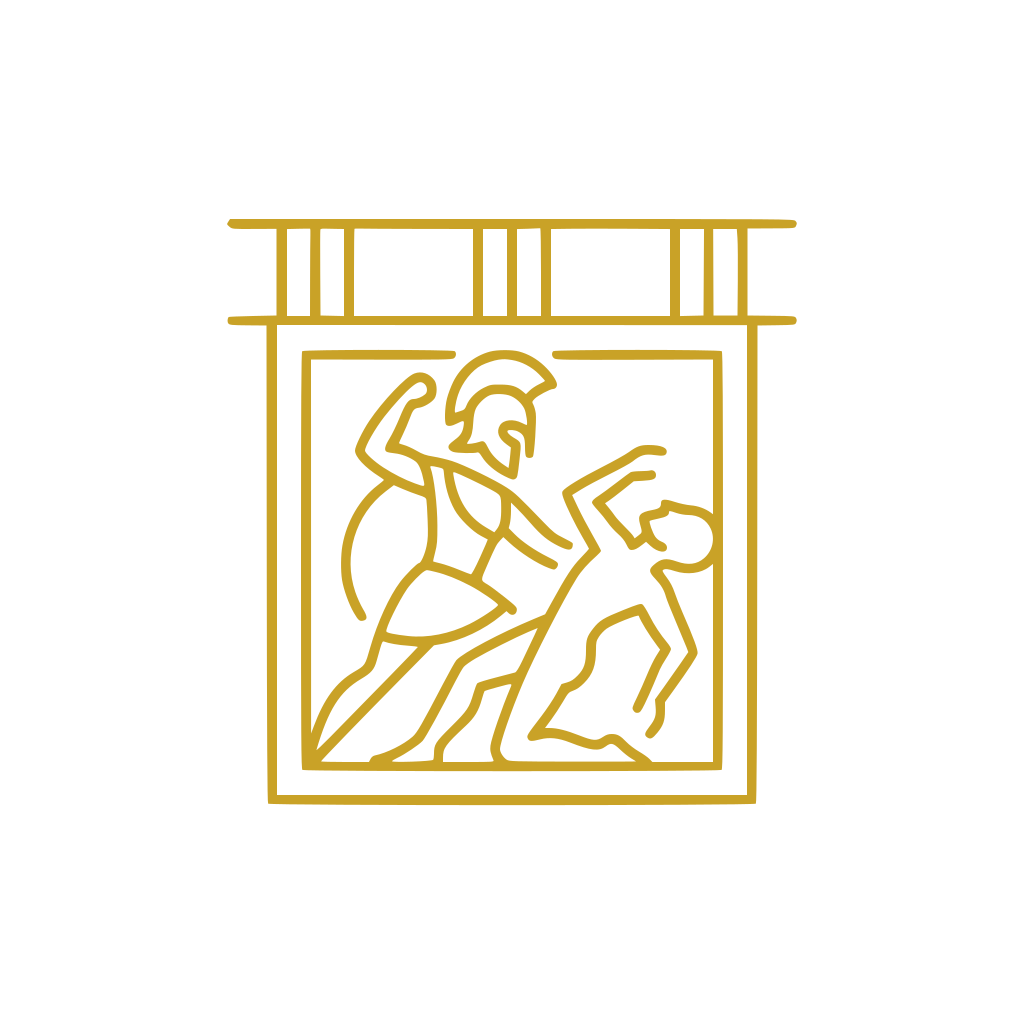
High Relief Metopes
Ninety-two exterior carved panels illustrate mythological conflicts representing the ultimate triumph of civilization over barbarism.
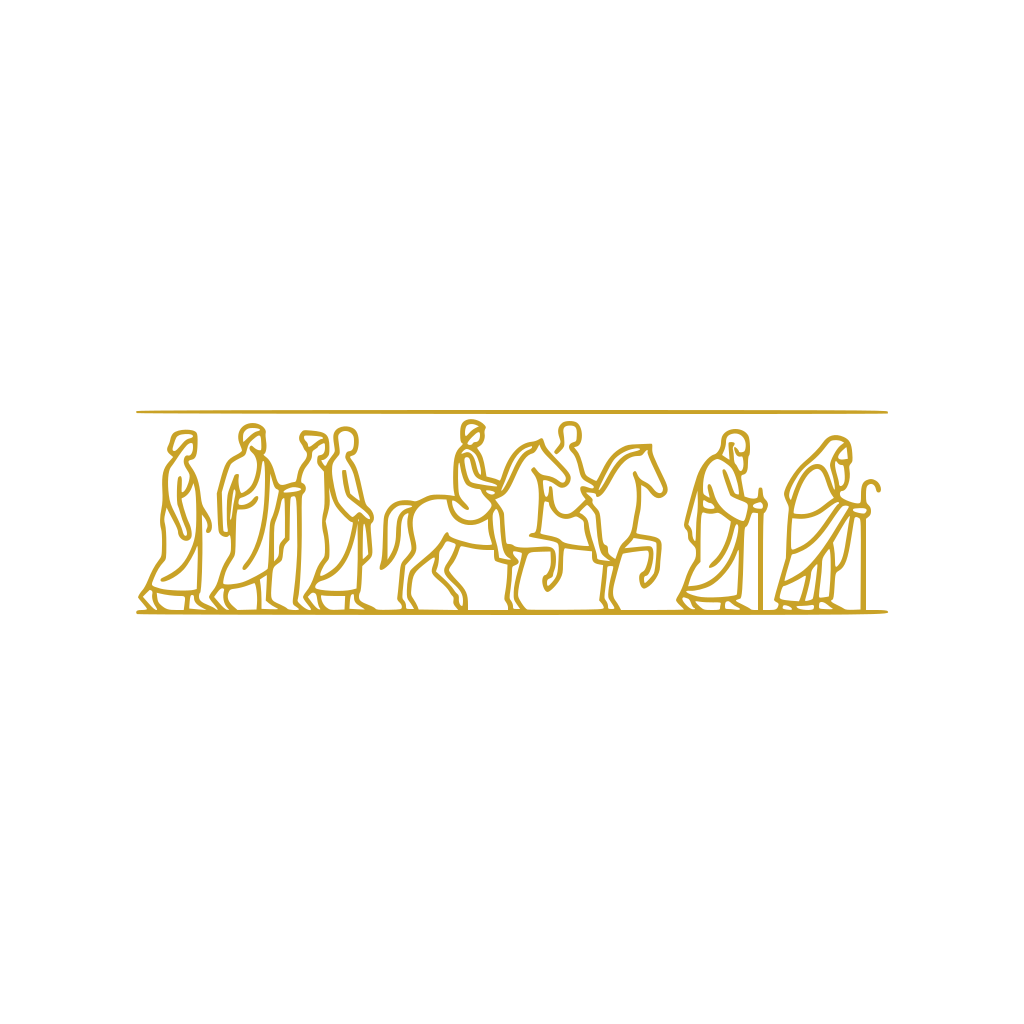
Ionic Cella Frieze
The continuous low-relief band depicts Athenian citizens, horsemen, and elders participating in the sacred Panathenaic procession.
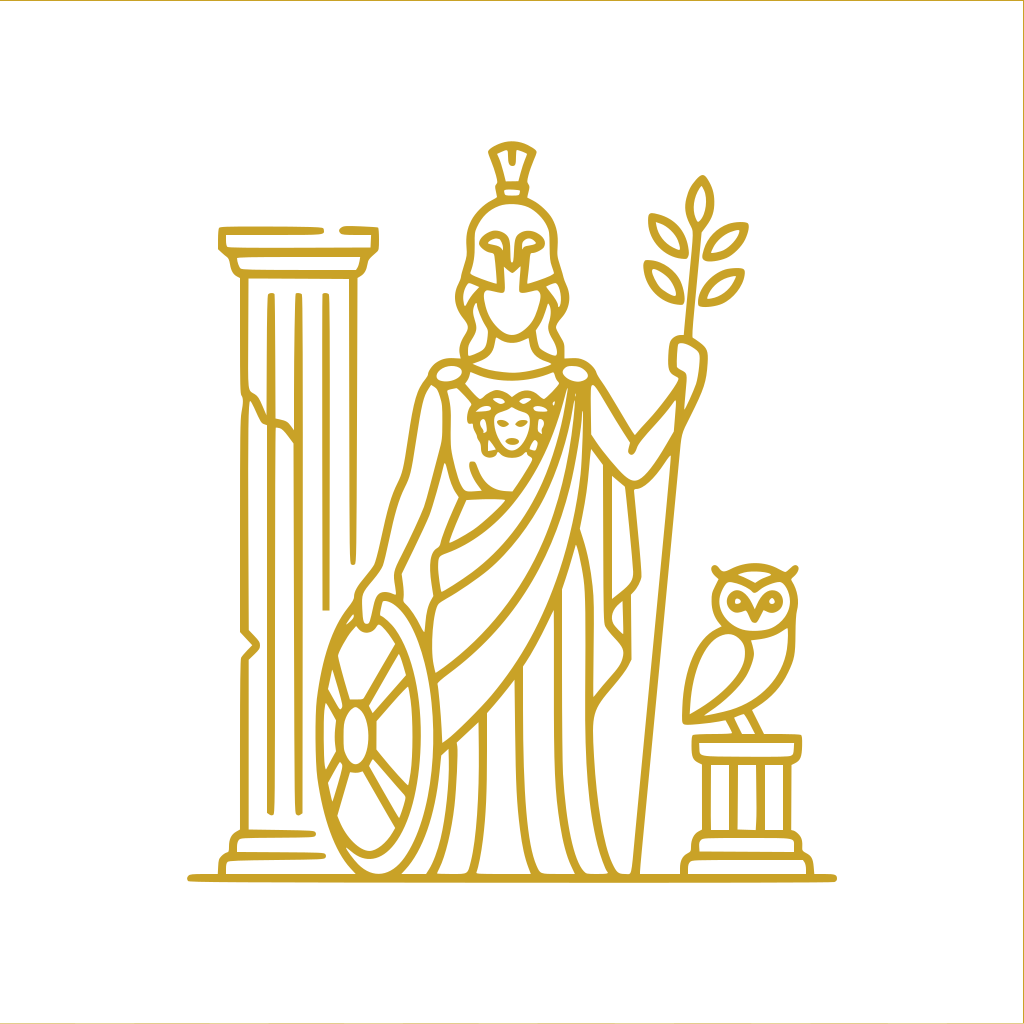
Chryselephantine Athena
The colossal gold and ivory effigy embodied divine protection, civic triumph, and Athenian democratic sovereignty.

Optical Entasis
The deliberate convex swelling in the column shafts creates an impression of organic muscular tension bearing heavenly weight.

Sacred Olive Emblem
Symbolizing Athena's gift of peace, cultivation, and civic flourishing chosen over Poseidon's turbulent saltwater spring.
Interesting Facts
Not a single straight line exists in the exterior colonnade, as all major architectural members curve subtly upward (Tier A).
The temple was funded using Delian League mutual defense funds transferred from the sacred island of Delos (Tier A).
The wooden core of the Athena statue supported over 2,400 pounds of removable solid gold armor sheets (Tier A).
Tens of thousands of tons of marble blocks were linked using lead-coated iron clamps without any mortar (Tier A).
The building functioned as an active house of worship for three distinct world religions across two millennia (Tier B).
The catastrophic damage visible today was largely caused by a single Venetian mortar explosion in 1687 (Tier A).
Restorers must extract corroding nineteenth-century iron clamps and replace them with inert titanium dowels (Tier B).
The continuous 160-meter cella frieze was elevated so high that it was barely visible to ground-level visitors (Tier B).
Common Questions
Why is the Parthenon considered architecturally unique?
It contains almost no straight lines, using subtle convex curves and inward column tilts to counteract optical illusions.
Was the original Parthenon pure white?
No, its friezes, moldings, and sculptures were originally painted with vivid Egyptian blue, red, and gold pigments.
Can visitors walk inside the temple cella?
Interior access is restricted to official archaeologists to preserve the fragile marble floors and ongoing restoration work.
Where is the colossal gold and ivory statue today?
The original chryselephantine statue was lost in antiquity, though Roman copies preserve its general appearance.
Featured Stories
The Consecration of the Golden Virgin
438 BC
During the Panathenaic festival of 438 BC, Athenian citizens filed into the newly roofed cella to behold Phidias's forty-foot statue of Athena Parthenos. Clad in sheets of burnished gold and polished ivory, the warrior goddess held a winged Nike in her palm. The shimmering image illuminated the dim, incense-filled sanctuary, sealing the civic devotion of a triumphant empire.
Source: Historical and Archaeological Accounts of Classical Athens
The Cataclysm of 1687
September 26, 1687
During the siege of Athens, Venetian forces positioned artillery batteries on the nearby Philopappos Hill against the Ottoman-held Acropolis. Aware that the garrison stored gunpowder inside the ancient sanctuary, Venetian gunners lobbed mortar rounds into the marble complex. A direct hit ignited the powder magazine, instantly leveling the cella walls and collapsing fourteen colossal columns into smoking ruins.
Source: Venetian Military Dispatches and Archival Records
The Healing of the Marble
1975
By the mid-twentieth century, the Parthenon faced grave peril from industrial atmospheric pollution and nineteenth-century iron clamps that rusted and fractured ancient marble blocks. Greek conservators established the Committee for the Conservation of the Acropolis Monuments to launch a painstaking scientific intervention. Master stonemasons continue extracting damaging iron, refitting fallen fragments with surgical titanium joinery and native Pentelic marble.
Source: Acropolis Restoration Service Preservation Bulletins
Timeline
Destruction of the Pre-Parthenon
Invading Persian troops under Xerxes sack the Acropolis and raze the unfinished Older Parthenon.
MilestoneConstruction Commences
Pericles persuades the Athenian democratic assembly to commission the new temple under Phidias, Ictinus, and Callicrates.
component.timeline.groundbreakingSanctuary Consecration
The temple is consecrated during the Great Panathenaic Games with the installation of the Athena Parthenos statue.
DedicationSculptural Completion
Master sculptors finish the intricate pedimental compositions on the eve of the Peloponnesian War.
MilestoneHerulian Sack and Reconstruction
A catastrophic fire damages the interior cella colonnade, prompting Late Roman repairs with a timber roof.
RenovationConsecration as Christian Cathedral
The temple is converted into a Byzantine cathedral dedicated to Holy Wisdom and later the Virgin Mary.
MilestoneLatin Catholic Transformation
Frankish crusaders convert the cathedral to the Latin Catholic rite and erect a bell tower.
MilestoneConversion to Garrison Mosque
Following Ottoman conquest, Sultan Mehmed II orders the sanctuary adapted into an Ottoman mosque.
MilestoneVenetian Bombardment Explosion
A Venetian mortar round ignites Ottoman gunpowder stored within the cella, blowing out 14 columns.
EventBritish Museum Acquisition
Sculptures dismantled by Lord Elgin between 1801 and 1812 are purchased and displayed in London.
EventSystematic Conservation Begins
The Committee for the Conservation of the Acropolis Monuments initiates modern scientific restoration.
RenovationUNESCO World Heritage Inscription
The Acropolis of Athens, centered on the Parthenon, receives formal UNESCO World Heritage protection.
MilestoneHistory by Decade
480s–450s BC — The Persian Ruin and the Rebirth Decree
Athens should be a school to all Greece, adorned with buildings worthy of our glorious empire.
Following the sack of the Acropolis by Xerxes' forces in 480 BC, Athenians swore an oath to leave their scorched sanctuaries as monuments to barbarian impiety. Decades later, Pericles convinced the citizens to channel Delian League revenues into rebuilding the citadel as an everlasting emblem of Hellenic cultural leadership. Master planners cleared charred Pre-Parthenon drums and widened the bedrock foundations to prepare for a grander temple.
440s–430s BC — The Periclean Golden Age
Between 447 BC and 432 BC, thousands of freemen, resident aliens, and enslaved stonemasons quarried Pentelic marble to raise the octastyle colonnade under Ictinus and Callicrates. Phidias coordinated dozens of elite sculptors who chiseled the exterior metopes, pediments, and the revolutionary cella frieze. The sanctuary was dedicated in 438 BC as the centerpiece of Athenian civic religion and imperial finances.
290s BC–260s AD — Hellenistic Quarters and Imperial Fire
During the Hellenistic period, Macedonian general Demetrius Poliorcetes quartered his troops in the western treasury, scandalizing pious citizens. Centuries later under Roman rule, a catastrophic third-century fire attributed to the Herulian invasion gutting the interior colonnade. Roman imperial administrators rebuilt the cella with recycled column drums and installed a heavy timber truss roof.
590s–1440s — Byzantine Cathedral and Latin Ducal Rule
In the late sixth century, the pagan temple was consecrated as a Christian basilica dedicated to the Virgin Mary, reversing the primary entrance from east to west. Christian craftsmen chiseled an apse into the eastern facade and painted spiritual frescoes across the interior cella walls. Following the Fourth Crusade in 1204, Western European dukes transformed the sanctuary into a Catholic cathedral and erected a fortified bell tower.
1450s–1820s — Ottoman Garrison Mosque and the Powder Blast
After Ottoman forces captured Athens in 1456, Sultan Mehmed II designated the Acropolis as a military garrison and converted the church into a mosque, transforming the Frankish bell tower into a minaret. For over two centuries the structural frame remained largely intact until September 26, 1687, when a Venetian mortar strike detonated stored ammunition. Between 1801 and 1812, Lord Elgin dismantled major surviving sculptures and exported them to Britain.
1830s–Present — Archaeological Purification and Titanium Restoration
Following the Greek War of Independence, the nascent modern Greek state cleared post-classical fortifications and mosques from the plateau to showcase classical antiquity. Early restorations using raw iron clamps caused widespread stone cracking, prompting the creation of the Committee for the Conservation of the Acropolis Monuments in 1975. Today, conservators use titanium dowels and Pentelic marble to preserve the monument for future generations.
Architecture & Facilities
The Parthenon represents the definitive masterpiece of Classical Greek Doric architecture, seamlessly incorporating continuous Ionic friezes and interior Ionic columns to harmonize Pan-Hellenic traditions into a unified civic sanctuary.
Building Materials
Pentelic Marble
Fine-grained calcitic white marble quarried from Mount Pentelicus that patinates to a warm golden-amber hue over time.
Piraeus Poros Limestone
Dense local sedimentary bedrock utilized for the stepped stereobate terrace leveling the uneven slope of the Acropolis rock.
Eleusinian Gray Limestone
Dark carbonaceous limestone used to pave the interior reflecting pool fronting the central chryselephantine cult statue.
Lead-Coated Iron Fasteners
Hand-forged iron double-T clamps and vertical dowels encased in molten lead to absorb seismic energy without mortar.
Interior Features
Hekatompedos Cella
The primary eastern chamber surrounded by a two-tiered Doric colonnade housing the colossal chryselephantine statue of Athena.
Parthenon Treasury
The western square hall supported by four slender Ionic columns that served as the fortified depository for state gold reserves.
Pronaos Porch
The eastern hexastyle portico that greeted sacred processions approaching the entrance of the primary sanctuary.
Opisthodomos Porch
The western hexastyle vestibule providing security and access to the guarded civic treasury and archives.
Temple Grounds
The temple crowns the elevated limestone terrace of the Acropolis plateau, surrounded by the remnants of the Propylaea, the Erechtheion, and the ancient sacred precinct walls overlooking the Athenian plain.
Additional Facilities
The contemporary Acropolis archaeological zone features accessible raised walkways, an inclined north-slope elevator, and the modern Acropolis Museum located at the southern foot of the hill.
Religious Significance
In Classical Athenian civic polytheism, the temple operated not as a congregational gathering space, but as a monumental sacred house and consecrated gift to Athena, safeguarding the spiritual covenant between the goddess and her democracy.
To serve as the earthly dwelling of Athena Parthenos, honoring divine protection and preserving sacred civic wealth.
Sacred Ordinances
Panathenaic Peplos Presentation
The solemn civic procession culminating in the presentation of a newly woven sacred robe to clothe the ancient olive-wood xoanon of Athena.
Hecatomb Sacrifices
The ritual slaughter of one hundred cattle upon the great outdoor altar of Athena Polias, followed by civic feast distributions.
Votive Dedications
The offering of precious metal vessels, enemy armor, and artistic statuary in thanksgiving for military victories and civic prosperity.
The Divine Covenant and Civic Identity
Athenian democracy linked divine favor with civic virtue. By consecrating their collective treasure to Athena, citizens affirmed their democratic identity, celebrating divine wisdom as the foundation of law, peace, and righteous defense.
Similar Temples
Sources & Research
Every fact on Temples.org is backed by verified Sources & Research. Each piece of information is rated by source tier and confidence level.
View All Sources (8)
| Field | Source | Tier | Retrieved |
|---|---|---|---|
| About & Historical Background | UNESCO World Heritage Centre (opens in a new tab) | B | 2026-03-30 |
| Architecture & Structural Refinements | Encyclopaedia Britannica (opens in a new tab) | B | 2026-03-30 |
| Timeline & Restoration Program | Acropolis Restoration Service (YSMA) (opens in a new tab) | A | 2026-03-30 |
| Archaeological Excavations & Monuments | Hellenic Republic Ministry of Culture (opens in a new tab) | A | 2026-03-30 |
| Visitor Insights & Practical Access | Hellenic Organization of Cultural Resources Development (opens in a new tab) | A | 2026-03-30 |
| Religious Significance & Civic Cults | The Metropolitan Museum of Art (opens in a new tab) | B | 2026-03-30 |
| Sculptural Program & Pediments | Acropolis Museum (opens in a new tab) | B | 2026-03-30 |
| Conservation & Architectural Survey | Committee for the Conservation of the Acropolis Monuments (ESMA) (opens in a new tab) | A | 2026-03-30 |