Visitor Insights
Visiting Hallgrímskirkja
Visiting Hallgrímskirkja offers a unique experience, blending architectural grandeur with spiritual serenity. The church's towering presence dominates the Reykjavík skyline, inviting visitors to explore its impressive interior and ascend its tower for panoramic city views. Expect a peaceful atmosphere inside, often accompanied by the sounds of the magnificent organ, and be prepared for a small fee to access the tower.
Highlights
- Ascend the tower for breathtaking panoramic views of Reykjavík.
- Admire the impressive architecture inspired by Iceland's natural basalt columns.
- Experience the powerful sound of the Klais organ during a performance or service.
Things to Know
- There is a fee to access the observation tower.
- The church is an active place of worship; please be respectful during services.
- The tower can be crowded during peak tourist season.
Location
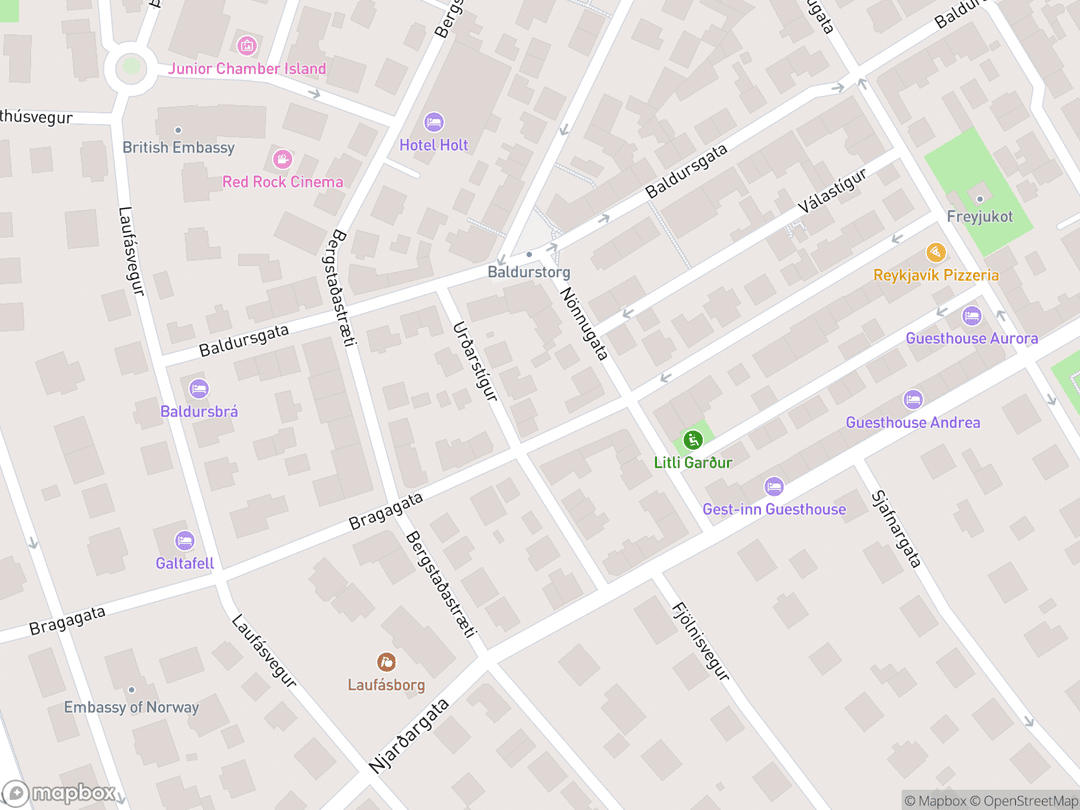
Hallgrímstorg 1, 101 Reykjavík, Iceland
Hours: Open daily from 9:00 AM to 5:00 PM (tower access may vary).
Getting There: Located in the center of Reykjavík, easily accessible by foot, bus, or car. Parking can be limited in the immediate vicinity.
Get DirectionsTips for Your Visit
Best Time to Visit
Visit early in the morning or later in the afternoon to avoid crowds, especially during the summer months.
Attend a Concert
Check the church's schedule for organ concerts or other musical performances for a memorable experience.
About
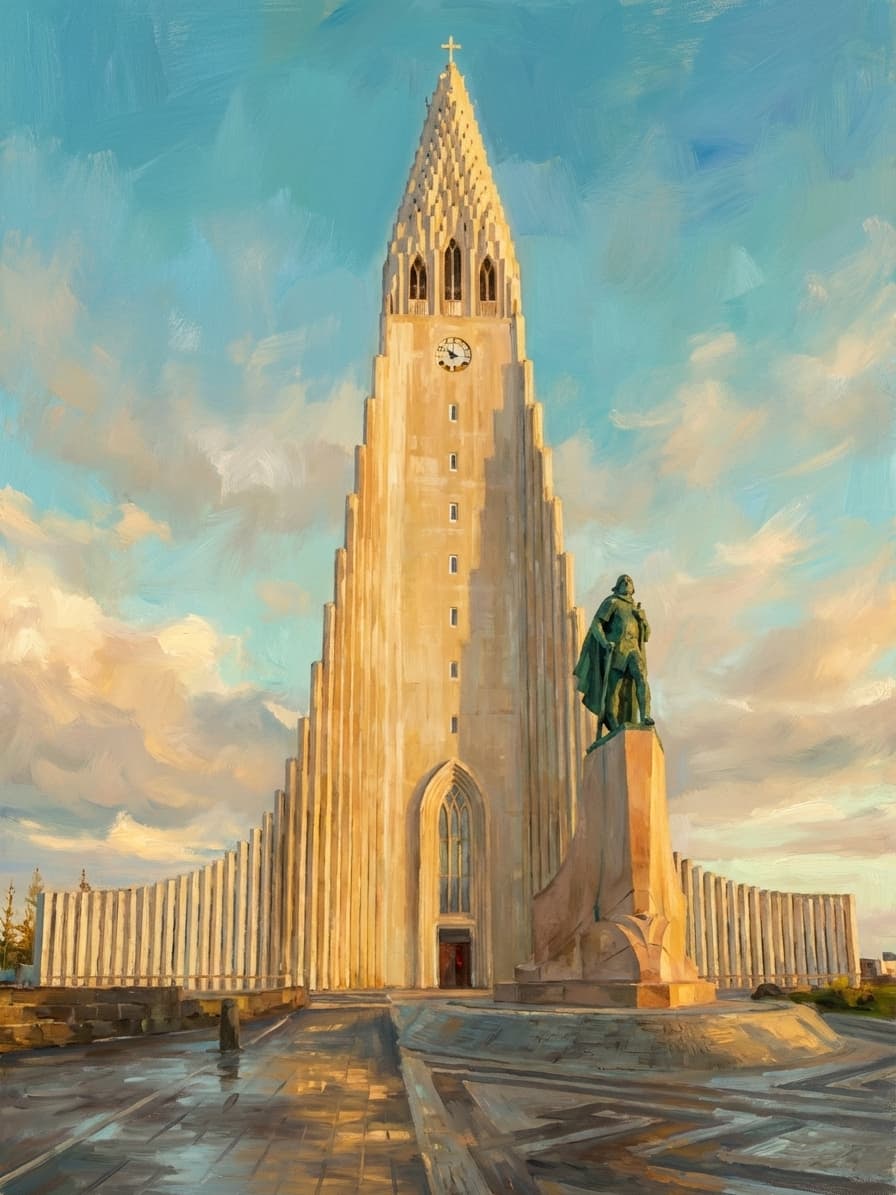
Hallgrímskirkja is a Lutheran parish church in Reykjavík, Iceland. At 74.5 meters (244 ft) tall, it is the largest church in Iceland and one of the country's most recognizable landmarks. Designed by Guðjón Samúelsson in 1937, it took over four decades to build, with construction beginning in 1945 and ending in 1986. The church is named after the Icelandic poet and clergyman Hallgrímur Pétursson, author of the Passion Hymns.
The church's design was inspired by the basalt columns of Svartifoss waterfall, a natural wonder in Iceland. Its towering facade and geometric shapes reflect the Icelandic landscape, blending modern architectural elements with national romanticism. Hallgrímskirkja serves not only as a place of worship but also as a cultural center and a popular tourist attraction, offering visitors breathtaking panoramic views of Reykjavík from its observation tower.
Hallgrímskirkja plays a significant role in the religious and cultural life of Iceland. It hosts regular church services, concerts, and other events, drawing both locals and tourists. The church's organ, completed in 1992, is a notable feature, boasting 5,275 pipes and a powerful sound that fills the vast interior. The statue of Leif Erikson in front of the church was a gift from the United States in 1930, commemorating the 1000th anniversary of the Icelandic Parliament, Alþingi.
Gallery
Symbolic Elements
The temple's exterior features intricate carvings, each rich with spiritual meaning:

Basalt Columns
The architectural design of Hallgrímskirkja is heavily influenced by the natural basalt columns found at Svartifoss waterfall in Iceland. These geometric formations are echoed in the church's facade, creating a unique and distinctly Icelandic aesthetic. The columns symbolize the natural beauty and geological history of the island.

Tower
The towering spire of Hallgrímskirkja serves as a prominent landmark in Reykjavík, visible from nearly every point in the city. It symbolizes the church's spiritual presence and its role as a beacon of faith. The tower also provides a physical vantage point, offering panoramic views that connect visitors to the surrounding landscape.
Klais Organ
The Klais organ within Hallgrímskirkja is a masterpiece of engineering and musical artistry. With over 5,000 pipes, it fills the church's vast interior with powerful and resonant sounds. The organ symbolizes the importance of music in worship and the ability of art to elevate the human spirit.

Leif Erikson Statue
The statue of Leif Erikson, standing in front of Hallgrímskirkja, commemorates Iceland's Norse heritage and its connection to the discovery of North America. Gifted by the United States, it symbolizes the historical ties between the two nations and the spirit of exploration and discovery.

Geometric Facade
The geometric patterns and shapes that adorn Hallgrímskirkja's facade reflect a blend of modern architectural styles and Icelandic national romanticism. These patterns create a sense of visual harmony and draw the eye upward, emphasizing the church's height and grandeur. They symbolize the integration of tradition and innovation in Icelandic culture.

Cross
The cross, prominently displayed on Hallgrímskirkja, is the central symbol of Christianity, representing the sacrifice and resurrection of Jesus Christ. It signifies the core beliefs of the Lutheran faith and the church's role as a place of worship and spiritual guidance. The cross serves as a reminder of the Christian values of love, compassion, and redemption.

Bell Tower
The bell tower of Hallgrímskirkja houses the church's bells, which are rung to announce services and mark important occasions. The sound of the bells resonates throughout Reykjavík, calling the community to prayer and celebration. The bells symbolize the church's active role in the life of the city and its connection to the rhythms of daily life.
Interesting Facts
Hallgrímskirkja's design was inspired by the basalt columns of Svartifoss waterfall.
The church took over 40 years to build, from 1945 to 1986.
The statue of Leif Erikson in front of the church was a gift from the United States.
The church's organ has 5,275 pipes and weighs 25 tons.
Hallgrímskirkja is named after the Icelandic poet and clergyman Hallgrímur Pétursson.
The church's tower offers panoramic views of Reykjavík and the surrounding landscape.
Common Questions
What is the height of Hallgrímskirkja?
Hallgrímskirkja stands at 74.5 meters (244 feet) tall, making it the largest church in Iceland.
Who designed Hallgrímskirkja?
The church was designed by Guðjón Samúelsson in 1937, though he died before its completion.
When was Hallgrímskirkja built?
Construction began in 1945 and concluded in 1986, taking over four decades to complete.
Why is Hallgrímskirkja named after Hallgrímur Pétursson?
The church is named in honor of Hallgrímur Pétursson, a renowned Icelandic poet and clergyman known for his Passion Hymns.
Is there a fee to go up the tower?
Yes, there is a fee to access the observation tower, which provides panoramic views of Reykjavík.
Featured Stories
The Vision of Guðjón Samúelsson
1937
Guðjón Samúelsson, Iceland's state architect, envisioned Hallgrímskirkja as a monument that would embody the spirit of the Icelandic landscape. Inspired by the basalt columns of Svartifoss waterfall, he sought to create a structure that was both modern and deeply rooted in the nation's natural heritage. His design was a bold departure from traditional church architecture, reflecting Iceland's unique identity and its aspirations for the future.
Samúelsson's vision faced numerous challenges, including funding shortages and the disruption of World War II. Despite these obstacles, he remained committed to his design, working tirelessly to bring his dream to life. Though he passed away before the church's completion, his vision continued to guide the construction, ensuring that Hallgrímskirkja would become a symbol of Icelandic ingenuity and perseverance.
Source: https://hallgrimskirkja.is/en/history/
The Gift of the Leif Erikson Statue
1930
In 1930, the United States presented Iceland with a statue of Leif Erikson, the Norse explorer believed to have reached North America centuries before Columbus. The statue was a gift to commemorate the 1000th anniversary of Iceland's parliament, Alþingi, and to honor the shared heritage between the two nations. The placement of the statue in front of Hallgrímskirkja adds another layer of historical and cultural significance to the site.
The statue serves as a reminder of Iceland's Viking past and its connection to the wider world. It also symbolizes the enduring friendship between Iceland and the United States, a relationship built on mutual respect and shared values. The statue's prominent location ensures that Leif Erikson's legacy will continue to inspire generations of Icelanders and visitors alike.
Source: https://www.road.is/travel-info/interesting-places/statue-of-leif-eriksson/
The Sound of the Klais Organ
1992
The installation of the Klais organ in Hallgrímskirkja in 1992 marked a significant milestone in the church's history. With its 5,275 pipes, the organ is one of the largest and most impressive musical instruments in Iceland. Its powerful and resonant sound fills the church's vast interior, creating a truly awe-inspiring experience for listeners. The organ has become a central feature of Hallgrímskirkja's cultural program, hosting regular concerts and performances.
The Klais organ is not just a musical instrument; it is a work of art in itself. Its intricate design and meticulous craftsmanship reflect the dedication and skill of its creators. The organ's sound is said to evoke the grandeur of the Icelandic landscape, transporting listeners to a realm of spiritual and emotional depth. It serves as a testament to the power of music to uplift and inspire.
Source: https://hallgrimskirkja.is/en/the-organ/
Timeline
Design by Guðjón Samúelsson
Guðjón Samúelsson designs Hallgrímskirkja, drawing inspiration from Iceland's landscape.
MilestoneConstruction Begins
Construction of Hallgrímskirkja commences after delays due to World War II.
MilestoneCrypt Inaugurated
The crypt beneath the church is inaugurated, marking the completion of the first phase of construction.
MilestoneSamúelsson Dies
Guðjón Samúelsson dies before the completion of his design.
MilestoneChurch Consecrated
The main construction of Hallgrímskirkja is completed, and the church is consecrated.
DedicationOrgan Completed
The Klais organ, with its 5,275 pipes, is installed and completed.
MilestoneRenovation
The church undergoes minor renovations to preserve its structure.
RenovationHallgrímur Pétursson Born
Hallgrímur Pétursson, the namesake of the church, is born.
MilestoneHallgrímur Pétursson Dies
Hallgrímur Pétursson, the namesake of the church, dies.
MilestoneLeif Erikson Statue Gifted
The United States gifts the statue of Leif Erikson to Iceland, placed in front of Hallgrímskirkja.
EventMillennium Celebrations
Hallgrímskirkja plays a central role in Iceland's millennium celebrations.
EventLighting Upgrade
The church's lighting system is upgraded to enhance its visual appeal.
RenovationPandemic Impact
Hallgrímskirkja temporarily closes to visitors due to the COVID-19 pandemic.
EventReopening
Hallgrímskirkja reopens to visitors with safety measures in place.
EventReligious Significance
Hallgrímskirkja serves as a central place of worship for the Lutheran community in Reykjavík, offering a space for prayer, reflection, and spiritual connection. Its architecture and design reflect the values and beliefs of the Christian faith, while its cultural programs promote community engagement and artistic expression.
The primary purpose of Hallgrímskirkja is to provide a sacred space for religious services, ceremonies, and events, fostering a sense of belonging and spiritual growth among its members. It also serves as a symbol of faith and hope for the city of Reykjavík, welcoming visitors from all backgrounds to experience its beauty and tranquility.
Sacred Ordinances
Worship Services
Regular worship services are held at Hallgrímskirkja, providing opportunities for congregational prayer, singing, and the hearing of sermons. These services are central to the Lutheran faith, offering a time for reflection and spiritual renewal.
Baptism
Baptism is a significant ordinance in the Lutheran tradition, symbolizing the cleansing of sin and the entry into the Christian community. Baptisms are performed at Hallgrímskirkja, marking a new beginning for individuals and families.
Confirmation
Confirmation is a rite of passage for young Lutherans, affirming their faith and commitment to the church. Confirmation ceremonies are held at Hallgrímskirkja, celebrating the spiritual growth of young members of the community.
The Role of Music
Music plays a vital role in the religious life of Hallgrímskirkja, with the Klais organ serving as a centerpiece of worship and celebration. The organ's powerful sound enhances the spiritual atmosphere of the church, inspiring reverence and awe. Choirs and other musical ensembles also contribute to the rich musical tradition of Hallgrímskirkja, enriching the worship experience for all.
Sources & Research
Every fact on Temples.org is backed by verified Sources & Research. Each piece of information is rated by source tier and confidence level.
View All Sources (5)
| Field | Source | Tier | Retrieved |
|---|---|---|---|
| About & Historical Background | Britannica (opens in a new tab) | B | 2024-02-29 |
| Architecture & Design | Visit Reykjavík (opens in a new tab) | C | 2024-02-29 |
| Statue of Leif Erikson | Icelandic Road and Coastal Administration (opens in a new tab) | C | 2024-02-29 |
| Hallgrímskirkja History | The Church of Iceland (opens in a new tab) | A | 2024-02-29 |
| Hallgrímskirkja Architecture | Structurae (opens in a new tab) | B | 2024-02-29 |