Visitor Insights
Visiting Fire Temple of Udvada
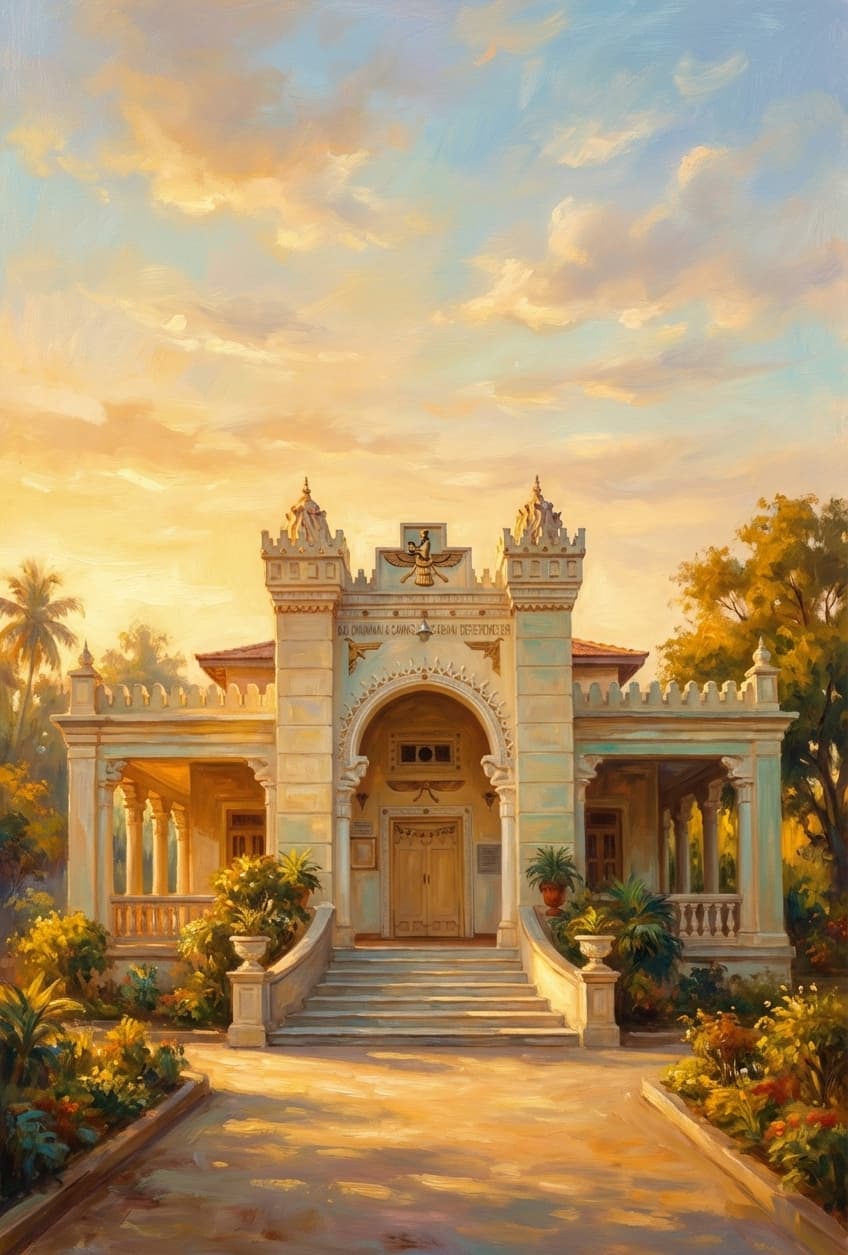
Visiting the Fire Temple of Udvada offers a unique glimpse into the Zoroastrian faith and its rich traditions. While non-Zoroastrians cannot enter the inner sanctum where the sacred fire burns, the temple's exterior and the surrounding atmosphere provide a sense of reverence and history. The Zoroastrian Information Center is open to all, offering insights into the religion and the significance of the Atash Behram. Expect a serene and culturally enriching experience in this small coastal village.
Highlights
- Witness the exterior of the oldest continuously burning fire-temple in the world.
- Learn about Zoroastrianism at the Zoroastrian Information Center.
- Experience the unique Parsi culture and cuisine of Udvada.
Things to Know
- Non-Zoroastrians are not allowed to enter the inner sanctum of the temple.
- Photography may be restricted in certain areas.
- Dress respectfully when visiting the temple.
Location
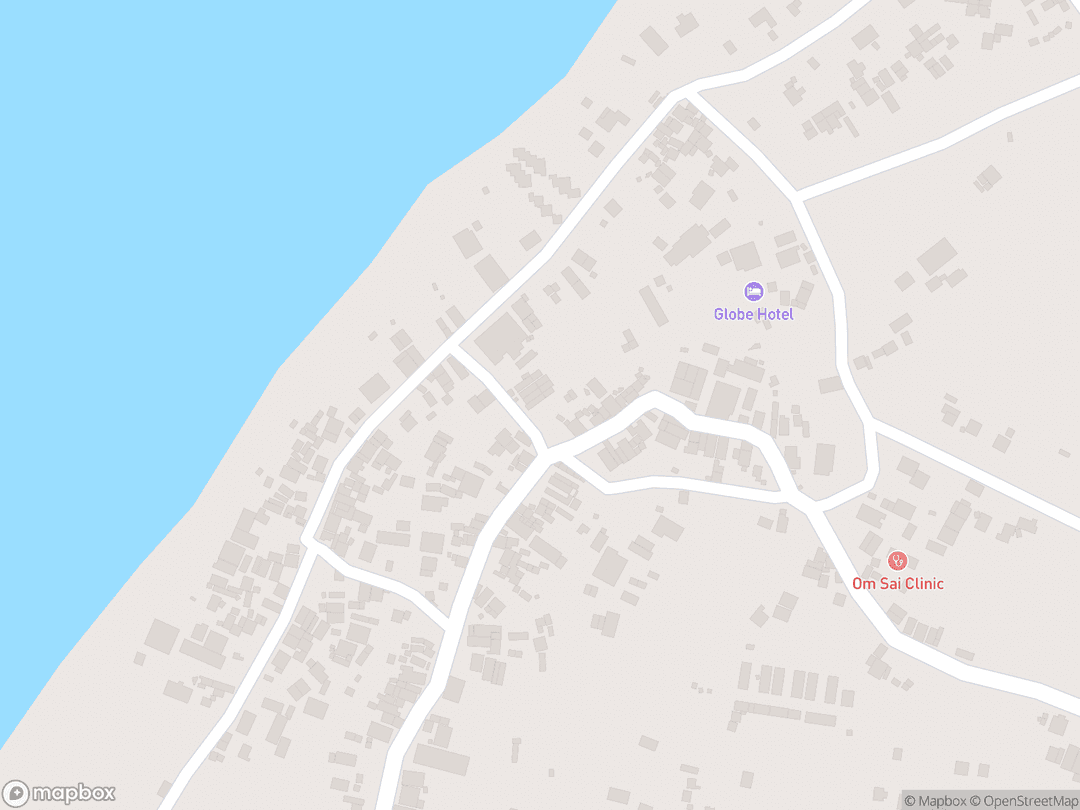
FVQC+367, Udvada, Gujarat 396180, India
Hours: Open daily, but access to the inner sanctum is restricted to Zoroastrians.
Getting There: Udvada is accessible by road and rail, located approximately 206 kilometers north of Mumbai. The nearest railway station is Udvada on the Virar-Surat section.
Get DirectionsAbout
The Fire Temple of Udvada, also known as the Iranshah Atash Behram, is a highly revered Zoroastrian fire temple located in Udvada, Gujarat, India. It houses the sacred fire, which has been continuously burning for over 1250 years, making it the oldest continuously burning fire-temple fire in the world. Udvada is a coastal village approximately 206 kilometers north of Mumbai.
The temple holds immense significance for the Parsi Zoroastrian community, serving as a major pilgrimage site. The history of the temple dates back to the 8th century when Zoroastrians migrated from Greater Persia (modern-day Iran) to escape persecution. They carried sacred implements for consecration, and the Atash Bahram fire was consecrated at Sanjan in 721 CE.
Over the centuries, the sacred fire was moved several times due to attacks and internal disputes. It was eventually moved to Udvada in 1742, where an Atash Behram was built to house it. The current temple structure was built in 1742 by Dinshaw Dorabjee Mistry from Mumbai. The architecture of the temple blends Iranian, Portuguese, and Gujarati styles, reflecting the diverse influences on the region.
Today, the Udvada Atash Behram remains a vital center for Zoroastrian worship and a symbol of the community's enduring faith. Non-Zoroastrians are not allowed to enter the inner sanctum, but the temple can be viewed from the outside, and the Zoroastrian Information Center is open to all, providing insights into the religion and the significance of the sacred fire.
Gallery
Symbolic Elements
The temple's exterior features intricate carvings, each rich with spiritual meaning:
Sacred Fire (Atash Bahram)
The Atash Bahram, meaning 'Victorious Fire,' is the highest grade of fire in Zoroastrianism. It symbolizes purity, light, and the divine presence of Ahura Mazda, the supreme God. The fire is created through an elaborate process involving the collection and purification of sixteen different fires.
Zoroaster
Zoroaster, also known as Zarathushtra, is the prophet and founder of Zoroastrianism. His teachings form the basis of the Zoroastrian faith, emphasizing the importance of good thoughts, good words, and good deeds. Images of Zoroaster are often displayed within Zoroastrian temples as a reminder of his divine guidance.
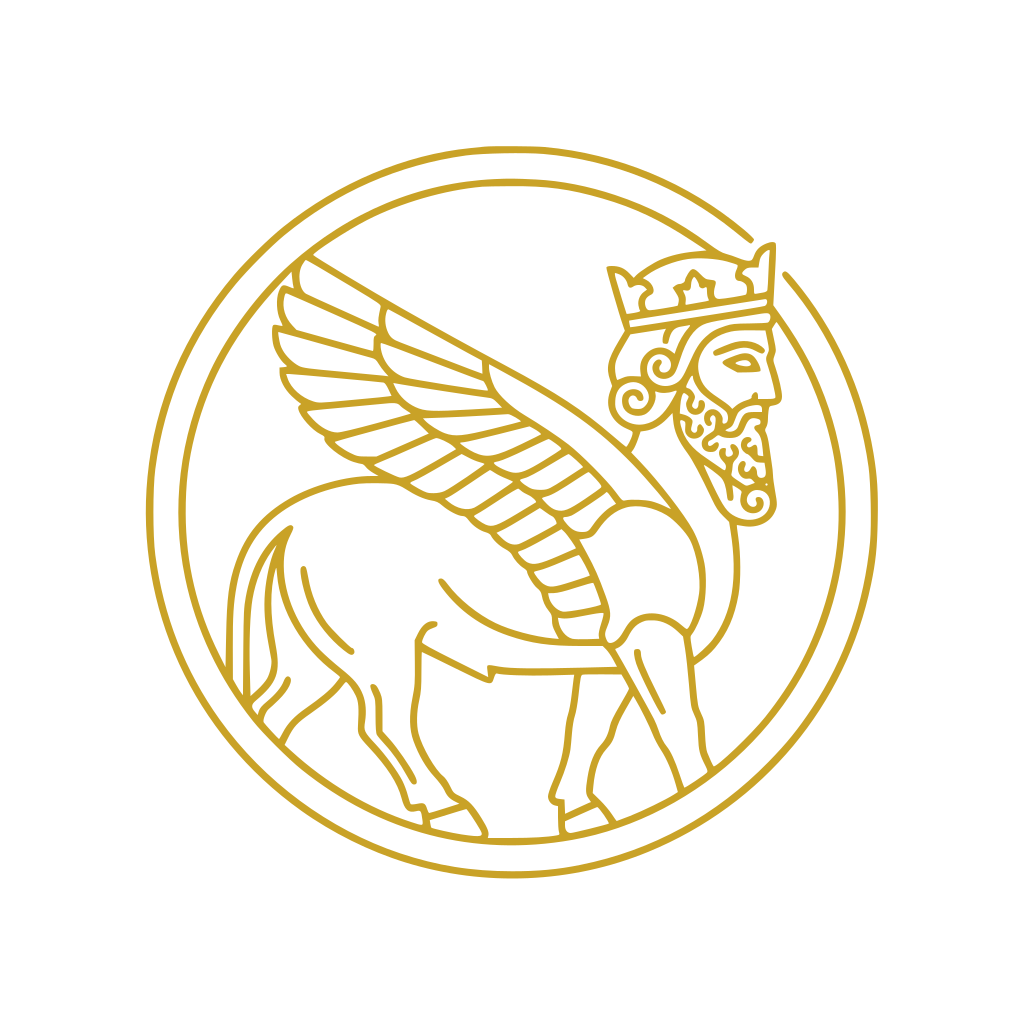
Winged Figures/Iranshah Symbol
Statues of winged, half-human, half-bull figures are present at the entrance, inspired by the Gate of All Nations at Persepolis in Iran. These figures symbolize strength, protection, and the connection between the earthly and divine realms. They serve as a reminder of the rich cultural heritage of Zoroastrianism.

Water
Water is considered sacred in Zoroastrianism, representing purity and life. It is used in various religious ceremonies and rituals to cleanse and purify individuals and sacred spaces. The presence of water symbolizes the importance of maintaining spiritual and physical cleanliness in Zoroastrian practice.

Minton Tile Flooring
The main hall of the Udvada Atash Behram features Minton tile flooring, a distinctive architectural element. These tiles add to the aesthetic appeal of the temple and reflect the blend of Iranian, Portuguese, and Gujarati styles. The intricate designs and patterns of the tiles contribute to the overall ambiance of the sacred space.

Two-Stage Staircase
The main hall is accessed through a two-stage staircase, providing a sense of grandeur and reverence. This architectural feature enhances the overall design of the temple and guides visitors towards the sacred space. The staircase symbolizes the ascent towards spiritual enlightenment and the divine presence.
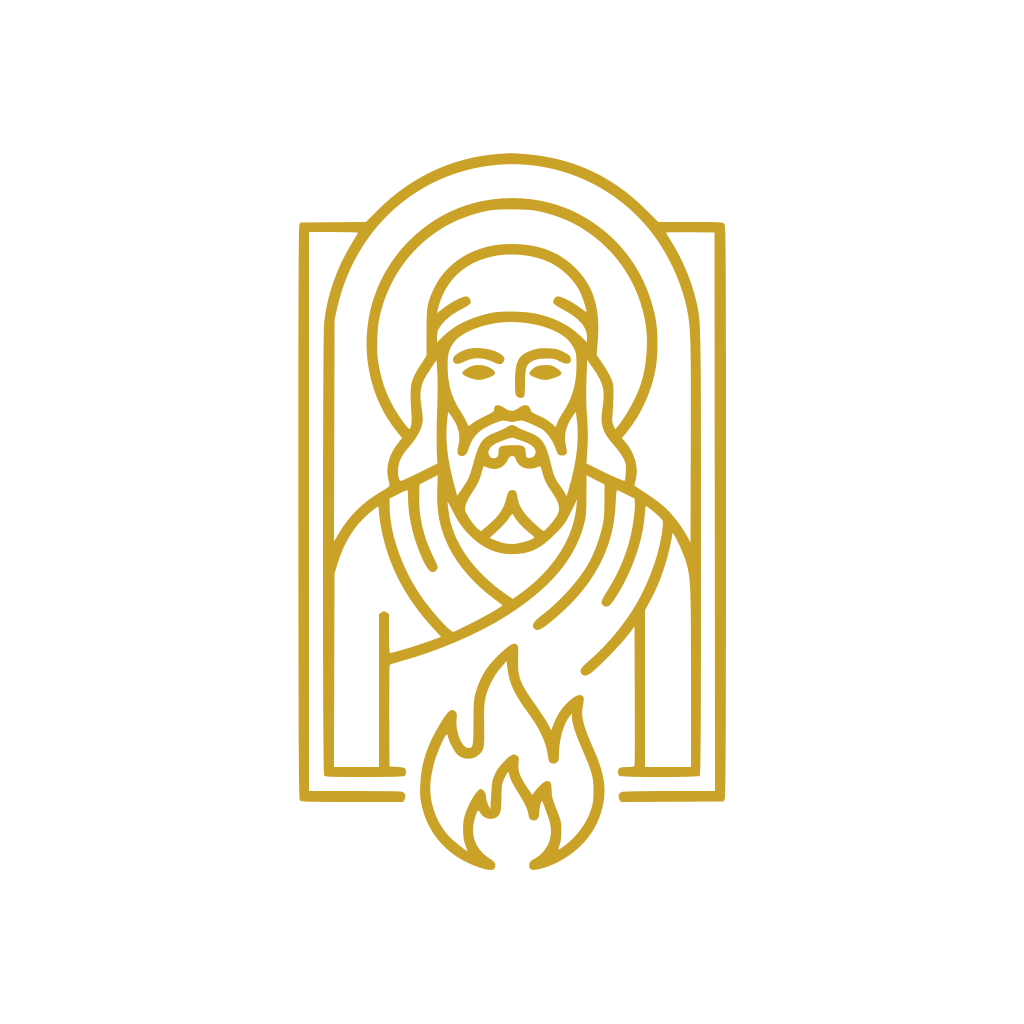
Portrait of Zoroaster
A portrait of Zoroaster is prominently displayed in the main hall, serving as a focal point for devotees. The portrait reminds visitors of the prophet's teachings and the importance of adhering to the principles of Zoroastrianism. It symbolizes the enduring legacy of Zoroaster and his divine message.

White-Washed Exterior
The exterior of the Udvada Atash Behram is often white-washed, symbolizing purity and spiritual cleanliness. The white color reflects the importance of maintaining a pure and virtuous life in Zoroastrianism. It also enhances the visual appeal of the temple and creates a serene and peaceful atmosphere.
Interesting Facts
The Udvada Atash Behram is the oldest continuously burning fire-temple in the world.
The sacred fire is said to have been burning for over 1250 years, a testament to its enduring significance.
The temple houses the Iranshah fire, which is considered the 'King of Iran,' symbolizing the Zoroastrian monarchy.
The fire was originally consecrated in Sanjan in 721 CE and moved to Udvada in 1742.
The temple's architect was Dinshaw Dorabjee Mistry from Mumbai, blending diverse architectural styles.
Non-Parsis can visit the Zoroastrian Information Center to learn about the religion and see a model of the sacred fire.
The consecration of an Atash Bahram involves gathering fire from 16 different sources, each with its own symbolism.
The village of Udvada was once known as 'Unth-Vada,' meaning a place with fodder for camels.
The Parsis were granted asylum in India by King Jadi Rana, who was given a promise that they would not try to convert the local people.
The anniversary of the fire's establishment, known as Salgiri, is celebrated every year with great devotion.
Common Questions
What is the significance of the Fire Temple of Udvada?
The Fire Temple of Udvada is highly significant as it houses the Iranshah Atash Behram, the oldest continuously burning fire-temple fire in the world. It serves as a major pilgrimage site for Zoroastrians and a symbol of their enduring faith and traditions.
Can non-Zoroastrians visit the Fire Temple of Udvada?
While non-Zoroastrians are not allowed to enter the inner sanctum of the Atash Behram, they can view the temple from the outside and visit the Zoroastrian Information Center to learn about the religion and the significance of the sacred fire.
How old is the sacred fire at the Udvada Atash Behram?
The sacred fire at the Udvada Atash Behram has been continuously burning for over 1250 years, making it the oldest continuously burning fire-temple fire in the world.
What is the history of the Udvada Atash Behram?
The history of the Udvada Atash Behram dates back to the 8th century when Zoroastrians migrated from Persia to escape persecution. The fire was consecrated in Sanjan in 721 CE and eventually moved to Udvada in 1742, where the current temple structure was built.
What are some of the architectural features of the Udvada Atash Behram?
The architecture of the Udvada Atash Behram blends Iranian, Portuguese, and Gujarati styles. The temple features a spacious main hall, Minton tile flooring, and a portrait of Zoroaster. The complex also includes the Dasturji Kaiyoji Mirza hall and a museum.
Featured Stories
The Migration from Persia
8th Century (715-721 CE)
In the 8th century, Zoroastrians faced immense persecution in Greater Persia (modern-day Iran) under Islamic rule. Driven from their homes and ancestral lands, they embarked on a perilous journey to seek refuge and preserve their ancient faith. This migration marked a pivotal moment in Zoroastrian history, as they carried with them the sacred implements necessary for consecration, including the embers of the Atash Bahram fire.
The journey was fraught with challenges, as they traversed vast distances and faced numerous obstacles. Their unwavering determination to protect their religious heritage fueled their resilience and guided them towards the shores of India. The migration from Persia is a testament to the Zoroastrian community's unwavering commitment to their faith and their willingness to endure hardship in its defense.
Source: Gujarat Tourism
The Consecration at Sanjan
721 CE
Upon arriving in India, the Zoroastrians sought permission from King Jadi Rana to settle and practice their faith freely. The king, known for his wisdom and tolerance, granted them asylum, recognizing their peaceful intentions and valuable contributions. In 721 CE, the Atash Bahram fire was consecrated at Sanjan, marking the establishment of a new center for Zoroastrian worship in India.
The consecration ceremony was a momentous occasion, symbolizing the continuity of their ancient traditions in a new land. The sacred fire, kindled from sixteen different sources, represented the divine presence of Ahura Mazda and the enduring flame of Zoroastrianism. The event solidified the Zoroastrian community's presence in India and laid the foundation for their future growth and prosperity.
Source: Heritage Institute
The Enduring Flame at Udvada
1742 CE
After centuries of relocation due to attacks and internal disputes, the sacred fire finally found its permanent home in Udvada in 1742. The construction of the Atash Behram in Udvada marked a new chapter in the history of the Zoroastrian community, providing a stable and secure environment for the preservation of their faith. The temple became a major pilgrimage site, attracting Zoroastrians from around the world.
The enduring flame at Udvada symbolizes the resilience and unwavering devotion of the Zoroastrian community. Despite facing numerous challenges throughout history, they have remained steadfast in their commitment to their ancient traditions and beliefs. The Fire Temple of Udvada stands as a beacon of hope and a testament to the enduring power of faith.
Source: Golden Triangle Tours
Timeline
Zoroastrians Migrate from Persia
Zoroastrians migrate from Greater Persia (modern-day Iran) to escape persecution, carrying sacred implements for consecration.
MilestoneAtash Bahram Fire Consecrated at Sanjan
The Atash Bahram fire is consecrated at Sanjan, marking a significant event in Zoroastrian history in India.
DedicationParsis Flee into Barhot Hills
Sanjan is attacked, and the Parsis flee into the Barhot hills, taking the sacred fire with them to protect it.
EventHoly Fire Moved to Navsari
The holy fire is moved to Navsari, where it remains for over 300 years, becoming a central religious site.
EventHoly Fire Moved from Navsari
Due to internal disputes, the holy fire is moved from Navsari, leading to a period of relocation.
EventFire Moved to Udvada
The fire is moved to Udvada, and an Atash Behram is built to house it, establishing a permanent home for the sacred fire.
MilestoneFire Installed in New Temple
The sacred fire is installed in the home of Mobed Mehernosh Hormuzd Bhathela, marking the official establishment of the Udvada Atash Behram.
DedicationOriginal Temple Refurbished
The original temple is refurbished by Lady Motlibai Wadia, enhancing its structure and significance.
RenovationUdvada Atash Behram Remains Significant
The Udvada Atash Behram remains a significant pilgrimage site for Zoroastrians worldwide, preserving ancient traditions.
MilestoneSalgiri Celebrated Annually
The Salgiri, or anniversary of the fire's consecration, is celebrated annually, honoring the enduring flame.
EventParsi New Year
The Parsi New Year is celebrated with great fervor and devotion at the Udvada Atash Behram.
EventConsecration of the Iranshah Fire
The Iranshah fire, considered the 'King of Iran,' is consecrated, symbolizing the Zoroastrian monarchy.
DedicationConstruction of the Current Temple
The current temple structure is built by Dinshaw Dorabjee Mistry from Mumbai, blending Iranian, Portuguese, and Gujarati styles.
component.timeline.constructionPilgrims Visit Udvada
Zoroastrians from around the world make pilgrimages to Udvada to pay homage to the sacred fire and seek blessings.
EventPreservation of Zoroastrian Traditions
The Udvada Atash Behram plays a crucial role in preserving and promoting Zoroastrian traditions and culture.
EventReligious Significance
The Fire Temple of Udvada holds profound religious significance for Zoroastrians as the home of the Iranshah Atash Behram, the oldest continuously burning fire-temple fire in the world. Fire, in Zoroastrianism, is a symbol of purity, light, and the divine presence of Ahura Mazda, the supreme God. The temple serves as a sacred space for worship, prayer, and the performance of religious rituals.
The core spiritual purpose of the Fire Temple of Udvada is to maintain the sacred fire and provide a place for Zoroastrians to connect with Ahura Mazda and uphold the principles of their faith. The temple serves as a center for religious learning, community gatherings, and the preservation of Zoroastrian traditions.
Sacred Ordinances
Maintaining the Sacred Fire
The primary ordinance is the continuous maintenance of the sacred fire, ensuring that it never extinguishes. Priests perform daily rituals to tend to the fire, offering prayers and maintaining its purity. This practice symbolizes the eternal nature of God and the ongoing battle between good and evil.
Prayers and Offerings
Zoroastrians visit the temple to offer prayers and make offerings to Ahura Mazda. These acts of devotion are performed in the presence of the sacred fire, symbolizing the connection between the earthly and divine realms. Prayers are recited in Avestan, the ancient language of Zoroastrianism.
Purification Rituals
Purification rituals are performed to cleanse individuals and sacred spaces, ensuring spiritual and physical cleanliness. These rituals involve the use of water, incense, and other symbolic elements to remove impurities and restore balance. Purification is essential for maintaining a harmonious relationship with Ahura Mazda.
The Significance of Fire in Zoroastrianism
Fire holds a central place in Zoroastrian worship as a symbol of purity, light, and the divine presence of Ahura Mazda. It represents the eternal nature of God and the ongoing battle between good and evil. The sacred fire is treated with utmost reverence and is never allowed to be defiled. Its presence in the temple serves as a constant reminder of the importance of maintaining a pure and virtuous life.
The Role of Priests
Priests play a crucial role in the Fire Temple of Udvada, performing daily rituals, tending to the sacred fire, and guiding devotees in their worship. They are responsible for maintaining the purity of the temple and ensuring that all religious practices are carried out according to tradition. Priests undergo rigorous training and are highly respected within the Zoroastrian community.
Sources & Research
Every fact on Temples.org is backed by verified Sources & Research. Each piece of information is rated by source tier and confidence level.
View All Sources (3)
| Field | Source | Tier | Retrieved |
|---|---|---|---|
| About & Historical Background | Encyclopedia.pub (opens in a new tab) | C | 2024-01-02 |
| About & Historical Background | Sid - The Wanderer (opens in a new tab) | D | 2024-01-02 |
| About & Historical Background | Outlook Traveller (opens in a new tab) | D | 2024-01-02 |