Visitor Insights
Visiting Konark Sun Temple
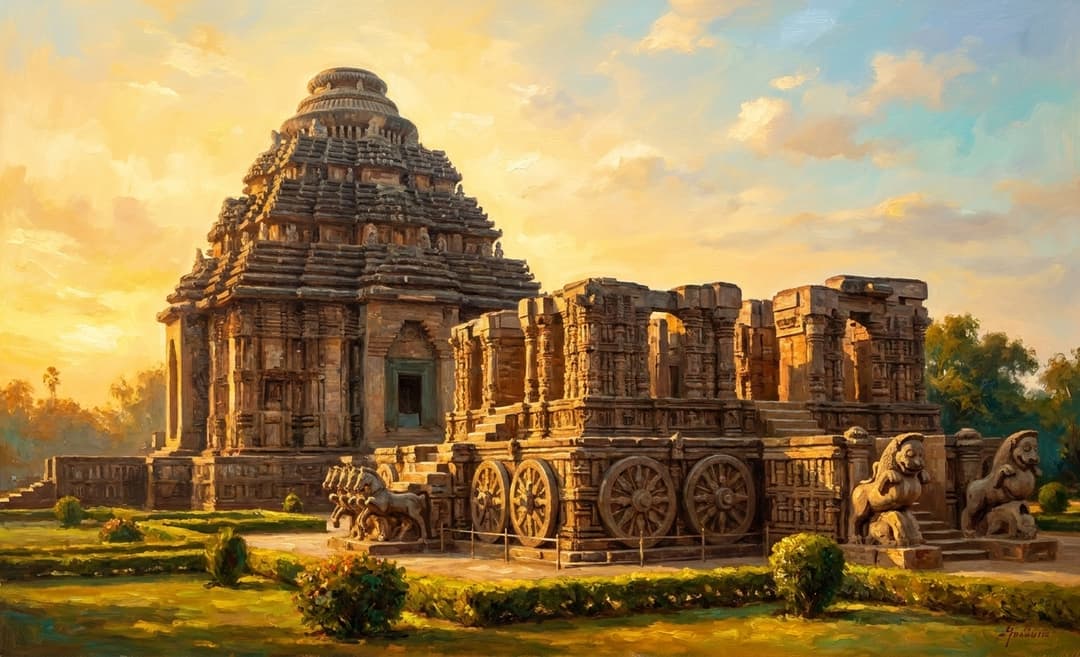
Visiting Konark offers a breathtaking encounter with medieval engineering, where visitors can study functional stone sundials and intricate dancers carved from solid chlorite and khondalite. The seaside monument is open daily with evening light-and-sound presentations illuminating the temple terraces. Arriving at dawn provides cooler coastal temperatures and atmospheric views of the eastern facade as the morning sun strikes the stone chariot.
Highlights
- Study the 24 astronomical stone sundial wheels lining the monument's monumental plinth.
- Marvel at the chlorite sculptures of musicians along the stepped tiers of the Jagamohana roof.
- Experience the open-air Natamandira dance pavilion positioned before the main entrance.
- Attend the annual Konark Dance Festival held each December against the illuminated ruins.
Things to Know
- The inner sanctum remains sealed with compacted sand installed during British conservation in 1903.
- Summer temperatures frequently exceed 40°C, making October to March the ideal travel window.
- Wear comfortable walking shoes with traction, as stone pathways around the complex are extensive.
Location
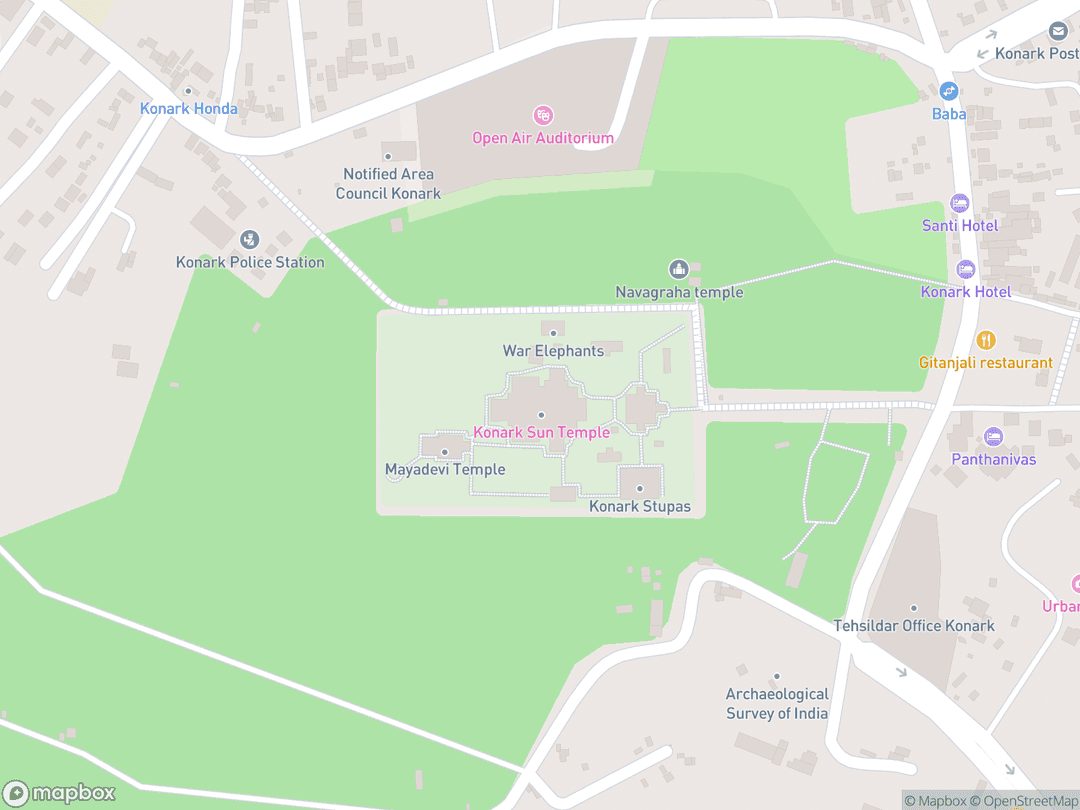
Konark, Puri District, Odisha 752111, India
Hours: Open daily from 6:00 AM to 8:00 PM
Getting There: Located 35 km northeast of Puri and 65 km southeast of Bhubaneswar; easily accessible via the coastal Marine Drive road by taxi or bus.
Get DirectionsTips for Your Visit
Time Your Visit for Dawn
Arrive at opening to watch the sunrise strike the eastern portal and avoid midday coastal heat.
Calculate Time on the Wheels
Hire an ASI-certified guide to demonstrate how shadows on the wheel spokes reveal local solar time.
Attend the Evening Illumination
Stay for the bilingual light-and-sound program held each evening from 7:00 PM to 8:00 PM.
About
The Konark Sun Temple, known historically as Surya Deula, stands as the crowning achievement of medieval Kalinga temple architecture. Conceived as a colossal celestial chariot (ratha) driven by seven leaping stone horses and mounted upon twenty-four intricately carved wheels, this grand sanctuary was commissioned in the mid-13th century by King Narasimhadeva I of the Eastern Ganga Dynasty. Situated in the sacred coastal sanctuary of Arka Kshetra along the Bay of Bengal, the temple honors Surya, the visible embodiment of the divine who sustains cosmic order (Ṛta) and illuminates spiritual consciousness.
Within the broader Dharmic family of Hindu, Buddhist, and Jain traditions, light and cosmic cycles represent the rhythm of universal law. At Konark, the regional Saura tradition synthesized with Vaishnava and Shakta elements into an enduring architectural marvel of astronomical precision. Although coastal sands, centuries of weathering, and historical disruptions caused the collapse of its soaring 225-foot sanctum tower, the surviving assembly hall (Jagamohana) and dance pavilion (Natamandira) continue to inspire pilgrims, historians, and travelers worldwide.
Gallery
Symbolic Elements
The temple's exterior features intricate carvings, each rich with spiritual meaning:
Twenty-Four Chariot Wheels
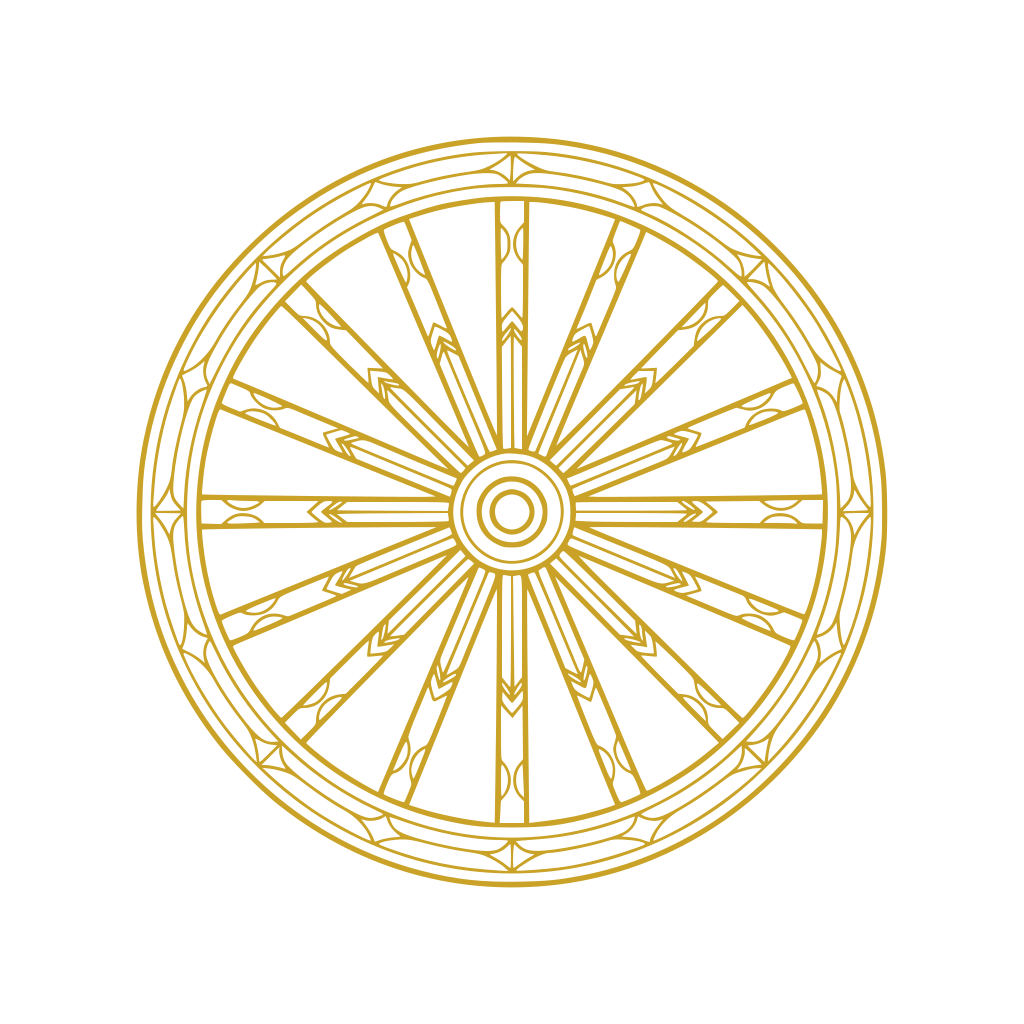
Intricately carved 9.8-foot wheels symbolize the twenty-four fortnights of the Hindu year and function as working solar clocks.

Seven Galloping Horses
Seven leaping stone horses flanking the eastern stairway represent the days of the week and the poetic meters of Vedic verse.
Chlorite Surya Deities
Three exterior chlorite statues portray Surya at dawn, midday, and dusk to honor the cyclical triad of time.
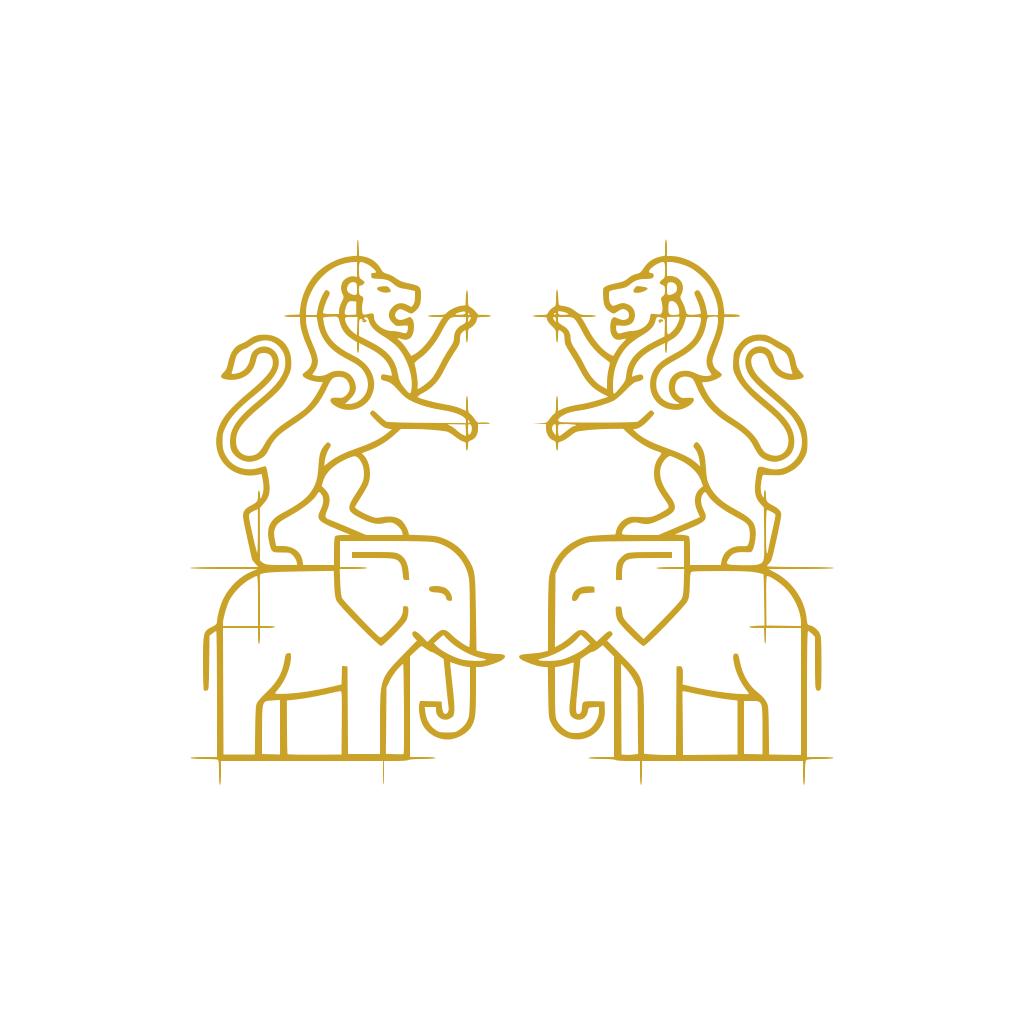
Gaja-Simha Portal Statues
Rampant lions mounted atop elephants symbolize the victory of spiritual illumination over material illusion.

Celestial Musician Surasundaris
Freestanding statues on the roof terraces play cymbals, drums, and flutes to greet the rising sun with celestial harmony.

Navagraha Planetary Panel
Carved chlorite architraves depict the nine planetary forces of Hindu astrology to harmonize cosmic influences.

Mithuna Wall Carvings
Sculptures of loving couples honor the sensory realm of Kama while symbolically protecting the sanctuary from destructive forces.

Processional Elephant Friezes
Thousands of dynamic elephants along the base plinth ground the celestial chariot in earthly majesty and power.
Interesting Facts
The twenty-four carved stone wheels function as accurate sundials capable of measuring time to the exact minute. (Tier A)
A detailed stone relief of an African giraffe along the base frieze confirms medieval Indian Ocean maritime trade links. (Tier B)
The iconic sundial wheel of Konark is featured on the reverse side of the modern Indian ten-rupee banknote. (Tier A)
The massive blocks were fitted without traditional lime mortar, relying on balance and hand-forged iron dowels. (Tier A)
British colonial engineers pumped thousands of tons of river sand into the Jagamohana in 1903 to prevent roof collapse. (Tier B)
The monolithic Aruna Stambha pillar standing at Puri's Jagannath Temple was originally moved from Konark by Marathas. (Tier B)
On equinox mornings, sunrise aligns straight through the eastern dance pavilion toward the inner sanctuary threshold. (Tier A)
Legend says young Dharmapada jumped from the temple tower to save his father and twelve hundred guild stonemasons. (Tier C)
Common Questions
Why is the temple shaped like a chariot?
In Hindu cosmology, Surya rides across the sky in a chariot pulled by seven horses, a form realized in the temple's 24 wheels and leaping steeds.
What caused the collapse of the main tower?
A combination of unstable coastal soil, severe marine air erosion, unmortared weight, and sixteenth-century raids led to the tower's gradual collapse.
Why did colonial mariners call it the Black Pagoda?
European sailors named it the Black Pagoda because the weathered, iron-rich stone appeared dark from ships navigating the Bay of Bengal.
Can visitors go inside the main hall today?
No, the interior of the Jagamohana was sealed and filled with sand in 1903 to structurally support the towering pyramidal ceiling.
Featured Stories
The Sacrifice of Dharmapada
1255
Odia folklore tells of Dharmapada, the twelve-year-old son of chief architect Bisu Maharana, who visited the temple when twelve hundred artisans were threatened with execution for failing to install the crowning finial. Displaying extraordinary architectural brilliance, the boy engineered the placement of the final capping stone himself. Realizing that the king might execute the guild upon learning a child had succeeded where masters had failed, Dharmapada leaped from the spire into the sea to safeguard his father's craftsmen.
Source: Odia Folklore and Temple Oral Traditions
Engineering the Cosmic Chariot
1245
Constructing the mammoth monument required moving thousands of tons of dense stone from the Eastern Ghats across broad waterways on rafts. The builders employed massive wrought-iron girders up to thirty-five feet long to bridge wide spans without mortar. This remarkable combination of counterbalancing stones and forged ironwork produced one of medieval Asia's most daring architectural triumphs.
Source: Archaeological Survey of India Structural Monographs
The Pilgrimage of Magha Saptami
1350
For centuries, pilgrims have gathered along the adjacent Chandrabhaga beach on the seventh day of the waxing moon in the month of Magha. Before dawn, devotees plunge into the ocean waves to offer prayers to Surya as the first golden light breaks over the water. This living rite preserves the timeless connection between Odisha's coastal community and the ancient spiritual sanctity of Arka Kshetra.
Source: Madala Panji and Regional Temple Chronicles
Timeline
Accession of King Narasimhadeva I
King Narasimhadeva I ascends the Eastern Ganga throne and initiates plans for a grand solar sanctuary.
MilestoneConstruction Commences
Master architect Bisu Maharana organizes over 1,200 stonemasons to quarry and assemble stone blocks.
component.timeline.groundbreakingSanctuary Consecration
The temple is consecrated and daily solar rituals commence in the sacred realm of Arka Kshetra.
DedicationActive Pilgrimage Era
Palm-leaf temple chronicles record extensive pilgrimages and seasonal solstice festivals.
MilestoneSultanate Raids
General Kalapahad invades coastal Odisha, disrupting regular worship and damaging external structures.
EventRelocation of Holy Deities
Priests transport surviving sacred images to the Jagannath Temple complex in Puri for safekeeping.
EventRemoval of the Aruna Stambha
Maratha administrators relocate the monumental Sun Pillar to the Lion Gate of Puri.
RenovationFergusson Surveys the Ruin
Antiquarian James Fergusson sketches a remaining 140-foot corner section of the ruined main spire.
MilestoneFinal Collapse of Spire
A coastal gale brings down the last standing segment of the massive main sanctum tower.
EventInterior Sand Stabilization
British engineers fill the Jagamohana interior with river sand to stabilize the corbelled roof.
RenovationUNESCO World Heritage Inscription
The Sun Temple is declared a UNESCO World Heritage Site as a masterpiece of human genius.
MilestoneModern Structural Intervention
The Archaeological Survey of India implements laser monitoring and sand removal frameworks.
RenovationHistory by Decade
1240s–1250s — Royal Vision and Construction
The master builder aligned stone and sunlight, crafting a celestial chariot upon the sands of Odisha.
Following military triumphs in southern Bengal, Eastern Ganga monarch Narasimhadeva I dedicated his kingdom's wealth to Surya. Guild master Bisu Maharana led twelve hundred artisans over a twelve-year period, assembling thousands of tons of stone along the Chandrabhaga estuary. The resulting temple complex stood as a monumental triumph of royal devotion and Kalinga artistic mastery.
14th–15th Centuries — Era of Active Solar Worship
During this golden period, the sanctuary served as an influential religious hub within the sacred geography of Utkala. Palm-leaf records document vibrant celebrations during solstices and solar eclipses, with devadasis performing sacred dances within the Natamandira. The temple received generous endowments and patronage from successive Ganga and Gajapati monarchs.
1560s–1630s — Desecration and Deity Relocation
In 1568, the incursions of Kalapahad inflicted severe physical trauma on the coastal sanctuary, ending regular priestly administration. With rituals abandoned, marine air and shifting coastal sands accelerated the erosion of the heavy, unmortared stones. Recognizing the peril, the rulers of Khurda transferred the presiding deities to Puri for protection.
1770s–1840s — Progressive Ruin and Colonial Rediscovery
By the late eighteenth century, Maratha administrators salvaged the chlorite Aruna Stambha column, transporting it safely to the Jagannath Temple in Puri. British surveyors sketched the surviving portions of the soaring spire before a final coastal tempest brought down the last section of the main tower in 1848. The colossal Jagamohana assembly hall remained standing amid mounds of weathered debris.
1900s–1980s — Heritage Conservation and Global Recognition
Disturbed by the temple's critical structural condition, Lieutenant Governor John Woodburn ordered the Jagamohana filled with sand in 1903 to support its stone ceiling. The Archaeological Survey of India gradually cleared surrounding debris, exposing the splendid carved plinth and chariot wheels. In 1984, UNESCO inscribed Konark on the World Heritage List in recognition of its outstanding universal value.
2010s–2020s — Modern Scientific Restoration
In recent years, the Archaeological Survey of India has implemented advanced laser scanning and endoscope imaging to monitor internal stresses. Engineers developed modern steel support frameworks to allow the safe extraction of the century-old sand filling from inside the assembly hall. Today, the monument remains a globally cherished symbol of Indian cultural ingenuity and spiritual reverence.
Architecture & Facilities
The Konark Sun Temple represents the absolute zenith of the Kalinga Architectural Order, featuring the grand axial pairing of a stepped pyramidal assembly hall (Pidha Deula) with a lost curvilinear sanctum tower (Rekha Deula). Conceived as a colossal stone chariot of Surya, the entire complex rests upon a fourteen-foot-high sculpted plinth lined with twenty-four massive wheels and pulled eastward by seven leaping horses, uniting sacred geometry, structural dynamism, and astronomical alignment.
Building Materials
Khondalite Stone
A garnetiferous metamorphic stone used for main walls and decorative reliefs that oxidizes to a dark patina.
Chlorite Stone
A dense, dark greenish-black igneous stone polished to a mirror finish for sacred portal carvings and deities.
Laterite Stone
A porous, iron-rich stone utilized to lay durable foundations and internal structural core fills.
Wrought Iron Beams
Hand-forged iron dowels and thirty-foot tie-beams embedded between stone layers to bridge corbelled ceiling spans.
Interior Features
Jagamohana (Assembly Hall)
A massive corbelled stone congregation chamber filled with river sand in 1903 for structural stabilization.
Garbhagriha (Sanctum Sanctorum Plinth)
The square stone foundation that originally housed the presiding sun deity beneath the lost two-hundred-foot spire.
Natamandira (Dance Pavilion)
An elevated hypostyle pillared hall carved with dancing figures where devadasis performed sacred temple dances.
Bhoga Mandapa (Offering Chamber)
An auxiliary hall within the sacred compound used historically for food preparations and ritual offerings.
Temple Grounds
The sprawling complex is set within well-tended lawns and sandstone walkways maintained by the Archaeological Survey of India, featuring visitor viewing platforms, protective railings, and explanatory interpretive markers that orient guests around the chariot plinth.
Additional Facilities
An Archaeological Museum operated by the ASI sits adjacent to the entrance gate, showcasing recovered chlorite statues, architectural fragments, and interpretive historical displays alongside modern visitor reception centers.
Religious Significance
Within the broader Dharmic theological grouping, light embodies universal truth, knowledge, and spiritual liberation (Moksha). Surya is revered across Hindu, Buddhist, and Jain traditions as the visible divinity (Pratyaksha Devata) that sustains cosmic order (Ṛta), regulates the flow of time (Kāla), and dispels inner ignorance.
To serve as a cosmic sanctuary aligning human consciousness with celestial rhythms through dedicated solar worship, sacred dance, and astronomical reverence.
Sacred Ordinances
Surya Namaskara & Arghya
Sacred dawn water offerings and physical salutations performed toward the rising sun to cultivate spiritual vitality.
Mahari Seva
Ritual classical dance offerings performed in the Natamandira by consecrated dancers as dynamic spiritual devotion.
Magha Saptami Snana
A sacred dawn bath in the sea during solar festivals to purify karmic residue and invite divine grace.
The Cosmic Chariot of Time
The temple's twenty-four wheels symbolize the fortnights of the year, while its eight spokes demarcate the traditional three-hour watches of the day. By embedding time calculation into the stone fabric, the sanctuary taught that honoring the sun is synonymous with harmonizing one's life with cosmic law.
Sources & Research
Every fact on Temples.org is backed by verified Sources & Research. Each piece of information is rated by source tier and confidence level.
View All Sources (3)
| Field | Source | Tier | Retrieved |
|---|---|---|---|
| About & Historical Background | Archaeological Survey of India (opens in a new tab) | A | 2026-02-18 |
| About & Historical Background | UNESCO World Heritage Centre (opens in a new tab) | B | 2026-02-18 |
| Visitor Insights & Practical Information | Department of Tourism, Government of Odisha (opens in a new tab) | A | 2026-02-18 |