Visitor Insights
Visiting Mahabodhi Temple
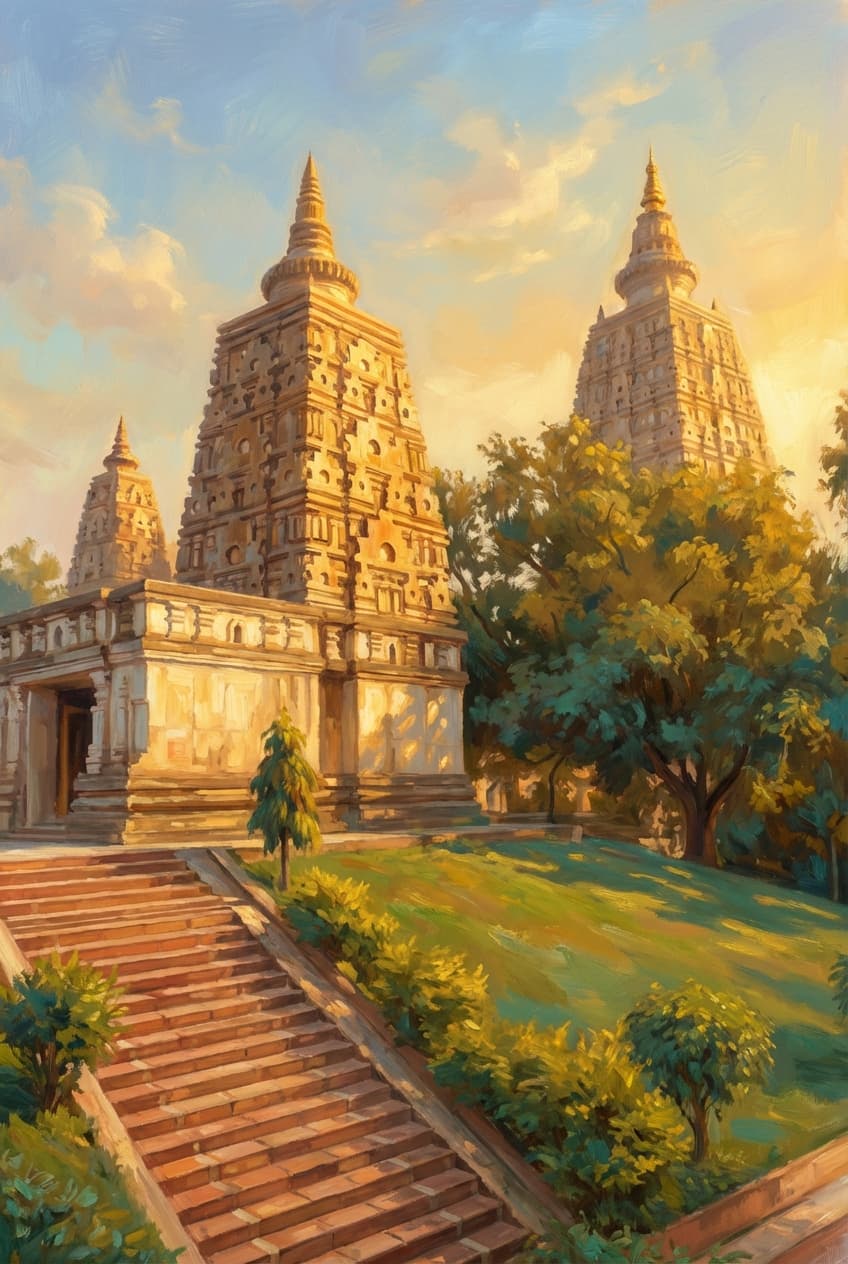
Visiting the Mahabodhi Temple offers a serene and spiritually enriching experience. The temple complex exudes a sense of tranquility, inviting visitors to reflect and connect with the teachings of the Buddha. Expect to see monks and pilgrims from around the world, all drawn to this sacred site. Remember to dress modestly and maintain silence to respect the sanctity of the temple.
Highlights
- Witness the Bodhi Tree, a descendant of the tree under which the Buddha attained enlightenment.
- Explore the intricate carvings and sculptures that adorn the temple walls.
- Experience the peaceful atmosphere and spiritual energy of this sacred site.
Things to Know
- Dress modestly and remove footwear before entering the temple.
- Maintain silence and respect the sanctity of the site.
- Photography may be restricted in certain areas.
Location
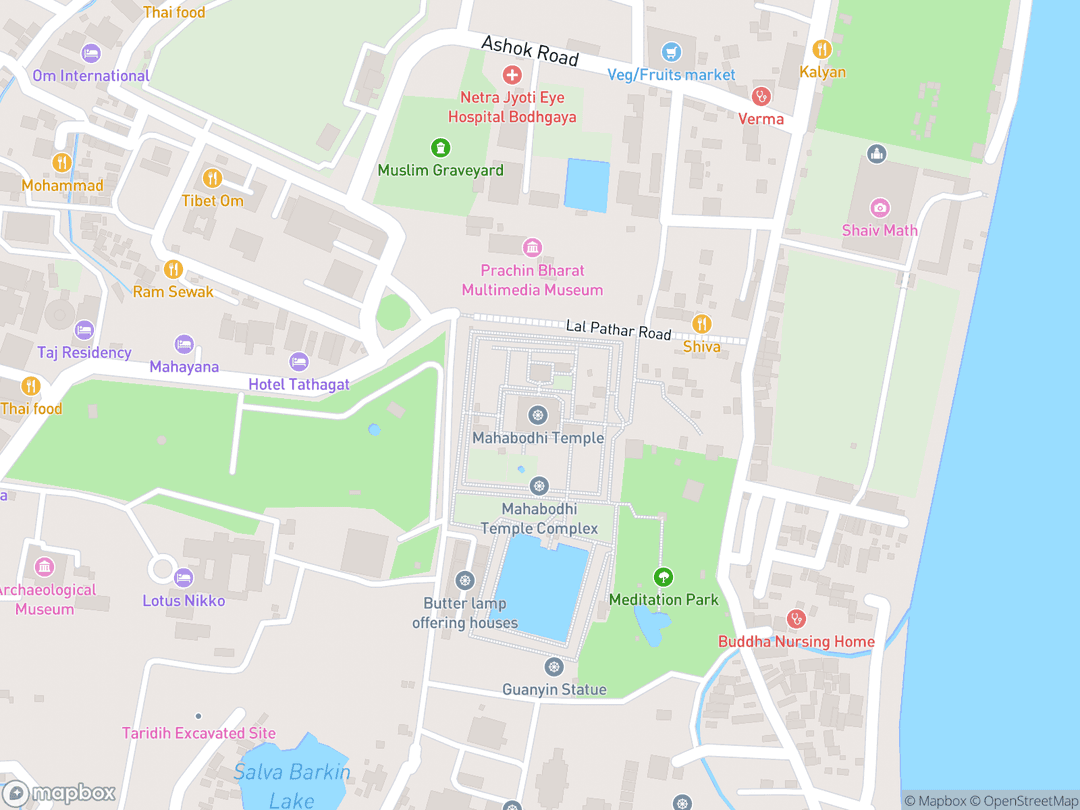
Butter lamp Road, Bodhgaya, Bihar 824231, India
Hours: 5:00 AM to 9:00 PM
Getting There: The nearest airport is Gaya International Airport, located approximately 10.6 km away. The nearest railway station is Gaya Junction, about 20 km away. Gaya Bus Stand is approximately 15.8 km from the temple.
Get DirectionsAbout
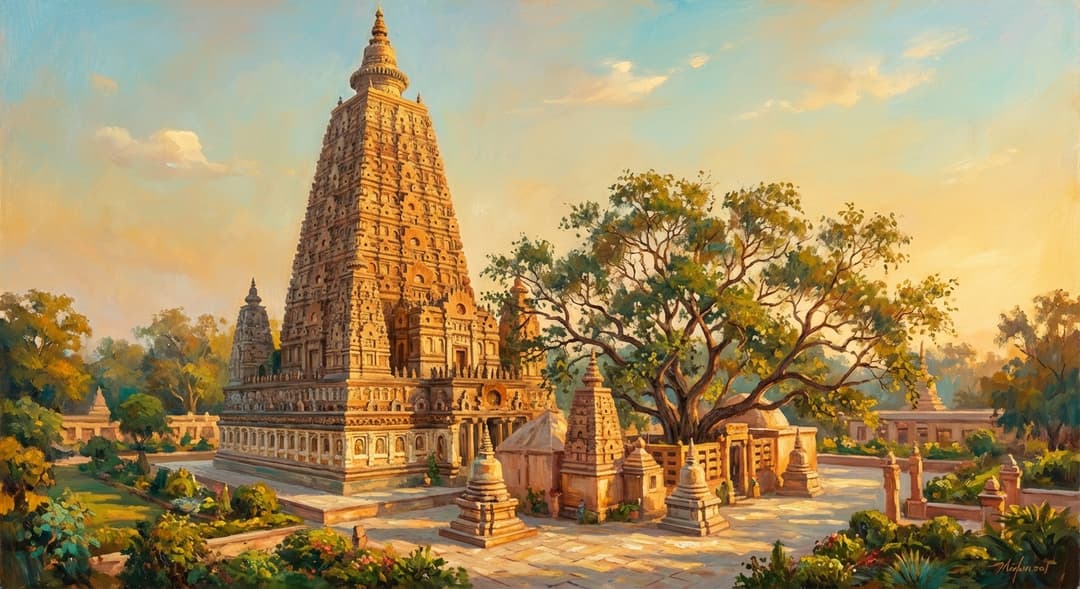
The Mahabodhi Temple, a UNESCO World Heritage Site, stands as a profound testament to Buddhist heritage and architectural grandeur. Located in Bodh Gaya, Bihar, India, it marks the sacred location where Siddhartha Gautama, the Buddha, is said to have attained enlightenment. For centuries, this temple has served as a beacon of spiritual solace and a center for Buddhist pilgrimage.
At the heart of the temple complex lies the Bodhi Tree, a direct descendant of the original tree under which the Buddha meditated. The temple's towering structure, intricate carvings, and serene atmosphere create an environment conducive to reflection and spiritual awakening. Pilgrims and visitors from around the world come to pay homage to the Buddha and experience the profound sense of peace that permeates the site.
The Mahabodhi Temple is not only a significant religious site but also a remarkable example of ancient Indian architecture. Its design reflects a blend of Gupta architectural styles, showcasing the craftsmanship and artistic vision of its creators. The temple's walls are adorned with sculptures and reliefs that depict scenes from the Buddha's life and teachings, offering a visual narrative of his journey to enlightenment.
Today, the Mahabodhi Temple continues to be an active place of worship and pilgrimage. It stands as a symbol of the enduring legacy of Buddhism and a reminder of the Buddha's message of compassion, wisdom, and inner peace. The temple's serene environment and historical significance make it a must-visit destination for those seeking spiritual enrichment and cultural immersion.
Gallery
Symbolic Elements
The temple's exterior features intricate carvings, each rich with spiritual meaning:

Bodhi Tree
The Bodhi Tree is a direct descendant of the tree under which Siddhartha Gautama attained enlightenment. It symbolizes the moment of awakening and the potential for all beings to achieve enlightenment. The tree is venerated as a living symbol of the Buddha's presence.

Vajrasana
The Vajrasana, or "diamond throne," marks the exact spot where the Buddha sat in meditation when he attained enlightenment. It represents the unshakeable seat of enlightenment and the firm foundation of Buddhist practice. The Vajrasana is a focal point for meditation and reverence.

Central Tower
The central tower of the Mahabodhi Temple rises 55 meters high and is a prominent architectural feature. It symbolizes the path to enlightenment and the culmination of spiritual practice. The tower's height and grandeur inspire awe and reverence.

Sandstone Railings
The sandstone railings surrounding the Bodhi Tree are an early example of sculptural reliefs in stone. They depict scenes from the Buddha's life and teachings, offering a visual narrative of his journey to enlightenment. The railings serve as a protective barrier and a decorative element.

Lotus Blossoms
Lotus blossoms, found throughout the Mahabodhi Temple complex, symbolize purity, detachment, and spiritual awakening. The lotus rises from muddy waters to bloom in pristine beauty, representing the potential for enlightenment to emerge from the challenges of life. The lotus is a symbol of hope and transformation.

Stupa
The stupa atop the central tower signifies that the Mahabodhi Temple is a Buddhist temple. Stupas are dome-shaped structures that often contain relics or sacred objects. They represent the Buddha's teachings and the path to enlightenment. The stupa is a symbol of faith and devotion.

Gupta Architecture
The Mahabodhi Temple's architectural style reflects a blend of Gupta influences, showcasing the craftsmanship and artistic vision of its creators. The Gupta period was a golden age of Indian art and architecture, known for its refined aesthetics and intricate details. The temple's design is a testament to this rich cultural heritage.
Interesting Facts
The Mahabodhi Temple is considered the holiest place in Buddhism.
The temple complex includes six other sacred sites of Buddha's enlightenment.
The temple has undergone various repairs and renovation works since the 5th-6th century AD.
The Mahabodhi Temple is the only living Buddhist site on India's World Heritage list.
The sculpted stone balustrades are an outstanding early example of sculptural reliefs in stone.
The Mahabodhi Temple's architectural style is a combination of Nagara and Dravidian styles.
The complex also includes ancient shrines and modern structures built by Buddhist devotees.
The gold-painted statue of Buddha in the sanctum shrine of the Temple is made of black stone.
The temple is surrounded by numerous ancient Votive stupas.
The Mahabodhi Temple is believed to be the birthplace of Buddhist ideologies and beliefs.
Common Questions
What is the significance of the Mahabodhi Temple?
The Mahabodhi Temple marks the location where Siddhartha Gautama, the Buddha, is said to have attained enlightenment, making it the holiest place in Buddhism.
When was the Mahabodhi Temple declared a UNESCO World Heritage Site?
The Mahabodhi Temple was declared a UNESCO World Heritage Site in 2002, recognizing its cultural and historical importance.
What are the visiting hours of the Mahabodhi Temple?
The Mahabodhi Temple is open from 5:00 AM to 9:00 PM, allowing visitors ample time to explore the site.
How can I get to the Mahabodhi Temple?
The nearest airport is Gaya International Airport, and the nearest railway station is Gaya Junction. Local transportation options are available from both locations.
What is the best time to visit the Mahabodhi Temple?
The best time to visit the Mahabodhi Temple is from October to February, when the weather is pleasant and conducive to outdoor exploration.
Related Stories
Explore the rich history, traditions, and people connected to this sacred site.
Featured Stories
The Enlightenment of Buddha
c. 589 BCE
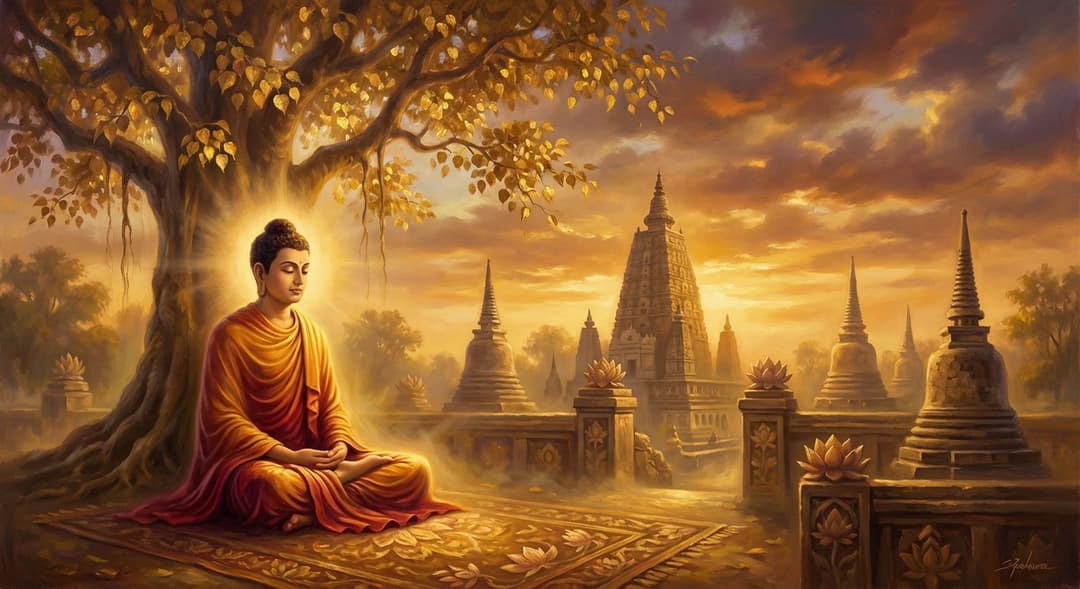
Under the shade of what is now known as the Bodhi Tree, Siddhartha Gautama, after years of spiritual seeking, sat in deep meditation. He vowed not to rise until he found the ultimate truth. Through unwavering focus and profound insight, he confronted his inner demons and transcended the limitations of the human mind.
After three days and nights of intense meditation, Siddhartha attained enlightenment, becoming the Buddha, the Awakened One. This transformative moment marked the birth of Buddhism and set in motion a path of compassion and wisdom that would inspire countless generations. The Mahabodhi Temple stands as a testament to this pivotal event in human history.
Source: Britannica
Emperor Ashoka's Pilgrimage
c. 260 BCE
Centuries after the Buddha's enlightenment, Emperor Ashoka, a powerful ruler of the Mauryan Empire, embraced Buddhism and embarked on a pilgrimage to Bodh Gaya. Deeply moved by the sacred site, Ashoka constructed the first temple around the Bodhi Tree, marking the beginning of the Mahabodhi Temple's long and storied history.
Ashoka's patronage played a crucial role in the early development of the temple and the spread of Buddhism throughout India and beyond. His dedication to the Buddha's teachings transformed the Mahabodhi Temple into a major center of pilgrimage and a symbol of imperial support for the Buddhist faith. The legacy of Ashoka's visit continues to resonate within the temple's walls.
Source: UNESCO
Restoration and Revival
19th Century CE
After centuries of neglect and decline, the Mahabodhi Temple underwent extensive restoration in the 19th century. This monumental effort breathed new life into the temple, preserving its architectural heritage and ensuring its continued significance as a place of worship and pilgrimage. The restoration project involved meticulous repairs, structural reinforcements, and the reinstallation of intricate carvings.
The revival of the Mahabodhi Temple marked a turning point in its history, reaffirming its importance to the Buddhist community and the world at large. Today, the temple stands as a symbol of resilience and the enduring power of faith, attracting visitors from all corners of the globe who come to experience its spiritual energy and historical grandeur.
Source: Vajiram and Ravi
Timeline
Siddhartha Gautama meditated under a peepul tree
Siddhartha Gautama reached the banks of the Phalgu River near Gaya and meditated under a peepul tree, later known as the Bodhi Tree.
MilestoneSiddhartha attained enlightenment
After three days and nights, Siddhartha attained enlightenment and became the Buddha.
MilestoneEmperor Ashoka built the first temple
Emperor Ashoka built the first temple at the site.
MilestoneConstruction of sandstone railings
Construction of sandstone railings around the Bodhi Tree.
MilestoneCurrent pyramidal structure dates from Gupta Empire
The current pyramidal structure dates from the Gupta Empire.
MilestoneChinese pilgrim Huen Tsang visited Bodh Gaya
Chinese pilgrim Huen Tsang visited Bodh Gaya and described the Mahabodhi Temple.
EventDecline of Buddhism in India
Turkish invasions led to the decline of Buddhism in India, and the temple fell into disrepair.
RenovationHindu monk established the Bodh Gaya Mutt
A Hindu monk established the Bodh Gaya Mutt, leading to Hindu control over the temple.
EventExtensive restoration of the temple
The temple was extensively restored.
RenovationRequest to return control to Buddhists
Sir Edwin Arnold requested the British to return control of the temple to the Buddhists.
EventDeclared a UNESCO World Heritage Site
The Mahabodhi Temple was declared a UNESCO World Heritage Site.
MilestoneAmendment to the Bodhgaya Temple Management Act
The Bihar government amended the Bodhgaya Temple Management Act, allowing the Gaya District Magistrate to be the chairman of the committee, even if not Hindu.
EventDome inlaid with gold
The dome of the temple was inlaid with gold, with contributions from Thailand.
RenovationSimilar Temples
Sources & Research
Every fact on Temples.org is backed by verified Sources & Research. Each piece of information is rated by source tier and confidence level.
View All Sources (5)
| Field | Source | Tier | Retrieved |
|---|---|---|---|
| About & Historical Background | Government of Bihar (opens in a new tab) | A | 2024-01-03 |
| About & Historical Background | Britannica (opens in a new tab) | B | 2024-01-03 |
| About & Historical Background | UNESCO (opens in a new tab) | B | 2024-01-03 |
| Symbolic Elements | wisdomlib.org (opens in a new tab) | B | 2024-01-03 |
| Visitor Information | Gaya District Administration (opens in a new tab) | A | 2024-01-03 |