Visitor Insights
Visiting Yazd Atash Behram
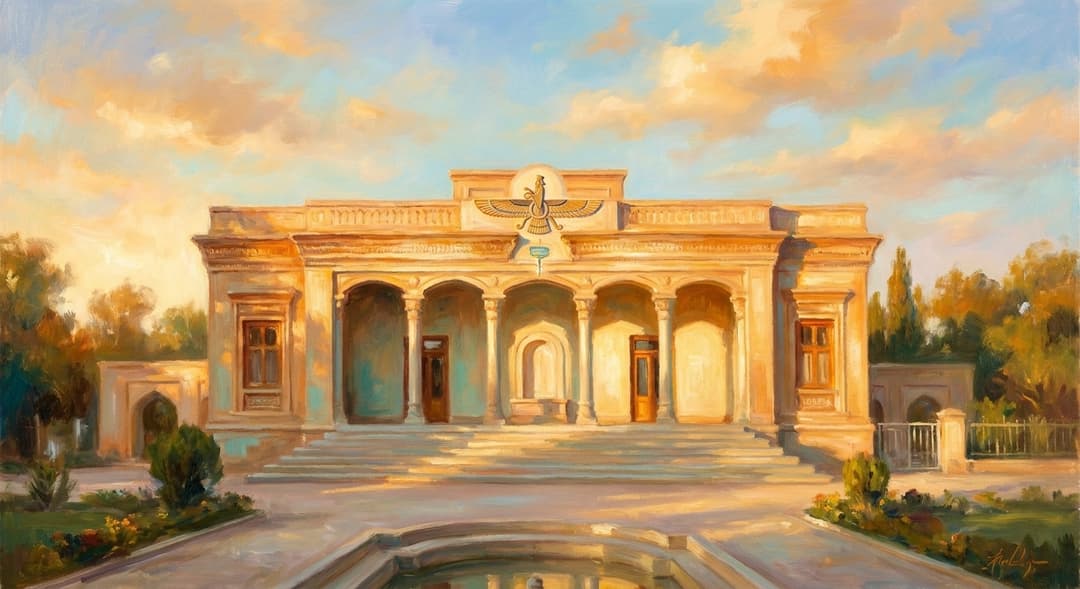
The Yazd Atash Behram offers visitors a unique opportunity to witness Zoroastrian tradition. The serene atmosphere of the temple, with its beautiful gardens and the eternal flame, provides a contemplative experience. Visitors can observe the sacred fire from behind a glass enclosure and learn about the history and significance of Zoroastrianism in Iran.
Highlights
- Witness the sacred fire, believed to have been burning since 470 AD.
- Explore the Achaemenid architectural style of the temple.
- Stroll through the peaceful gardens and admire the reflecting pool.
Things to Know
- Non-Zoroastrians can only view the fire from behind a glass chamber.
- Dress respectfully when visiting the temple.
- Photography may be restricted in certain areas.
Location
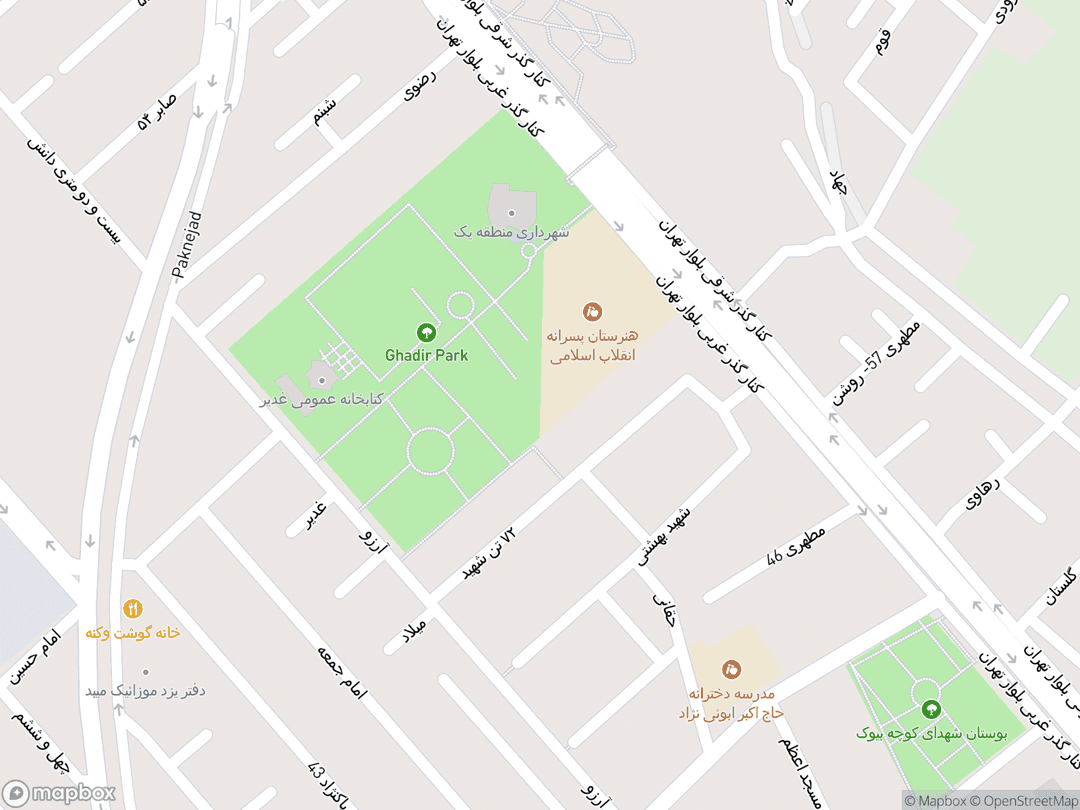
Ayatollah Kashani Ave, Yazd, Yazd Province, Iran
Hours: 7:30 AM to 9:30 PM
Getting There: Located on Ayatollah Kashani Street in Yazd, approximately 6 kilometers from Yazd Airport.
Get DirectionsTips for Your Visit
Respectful Attire
Dress modestly and respectfully when visiting the temple.
Photography Restrictions
Be aware of photography restrictions inside the temple.
About
The Yazd Atash Behram, also known as the Fire Temple of Yazd, is a significant Zoroastrian religious site located in Yazd, Iran. It is one of the nine Atash Behrams, the highest grade of fire temples, in the world, and the only one in Iran. The temple is renowned for housing a sacred fire that is believed to have been burning continuously since 470 AD, symbolizing the eternal presence of Ahura Mazda.
Construction of the Yazd Atash Behram was completed in 1934, with funds provided by the Association of the Parsi Zoroastrians of India. The temple's architecture reflects the Achaemenid style, similar to fire temples found in India, and it stands as a testament to the enduring Zoroastrian faith in Iran. The temple complex includes a garden with fruit trees and a circular pool, enhancing its serene and spiritual atmosphere.
Visitors to the Yazd Atash Behram can witness the sacred fire through a glass enclosure, offering a glimpse into the heart of Zoroastrian worship. The temple serves as a vital pilgrimage site for Zoroastrians and a cultural landmark that showcases the rich heritage of Zoroastrianism in Iran. The Yazd Atash Behram was registered in Iran's National Heritage List in 1999, underscoring its cultural and historical importance.
Gallery
Symbolic Elements
The temple's exterior features intricate carvings, each rich with spiritual meaning:

Sacred Fire
The sacred fire is the central symbol of the Yazd Atash Behram, representing Ahura Mazda, the supreme deity in Zoroastrianism. It symbolizes purity, light, and the eternal presence of the divine. The fire has been continuously burning for over 1500 years, signifying the unbroken connection between humanity and the divine.
Faravahar
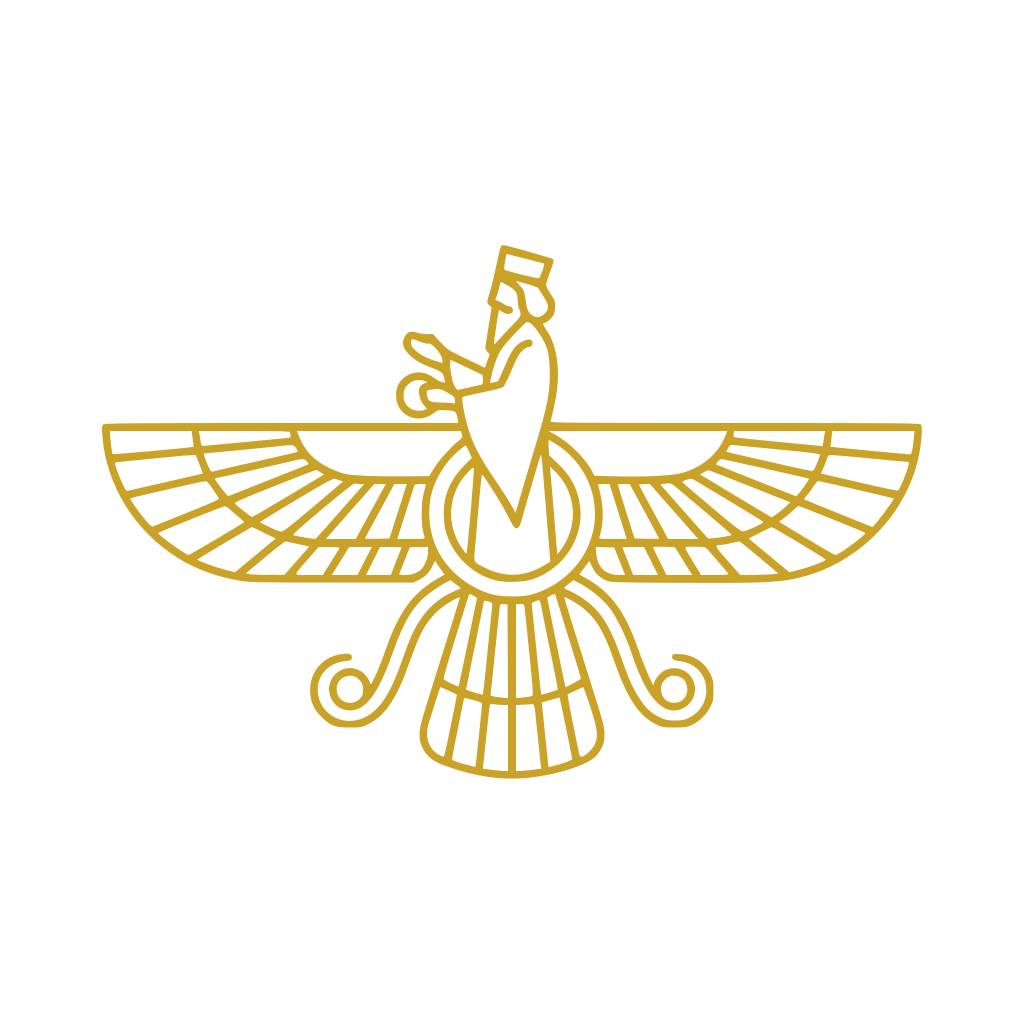
The Faravahar is a winged symbol often depicted on the entrance of Zoroastrian temples, including the Yazd Atash Behram. It represents the human soul and the core principles of Zoroastrianism: good thoughts, good words, and good deeds. The wings symbolize the ability to soar towards spiritual enlightenment, while the tail represents the forces that hold one back.

Achaemenid Architecture
The architectural style of the Yazd Atash Behram reflects the Achaemenid period, characterized by its symmetrical design, brick masonry, and elevated structure. This style is reminiscent of ancient Persian temples and emphasizes the importance of balance and harmony in the physical representation of spiritual beliefs. The temple's design is similar to other Atash Behram temples found in India.

Reflecting Pool
The circular pool in front of the Yazd Atash Behram serves as a reflecting surface, mirroring the temple's image and creating a sense of tranquility. Water symbolizes purity and is an essential element in Zoroastrian rituals. The reflection of the temple in the pool represents the connection between the physical and spiritual worlds.

Amber-Tinted Glass
The sacred fire within the Yazd Atash Behram is housed behind an amber-tinted glass enclosure. This glass serves to protect the fire from external elements while allowing visitors to view the flame. The amber color is associated with warmth and light, further emphasizing the fire's symbolic representation of Ahura Mazda.
White Color
The white color used in the temple's architecture and interior design symbolizes purity and cleanliness, which are highly valued in Zoroastrianism. White represents the absence of darkness and the presence of light, aligning with the Zoroastrian emphasis on good thoughts, good words, and good deeds. The color enhances the spiritual atmosphere of the temple.

Fruit Trees
The garden surrounding the Yazd Atash Behram features fruit trees, symbolizing life, growth, and abundance. Gardens are considered sacred spaces in Zoroastrianism, representing paradise and the harmonious relationship between humans and nature. The fruit trees provide shade and create a peaceful environment for contemplation and prayer.

Hirob
The Hirob is the priest responsible for maintaining the sacred fire, ensuring that it burns continuously by feeding it dry wood several times a day. This role is crucial in Zoroastrian tradition, as the fire symbolizes the divine presence and requires constant care and attention. The Hirob's dedication reflects the commitment to preserving the sacred flame and upholding Zoroastrian beliefs.
Interesting Facts
The Yazd Atash Behram is one of the nine Atash Behrams, the highest grade of fire temples, in the world.
The sacred fire within the temple is said to have been burning since 470 AD, making it over 1,500 years old.
The fire was transferred multiple times over the centuries from its original location in the Pars Karyan fire temple.
The construction of the temple in 1934 was funded by the Parsi Zoroastrian Association of India.
The temple is built in the Achaemenid architectural style, similar to fire temples in India.
The sacred fire is created from 16 different sources of fire, each undergoing purification rituals.
A person called a Hirob is responsible for keeping the fire burning, feeding it dry wood several times a day.
The temple complex includes a garden with fruit trees and a reflecting pool.
The Faravahar symbol on the temple entrance represents the Zoroastrian principles of good thoughts, good words, and good deeds.
Yazd is considered a spiritual and cultural center for Zoroastrians in Iran.
Common Questions
What is the significance of the Yazd Atash Behram?
The Yazd Atash Behram is one of the most important Zoroastrian fire temples in the world, housing a sacred fire that is believed to have been burning since 470 AD. It symbolizes the eternal presence of Ahura Mazda and serves as a vital pilgrimage site for Zoroastrians.
Can non-Zoroastrians visit the Yazd Atash Behram?
Yes, non-Zoroastrians are welcome to visit the Yazd Atash Behram, but they can only view the sacred fire from behind a glass chamber. This allows visitors to witness the religious significance of the site while respecting Zoroastrian traditions.
What are the visiting hours for the Yazd Atash Behram?
The Yazd Atash Behram is typically open from 7:30 AM to 9:30 PM, allowing ample time for visitors to explore the temple and its surroundings.
How was the Yazd Atash Behram constructed?
The construction of the Yazd Atash Behram was completed in 1934, with funds provided by the Association of the Parsi Zoroastrians of India. The temple's architecture reflects the Achaemenid style, similar to fire temples found in India.
What does the sacred fire symbolize in Zoroastrianism?
In Zoroastrianism, fire is a major symbol representing Ahura Mazda and divine life. It symbolizes purity, light, and the divine presence. The eternal flame signifies the perpetual connection between humanity and the divine.
Featured Stories
The Eternal Flame: A Symbol of Zoroastrian Faith
470 AD
The sacred fire at the Yazd Atash Behram is more than just a flame; it is a living testament to the enduring Zoroastrian faith. Believed to have originated in 470 AD, this fire has been continuously burning for over 1500 years, symbolizing the eternal presence of Ahura Mazda, the supreme deity in Zoroastrianism. The fire represents purity, light, and the unbroken connection between humanity and the divine.
Throughout its long history, the fire has been carefully protected and transferred from one location to another, always under the watchful care of dedicated priests. The Yazd Atash Behram now serves as its permanent home, where it continues to inspire and uplift Zoroastrians from around the world. The flame serves as a beacon of hope and a reminder of the importance of good thoughts, good words, and good deeds.
Source: https://www.irna.ir/news/84981226/%D8%A2%D8%AA%D8%B4%DA%A9%D8%AF%D9%87-%DB%8C%D8%B2%D8%AF-%D9%85%D8%AD%D9%84-%D8%A7%D9%86%D8%B9%DA%A9%D8%A7%D8%B3-%D8%A7%D9%84%D9%87%DB%8C-%D8%B2%D8%B1%D8%AA%D8%B4%D8%AA%DB%8C%D8%A7%D9%86
The Construction of Yazd Atash Behram: A Testament to Parsi Generosity
1934
The Yazd Atash Behram stands as a symbol of the strong ties between the Zoroastrian communities in Iran and India. In the early 20th century, the Zoroastrians of Yazd sought to build a grand fire temple to house their sacred flame. Funds for this ambitious project were generously provided by the Association of the Parsi Zoroastrians of India, demonstrating their commitment to supporting and preserving Zoroastrian heritage in Iran.
The construction of the temple was a collaborative effort, with skilled artisans and laborers working together to create a beautiful and enduring structure. The temple's Achaemenid architectural style reflects the rich history and cultural identity of the Zoroastrian faith. Today, the Yazd Atash Behram stands as a testament to the power of community and the enduring spirit of Zoroastrianism.
Source: https://zoroastrians.net/2014/07/29/yazd-iran-atash-behram/
A Spiritual and Cultural Center for Zoroastrians in Iran
Ongoing
Yazd has long been considered a spiritual and cultural center for Zoroastrians in Iran, and the Yazd Atash Behram serves as the heart of this vibrant community. The temple attracts Zoroastrians from around the world who come to pay homage to the sacred fire and connect with their ancestral roots. The Yazd Atash Behram is not only a place of worship but also a gathering place for cultural events, religious ceremonies, and community celebrations.
The temple plays a vital role in preserving Zoroastrian traditions and promoting interfaith dialogue. It stands as a beacon of tolerance and understanding, welcoming visitors from all backgrounds to learn about the rich history and spiritual significance of Zoroastrianism. The Yazd Atash Behram ensures that the Zoroastrian faith continues to thrive for generations to come.
Source: https://www.iranstravel.com/yazd-fire-temple/
Timeline
Sacred Fire Originates
The sacred fire is said to have originated during the Sasanian Empire in the Pars Karyan fire temple in Larestan.
MilestoneFire Moved to Aqda
The fire was moved to Aqda, where it was kept for approximately 700 years.
EventFire Transferred to Nahid-e Pars Temple
The fire was transferred to the Nahid-e Pars temple near Ardakan.
EventFire Remains in Nahid-e Pars Temple
The fire remained in the Nahid-e Pars temple for about 300 years.
EventFire Moved to Yazd
The fire was moved to the house of a high priest in Yazd.
EventYazd Atash Behram Construction Completed
Construction of the Yazd Atash Behram was completed, and the sacred fire was enshrined within the new temple. The funds for the construction were provided by the Association of the Parsi Zoroastrians of India.
DedicationTemple Opens to Non-Zoroastrian Visitors
The Anjuman-i Nasiri opened the Yazd Atash Behram to non-Zoroastrian visitors.
EventYazd Fire Temple Registered in National Heritage List
The Yazd Fire Temple was registered in Iran's National Heritage List.
MilestoneStart of the Sacred Fire
The sacred fire is believed to have started burning in the Pars Karyan fire temple.
MilestoneRelocation to Ardakan
The sacred fire was moved to the Nahid-e Pars temple near Ardakan.
EventMove to Yazd
The sacred fire was moved to Yazd and housed in the home of a high priest.
EventCompletion of Yazd Atash Behram
The Yazd Atash Behram was completed, providing a permanent home for the sacred fire.
DedicationNational Heritage Recognition
The Yazd Fire Temple was officially recognized and protected as part of Iran's National Heritage List.
MilestoneFire's Continuous Burning
The sacred fire has been continuously burning for over 1500 years, symbolizing the eternal presence of Ahura Mazda.
MilestoneSources & Research
Every fact on Temples.org is backed by verified Sources & Research. Each piece of information is rated by source tier and confidence level.
View All Sources (3)
| Field | Source | Tier | Retrieved |
|---|---|---|---|
| About & Historical Background | Islamic Republic News Agency (IRNA) (opens in a new tab) | A | 2024-02-27 |
| About & Historical Background | Going Iran (opens in a new tab) | C | 2024-02-27 |
| Interesting Facts | Iran Negin Travel (opens in a new tab) | C | 2024-02-27 |