Visitor Insights
Visiting Imam Ali Shrine
The Imam Ali Shrine is a deeply spiritual and historically significant site, drawing millions of pilgrims and visitors annually. The atmosphere is one of reverence and devotion, with visitors engaging in prayer, reflection, and acts of piety. Expect to encounter large crowds, especially during religious holidays, and be prepared to dress modestly. The shrine offers a unique opportunity to witness the vibrant traditions and deep-rooted faith of Shia Islam.
Highlights
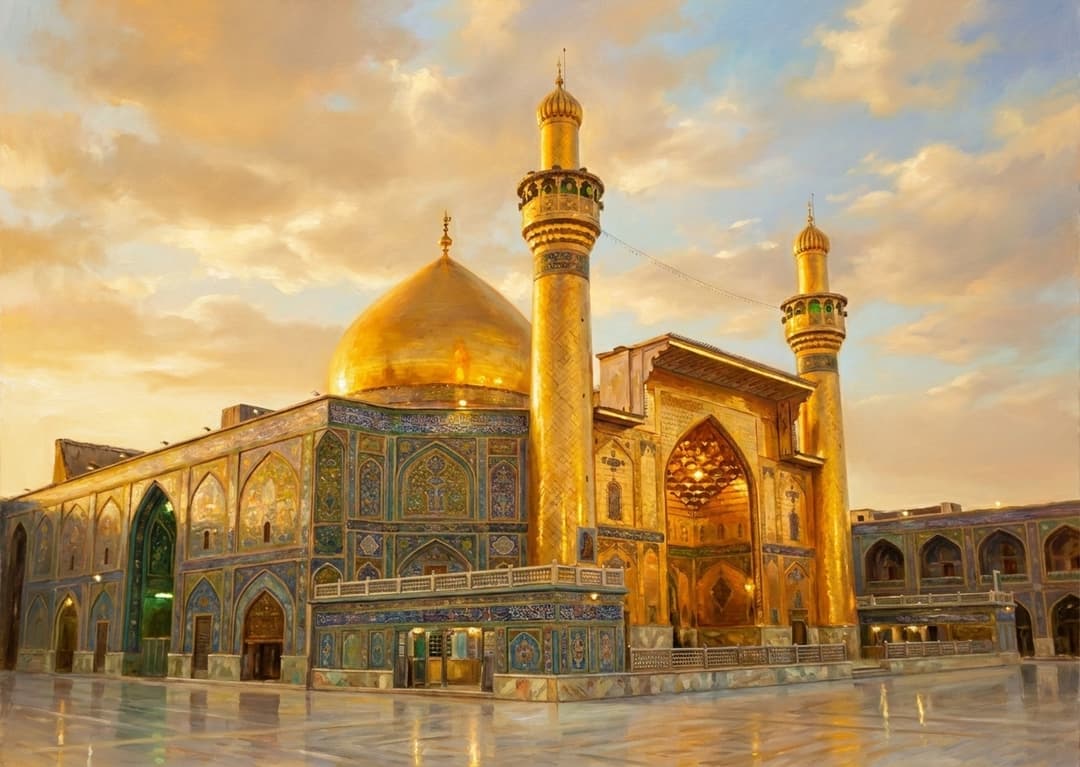
- Witness the stunning golden dome and intricate Islamic architecture.
- Experience the profound spirituality of one of Shia Islam's holiest sites.
- Explore the vast courtyards and learn about the shrine's rich history.
Things to Know
- Dress modestly, covering arms and legs; women must wear a headscarf.
- Be prepared for large crowds, especially during religious observances.
- Photography may be restricted inside the shrine; be respectful of local customs.
Location
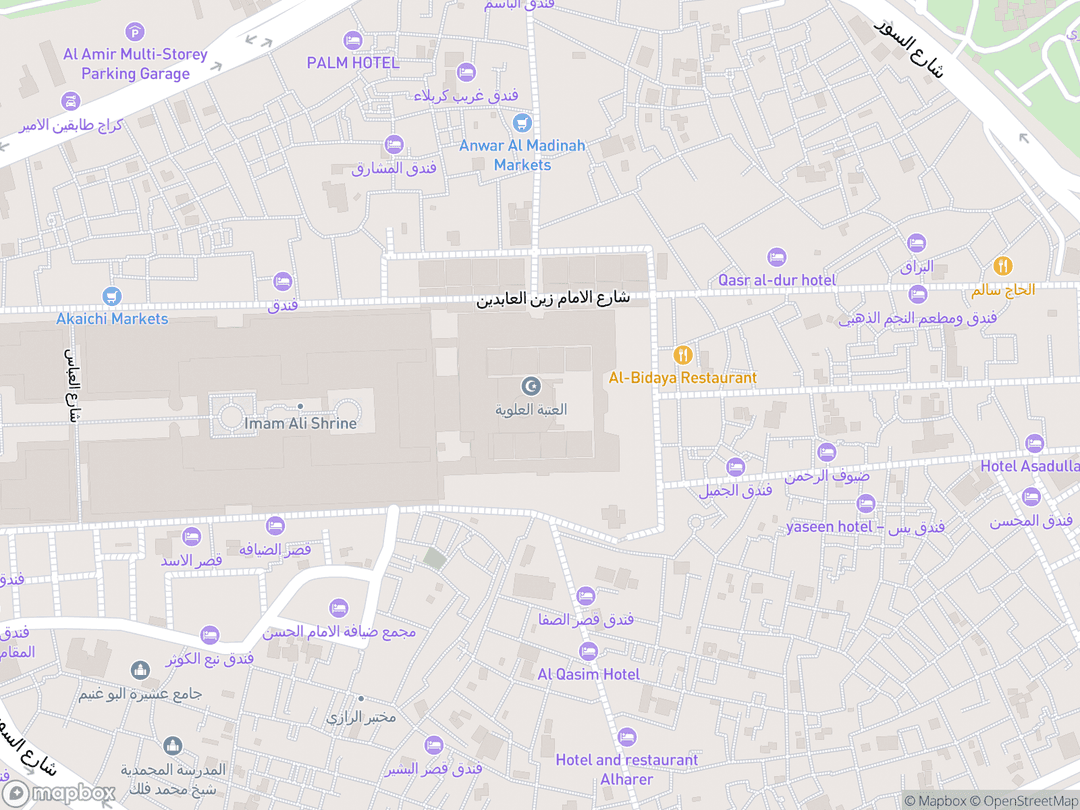
Najaf, Najaf Governorate, Iraq
Hours: Generally open all day, but check for changes during religious holidays.
Getting There: Najaf is accessible by road and air. The shrine is located in the center of the city.
Get DirectionsTips for Your Visit
Plan Your Visit
Visit during the cooler months (October to April) for a more comfortable experience.
Dress Code
Remember to dress modestly and respectfully when visiting the shrine.
About
The Imam Ali Shrine, also known as the Mosque of Ali, is a Shi'ite mosque located in Najaf, Iraq. It is believed to contain the tomb of Ali ibn Abi Talib, the cousin and son-in-law of the Islamic prophet Muhammad. For Shia Muslims, Ali is revered as the first Imam, holding a position of immense spiritual importance. Sunni Muslims also recognize Ali as the fourth Sunni Rashid Caliph, highlighting his significance across different branches of Islam.
The shrine stands as a testament to the rich history and deep religious devotion associated with Imam Ali. Its architectural grandeur reflects centuries of reverence and continuous enhancements by various rulers and benefactors. The shrine serves as a place of pilgrimage and prayer, as well as a center for learning and spiritual reflection, drawing millions of visitors each year.
Rooted in Abrahamic traditions, the Imam Ali Shrine embodies the values of justice, courage, and wisdom that are central to Islamic teachings. The shrine's design and symbolic elements reflect these values, creating an atmosphere of profound spirituality and historical significance. The city of Najaf has grown around the shrine, further emphasizing its central role in the region's cultural and religious landscape.
Gallery
Symbolic Elements
The temple's exterior features intricate carvings, each rich with spiritual meaning:

Golden Dome
The golden dome of the Imam Ali Shrine is a prominent symbol, representing the spiritual significance and revered status of Imam Ali. Its radiant surface reflects the light of faith and serves as a beacon for pilgrims from around the world. The dome's architectural grandeur signifies the importance of the shrine as a center of devotion and pilgrimage.

Minarets
The tall minarets flanking the shrine's dome are iconic symbols, marking the shrine's prominence and serving as a visual testament to its religious importance. These towering structures are adorned with intricate designs and calligraphy, enhancing their symbolic value. The minarets stand as a reminder of the call to prayer and the spiritual guidance offered by the shrine.

Golden Iwan
The large golden iwan at the front of the shrine is a significant architectural element, symbolizing the entrance to a sacred space. Its ornate design and golden surface reflect the richness of Islamic art and the shrine's cultural heritage. The iwan serves as a welcoming gateway for visitors, inviting them to enter and experience the shrine's spiritual atmosphere.

Calligraphy
The intricate calligraphy adorning the shrine's walls and surfaces features Quranic inscriptions and poems praising Ali ibn Abi Talib. This artistic element symbolizes the importance of knowledge, wisdom, and devotion in Islam. The calligraphy serves as a visual reminder of the teachings and values associated with Imam Ali, inspiring visitors to reflect on their faith.

Zulfiqar
While not an architectural element, the sword of Ali, Zulfiqar, is a significant symbol associated with Imam Ali. It represents courage, justice, and the triumph of good over evil. The sword is often depicted in artwork and decorations related to the shrine, serving as a reminder of Imam Ali's strength and his role as a defender of the faith.

Courtyard
The large courtyard surrounding the inner shrine provides a space for gathering, reflection, and prayer. It symbolizes the importance of community and shared devotion in Islam. The courtyard's open design and serene atmosphere invite visitors to connect with their faith and with one another, fostering a sense of unity and spiritual growth.

Hazrat Zahra Courtyard
The Hazrat Zahra Courtyard, a modern expansion to the shrine complex, symbolizes the ongoing commitment to preserving and enhancing the shrine's facilities for future generations. Its Islamic architectural elements reflect the shrine's cultural heritage, while its expanded space provides additional room for pilgrims and visitors to gather and worship. The courtyard represents the shrine's enduring legacy and its continued importance as a center of faith.

Ceramic Tiles
The ceramic tiles used in the shrine's construction symbolize the artistry and craftsmanship of Islamic design. These tiles, often adorned with intricate patterns and vibrant colors, add to the shrine's visual beauty and reflect the rich cultural heritage of the region. The tiles serve as a testament to the skill and dedication of the artisans who contributed to the shrine's construction.
Interesting Facts
The city of Najaf grew around the Imam Ali Shrine.
The shrine is considered one of the holiest sites for Shia Muslims.
Many Shia Muslims wish to be buried in the Wadi al-Salam cemetery near the shrine.
The shrine has been built and rebuilt numerous times throughout history.
The number of pilgrims is expected to grow to 20 million in the future.
The shrine has five main portals.
The inner dome is about 42 meters (138 feet) high.
The two minarets are about 38 meters (125 feet) tall.
The main dome is covered with thousands of gold-plated tiles.
The shrine serves as a center for learning, spiritual growth, and reflection.
Common Questions
What is the significance of the Imam Ali Shrine?
The Imam Ali Shrine is one of the holiest sites in Shia Islam, believed to be the burial place of Imam Ali, the cousin and son-in-law of the Prophet Muhammad. He is revered as the first Imam by Shia Muslims and is a symbol of justice, courage, and wisdom.
What is the dress code for visiting the shrine?
Visitors are required to dress modestly, covering arms and legs. Women are required to wear a headscarf out of respect for the religious environment.
When is the best time to visit the Imam Ali Shrine?
The cooler months, from October to April, are generally considered the best time to visit, as the weather is more favorable for pilgrims. Visiting during Islamic events like Muharram and Arbaeen offers a unique cultural experience, but be prepared for large crowds.
Are there any fees to enter the shrine?
No, there are no entry fees to visit the Imam Ali Shrine. It is open to all visitors regardless of their religious background.
What facilities are available for visitors at the shrine?
The shrine offers prayer areas, restrooms, lockers, and assistance from staff. Visitors can also find guidance and information from the shrine's personnel.
Featured Stories
The Assassination of Imam Ali
661 CE
In the year 661 CE, Imam Ali, the fourth Caliph of Islam and a central figure in Shia Islam, was tragically assassinated while leading prayers in the Great Mosque of Kufa. This event marked a profound turning point in Islamic history, deepening the divisions within the Muslim community and solidifying Imam Ali's status as a martyr. The circumstances surrounding his death are filled with sorrow and reverence, as his followers mourned the loss of a leader known for his wisdom, justice, and unwavering devotion to the principles of Islam.
Following his assassination, Imam Ali was secretly buried in Najaf to protect his body from potential desecration. The precise location of his tomb remained hidden for many years, known only to a select few loyal followers. This secrecy added to the mystique and reverence surrounding his burial place, as it became a symbol of the challenges faced by his followers in preserving his legacy and honoring his memory.
Over time, the location of Imam Ali's tomb was revealed, and a shrine was built to commemorate his life and teachings. This shrine has since become one of the holiest sites in Shia Islam, attracting millions of pilgrims each year who come to pay their respects to a figure revered for his spiritual guidance and unwavering commitment to the principles of justice and equality. The story of Imam Ali's assassination and burial continues to resonate with Muslims around the world, serving as a reminder of the sacrifices made in the pursuit of faith and the enduring power of spiritual leadership.
Source: A
The Construction of the First Shrine
786 CE
In 786 CE, under the patronage of the Abbasid Caliph Harun al-Rashid, the first shrine was constructed over the tomb of Imam Ali in Najaf. This marked a significant moment in the recognition and commemoration of Imam Ali's legacy, as it provided a physical structure for pilgrims to visit and pay their respects. The construction of the shrine reflected the growing importance of Najaf as a center of Shia Islam and the enduring reverence for Imam Ali among Muslims.
The initial shrine was a modest structure, built using white bricks and designed to provide a dignified resting place for Imam Ali's remains. Its construction was a testament to the dedication and devotion of those who sought to honor his memory and preserve his teachings for future generations. The shrine quickly became a focal point for pilgrims and scholars, drawing visitors from far and wide who sought to connect with the spiritual legacy of Imam Ali.
Over the centuries, the shrine has undergone numerous expansions and renovations, reflecting the changing political and religious landscape of the region. However, the initial construction of the shrine by Harun al-Rashid remains a pivotal moment in its history, as it established Najaf as a sacred site and laid the foundation for the magnificent structure that stands today. The story of the shrine's construction is a testament to the enduring power of faith and the unwavering commitment of those who sought to honor the memory of Imam Ali.
Source: A
The Gilding of the Dome
1743 CE
In 1743 CE, Nader Shah Afshar and his wife Razia Begum ordered the gilding of the dome and façade elements of the Imam Ali Shrine, transforming it into a radiant symbol of faith and devotion. This act of patronage reflected the Shah's deep respect for Imam Ali and his desire to enhance the shrine's visual splendor, making it a beacon of hope and inspiration for pilgrims from around the world.
The gilding process involved covering the dome and other architectural features with thousands of gold-plated tiles, creating a shimmering surface that reflected the sunlight and illuminated the surrounding landscape. This transformation added to the shrine's grandeur and magnificence, making it a truly awe-inspiring sight for visitors. The golden dome became a symbol of the shrine's spiritual significance and its enduring legacy as a center of Islamic learning and pilgrimage.
The story of the dome's gilding is a testament to the power of art and architecture to convey religious meaning and inspire devotion. It also highlights the role of rulers and patrons in shaping the physical landscape of sacred sites, ensuring that they remain vibrant and meaningful places for generations to come. The golden dome of the Imam Ali Shrine continues to shine brightly, serving as a reminder of the enduring power of faith and the transformative potential of human creativity.
Source: A
Timeline
Ali ibn Abi Talib Assassinated
Ali ibn Abi Talib is assassinated in Kufa, Iraq, and secretly buried in Najaf to protect his body from enemies.
MilestoneFirst Shrine Built
The Abbasid caliph Harun al-Rashid builds the first shrine over Ali's tomb using white bricks.
MilestoneSite Flooded
The Abbasid caliph al-Mutawakkil floods the site.
EventShrine Rebuilt
Abu'l-Hayja, the Hamdanid ruler of Mosul and Aleppo, rebuilds the shrine, including a large dome.
RenovationShrine Expanded
The Shi'ite Buyid emir 'Adud al-Dawla expands the shrine, including a cenotaph over the burial site and a new dome. He also protects Najaf with a wall and citadel, while providing water from the Euphrates via a qanat.
RenovationGifts Provided
The Seljuq sultan Malik-Shah I provides gifts to the shrine.
EventFacilities Added
The vizier Shams al-Din Juvayni adds facilities for visitors.
RenovationFire Destroys Shrine
A fire destroys the shrine.
EventShrine Rebuilt
The Jalairid sultan Shaikh Awais Jalayir rebuilds the shrine.
RenovationRestoration Ordered
Timur orders the restoration of the shrine after visiting Najaf.
RenovationShah Ismail I Visits
The Safavid Shah Ismail I visits the shrine.
EventGifts Offered
Suleiman the Magnificent offers gifts to the shrine, aiding in its restoration.
EventRebuilding Commissioned
Abbas I commissions 500 men to rebuild the shrine.
RenovationRestoration Completed
Shah Safi al-Din completes the restoration, including a new dome, expanded courtyard, a hospital, kitchen, and hospice.
RenovationDome Gilded
Nader Shah Afshar and his wife Razia Begum order the gilding of the dome and façade elements.
RenovationHazrat Zahra Courtyard Expansion
Launch of the Hazrat Zahra Courtyard expansion project.
RenovationHazrat Zahra Courtyard Inauguration
Inauguration of the Hazrat Zahra Courtyard, a major expansion to the shrine.
MilestoneHistory by Decade
7th Century (661 CE)
Ali ibn Abi Talib is assassinated in Kufa, Iraq, and secretly buried in Najaf to protect his body from enemies. This event marks the beginning of the shrine's history as a sacred site.
8th Century (786 CE)
The Abbasid caliph Harun al-Rashid builds the first shrine over Ali's tomb using white bricks, establishing Najaf as a pilgrimage destination.
10th Century (979-980 CE)
The Shi'ite Buyid emir 'Adud al-Dawla expands the shrine, including a cenotaph over the burial site and a new dome. He also protects Najaf with a wall and citadel, while providing water from the Euphrates via a qanat.
14th Century (1388 CE)
The Jalairid sultan Shaikh Awais Jalayir rebuilds the shrine after a fire destroyed it, demonstrating the ongoing commitment to preserving the site.
17th Century (1632 CE)
Shah Safi al-Din completes the restoration, including a new dome, expanded courtyard, a hospital, kitchen, and hospice, significantly enhancing the shrine's facilities.
18th Century (1743 CE)
Nader Shah Afshar and his wife Razia Begum order the gilding of the dome and façade elements, adding to the shrine's visual splendor.
21st Century (2011 CE)
Launch of the Hazrat Zahra Courtyard expansion project, a major undertaking to accommodate the growing number of pilgrims.
21st Century (2025 CE)
Inauguration of the Hazrat Zahra Courtyard, a major expansion to the shrine, providing enhanced facilities for visitors.
Religious Significance
The Imam Ali Shrine holds immense religious significance for Shia Muslims as the burial site of Imam Ali, the cousin and son-in-law of the Prophet Muhammad. Ali is revered as the first Imam and a symbol of justice, courage, and wisdom.
The core spiritual purpose of the shrine is to honor Imam Ali and provide a place for pilgrims to connect with his teachings and legacy. It serves as a center for prayer, reflection, and spiritual growth.
Sacred Ordinances
Prayer (Salah)
Muslims perform daily prayers at the shrine, seeking blessings and guidance from Imam Ali.
Pilgrimage (Ziyarat)
Shia Muslims undertake pilgrimages to the shrine to pay their respects to Imam Ali and seek spiritual purification.
Supplication (Dua)
Visitors offer supplications and prayers at the shrine, seeking intercession and blessings from Imam Ali.
Theological Context
Rooted in Abrahamic traditions, the Imam Ali Shrine embodies the values of justice, courage, and wisdom that are central to Islamic teachings. The shrine's design and symbolic elements reflect these values, creating an atmosphere of profound spirituality and historical significance.
Sources & Research
Every fact on Temples.org is backed by verified Sources & Research. Each piece of information is rated by source tier and confidence level.
View All Sources (4)
| Field | Source | Tier | Retrieved |
|---|---|---|---|
| About & Historical Background | Kiddle (opens in a new tab) | C | 2024-01-02 |
| About & Historical Background | WikiShia (opens in a new tab) | B | 2024-01-02 |
| Visitor Information | Evendo (opens in a new tab) | D | 2024-01-02 |
| Historical Timeline | Sacred Destinations (opens in a new tab) | B | 2024-01-02 |