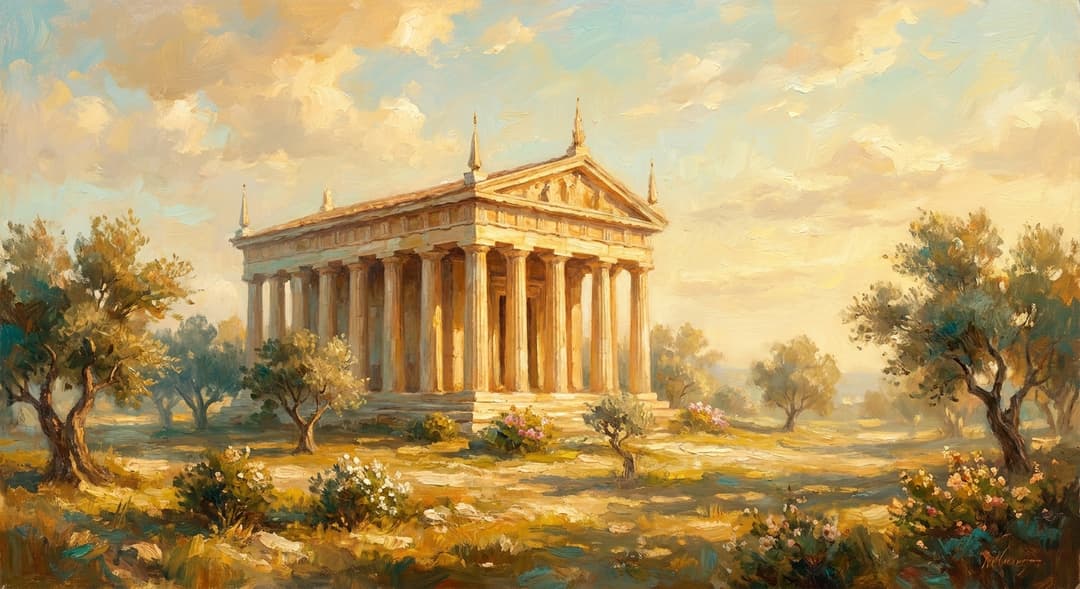
Visitor Insights
Visiting Temple of Apollo (Ardea)
Visiting the ruins of the Temple of Apollo in Ardea offers a unique glimpse into the ancient past. Located in the modern town of Ardea, which occupies the citadel of the ancient city, the site provides a tangible connection to the Roman and Rutulian civilizations. While the temple itself is ruined, the area is rich in history and provides a sense of the religious and cultural significance it once held. Reaching Ardea is best achieved with private transportation.
Highlights
- Explore the ruins of the ancient Temple of Apollo.
- Discover the historical significance of Ardea, one of the oldest towns in Western Europe.
- Enjoy the scenic views from the citadel, which was once the heart of the ancient city.
Things to Know
- The temple ruins are limited, so be prepared to use your imagination to envision the site's former glory.
- Ardea is best accessed by private transportation.
Location
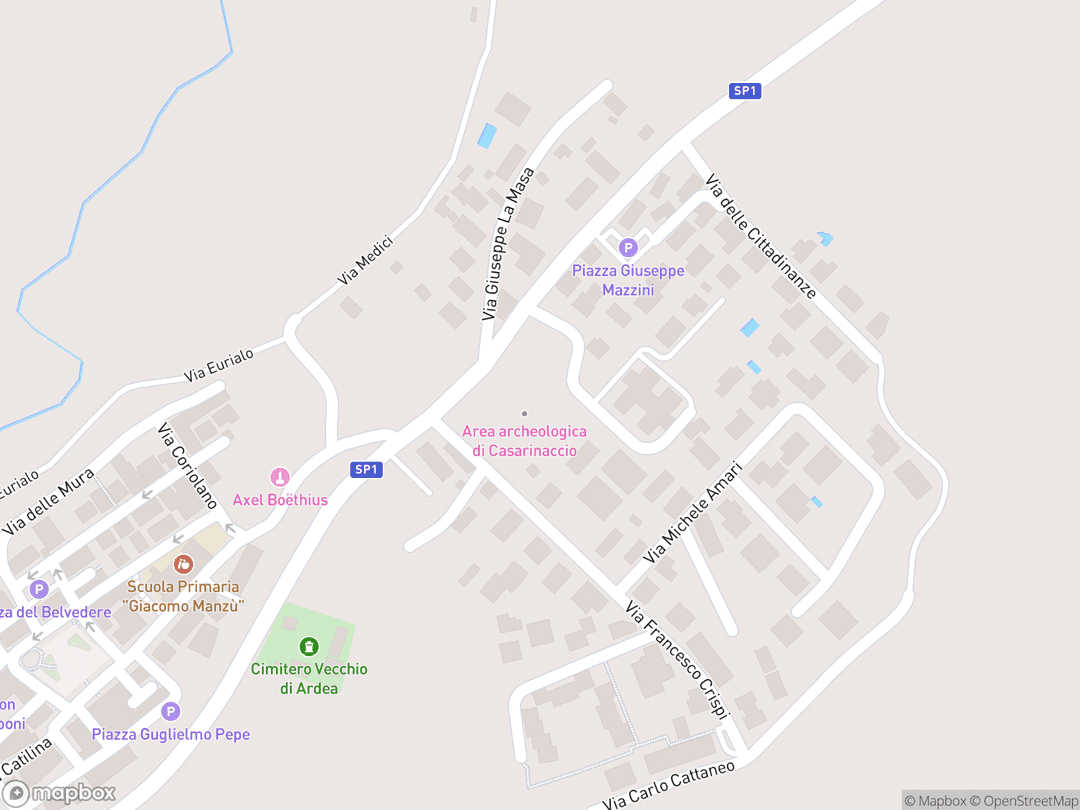
Ardea, Lazio, Italy
Hours: Open during daylight hours; check local listings for specific times.
Getting There: Ardea is located 35 kilometers (22 miles) south of Rome and is best reached by car.
Get DirectionsTips for Your Visit
Wear Comfortable Shoes
The terrain around the ruins can be uneven, so wear sturdy shoes for walking.
About
The Temple of Apollo in Ardea stands as a testament to the ancient religious practices of the Roman and Rutulian civilizations. Located in the city of Ardea, one of the oldest towns in Western Europe, the temple's ruins offer a glimpse into the past. While specific details about its construction and appearance are limited, its existence underscores the importance of Apollo in the religious life of the community.
Ardea, with its strategic location and rich history, played a significant role in the region's development. The temple would have been a central point for worship and religious ceremonies, reflecting the cultural values and beliefs of the time. The city's connections to figures like Turnus, the opponent of Aeneas in Virgil's Aeneid, add to the historical significance of the site.
Today, the remains of the Temple of Apollo serve as a reminder of Ardea's ancient past. Although the temple is ruined, the site continues to evoke a sense of history and reverence, inviting visitors to contemplate the religious practices that once took place within its walls. The temple's legacy is intertwined with the broader history of Ardea, a city that has witnessed centuries of change and transformation.
Interesting Facts
Ardea was the capital of Turnus, the opponent of Aeneas in Virgil's Aeneid.
According to legend, Ardea was founded either by a son of Odysseus and Circe, or by Danae, the mother of Perseus.
Ardea was one of the oldest cities of Latium and a place of considerable importance.
Ardea was said to have been founded by an Argive colony.
Ardea was conquered by Tarquinius Superbus.
During the Second Punic War, Ardea refused military support to Rome and was later deprived of its autonomy.
In ancient times Ardea was an important centre of the cult of Juno.
The modern village of Ardea occupies what was the citadel of the ancient town.
Ardea is located 35 kilometers (22 miles) south of the city center of Rome.
Reaching Ardea is best achieved with private transportation.
Common Questions
Where is the Temple of Apollo located?
The Temple of Apollo is located in Ardea, Lazio, Italy, approximately 35 kilometers south of Rome. The modern town of Ardea occupies the citadel of the ancient city.
What is the historical significance of Ardea?
Ardea is one of the oldest towns in Western Europe, with a rich history dating back to the 8th century BC. It played a significant role in the Latin League and was associated with figures like Turnus in Virgil's Aeneid.
What symbolic elements were associated with Apollo?
Apollo was the Greco-Roman god of music, arts, knowledge, healing, plague, prophecy, poetry, manly beauty, and archery. Symbolic elements associated with him include the lyre, bow and arrows, laurel wreath, and the sun.
What is the current status of the Temple of Apollo?
The Temple of Apollo is currently ruined. While specific architectural details are scarce, the site serves as a reminder of Ardea's ancient past and the religious practices that once took place there.
How can I get to Ardea?
Reaching Ardea is best achieved with private transportation, as it is located approximately 35 kilometers south of Rome.
Featured Stories
The Founding of Ardea and the Temple's Origins
8th Century BC
Ardea, one of the oldest towns in Western Europe, was founded in the 8th century BC. According to legend, it was established either by a son of Odysseus and Circe or by Danae, the mother of Perseus. The Temple of Apollo, likely constructed during this early period, would have served as a central place of worship for the growing community, reflecting their religious beliefs and cultural identity.
The temple's origins are intertwined with the city's development as an important Latin center. As Ardea flourished, the temple would have been expanded and adorned, becoming a symbol of the city's prosperity and devotion to Apollo. The early inhabitants of Ardea, known for their resilience and resourcefulness, would have invested significant effort in creating a sacred space that honored their gods.
The temple's location on the citadel, the highest point in Ardea, underscores its importance in the city's religious and social life. From this vantage point, the temple would have been visible to all, serving as a constant reminder of the community's connection to the divine. The founding of Ardea and the establishment of the Temple of Apollo mark a pivotal moment in the city's history, setting the stage for its future development and cultural significance.
Ardea's Resistance Against Tarquinius Superbus
509 BC
In 509 BC, Lucius Tarquinius Superbus, the king of Rome, made an unsuccessful attempt to seize Ardea. This event highlights Ardea's strategic importance and its determination to maintain its independence. The Temple of Apollo, as a symbol of the city's cultural and religious identity, would have played a role in inspiring the community's resistance.
The people of Ardea, united by their shared beliefs and values, would have turned to the temple for guidance and strength during this time of crisis. The priests and priestesses of Apollo would have offered prayers and sacrifices, seeking divine intervention to protect the city from invasion. The temple's presence would have served as a rallying point, reminding the citizens of Ardea of their shared heritage and their commitment to defending their home.
The failure of Tarquinius Superbus to conquer Ardea underscores the city's resilience and its ability to withstand external threats. The Temple of Apollo, as a symbol of the city's spiritual strength, would have emerged from this conflict even more revered and respected. The event serves as a testament to the enduring power of faith and community in the face of adversity.
Ardea During the Second Punic War
209 BC
During the Second Punic War (218-201 BC), Ardea distinguished itself by refusing to provide military support to Rome. This decision, while controversial, reflects Ardea's independent spirit and its willingness to chart its own course. The Temple of Apollo, as a symbol of the city's unique identity, would have been a silent witness to this pivotal moment in Ardea's history.
The people of Ardea, faced with the challenges of war and political turmoil, would have sought solace and guidance at the temple. The priests and priestesses of Apollo would have offered counsel and support, helping the community navigate the complexities of the conflict. The temple's presence would have served as a reminder of the importance of staying true to one's values, even in the face of external pressure.
Ardea's refusal to support Rome had significant consequences, as the city was later deprived of its autonomy. However, the event also underscores Ardea's commitment to its own principles and its willingness to stand apart from the crowd. The Temple of Apollo, as a symbol of the city's enduring spirit, would have continued to serve as a beacon of hope and resilience in the years that followed.
Timeline
Ardea is Founded
Ardea is founded, becoming one of the oldest towns in Western Europe.
MilestoneArdea Develops
Ardea develops into an important Latin city and a member of the Latin League.
MilestoneTarquinius Superbus Fails to Take Ardea
Lucius Tarquinius Superbus, the king of Rome, unsuccessfully attempts to take Ardea.
EventTreaty with Rome
Ardea signs a treaty with the Romans.
EventVolsci Lay Siege
The Volsci lay siege to Ardea.
EventPunic Wars
During the Punic Wars, Ostia (near Ardea) serves as Rome's main fleet base on the west coast of Italy.
EventArdea Refuses Military Support
Ardea is one of the few cities that refused military support to Rome during the Second Punic War and is later deprived of its autonomy.
EventArdea Declines
Ardea declines.
MilestoneRoman Civil Wars
The Roman civil wars under Marius and Sulla further hasten Ardea's decline.
EventScarcely Populated
Ardea is scarcely populated.
MilestoneArdea Begins to Grow Again
Ardea begins to grow again after being abandoned following the fall of the Western Roman Empire.
MilestonePope Gelasius II
Ardea's castle houses Pope Gelasius II.
EventColonna Family
Pope Martin V assigns Ardea to the Colonna family.
EventCesarini Family
The Colonna family sells Ardea to the Cesarini.
EventFrazione of Genzano
Ardea becomes a frazione of Genzano.
EventDraining and Flourishing
The surrounding area is drained, and Ardea begins to flourish again.
MilestoneFrazione of Pomezia
Ardea becomes a frazione of Pomezia.
EventIndependent Municipality
Ardea becomes an independent municipality.
MilestoneReligious Significance
The Temple of Apollo in Ardea held profound religious significance for the ancient Romans and Rutulians who worshipped there. Apollo, as the god of music, arts, knowledge, healing, and prophecy, was revered for his multifaceted role in human life. The temple served as a sacred space where the community could connect with the divine and seek Apollo's blessings.
The core spiritual purpose of the Temple of Apollo was to honor and offer reverence to the god, seeking his continued favor and protection. Through rituals, sacrifices, and prayers, the worshippers sought to maintain harmony with the divine and receive guidance in their daily lives. The temple was a place of both individual and communal worship, fostering a sense of unity and shared identity among the people of Ardea.
Sacred Ordinances
Sacrifices
Animal sacrifices were a common practice at the Temple of Apollo, offered to honor the god and seek his favor. The sacrifices were carefully performed according to ancient traditions, with the priests officiating the ceremonies and ensuring that the offerings were properly presented.
Prayers and Vows
Prayers and vows were offered to Apollo, seeking his guidance and assistance in various aspects of life. Worshippers would express their gratitude, ask for healing, or make promises in exchange for divine intervention. The prayers and vows were often accompanied by offerings of incense, flowers, or other symbolic gifts.
Festivals and Celebrations
Festivals and celebrations were held at the Temple of Apollo, honoring the god and marking important events in the community's life. These events included music, dance, and theatrical performances, reflecting Apollo's association with the arts. The festivals were a time of joy and communal bonding, strengthening the ties that connected the people of Ardea.
Apollo's Role in Healing and Prophecy
Apollo was revered as a god of healing, capable of curing diseases and restoring health. Worshippers would visit the temple seeking his intervention, offering prayers and sacrifices in the hope of receiving a cure. Apollo was also known for his prophetic abilities, and the temple served as a place where individuals could seek guidance about the future. The priests and priestesses of Apollo would interpret omens and deliver prophecies, providing insights into the divine will.
The Temple as a Center of Knowledge and Culture
The Temple of Apollo was not only a place of worship but also a center of knowledge and culture. It housed a library and served as a meeting place for scholars and artists. The temple played a role in preserving and transmitting ancient traditions, fostering a love of learning and creativity among the people of Ardea. The temple's association with music and the arts contributed to the city's vibrant cultural life.
Sources & Research
Every fact on Temples.org is backed by verified Sources & Research. Each piece of information is rated by source tier and confidence level.
View All Sources (7)
| Field | Source | Tier | Retrieved |
|---|---|---|---|
| About & Historical Background | topostext.org (opens in a new tab) | A | 2024-01-02 |
| About & Historical Background | Britannica (opens in a new tab) | B | 2024-01-02 |
| About & Historical Background | University of Chicago (opens in a new tab) | B | 2024-01-02 |
| About & Historical Background | Rome Art Lover (opens in a new tab) | D | 2024-01-02 |
| Symbolic Elements | Smithsonian Magazine (opens in a new tab) | B | 2024-01-02 |
| Location & Access | ilia-olympia.org (opens in a new tab) | D | 2024-01-02 |
| Interesting Facts | UNESCO (opens in a new tab) | B | 2024-01-02 |