Visitor Insights
Visiting Temple of Apollo (Syracuse)
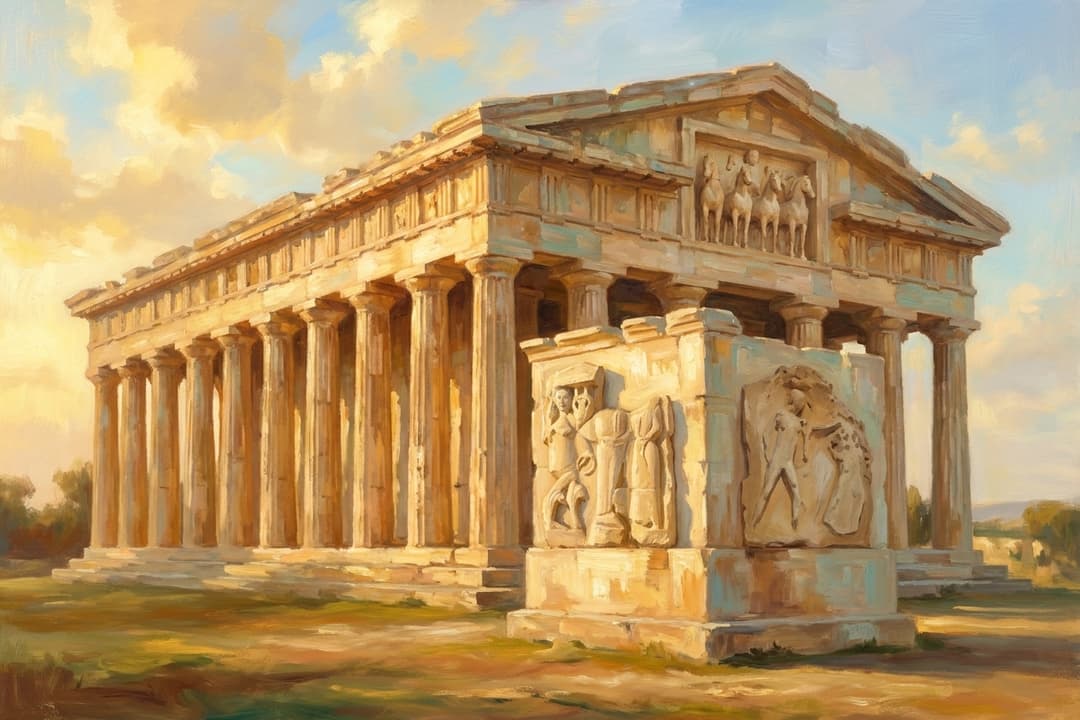
Visiting the Temple of Apollo in Syracuse offers a unique glimpse into the ancient world. The ruins are easily accessible and surrounded by the vibrant atmosphere of Ortygia, with cafes, restaurants, and shops nearby. While you can't enter the ruins, viewing them from the outside provides a tangible connection to Sicily's rich history.
Highlights
- Witness the remains of the oldest Doric temple in Sicily.
- Explore the historical island of Ortygia.
- Enjoy the lively atmosphere of Syracuse.
Things to Know
- Visits inside the ruins are not allowed.
- The site is easily accessible by foot or public transportation.
Location

Largo XXV Luglio, 96100 Siracusa, Italy
Hours: Open 24 hours for viewing from the outside.
Getting There: Located on the island of Ortygia, approximately 1.1 kilometers from the Syracuse railway station.
Get DirectionsAbout
The Temple of Apollo in Syracuse, Sicily, stands as a testament to the island's rich and layered past. Considered the oldest Doric temple in Sicily, its construction dates back to the early 6th century BC. Located on the island of Ortygia in Syracuse, the temple was a significant religious site for the ancient Greeks.
Over the centuries, the temple has undergone numerous transformations, reflecting the changing cultural and religious landscape of Sicily. During the Byzantine period, it was converted into a Christian church, and later, during the Arab period, it became a mosque. In the Norman period, it was once again transformed into a Christian basilica.
Today, the Temple of Apollo exists as ruins, with only parts of the original structure remaining. Despite its fragmented state, the temple continues to captivate visitors with its historical significance and architectural grandeur. Excavations and restoration efforts have helped to uncover and preserve the temple's remains, allowing us to glimpse into its ancient past.
Gallery
Symbolic Elements
The temple's exterior features intricate carvings, each rich with spiritual meaning:

Doric Columns
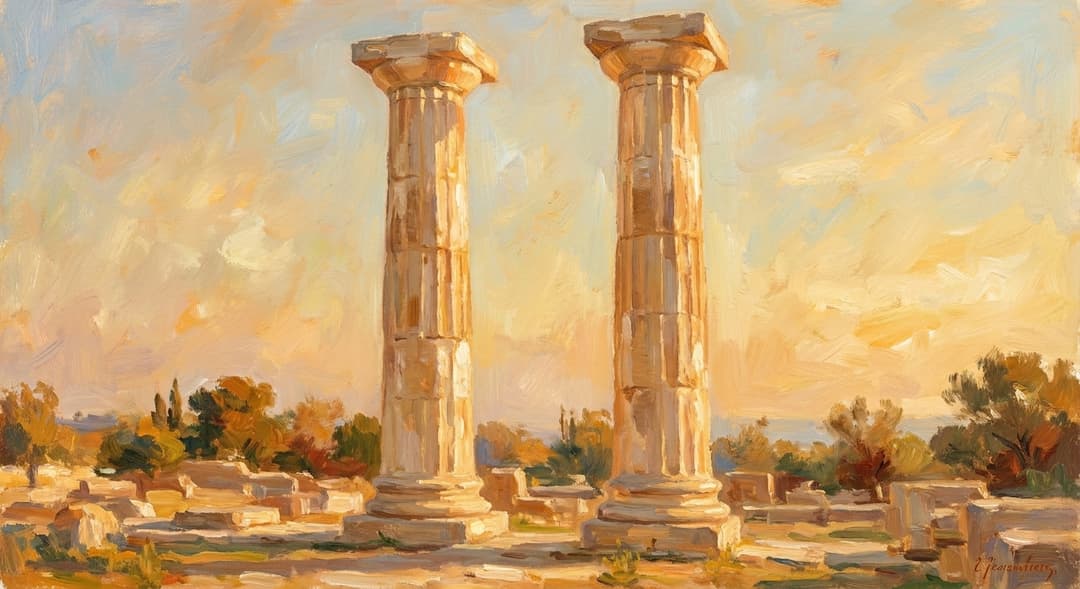
The Doric columns of the Temple of Apollo are a prime example of ancient Greek architectural style. Characterized by their simple, unadorned design, these columns represent strength, stability, and the enduring nature of classical architecture. They are a key element in understanding the temple's original grandeur.

Syracusan Limestone
The temple was constructed using local Syracusan limestone, known as "giurgiulena," which gives the structure a distinctive deep yellow hue. This material choice reflects the resourcefulness of the ancient builders and the integration of the temple with its natural surroundings. The limestone's color and texture contribute to the temple's unique aesthetic.

Eastward Orientation
The Temple of Apollo was oriented to the east, a common practice in ancient Greek temple construction. This orientation is symbolic of the rising sun and the god Apollo's association with light, knowledge, and new beginnings. The eastward alignment would have been significant in religious rituals and ceremonies.
Polychrome Terracotta
The roof of the Temple of Apollo was covered with terracotta slabs decorated with red and blue polychrome motifs. These colorful decorations added vibrancy and visual interest to the temple's exterior. Fragments of these terracotta coatings are preserved in the Paolo Orsi Regional Archaeological Museum, offering insight into the temple's original appearance.

Cellar (Naos)
The cella, or naos, was the inner chamber of the temple, housing the cult statue of Apollo. This sacred space was divided into three naves by two rows of columns, creating a structured and reverent atmosphere. The cella served as the focal point for religious worship and offerings to the deity.

Pronaos (Vestibule)
The pronaos, or vestibule, was the entrance area of the temple, providing a transitional space between the exterior and the sacred cella. This area would have been used for preparing offerings and rituals before entering the main sanctuary. The pronaos served as a threshold to the divine presence.

Adyton (Compartment)
The adyton was a compartment closed to the outside, located at the rear of the temple. This secluded space was likely used for special ceremonies or to house sacred objects. The adyton added an element of mystery and exclusivity to the temple's design.
Interesting Facts
The Temple of Apollo is considered the oldest Doric stone temple in Sicily.
It underwent several transformations, serving as a Byzantine church, an Arab mosque, and a Norman basilica before becoming a Spanish barracks.
Charles V used the temple as a quarry for building fortifications.
Excavations in the late 19th and early 20th centuries revealed the temple remains.
The temple marked the transition from wooden to stone structures in Greek temple construction.
An inscription on the eastern side of the temple identifies Kleomenes as the architect and Epikles as the builder of the columns.
The temple had 46 monolithic columns.
Fragments of polychrome terracotta coatings from the temple are preserved in the Paolo Orsi Regional Archaeological Museum.
In 1788, a traveler had to ask a private individual for access to their home to see part of the temple.
The temple's stylobate measures 55.36 x 21.47 meters.
Common Questions
What is the Temple of Apollo in Syracuse?
The Temple of Apollo in Syracuse is considered the oldest Doric temple in Sicily, dating back to the early 6th century BC. It is located on the island of Ortygia and has undergone several transformations throughout history.
What is the current status of the Temple of Apollo?
Currently, the Temple of Apollo exists as ruins, with only parts of the original structure remaining. Despite its fragmented state, the temple continues to attract visitors and serves as a reminder of Sicily's rich past.
Can visitors enter the Temple of Apollo?
No, visitors cannot enter the Temple of Apollo. The ruins can be viewed from the outside, allowing visitors to appreciate its historical and architectural significance.
How do I get to the Temple of Apollo?
The Temple of Apollo is located on the island of Ortygia in Syracuse, approximately 1.1 kilometers from the Syracuse railway station. It is easily accessible by foot or public transportation.
What is the significance of the Temple of Apollo?
The Temple of Apollo is significant as the oldest Doric temple in Sicily and for its historical transformations, serving as a Byzantine church, an Arab mosque, and a Norman basilica before becoming a Spanish barracks.
Featured Stories
The Temple's Transformation Through Time
Ancient to Modern Eras
The Temple of Apollo in Syracuse stands as a silent witness to centuries of history, its stones echoing with the rise and fall of civilizations. Originally constructed as a grand Doric temple dedicated to the Greek god Apollo, the site has undergone a series of remarkable transformations, each leaving its mark on the ancient structure.
During the Byzantine era, the temple was repurposed as a Christian church, its pagan origins giving way to a new faith. The columns and walls that once resonated with the hymns to Apollo now echoed with Christian prayers. Later, under Arab rule, the church was converted into a mosque, its sacred space reoriented towards Mecca.
In the Norman period, the building was once again transformed into a Christian basilica, reclaiming its Christian identity. The temple's journey continued into the Spanish era, when it was incorporated into a military barracks, its stones used for fortifications. Today, the Temple of Apollo stands as a testament to the enduring power of history and the resilience of ancient structures.
Excavations and Rediscovery
19th and 20th Centuries
After centuries of neglect and transformation, the Temple of Apollo began to emerge from the shadows of history in the 19th and 20th centuries. Modern archaeology played a crucial role in uncovering and restoring the temple's remains, revealing its ancient foundations and architectural grandeur.
Excavations led by pioneering archaeologists like Paolo Orsi brought to light the temple's original Doric columns, its sacred cella, and its intricate terracotta decorations. These discoveries provided valuable insights into the temple's construction, its religious significance, and its place in the ancient world.
The restoration efforts not only preserved the temple's physical remains but also helped to revive its historical memory, allowing visitors to connect with the ancient civilization that once thrived in Syracuse. The Temple of Apollo stands as a symbol of archaeological dedication and the enduring quest to understand our past.
The Temple as a Cultural Crossroads
Throughout History
The Temple of Apollo in Syracuse has served as a cultural crossroads, a place where different civilizations and religions have converged and left their imprint. From its origins as a Greek temple to its transformations into a Byzantine church, an Arab mosque, and a Norman basilica, the site has reflected the diverse cultural influences that have shaped Sicily's history.
Each transformation has added a new layer to the temple's story, creating a unique tapestry of architectural styles, religious practices, and cultural traditions. The temple's stones bear witness to the interactions between Greeks, Romans, Byzantines, Arabs, Normans, and Spaniards, each contributing to the site's rich and complex heritage.
Today, the Temple of Apollo stands as a symbol of cultural exchange and the enduring power of human creativity. Its ruins invite visitors to reflect on the interconnectedness of civilizations and the importance of preserving our shared cultural heritage.
Timeline
Construction of the Temple of Apollo
The Temple of Apollo is constructed, marking a transition from wooden to stone structures in temple building. It becomes an important religious site in Syracuse, a major Greek colony.
MilestoneTransformation into a Christian Church
During the Byzantine period, the temple is transformed into a Christian church, reflecting the changing religious landscape of Sicily.
EventConversion into a Mosque
In the Arab period, the church is converted into a mosque, further illustrating the island's diverse cultural influences.
EventConversion back into a Christian Basilica
During the Norman period, the mosque is converted back into a Christian basilica, restoring its Christian identity.
EventIncorporation into a Barracks
During Spanish rule, the temple is incorporated into a barracks, and Charles V uses it as a quarry for fortifications.
EventRestoration Efforts Begin
Modern archaeology begins to restore the temple. Houses built into the temple are torn down, and excavations, notably by Paolo Orsi, begin to unearth the temple remains.
RenovationArea Cleared for Viewing
The area around the temple is cleared to allow easier viewing of the remains. Excavations continue between 1938 and 1942, further revealing the temple's ancient foundations.
RenovationSimilar Temples
Sources & Research
Every fact on Temples.org is backed by verified Sources & Research. Each piece of information is rated by source tier and confidence level.
View All Sources (3)
| Field | Source | Tier | Retrieved |
|---|---|---|---|
| About & Historical Background | inyourpocket.com (opens in a new tab) | D | 2024-02-29 |
| About & Historical Background | expedia.com (opens in a new tab) | D | 2024-02-29 |
| Architectural Description | tititudorancea.com (opens in a new tab) | D | 2024-02-29 |