Visitor Insights
Visiting Temple of Mercury
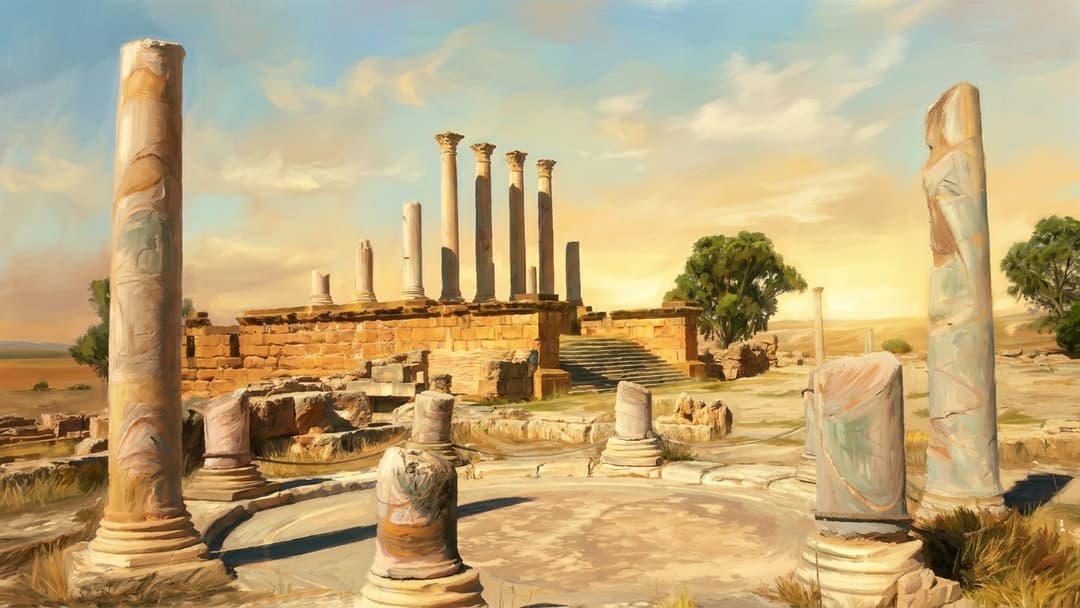
Visiting the sites of the Temple of Mercury offers a unique glimpse into ancient Roman religious practices. While the Aventine Hill temple in Rome no longer stands, its historical location provides a sense of its importance in Roman commerce. The ruins at Puy de Dôme, France, offer a more tangible experience, with remnants of the temple still visible, set against the stunning backdrop of the Auvergne region. The climb to the summit provides a physical connection to the pilgrims of the past.
Highlights
- Explore the Aventine Hill in Rome, imagining the bustling trade that once surrounded the Temple of Mercury.
- Visit the ruins of the Temple of Mercury at Puy de Dôme, the highest temple in Roman Gaul.
Things to Know
- The Aventine Hill site has no physical remains; historical context is key to understanding its significance.
- The climb to Puy de Dôme can be challenging; allow ample time and wear appropriate footwear.
Location
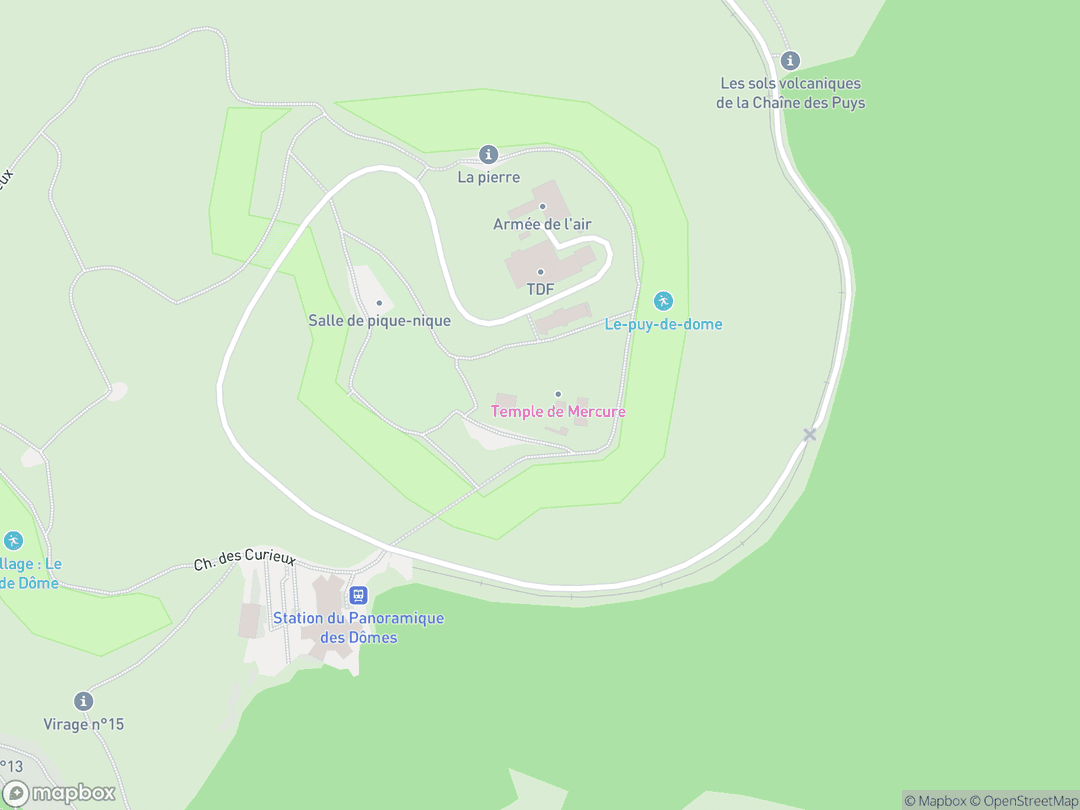
Aventine Hill, Rome, Italy
Hours: The Puy de Dôme site is accessible year-round, with varying hours depending on the season.
Getting There: Puy de Dôme is accessible by car, train, and bus. The summit can be reached by foot or by the Panoramique des Dômes train.
Get DirectionsTips for Your Visit
Plan Ahead
Research the history of both temple sites before visiting to enhance your experience.
About
Temples dedicated to Mercury, the Roman god of commerce, trade, travelers, and messages, were erected in various locations throughout the Roman world. Mercury, known as Mercurius in Latin, was often identified with the Greek god Hermes. This page examines two prominent examples: the Temple of Mercury on the Aventine Hill in Rome and the Temple of Mercury at Puy de Dôme in France.
The Temple of Mercury on the Aventine Hill, founded in 495 BC, was one of the oldest temples in Rome. It served as a central gathering place for merchants and traders, reflecting Mercury's role as a mediator between commoners and elites. Though no physical remains survive today, its historical significance is well-documented.
The Temple of Mercury at Puy de Dôme in France, built in the 2nd century CE, replaced an earlier temple from around 50 CE. It became the highest temple in Gaul and a major pilgrimage site. The ruins of this temple can still be seen today, offering a glimpse into the religious practices of Roman Gaul.
Gallery
Symbolic Elements
The temple's exterior features intricate carvings, each rich with spiritual meaning:

Caduceus
The caduceus is a wand carried by Mercury, often depicted with two snakes winding around it. It symbolizes commerce, negotiation, and reconciliation, reflecting Mercury's role as a mediator and messenger. The intertwined snakes represent balance and diplomacy.

Winged Sandals
Mercury is often depicted wearing winged sandals, known as talaria. These sandals symbolize his swiftness and ability to travel quickly between the realms of gods and mortals. They represent his role as a messenger and his connection to travel and trade.

Petasus
The petasus is a broad-brimmed hat worn by Mercury. It symbolizes his role as a traveler and protector of merchants and travelers. The hat provided shade and protection from the elements, signifying his care for those under his patronage.

Purse
Mercury is often depicted carrying a purse, which symbolizes his role as the god of commerce and wealth. The purse represents prosperity, financial success, and the benefits of trade. It signifies his connection to merchants and their economic endeavors.
Herms
Herms are pillar-like statues that possibly supported the architrave of the Temple of Mercury on the Aventine Hill. These architectural elements represent strength, stability, and the enduring nature of the temple. They symbolize the support and protection provided by Mercury.

Trachyte Stone
The Temple of Mercury at Puy de Dôme was constructed using trachyte, a volcanic rock found in the region. This material symbolizes the temple's connection to the natural landscape and the volcanic origins of the Puy de Dôme. It represents the enduring strength and resilience of the structure.

Marble Facades
The walls of the Temple of Mercury at Puy de Dôme were faced with rare types of marble. Marble symbolizes luxury, beauty, and the refined nature of Roman architecture. It represents the wealth and sophistication associated with Mercury's patronage.

Lead Roof
The roof of the Temple of Mercury at Puy de Dôme was made of lead. Lead symbolizes protection, durability, and the ability to withstand the elements. It represents the temple's resilience and its role as a sanctuary for worshipers.
Interesting Facts
The Temple of Mercury on the Aventine Hill was one of the oldest in Rome. [A]
The temple's construction occurred during a period of social unrest in Rome. [C]
The dedication date, May 15, became an annual festival for merchants. [A]
Mercury did not have his own priest. [C]
Mercury appeared on two types of coins during the Roman Republic. [C]
Mercury was the patron of circulation in general - of people, goods and messages. [A]
The Romans also used to hold the Hermaea festival in Mercury's honor. [C]
Mercury was also the patron of shepherds, cheats & thieves. [A]
The Temple of Mercury at Puy de Dôme was the largest mountain temple in Roman Gaul. [C]
The temple was built almost two centuries after the Roman conquest of Gaul. [C]
The site was uncovered in 1872 during construction of a meteorological observatory. [C]
The temple replaced an earlier, smaller temple built around 50 AD. [C]
The second temple became the highest temple in Gaul. [C]
The remains of the Temple of Mercury are difficult to interpret in the 21st century. [C]
The Arverni capital, Augustonemetum, was in plain sight of the temple. [C]
Common Questions
Who was Mercury?
Mercury, known as Mercurius in Latin, was the Roman god of commerce, trade, travelers, and messages, often identified with the Greek god Hermes. He was a significant deity in Roman religion, influencing various aspects of daily life.
Where were the Temples of Mercury located?
Prominent temples dedicated to Mercury were located on the Aventine Hill in Rome and at Puy de Dôme in France. These locations reflect Mercury's importance in both urban and rural settings within the Roman world.
When was the Temple of Mercury on the Aventine Hill founded?
The Temple of Mercury on the Aventine Hill was founded in 495 BC. It was one of the oldest temples in Rome, serving as a central gathering place for merchants and traders.
When was the Temple of Mercury at Puy de Dôme built?
The Temple of Mercury at Puy de Dôme was built in the 2nd century CE, replacing an earlier temple from around 50 CE. It became the highest temple in Gaul and a major pilgrimage site.
What is the significance of Mercury's symbols?
Mercury is frequently depicted holding the caduceus, a wand used to reconcile conflicts, and winged sandals for quickly carrying messages for the gods. He also wore a broad-brimmed hat, the Petasus, and carried a purse, a symbol of his duties as the god of commerce and profits.
Featured Stories
The Founding of the Aventine Temple
495 BC
The Temple of Mercury on the Aventine Hill was founded in 495 BC, a pivotal moment in Roman history. Following a period of social unrest known as the plebeian secession, Marcus Plaetorius, a centurion, played a crucial role in mediating peace between the patricians and plebeians. His successful efforts led to the construction of the temple as a symbol of unity and reconciliation.
The temple's location on the Aventine Hill, overlooking the Circus Maximus, was strategically chosen to emphasize Mercury's role as a mediator between the commoners and the wealthy elite. The dedication of the temple marked an early state dedication to Mercury, highlighting his importance in Roman society. The founding of the temple was not just a religious event but a significant political and social statement.
Source: grokipedia.com
The Annual Festival of Merchants
May 15
The dedication date of the Temple of Mercury, the Ides of May (May 15), became an annual festival for merchants, known as mercatores. This festival was a vibrant celebration of trade, commerce, and the vital role that merchants played in Roman society. Merchants would gather at the temple to offer prayers and sacrifices to Mercury, seeking his blessings for successful business ventures and safe travels.
The festival was a time of great festivity, with music, dancing, and feasting. It provided an opportunity for merchants to network, exchange ideas, and strengthen their bonds. The annual festival not only honored Mercury but also reinforced the importance of commerce in the Roman world, highlighting the temple's central role in economic life.
Source: study.com
The Temple at Puy de Dôme: A Pilgrimage Site
2nd Century CE
The Temple of Mercury at Puy de Dôme, built in the 2nd century CE, became a major pilgrimage site in Roman Gaul. Situated at the summit of the Puy de Dôme, the highest point in the region, the temple offered breathtaking views and a sense of spiritual elevation. Pilgrims traveled from far and wide to visit the temple, seeking Mercury's blessings and guidance.
The construction of the temple at such a prominent location was no accident. It was a deliberate effort to connect the Roman world with the natural landscape, creating a sacred space that resonated with both Roman and Gallic religious traditions. The temple served as a testament to the enduring power of faith and the importance of pilgrimage in Roman society.
Source: historyhit.com
Timeline
Temple of Mercury on the Aventine Hill founded
The temple was founded by Marcus Plaetorius following the plebeian secession.
MilestoneAnnual Festival Established
The dedication date became an annual festival for merchants (mercatores).
EventTemple Still Existed
The temple is known to have still existed during this time.
EventTemple Still Standing
The temple still stood, as noted in the Notitia Regionum Urbis Romae.
EventFirst Temple Built at Puy de Dôme
A first temple was built on the summit of Puy de Dôme.
MilestoneFirst Temple Destroyed
The 1st-century temple was destroyed, and its materials were used to build a second, larger temple.
RenovationSecond Temple Built at Puy de Dôme
The second temple was built, becoming the highest temple in Gaul.
MilestoneTemple in Use
Coins found at the site suggest the temple was in use.
EventSite Discovered at Puy de Dôme
The site was discovered during the construction of a meteorological observatory.
MilestoneFirst Excavations at Puy de Dôme
First excavations took place, led by The Academy of Sciences of Clermont-Ferrand.
RenovationSteps Taken to Protect Temple
Steps were taken to protect the temple at Puy de Dôme.
RenovationClassified as a Historic Monument
The Temple of Mercury at Puy de Dôme was classified as a historic monument.
MilestonePartial Reconstruction Project Begins
Partial reconstruction project to preserve the ruins at Puy de Dôme.
RenovationPartial Reconstruction Project Completed
Partial reconstruction project to preserve the ruins at Puy de Dôme was completed.
RenovationTemple Dedicated
The Temple of Mercury on the Aventine Hill was dedicated on the Ides of May.
Dedication