Visitor Insights
Visiting Kinkaku-ji (Golden Pavilion)
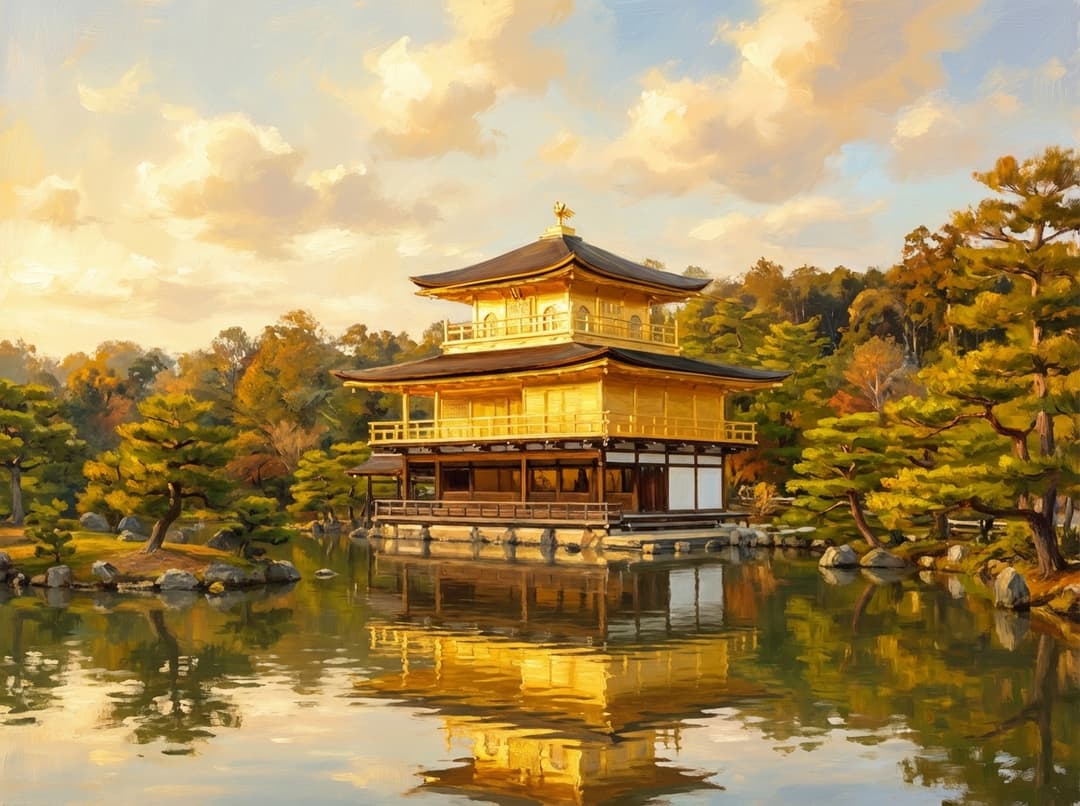
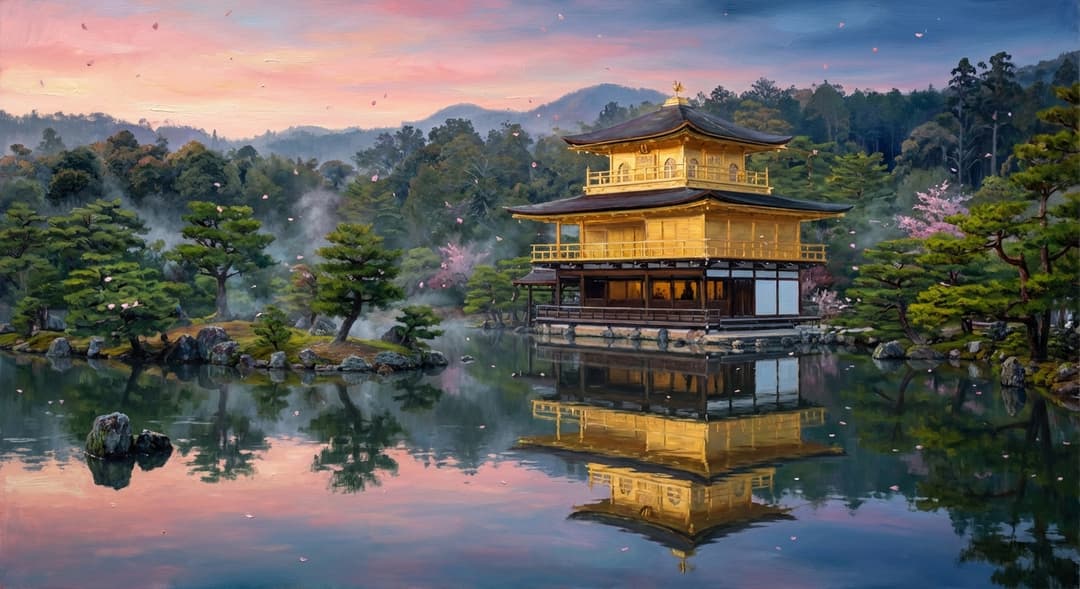
Visiting Kinkaku-ji is a serene and visually stunning experience. The golden pavilion reflects beautifully on the Mirror Pond, creating a picturesque scene. Expect crowds, especially during peak seasons, so arriving early is recommended. The atmosphere is peaceful and contemplative, inviting visitors to appreciate the beauty of the temple and its surroundings.
Highlights
- Witness the breathtaking reflection of the Golden Pavilion on the Mirror Pond.
- Explore the meticulously designed Japanese garden surrounding the temple.
- Admire the intricate architectural details and the golden phoenix on the roof.
Things to Know
- The temple can get crowded, especially during peak seasons.
- Photography is allowed, but drones are prohibited.
- There are limited seating areas, so be prepared to stand while viewing the temple.
Location
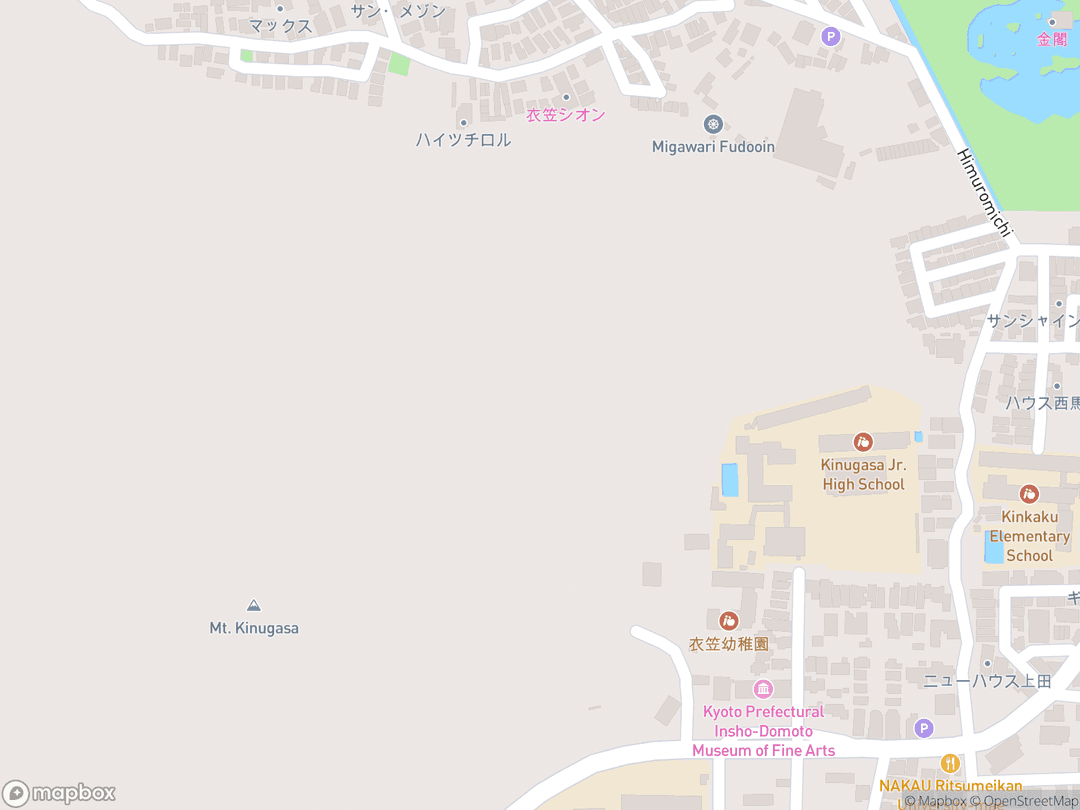
1 Kinkakujicho, Kita Ward, Kyoto, 603-8361, Japan
Hours: 9:00 am to 5:00 pm daily, year-round.
Getting There: From Kyoto Station, take Kyoto City Bus Route 205 and get off at the Kinkakuji-michi bus stop (approximately 40 minutes). Alternatively, take the Karasuma Subway Line to Kitaoji Station (15 minutes) and then a taxi or bus (numbers 204 or 205) to Kinkaku-ji.
Get DirectionsAbout
According to the World History Encyclopedia, Kinkaku-ji, also known as the Golden Pavilion, is a Zen Buddhist temple in Kyoto, Japan that was originally built in 1397 as a retirement villa for Shogun Ashikaga Yoshimitsu. Officially named Rokuon-ji, meaning "Deer Garden Temple," it is one of the most popular tourist attractions in Japan. After Yoshimitsu's death in 1408, his son converted the villa into a Zen Buddhist temple, according to his wishes.
The Golden Pavilion is a three-story structure with each floor built in a different architectural style. The top two floors of the pavilion are covered in pure gold leaf, which symbolizes purity and spiritual purification. The pavilion is set on the edge of the Kyōko-chi ("Mirror Pond"), which reflects the building and creates a stunning visual effect. The garden surrounding the pavilion is designed according to traditional Japanese landscaping principles, with islands, stones, and trees representing mythological and religious scenes.
In 1950, the Golden Pavilion was burned down by a mentally unstable monk. The current structure is a reconstruction from 1955. In 1994, Kinkaku-ji was designated a UNESCO World Heritage Site as part of the Historic Monuments of Ancient Kyoto. Today, Kinkaku-ji remains a symbol of Kyoto and Japanese culture, attracting visitors from all over the world.
Gallery
Symbolic Elements
The temple's exterior features intricate carvings, each rich with spiritual meaning:

Gold Leaf
The gold covering the upper two stories symbolizes purity, spiritual purification, and the pursuit of enlightenment in Buddhist philosophy. It also reflects sunlight, creating a sense of harmony between heaven and earth.

Phoenix
The golden phoenix on the roof symbolizes rebirth, immortality, divine favor, virtue, and harmony. It is a common motif in East Asian architecture and represents hope and renewal.

Mirror Pond (Kyōko-chi)
The pond reflects the Golden Pavilion, creating an image of fleeting beauty and embodying the Japanese aesthetic of *wabi-sabi*, appreciating impermanence and imperfection. The reflection symbolizes the transient nature of life.
First Floor (Hō-sui-in)
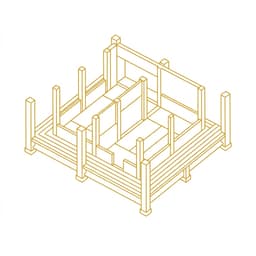
Built in the *shinden-zukuri* style, reminiscent of Heian period aristocratic palaces, it represents the world of nobles and aristocracy. The natural wood pillars and white plaster walls create a sense of simplicity and elegance.

Second Floor (Chō-on-dō)
Built in the *buke-zukuri* style, typical of samurai residences, it represents the world of warriors and samurai. The gold leaf covering the exterior symbolizes power and wealth.

Third Floor (Kukyo-cho)
Built in the style of a Chinese Zen Hall (*karayo* style), it represents the world of Zen Buddhism. The gilded interior and exterior symbolize enlightenment and spiritual awakening.

Architectural Styles
The blending of different architectural styles represents the harmony between different social classes and spiritual orders. It also reflects the syncretic nature of Japanese Buddhism, which incorporates elements from different traditions.
Garden Design
The garden surrounding the pavilion is designed according to traditional Japanese landscaping principles, with islands, stones, and trees representing mythological and religious scenes. The garden is intended to be a miniature representation of the natural world.
Interesting Facts
Kinkaku-ji's official name is Rokuon-ji, but it is more commonly known as the Golden Pavilion.
The Golden Pavilion was originally built as a retirement villa for Shogun Ashikaga Yoshimitsu.
After Yoshimitsu's death, his son converted the villa into a Zen Buddhist temple.
The Golden Pavilion is a three-story structure with each floor built in a different architectural style.
The top two floors of the pavilion are covered in pure gold leaf.
The Golden Pavilion was burned down in 1950 by a mentally unstable monk.
The current structure is a reconstruction from 1955.
Kinkaku-ji is a UNESCO World Heritage Site, designated in 1994.
The garden surrounding the pavilion is designed to resemble a miniature natural scene.
The pond in front of the Golden Pavilion is called Kyōko-chi, or "Mirror Pond," and reflects the building.
The phoenix on top of the pavilion symbolizes rebirth and immortality.
Kinkaku-ji was the inspiration for Ginkaku-ji (Silver Pavilion), built by Yoshimitsu's grandson.
The site was originally a villa belonging to the aristocrat Saionji Kintsune.
Each floor of the Kinkaku-ji is a different style.
Common Questions
What is Kinkaku-ji also known as?
Kinkaku-ji is also known as the Golden Pavilion. Its official name is Rokuon-ji, meaning "Deer Garden Temple."
When was Kinkaku-ji originally built?
Kinkaku-ji was originally built in 1397 as a retirement villa for Shogun Ashikaga Yoshimitsu.
What happened to the original Golden Pavilion?
The original Kinkaku-ji (Golden Pavilion) was burned down in 1950 by a mentally unstable monk.
When was the Golden Pavilion reconstructed?
Kinkaku-ji (the Golden Pavilion) was reconstructed in 1955.
Is Kinkaku-ji a UNESCO World Heritage Site?
Yes, Kinkaku-ji was designated a UNESCO World Heritage Site in 1994.
Related Stories
Explore the rich history, traditions, and people connected to this sacred site.
Featured Stories
The Burning of the Golden Pavilion
1950
In 1950, a mentally unstable monk named Hayashi Yoken set fire to the Golden Pavilion, an act that shocked the nation and the world. The fire destroyed the iconic structure, leaving only a charred shell in its wake. The event became a symbol of the fragility of beauty and the destructive power of the human mind.
Hayashi's motives were complex and rooted in his personal struggles and disillusionment with the world. He claimed that he was jealous of the pavilion's beauty and that he wanted to destroy it to purify himself. His act was seen as a tragic expression of his inner turmoil.
The burning of the Golden Pavilion inspired Yukio Mishima's novel "The Temple of the Golden Pavilion," which explores the themes of beauty, destruction, and the search for meaning in a chaotic world. The novel is a fictionalized account of the event and delves into the mind of the arsonist.
Source: https://www.worldhistory.org/Kinkaku-ji/
The Reconstruction of a Symbol
1955
Following the devastating fire, the Japanese government and the local community rallied together to reconstruct the Golden Pavilion. The reconstruction was a massive undertaking that required meticulous planning and craftsmanship. The goal was to recreate the pavilion as accurately as possible, using historical records and photographs.
The reconstruction project was seen as a symbol of hope and resilience in the aftermath of World War II. It represented the determination of the Japanese people to rebuild their country and preserve their cultural heritage. The reconstructed pavilion was dedicated in 1955, marking a new chapter in its history.
The reconstructed Golden Pavilion is a testament to the skill and dedication of the Japanese artisans who worked on the project. It is a faithful replica of the original structure and continues to inspire visitors from all over the world. The event is a reminder of the importance of preserving cultural heritage for future generations.
Source: https://www.japan-guide.com/e/e3908.html
Yoshimitsu's Vision
1397
Ashikaga Yoshimitsu, the shogun who commissioned the Golden Pavilion, envisioned it as a place of beauty, tranquility, and cultural exchange. He intended for it to be a retreat where he could escape the pressures of political life and immerse himself in the arts. The pavilion was designed to be a harmonious blend of different architectural styles, reflecting Yoshimitsu's cosmopolitan tastes.
Yoshimitsu used the Golden Pavilion as a center for diplomacy, entertaining important guests and fostering relationships with other countries. He was a patron of the arts and encouraged the development of new forms of cultural expression. The pavilion became a symbol of his power and influence.
Yoshimitsu's vision for the Golden Pavilion was realized during his lifetime, and it continues to inspire visitors today. The pavilion is a testament to his artistic sensibilities and his commitment to cultural exchange. It remains a symbol of Kyoto and Japanese culture.
Source: https://shokoku-ji.jp/en/kinkakuji/
Timeline
Site Origin
The site was originally a villa called Kitayama-dai, owned by the aristocrat Saionji Kintsune.
MilestoneConstruction Begins
Shogun Ashikaga Yoshimitsu purchased the site and began constructing his retirement villa, Kitayama-dono, including the Golden Pavilion.
MilestoneYoshimitsu's Residence
Yoshimitsu retired and used Kinkaku-ji as a center for arts, culture, and diplomacy, entertaining important guests.
EventConversion to Temple
Following Yoshimitsu's death, his son converted the villa into a Zen Buddhist temple, Rokuon-ji, according to Yoshimitsu's wishes.
MilestoneŌnin War
The Ōnin War destroyed most of the temple complex, but the Golden Pavilion survived.
EventPavilion Burned Down
A mentally unstable monk burned down the Golden Pavilion.
EventReconstruction
The Golden Pavilion was reconstructed.
RenovationGold Leaf Renewal
The gold leaf on the pavilion was renewed.
RenovationUNESCO World Heritage Site
Kinkaku-ji was designated a UNESCO World Heritage Site as part of the Historic Monuments of Ancient Kyoto.
MilestoneVisiting Hours
Kinkaku-ji is open to visitors every day of the year.
EventAdmission Fee
The admission fee for adults is 500 yen.
EventAccess
Take Kyoto City Bus Route 205 from Kyoto Station to Kinkaku-ji.
EventAccess
Take the Karasuma Subway Line to Kitaoji Station and then a taxi or bus to Kinkaku-ji.
EventTime Needed
It takes approximately 45 minutes to 1 hour to visit Kinkaku-ji.
EventBest Time to Visit
The best time to visit Kinkaku-ji is early morning to avoid crowds.
EventReligious Significance
Kinkaku-ji, as a Zen Buddhist temple, holds profound religious significance rooted in the principles of Zen Buddhism and the pursuit of enlightenment. The temple's architecture, symbolism, and history all contribute to its spiritual importance.
The core spiritual purpose of Kinkaku-ji is to serve as a place for contemplation, meditation, and the veneration of Buddhist relics. It embodies the Zen Buddhist ideals of simplicity, harmony, and the appreciation of impermanence.
Sacred Ordinances
Zazen (Meditation)
Zazen, or seated meditation, is a central practice in Zen Buddhism. At Kinkaku-ji, visitors can engage in quiet contemplation and meditation, connecting with the serene atmosphere and reflecting on the nature of existence.
Veneration of Relics
The third floor of the Golden Pavilion houses sacred relics of the Buddha. Veneration of these relics is a way for Buddhists to connect with the historical Buddha and to seek blessings and guidance.
The Symbolism of Gold
The gold leaf covering the upper two stories of the Golden Pavilion is not merely decorative. In Buddhist philosophy, gold symbolizes purity, spiritual purification, and the pursuit of enlightenment. It also reflects sunlight, creating a sense of harmony between heaven and earth.
The Garden as a Mandala
The garden surrounding the Golden Pavilion is designed according to traditional Japanese landscaping principles, with islands, stones, and trees representing mythological and religious scenes. The garden can be seen as a mandala, a symbolic representation of the universe that aids in meditation and spiritual practice.
Similar Temples
Sources & Research
Every fact on Temples.org is backed by verified Sources & Research. Each piece of information is rated by source tier and confidence level.
View All Sources (4)
| Field | Source | Tier | Retrieved |
|---|---|---|---|
| About & Historical Background | World History Encyclopedia (opens in a new tab) | B | 2024-01-02 |
| About & Historical Background | Britannica (opens in a new tab) | B | 2024-01-02 |
| Visitor Information | Japan-Guide.com (opens in a new tab) | A | 2024-01-02 |
| Historical Timeline | Shokoku-ji Temple (opens in a new tab) | A | 2024-01-02 |