Visitor Insights
Visiting Sensō-ji
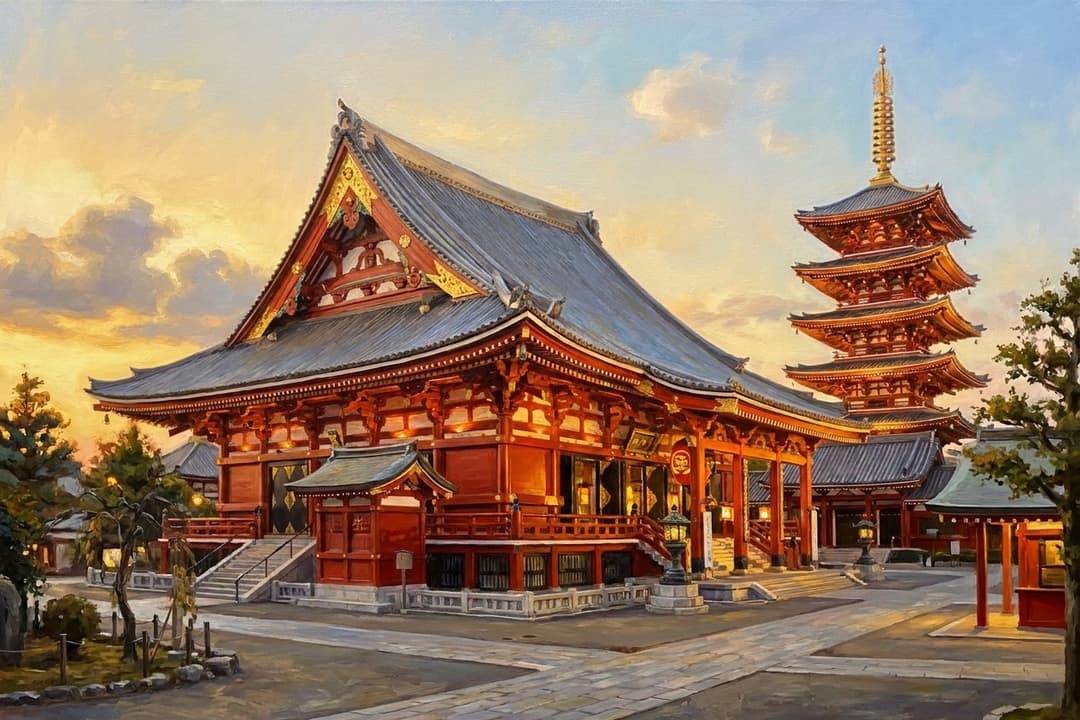
Sensō-ji is Tokyo's central place of devotion, welcoming over thirty million pilgrims and visitors every year. Visiting during morning chanting or evening illumination offers contemplation away from midday throngs.
Highlights
- Walking beneath the giant red lantern of the monumental Kaminarimon gate.
- Purifying spirit and body at the sacred bronze Jōkōro incense burner.
- Gazing up at the 53-meter Five-Story Pagoda enshrining authentic relics of the Buddha.
- Strolling the historic Nakamise-dōri pilgrim avenue dating to the 17th century.
Things to Know
- Temple prayer requires quiet reverence; bow and pray with hands clasped without clapping.
- The Main Hall doors close promptly at 5:00 PM though grounds stay open continuously.
Location
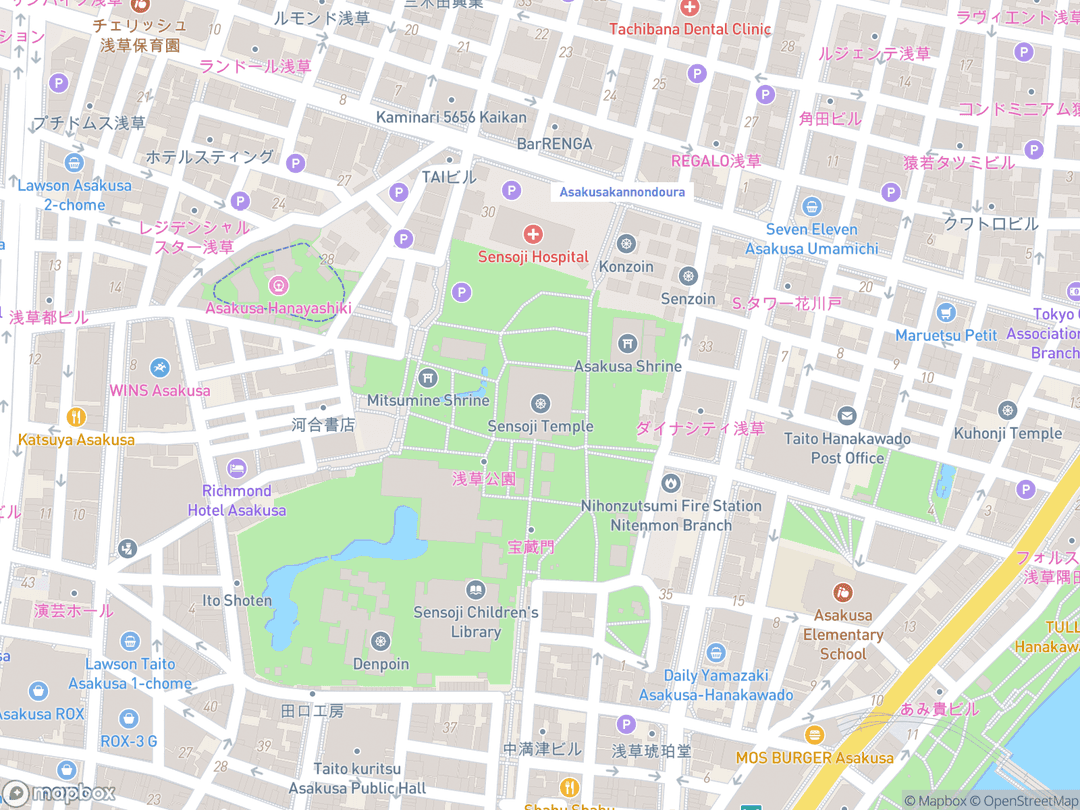
2-3-1 Asakusa, Taitō City, Tokyo 111-0032, Japan
Hours: Main Hall: 6:00 AM – 5:00 PM; Grounds: Open 24 hours daily
Getting There: Five-minute walk from Asakusa Station on the Tokyo Metro Ginza and Tobu Skytree lines.
Get DirectionsTips for Your Visit
Morning Liturgy
Arrive at 6:00 AM to hear Buddhist priests chant the morning sutras in the quiet inner sanctum.
Omikuji Fortunes
Sensō-ji preserves the traditional 30% bad fortune ratio; tie negative slips to the wire racks to disperse bad luck.
About
Rooted in the ancient Dharmic spiritual stream, Sensō-ji expresses the Mahayana ideal of liberation from cyclic existence through universal compassion. The temple was founded in 628 CE after two local fishermen discovered a golden statue of Bodhisattva Kannon in the Sumida River.
Governed for centuries under the esoteric Tendai tradition, Sensō-ji became the head of the independent Shōkannon sect in 1950. Its principal icon remains an unseen secret Buddha, anchoring veneration in spiritual truth beyond physical sight.
Sensō-ji stands as Tokyo's most ancient temple and the historic heart of Asakusa's cultural life. Reconstructed with innovative earthquake-resilient engineering after World War II, the sacred complex welcomes tens of millions of pilgrims each year.
Gallery
Symbolic Elements
The temple's exterior features intricate carvings, each rich with spiritual meaning:

Hibutsu (Secret Buddha)
A permanently concealed image representing absolute compassion unbound by worldly form or sensory attachment.

Kinryū (Golden Dragon)
Symbolizes divine celestial protection that descended upon the sacred site when the Kannon was revealed.

Fūjin and Raijin
Elemental wind and thunder deities stationed to guard the sanctuary from spiritual disharmony and natural catastrophes.
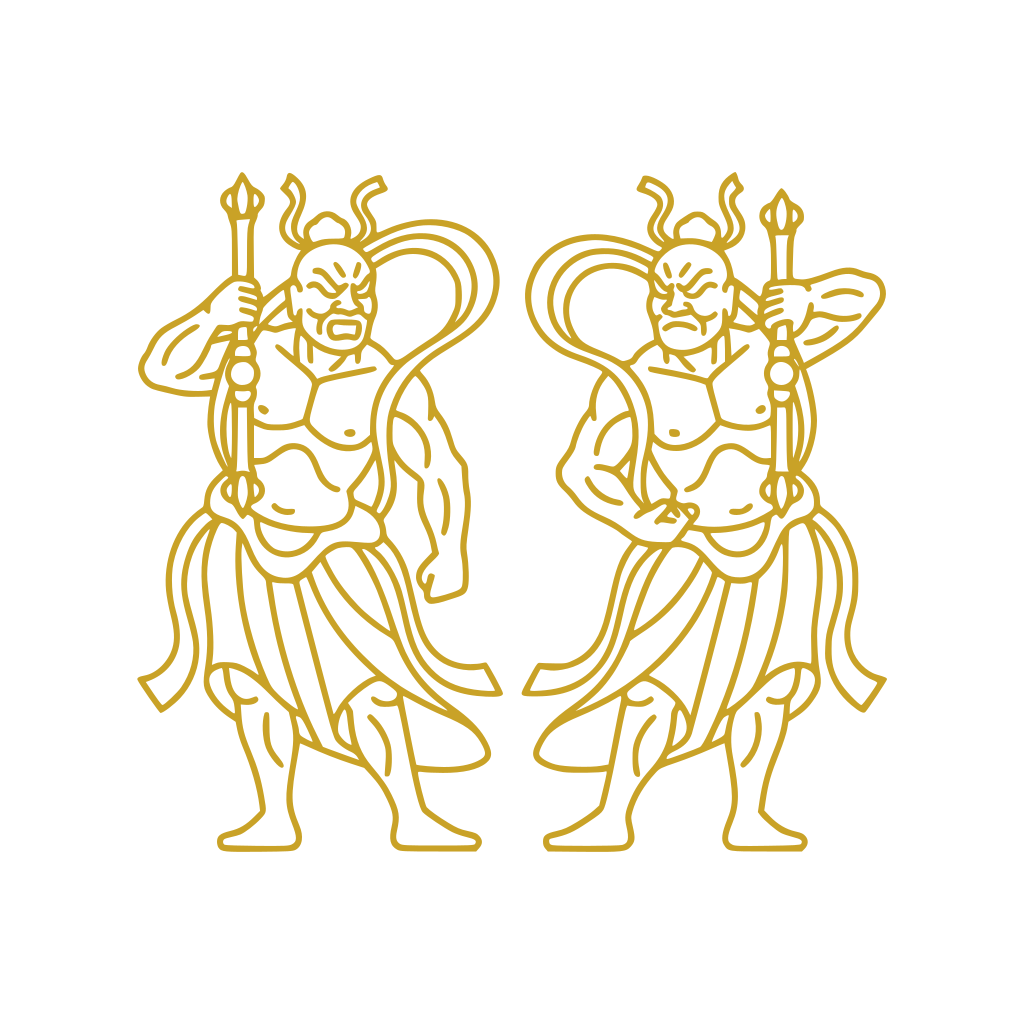
Niō Guardians
Fierce temple gate protectors sounding the cosmic syllables Ah and Um to represent universal beginning and completion.

Ōwaraji Sandals
Colossal woven rice-straw sandals demonstrating the unstoppable stride and defensive power of the sanctuary guardians.

Jōkōro Incense Censer
Purifying bronze incense burner whose aromatic clouds cleanse pilgrim minds before approaching the altar.

Five-Story Elements (Godai)
Five architectural pagoda tiers manifesting the cosmic building blocks of earth, water, fire, wind, and empty space.
Interesting Facts
Sensō-ji draws over thirty million visitors annually, making it one of the most frequented sacred sites on Earth (Tier A).
The primary golden image of Kannon has remained sealed in a locked reliquary unseen by human eyes for over 1,380 years (Tier A).
The Main Hall roof features press-formed titanium alloy tiles that lowered the building's top-heavy weight by 750 tons (Tier B).
Panasonic founder Kōnosuke Matsushita personally funded the reconstruction of Kaminarimon after being healed of severe arthritis (Tier B).
A fierce dragon carving is hidden beneath the giant red Kaminarimon paper lantern, visible only by looking straight up (Tier C).
The two giant straw sandals on Hōzōmon weigh 500 kilograms each and are woven anew every ten years by Yamagata villagers (Tier A).
Sensō-ji strictly adheres to an ancient divination formula where exactly 30 percent of omikuji slips predict bad fortune (Tier B).
Authentic historical bone relics of Śākyamuni Buddha gifted by the sangha of Sri Lanka rest atop the five-story pagoda (Tier A).
Common Questions
Can visitors see the famous golden Kannon statue?
No, the image has been perpetually sealed as a sacred secret Buddha since 645 CE.
Why do visitors pull smoke from the incense burner over themselves?
The sacred incense smoke purifies spiritual impurities and imparts healing and clarity to body and mind.
How does worship etiquette at Sensō-ji differ from a Shinto shrine?
Worshipers at this Buddhist temple do not clap, offering instead silent prayers with palms joined.
What is enshrined inside the Five-Story Pagoda?
The topmost tier enshrines historical relics of Gautama Buddha presented to Japan by Sri Lanka.
What should you do if you draw a bad fortune slip?
Tie the slip to the metal racks so the compassionate Kannon can dispel your misfortune.
Featured Stories
The Miracle of the Sumida River
March 18, 628
At dawn on March 18, 628, brothers Hinokuma no Hamanari and Takenari hauled their fishing nets from the Sumida River to find a small golden figure entwined in the cords. Village elder Haji no Nakatomo recognized it as Bodhisattva Kannon, converted his home into a temple, and consecrated his life to teaching the dharma. Their humble discovery catalyzed fourteen centuries of faith that shaped the spirit of Tokyo.
Source: Kinryū-zan Sensō-ji Sanctuary Temple Chronicle
The Sealed Vow of Shōkai
645
When the wandering monk Shōkai arrived in the Musashino estuary in 645, he erected the first formal temple sanctuary to enshrine the golden Bodhisattva. After a divine dream revealed that human eyes must not gaze upon the sacred image, Shōkai locked the statue within a gilded chest forever. That decree established the tradition of the secret Buddha, cultivating a devotion rooted in invisible grace.
Source: Sensō-ji Historical Records
Gratitude of an Industrialist
May 3, 1960
After nearly a century in ruins following an 1865 fire, the Kaminarimon gate was rebuilt through an unexpected modern vow. Kōnosuke Matsushita, founder of Panasonic, prayed at Sensō-ji for relief from debilitating illness and found his health miraculously restored. In gratitude, Matsushita financed the entire reconstruction of the gate and its towering red lantern, forging a link between ancient piety and postwar recovery.
Source: Panasonic Corporate History Archives
Timeline
Miraculous Image Retrieval
Fishermen brothers discover a golden Kannon icon in the Sumida River, initiating sacred devotion.
EventSanctuary Founded and Icon Sealed
The monk Shōkai consecrates the first temple hall and forever seals the Kannon as a secret Buddha.
MilestoneTendai Affiliation
Abbot Ennin visits the temple and incorporates it into the esoteric Tendai Buddhist lineage.
EventMonumental Gate Erection
Military commander Taira no Kinmasa finances the earliest pagodas and temple gates in gratitude for answered prayers.
MilestoneTokugawa Shogunate Patronage
Tokugawa Ieyasu designates Sensō-ji an official prayer temple for the Tokugawa shogunate.
EventEdo Period Hondō Dedication
Shogun Tokugawa Iemitsu completes a magnificent wooden Main Hall that stood for nearly three centuries.
DedicationNakamise-dōri Establishment
The shogunate grants local neighbors permission to open permanent shops along the temple approach.
MilestoneSeparation of Shinto and Buddhism
Meiji decrees administratively separate neighboring Asakusa Shrine from the temple compound.
EventTokyo Air Raid Destruction
All major historic timber structures are incinerated during bombing raids, though the sealed relic survives intact.
EventIndependent Shōkannon Sect
Sensō-ji establishes itself as the sovereign head temple of the newly formed Shōkannon Buddhist sect.
MilestoneMain Hall Reconstructed
A monumental steel-reinforced concrete Main Hall designed by Dr. Minoru Ōoka is officially dedicated.
DedicationKaminarimon Restored
Panasonic founder Kōnosuke Matsushita funds the rebuild of the Thunder Gate ninety-five years after its fire.
RenovationFive-Story Pagoda Completed
The pagoda is rebuilt in concrete, enshrining sacred relics of Śākyamuni Buddha gifted by Sri Lanka.
DedicationTitanium Roof Seismic Overhaul
Technicians replace heavy ceramic roof tiles with aerospace-grade titanium tiles, reducing weight by 80 percent.
RenovationHistory by Decade
620s–640s — Miraculous Origin and Concealment
True compassion requires no visible likeness, for the merciful vow of Kannon permeates every direction.
Following the 628 discovery of the Kannon statue in the Sumida River, the first local hall was established. In 645, the Buddhist master Shōkai permanently sealed the relic to preserve its sacred purity.
850s–940s — Tendai Monastic Expansion
Abbot Ennin integrated the sanctuary into the Tendai esoteric order during the 9th century. In 942, military commander Taira no Kinmasa erected the first monumental gates and five-story pagoda.
1590s–1640s — Tokugawa Imperial Protection
May this sacred temple protect the realm and extend divine blessings to all citizens of Edo.
Tokugawa Ieyasu chose Sensō-ji as a premier prayer temple for his shogunate in 1590. Shogun Iemitsu rebuilt the majestic timber Main Hall in 1649 after catastrophic urban blazes.
1680s–1870s — Shitamachi Culture and Modern Reform
The creation of Nakamise-dōri in 1685 turned the temple approach into a thriving urban promenade. During the 1868 Meiji Restoration, adjacent Asakusa Shrine was split from the temple by state decree.
1940s–1950s — Wartime Ashes to Concrete Rebirth
Though timber yields to flame, the enduring vow of Kannon rises unbreakable from the ashes.
The Great Tokyo Air Raid of March 10, 1945, burned the Main Hall and pagoda to ashes, though the underground vault safeguarded the icon. In 1958, a fireproof concrete hall was triumphantly dedicated.
1960s–2010s — High-Tech Preservation and Global Pilgrimage
Kaminarimon was restored in 1960, followed by the Five-Story Pagoda in 1973. A major 2010 engineering overhaul retrofitted the roof with lightweight titanium tiles for earthquake safety.
Architecture & Facilities
Sensō-ji represents the Edo-period monumental Buddhist hall style (Edo-chō Wayō), combining colossal hip-and-gable roof profiles with soaring bracket complexes and expansive worship halls. Rebuilt under architect Dr. Minoru Ōoka following wartime destruction, the complex pioneers seismic steel-framed reinforced concrete construction while meticulously maintaining sacred classical proportions.
Building Materials
Superstructure
Cast steel-framed reinforced concrete engineered to withstand major earthquakes and prevent structural combustion.
Roof Tiles
Press-formed titanium alloy tiles developed by Nippon Steel that emulate traditional Japanese ceramic profiles.
Joinery and Altars
Fine Japanese cypress and red cedar crafted with traditional joinery inside the sacred inner sanctum.
Exterior Pigments
High-grade vermilion lacquer coatings accented with lustrous pure gold leaf detailing and cast bronze ornaments.
Interior Features
Gejin (Outer Hall)
Polished timber-floored assembly area accommodating hundreds of daily pilgrims under grand ceiling dragon murals.
Naijin (Inner Sanctum)
Elevated sacred sanctuary reserved for officiating priests containing esoteric ritual implements and golden offering altars.
Gokūden (Palace Shrine)
Gilded miniature palace resting at the sanctuary core containing the perpetually sealed golden Kannon image.
Hōzō Repository
Secure climate-controlled upper gateway chamber preserving medieval scriptural treasures and the 14th-century Buddhist canon.
Temple Grounds
Spanning expansive stone-paved plazas, the grounds feature shaded garden courtyards, stone bridge crossings, and the historic Nakamise-dōri pilgrim promenade.
Additional Facilities
Comprehensive pilgrim infrastructure including an authentic tea pavilion, omikuji distribution counters, and visitor reception halls.
Religious Significance
As an integral jewel of the Dharmic heritage, Sensō-ji teaches liberation from suffering through the limitless compassion of Bodhisattva Kannon.
To provide an open refuge where all beings receive spiritual solace, moral purification, and karmic merit regardless of social rank.
Sacred Ordinances
Incense Purification
Bathing in sanctified censer smoke to cleanse spiritual defilements and prepare the heart for prayer.
Gasshō Devotion
Uniting both palms at chest level to honor the enlightened nature dwelling within oneself and all life.
Sutra Chanting
Priestly recitations of the Lotus Sutra to transmit spiritual merit across the three realms of existence.
Omikuji Divination
Drawing sacred fortune sticks to discern karmic trends and cultivate mindful wisdom for everyday conduct.
The Mystery of the Hibutsu
Sensō-ji's core icon is forever concealed, illustrating that ultimate reality is unconditioned by physical forms. Devotion focuses on the unseen, ever-present spiritual field of Kannon's compassion.
Shinbutsu Syncretism
For over a millennium, Sensō-ji developed in harmony with neighboring Asakusa Shrine, celebrating how Buddhist transcendence weaves naturally into indigenous kami reverence.
Sources & Research
Every fact on Temples.org is backed by verified Sources & Research. Each piece of information is rated by source tier and confidence level.
View All Sources (8)
| Field | Source | Tier | Retrieved |
|---|---|---|---|
| About & Historical Background | Kinryū-zan Sensō-ji Official Sanctuary (opens in a new tab) | A | 2026-03-31 |
| Architecture & Structural Engineering | Shimizu Corporation Heritage Archives (opens in a new tab) | B | 2026-03-31 |
| Titanium Roofing Technology | Nippon Steel Corporation (opens in a new tab) | B | 2026-03-31 |
| Cultural Property Designations | Taitō City Cultural Affairs Bureau (opens in a new tab) | A | 2026-03-31 |
| Postwar Reconstruction & Ōoka Architecture | Ōoka Architectural Design Institute (opens in a new tab) | B | 2026-03-31 |
| National Tourism Registry | Japan National Tourism Organization (opens in a new tab) | A | 2026-03-31 |
| Kaminarimon Benefaction & History | Panasonic Holdings Corporation (opens in a new tab) | B | 2026-03-31 |
| Tokyo Metropolitan Heritage Record | Japan Cultural Heritage Infrastructure Institute (opens in a new tab) | A | 2026-03-31 |