Visitor Insights
Visiting San Luis Potosí Mexico Temple
The temple grounds are open to the general public, providing a quiet spiritual oasis directly adjacent to Parque Morales. Visitors of all faiths are welcome to explore the exterior pathways, gardens, and architecture, while interior access is reserved for faithful church members.
Highlights
- Stroll through manicured gardens featuring native Mexican flowering shrubs and mature shade trees.
- Admire exterior art-glass motifs inspired by the native Mexican chocolate cosmos flower.
- Experience the dramatic facade illumination during quiet evening hours against the mountain skyline.
Things to Know
- Interior admittance requires a valid temple recommend issued by ecclesiastical leaders.
- The temple and grounds are closed on Sundays and Mondays for weekly maintenance.
- Modest attire is appreciated when touring the landscaped exterior grounds.
Location
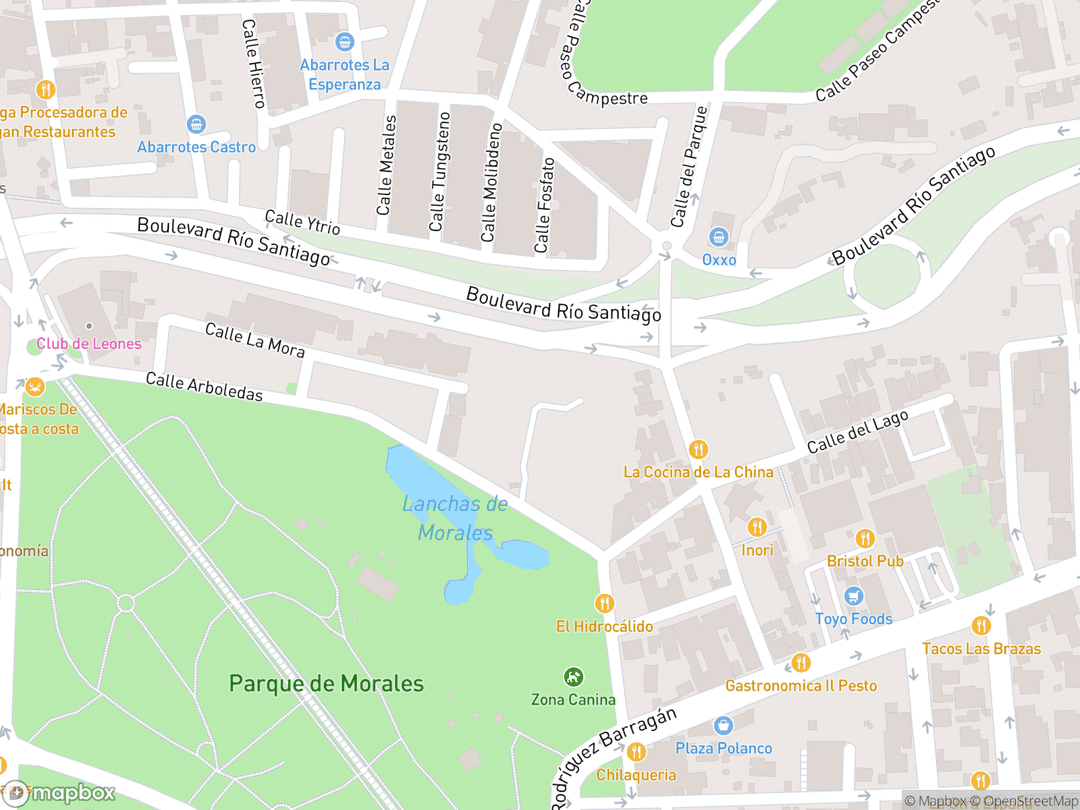
Arboleda 100, Fraccionamiento del Parque, El Parque, 78260 San Luis Potosí, San Luis Potosí, Mexico
Hours: Tuesday through Saturday by scheduled appointment; grounds open daily during daylight hours.
Getting There: Located in Fraccionamiento del Parque near Avenida Venustiano Carranza, 11 miles southwest of San Luis Potosí International Airport.
Get DirectionsTips for Your Visit
Golden Hour Photography
Late afternoon light accentuates the warm quarry-stone texture of the exterior panels.
Transit Access
City buses stop near Parque Morales along Avenida Carranza within a short walk to the gates.
Distribution Center
An on-site retail distribution center offers temple clothing, scriptures, and sacred literature.
About
The San Luis Potosí Mexico Temple stands as the 228th operating temple of The Church of Jesus Christ of Latter-day Saints and the 15th dedicated in Mexico. Located in the capital of the state of San Luis Potosí, this sacred edifice serves thousands of Latter-day Saints across the central Mexican plateau.
Drawing upon ancient Abrahamic sanctuary traditions, the temple functions as a consecrated space dedicated to transcendent Christian ordinances. It represents a milestone for local members who previously undertook long journeys to Mexico City to participate in sacred temple rites.
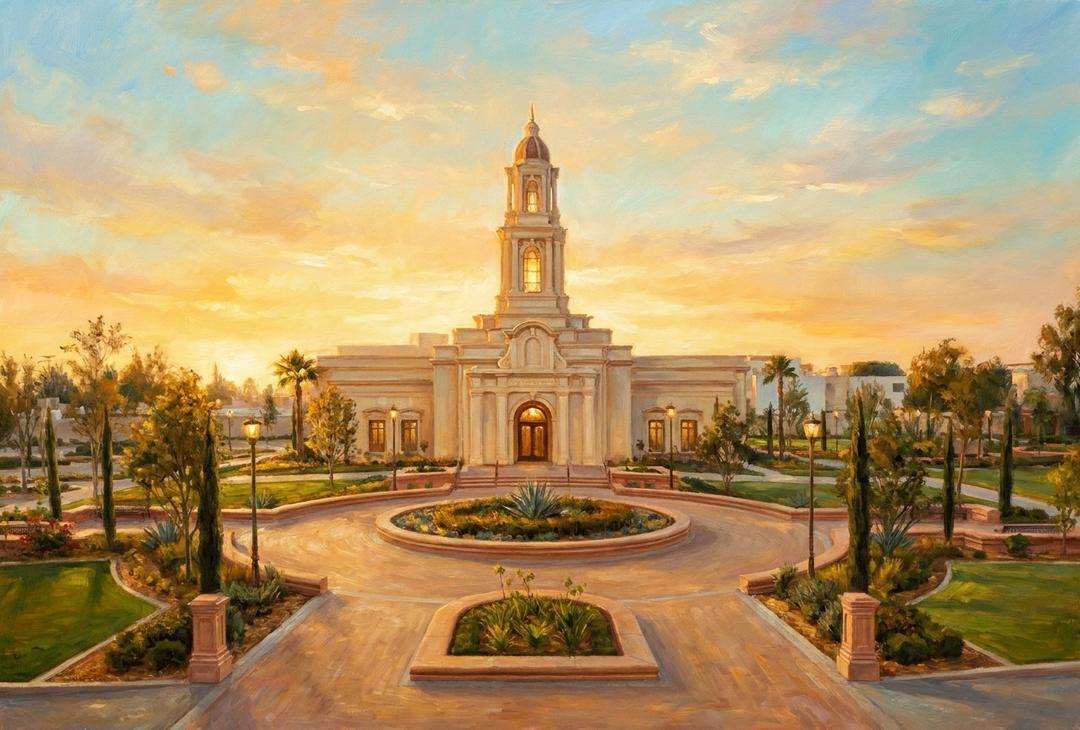
Conceived with classical symmetry and regional architectural sensibilities, the single-story building features an attached tiered spire that commands the surrounding urban district. The grounds provide a serene haven of green spaces, native flora, and contemplative walkways right next to Parque Juan H. Sánchez.
Gallery
Symbolic Elements
The temple's exterior features intricate carvings, each rich with spiritual meaning:

Chocolate Cosmos Art Glass
Stylized eight-petaled native flowers in leaded art glass honor God's local creation.

Twelve Sculpted Oxen
Cast oxen supporting the baptismal font represent the twelve tribes of Israel spreading outward.

Infinite Sealing Mirrors
Facing gilded mirrors create endless optical reflections portraying eternal family continuity.

Ascending Light Progression
A gradated color palette transitions from earthly hues to pure whites, symbolizing divine ascent.

Tiered Central Spire
The ascending central tower visually directs the observer's mind upward toward heavenly contemplation.

Cantera-Inspired Facade
Light cream architectural panels reflect the enduring stone craftsmanship of colonial Mexican architecture.

Holiness to the Lord Inscription
Gilded lettering over the entrance consecrates the edifice as a sanctuary apart from the world.
Interesting Facts
It is the first Latter-day Saint temple constructed in the historic Mexican state of San Luis Potosí. (Tier A)
Elder Dale G. Renlund dedicated this temple on the exact same day Elder Patrick Kearon dedicated the Wichita Kansas Temple. (Tier A)
Mexico is home to the largest membership of Latter-day Saints outside the United States, with this temple marking its 15th dedicated house of the Lord. (Tier A)
The art-glass windows feature the delicate chocolate cosmos flower (*Cosmos atrosanguineus*), a blossom native to the Mexican highlands. (Tier A)
Over 16,300 people of various faiths attended the 16-day public open house in autumn 2026. (Tier A)
Standing at 6,169 feet above sea level, it ranks among the highest elevation temples in North America. (Tier B)
The temple property sits directly across from Parque Morales, an iconic municipal green space in San Luis Potosí. (Tier A)
Its construction was completed in approximately 31 months through efficient modular engineering methods. (Tier C)
Common Questions
Can visitors enter the San Luis Potosí Mexico Temple?
The surrounding gardens are open to everyone, but interior entry is reserved for Church members holding a temple recommend.
Why do Latter-day Saints build temples separate from meetinghouses?
Meetinghouses are used for regular Sunday worship open to all, while temples are sacred spaces for eternal sacraments.
What botanical motif is highlighted in the architecture?
The art-glass windows feature the chocolate cosmos flower, an endemic Mexican blossom celebrating local creation.
Who dedicated the temple?
Elder Dale G. Renlund of the Quorum of the Twelve Apostles dedicated the temple on November 1, 2026.
Featured Stories
From Overland Pilgrimages to a Local Sanctuary
1983
For more than four decades, faithful Latter-day Saints in San Luis Potosí traveled five hours overland to the Mexico City Mexico Temple. Families saved for months to rent communal buses across the central plateau. The dedication of this temple in their home city fulfilled generations of prayers and sacrifices.
Source: Church News Archives
A Groundbreaking Blessed by Scripture
March 9, 2024
Elder Sean Douglas presided at the groundbreaking ceremony under warm Mexican skies. Quoting the Book of Mormon passage that 'God is mindful of every people,' he petitioned for a spirit of peace on all construction personnel. The event marked a turning point in the spiritual visibility of the Church in central Mexico.
Source: The Church of Jesus Christ of Latter-day Saints
Living Water in a City of Silver
November 1, 2026
During the dedicatory address, Elder Dale G. Renlund reflected on the region's four centuries of silver-mining heritage and natural springs. He contrasted the world's search for silver with the enduring 'living water' found through Jesus Christ. The dedication underscored that eternal treasures exceed all earthly wealth.
Source: Church News Dedication Report
Timeline
Temple Announcement
President Russell M. Nelson announces the temple during the 192nd Annual General Conference.
MilestoneSite Location Selected
The Church confirms the 3.87-acre parcel on Arboleda in Fraccionamiento del Parque.
MilestoneExterior Rendering Released
The official architectural rendering showing the neoclassical facade is revealed to the public.
MilestoneGroundbreaking Ceremony
Elder Sean Douglas presides at the ceremonial site dedication and ground turning.
component.timeline.groundbreakingExterior Illumination Test
Crews activate nighttime facade lighting for the first time across the completed envelope.
EventMedia Preview
Journalists and community leaders tour the completed interior facilities.
EventPublic Open House Begins
The temple opens its doors to the general community for a multi-week public preview.
EventPublic Open House Concludes
Over 16,000 visitors tour the sacred rooms before the building is consecrated.
EventSolemn Dedication
Elder Dale G. Renlund dedicates the temple as the 228th operating house of the Lord.
DedicationHistory by Decade
1870s–1950s — Early Seeds on the Altiplano
Early missionary envoys introduced the restored gospel across central Mexico in the late nineteenth century. Small congregations formed in private homes and leased halls throughout San Luis Potosí. These early believers built spiritual roots that anchored future generations.
1960s–1980s — Maturation and Distant Temple Worship
Wards and stakes matured across the Bajío basin as membership grew steadily through the late twentieth century. In 1983, the dedication of the Mexico City Mexico Temple provided a sacred destination, though it required extensive travel. Local members sustained their devotion through regular temple caravans.
2020s — Realization and Sacred Consecration
God is mindful of every people, in whatsoever land they may be in.
President Russell M. Nelson announced the San Luis Potosí Mexico Temple in April 2022 to the joy of regional members. Ground was broken in early 2024, followed by swift construction using advanced modular techniques. Elder Dale G. Renlund formally dedicated the finished house of the Lord on November 1, 2026.
Architecture & Facilities
The San Luis Potosí Mexico Temple exemplifies contemporary Latter-day Saint sacred architecture, blending clean neoclassical forms with Spanish-colonial Mexican proportions. Its single-story massing, prominent cornices, and soaring central tower harmonize with the historic architectural legacy of the central Mexican Altiplano.
Building Materials
Exterior Panels
Precast architectural concrete panels feature an off-white textured finish evoking regional Mexican cantera stone.
Art Glass Windows
Leaded insulating glass units incorporate stylized depictions of the endemic Mexican chocolate cosmos flower.
Flooring
Polished natural marble tiles adorn entry foyers alongside hand-tufted wool carpets in interior spaces.
Wood Millwork
Custom decorative hardwood baseboards, door trims, and moldings enhance the quiet reverence of interior rooms.
Interior Features
Instruction Room
Quiet theater-style seating and soft cove lighting provide an atmosphere focused on sacred spiritual instruction.
Celestial Room
High ceilings, crystal lighting, and pale cream carpeting symbolize the peace of the heavenly presence of God.
Sealing Room
Parallel mirrors and an upholstered marriage altar emphasize the eternal nature of marital and family bonds.
Baptistery
A bronze-finished baptismal font rests on the backs of twelve oxen representing the twelve tribes of Israel.
Temple Grounds
The 3.87-acre grounds feature accessible paved promenades, garden benches, and drought-tolerant native plantings complementing nearby Parque Morales.
Additional Facilities
An on-site distribution center provides scriptures and religious items, alongside secure fenced surface parking.
Religious Significance
As part of the wider Christian tradition, Latter-day Saints consider the temple to be a physical sanctuary where humanity approaches God. Temples reflect the biblical pattern of the ancient Tabernacle of Moses and the Temple of Solomon.
The temple exists to administer holy sacraments, facilitate covenants with Jesus Christ, and unite families eternally across generations.
Sacred Ordinances
Baptisms for the Dead
Vicarious water baptisms performed by the living on behalf of deceased ancestors, ensuring universal access to Christ's grace.
Endowment
A sacred instructional ordinance imparting divine knowledge, moral covenants, and promises of eternal progression.
Eternal Sealing
Sacred rites that bind husbands, wives, and children together for eternity under priesthood authority.
The House of the Lord
Temples are designated as sacred dwellings set apart from worldly commerce and distraction. Every detail of the design is intended to turn thoughts toward the Savior Jesus Christ.
Vicarious Work for Ancestors
Reflecting the biblical principle described by Paul in First Corinthians, members perform proxy ordinances for family forebears, connecting generations in an unbroken chain of love.
Sources & Research
Every fact on Temples.org is backed by verified Sources & Research. Each piece of information is rated by source tier and confidence level.
View All Sources (5)
| Field | Source | Tier | Retrieved |
|---|---|---|---|
| Official Temple Details & Status | The Church of Jesus Christ of Latter-day Saints (opens in a new tab) | A | 2026-02-14 |
| Groundbreaking & Site Announcements | The Church of Jesus Christ of Latter-day Saints (opens in a new tab) | A | 2026-02-14 |
| Temple Dedication Coverage | Church News (opens in a new tab) | B | 2026-02-14 |
| Construction Milestones & Open House | ChurchofJesusChristTemples.org (opens in a new tab) | C | 2026-02-14 |
| Regional Open House Participation | LDS Daily (opens in a new tab) | B | 2026-02-14 |