
Visitor Insights
Visiting Ulaanbaatar Mongolia Temple
Visiting the future site of the Ulaanbaatar Mongolia Temple offers a unique opportunity to witness the growth of a vibrant, modern religious community against a backdrop of ancient natural beauty. Located along Naadamchid Road in the Khan Uul District, the site is characterized by a peaceful, reverent atmosphere that contrasts with the bustling energy of the capital city. Visitors can look forward to stunning views of the sacred Bogd Khan Uul mountain, which provides a majestic, spiritual setting for the temple campus. While the temple itself is currently closed to the public during its planning and construction phases, the expansive 11-acre grounds are designed to eventually welcome all who seek a quiet space for reflection and contemplation.
Highlights
- Breathtaking panoramic views of the sacred Bogd Khan Uul mountain range.
- An expansive 11-acre campus featuring beautifully landscaped gardens with native, cold-hardy flora.
- A comprehensive, self-sustaining site layout including a patron housing facility and a modern meetinghouse.
- Close proximity to the Buyant-Ukhaa International Airport, making it highly accessible for travelers.
Things to Know
- The temple is currently in the planning and approval phase and is not yet open for interior tours.
- Ulaanbaatar is the coldest capital city in the world; winter visits require extreme cold-weather gear.
- A public open house will be held prior to dedication, allowing visitors of all faiths to tour the interior.
- Post-dedication, the temple interior is reserved for members of the Church holding a current temple recommend, but the grounds and chapel remain open to all.
Location
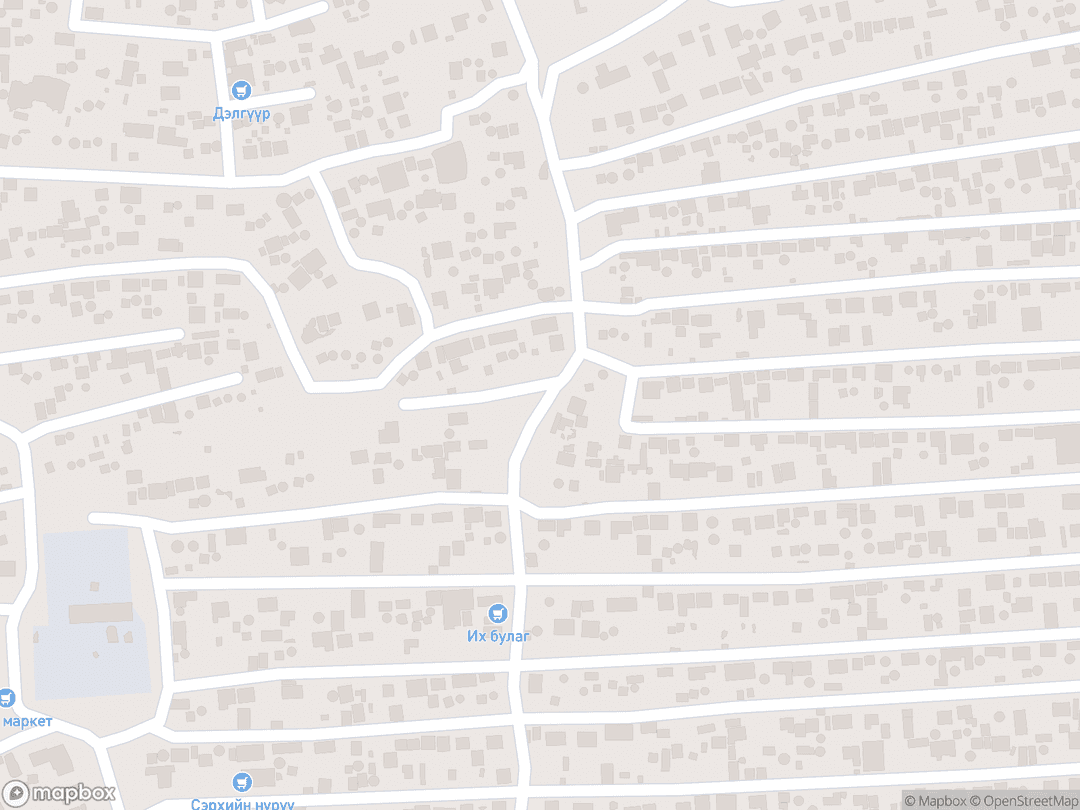
Naadamchid Road, Khan Uul District, 8th Khoroo, Ulaanbaatar, Mongolia
Hours: The temple grounds and adjacent meetinghouse will be open daily from sunrise to sunset once completed.
Getting There: The temple site is located in southwest Ulaanbaatar along Naadamchid Road, approximately 4.5 kilometers (2.8 miles) east of the Buyant-Ukhaa International Airport. It is easily accessible via airport shuttle, taxi, or local public bus routes running along the main Naadamchid corridor.
Get DirectionsTips for Your Visit
Plan for the Seasons
The best time to visit the temple site is during the mild summer months of June through August, when the surrounding valley is lush and green, and temperatures are ideal for walking the grounds.
Respect Local Customs
When visiting the adjacent meetinghouse or grounds, dress modestly and maintain a quiet, reverent demeanor to respect the sacred nature of the site and the local worshipers.
Combine with Natural Landmarks
Consider pairing your visit with an excursion to the adjacent Bogd Khan Uul National Park, one of the oldest continuously protected wilderness areas in the world, to experience Mongolia's rich natural heritage.
About
The Ulaanbaatar Mongolia Temple represents a historic milestone in East Asia, establishing the first permanent House of the Lord in a nation that transitioned to a multi-party democracy in the early 1990s. The temple serves as a sacred sanctuary where Latter-day Saints gather to make solemn covenants with God, emphasizing personal holiness, devotion to Jesus Christ, and the eternal nature of the human soul. The temple's announcement marks the culmination of three decades of rapid, dedicated growth among the Mongolian Saints, who have embraced the restored gospel with extraordinary devotion.
Situated in the rapidly developing Khan Uul District of southwest Ulaanbaatar, the temple will serve as the spiritual heart of the Church in Mongolia. For decades, local members faced immense financial and logistical hurdles, traveling thousands of miles to temples in Hong Kong or Bangkok to participate in sacred ordinances. The construction of this local temple not only alleviates these burdens but also stands as a physical testament to the maturity and strength of the local stakes. The campus is designed to be highly self-sustaining, accommodating patrons who travel vast distances from the rural provinces of the Mongolian steppe.
Architecturally and spiritually, the temple is designed to harmonize with both the majestic natural landscape of the Bogd Khan Uul mountain and the rich cultural heritage of the Mongolian people. By blending modern classical architecture with subtle local motifs, the building reflects a bridge of faith—connecting traditional Mongolian values of family unity and spiritual reverence with the sublime, eternal covenants of the restored gospel. It stands as a monument of hope, peace, and Christian discipleship in the coldest capital city on Earth.
Interesting Facts
Upon completion, the Ulaanbaatar Mongolia Temple will hold the distinction of operating in the coldest capital city on Earth, requiring specialized engineering to manage extreme thermal shifts. (Tier A)
Prior to this temple's announcement, Mongolian Saints had to travel over 1,800 miles to Hong Kong or nearly 2,000 miles to Bangkok, Thailand, to receive temple ordinances. (Tier A)
The Church has experienced a 'Mongolian Miracle' of rapid growth, expanding from zero members in 1992 to more than 12,500 members in just over three decades. (Tier B)
In 2022, Mongolia was recognized as having the second-highest density of Latter-day Saints per capita in all of Asia, surpassed only by the Philippines. (Tier B)
In April 1993, Elder Neal A. Maxwell stood on Zaisan Hill and dedicated the land, specifically praying that a temple would one day rise in the nation. (Tier A)
At 11 acres, the temple site is exceptionally large for a single-story temple of 18,850 square feet, allowing for a sprawling, self-sustaining campus. (Tier C)
The historic temple announcement in October 2023 coincided with the 30th anniversary of the Church in Mongolia. (Tier A)
The temple will stand at the base of Bogd Khan Uul, which is one of the oldest continuously protected wilderness areas in the world, formally protected since 1778. (Tier B)
Mongolian Saints are highly dedicated to missionary work, with approximately 1 out of every 10 Church members having served a full-time mission. (Tier B)
The temple's announcement was celebrated under the leadership of President Nadmid B. Namgur, the very first native Mongolian to serve as a mission president. (Tier A)
Common Questions
Why is the Ulaanbaatar Mongolia Temple significant to local members?
The Ulaanbaatar Mongolia Temple is the first temple in Mongolia's history. Prior to its announcement, local Latter-day Saints had to travel over 1,800 miles to Hong Kong or nearly 2,000 miles to Bangkok, Thailand, to participate in temple ordinances. For many Mongolian families, this journey was financially and logistically impossible to make more than once in a lifetime. Having a local temple allows members to worship regularly and receive sacred covenants close to home.
What is the difference between this temple and a regular meetinghouse?
A meetinghouse (or chapel) is used for weekly Sunday worship services, community activities, and weekday classes, and it is open to everyone. A temple, however, is considered a literal 'House of the Lord' and is dedicated to sacred ordinances that bind families together eternally, such as marriages (sealings) and baptisms for ancestors. Because of its sacred nature, only members of the Church who meet standards of personal worthiness may enter the temple after its dedication, though the surrounding grounds and adjacent meetinghouse remain open to the public.
How does the temple's design reflect Mongolian culture?
The temple's design incorporates subtle local cultural motifs within a modern classical architectural style. Most notably, the base of the central spire features geometric circular lines that echo the toono—the circular crown of a traditional Mongolian ger (yurt). In Mongolian culture, the toono represents the hearth, family unity, and a direct portal to the heavens, which beautifully mirrors the temple's theological focus on eternal families and connecting the earthly with the divine.
How will the temple campus accommodate visitors from rural provinces?
Because of the vast distances and harsh travel conditions across the Mongolian steppe, the temple is situated on an unusually large 11-acre campus designed to be highly self-sustaining. The site will feature an adjacent patron housing facility specifically built to provide comfortable overnight accommodations, dining areas, and rest spaces for rural members traveling long distances to the capital city.
Can the public tour the temple before it is dedicated?
Yes. Prior to the formal dedication of the temple, the Church will host a free public open house. During this multi-week period, anyone of any faith, background, or age is welcome to tour the interior of the temple, view the sacred rooms, and learn about the purposes of temple worship. Once dedicated, the interior is reserved for active members, but the beautifully landscaped grounds will remain permanently open to the public.
Featured Stories
The Apostolic Promise on Zaisan Hill
April 15, 1993
On a cold spring morning in April 1993, Elder Neal A. Maxwell of the Quorum of the Twelve Apostles climbed Zaisan Hill, a high vantage point overlooking the capital city of Ulaanbaatar. Standing beneath the monument, he offered a deeply moving dedicatory prayer, dedicating the land of Mongolia for the preaching of the restored gospel of Jesus Christ. In his prayer, Elder Maxwell specifically petitioned the Lord that a temple would one day rise in this nation, a promise that seemed almost impossible given that there were virtually no members of the Church in the country at the time. For three decades, local Mongolian Saints held this apostolic promise close to their hearts, viewing it as a prophetic blueprint for their future. When President Russell M. Nelson finally announced the temple in October 2023, tears of joy flowed across congregations as members celebrated the literal fulfillment of Elder Maxwell's apostolic blessing.
Source: The Church of Jesus Christ of Latter-day Saints Global Histories
The First Baptisms in the Frozen Steppe
February 6, 1993
In the depths of the harsh Mongolian winter of 1993, a small group gathered in Ulaanbaatar to witness a historic milestone: the first convert baptisms in the nation's history. Two young college students, Lamjav Purevsuren and Tsendkhuu Bat-Ulzii, had embraced the gospel after studying with the first senior missionary couples who had arrived just months prior. Because open proselytizing was legally restricted, these early teachings occurred in quiet, private settings, fostering deep personal conversion. The baptismal service was simple but filled with profound spiritual warmth that contrasted sharply with the sub-zero temperatures outside. These two pioneering converts laid the foundation for a community of faith that would grow to over 12,500 members in just thirty years, proving that the seeds of faith planted in the frozen steppe would yield a rich spiritual harvest.
Source: The Church of Jesus Christ of Latter-day Saints Global Histories
The 1,800-Mile Journey of Faith
2000s–2020s
For over thirty years, the dedication of Mongolian Latter-day Saints was defined by the immense sacrifices required to worship in a temple. Lacking a local House of the Lord, members had to save money for years to afford the grueling 1,800-mile journey to the Hong Kong Temple, or later, the nearly 2,000-mile trip to Bangkok, Thailand. These journeys required navigating complex visa processes, enduring long train rides across China, and spending entire life savings for just a few days of temple worship. Many families could only afford to make this pilgrimage once in their lives, prioritizing the opportunity to be sealed together as eternal families. The announcement of the Ulaanbaatar Mongolia Temple represents the end of this era of extreme isolation, bringing the blessings of the temple directly to the doorsteps of these faithful Saints who have long proven their devotion through sacrifice.
Source: LDS Living Magazine Archive
Timeline
First Apostolic Visit
Elders Merlin Lybbert and Monte Brough of the Asia Area Presidency visit Mongolia to explore humanitarian aid opportunities and establish contact with the newly democratic government.
MilestoneArrival of First Missionaries
The first senior missionary couples arrive in Ulaanbaatar. Serving as university and high school educators, they teach the gospel to personal acquaintances in private settings due to proselytizing restrictions.
EventFirst Baptisms in Mongolia
The first convert baptisms in Mongolia are performed in Ulaanbaatar, with students Lamjav Purevsuren and Tsendkhuu Bat-Ulzii joining the Church.
MilestoneDedication of the Land
Elder Neal A. Maxwell of the Quorum of the Twelve Apostles climbs Zaisan Hill overlooking Ulaanbaatar and dedicates the land of Mongolia for the preaching of the restored gospel.
MilestoneFirst Congregation Organized
The Ulaanbaatar Branch is organized as the first official congregation of the Church in Mongolia, providing a structured home for the rapidly growing membership.
EventOfficial Government Registration
The Church receives official legal registration from the Mongolian government, securing its status as a recognized religious organization in the country.
MilestoneMission Establishment
The Mongolia Ulaanbaatar Mission is officially established to oversee missionary work and support the rapid growth of congregations across the nation.
MilestoneService Center Established
The Mongolia Service Center is established in Ulaanbaatar to coordinate extensive humanitarian aid, including donations to local schools, hospitals, and kindergartens.
EventMongolian Book of Mormon Published
The Book of Mormon is fully translated and published in the Mongolian language, greatly enhancing local doctrinal study and personal conversion.
MilestoneFirst Stake Organized
The Ulaanbaatar Mongolia West Stake is organized under the direction of Elder Donald L. Hallstrom, marking the creation of the first stake in Mongolia and signaling mature local leadership.
MilestoneSecond Stake Created
The Ulaanbaatar Mongolia East Stake is organized, reflecting steady, self-sufficient congregational growth in the capital city.
EventPer-Capita Milestone
Church statistics reveal that Mongolia has achieved the second-highest density of Latter-day Saints per capita in all of Asia, surpassed only by the Philippines.
MilestoneTemple Announcement
During the Sunday afternoon session of General Conference, President Russell M. Nelson announces the construction of the Ulaanbaatar Mongolia Temple—the first in the nation's history.
MilestoneSite Location & Rendering Released
The First Presidency releases the official site location on Naadamchid Road in the Khan Uul District and the exterior rendering of the temple, resolving previous site speculations.
MilestoneHistory by Decade
1990s — The Dawn of Faith
I feel that there are many people in this land who have been prepared for the gospel.
The history of the Church in Mongolia began in May 1992 when Elders Merlin Lybbert and Monte Brough of the Asia Area Presidency visited the country to explore humanitarian aid opportunities and establish contact with the newly democratic government. By September of that year, the first senior missionary couples arrived in Ulaanbaatar, serving as university and high school educators while teaching the gospel to personal acquaintances in private settings. The first convert baptisms were performed on February 6, 1993, and on April 15, 1993, Elder Neal A. Maxwell dedicated the land for the preaching of the gospel. The Ulaanbaatar Branch was organized on January 16, 1994, followed immediately by official government registration. By July 1995, the Mongolia Ulaanbaatar Mission was established, and the decade closed with the creation of the Mongolia Service Center in July 1998 to coordinate extensive humanitarian aid.
2000s — Translation and Growth
The turn of the century brought significant milestones in doctrinal study and local leadership. In 2001, the Book of Mormon was fully translated and published in the Mongolian language, allowing members to study the scriptures in their native tongue and greatly accelerating personal conversion. As congregations multiplied, the need for localized priesthood leadership became paramount. This culminated on June 7, 2009, when the Ulaanbaatar Mongolia West Stake was organized under the direction of Elder Donald L. Hallstrom. This marked the creation of the first stake in Mongolia, signaling a mature, self-sufficient local leadership capable of guiding the growing membership.
2010s — Consolidating the Stakes
The 2010s were characterized by steady consolidation and the strengthening of local families. In 2016, the Ulaanbaatar Mongolia East Stake was organized, dividing the rapidly growing capital city into two distinct stakes. During this decade, Mongolian members became increasingly self-reliant, with local leaders taking over key administrative roles. The ratio of full-time missionaries serving from Mongolia remained exceptionally high, with approximately one out of every ten members serving missions, both domestically and internationally, demonstrating a profound commitment to sharing their faith.
2020s — Prophetic Fulfillment
By 2022, Mongolia had achieved the second-highest density of Latter-day Saints per capita in all of Asia. This remarkable growth set the stage for October 1, 2023, when President Russell M. Nelson announced the construction of the Ulaanbaatar Mongolia Temple during General Conference. On September 15, 2025, the First Presidency officially released the temple's site location on Naadamchid Road and its exterior rendering.
Architecture & Facilities
The Ulaanbaatar Mongolia Temple is designed in a modern classical architectural style that seamlessly integrates sacred Latter-day Saint design principles with subtle local cultural motifs. The exterior rendering depicts a single-story structure characterized by clean, symmetrical lines, rectangular window banks, and a prominent central spire. The design harmonizes with the vast, open landscape of Mongolia, presenting a dignified and reverent presence at the base of the sacred Bogd Khan Uul mountain.
Building Materials
Exterior Stone Cladding
The exterior walls will be clad in high-quality, light-colored granite or durable precast stone panels, specifically engineered to withstand the extreme sub-zero temperatures of Ulaanbaatar's harsh continental winters.
Custom Art Glass
The windows will feature custom art glass with geometric patterns that allow natural light to flood the sacred interior spaces while maintaining privacy and thermal efficiency.
Reinforced Concrete Foundation
The structural frame utilizes heavy reinforced concrete designed to handle the intense seismic activity and deep frost lines characteristic of the Mongolian plateau.
Insulated Roofing Systems
Advanced multi-layered insulation systems are incorporated into the roof to prevent heat loss during the long, freezing winter months, ensuring a comfortable interior climate.
Interior Features
The Celestial Room
A quiet, reverent parlor decorated with elegant furnishings, crystal chandeliers, and soft lighting, symbolizing the peace of the celestial kingdom and a return to the presence of God.
The Baptistry
Located on the lower level, this sacred space features a baptismal font resting on the backs of twelve sculpted oxen, symbolizing the twelve tribes of Israel and the principle of rebirth.
Instruction Rooms
Beautifully appointed rooms where patrons participate in the Endowment ceremony, featuring symbolic murals and comfortable seating designed to facilitate quiet contemplation.
Sealing Rooms
Rooms containing a central altar where couples are married and families are sealed together for eternity, decorated with mirrors on opposing walls to symbolize infinite family lines.
Temple Grounds
The temple stands on an unusually expansive 11-acre site, featuring beautifully landscaped gardens designed with native, cold-hardy flora. The grounds are laid out with wide pathways, quiet seating areas, and open vistas that frame the majestic Bogd Khan Uul mountain, providing a peaceful sanctuary for visitors.
Additional Facilities
The temple campus is designed as a comprehensive, self-sustaining site. It includes an adjacent patron housing facility to accommodate overnight visitors traveling from rural provinces, a new multipurpose meetinghouse (chapel) for weekly congregational worship, and ample parking to support large gatherings.
Religious Significance
At its core, the Ulaanbaatar Mongolia Temple represents the shared Christian heritage of faith in Jesus Christ as the Savior and Redeemer of mankind. This common ground—centered on biblical teachings of personal prayer, devotion to God, and the pursuit of holiness—serves as the spiritual foundation for the temple's sacred purpose, bridging traditional Christian beliefs with the restored gospel of Jesus Christ.
The temple is considered a literal 'House of the Lord,' a sacred sanctuary set apart from the secular world where members make solemn covenants with God and participate in saving ordinances that extend the grace of Jesus Christ across generations.
Sacred Ordinances
The Endowment
A sacred ceremony where members receive instruction about the plan of salvation, the creation of the world, and the mission of Jesus Christ, making covenants to obey God's commandments and live Christ-like lives.
Eternal Marriage (Sealing)
An ordinance that unites a husband and wife, along with their children, for eternity, reflecting the belief that love and family relationships survive physical death through the power of the priesthood.
Baptism for the Dead
A vicarious ordinance performed on behalf of deceased ancestors who did not have the opportunity to accept baptism in life, extending the saving grace of Jesus Christ to all of God's children.
The Bridge of Faith and Shared Christian Heritage
The temple stands as a physical manifestation of the Mongolian Saints' deep faith in Jesus Christ. By emphasizing personal devotion, scripture study, and covenant-keeping, the temple bridges the gap between traditional Christian denominations and the restored doctrines of The Church of Jesus Christ of Latter-day Saints, uniting members in a shared pursuit of holiness.
Eternal Families and Ancestral Connections
In Mongolian culture, family heritage and respect for ancestors are of paramount importance. The temple's focus on sealing ordinances and vicarious work for the deceased resonates deeply with these cultural values, providing a theological framework that elevates traditional family respect into an eternal, divinely sanctioned covenant.
Sources & Research
Every fact on Temples.org is backed by verified Sources & Research. Each piece of information is rated by source tier and confidence level.
View All Sources (6)
| Field | Source | Tier | Retrieved |
|---|---|---|---|
| About & Historical Background | The Church of Jesus Christ of Latter-day Saints (opens in a new tab) | A | 2026-02-18 |
| Architecture & Site Release | Newsroom (opens in a new tab) | B | 2026-07-01 |
| Timeline & Local Celebrations | The Church of Jesus Christ of Latter-day Saints (opens in a new tab) | B | 2026-07-01 |
| Quick Facts & Technical Specifications | Temples of The Church of Jesus Christ of Latter-day Saints (opens in a new tab) | C | 2026-02-18 |
| Historical Timeline & Growth | Wikipedia (opens in a new tab) | B | 2026-07-01 |
| Visitor Insights & Environmental Context | Japan International Cooperation Agency (opens in a new tab) | B | 2026-02-18 |