Visitor Insights
Visiting Lumbini
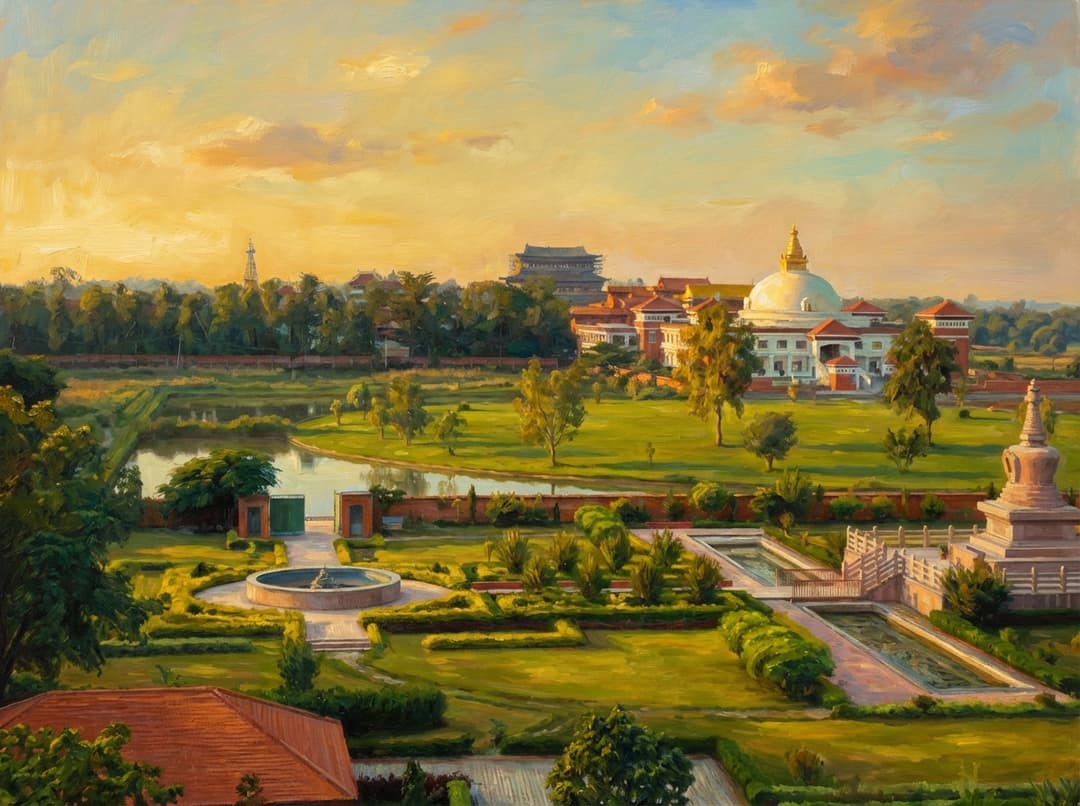
Visiting Lumbini offers a profound spiritual experience, immersing visitors in the serene atmosphere of Buddha's birthplace. The site features ancient ruins, beautifully designed monasteries, and peaceful gardens, providing a contemplative environment for reflection and learning. Expect a blend of historical exploration and spiritual connection as you wander through this sacred ground.
Highlights
- Explore the Maya Devi Temple, marking the exact spot of Buddha's birth.
- Visit the Ashoka Pillar, erected by Emperor Ashoka in 249 BCE.
- Wander through the Sacred Garden, a peaceful sanctuary with ancient stupas.
Things to Know
- Dress modestly out of respect for the sacred nature of the site.
- Remove shoes before entering temples and sacred areas.
- Maintain silence in the sacred areas to preserve the peaceful atmosphere.
Location
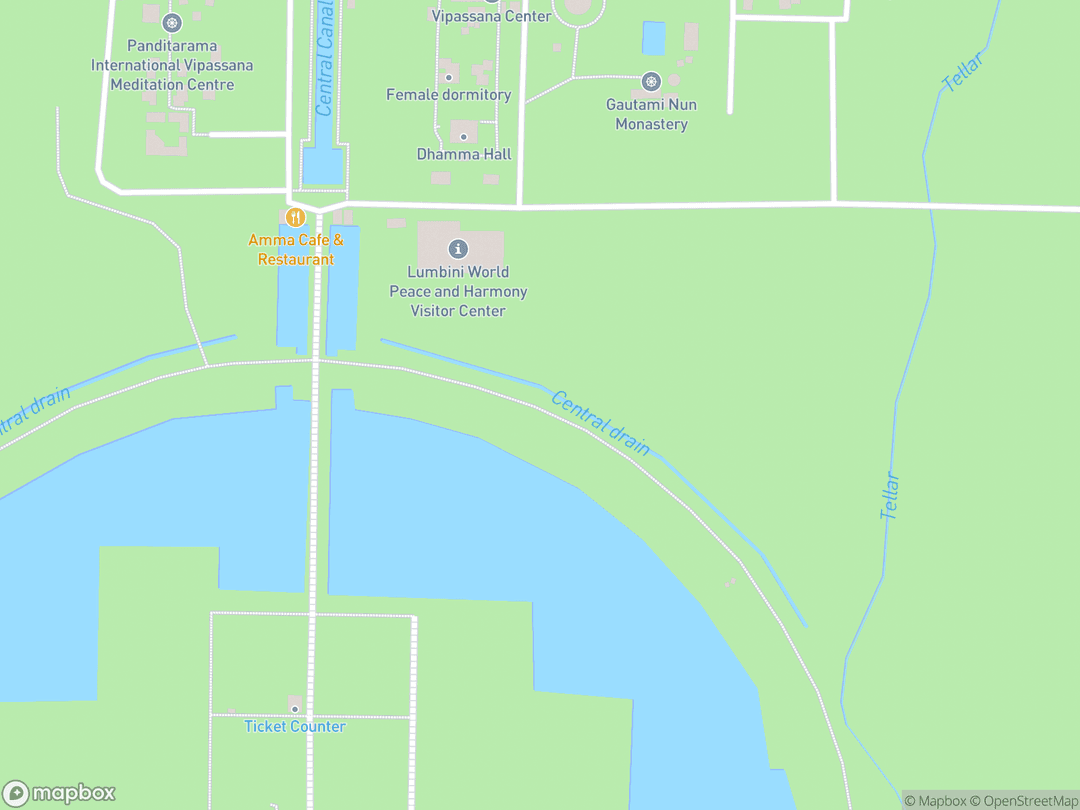
Lumbini, Rupandehi District, Lumbini Province, Nepal
Hours: Open daily from sunrise to sunset.
Getting There: Accessible by air via Gautam Buddha International Airport in Bhairahawa, and by road from major Nepali cities.
Get DirectionsTips for Your Visit
Best Time to Visit
October to March offers cooler and more pleasant weather for exploring the site.
Respect Local Customs
Dress modestly and remove shoes before entering temples.
About
Lumbini, located in the Rupandehi District of Nepal, is one of the most sacred sites in Buddhism, revered as the birthplace of Siddhartha Gautama, the Lord Buddha. According to Buddhist tradition, Maya Devi, the Buddha's mother, gave birth to him in Lumbini around 623 BCE. The site is a major pilgrimage destination and a UNESCO World Heritage Site, recognized for its spiritual, cultural, and archaeological significance.
The area is characterized by a blend of ancient ruins, temples, monasteries, and gardens. Key features include the Maya Devi Temple, which marks the exact spot of Buddha's birth, the Ashoka Pillar, erected by Emperor Ashoka in 249 BCE, and the Sacred Garden, a peaceful sanctuary surrounding the Maya Devi Temple. The Monastic Zone is divided into Eastern and Western sections, featuring monasteries built by Buddhist communities from various countries, each reflecting unique architectural styles.
Today, Lumbini continues to attract pilgrims and visitors from around the world, seeking to connect with the profound spiritual heritage of the site. Ongoing efforts to preserve and develop Lumbini ensure that it remains a significant center for Buddhist learning, practice, and peace.
Gallery
Symbolic Elements
The temple's exterior features intricate carvings, each rich with spiritual meaning:

Birthplace Marker Stone
The Marker Stone inside the Maya Devi Temple marks the exact location where Queen Maya Devi gave birth to Siddhartha Gautama. This stone is a crucial symbol of the historical authenticity of Lumbini as the Buddha's birthplace, revered by Buddhists worldwide as the starting point of his spiritual journey. It represents the physical manifestation of a pivotal moment in Buddhist history.

Ashoka Pillar
Erected by Emperor Ashoka in 249 BCE, the Ashoka Pillar symbolizes the emperor's conversion to Buddhism and his declaration of Lumbini as the Buddha's birthplace. The inscriptions on the pillar, written in Brahmi script, provide historical evidence of Lumbini's significance. It represents Ashoka's commitment to peace and the spread of Buddhist teachings.

Maya Devi Temple
The Maya Devi Temple, dedicated to Buddha's mother, symbolizes motherhood, sacrifice, and the divine birth. The temple houses ancient ruins and a nativity sculpture depicting the birth of Buddha. It is a central focus for pilgrims who come to honor Maya Devi and reflect on the miraculous birth of Siddhartha Gautama.

Sacred Pond (Puskarini)
The Sacred Pond, also known as Puskarini, represents purification and the ritual bathing that Maya Devi underwent before giving birth to Buddha. Pilgrims often visit this pond to purify themselves and reflect on the sacredness of the event. It symbolizes spiritual cleansing and preparation for encountering the divine.

Monasteries
The various monasteries in the Monastic Zone symbolize the global spread of Buddhism and the diversity of Buddhist traditions. Each monastery, built by different countries, reflects unique architectural styles and cultural influences. They represent the unity of the Buddhist community and the universal appeal of Buddha's teachings.

Eternal Peace Flame
Lit in 1986, the Eternal Peace Flame symbolizes the aspiration for non-violence, unity, and world peace. It serves as a constant reminder of Buddha's teachings on compassion and the importance of inner peace. The flame represents the ongoing commitment to fostering harmony and understanding among all people.

Stupas
The stupas in Lumbini are ancient structures that symbolize the Buddha's teachings and the path to enlightenment. These dome-shaped monuments often contain relics and are places of meditation and reverence. They represent the journey towards spiritual awakening and the ultimate goal of Nirvana.

Lumbini Crane Sanctuary
The Lumbini Crane Sanctuary, established in 2018, is a protected area within the Lumbini Development Zone dedicated to the conservation of the Sarus Crane, a vulnerable species. Symbolically, the crane represents longevity, fidelity, and grace, aligning with Buddhist values of peace and harmony with nature. The sanctuary underscores Lumbini's commitment to environmental sustainability and the preservation of biodiversity.
Interesting Facts
Lumbini is one of the four holiest places in Buddhism, identified by the Buddha himself as places of future pilgrimage.
The name 'Lumbini' translates to 'the lovely' in Sanskrit.
Emperor Ashoka visited Lumbini in 249 BCE and exempted the village from taxes.
The Lumbini Development Zone is divided into three areas: the Sacred Garden, the Monastic Zone, and the Cultural Center and New Lumbini Village.
The Sacred Garden is believed to be the exact spot where the Buddha was born.
The Monastic Zone hosts monasteries representing Theravada, Mahayana, and Vajrayana Buddhism.
Lumbini Museum displays artifacts from the Mauryan and Kushana periods.
The Eternal Peace Flame was lit in 1986 to commemorate world peace.
Nepal's Central Bank featured Lumbini on the 100 Nepali rupee note.
The Kenzo Tange Master Plan divides Lumbini into zones along a north-south axis.
Common Questions
What is the significance of Lumbini?
Lumbini is the birthplace of Siddhartha Gautama, the Lord Buddha, making it one of the most sacred sites in Buddhism. It is a major pilgrimage destination and a UNESCO World Heritage Site, recognized for its spiritual, cultural, and archaeological significance.
What are the key attractions in Lumbini?
Key attractions include the Maya Devi Temple, which marks the exact spot of Buddha's birth, the Ashoka Pillar, erected by Emperor Ashoka in 249 BCE, the Sacred Garden, a peaceful sanctuary surrounding the Maya Devi Temple, and the Monastic Zone, featuring monasteries built by Buddhist communities from various countries.
When is the best time to visit Lumbini?
The best time to visit Lumbini is from October to March, when the weather is cooler and more pleasant for exploring the site.
How can I get to Lumbini?
Lumbini is accessible by air via Gautam Buddha International Airport in Bhairahawa, which is the nearest airport. It is also accessible by road from major Nepali cities like Kathmandu and Pokhara.
What should I wear when visiting Lumbini?
Visitors should dress modestly out of respect for the sacred nature of the site. It is also customary to remove shoes before entering temples and sacred areas.
Related Stories
Explore the rich history, traditions, and people connected to this sacred site.

Featured Stories
The Rediscovery of the Ashoka Pillar
1896
In 1896, Alois Anton Führer, a German archaeologist, rediscovered the Ashoka Pillar in Lumbini, marking a pivotal moment in the site's modern history. After centuries of obscurity, the rediscovery of the pillar renewed global interest in Lumbini and its significance as the birthplace of Buddha. Führer's work helped to confirm the historical authenticity of Lumbini, drawing attention from scholars, pilgrims, and conservationists worldwide.
The rediscovery of the Ashoka Pillar not only validated Lumbini's historical importance but also paved the way for extensive archaeological excavations and preservation efforts. The pillar's inscriptions, written in Brahmi script, provided crucial evidence linking Lumbini to the life of Buddha and the patronage of Emperor Ashoka. This event sparked a renewed sense of pride among the local communities and a commitment to protecting Lumbini's cultural heritage.
Source: Lumbini Development Trust
The Kenzo Tange Master Plan
1978
In 1978, the renowned Japanese architect Kenzo Tange was commissioned to create the Lumbini Master Plan, a comprehensive vision for the development and preservation of Lumbini. Tange's plan aimed to transform Lumbini into a global center for Buddhist learning, pilgrimage, and peace. The master plan divided Lumbini into distinct zones, including the Sacred Garden, the Monastic Zone, and the Cultural Center, each designed to enhance the visitor experience and promote spiritual reflection.
Tange's master plan incorporated elements of traditional Buddhist architecture and modern design, creating a harmonious blend of the past and the present. The plan emphasized the importance of preserving Lumbini's natural environment and cultural heritage while providing modern amenities for pilgrims and visitors. The implementation of the Kenzo Tange Master Plan has played a crucial role in shaping Lumbini into the vibrant and significant site it is today.
Source: Lumbini Development Trust
The Establishment of the Lumbini Crane Sanctuary
2018
In 2018, the Lumbini Crane Sanctuary was established as a protected area within the Lumbini Development Zone, dedicated to the conservation of the Sarus Crane, a vulnerable species. This initiative reflects Lumbini's commitment to environmental sustainability and the preservation of biodiversity. The sanctuary provides a safe habitat for the cranes and other wildlife, contributing to the ecological balance of the region.
The establishment of the Lumbini Crane Sanctuary aligns with Buddhist values of compassion and harmony with nature. The Sarus Crane, known for its fidelity and grace, symbolizes longevity and good fortune in many cultures. By protecting these magnificent birds, Lumbini reinforces its role as a sanctuary for both spiritual and natural heritage, promoting a holistic vision of peace and well-being.
Source: Lumbini Development Trust
Timeline
Birth of Siddhartha Gautama
Siddhartha Gautama (the future Buddha) is born to Queen Maya Devi in the gardens of Lumbini.
MilestoneEmperor Ashoka's Visit
Emperor Ashoka visits Lumbini and erects a pillar to commemorate the Buddha's birthplace, declaring it a tax-free pilgrimage site.
MilestoneConstruction of Buddhist Viharas and Stupas
Archaeological remains of Buddhist Viharas (monasteries) and stupas are built in Lumbini.
EventShui-Ching-Chu's Observation
Chinese traveler Shui-Ching-Chu notes the existence of the Ashoka Pillar.
EventXuanzang Hsüan's Visit
Chinese pilgrim Xuanzang Hsüan visits Lumbini and notes many monasteries in ruins.
EventMuslim Invasion
Muslim invaders destroy much of the area, leading to a period of decline.
EventRediscovery of the Ashoka Pillar
Alois Anton Führer, a German archaeologist, rediscovers the Ashoka pillar, renewing global interest in Lumbini.
MilestoneLumbini Master Plan
Kenzo Tange is commissioned to create the Lumbini Master Plan, aiming to develop and preserve the site.
MilestoneEternal Peace Flame Lit
The Eternal Peace Flame is lit in Lumbini to symbolize the aspiration for non-violence and unity.
EventUNESCO World Heritage Designation
Lumbini is designated a UNESCO World Heritage Site, recognizing its spiritual, cultural, and archaeological significance.
MilestoneReconstruction of Maya Devi Temple
The Maya Devi Temple is reconstructed by the Lumbini Development Trust.
RenovationExcavations at Maya Devi Temple
Excavations at the Maya Devi Temple reveal ancient Buddhist shrines, providing further insights into the site's history.
EventPreservation and Development Efforts
Continued efforts to preserve and develop Lumbini as a significant center for Buddhist learning, practice, and peace.
RenovationMonastery Construction
Monasteries are constructed by various countries, showcasing diverse architectural styles and Buddhist traditions.
EventLumbini Museum Opens
The Lumbini Museum opens, displaying artifacts from the Mauryan and Kushana periods.
EventHistory by Decade
c. 623 BCE
According to Buddhist tradition, Siddhartha Gautama, the future Buddha, was born to Queen Maya Devi in the gardens of Lumbini. This event marks the beginning of Lumbini's significance as one of the most sacred sites in Buddhism. The birth took place while Maya Devi was traveling to her maternal home in Devadaha. She stopped in Lumbini, where she gave birth under a Sal tree in the beautiful gardens.
249 BCE
Emperor Ashoka, a convert to Buddhism, visited Lumbini and erected a pillar to commemorate the Buddha's birthplace. The Ashoka Pillar includes inscriptions in Brahmi script that confirm Lumbini as the birthplace of Siddhartha Gautama. Ashoka also exempted the village of Lumbini from taxes, further solidifying its importance as a sacred site.
3rd Century BCE – 15th Century CE
During this period, Lumbini saw the construction of various Buddhist Viharas (monasteries) and stupas. These structures served as centers for religious practice and learning, attracting monks and pilgrims from across the region. The archaeological remains of these buildings provide valuable insights into the development of Buddhism and the cultural landscape of Lumbini.
14th-19th Centuries
Lumbini fell into obscurity and disrepair. The site was largely forgotten, and the structures deteriorated over time due to neglect and environmental factors. The once-thriving center of Buddhist activity was reduced to ruins, with the Ashoka Pillar partially buried.
1896
Alois Anton Führer, a German archaeologist, rediscovered the Ashoka Pillar, renewing global interest in Lumbini. This rediscovery marked the beginning of modern archaeological and conservation efforts at the site. The pillar's inscriptions provided crucial evidence confirming Lumbini as the birthplace of Buddha, leading to increased recognition and preservation efforts.
1978
Kenzo Tange was commissioned to create the Lumbini Master Plan, a comprehensive vision for the development and preservation of Lumbini. Tange's plan aimed to transform Lumbini into a global center for Buddhist learning, pilgrimage, and peace. The master plan divided Lumbini into distinct zones, including the Sacred Garden, the Monastic Zone, and the Cultural Center, each designed to enhance the visitor experience and promote spiritual reflection.
1997
Lumbini was designated a UNESCO World Heritage Site, recognizing its spiritual, cultural, and archaeological significance. This designation provided international recognition and support for the preservation of Lumbini's heritage. The UNESCO designation has helped to attract funding and expertise for conservation and development projects, ensuring the long-term protection of the site.
2000s-Present
Ongoing efforts to preserve and develop Lumbini have continued, with various projects aimed at enhancing the visitor experience and promoting Buddhist learning and practice. These efforts include the construction of new monasteries, the restoration of ancient ruins, and the development of educational programs. Lumbini continues to attract pilgrims and visitors from around the world, seeking to connect with the profound spiritual heritage of the site.
Religious Significance
Lumbini holds immense religious significance as the birthplace of Siddhartha Gautama, the Lord Buddha, making it one of the four holiest places in Buddhism. It is a site of profound spiritual importance, attracting pilgrims and visitors from around the world who seek to connect with the origins of Buddhist teachings.
The core spiritual purpose of Lumbini is to serve as a place of pilgrimage, reflection, and learning about the life and teachings of Buddha. It is a site where individuals can deepen their understanding of Buddhist principles and cultivate inner peace and compassion.
Sacred Ordinances
Pilgrimage
Pilgrimage to Lumbini is a sacred act for Buddhists, allowing them to visit the birthplace of Buddha and pay homage to his legacy. Pilgrims often engage in prayer, meditation, and reflection as they walk through the sacred grounds.
Meditation
Meditation is a central practice in Lumbini, providing individuals with an opportunity to cultivate mindfulness and inner peace. The serene environment of Lumbini is conducive to meditation, allowing visitors to connect with their spiritual selves.
Offerings
Offering flowers, incense, and prayers is a common practice in Lumbini, symbolizing devotion and gratitude to Buddha. These offerings are made at the Maya Devi Temple and other sacred sites, expressing reverence for the Buddha's teachings.
The Significance of Buddha's Birth
The birth of Siddhartha Gautama in Lumbini is a pivotal event in Buddhist history, marking the beginning of his journey towards enlightenment. The circumstances surrounding his birth, including the prophecy of his future greatness, underscore the extraordinary nature of his life and teachings.
The Role of Lumbini in Buddhist Tradition
Lumbini plays a central role in Buddhist tradition, serving as a reminder of the origins of Buddhism and the importance of compassion, wisdom, and peace. The site is revered by Buddhists of all traditions, who come to Lumbini to honor Buddha and deepen their spiritual practice.
Sources & Research
Every fact on Temples.org is backed by verified Sources & Research. Each piece of information is rated by source tier and confidence level.
View All Sources (5)
| Field | Source | Tier | Retrieved |
|---|---|---|---|
| About & Historical Background | Lumbini Development Trust (opens in a new tab) | A | 2024-05-16 |
| About & Historical Background | UNESCO (opens in a new tab) | B | 2024-05-16 |
| About & Historical Background | Britannica (opens in a new tab) | B | 2024-05-16 |
| Visitor Information | Nepali Times (opens in a new tab) | C | 2024-05-16 |
| Historical Timeline | wisdomlib.org (opens in a new tab) | B | 2024-05-16 |