Visitor Insights
Visiting Cebu Taoist Temple
Visiting the Cebu Taoist Temple offers a serene and culturally enriching experience. The temple's elevated location provides stunning panoramic views of Cebu City and its surrounding islands. Visitors can explore the intricate architecture, learn about Taoist traditions, and participate in rituals such as lighting joss sticks and offering prayers at the wishing well. The atmosphere is peaceful and contemplative, inviting visitors to connect with their inner selves and appreciate the beauty of Taoist philosophy.
Highlights
- Panoramic views of Cebu City, Mactan Island, and Bohol Island
- Intricate pagoda-style architecture with dragon motifs
- Opportunity to learn about Taoist traditions and practices
Things to Know
- Dress modestly, avoiding shorts or sleeveless tops
- Maintain silence to foster inner peace
- Confirm the operating hours before visiting
Location
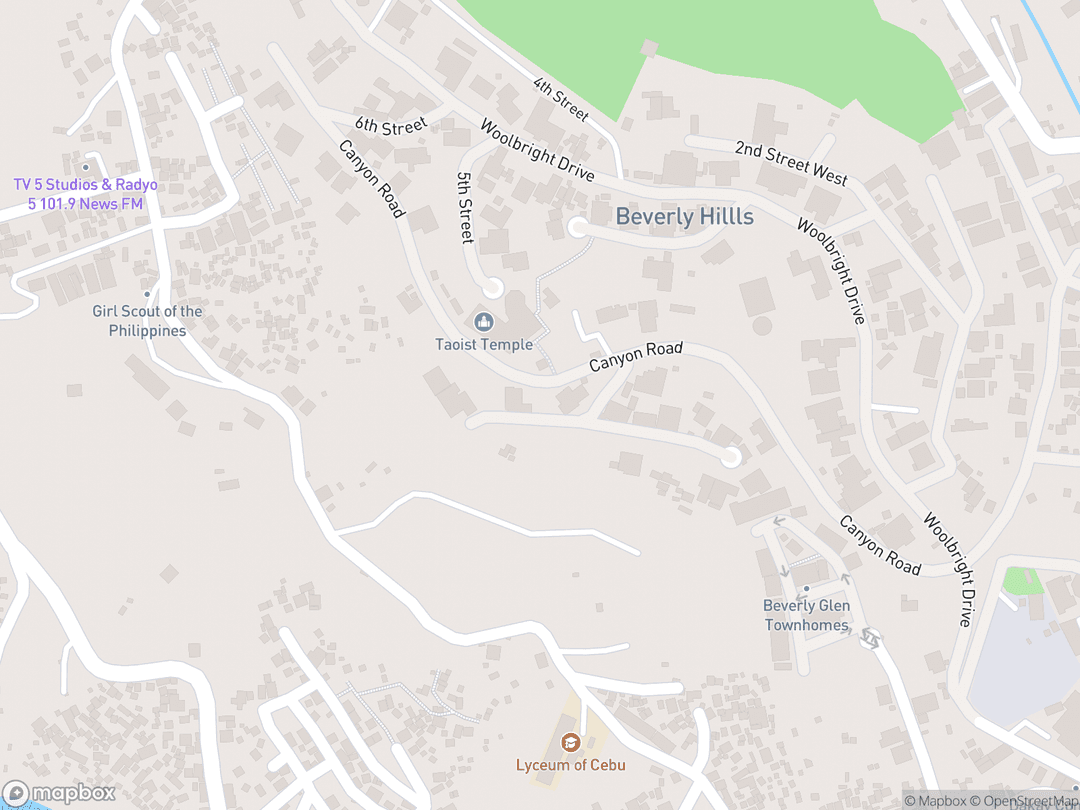
Beverly Hills Subdivision, Cebu City, Philippines
Hours: Open daily from 9:00 AM to 5:00 PM (confirm schedule before visiting)
Getting There: Take a jeepney (route code 04L) or a motorcycle taxi ('habal-habal') from Cebu City. Alternatively, take a private car or taxi.
Get DirectionsAbout
The Cebu Taoist Temple, built in 1972 by Cebu's Chinese Filipino community, stands as a prominent center for Taoism in the region. Nestled in the Beverly Hills Subdivision of Cebu City, the temple is open to both worshippers and visitors, providing a tranquil escape and a glimpse into Taoist traditions. Its elevated location offers breathtaking panoramic views of the city, Mactan Island, and Bohol Island.
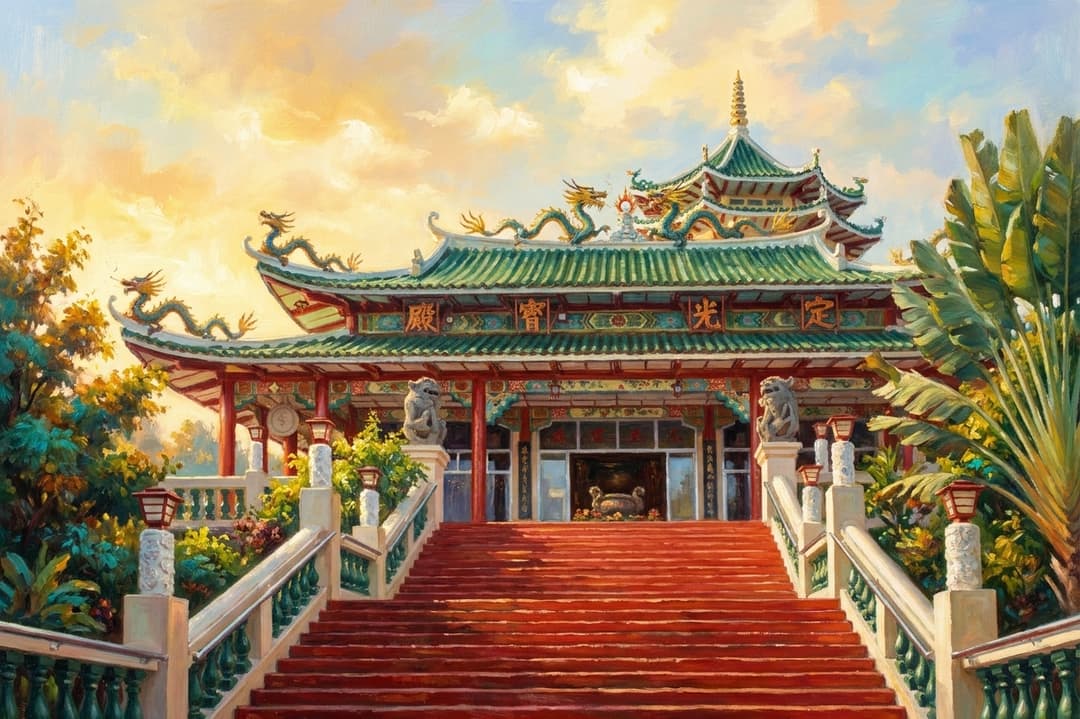
The temple's architecture reflects traditional Chinese design, featuring multi-tiered pagoda-style roofs adorned with dragon statues and vibrant colors. A replica of the Great Wall of China serves as the temple's entrance, while a grand staircase with 81 steps, representing the 81 chapters of Taoist scriptures, leads to the main temple. These elements create a culturally rich and visually stunning environment.
As a place of worship, the Cebu Taoist Temple plays a vital role in preserving and promoting Taoist beliefs and practices within the local community. It is part of the Taoist theological grouping (Taoic traditions), emphasizing humility, piety, and a harmonious life. Visitors can explore the temple's various structures, including a chapel, library, and wishing well, and participate in rituals such as lighting joss sticks and communicating with deities.
Gallery
Symbolic Elements
The temple's exterior features intricate carvings, each rich with spiritual meaning:

Dragon
Dragons symbolize potent and auspicious powers, control over water, rainfall, and floods. They also represent power, strength, and good luck in Taoist culture.

Pagoda Roof
The multi-tiered pagoda-style roofs are a prominent characteristic of the temple. The green glazed roof tiles symbolize prosperity, health, growth, and harmony in Chinese culture.

Moon Gate
A stone wall with a circular opening, called a moon gate, serves as an entrance to a special place. It represents the full moon, an auspicious token of abundance, harmony, and good luck, and can symbolize a connection between two worlds.

Bagua
The Bagua is an octagon shape with a Chinese religious motif incorporating the eight trigrams of the I Ching (Book of Changes), an ancient Chinese divination text. It represents the fundamental principles of reality and is used in Taoist cosmology.

Joss Sticks
Lighting joss sticks symbolizes the connection between the earthly and the divine. The smoke from the burning incense is believed to carry prayers and offerings to the deities.

Wishing Well
The wishing well allows visitors to offer prayers and make wishes. It represents the hope for good fortune and the fulfillment of desires.

Serpentine Staircase
The serpentine dragon staircase with 81 steps leads to the main temple, representing the 81 chapters of Taoist scriptures. Climbing the stairs symbolizes the journey towards spiritual enlightenment.

Great Wall Replica
The temple entrance features a replica of the Great Wall of China, symbolizing protection and strength. It represents the enduring spirit of Chinese culture and the importance of safeguarding traditions.
Interesting Facts
The Cebu Taoist Temple was built by the Chinese community of Cebu in 1972.
It is located in the Beverly Hills Subdivision, approximately 300 meters above sea level.
The temple is open to both worshippers and visitors.
Visitors can climb 81 steps, representing the 81 chapters of Taoist scriptures.
One of the rituals involves seeking guidance from deities using kidney-shaped wooden blocks.
The temple offers a panoramic view of Cebu City, Mactan, and Bohol Island.
The entrance is a replica of the Great Wall of China.
The temple promotes the philosophy of humility, piety, and a prosperous life.
The Cebu Taoist Temple is one of the most visited non-Catholic shrines in Cebu.
The temple has a wishing well where visitors can offer prayers and make wishes.
Common Questions
What is the Cebu Taoist Temple?
The Cebu Taoist Temple is a Taoist temple located in the Beverly Hills Subdivision of Cebu City, Philippines. It serves as a major center of worship for Taoism in Cebu and is open to both worshippers and visitors alike.
When was the Cebu Taoist Temple built?
The Cebu Taoist Temple was built in 1972 by Cebu's Chinese Filipino community.
What are the opening hours of the Cebu Taoist Temple?
The Cebu Taoist Temple is open daily from 9:00 AM to 5:00 PM. However, it is advisable to confirm the schedule before visiting.
Is there an entrance fee to visit the Cebu Taoist Temple?
No, there is no entrance fee to visit the Cebu Taoist Temple.
What is the best time to visit the Cebu Taoist Temple?
The temple is an all-year-round destination but is best seen during Cebu's sunny season from March to May. Visit in the late afternoon for a less crowded experience and sunset views.
Featured Stories
The Founding of the Cebu Taoist Temple
1972
In 1972, the Chinese Filipino community of Cebu came together to build a temple that would serve as a spiritual and cultural center for generations to come. This was a period of economic and social growth for the Chinese community in Cebu, who sought to preserve their cultural and spiritual identity while integrating into Filipino society. The temple's construction was a testament to their resilience, unity, and dedication to their ancestral traditions.
The community pooled their resources, both financial and human, to bring the vision of the Cebu Taoist Temple to life. Skilled artisans were brought in to create the intricate architectural details, and community members volunteered their time and labor to help with the construction. The building of the temple became a collective effort, strengthening the bonds within the Chinese Filipino community.
The opening of the Cebu Taoist Temple in 1972 was a momentous occasion, marking a new chapter in the community's history. The temple quickly became a hub for religious ceremonies, cultural events, and social gatherings, providing a space for the Chinese Filipino community to connect with their heritage and celebrate their identity. The temple stands as a symbol of their enduring spirit and their commitment to preserving their traditions for future generations.
Source: Cebu City Tour
Timeline
Cebu Taoist Temple Built
The Cebu Taoist Temple was constructed by the Chinese Filipino community of Cebu.
MilestoneTemple Opens to Public
The temple opened its doors to both worshippers and visitors, becoming a cultural landmark.
EventCenter for Taoist Worship
The temple serves as a major center of worship for Taoism in Cebu, hosting various religious ceremonies and events.
EventTourist Attraction
The temple attracts visitors from around the world, drawn to its unique architecture and cultural significance.
EventPreservation of Taoist Traditions
The temple plays a vital role in preserving and promoting Taoist beliefs and practices within the local community.
EventCommunity Gathering Place
The temple provides a space for the Chinese Filipino community to connect with their heritage and celebrate their culture.
EventEducational Resource
The temple offers visitors the opportunity to learn about Taoism and its rich history and philosophy.
EventSpiritual Retreat
The temple provides a tranquil escape from the hustle and bustle of city life, offering a space for contemplation and reflection.
EventCultural Exchange
The temple fosters cultural exchange between the Chinese Filipino community and the wider Filipino society.
EventScenic Overlook
The temple's elevated location provides stunning panoramic views of Cebu City and its surrounding islands.
EventArchitectural Landmark
The temple stands as a unique architectural landmark, showcasing traditional Chinese design elements.
EventReligious Pilgrimage Site
The temple attracts religious pilgrims seeking to connect with their faith and pay homage to Taoist deities.
EventCelebration of Taoist Festivals
The temple hosts various Taoist festivals throughout the year, celebrating important events in the Taoist calendar.
EventPromotion of Harmony and Balance
The temple promotes the Taoist philosophy of harmony and balance, encouraging visitors to live in accordance with nature.
EventSymbol of Cultural Identity
The temple serves as a symbol of cultural identity for the Chinese Filipino community in Cebu.
EventReligious Significance
The Cebu Taoist Temple is a significant place of worship for followers of Taoism, a philosophical and religious tradition that emphasizes living in harmony with the Tao, or the Way. As part of the Taoist theological grouping (Taoic traditions), the temple provides a space for individuals to connect with the divine and cultivate inner peace.
The primary purpose of the Cebu Taoist Temple is to provide a place for Taoists to practice their faith, perform rituals, and seek guidance from the deities. The temple also serves as a center for promoting Taoist teachings and values, such as humility, piety, and a harmonious life.
Sacred Ordinances
Prayer and Offerings
Taoists visit the temple to offer prayers and make offerings to the deities, seeking blessings and guidance in their lives. These offerings may include incense, flowers, fruits, and other symbolic items.
Meditation and Contemplation
The temple provides a tranquil space for meditation and contemplation, allowing individuals to connect with their inner selves and cultivate a deeper understanding of the Tao.
Divination and Guidance
Visitors may seek guidance from the deities through divination practices, such as using kidney-shaped wooden blocks to communicate with the divine. These practices are believed to provide insights and help individuals make important decisions.
The Tao and Harmony
Taoism emphasizes living in harmony with the Tao, the fundamental principle that governs the universe. The Cebu Taoist Temple provides a space for individuals to learn about the Tao and cultivate a way of life that is in accordance with its principles. This includes practicing virtues such as humility, compassion, and respect for nature.
The Deities
Taoism recognizes a pantheon of deities, each with their own unique roles and responsibilities. The Cebu Taoist Temple is dedicated to various Taoist deities, including the Jade Emperor, the Queen Mother of the West, and various other gods and goddesses. Worshippers visit the temple to pay homage to these deities and seek their blessings.
The Importance of Ritual
Ritual plays an important role in Taoist practice, providing a way for individuals to connect with the divine and express their devotion. The Cebu Taoist Temple hosts various rituals throughout the year, including ceremonies to celebrate important events in the Taoist calendar and to honor the deities. These rituals are believed to bring blessings and good fortune to the community.
Sources & Research
Every fact on Temples.org is backed by verified Sources & Research. Each piece of information is rated by source tier and confidence level.
View All Sources (9)
| Field | Source | Tier | Retrieved |
|---|---|---|---|
| About & Architectural Description | CebuFest (opens in a new tab) | C | 2024-02-29 |
| Visitor Information & Panoramic Views | Wanderlog (opens in a new tab) | D | 2024-02-29 |
| Visitor Information & Temple Overview | Guide to the Philippines (opens in a new tab) | D | 2024-02-29 |
| Historical Context & Community Role | Travelsetu (opens in a new tab) | D | 2024-02-29 |
| Location & Architectural Features | Cebu City Tour (opens in a new tab) | D | 2024-02-29 |
| Visitor Tips & Temple Facilities | Travel Cebu (opens in a new tab) | D | 2024-02-29 |
| Architectural Style & Symbolic Elements | 3D Universal (opens in a new tab) | D | 2024-02-29 |
| Best Time to Visit | Forever Vacation (opens in a new tab) | D | 2024-02-29 |
| Temple History & Cultural Significance | Suroy.ph (opens in a new tab) | D | 2024-02-29 |