Visitor Insights
Visiting Davao Philippines Temple
The Davao Philippines Temple offers a serene and sacred environment for members of The Church of Jesus Christ of Latter-day Saints to participate in eternal ordinances. While the interior is reserved for faithful members, the beautifully landscaped grounds and gardens are open to all visitors seeking peace and contemplation. An arrival center is available for patrons.
Highlights
- Experience the tranquil temple grounds and gardens, open to the public.
- Learn about the unique architectural design that incorporates local cultural elements.
- Understand the sacred purpose of temples for Latter-day Saints.
Things to Know
- The interior of the temple is reserved for faithful members after dedication.
- There is no dedicated visitor's center, but an arrival center serves patrons.
- Dress respectfully when visiting the temple grounds.
Location
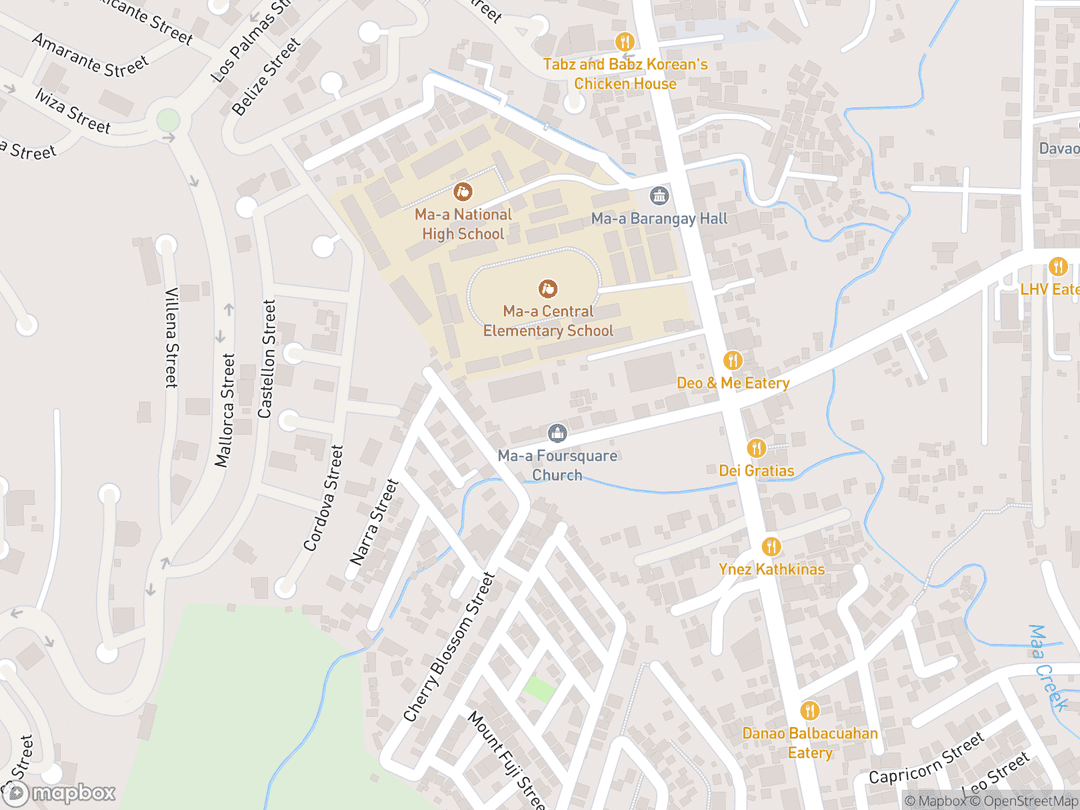
Ma-a Road and Anahaw Road, Barangay Ma-a, Davao City, 8000 Davao del Sur, Philippines
Hours: Grounds open daily from dawn to dusk. Temple operating schedule for ordinances available on the Church's official temple schedule page.
Getting There: The temple is located at Ma-a Road and Anahaw Road in Barangay Ma-a, Davao City. Public transportation options are available, and parking is provided on site.
Get DirectionsTips for Your Visit
Explore the Gardens
Take time to walk through the beautifully maintained gardens, which offer a peaceful setting for reflection.
Respect Sacred Space
While on the temple grounds, please maintain a reverent demeanor appropriate for a sacred site.
Inquire at Arrival Center
For questions about temple operations or patron amenities, visit the arrival center on site.
About
The Davao Philippines Temple stands as a significant edifice for The Church of Jesus Christ of Latter-day Saints, serving as a spiritual beacon within the Christian tradition. Dedicated to the worship of God and the performance of sacred ordinances, it is a place where members of the Church strengthen their faith in Jesus Christ and their commitment to eternal family relationships.
This temple is the first of its kind on the island of Mindanao and the fifth dedicated in the Philippines, reflecting the significant growth and devotion of the Church's membership in the nation. Its construction provides a closer, more accessible sacred space for members who previously traveled long distances to attend temples in other regions. The temple's design beautifully integrates local culture and natural elements, creating a unique and reverent atmosphere.
Gallery
Symbolic Elements
The temple's exterior features intricate carvings, each rich with spiritual meaning:

Waling-Waling Orchid
This indigenous orchid is prominently featured in the interior design, symbolizing the beauty of local flora and culture.

Tropical Flowers
Vibrant hues of pink, purple, and green reflecting Mindanao's tropical flowers are integrated into decorative paint and art glass.

Mount Apo Painting
A painting of Mount Apo, the highest mountain in the Philippines, adorns the lobby, connecting the sacred space to the region's natural grandeur.

Celestial Room
With flower-painted glass windows and pristine white walls, this room symbolizes heaven and offers a tranquil space for prayer and reflection.

Steeple
The temple's two-level steeple is a prominent architectural feature, often pointing heavenward and representing a connection between earth and divinity.

Arched Windows
Eight arched windows on each side and level of the steeple are a recurring motif, adding elegance and symbolic meaning to the design.

White Walls
The immaculate white walls, particularly in the Celestial Room, symbolize purity, peace, and the sacredness of the temple's purpose.

Piña Fabric Patterns
Traditional patterns found in piña fabrics are subtly incorporated into the interior design, complementing the aesthetic with local cultural influences.
Interesting Facts
The Davao Philippines Temple is the first temple of The Church of Jesus Christ of Latter-day Saints to be built on the island of Mindanao (Tier A).
It is the fifth temple dedicated in the Philippines, reflecting the significant growth of the Church in the country (Tier A).
Its announcement in October 2018 was part of a historic event where 12 new temples were announced simultaneously (Tier A).
The temple was constructed on the site of an existing meetinghouse, which was demolished to make way for the new sacred building (Tier C).
The interior design beautifully integrates local Davao culture, featuring the indigenous Waling-Waling orchid and other tropical flowers of Mindanao (Tier A).
A painting of Mount Apo, the highest mountain in the Philippines, is displayed in the temple's lobby, connecting the sacred space to the region's natural heritage (Tier A).
The temple complex also includes a replacement meetinghouse and housing facilities for temple patrons and leadership (Tier A).
Prior to the temple's completion, members in Mindanao often had to travel long distances, sometimes by plane or boat, to attend temples in Manila or Cebu City (Tier C).
The construction project achieved a remarkable safety record, celebrating three million safe man-hours without any lost-time injuries (Tier A).
The temple's dedication on May 3, 2026, occurred just five days after The Church of Jesus Christ of Latter-day Saints marked its 65th anniversary in the Philippines (Tier A).
Common Questions
What is the primary purpose of the Davao Philippines Temple?
The temple is a sacred House of the Lord where members of The Church of Jesus Christ of Latter-day Saints participate in ordinances that strengthen their faith and family relationships.
Is the Davao Philippines Temple open to the public?
The temple grounds and gardens are open to all visitors, but the interior is reserved for faithful members after its dedication.
What architectural style does the temple feature?
The Davao Philippines Temple features an elegant contemporary architectural style with a beautiful stone exterior and a distinctive steeple.
Are there local cultural elements in the temple's design?
Yes, the interior design thoughtfully incorporates local Davao icons, such as the Waling-Waling orchid and traditional piña fabric patterns.
How many temples are there in the Philippines?
The Davao Philippines Temple is the fifth temple dedicated in the Philippines, reflecting the Church's significant growth in the country.
Featured Stories
A Historic Announcement for Mindanao
October 7, 2018
During the Church's General Conference, President Russell M. Nelson announced plans for the Davao Philippines Temple, marking a historic moment for the island of Mindanao. This announcement was part of the largest single-day unveiling of new temples in Church history, bringing immense joy and anticipation to Latter-day Saints in the region.
Source: The Church of Jesus Christ of Latter-day Saints
Groundbreaking Ceremony: A New Beginning
November 14, 2020
The official commencement of construction was celebrated with a groundbreaking ceremony presided over by Elder Taniela B. Wakolo. This event symbolized a new beginning for the faithful members of Davao, signifying the start of a sacred edifice that would serve as a spiritual anchor for generations to come.
Source: The Church of Jesus Christ of Latter-day Saints
Community Welcomes Sacred Space During Open House
March 26 - April 10, 2026
Before its dedication, the Davao Philippines Temple opened its doors to the public for an open house, welcoming individuals of all faiths to tour its sacred interior. This period allowed the community to experience the beauty and peace of the temple, fostering understanding and goodwill among residents.
Source: Philippine Information Agency
Timeline
Early Church Presence in Philippines
A small number of Filipinos began joining The Church of Jesus Christ of Latter-day Saints.
EventFormal Missionary Work Begins
Formal missionary work commenced in the Philippines, leading to significant growth for the Church.
MilestoneMissionary Efforts in Davao City
Missionary efforts officially began in Davao City, leading to the baptism of the first members in the city.
EventTemple Announced by President Nelson
President Russell M. Nelson announced plans for the Davao Philippines Temple during General Conference, part of a historic unveiling of new temples.
component.timeline.announcementLocation and Rendering Released
The official location at Ma-a Road and Anahaw Road was announced, along with the release of the temple's architectural rendering.
MilestoneGroundbreaking Ceremony Held
Elder Taniela B. Wakolo presided over the groundbreaking ceremony, officially commencing construction of the temple.
component.timeline.groundbreakingMedia Day Conducted
A media day was held, offering journalists and special guests an initial tour of the completed temple interior.
EventInvited Guest Tours Begin
Invited guests were given tours of the temple prior to its public opening and dedication.
EventPublic Open House Commences
A public open house began, allowing individuals of all faiths to tour the interior of the temple before its dedication.
EventDavao Philippines Temple Dedicated
Elder Dale G. Renlund of the Quorum of the Twelve Apostles formally dedicated the Davao Philippines Temple.
DedicationHistory by Decade
1940s–1960s — Early Growth and Missionary Work
The seeds of The Church of Jesus Christ of Latter-day Saints were planted in the Philippines during the 1940s, with formal missionary work commencing in 1961. This period saw the conversion of early pioneers like Cipriano Mumar in Davao City, whose family became the first members in the area following dedicated missionary efforts in 1968.
2010s — Historic Temple Announcement
A pivotal moment arrived on October 7, 2018, when Church President Russell M. Nelson announced plans for the Davao Philippines Temple during a General Conference. This significant declaration was part of the largest single-day unveiling of new temples in Church history, bringing profound joy and anticipation to the Latter-day Saints of Mindanao.
2020s — Construction and Dedication
The temple's official location and architectural rendering were released in September 2020, followed by a groundbreaking ceremony in November 2020, marking the start of construction. After years of diligent work, a public open house was held from March 26 to April 10, 2026, culminating in the formal dedication by Elder Dale G. Renlund on May 3, 2026.
Architecture & Facilities
The Davao Philippines Temple features an elegant contemporary architectural style, characterized by a beautiful stone exterior and a distinctive steeple. The design thoughtfully integrates local Davao icons, such as the vibrant Waling-Waling orchid and traditional patterns found in piña fabrics, reflecting Mindanao's tropical beauty and cultural heritage while maintaining a modern, reverent aesthetic.
Building Materials
Exterior Cladding
The exterior and spire are clad in beautiful, light-colored stone, providing a durable and aesthetically pleasing finish that reflects local light.
Structural Frame
The two-story temple is built with a robust cast-in-place concrete frame, ensuring structural integrity and longevity in the tropical climate.
Dome
A distinctive fiberglass resin dome, fabricated by Shapeshift Technologies, adorns the exterior, adding a unique architectural element to the temple's profile.
Interior Finishes
The interior features decorative paint, art glass, and fine wood finishes, incorporating bright hues of pink, purple, and green inspired by Mindanao's tropical flowers.
Interior Features
Lobby
The welcoming lobby features a prominent painting of Mount Apo, the highest mountain in the Philippines, connecting the sacred space to the region's natural identity.
Celestial Room
This sacred room is noted for its flower-painted glass windows and immaculate white walls, designed to symbolize heaven and offer a space for peaceful prayer and reflection.
Ordinance Room
A dedicated space where members participate in sacred temple ordinances, designed for instruction and spiritual contemplation.
Baptistry
This room houses a baptismal font, supported by twelve oxen, used for baptisms performed by proxy for deceased ancestors.
Sealing Room
Families are united for eternity in these sacred rooms, where sealing ordinances are performed, symbolizing eternal family bonds.
Brides Room
A beautifully appointed space where brides prepare for their temple sealing ceremonies, offering comfort and serenity.
Temple Grounds
The temple is situated on a beautifully landscaped 2.7-acre site, featuring serene gardens, pathways, and carefully maintained flora that provide a peaceful environment for visitors and patrons.
Additional Facilities
The temple complex includes a replacement meetinghouse for local congregations, patron housing facilities for those traveling long distances, and a distribution center for temple garments and clothing.
Religious Significance
As a sacred edifice for The Church of Jesus Christ of Latter-day Saints, the Davao Philippines Temple serves as a dedicated House of the Lord within the Christian tradition. It is a place set apart from the world, where members can draw closer to God and deepen their understanding of His divine plan.
Its primary purpose is to provide a sacred space where faithful members can participate in eternal ordinances and make covenants with God, strengthening their faith in Jesus Christ and their commitment to eternal family relationships. These ordinances are central to the Church's doctrine of salvation and exaltation.
Sacred Ordinances
Baptism for the Dead
Members perform proxy baptisms for their deceased ancestors, offering them the opportunity to accept these saving ordinances beyond the veil.
Endowment
The endowment is a series of covenants and blessings received in the temple, providing spiritual power, knowledge, and guidance for life's journey.
Sealing
Families are sealed together for time and all eternity, a sacred ordinance that binds spouses and children together beyond mortal life.
Celestial Room
The Celestial Room represents a return to God's presence, symbolizing the peace, light, and glory of eternal life with Him. It is a place for quiet contemplation and prayer.
Ordinance Rooms
These rooms are where members receive instruction and participate in sacred covenants, deepening their understanding of the gospel of Jesus Christ and their eternal potential.
Sealing Rooms
In these rooms, families are united for eternity through sacred sealing ordinances, emphasizing the eternal nature of family relationships as taught by the Church.
Baptistry
The Baptistry houses a beautiful baptismal font, where proxy baptisms are performed for deceased ancestors, offering them the opportunity to accept the gospel.
Similar Temples
Sources & Research
Every fact on Temples.org is backed by verified Sources & Research. Each piece of information is rated by source tier and confidence level.
View All Sources (8)
| Field | Source | Tier | Retrieved |
|---|---|---|---|
| About & Historical Background | The Church of Jesus Christ of Latter-day Saints (opens in a new tab) | A | 2024-07-30 |
| About & Historical Background | ChurchofJesusChristTemples.org (opens in a new tab) | C | 2024-07-30 |
| Architectural Description | Philippine Information Agency (opens in a new tab) | A | 2024-07-30 |
| Architectural Description & Symbolic Elements | LDS Daily (opens in a new tab) | B | 2024-07-30 |
| Timeline & Featured Stories | LDS Living (opens in a new tab) | B | 2024-07-30 |
| Timeline & Dedication | PhotoGent (opens in a new tab) | C | 2024-07-30 |
| Interesting Facts | More Faith PH (opens in a new tab) | D | 2024-07-30 |
| Architectural Details | Jetlygo (opens in a new tab) | D | 2024-07-30 |