Visitor Insights
Visiting Apia Samoa Temple
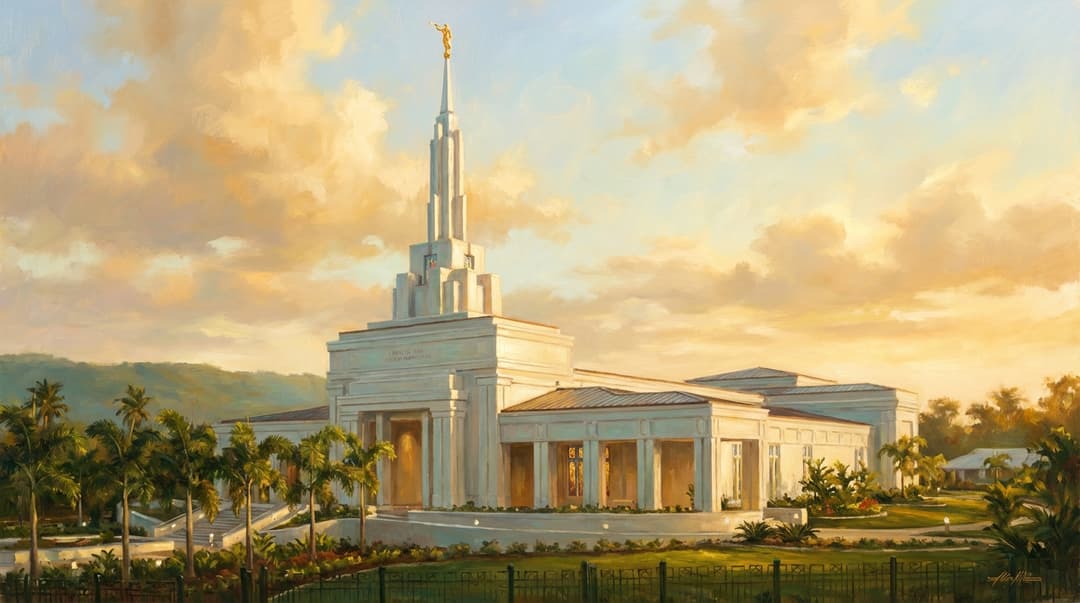
The Apia Samoa Temple welcomes visitors to experience its serene atmosphere and well-maintained grounds. While there is no dedicated visitors' center, the temple grounds are open to the public, offering a peaceful environment to reflect and appreciate the temple's beauty. The grounds feature lush foliage and a calming water feature at the entrance, creating a tranquil setting. Visitors can also find an arrival center with changing facilities and a distribution center for purchasing temple clothing.
Highlights
- Beautifully landscaped grounds with a water feature.
- Opportunity to view the temple's exterior and appreciate its architecture.
- A peaceful and spiritual atmosphere.
Things to Know
- No visitors' center is available on-site.
- Limited information available for non-members.
- Respectful attire is recommended when visiting the grounds.
Location
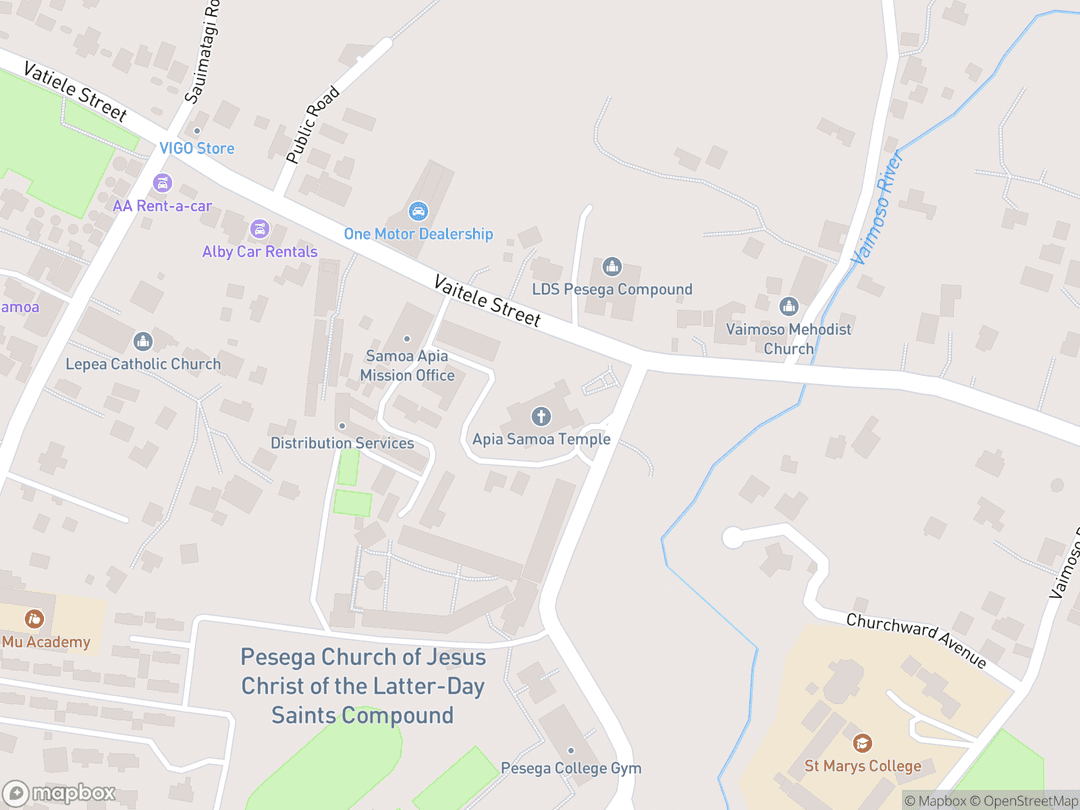
Vaitele Street Pesega, Apia, Samoa
Hours: Grounds are open daily.
Getting There: The temple is located on Vaitele Street in Pesega, near Apia. Transportation options include taxi and local buses.
Get DirectionsAbout
The Apia Samoa Temple stands as a beacon of faith in Pesega, near Apia, Samoa. It serves as a sacred space for members of The Church of Jesus Christ of Latter-day Saints, offering a place to reaffirm Christ's teachings through ordinances such as marriage and baptism, which unite families for eternity. The temple is more than just a building; it is a "house of the Lord," a sanctuary where members can draw closer to God and strengthen their spiritual connection.
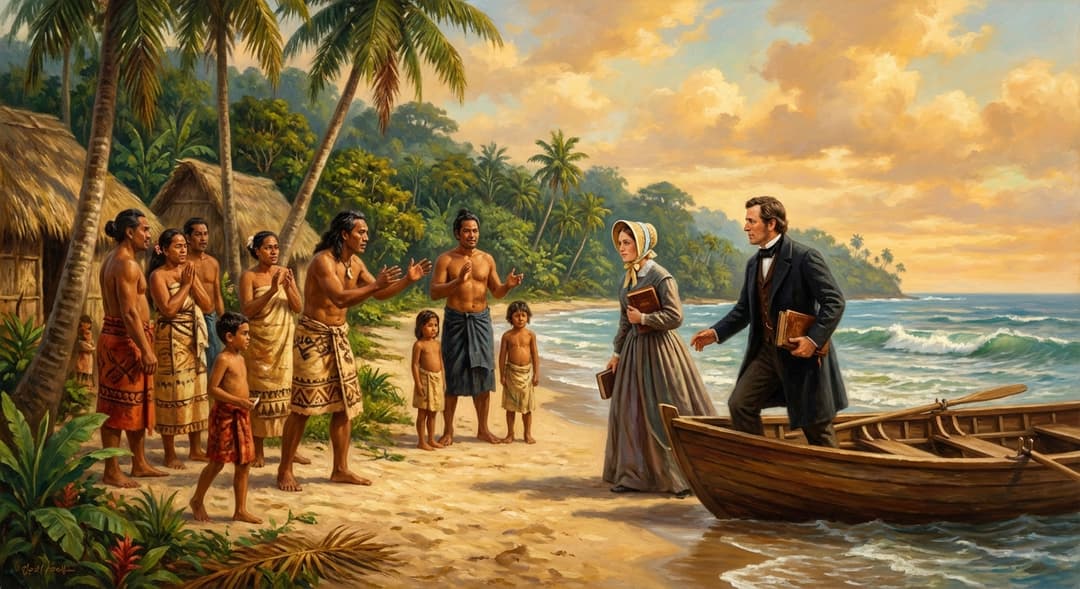
The temple's history is deeply intertwined with the growth of the Church in the South Pacific. Missionaries first arrived in the region in 1843, and the work gradually expanded. In 1977, the announcement of a temple in Samoa marked a significant milestone. After a devastating fire in 2003, the temple was rebuilt and rededicated, symbolizing resilience and the enduring spirit of the Samoan Saints.
Today, the Apia Samoa Temple continues to be a vital center of worship and community for Latter-day Saints in Samoa and surrounding islands. Its presence serves as a reminder of the importance of faith, family, and eternal covenants. The temple's beautiful architecture and serene grounds offer a peaceful retreat for all who visit.
Gallery
Symbolic Elements
The temple's exterior features intricate carvings, each rich with spiritual meaning:

Angel Moroni Statue
The statue of the angel Moroni stands atop the spire of the Apia Samoa Temple. This statue is a symbol of the spreading of the gospel of Jesus Christ throughout the world and a reminder of the angel Moroni's role in revealing the Book of Mormon to Joseph Smith.

Granite Exterior
The exterior of the Apia Samoa Temple is finished in granite, a durable and beautiful material that symbolizes strength and permanence. The granite reflects the enduring nature of the covenants made within the temple.

Single Spire
The temple features a single spire that reaches towards the heavens. The spire symbolizes the connection between earth and heaven, and serves as a beacon of hope and faith for those who visit the temple.

Inscriptions in Samoan
The Apia Samoa Temple features two inscriptions in the Samoan language. These inscriptions, including 'E PAIA I LE ALII O LE MAOTA O LE ALII' (Holiness to the Lord, the House of the Lord), remind those who see them of the sacred nature of the temple.

Ribbed Metal Roofing
The rebuilt temple features ribbed metal roofing, a durable and modern material that provides protection from the elements. The roofing contributes to the temple's overall aesthetic appeal.

Stained Art Glass Windows
The windows of the Apia Samoa Temple are constructed of stained art glass. These windows allow light to filter into the temple while also adding beauty and artistry to the building's design. The stained glass creates a reverent atmosphere within the temple.

Water Feature
A water feature is located at the entrance to the temple grounds. This water feature creates a peaceful and calming atmosphere, inviting visitors to reflect and prepare themselves spiritually before entering the temple grounds.

Landscaped Grounds
The Apia Samoa Temple is surrounded by beautifully landscaped grounds, featuring a variety of trees, flowers, and shrubs. The landscaping creates a serene and inviting environment for visitors and members alike.
Interesting Facts
The Apia Samoa Temple was the first temple built in Samoa.
It was the third temple built in Polynesia, following the Laie Hawaii Temple and the Hamilton New Zealand Temple.
The Apia Samoa Temple was the 22nd operating temple of the Church.
It was the second temple to be completely destroyed and rebuilt, the other being the Nauvoo Temple.
The Apia Samoa Temple was the first reconstructed temple to be relocated from its original footprint.
The groundbreaking ceremony for the Apia Samoa Temple was held just one day after the groundbreaking ceremony for the Nuku'alofa Tonga Temple.
The original Samoa Temple was to be constructed in Pago Pago, American Samoa.
The Apia Samoa Temple serves members from 20 stakes in American Samoa and the islands of Upolu and Savai'i.
During the reconstruction, members in Samoa had to travel to Fiji, Tonga, Hawaii, or New Zealand to attend the temple.
A Samoan postage stamp features the Apia Samoa Temple with the official cancellation mark featuring a line drawing of the angel Moroni statue.
Common Questions
What is the purpose of the Apia Samoa Temple?
The Apia Samoa Temple is a sacred space for members of The Church of Jesus Christ of Latter-day Saints, where they can participate in ordinances such as marriage, baptism, and other covenants that unite families for eternity. It serves as a 'house of the Lord,' a place to draw closer to God and strengthen their spiritual connection.
When was the Apia Samoa Temple originally dedicated?
The Apia Samoa Temple was originally dedicated on August 5-7, 1983, by Gordon B. Hinckley.
What happened to the Apia Samoa Temple in 2003?
The Apia Samoa Temple was destroyed by fire during renovations on July 9, 2003. However, plans were immediately made to rebuild it.
When was the Apia Samoa Temple rededicated after being rebuilt?
The Apia Samoa Temple was rededicated on September 4, 2005, by Gordon B. Hinckley.
What are some of the services offered at the Apia Samoa Temple?
The Apia Samoa Temple offers services such as baptisms for the dead, endowment ceremonies, and sealing ordinances (marriages). It also provides an arrival center with changing facilities and a distribution center for purchasing temple clothing.
Related Stories
Explore the rich history, traditions, and people connected to this sacred site.
Featured Stories
The Announcement of the Apia Samoa Temple
October 15, 1977
The announcement of the Apia Samoa Temple on October 15, 1977, by Church President Spencer W. Kimball, was met with great joy and anticipation by members of The Church of Jesus Christ of Latter-day Saints in Samoa and the surrounding islands. This announcement marked a significant milestone in the growth of the Church in the South Pacific, providing a sacred space for members to participate in temple ordinances closer to home.
Initially, the temple was planned for Pago Pago, American Samoa, but the decision was later made to relocate it to Apia, Samoa. This change was seen as a blessing, allowing the temple to serve a larger population of Latter-day Saints in the region. The announcement brought hope and excitement to the Samoan Saints, who had long desired a temple in their own land.
Source: churchofjesuschristtemples.org
The Devastating Fire and the Rebuilding of Hope
July 9, 2003
On July 9, 2003, tragedy struck when the Apia Samoa Temple was destroyed by fire during renovations. The fire was a devastating blow to the Samoan Saints, who felt a deep sense of loss for their beloved temple. However, amidst the ashes, a spirit of resilience and determination emerged.
Just days after the fire, the First Presidency of the Church announced plans to rebuild the temple, demonstrating their unwavering commitment to the Samoan Saints. This announcement brought renewed hope and a sense of purpose to the community, who rallied together to support the rebuilding effort. The angel Moroni statue miraculously survived the fire, becoming a symbol of hope and faith during this challenging time.
Source: churchofjesuschristtemples.org
The Rededication and a New Beginning
September 4, 2005
On September 4, 2005, the Apia Samoa Temple was rededicated by President Gordon B. Hinckley, marking a new beginning for the temple and the Samoan Saints. The rededication was a joyous occasion, filled with gratitude and celebration. Members from Samoa and surrounding islands gathered to witness the sacred event, which symbolized the triumph of faith over adversity.
The rebuilt temple stood as a testament to the resilience and dedication of the Samoan Saints, who had worked tirelessly to restore their beloved house of the Lord. The rededication marked a new chapter in the history of the Apia Samoa Temple, reaffirming its role as a beacon of hope and a center of spiritual strength for the community.
Source: churchofjesuschristtemples.org
Timeline
Missionaries Arrive
Missionaries of The Church of Jesus Christ of Latter-day Saints first arrived in the South Pacific.
MilestoneMissionaries Labor in Samoa
Two missionaries from Hawaii, Samuela Manoa and Kimo Pelio, arrived in Samoa and labored for 20 years.
MilestoneFormal Mission Created
A formal mission was created in the area, with headquarters near Apia.
MilestoneBook of Mormon Translated
The Book of Mormon was translated into Samoan and published.
MilestoneTemple Announced
The Church announced plans to build a temple in American Samoa, which would serve 50,000 members in Samoa, Fiji, French Polynesia (Tahiti), and Tonga.
component.timeline.announcementTemple Relocated to Apia
Church President Spencer W. Kimball announced plans to build seven new temples, including one in Apia, Samoa, relocating it from Pago Pago, American Samoa.
component.timeline.announcementGroundbreaking Ceremony
A groundbreaking ceremony and site dedication were held, with Spencer W. Kimball presiding.
component.timeline.groundbreakingPublic Open House
A public open house was held, allowing the community to tour the newly constructed temple.
EventOriginal Dedication
Gordon B. Hinckley dedicated the temple in seven sessions, marking its official opening.
DedicationTemple Destroyed by Fire
The temple was tragically destroyed by fire during renovations, a devastating loss for the community.
RenovationPlans to Rebuild Announced
The First Presidency announced plans to rebuild the temple, demonstrating their commitment to the Samoan Saints.
component.timeline.announcementSecond Groundbreaking Ceremony
A second groundbreaking ceremony was held, presided over by Dennis E. Simmons, signifying the start of the rebuilding process.
component.timeline.groundbreakingAngel Moroni Statue Placed
The angel Moroni statue that survived the fire was placed on the new temple, a symbol of hope and resilience.
MilestonePublic Open House for Rebuilt Temple
A public open house for the rebuilt temple was held, allowing the community to celebrate its restoration.
EventRededication
Gordon B. Hinckley rededicated the rebuilt temple, marking a new chapter in its history.
DedicationHistory by Decade
1840s–1880s — Early Missionary Work
We came to Samoa with a message of hope and salvation.
The history of The Church of Jesus Christ of Latter-day Saints in Samoa began in 1843 with the arrival of missionaries in the South Pacific. In 1863, Samuela Manoa and Kimo Pelio, two missionaries from Hawaii, arrived in Samoa and labored for 20 years, laying the foundation for the Church in the islands. These early missionaries faced numerous challenges, including language barriers, cultural differences, and limited resources. Despite these obstacles, they persevered, sharing the gospel message and establishing small congregations of believers.
1880s–1920s — Formal Mission and Translation of Scripture
The Book of Mormon in Samoan is a great blessing to our people.
In 1888, a formal mission was created in Samoa, with headquarters near Apia. This marked a significant step forward in the organization and growth of the Church in the islands. Missionaries continued to arrive from various parts of the world, strengthening the local congregations and expanding the reach of the gospel message. In 1903, the Book of Mormon was translated into Samoan and published, providing members with access to the scriptures in their own language.
1970s — Temple Announcement
The temple will be a beacon of light to all who come to Samoa.
The 1970s brought a significant milestone for the Latter-day Saints in Samoa with the announcement of a temple. On October 15, 1977, Church President Spencer W. Kimball announced plans to build a temple in American Samoa, which would serve 50,000 members in Samoa, Fiji, French Polynesia (Tahiti), and Tonga. This announcement was met with great joy and anticipation by members in the region, who had long desired a temple closer to home.
1980s — Construction and Dedication
This temple will be a sacred place where families can be united for eternity.
The 1980s marked a period of intense activity as construction began on the Apia Samoa Temple. On April 2, 1980, Church President Spencer W. Kimball announced plans to build seven new temples, including one in Apia, Samoa, relocating it from Pago Pago, American Samoa. A groundbreaking ceremony and site dedication were held on February 19, 1981, with Spencer W. Kimball presiding. The temple was dedicated on August 5-7, 1983, by Gordon B. Hinckley, marking a significant milestone in the history of the Church in Samoa.
2000s — Fire and Rebuilding
We will rebuild this temple, and it will be even more beautiful than before.
The early 2000s brought both tragedy and triumph to the Apia Samoa Temple. On July 9, 2003, the temple was destroyed by fire during renovations, a devastating loss for the Samoan Saints. However, just days later, the First Presidency announced plans to rebuild the temple, demonstrating their unwavering commitment to the community. A second groundbreaking ceremony was held on October 19, 2003, and the rebuilt temple was rededicated on September 4, 2005, by Gordon B. Hinckley.
2010s–Present — Continued Service
The Apia Samoa Temple is a beacon of light and hope for all who come to it.
Since its rededication in 2005, the Apia Samoa Temple has continued to serve as a vital center of worship and community for Latter-day Saints in Samoa and surrounding islands. The temple provides a sacred space for members to participate in temple ordinances, strengthen their faith, and draw closer to God. The temple's presence serves as a reminder of the importance of family, faith, and eternal covenants.
Architecture & Facilities
Modern, single-spire design that incorporates Polynesian cultural motifs into its decorative elements. The temple features a reinforced concrete structure with white exterior finishes, arched windows, and tropical landscaping suited to the Samoan island environment.
Building Materials
Exterior
The exterior of the Apia Samoa Temple is finished in granite, providing a durable and aesthetically pleasing surface. The granite was carefully selected to withstand the tropical climate and maintain its beauty for years to come.
Roofing
The rebuilt temple features ribbed metal roofing, a modern and durable material that offers excellent protection from the elements. The ribbed design adds visual interest to the roofline.
Windows
The windows are constructed of stained art glass, allowing light to filter into the temple while also adding beauty and artistry to the building's design. The stained glass creates a reverent atmosphere within the temple.
Foundation
The foundation of the temple is constructed of reinforced concrete, providing a solid and stable base for the building. The foundation is designed to withstand seismic activity and other natural forces.
Interior Features
Baptistry
The baptistry is a sacred space where baptisms for the dead are performed. It features a font of water, symbolizing cleansing and renewal, and is decorated with beautiful artwork and furnishings.
Endowment Rooms
The endowment rooms are where members receive instruction and make covenants related to their eternal progression. These rooms are designed to create a reverent and spiritual atmosphere.
Sealing Rooms
The sealing rooms are where marriages are performed, uniting couples and families for eternity. These rooms are decorated with beautiful artwork and furnishings, creating a sacred and memorable setting.
Celestial Room
The celestial room is a quiet and peaceful space where members can reflect and pray. It is designed to represent the presence of God and is considered the most sacred room in the temple.
Temple Grounds
The temple is surrounded by beautifully landscaped grounds, featuring a variety of trees, flowers, and shrubs. The landscaping creates a serene and inviting environment for visitors and members alike. A water feature is located at the entrance to the grounds, adding to the peaceful atmosphere.
Additional Facilities
The temple also includes an arrival center with changing facilities and a distribution center for purchasing temple clothing. These facilities are designed to provide convenience and comfort for those who come to the temple to worship.
Religious Significance
The Apia Samoa Temple is a sacred space dedicated to the service of God and the blessing of His children. It is a place where members of The Church of Jesus Christ of Latter-day Saints can draw closer to God, strengthen their faith, and make eternal covenants.
The primary purpose of the Apia Samoa Temple is to provide a place where members can participate in sacred ordinances that are essential for their eternal salvation. These ordinances include baptisms for the dead, endowment ceremonies, and sealing ordinances (marriages).
Sacred Ordinances
Baptism for the Dead
Baptism for the dead is a vicarious ordinance performed in behalf of those who have died without the opportunity to be baptized. This ordinance allows them to receive the blessings of baptism in the afterlife.
Endowment
The endowment is a sacred ordinance in which members receive instruction and make covenants related to their eternal progression. This ordinance helps them to prepare for eternal life in the presence of God.
Sealing
Sealing is a sacred ordinance in which couples and families are united for eternity. This ordinance ensures that family relationships can continue beyond the grave.
The Importance of Covenants
Covenants are sacred agreements between God and His children. In the temple, members make covenants to obey God's commandments, serve others, and live according to His teachings. These covenants are essential for their eternal salvation.
The Role of the Temple in Spiritual Growth
The temple is a place where members can receive spiritual guidance and inspiration. By attending the temple regularly, they can strengthen their faith, draw closer to God, and receive blessings that will help them in their daily lives.
Sources & Research
Every fact on Temples.org is backed by verified Sources & Research. Each piece of information is rated by source tier and confidence level.
View All Sources (3)
| Field | Source | Tier | Retrieved |
|---|---|---|---|
| About & Historical Background | The Church of Jesus Christ of Latter-day Saints (opens in a new tab) | A | 2024-02-29 |
| Historical Timeline | churchofjesuschristtemples.org (opens in a new tab) | C | 2024-02-29 |
| Architectural Description | The Church News (opens in a new tab) | B | 2024-02-29 |