Visitor Insights
Visiting Senegambia Stone Circles
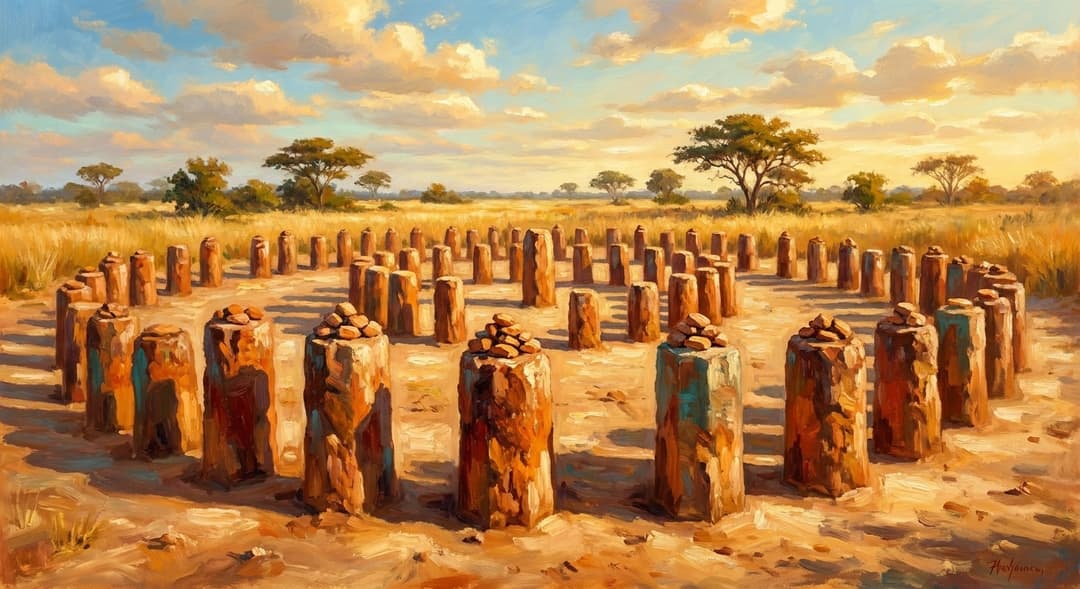
Visiting the Senegambian stone circles offers a rare glimpse into ancient West African ceremonial architecture. Wassu and Sine Ngayène provide the most accessible sites with on-site interpretive displays and towering monoliths.
Highlights
- Witnessing the massive 2.59-meter standing stones at the Wassu complex.
- Observing the bifurcated lyre stones with carved central apertures at Kerbatch.
- Walking among the 52 distinct stone rings across the savanna plateau of Sine Ngayène.
Things to Know
- Road access from main highways involves unpaved tracks that require high-clearance vehicles.
- Midday savanna temperatures can be intense, making morning or late afternoon visits ideal.
- Local custom regards the stones as ancestral spaces; visitors should treat the circles with quiet reverence.
Location
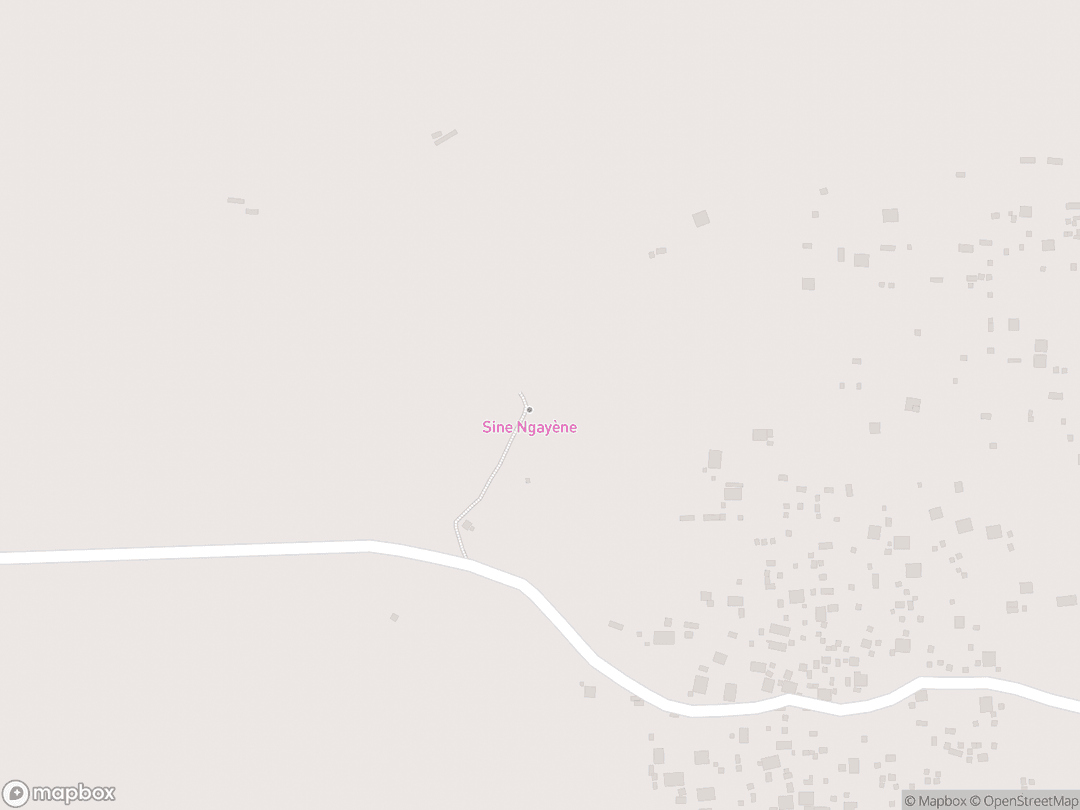
Sine Ngayène, Kaolack Region, Senegal
Hours: Daily from 08:00 to 18:00
Getting There: Accessible via paved highways to Kuntaur in The Gambia or Nioro du Rip in Senegal, followed by local rural roads.
Get DirectionsTips for Your Visit
Optimal Lighting
Visit in the late afternoon when the warm savanna sun illuminates the rich reddish-orange tones of the laterite pillars.
Respect Sacred Protocols
Do not climb or place heavy loads onto fragile weathered stones that are protected by international conservation laws.
Hire Local Guides
Engage accredited community guides at Wassu or Sine Ngayène to understand the layered archaeological and spiritual histories.
About
The Senegambia Stone Circles represent the largest concentration of megalithic architecture in the world. Spread across an expansive zone of 30,000 square kilometers along the River Gambia basin, more than a thousand distinct circular arrangements and nearly 29,000 individual standing monoliths mark this sacred ancestral landscape.
Carved with exceptional precision from subterranean ferruginous laterite, these monumental pillars functioned as consecrated mortuary complexes and territorial markers. The four key UNESCO-protected complexes at Sine Ngayène, Wanar, Wassu, and Kerbatch embody over a millennium of continuous architectural and ritual innovation by sophisticated Iron Age communities.
Rooted in ancient West African ancestral cosmology, each stone circle established an enduring boundary between the physical and spiritual realms. Standardized circular geometry, eastward solar alignments, and unique bifurcated lyre stones reflect profound engineering mastery and a venerated tradition of ancestral intercession.
Gallery
Symbolic Elements
The temple's exterior features intricate carvings, each rich with spiritual meaning:

Laterite Monolith
Cylindrical pillars represent durable physical anchors connecting the earthly world to ancestral realms.

Lyre Stone
Bifurcated tuning-fork slabs symbolize pastoral cattle horns, cosmic horizons, and sacred ancestral portals.

Eastern Alignment Line
Auxiliary standing stones placed east of circles symbolize the rising sun, resurrection, and renewal.

Concentric Sanctuary Ring
Double circles define graded boundaries separating communal space from innermost consecrated burial vaults.

Central Funerary Tumulus
The interior earth mound seals the resting place of community leaders and honored ancestral intercessors.

Votive Pebble Offering
Pebbles placed on monolith crowns represent contemporary prayers, sacred wishes, and ancestral protection.

Metallurgical Slag Deposit
Bloomery iron slag represents sacred transformative mastery over earth and fire during monument construction.
Interesting Facts
The Senegambia region contains the densest concentration of stone circles and standing megaliths documented anywhere on Earth. (Tier B)
Masons extracted the massive laterite pillars from subterranean layers where the stone was soft, allowing it to harden in the open air. (Tier B)
The transboundary monument is jointly conserved and maintained by the sovereign governments of Senegal and The Gambia. (Tier A)
The unique V-shaped lyre stones found at Kerbatch and Wanar are carved from single stone slabs and exist nowhere else in global megalithic design. (Tier B)
The national 50-dalasi banknote of The Gambia proudly displays the Wassu stone circle on its reverse side. (Tier A)
Excavations beneath single circles at Sine Ngayène have uncovered secondary communal burials containing remains of up to 59 individuals. (Tier B)
Extensive iron bloomery slag near quarries demonstrates that advanced iron smelting directly powered this monumental stonework. (Tier B)
Every stone circle was geometrically laid out with remarkable precision, maintaining true circular symmetry across wide perimeters. (Tier B)
Common Questions
Who built the Senegambian stone circles?
They were built by skilled indigenous Iron Age agro-pastoral societies with advanced metallurgy and ancestral religious traditions.
How were the massive laterite stones quarried?
Builders carved soft subterranean laterite using iron tools, which permanently hardened into dense rock upon air exposure.
What is the meaning of the V-shaped lyre stone?
Archaeologists associate the form with cattle horns, celestial alignments, and open arms welcoming ancestral spirits.
Can tourists visit all four key sites?
Yes, the four principal UNESCO concentrations at Wassu, Kerbatch, Sine Ngayène, and Wanar are open to visitors.
Featured Stories
The Mastery of Curing Laterite
700 CE
Ancient stonemasons developed an ingenious technique to extract laterite while it was still soft and clay-like beneath the ground. Using iron picks, they shaped symmetrical cylinders that permanently cured into dense rock upon air exposure. This technological breakthrough allowed them to erect thousands of enduring monuments across the savanna.
Source: Institut Fondamental d'Afrique Noire Archaeological Reports
The Riddle of the Lyre Stone
950 CE
At the complex of Kerbatch, builders carved a two-ton monolithic slab into a graceful two-pronged tuning fork with a connecting stone bridge. Early colonial explorers mistakenly attributed this complex masonry to Mediterranean voyagers. Modern excavations confirmed it was the masterwork of indigenous African builders commemorating elite pastoral lineages.
Source: UNESCO World Heritage Inscription Dossier
The Living Vow of Sine Ngayène
1100 CE
Excavations at Sine Ngayène revealed secondary burials where whole lineages were interred together beneath monumental circular perimeters. Accompanied by fine pottery and iron blades, the departed were commemorated as eternal communal protectors. Descendants continue this reverence today by offering silent prayers at the monolithic rings.
Source: Sine Ngayène Archaeological Project
Timeline
Initial Tumulus Burials
Earthen burial mounds and basal mortuary deposits appear across the River Gambia basin.
MilestoneSpread of Iron Smelting
Bloomery furnaces supply the iron picks and adzes needed to quarry dense ferruginous crusts.
EventSubterranean Revetments
Carved laterite monoliths are introduced to stabilize and line sacred earthen tumuli.
EventEarly Standing Circles
Free-standing laterite stone rings emerge at the monumental cemetery of Sine Ngayène.
MilestoneMonumental Architecture Climax
Megalith construction accelerates across the central corridor using standardized geometric layouts.
EventConcentric Circles Erection
Builders at Wanar and Kerbatch erect sophisticated double concentric rings and frontal stone lines.
MilestoneLyre Stones Fashioning
Masons carve bifurcated tuning-fork monoliths with transverse stone bridges along eastern alignments.
MilestoneApogee of Mortuary Offerings
Elite interments at Sine Ngayène feature high-status grave goods including copper ornaments and weapons.
EventCessation of Megalithic Quarrying
Regional political reorganizations and the spread of Islam bring an end to new circle construction.
MilestoneSystematic IFAN Excavations
Guy Thilmans and Cyr Descamps establish foundational archaeological typologies for the monuments.
MilestoneUNESCO World Heritage Inscription
The Stone Circles of Senegambia are inscribed as a transboundary World Heritage site.
DedicationHistory by Decade
300 BCE–100 BCE — The Funerary Foundations
Early agro-pastoral communities establish settled agricultural villages along the Gambia and Saloum river valleys. They initiate mortuary rituals centered on communal earthen tumuli containing organic offerings and domestic ceramic vessels.
200 CE–600 CE — The Introduction of Stone Revetments
The mastery of bloomery iron smelting yields durable tools capable of cutting laterite deposits. Monoliths initially serve as subsurface revetments before emerging as standing pillars marking sacred ground.
700 CE–900 CE — Monumental Expansion
Megalithic construction reaches its artistic peak with standardized geometry and balanced monolith heights. Builders construct elaborate double circles and introduce auxiliary eastern alignment lines.
950 CE–1200 CE — Classical Architectural Mastery
Masons at Wanar and Kerbatch execute fine cylindrical dressing and fashion the unique bifurcated lyre stones. High-status communal interments reflect a prosperous, stratified society centered on ancestral intercession.
1300 CE–1600 CE — Transition and Preservation
New monument quarrying declines as trans-Saharan trading avenues expand and regional empires flourish. Even as active stone carving ceases, local populations preserve the sites as sacred dwellings of spirits.
1970s–Present — Scientific Archaeology & World Heritage
Extensive excavations by IFAN and joint international teams document hundreds of regional circles. In 2006, UNESCO officially inscribes the monuments to safeguard their global cultural significance.
Architecture & Facilities
The architecture of the Senegambia Stone Circles represents an indigenous West African megalithic funerary tradition defined by modular circular geometry, dressed laterite cylindrical pillars, and specialized bifurcated monoliths. Standardized rings create balanced spatial enclosures designed to honor elite ancestral burials and orient mortuary spaces toward the eastern horizon.
Building Materials
Ferruginous Laterite
Subterranean iron-rich sedimentary stone quarried soft and naturally air-cured to extreme hardness.
Mortuary Earth Fill
Compacted alluvial savanna silt and clay forming central burial tumuli within the circles.
Smelted Iron Tools
Bloomery iron adzes and picks employed by ancient stonecutters to sculpt uniform pillar facets.
Ceramic Vessels
Carinated earthenware jars deposited within burial pits to hold mortuary ritual offerings.
Interior Features
Central Burial Vault
The consecrated internal earth space containing primary or secondary ancestral skeletal deposits.
Inner Concentric Ring
The smaller interior circle of monoliths demarcating the most sacred sepulchral chamber.
Pillar Enclosure Zone
The open ground enclosed between stone uprights where funerary ceremonies were conducted.
Subterranean Cut Pit
Excavated shafts beneath the tumulus holding grave goods and personal prestige ornaments.
Temple Grounds
The monuments occupy open savanna plateaus with cleared ceremonial spaces, laterite quarry depressions, and ancient iron smelting bloomery sites.
Additional Facilities
On-site visitor reception centers, interpretive museum galleries at Wassu, and curated trail pathways around the principal megalithic clusters.
Religious Significance
The stone circles embodied an ancient Senegambian cosmological system centered on ancestral veneration, cyclical rebirth, and the sanctification of territorial boundaries.
To serve as permanent communal memorials housing honored ancestors who mediate between living communities and the transcendent creator.
Sacred Ordinances
Mortuary Inhumation
The placement of primary and secondary skeletal remains within consecrated stone-ringed vaults.
Solar Dawn Alignment
The orientation of ritual offerings and auxiliary stones toward the sunrise to celebrate rebirth.
Ancestral Intercession
Prayers and offerings presented to ancestral spirits to secure seasonal rainfall and community protection.
Votive Stone Deposition
The placing of smooth pebbles atop standing monoliths to ratify personal vows and seek blessings.
Cosmology of the Sacred Circle
The circular boundary formed an impenetrable sacred barrier, protecting the living community from spiritual harm while enshrining the departed in eternal dignity.
Metaphysics of the Lyre Stone
The unique V-shaped monoliths functioned as cosmic sighting markers and architectural horns, symbolizing pastoral wealth and connection to divine realms.
Sources & Research
Every fact on Temples.org is backed by verified Sources & Research. Each piece of information is rated by source tier and confidence level.
View All Sources (8)
| Field | Source | Tier | Retrieved |
|---|---|---|---|
| World Heritage Inscription & Management | UNESCO World Heritage Centre (opens in a new tab) | B | 2026-03-29 |
| Archaeological Surveys & Regional Typology | UNESCO Advisory Body Evaluation (opens in a new tab) | B | 2026-03-29 |
| Megalithic Construction & Funerary Practices | OpenEdition Journals (opens in a new tab) | B | 2026-03-29 |
| Senegambian Chronology & Excavations | Encyclopaedia Britannica (opens in a new tab) | B | 2026-03-29 |
| Regional Heritage Site Documentation | African World Heritage Sites (opens in a new tab) | B | 2026-03-29 |
| Metallurgical and Megalithic Origins | AfroLegends Cultural Heritage (opens in a new tab) | C | 2026-03-29 |
| Archaeoastronomy & Landscape Studies | Northern Earth Journal (opens in a new tab) | C | 2026-03-29 |
| Architectural Analysis and Typology | Original People Heritage Studies (opens in a new tab) | C | 2026-03-29 |