Visitor Insights
Visiting Sri Sri Radha Radhanath Temple
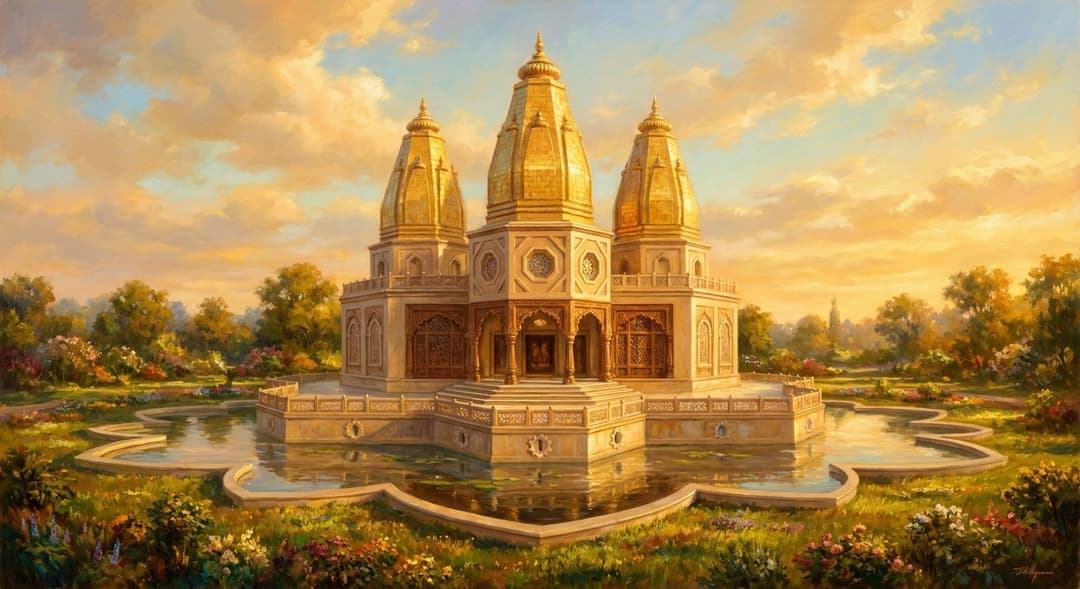
The Temple of Understanding welcomes visitors of all backgrounds into a vibrant spiritual sanctuary surrounded by landscaped lotus moats and gardens. The interior features ceiling frescoes, polished marble, and an uplifting atmosphere of continuous devotion. Guests can experience authentic temple rituals and enjoy renowned vegetarian cuisine at Govinda's Restaurant.
Highlights
- Dazzling octagonal mandapa adorned with hand-painted ceiling murals of Krishna
- Expansive lotus-shaped perimeter moat inhabited by water lilies and koi
- Award-winning Govinda's Vegetarian Restaurant serving lacto-vegetarian meals
- Weekly Sunday Love Feast featuring congregational kirtan and philosophical discourse
Things to Know
- Visitors must remove footwear at the designated entrance pavilion before entering the temple hall
- Modest attire covering shoulders and knees is strictly requested across the sanctuary
- Non-flash photography is permitted in the hall, but restricted facing deities during active arati
Location
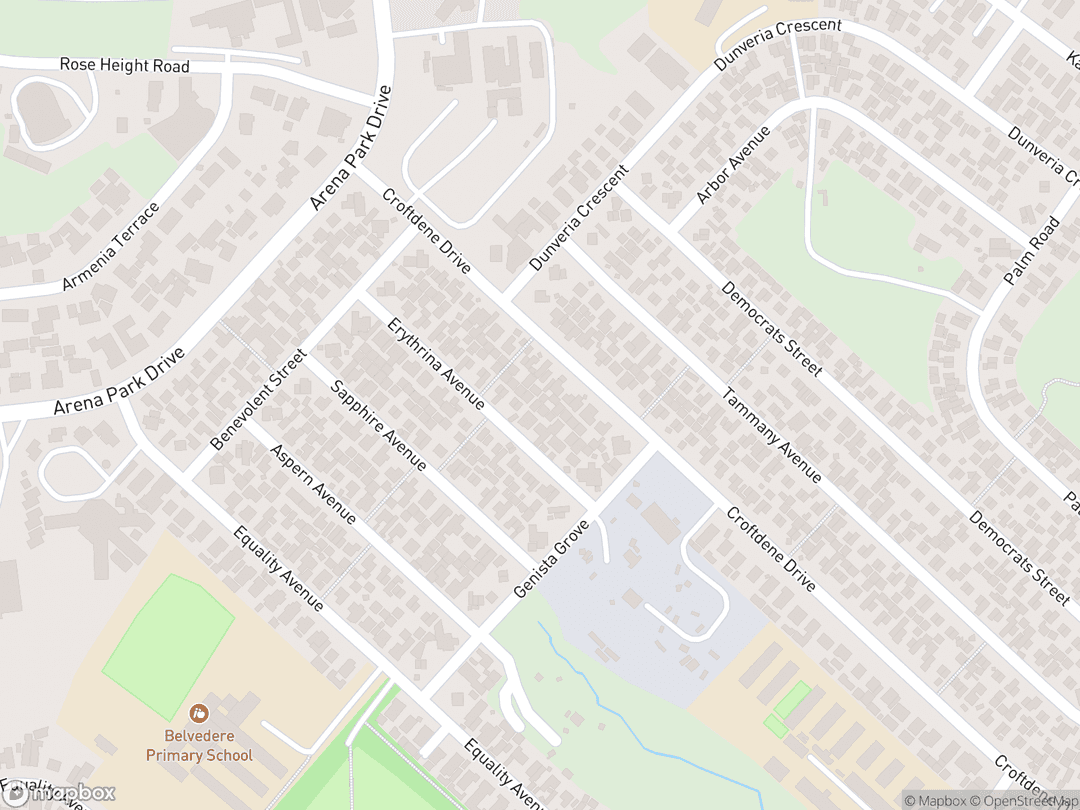
50 Bhaktivedanta Swami Circle, Unit 5, Chatsworth, Durban, 4092, KwaZulu-Natal, South Africa
Hours: Open daily from 4:30 AM to 1:00 PM and 4:00 PM to 8:30 PM
Getting There: Located in Chatsworth roughly 20 km south of Durban Central Business District, accessible via the Higginson Highway off the N2.
Get DirectionsTips for Your Visit
Arrive for Morning Aarti
Witness the tranquil 4:30 AM Mangala Aarti for an immersive experience of traditional singing and temple drums.
Dine at Govinda's
Sample fresh rotis, savory vegetable curries, and traditional Vedic sweets prepared on-site daily.
Explore the Gardens
Stroll along the tiered lotus-shaped paths and cross the bridge gateways over the water moat.
About
The Sri Sri Radha Radhanath Temple, widely known as the Temple of Understanding, stands as a landmark spiritual sanctuary and architectural marvel in Chatsworth, Durban. Conceived within the universal umbrella of Dharmic traditions and rooted specifically in Gaudiya Vaishnavism, the temple synthesizes ancient Vedic cosmology with bold modernist architecture. Designed by Austrian architect Rajaram Das, its elevated lotus layout and soaring spires challenge conventional regional design.
Commissioned in 1975 by ISKCON founder A.C. Bhaktivedanta Swami Prabhupada during his sole visit to South Africa, the complex was erected in direct defiance of apartheid racial barriers. Devotees of diverse ethnic backgrounds united to construct the sanctuary by hand, creating an oasis of equality grounded in the Bhagavad Gita's teaching of spiritual oneness. Today, it remains the largest Hindu temple complex in the Southern Hemisphere and an international pilgrimage destination.
Gallery
Symbolic Elements
The temple's exterior features intricate carvings, each rich with spiritual meaning:

Unfolding Lotus Profile
The temple footprint blooms outward like a sacred lotus flower symbolizing purity rising above material attachments.

Perimeter Water Moat
The surrounding reservoir represents the ocean of material existence through which the faithful cross toward spiritual truth.

Triple Shikhara Spires
Three central towers honor Mount Meru and embody the cosmic philosophical triad of Sambandha, Abhidheya, and Prayojana.

Tilak Facade Windows
Windows shaped as the sacred Vaishnava Urdhva Pundra mark the temple as a sanctified body dedicated to the Divine.

Stainless Steel Kalashas
Gleaming spire finials receive spiritual energy and radiate divine grace across all directional quarters.

Sunburst Marble Mandalas
Radiating geometric inlays across the hall floor illustrate cosmic harmony centered entirely upon God.

Four Cardinal Bridges
The entry bridge spans correspond to the four cosmic eras, directing seekers into the timeless realm of devotion.
Interesting Facts
The temple was built by racially integrated devotee teams in open defiance of apartheid segregation laws. (Tier A)
Nelson Mandela visited the sanctuary multiple times, praising its humanitarian food programs as an embodiment of reconciliation. (Tier A)
It is widely recognized as the largest Hindu temple complex in the Southern Hemisphere. (Tier B)
The architectural footprint forms the shape of an unfolding lotus flower when viewed from above. (Tier A)
Materials were gathered internationally, including Portuguese marble, Japanese white oak, and Austrian gold tiles. (Tier B)
A consecrated Govardhan Shila brought directly from Vrindavan was formally installed in the temple in 2005. (Tier A)
The annual Radhastami festival features a decorated swan boat gliding across the perimeter moat. (Tier A)
The complex serves as the headquarters for Food for Life South Africa, distributing thousands of meals daily. (Tier A)
Common Questions
Why is it known as the Temple of Understanding?
It was named to champion racial unity and spiritual brotherhood in South Africa during apartheid.
Who are the presiding deities of the temple?
The primary deities are Sri Sri Radha Radhanath, representing Lord Krishna and His divine pleasure potency Radha.
Are non-Hindus allowed to visit the temple?
Yes, visitors of all cultural and religious backgrounds are warmly welcomed every day.
Is there an entry fee to explore the grounds?
Admission to the temple sanctuary and surrounding landscaped gardens is completely free.
Featured Stories
Building Harmony Under Apartheid
1980
During the height of statutory segregation, construction of the temple became an act of profound spiritual defiance. Devotees of diverse backgrounds worked side by side mixing concrete, mounting steel, and polishing imported stone. Their shared labor demonstrated the core philosophy that the soul transcends all physical designations.
Source: ISKCON Communications Archives
Nelson Mandela's Sacred Visit
1994
Following the dawn of democratic South Africa, President Nelson Mandela arrived at the temple to honor its humanitarian contributions. He addressed the gathering inside the marble hall, highlighting the Food for Life initiative as a cornerstone of the new nation's healing. His visit affirmed the sanctuary's enduring standing as an authentic Temple of Understanding.
Source: University of Cape Town Historical Records
The Miracle of the 2008 Fire
June 2, 2008
When a late-night electrical fire ignited the upper spire above the inner altar, dense smoke engulfed the main sanctuary. Dedicated caretakers rushed inside to shield the sacred deities from structural debris, ensuring they remained completely unharmed. An international outpouring of assistance enabled the community to rebuild and rededicate the spire within months.
Source: ISKCON News Service
Timeline
Founder's Commission
A.C. Bhaktivedanta Swami Prabhupada visits Durban and commissions a major temple project in Chatsworth.
MilestoneArchitectural Drafting
Austrian architect Rajaram Das arrives in South Africa to finalize blueprints incorporating sacred geometric canons.
EventGroundbreaking
Construction begins on the four-hectare hill as volunteer crews assemble to form an independent building collective.
component.timeline.groundbreakingOfficial Consecration
The temple opens during a four-day Diwali celebration attended by over one hundred thousand visitors.
DedicationInaugural Ratha Yatra
The community launches the Durban Festival of Chariots, which expands into one of the largest outside India.
EventPresidential Visit
President Nelson Mandela tours the temple complex and applauds its dedication to unity and community welfare.
MilestoneGovardhan Shila Installation
A sacred stone from the holy Govardhan Hill in Vrindavan is consecrated on the primary altar.
MilestoneSwan Boat Pageant Debut
The restored lotus moat hosts the first annual ceremonial swan boat procession for Radhastami.
EventSpire Fire Restoration
An electrical fire damages the main spire, prompting a rapid international campaign to rebuild the roof.
RenovationSilver Jubilee Celebration
Civic dignitaries and international leaders gather to mark twenty-five years of spiritual service in Chatsworth.
MilestoneHistory by Decade
1970s — Vision in a Segregated Era
Build a Temple of Understanding where all people can experience their true spiritual equality.
During his sole tour of South Africa in 1975, A.C. Bhaktivedanta Swami Prabhupada envisioned a majestic spiritual center in Chatsworth. Despite apartheid laws dividing communities by race, he challenged his followers to build an inclusive sanctuary. Architect Rajaram Das soon arrived to draft an innovative design bridging ancient Shilpa Shastra with contemporary engineering.
1980s — Defiance and Construction
Groundbreaking took place in 1980 on a prominent hill in Chatsworth, utilizing an all-volunteer devotee building company. Men and women of diverse racial origins lived and labored together on scaffolding, directly disregarding apartheid segregation edicts. In October 1985, the temple was consecrated with a landmark multi-day festival welcoming over one hundred thousand attendees.
1990s — Reconciliation and Growth
With the advent of democracy in South Africa, the Temple of Understanding gained national recognition as an enduring emblem of racial harmony. President Nelson Mandela visited the complex, praising its extensive food relief efforts across KwaZulu-Natal. The annual Durban Festival of Chariots expanded along the beachfront, engaging millions of South Africans.
2000s — Trial and Restoration
The decade brought major devotional milestones, including the installation of a sacred Govardhan Shila and the creation of the annual moat swan boat festival. In June 2008, a localized electrical fire damaged the upper sanctuary tower. The community mobilized immediately, restoring the ornate spire and altar embellishments within months.
2010s to Present — Humanitarian Nerve Center
Celebrating its Silver Jubilee in 2010, the temple broadened its community impact across eThekwini Municipality. During the pandemic and regional unrest, the on-site Food for Life kitchen coordinated massive relief feeding programs. Today, the temple flourishes as an active cultural hub, philosophical center, and peaceful refuge.
Architecture & Facilities
The architecture represents a pioneering postmodern synthesis of ancient Vedic principles and contemporary geometric design. Rather than imitating classical medieval stone templates, the complex interprets the Vastu Purusha Mandala through interlocking octagons, triangular projections, and aerodynamic contours. This avant-garde aesthetic reflects the cosmic lotus blooming from the material ocean into transcendental space.
Building Materials
Austrian Gold Ceramic Tiles
Imported glazed ceramic tiles cover the three central spires to reflect shifting coastal sunlight.
Portuguese Green and White Marble
High-grade imported marble forms intricate radiating sunburst floor designs across the central mandapa.
Japanese White Oak
Hand-carved hardwood screens and ornate framework house the sacred deities within the altar.
Structural Stainless Steel
South African milled steel forms durable spire supports and weather-resistant ornamental kalashas.
Interior Features
Central Mandapa
A column-free prayer sanctuary capable of holding hundreds of worshippers under decorative coffered ceilings.
Ceiling Mural Vaults
Hand-painted polygonal panels depicting sacred pastimes from the Srimad Bhagavatam across the high vault.
The Main Sanctum
An elevated threefold marble altar housing Sri Sri Radha Radhanath and companion deities.
Prabhupada Vyasasana
An intricately carved, gilded seat bearing a lifelike murti of the spiritual founder opposite the altar.
Temple Grounds
The four-hectare grounds are sculpted to mirror an unfolding lotus flower, featuring stepped floral terraces, pathways, koi-stocked moats, and peaceful seating alcoves.
Additional Facilities
Features Govinda's Vegetarian Restaurant, an extensive Vedic literature library, a gift boutique, administrative suites, and conference facilities.
Religious Significance
Within the Dharmic theological grouping, temples serve as cosmic physical bridges joining the mundane plane with the transcendent realm. Sri Sri Radha Radhanath Temple operates as an active sanctuary of Gaudiya Vaishnavism, emphasizing devotion to Lord Krishna and Sri Radharani as the supreme manifestations of the Divine.
To provide a sanctuary for spiritual awakening, congregational chanting, and selfless service accessible to all humanity.
Sacred Ordinances
Aarti and Darshan
Eight daily liturgical offerings where devotees view sanctified deities accompanied by bells and prayers.
Sankirtana
Congregational singing of the Hare Krishna maha-mantra accompanied by mridanga drums and kartala cymbals.
Prasadam Distribution
Preparation and sanctification of pure vegetarian meals distributed freely to visitors and the broader community.
Achintya Bhedabheda Philosophy
The temple teaches the theology of inconceivable simultaneous oneness and difference between the soul and God. This philosophy dismantles social divisions by emphasizing our universal nature as eternal servants of the Divine.
The Temple of Understanding Vision
Founded during the segregation era, the sanctuary embodies the Bhagavad Gita's principle of seeing all living entities with equal vision, fostering peace through shared spiritual realization.
Sources & Research
Every fact on Temples.org is backed by verified Sources & Research. Each piece of information is rated by source tier and confidence level.
View All Sources (9)
| Field | Source | Tier | Retrieved |
|---|---|---|---|
| About & Historical Background | ISKCON Durban (opens in a new tab) | A | 2026-03-30 |
| Religious Significance & Philosophy | ISKCON News (opens in a new tab) | A | 2026-03-30 |
| National Presence & Governance | ISKCON South Africa (opens in a new tab) | A | 2026-03-30 |
| Deity Worship & Liturgy | ISKCON Mandir Directory (opens in a new tab) | A | 2026-03-30 |
| Historical Timeline & Social Impact | University of Cape Town (opens in a new tab) | B | 2026-03-30 |
| Apartheid Defiance & Community History | University of Pretoria (opens in a new tab) | B | 2026-03-30 |
| Architectural Details & Sourcing | Sacred Places India (opens in a new tab) | C | 2026-03-30 |
| Visitor Insights & Operating Hours | SA-Venues Travel Guide (opens in a new tab) | D | 2026-03-30 |
| Tourist Facilities & Etiquette | Visit A City Durban (opens in a new tab) | D | 2026-03-30 |