Visitor Insights
Visiting Bern Switzerland Temple
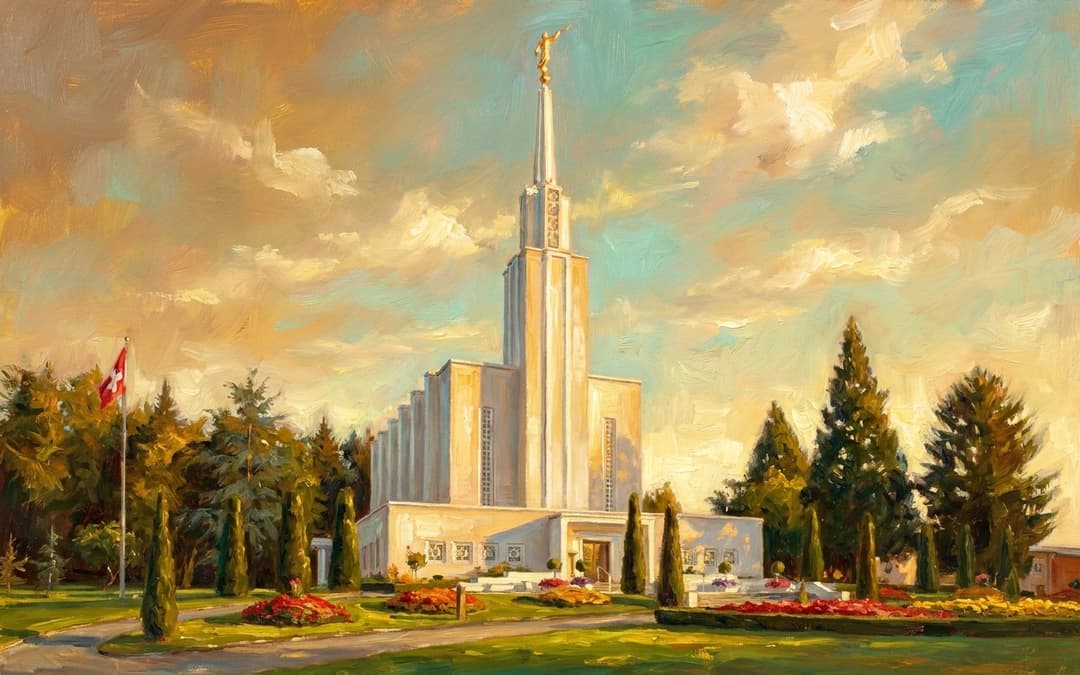
The Bern Switzerland Temple is located in a peaceful, wooded area just north of Bern. Visitors can enjoy the serene atmosphere of the temple grounds, which feature well-manicured gardens, walking paths, and open green spaces. While there is no formal visitors' center, the temple grounds are open to the public, providing an opportunity to appreciate the architecture and landscaping. The temple is easily accessible by public transportation, with a train station and streetcar stop located nearby.
Highlights
- Beautifully landscaped grounds with gardens and walking paths
- Peaceful and serene atmosphere
- Easy access by public transportation
Things to Know
- No formal visitors' center is available
- Limited parking may be available
- Temple is closed to the public during ordinance sessions
Location
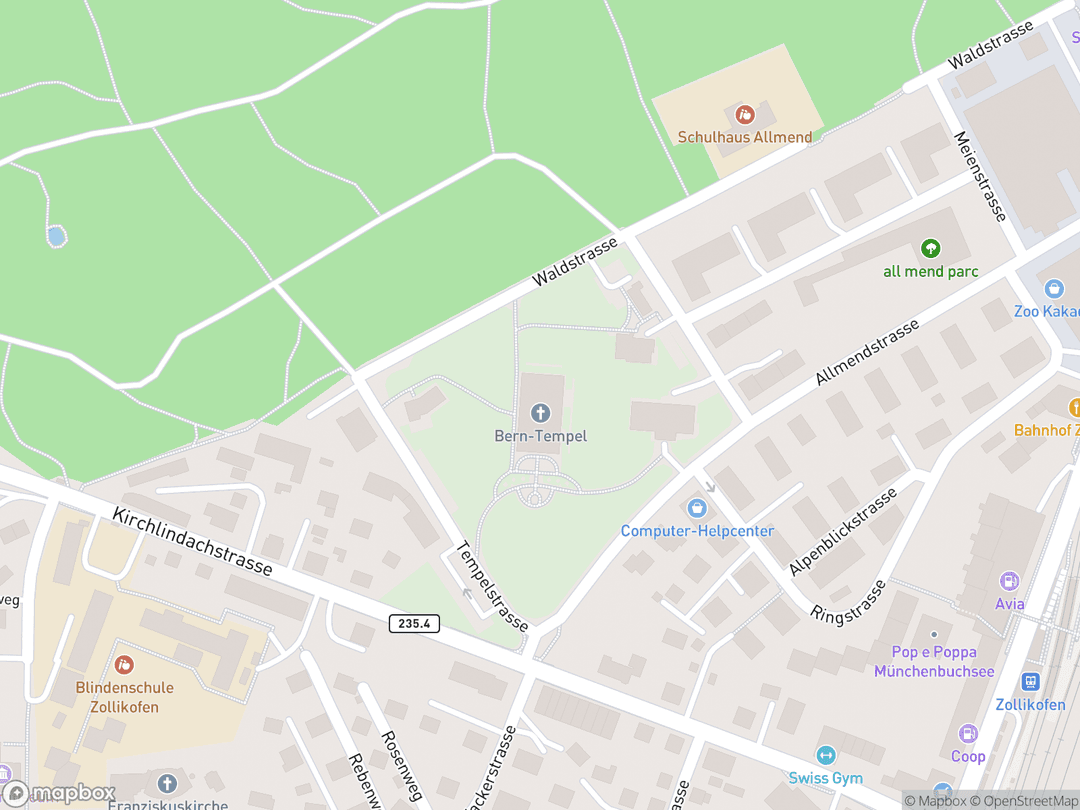
Tempelstrasse 2, CH-3052 Zollikofen, Switzerland
Hours: The temple is open for ordinance work according to a published schedule. The grounds are open to the public during daylight hours.
Getting There: The temple is located a short walk from the Zollikofen train station and streetcar terminal. Limited parking is available on site.
Get DirectionsTips for Your Visit
Plan your visit in advance
Check the temple's schedule online to ensure it is open for public visitation.
Dress respectfully
While visiting the temple grounds, please dress in a manner that is respectful of the sacred nature of the site.
About
The Bern Switzerland Temple, dedicated in 1955, holds a significant place in the history of The Church of Jesus Christ of Latter-day Saints as the first temple built in Europe and the first outside of North America. Its construction marked a pivotal moment in the Church's expansion and its commitment to providing sacred spaces for its members worldwide. The temple serves Latter-day Saints in Switzerland, Austria, France, Italy, and other surrounding countries, fostering a sense of unity and shared faith among a diverse community.
The temple's location in Zollikofen, near Bern, reflects the Church's presence in Switzerland since the mid-19th century. The arrival of the first missionaries in 1850 and the subsequent dedication of the land for missionary work laid the foundation for the growth of the Church in the region. The announcement of the temple in 1952 by President David O. McKay was met with great enthusiasm and anticipation by the local members, who had long desired a temple closer to home.
The architectural design of the Bern Switzerland Temple blends modern and contemporary elements, creating a unique and inspiring structure. The temple's exterior, constructed of reinforced concrete with gray terracotta trim, stands as a testament to the dedication and craftsmanship of those who built it. The addition of the angel Moroni statue in 2005 further enhanced the temple's symbolic significance, representing the restoration of the gospel of Jesus Christ.
Throughout its history, the Bern Switzerland Temple has undergone renovations and improvements to ensure its continued functionality and beauty. The rededication in 1992 by President Gordon B. Hinckley marked a significant milestone in the temple's ongoing service to the Latter-day Saint community. Today, the Bern Switzerland Temple stands as a beacon of faith, a place of sacred ordinances, and a symbol of the enduring legacy of The Church of Jesus Christ of Latter-day Saints in Europe.
Gallery
Symbolic Elements
The temple's exterior features intricate carvings, each rich with spiritual meaning:

Angel Moroni Statue
The angel Moroni statue, added in 2005, is a symbol of the restored gospel of Jesus Christ. It represents the angel who appeared to Joseph Smith and revealed the Book of Mormon. The statue faces eastward, signifying the spreading of the gospel to all nations.

Reinforced Concrete Exterior
The exterior of the Bern Switzerland Temple is constructed of reinforced concrete, a durable and modern material. This choice of material reflects the temple's contemporary architectural style and its ability to withstand the elements. The gray terracotta trim adds a touch of elegance and sophistication to the overall design.

Terracotta Trim
The gray terracotta trim on the exterior of the temple provides a subtle contrast to the reinforced concrete. Terracotta is a versatile and durable material that has been used in architecture for centuries. Its presence on the temple adds a touch of classic elegance to the modern design.

Seven Acres of Grounds
The Bern Switzerland Temple is situated on seven acres of beautifully landscaped grounds. These grounds provide a peaceful and serene setting for visitors and worshippers alike. The gardens, trees, and open spaces create a sense of tranquility and reverence.

Gardens and Landscaping
The gardens and landscaping surrounding the Bern Switzerland Temple are meticulously maintained, creating a visually stunning and spiritually uplifting environment. The carefully chosen plants and flowers add color and beauty to the temple grounds, enhancing the overall sense of peace and tranquility.
Four Ordinance Rooms
The Bern Switzerland Temple contains four ordinance rooms, where members of the Church participate in sacred ceremonies such as the endowment. These rooms are designed to create a reverent and spiritual atmosphere, allowing individuals to focus on their relationship with God.

Seven Sealing Rooms
The temple includes seven sealing rooms, where couples are married for eternity and families are sealed together. These rooms are symbolic of the eternal nature of love and family relationships, which are central to Latter-day Saint beliefs. The sealing rooms are decorated with beautiful artwork and furnishings, creating a sacred and intimate space.

Baptistry
The baptistry is a sacred space within the temple where baptisms for the dead are performed. This ordinance allows deceased individuals who did not have the opportunity to be baptized during their lifetime to receive this essential ordinance. The baptistry is a symbol of cleansing and renewal, and it represents the Church's belief in the importance of offering salvation to all of God's children.
Interesting Facts
The Bern Switzerland Temple was the first temple built in Europe.
It was the first temple outside of North America.
The temple serves members in Austria, France, Italy, and Switzerland.
Joseph F. Smith prophesied in 1906 that temples would be built in various countries.
The temple was originally known as the Swiss Temple.
The groundbreaking ceremony was almost rained out, but the weather cleared just in time.
During the 1992 rededication open house, tours were held in multiple languages.
A statue of the angel Moroni was added to the spire in 2005.
The temple stands on a 7-acre site at the edge of a national forest.
The temple's postal address is assigned to Zollikofen, though it is located in Münchenbuchsee.
Common Questions
What is the purpose of temples in The Church of Jesus Christ of Latter-day Saints?
Temples are considered houses of the Lord and are sacred places where members of the Church participate in ordinances such as baptisms for the dead, endowments, and sealings, which are essential for eternal life. Temples provide a space for individuals to draw closer to God and strengthen their faith.
Who can enter the Bern Switzerland Temple?
Only members of The Church of Jesus Christ of Latter-day Saints who are in good standing and have a temple recommend from their local leaders are permitted to enter the temple. However, the temple grounds are open to the public, allowing anyone to enjoy the beauty and peaceful atmosphere of the surroundings.
What is the significance of the angel Moroni statue on the temple?
The angel Moroni statue is a symbol of the restored gospel of Jesus Christ. Moroni was an ancient prophet who appeared to Joseph Smith and revealed the Book of Mormon. The statue represents the spreading of the gospel message to the world.
What are the operating hours of the Bern Switzerland Temple?
The operating hours of the Bern Switzerland Temple vary depending on the day and the specific ordinance being performed. It is best to check the temple's official website or contact the temple directly for the most up-to-date schedule.
Are there any accommodations for visitors with disabilities?
The Bern Switzerland Temple strives to provide accommodations for visitors with disabilities. Please contact the temple in advance to inquire about specific accessibility options and to make arrangements for assistance if needed.
Featured Stories
The Announcement of the Bern Switzerland Temple
July 1, 1952
On July 1, 1952, Latter-day Saints throughout Europe rejoiced as President David O. McKay announced the construction of a temple in Bern, Switzerland. This momentous occasion marked the first time a temple would be built on European soil, fulfilling a long-held dream for many members who had previously traveled great distances to attend temples in North America. The announcement instilled a renewed sense of hope and faith in the hearts of European Saints, solidifying their connection to the global Church community.
The selection of Bern as the temple site was a testament to the city's central location and its accessibility to members from various European countries. The 2.8-hectare (7-acre) lot, chosen in July of the same year, provided a serene and picturesque setting for the sacred edifice. The announcement not only symbolized the Church's growth and expansion in Europe but also served as a beacon of light, inviting all to come closer to God and partake in the blessings of temple worship.
Source: The Church News
The Dedication of the Bern Switzerland Temple
September 11-15, 1955
The dedication of the Bern Switzerland Temple, held from September 11-15, 1955, was a truly historic event, presided over by President David O. McKay. Latter-day Saints from across Europe gathered in Switzerland to witness the culmination of years of anticipation and sacrifice. The dedication ceremonies were filled with spiritual power and reverence, as President McKay consecrated the temple for its sacred purpose.
The dedication of the Bern Switzerland Temple marked a turning point for the Church in Europe, providing a central location for members to participate in temple ordinances and strengthen their testimonies. The temple became a symbol of unity and faith, fostering a sense of belonging among Latter-day Saints from diverse cultural and linguistic backgrounds. The dedication ceremonies were a testament to the unwavering commitment of the European Saints and their dedication to the gospel of Jesus Christ.
Source: The Church of Jesus Christ of Latter-day Saints Newsroom
The Addition of the Angel Moroni Statue
September 7, 2005
In commemoration of the Bern Switzerland Temple's 50th anniversary, a statue of the angel Moroni was added to the temple spire on September 7, 2005. This addition enhanced the temple's symbolic significance, representing the restoration of the gospel of Jesus Christ and the spreading of the gospel message to all nations. The angel Moroni statue serves as a visual reminder of the divine mission of The Church of Jesus Christ of Latter-day Saints and its commitment to sharing the blessings of the gospel with the world.
The addition of the statue was a cause for celebration among Latter-day Saints in Europe and beyond. The angel Moroni, a symbol of hope and faith, stands as a beacon of light, inviting all to come unto Christ and partake of the blessings of eternal life. The statue serves as a testament to the enduring legacy of the Bern Switzerland Temple and its continued role in blessing the lives of countless individuals.
Source: The Church of Jesus Christ of Latter-day Saints
Timeline
First Latter-day Saint missionary arrives in Switzerland
Thomas B.H. Stenhouse begins teaching in Geneva, marking the beginning of the Church's presence in Switzerland.
MilestoneSwitzerland dedicated for missionary work
Lorenzo Snow dedicates Switzerland for missionary work, and the first Swiss converts are baptized.
MilestoneJoseph F. Smith prophesies temples in various countries
Church President Joseph F. Smith visits Zurich and prophesies that temples will be built in various countries.
component.timeline.prophecyBern Switzerland Temple announced
Church President David O. McKay announces plans to build a temple in Bern, Switzerland.
component.timeline.announcementGroundbreaking ceremony held
David O. McKay presides over the groundbreaking ceremony for the Bern Switzerland Temple.
component.timeline.groundbreakingConstruction begins
Construction begins in earnest on the Bern Switzerland Temple.
component.timeline.constructionCornerstone laid
The cornerstone is laid for the Bern Switzerland Temple.
MilestonePublic open house begins
A public open house is held for the Bern Switzerland Temple.
EventBern Switzerland Temple dedicated
The Bern Switzerland Temple is dedicated by President David O. McKay.
DedicationTemple closes for renovations
The Bern Switzerland Temple closes for extensive renovations and remodeling.
RenovationRededication open house begins
A public open house is held following the temple's renovation.
EventTemple rededicated
The Bern Switzerland Temple is rededicated by President Gordon B. Hinckley.
component.timeline.rededicationAngel Moroni statue added
A statue of the angel Moroni is added to the spire of the Bern Switzerland Temple, commemorating its 50th anniversary.
MilestoneTemple temporarily closed due to COVID-19
The Bern Switzerland Temple closes temporarily due to the COVID-19 pandemic.
EventTemple reopens with safety guidelines
The Bern Switzerland Temple reopens with safety guidelines and restrictions following the COVID-19 closure.
EventHistory by Decade
1850s — Early Missionary Work
The first Latter-day Saint missionary, Thomas B.H. Stenhouse, arrived in Switzerland in 1850, marking the beginning of the Church's presence in the country. He began teaching in Geneva, laying the foundation for the growth of the Church in the region. In 1851, Lorenzo Snow dedicated Switzerland for missionary work, and the first Swiss converts were baptized, establishing a small but dedicated community of Latter-day Saints.
1900s — Prophecy of Temples
In 1906, Church President Joseph F. Smith visited Zurich and prophesied that temples would be built in various countries. This prophecy instilled hope and anticipation in the hearts of Swiss Latter-day Saints, who longed for a temple closer to home. The prophecy served as a source of inspiration and motivation for the growing Church community in Switzerland.
1950s — Temple Construction and Dedication
The 1950s marked a pivotal decade for Latter-day Saints in Europe, with the announcement and construction of the Bern Switzerland Temple. In 1952, President David O. McKay announced plans to build the temple, and in 1953, the groundbreaking ceremony was held. Construction began in earnest, and in 1955, the temple was dedicated, becoming the first temple in Europe and a symbol of faith for Latter-day Saints across the continent.
1990s — Temple Renovation and Rededication
In the early 1990s, the Bern Switzerland Temple closed for extensive renovations and remodeling. The renovations were undertaken to ensure the temple's continued functionality and beauty. In 1992, the temple was rededicated by President Gordon B. Hinckley, marking a significant milestone in the temple's ongoing service to the Latter-day Saint community.
2000s — 50th Anniversary and Angel Moroni Statue
The 2000s brought significant celebrations and enhancements to the Bern Switzerland Temple. In 2005, the temple celebrated its 50th anniversary, commemorating a half-century of service to Latter-day Saints in Europe. In the same year, a statue of the angel Moroni was added to the temple spire, further enhancing its symbolic significance and representing the restoration of the gospel of Jesus Christ.
2020s — Pandemic and Reopening
In 2020, the Bern Switzerland Temple temporarily closed due to the COVID-19 pandemic, a global event that impacted temples and communities worldwide. In 2021, the temple reopened with safety guidelines and restrictions, allowing Latter-day Saints to once again participate in sacred ordinances and worship in the house of the Lord. The reopening symbolized hope and resilience in the face of adversity.
Architecture & Facilities
The Bern Switzerland Temple exhibits a modern-contemporary architectural style, characterized by its clean lines, geometric forms, and functional design. The temple's exterior is constructed of reinforced concrete with gray terracotta trim, creating a harmonious blend of modern and classic elements. The temple's design reflects the era in which it was built, while also incorporating timeless architectural principles that evoke a sense of reverence and spirituality.
Building Materials
Reinforced Concrete
The exterior walls of the Bern Switzerland Temple are constructed of reinforced concrete, a durable and versatile material that provides structural support and protection from the elements. The concrete is finished with a smooth surface, creating a clean and modern aesthetic.
Gray Terracotta
The temple's exterior is trimmed with gray terracotta, a type of ceramic material that adds a touch of elegance and sophistication to the overall design. The terracotta trim is used to accentuate the temple's architectural features, such as the windows, doors, and roofline.
Glass
Large windows are incorporated into the temple's design, allowing natural light to flood the interior spaces. The glass is carefully selected to provide optimal insulation and energy efficiency, while also offering stunning views of the surrounding landscape.
Steel
Steel is used extensively in the temple's structural framework, providing strength and stability to the building. The steel is concealed within the walls and floors, ensuring the temple's long-term durability and resistance to seismic activity.
Interior Features
Baptistry
The baptistry is a sacred space within the temple where baptisms for the dead are performed. The room features a large baptismal font, surrounded by ornate decorations and artwork, creating a reverent and spiritual atmosphere.
Endowment Rooms
The endowment rooms are where members of the Church participate in the sacred endowment ceremony, which teaches about God's plan of salvation. These rooms are designed to create a sense of peace and tranquility, allowing individuals to focus on their relationship with God.
Sealing Rooms
The sealing rooms are where couples are married for eternity and families are sealed together. These rooms are decorated with beautiful artwork and furnishings, creating a sacred and intimate space for these eternal unions.
Celestial Room
The celestial room is a quiet and serene space within the temple where members can reflect and pray. The room is designed to evoke a sense of peace and heavenly beauty, providing a sanctuary for spiritual contemplation.
Temple Grounds
The Bern Switzerland Temple is situated on seven acres of beautifully landscaped grounds, featuring gardens, trees, and open spaces. The grounds provide a peaceful and serene setting for visitors and worshippers alike.
Additional Facilities
The Bern Switzerland Temple includes patron housing, a distribution center, and clothing rental services.
Religious Significance
The Bern Switzerland Temple, as a temple of The Church of Jesus Christ of Latter-day Saints, holds profound religious significance for its members. Rooted in the Christian theological tradition and the Abrahamic faiths, the temple serves as a sacred space where individuals can draw closer to God and participate in ordinances that are essential for eternal life.
The primary purpose of the Bern Switzerland Temple is to provide a place where members of the Church can participate in sacred ordinances, such as baptisms for the dead, the endowment, and sealings. These ordinances are understood to be necessary for salvation and eternal progression.
Sacred Ordinances
Baptism for the Dead
Baptism for the dead is an ordinance performed in temples on behalf of deceased individuals who did not have the opportunity to be baptized during their lifetime. This ordinance allows them to receive the blessings of baptism and progress on the path to eternal life.
Endowment
The endowment is a sacred ordinance in which members of the Church receive instruction and make covenants with God. This ordinance provides them with knowledge, power, and blessings that are essential for their spiritual growth and eternal progression.
Sealing
Sealing is an ordinance in which couples are married for eternity and families are sealed together. This ordinance ensures that these relationships will continue beyond this life, providing eternal blessings and joy.
The Temple as a House of the Lord
Temples are considered houses of the Lord, sacred spaces where God can dwell and where individuals can feel His presence. Temples are dedicated to God and are used for sacred purposes, such as prayer, meditation, and the performance of ordinances. The Bern Switzerland Temple serves as a beacon of light and a symbol of faith for Latter-day Saints in Europe.
The Temple as a Place of Revelation
Temples are places where individuals can receive revelation and guidance from God. Through prayer, meditation, and participation in sacred ordinances, members of the Church can gain insights and understanding that will help them navigate the challenges of life and draw closer to God. The Bern Switzerland Temple provides a sacred space for individuals to seek and receive divine guidance.
Sources & Research
Every fact on Temples.org is backed by verified Sources & Research. Each piece of information is rated by source tier and confidence level.
View All Sources (3)
| Field | Source | Tier | Retrieved |
|---|---|---|---|
| About & Historical Background | The Church of Jesus Christ of Latter-day Saints (opens in a new tab) | A | 2024-01-02 |
| About & Historical Background | churchofjesuschristtemples.org (opens in a new tab) | C | 2024-01-02 |
| About & Historical Background | The Church of Jesus Christ of Latter-day Saints (opens in a new tab) | A | 2024-01-02 |