Visitor Insights
Visiting Wat Arun Ratchawararam Ratchawaramahawihan
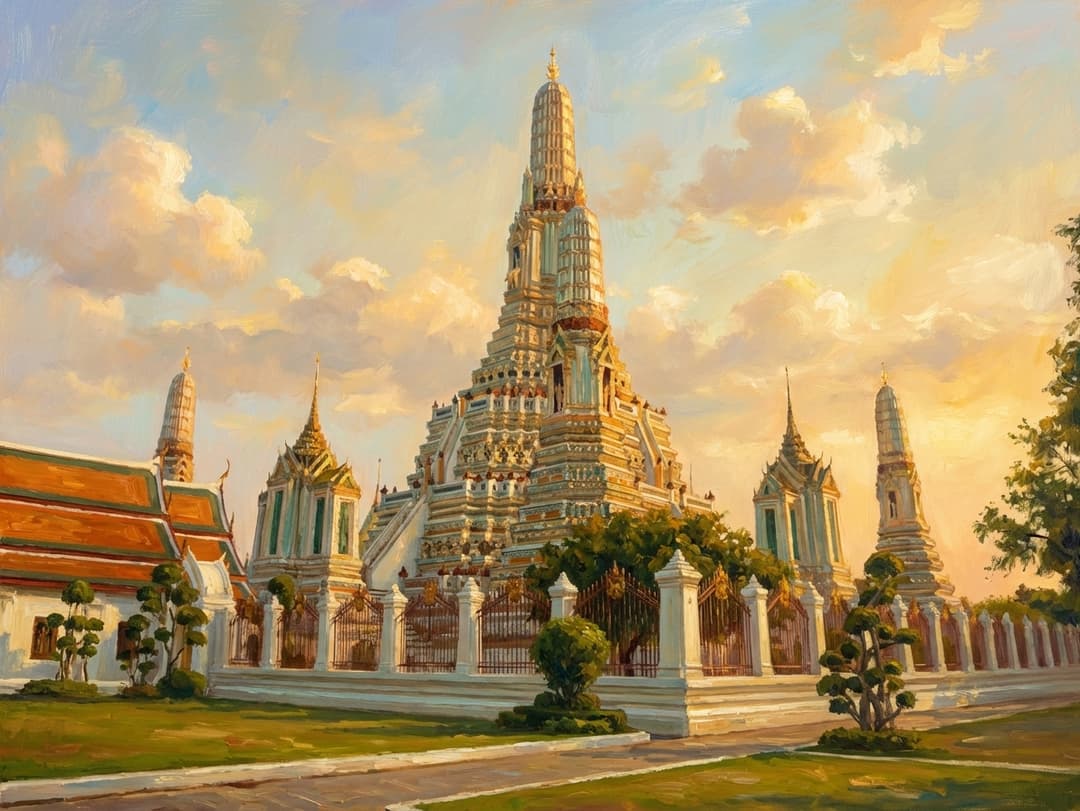
Visiting Wat Arun is a captivating experience, offering a glimpse into Thailand's rich cultural and religious heritage. The temple's stunning architecture, particularly the towering central prang adorned with intricate porcelain decorations, creates a visually striking atmosphere. Visitors can explore the temple grounds, admire the detailed craftsmanship, and enjoy panoramic views of the Chao Phraya River. Remember to dress respectfully, covering shoulders and knees, and be prepared for crowds, especially during peak tourist season.
Highlights
- Admire the intricate porcelain decorations on the central prang.
- Enjoy panoramic views of the Chao Phraya River.
- Explore the temple grounds and discover hidden architectural details.
Things to Know
- Dress respectfully, covering shoulders and knees.
- Be prepared for crowds, especially during peak tourist season.
- The climb to the top of the central prang can be steep.
Location
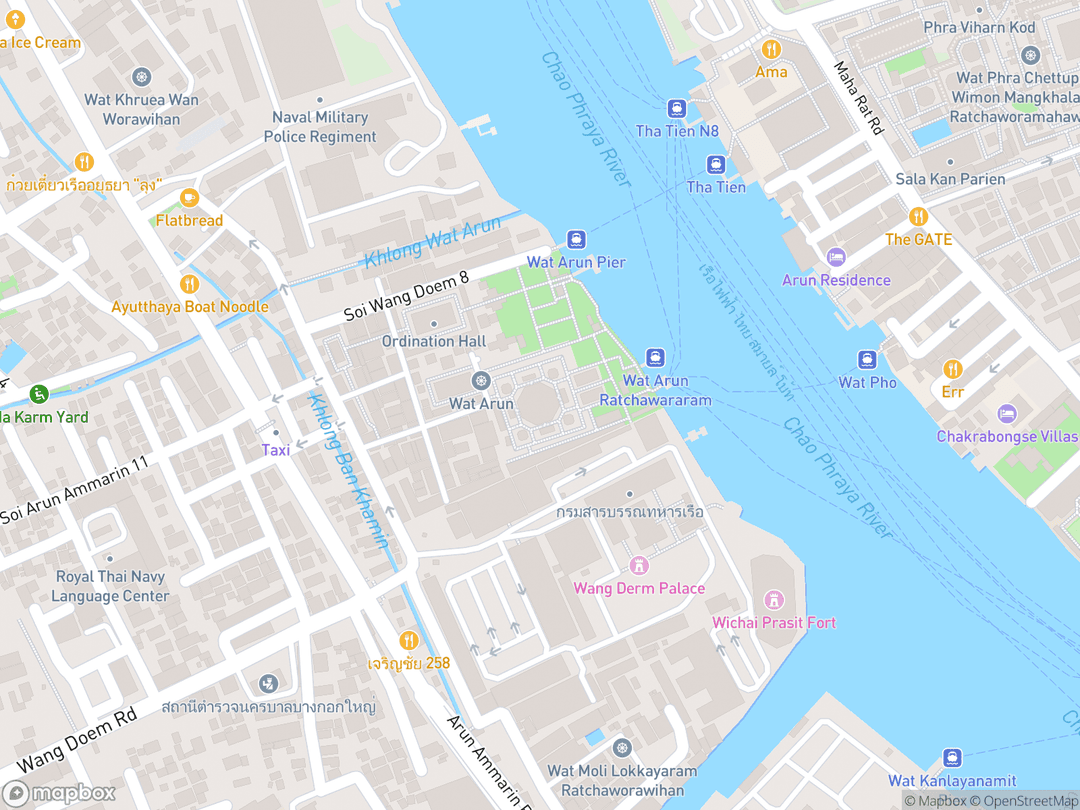
158 Thanon Wang Doem, Wat Arun, Bangkok Yai, Bangkok 10600, Thailand
Hours: Generally open from 8:00 AM to 6:00 PM; check the official website for the most up-to-date information.
Getting There: Easily accessible by boat along the Chao Phraya River. Take a ferry from the Tha Tien pier (near Wat Pho) to cross the river.
Get DirectionsTips for Your Visit
Visit Early or Late
The best time to visit is early in the morning or late in the afternoon to avoid the crowds and the heat.
Dress Respectfully
As a religious site, visitors are expected to dress respectfully. Shoulders and knees should be covered.
About
Wat Arun Ratchawararam Ratchawaramahawihan, also known as Wat Arun or the Temple of Dawn, is a prominent Buddhist temple in Bangkok, Thailand. Situated on the west bank of the Chao Phraya River, it is one of the city's most iconic landmarks, celebrated for its stunning architecture and rich historical significance. The temple's name, Wat Arun, is derived from Aruna, the Hindu god of dawn, reflecting the temple's radiant beauty, especially during sunrise and sunset.
The temple's history dates back to the Ayutthaya period in the 17th century, when it was known as Wat Makok. During the Thonburi period, King Taksin renamed it Wat Chaeng and designated it as a royal temple. Significant renovations and expansions were initiated by King Rama II and continued by King Rama III in the 19th century, transforming it into the architectural marvel it is today. The central prang (tower) is the temple's most striking feature, adorned with intricate decorations made of porcelain, seashells, and colored glass.
Today, Wat Arun stands as a testament to Thailand's rich cultural heritage and artistic craftsmanship. It attracts visitors from around the world who come to admire its architectural splendor, explore its historical significance, and experience the serene atmosphere of this sacred site. Ongoing conservation efforts ensure that Wat Arun remains a cherished landmark for generations to come.
Gallery
Symbolic Elements
The temple's exterior features intricate carvings, each rich with spiritual meaning:

Central Prang
The central prang is the most prominent feature of Wat Arun, symbolizing Mount Meru, the center of the universe in Buddhist cosmology. Its height and intricate decorations reflect the temple's spiritual significance. The prang is adorned with porcelain, seashells, and colored glass, creating a visually stunning effect.
Porcelain Decorations
The use of porcelain and colored glass is not merely decorative but also symbolic, representing purity, enlightenment, and the transient nature of material possessions. These materials adorn the prangs and other structures, adding to the temple's unique aesthetic. The intricate patterns and designs reflect the skill and artistry of Thai craftsmen.
Naga Figures
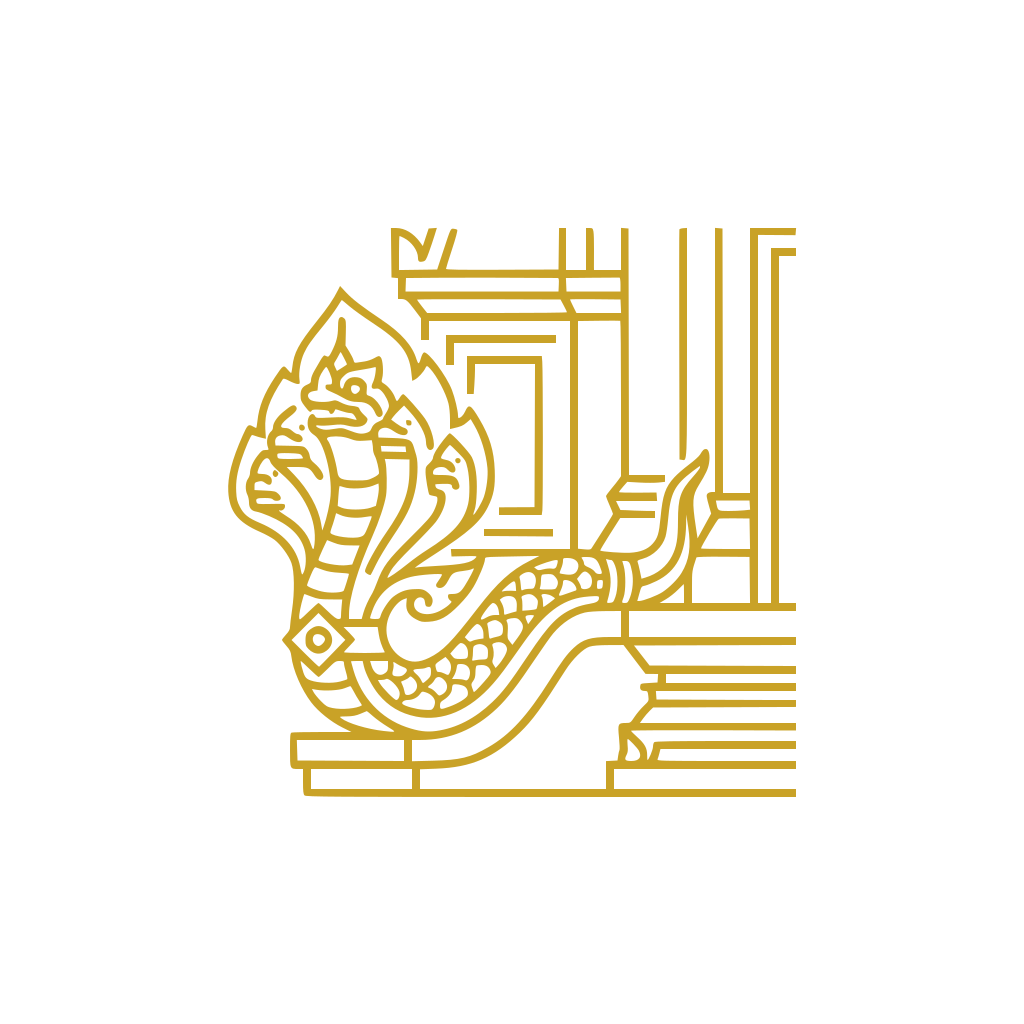
The base of the prangs features naga (serpent) figures, which are mythical creatures that symbolize protection and are often associated with water and fertility. These figures guard the temple and represent the connection between the earthly and divine realms. The naga are depicted with intricate details and vibrant colors.
Guardian Statues
The temple grounds are adorned with various guardian figures, including yaksha (giants) and other mythical beings, which serve to protect the sacred space from evil spirits. These statues stand as sentinels, ensuring the safety and sanctity of the temple. They are depicted with fierce expressions and elaborate costumes.
Mount Meru
The central prang represents Mount Meru, the axis of the world in Buddhist and Hindu cosmology, symbolizing the connection between the earthly and divine realms. This representation reinforces the temple's role as a sacred space for spiritual practice and enlightenment. The prang's design and orientation are aligned with cosmological principles.

Chao Phraya River
The temple's location on the banks of the Chao Phraya River is significant, as the river is considered sacred in Thai culture. The river provides a scenic backdrop and serves as a means of transportation to and from the temple. The river's presence enhances the temple's spiritual atmosphere.
Bell Tower
The bell tower is a traditional element in Thai temples, used to call monks to prayer and to announce important events. The sound of the bell resonates throughout the temple grounds, creating a sense of peace and tranquility. The bell tower's architecture is consistent with the temple's overall style.
Ordination Hall
The ordination hall is a sacred space where monks are ordained and where important religious ceremonies are held. The hall is adorned with Buddha images and intricate decorations, reflecting its significance in Buddhist practice. The hall's architecture is designed to promote contemplation and reverence.
Interesting Facts
Wat Arun was once the home of the Emerald Buddha.
The temple's prangs are best viewed from across the Chao Phraya River.
The temple was renovated during the reign of King Rama IX, and the work was completed in 2017.
The temple is considered one of the most beautiful temples in Thailand.
The detailed ornamentation includes depictions of soldiers, animals, and various mythological figures.
The central prang is about 80 meters (260 feet) tall.
The temple has undergone several name changes throughout its history.
The temple's image is often used in tourism promotions for Bangkok and Thailand.
The temple is a registered Thai historic site.
The temple is particularly stunning when illuminated at night during festivals.
Common Questions
What is Wat Arun known for?
Wat Arun is known for its stunning architecture, particularly the towering central prang adorned with intricate porcelain decorations. It is also known for its rich historical significance and its location on the Chao Phraya River.
What is the best time to visit Wat Arun?
The best time to visit Wat Arun is early in the morning or late in the afternoon to avoid the crowds and the heat. The temple is particularly beautiful at sunrise and sunset.
What should I wear when visiting Wat Arun?
As a religious site, visitors are expected to dress respectfully. Shoulders and knees should be covered.
How do I get to Wat Arun?
Wat Arun is easily accessible by boat along the Chao Phraya River. You can take a ferry from the Tha Tien pier (near Wat Pho) to cross the river.
What is the significance of the central prang?
The central prang symbolizes Mount Meru, the center of the universe in Buddhist cosmology.
Featured Stories
The Legend of King Taksin and the Temple of Dawn
18th Century
During the late 18th century, King Taksin, after establishing Thonburi as the new capital of Siam, arrived at the temple at dawn. He was so impressed by its beauty that he ordered its renovation and renamed it Wat Chaeng, which means "Temple of Dawn." This act marked the beginning of the temple's transformation into the architectural marvel it is today. The story reflects the king's deep respect for Buddhism and his commitment to restoring the kingdom after a period of turmoil.
King Taksin's association with Wat Arun is a testament to his leadership and vision. His decision to renovate the temple not only enhanced its physical appearance but also elevated its status as a symbol of national pride. The temple became an important center for religious practice and a reminder of the king's dedication to his people. The legacy of King Taksin continues to inspire reverence and admiration.
Source: https://www.royalasiaticsociety.org.uk/wat-arun-temple-of-dawn/
The Intricate Porcelain Decorations of Wat Arun
19th Century
The intricate porcelain decorations that adorn the central prang of Wat Arun are a testament to the skill and artistry of Thai craftsmen. During the reign of King Rama III, the temple underwent significant renovations, including the addition of these unique decorations. The porcelain pieces were sourced from broken Chinese ceramics, giving them a new life and purpose. This innovative approach reflects the temple's commitment to sustainability and resourcefulness.
The process of decorating the prang with porcelain was a labor-intensive undertaking, requiring meticulous attention to detail. Each piece was carefully selected and placed to create a harmonious and visually stunning effect. The resulting artwork is a masterpiece of Thai craftsmanship, showcasing the country's rich cultural heritage. The porcelain decorations continue to captivate visitors from around the world.
Source: https://artsandculture.google.com/entity/wat-arun-ratchawararam-ratchawaramahawihan/m0c5294?hl=en
The Vijit Chao Phraya Light Festival at Wat Arun
2023
In 2023, Wat Arun was a featured site in the Vijit Chao Phraya light festival, a spectacular event that showcased the temple's beauty in a new and innovative way. The festival transformed the temple into a mesmerizing display of light and color, attracting visitors from far and wide. The event highlighted the temple's architectural details and enhanced its spiritual atmosphere.
The Vijit Chao Phraya light festival was a celebration of Thai culture and heritage, with Wat Arun serving as a focal point. The event demonstrated the temple's enduring appeal and its ability to adapt to modern forms of artistic expression. The festival was a resounding success, leaving a lasting impression on all who attended. The event reinforced Wat Arun's status as a cultural icon.
Source: https://www.tourismthailand.org/Attraction/wat-arun-ratchawararam-ratchawaramahawihan-temple-of-dawn
Timeline
Construction Begins
Construction of Wat Arun began during the Ayutthaya period; it was initially known as Wat Makok.
MilestoneRenamed Wat Chaeng
King Taksin renamed the temple Wat Chaeng and enshrined the Emerald Buddha here before it was moved to Wat Phra Kaew.
MilestoneRenovations Initiated
King Rama II initiated significant renovations and alterations to the temple, including raising the main prang.
RenovationRenovations Continued
King Rama III continued the renovation work started by King Rama II, further enhancing the temple's architecture.
RenovationRestoration Completed
Extensive restoration work was carried out on the temple during the reign of King Rama IX, completed in 2017.
RenovationFeatured in Light Festival
Wat Arun was a featured site in the Vijit Chao Phraya light festival.
EventAyutthaya Period
The temple served as an important religious site during the Ayutthaya period.
MilestoneThonburi Period
King Taksin designated Wat Chaeng as a royal temple during the Thonburi period.
MilestoneChakri Dynasty
Kings Rama II and Rama III of the Chakri dynasty significantly expanded and renovated the temple.
MilestoneConservation Efforts
Extensive conservation efforts were undertaken to preserve the temple's intricate decorations and structure.
RenovationOngoing Maintenance
Ongoing conservation efforts continue to maintain the temple's splendor.
RenovationEmerald Buddha Moved
The Emerald Buddha was moved from Wat Arun to Wat Phra Kaew, the Temple of the Emerald Buddha.
EventRama IV's Reign
King Rama IV (Mongkut) added more details to the temple.
MilestoneRama V's Reign
King Rama V (Chulalongkorn) continued to support the temple.
MilestoneMajor Restoration
A major restoration project was undertaken in the 1980s to repair damage and preserve the temple.
RenovationReligious Significance
Wat Arun holds profound religious significance as a sacred site for Buddhists. Its architecture, symbolism, and history are deeply intertwined with Buddhist beliefs and practices, making it a place of reverence and spiritual contemplation.
The primary purpose of Wat Arun is to serve as a center for Buddhist worship, education, and cultural preservation. It provides a space for monks and laypeople to engage in religious rituals, study Buddhist teachings, and celebrate important festivals.
Sacred Ordinances
Meditation
Meditation is a central practice in Buddhism, and Wat Arun provides a serene environment for individuals to engage in mindfulness and contemplation. The temple's peaceful atmosphere and beautiful surroundings promote inner peace and spiritual growth.
Chanting
Chanting is another important practice in Buddhism, used to invoke blessings, express devotion, and cultivate a sense of community. Monks and laypeople gather at Wat Arun to chant sacred texts and mantras, creating a harmonious and uplifting atmosphere.
Symbolic Representation
Wat Arun's architecture and decorations are rich in symbolism, reflecting key concepts in Buddhist cosmology and philosophy. The central prang represents Mount Meru, the axis of the world, while the naga figures symbolize protection and fertility. These symbols serve as reminders of the interconnectedness of all things and the path to enlightenment.
Similar Temples
Sources & Research
Every fact on Temples.org is backed by verified Sources & Research. Each piece of information is rated by source tier and confidence level.
View All Sources (4)
| Field | Source | Tier | Retrieved |
|---|---|---|---|
| About & Historical Background | Tourism Authority of Thailand (opens in a new tab) | A | 2024-01-02 |
| About & Historical Background | Britannica (opens in a new tab) | B | 2024-01-02 |
| Architectural Description | Bangkok.com (opens in a new tab) | A | 2024-01-02 |
| Historical Timeline | The Royal Asiatic Society (opens in a new tab) | A | 2024-01-02 |