Visitor Insights
Visiting Yumbulagang
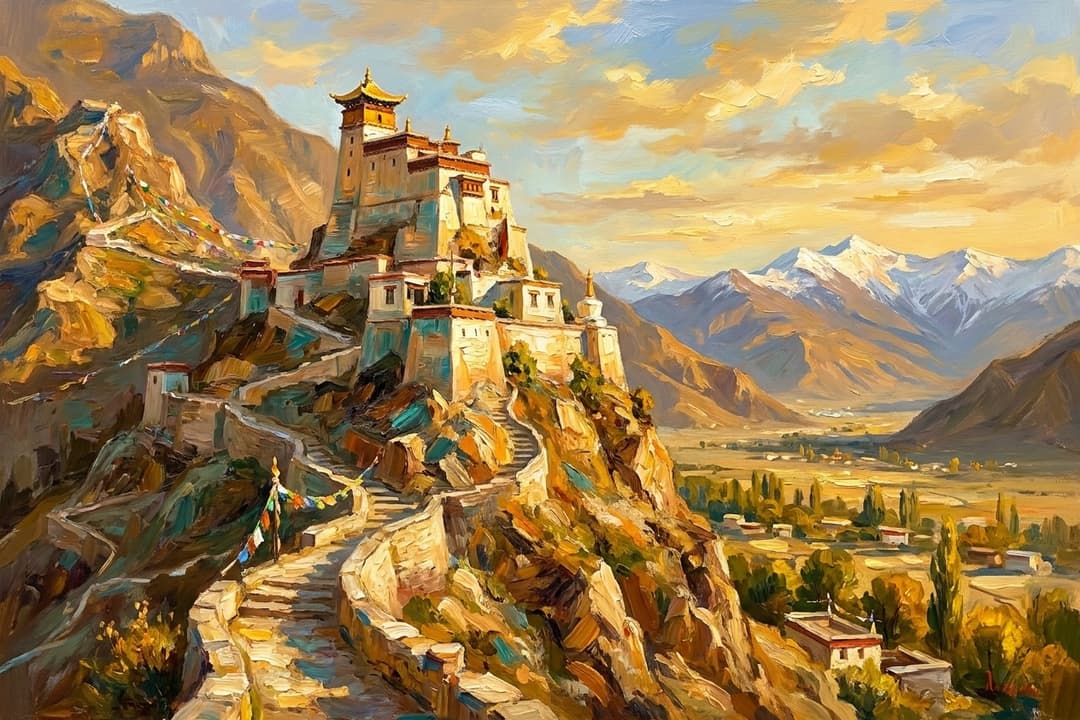
Perched atop the razor-thin ridge of Mount Zhaxi Ceri, Yumbulagang rewards visitors with commanding panoramas across the cultivated fields of the Yarlung Valley. Accessing the interior chapels involves a brief steep climb followed by exploration of ancient wooden ladders connecting multi-level shrines.
Highlights
- Breathtaking cliffside views of the Yarlung River Valley far below.
- Ground floor shrine featuring historical statues of early Yarlung kings.
- Sacred middle floor chanting hall adorned with detailed narrative murals.
- The 11-meter historic watchtower anchored by the central World Pillar.
Things to Know
- High altitude of 3,729 meters requires proper acclimatization before hiking.
- A steep paved stair trail leads up to the fortress entrance.
- Interior stairways consist of narrow wooden ladders requiring careful footing.
Location
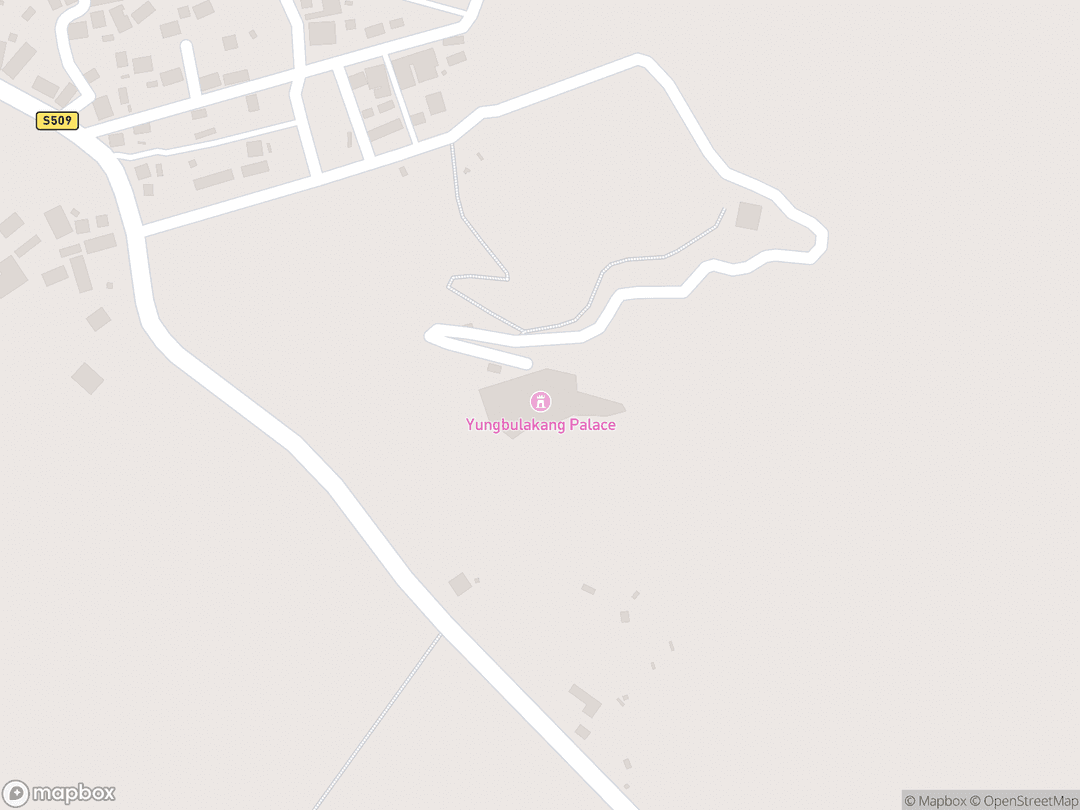
Mount Zhaxi Ceri, Menzhonggang Community, Changzhu Town, Nêdong District, Shannan City, Tibet Autonomous Region, China
Hours: Daily 9:00 AM – 6:00 PM (Last entry at 4:30 PM)
Getting There: Located 12 km south of Tsetang; accessible via local shuttle or taxi followed by a 20-minute summit hike.
Get DirectionsTips for Your Visit
Pacing Your Ascent
Take slow steps up the summit path to manage exertion at high elevation.
Best Lighting for Photography
Arrive in the early morning to capture warm sunlight reflecting off the eastern castle walls.
Respectful Chapel Protocol
Remove hats and follow clockwise circumambulation inside all sacred shrine rooms.
About
Yumbulagang, towering dramatically over the fertile Yarlung Valley, stands as the oldest known permanent structure in Tibet. Founded according to traditional chronicles in the 2nd century BCE, this ancient dzong originally served as the fortress-palace for King Nyatri Tsenpo, the legendary first ruler of the Yarlung Dynasty.
Over the centuries, the complex transformed from a royal seat of secular power into a sacred chapel and pilgrimage center. It holds deep spiritual importance in both indigenous Bon tradition and Tibetan Buddhism, marking the spot where early Buddhist scriptures miraculously descended in the 5th century.
Demolished during the Cultural Revolution in 1966, the fortress was meticulously reconstructed between 1982 and 1984 by local Tibetan artisans using traditional stone, clay, and timber methods. Today, Yumbulagang remains an active shrine and an iconic symbol of Tibetan heritage.
Gallery
Symbolic Elements
The temple's exterior features intricate carvings, each rich with spiritual meaning:

Mount Zhaxi Ceri
The ridge shaped like a female deer representing gentleness and cosmic sanctuary.

The Sky-Rope (Muta)
The ancestral Bon symbol of divine connection linking mortal rulers directly to the heavens.

World Pillar (Sikyi Kawa)
The massive central wooden column inside the tower representing the structural axis mundi.

Golden Roof Pavilion (Gyaser)
The gilded four-cornered canopy symbolising the victory and spread of Buddhist dharma.

Unhewn Fieldstone Foundation
Massive stone bases representing Earth stability and traditional defensive Tibetan Dzong masonry.

Eight-Pillar Assembly Shrine
The sacred ground level hall housing historic ancestral statues of early Yarlung kings.

Sky-Falling Sutra Casket
The symbol of divine spiritual origin commemorating the arrival of the Nyenpo Sangwa text.
Interesting Facts
Yumbulagang is documented as the earliest permanent building in Tibet, predating the Potala Palace by eight centuries. (Tier A)
The agricultural plain stretching beneath the fortress is celebrated as the very first cultivated farmland in Tibet. (Tier B)
In the 5th century, sacred Sanskrit scriptures miraculously landed on the palace roof, introducing Buddhist relics to Tibet. (Tier B)
Despite its commanding cliffside visual appearance, the historic central watchtower stands just 11 meters high. (Tier B)
The name Yumbu translates to 'female deer,' describing the distinctive physical shape of Mount Zhaxi Ceri. (Tier A)
King Songtsen Gampo and Tang Princess Wencheng spent their first summer together residing at Yumbulagang. (Tier B)
The entire visible complex today was rebuilt in the 1980s following its complete destruction during the Cultural Revolution. (Tier A)
Ancient Bon texts record that early Tibetan kings ascended back to heaven from Yumbulagang using a sky-rope called a muta. (Tier B)
Common Questions
Is Yumbulagang the oldest building in Tibet?
Yes, historical accounts record Yumbulagang as Tibet's earliest architectural structure, predating the Potala Palace.
How tall is the watchtower of Yumbulagang?
The central watchtower stands 11 meters tall, though its ridge location makes it appear much larger.
Can visitors go inside the central tower?
Visitors can access lower levels, but upper tower passes are restricted due to steep ladder access.
What is the origin of the name Yumbulagang?
The name means 'Palace on the Female Deer Ridge,' referencing the natural shape of Mount Zhaxi Ceri.
Featured Stories
The Sky-Falling Scriptures
c. 5th Century CE
During the reign of King Lha Thothori Nyantsen, a casket containing Sanskrit sūtras mysteriously fell onto the roof of Yumbulagang. Unable to read the text, the king revered the objects as divine relics named the 'Secret Potent Ones.' This miraculous event laid the spiritual foundation for the arrival of Buddhism in Tibet centuries later.
Source: Ancient Tibetan Royal Chronicles
The First Cultivated Fields of Zorthang
c. 2nd Century BCE
According to regional tradition, the fertile plain below Yumbulagang was the birthplace of Tibetan agriculture. King Nyatri Tsenpo introduced organized farming tools to turn wild grasses into cultivated barley fields. Local farmers still honor Zorthang as the mother soil of Tibetan food culture.
Source: Yarlung Valley Oral Histories
The 1980s Restoration Journey
1982–1984
After the original complex was destroyed during the Cultural Revolution, local elder artisans banded together using ancient memory and historic sketches. Using traditional unhewn stone and hand-mixed clay mortar, they faithfully rebuilt the fortress from its original foundation stones. Their dedicated craftsmanship restored Tibet's foundational monument to future generations.
Source: Tibet Heritage Preservation Records
Timeline
Celestial Founding by King Nyatri Tsenpo
King Nyatri Tsenpo erects Tibet's first royal palace and fortress atop Mount Zhaxi Ceri.
MilestoneArrival of the Sky-Falling Scriptures
Sacred Sanskrit sūtras fall onto the roof during King Lha Thothori Nyantsen's reign.
EventExpansion by King Songtsen Gampo
King Songtsen Gampo converts parts of the fortress into a Buddhist chapel and summer seat.
RenovationRoyal Sanctuary of Prince Tri Wosung
Prince Tri Wosung retreats to Yumbulagang following the collapse of the Tibetan Empire.
EventMonastic Conversion
The Phagmodrupa Dynasty converts the palace into a dedicated monastic shrine and pilgrimage site.
MilestoneGelugpa Addition of Golden Roof
The Fifth Dalai Lama installs a four-cornered golden pavilion roof atop the watchtower.
RenovationDemolition During Cultural Revolution
The complex is destroyed down to its stone foundations during political turbulence.
EventFaithful Community Reconstruction
Local Tibetan artisans rebuild the palace using traditional stone and timber methods.
component.timeline.groundbreakingReconsecration of Rebuilt Complex
The reconstructed fortress is formally reconsecrated as an active sacred chapel.
DedicationBreach and Artifact Theft
Intruders break into the upper chapels and steal ancient sandalwood and metal statues.
EventDigital Heritage Survey
Advanced 3D laser scanning and structural stabilization safeguard the historic site.
EventHistory by Decade
2nd Century BCE — Celestial Founding
King Nyatri Tsenpo, the legendary founder of the Yarlung Dynasty, erects Yumbulagang as Tibet's first palace and fortress. The strategic height served as a royal seat of power and a center for indigenous Bon spiritual ceremonies.
5th Century CE — Descent of Sacred Relics
During the reign of King Lha Thothori Nyantsen, sacred Sanskrit scriptures fall onto the roof of Yumbulagang. Enshrined as divine treasures, these relics mark the first historical connection between the Tibetan royal court and Buddhist traditions.
7th Century CE — Expansion into Imperial Shrine
King Songtsen Gampo moves the Tibetan capital to Lhasa but expands Yumbulagang into a Buddhist chapel and summer residence. He and Princess Wencheng reside at the castle, turning the ancient fortress into a revered royal sanctuary.
14th–17th Century — Monastic Era & Golden Roof
The Phagmodrupa Dynasty formally transfers the complex to monastic administration. Later, the Fifth Dalai Lama incorporates Yumbulagang into the Gelugpa school and installs the four-cornered golden pavilion atop the central tower.
1966–1984 — Destruction and Rebirth
The original complex is demolished during the Cultural Revolution in 1966. Between 1982 and 1984, local Tibetan artisans reconstruct the fortress upon its original stone footings using historical drawings and traditional building techniques.
2000s–Present — Conservation & Digital Mapping
Modern heritage efforts introduce advanced structural monitoring and 3D digital laser scanning to safeguard Yumbulagang. The site remains both an active pilgrimage shrine and a celebrated monument of Tibetan origin.
Architecture & Facilities
Yumbulagang represents the premier historic example of ancient Tibetan Dzong (fortress-castle) architecture, built seamlessly onto a craggy mountain summit ridge. The structure combines steep defensible stone ramparts with interior monastic chapels, crowned by a Gelugpa-style gilded pavilion roof.
Building Materials
Foundation & Outer Ramparts
Thick unhewn fieldstones and granite boulders set in a dense mud-and-clay mortar bed.
Upper Level Walls
Sun-dried mud brick wrapped in white lime-wash plaster supported by heavy wooden frames.
Roofing & Finials
Heavy timber joists topped with compressed earthen floor layers and gilded copper finials.
Central Tower Axis
A massive vertical timber pillar known as the World Pillar extending through the tower shaft.
Interior Features
Royal Ancestral Shrine
An eight-pillar ground level hall housing statues of early Yarlung dynasty rulers.
Sutra Chanting Hall
A middle level chapel with painted narrative murals depicting early Tibetan history.
Watchtower Keep
A three-level internal tower shaft accessed via narrow wooden ladder passes.
Upper Roof Sanctuary
A sacred high balcony area sheltered under the four-cornered golden pavilion roof.
Temple Grounds
Situated atop the narrow ridge of Mount Zhaxi Ceri, accessed by a steep stone stair trail winding up from the Yarlung Valley floor.
Additional Facilities
Visitor facilities include a base trailhead parking area, security checkpoint, and small pilgrim reception hall at the valley base.
Religious Significance
Yumbulagang holds a sacred place in Tibetan spiritual history, bridging indigenous Bon mountain veneration with the foundational dawn of Tibetan Buddhism.
To serve as a royal fortress sanctuary, ancestral memorial shrine, and repository for early sacred Buddhist scriptures.
Sacred Ordinances
Pilgrimage Circumambulation (Kora)
Pilgrims walk clockwise around the mountain ridge path and interior shrines to generate spiritual merit.
Chanting & Incense Offering
Monks and devotees burn aromatic juniper incense and recite sūtras inside the middle floor chanting hall.
The Convergence of Bon and Buddhist Cosmology
Yumbulagang symbolizes the historical shift from ancient Bon divine kingship to Vajrayana Buddhist devotion, uniting royal origin traditions with sacred Buddhist lineage.
Sources & Research
Every fact on Temples.org is backed by verified Sources & Research. Each piece of information is rated by source tier and confidence level.
View All Sources (8)
| Field | Source | Tier | Retrieved |
|---|---|---|---|
| About & Historical Background | China Tibet Information Center (opens in a new tab) | A | 2026-02-23 |
| Religious Significance & Cosmology | Rubin Museum of Art (opens in a new tab) | B | 2026-02-23 |
| Architecture & Structural Layout | PeakVisor Research (opens in a new tab) | B | 2026-02-23 |
| Timeline & Restoration | Our China Story Heritage Records (opens in a new tab) | C | 2026-02-23 |
| Visitor Insights & Access | Tibet Travel Information Bureau (opens in a new tab) | D | 2026-02-23 |
| Interesting Facts & Cultural Lore | Travel China Guide (opens in a new tab) | D | 2026-02-23 |
| Interior Chapels & Statuary | Insight Guides Cultural Heritage (opens in a new tab) | D | 2026-02-23 |
| Timeline & Modern Preservation | Wonders of Tibet Cultural Studies (opens in a new tab) | D | 2026-02-23 |